On Via Camollia in northern Siena, Osteria il Vinaio occupies a stretch of the city where locals outnumber tourists and the pace of lunch follows its own logic. The setting is a classic Sienese osteria format: unhurried, wine-forward, and grounded in the Tuscan tradition of eating as a sustained social act rather than a transaction. For anyone tracing the city's everyday dining culture, it belongs on the list alongside the more prominent trattorias in the historic centre.
Pearl is the En Primeur Club membership app — saves, bookings, and concierge access live there. Same editors, same standards.
- Address
- Via Camollia, 138, 53100 Siena SI, Italy
- Phone
- +39 0577 49615
- Website
- osteriailvinaio.it
- Directions
- Get directions
 Saves & bookings on Pearl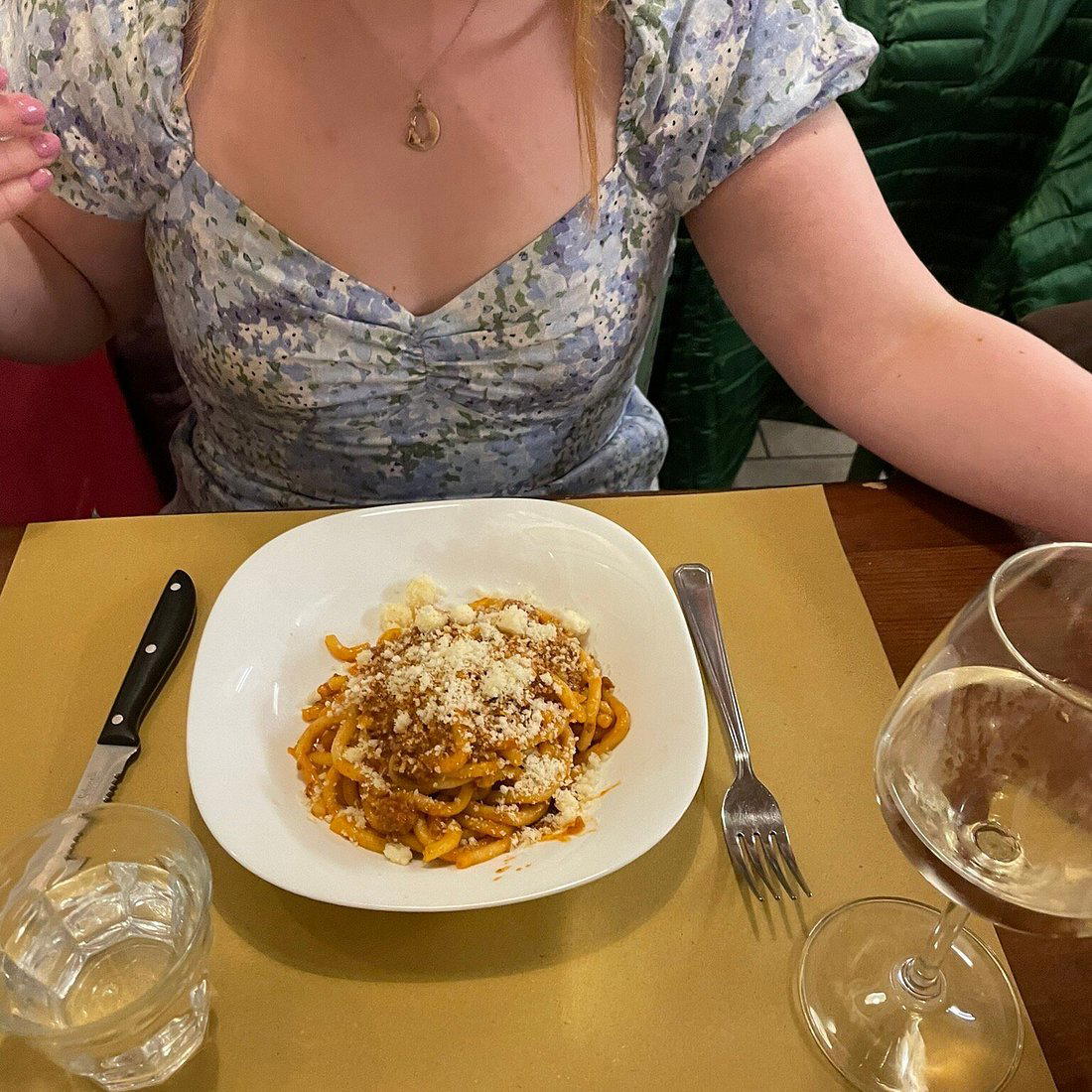
Via Camollia and the Osteria Tradition
Siena's dining culture has always operated on a split frequency. The historic centre around the Piazza del Campo draws the restaurants pitched at visitors and special occasions: places like Il Canto and Alle Logge di Piazza, where tasting menus and curated wine lists reflect a more formal expression of Tuscan cuisine. But the city also sustains a quieter register, spread across the contrade neighbourhoods, where the osteria format persists in something closer to its original function: a room where wine is the anchor, food is substantial but unpretentious, and the meal is structured around conversation rather than performance.
Osteria il Vinaio sits on Via Camollia, the long northward artery that runs from the Piazza Matteotti out toward the Camollia gate. This is a working street, with a bakery here and a hardware shop there, and the kind of foot traffic that belongs to people who live in the city rather than visit it. For the diner who reads address as signal, that location is informative before the door opens.
Entering the Ritual
The osteria format carries its own liturgy, and it is worth understanding that liturgy before arriving anywhere operating in this tradition. The Italian osteria, at its functional core, was never designed around a single dish or a chef's statement. It was designed around duration. You arrive, you order wine first, you eat across multiple unhurried courses, and the bill arrives when you ask for it rather than when the table turns. This is distinct from the trattoria model, which typically implies a broader menu and a slightly more structured service rhythm, and it is different from the ristorante tier occupied by venues such as Enoteca Pinchiorri in Florence or Osteria Francescana in Modena,
At the neighbourhood end of the spectrum, where Osteria il Vinaio operates, the format is literal rather than ironic. The pacing is slow by design. Tuscany's dining culture places particular weight on the midday meal, and lunch at an osteria on a weekday can extend well past two hours without anyone treating this as unusual. The wine selection, typically weighted toward Sangiovese in Siena's orbit, is the connective tissue of the experience rather than an afterthought.
What the Neighbourhood Signals
Via Camollia's dining scene is less documented than the streets immediately surrounding the Campo, which means venues there operate with less tourist cushion and more dependence on returning local custom. That dynamic tends to produce a certain kind of menu discipline: the dishes on offer reflect what the kitchen can execute consistently rather than what photographs well or reads impressively on a translated menu. For context, the Sienese culinary tradition in this register runs to pici al ragù, ribollita when the season calls for it, cured meats with a strong preference for local producers, and grilled secondi that let the ingredient rather than the technique do the work.
Visitors accustomed to the formal precision of destination restaurants elsewhere in Italy, from Piazza Duomo in Alba to Le Calandre in Rubano, will find this register a deliberate change in register rather than a step down. The values being expressed are different. Where a three-Michelin-star kitchen at Reale in Castel di Sangro or Uliassi in Senigallia frames technique as argument, the neighbourhood osteria frames familiarity as argument. Both are coherent positions.
How It Fits Siena's Current Dining Map
Siena's mid-market dining scene has a handful of reference points that draw consistent attention. La Taverna di San Giuseppe operates underground in a medieval cellar near the Duomo and has built a following on its Tuscan wine depth and reliable classic cooking. Il Pomodorino occupies a more casual register, and La Prosciutteria Crudi e Bollicine Siena has made a distinct niche out of the aperitivo-to-charcuterie format. Osteria il Vinaio does not compete directly with any of these. Its position on Via Camollia and its format place it in a separate category: the everyday local osteria that functions as a neighbourhood institution rather than a curated dining destination.
That distinction matters for how you experience the visit. If you are looking for a more structured meal, the higher-tier options across Siena and wider Tuscany offer that. If you are looking for the meal that Siena actually eats on an ordinary Tuesday, the osteria on Via Camollia is a more accurate answer.
Planning the Visit
The restaurant's address at Via Camollia, 138, places it in the northern residential stretch of the city, a manageable walk from the Piazza Matteotti and the main bus terminus. The street is navigable on foot from the central historic area in around ten to fifteen minutes, depending on your entry point into the city. For visitors staying outside the ZTL (the restricted traffic zone that covers most of Siena's historic core), Via Camollia is accessible without the permit complications that affect driving into the centre directly.
Phone and website details are not listed. Walk-in visits are the working assumption for this format, though arriving early in the lunch service window or shortly after dinner opening generally improves your chances of being seated without a wait.
For those building a broader Italian itinerary, the range across the country runs from the deeply regional cooking at Dal Pescatore in Runate and Quattro Passi in Marina del Cantone to the alpine precision of Atelier Moessmer Norbert Niederkofler in Brunico. Closer to Siena, Enrico Bartolini in Milan represents the contemporary fine-dining pole of Italian cooking. The restaurant represents a different register.
What It’s Closest To
Comparable venues nearby, for context on price, style, and recognition.
| Venue | Cuisine | Price | Notes |
|---|---|---|---|
| Osteria il VinaioThis venue — the venue you are viewing | Traditional Sienese Tuscan | $ | Not listed |
| Pizzeria La Trofea | Traditional Coal-Fired Pizza | $ | Piazza del Campo |
| Torrefazione Fiorella | Historic Italian Coffee & Pastry Café | $ | Centro Storico |
| La Prosciutteria Crudi e Bollicine Siena | Tuscan Crudi and Bollicine | $$ | Centro Storico |
| La Taverna di San Giuseppe | Traditional Tuscan Trattoria | $$$ | Historic Siena |
| Ristorante Bar La Favorita | Traditional Tuscan Pizza and Italian | $$ | Centro Storico |
Continue exploring
More in Siena
Restaurants in Siena
Browse all →
Bars in Siena
Browse all →
Hotels in Siena
Browse all →
At a Glance
- Rustic
- Lively
- Cozy
- Casual Hangout
- Group Dining
- Solo
- After Work
- Historic Building
- Open Kitchen
- Beer Program
- Local Sourcing
- Organic
Current opening hours
- Monday
- 10 AM–3 PM, 6–10 PM
- Tuesday
- 10 AM–3 PM, 6–10 PM
- Wednesday
- 10 AM–3 PM, 6–10 PM
- Thursday
- 10 AM–3 PM, 6–10 PM
- Friday
- 10 AM–3 PM, 6–10 PM
- Saturday
- 10 AM–3 PM, 6–10 PM
- Sunday
- Closed
Hours can change for holidays and private events. Last verified .