Osteria del Pinot Grigio Ramato
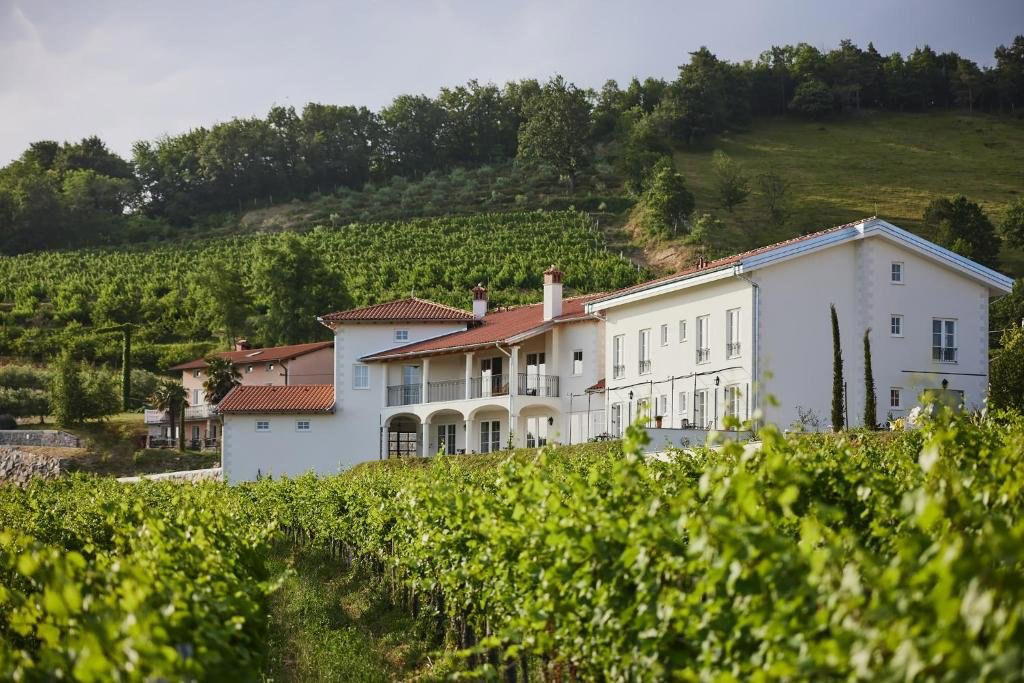
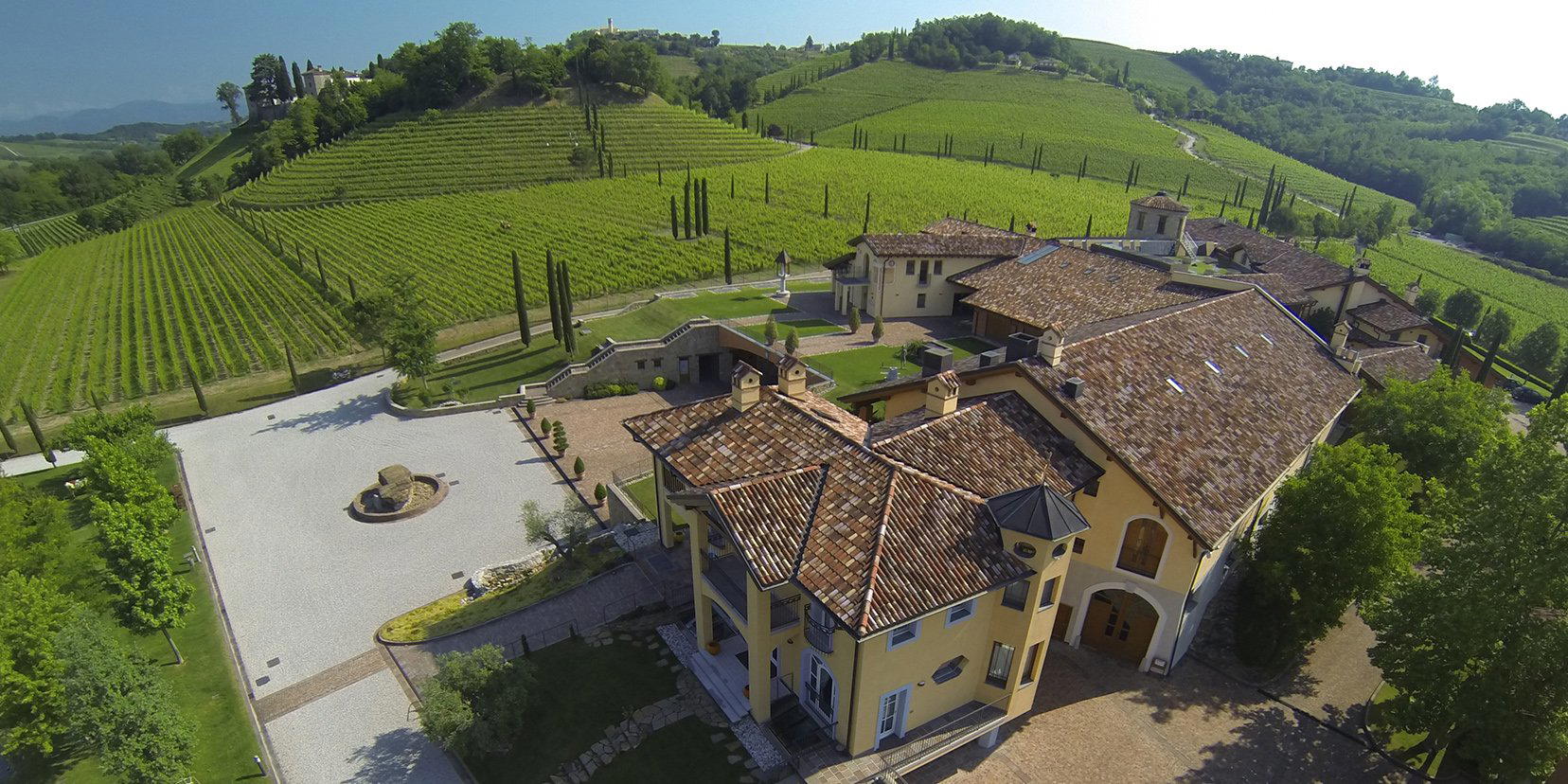
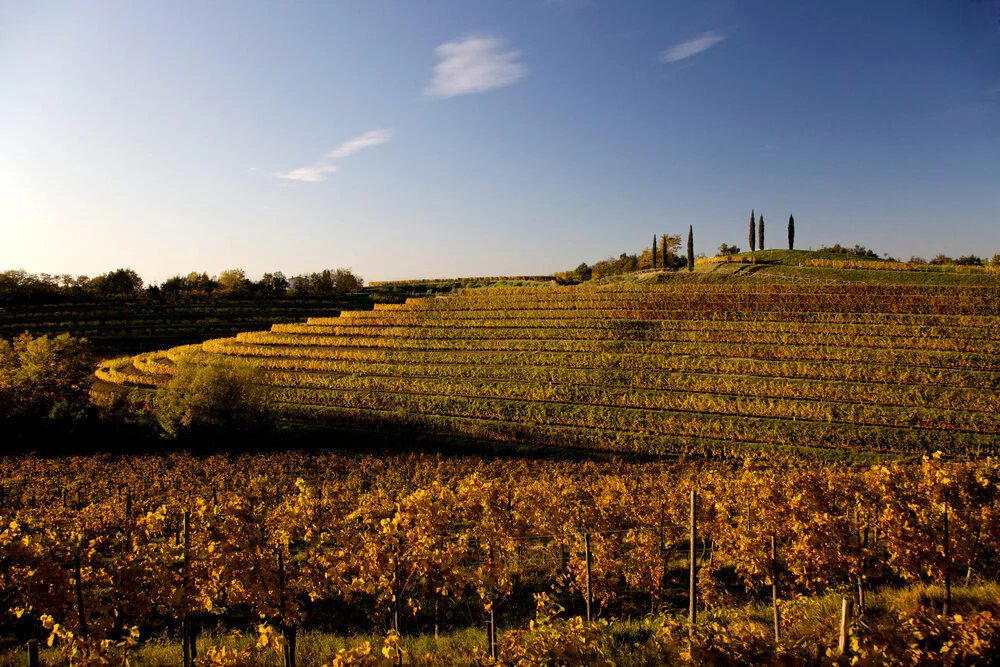
In the wine-growing commune of Corno di Rosazzo, at the heart of Friuli's Colli Orientali DOC, Osteria del Pinot Grigio Ramato anchors its kitchen firmly in the agricultural traditions of the Udine province. The address on Via S. Martino places it among the vineyards that give the restaurant its name, ramato, the copper-skinned expression of Pinot Grigio that defines this corner of northeastern Italy.
Pearl is the En Primeur Club membership app — saves, bookings, and concierge access live there. Same editors, same standards.
- Address
- Via S. Martino, 29, 33040 Corno di Rosazzo UD, Italy
- Phone
- +393791676497
- Directions
- Get directions
 Saves & bookings on Pearl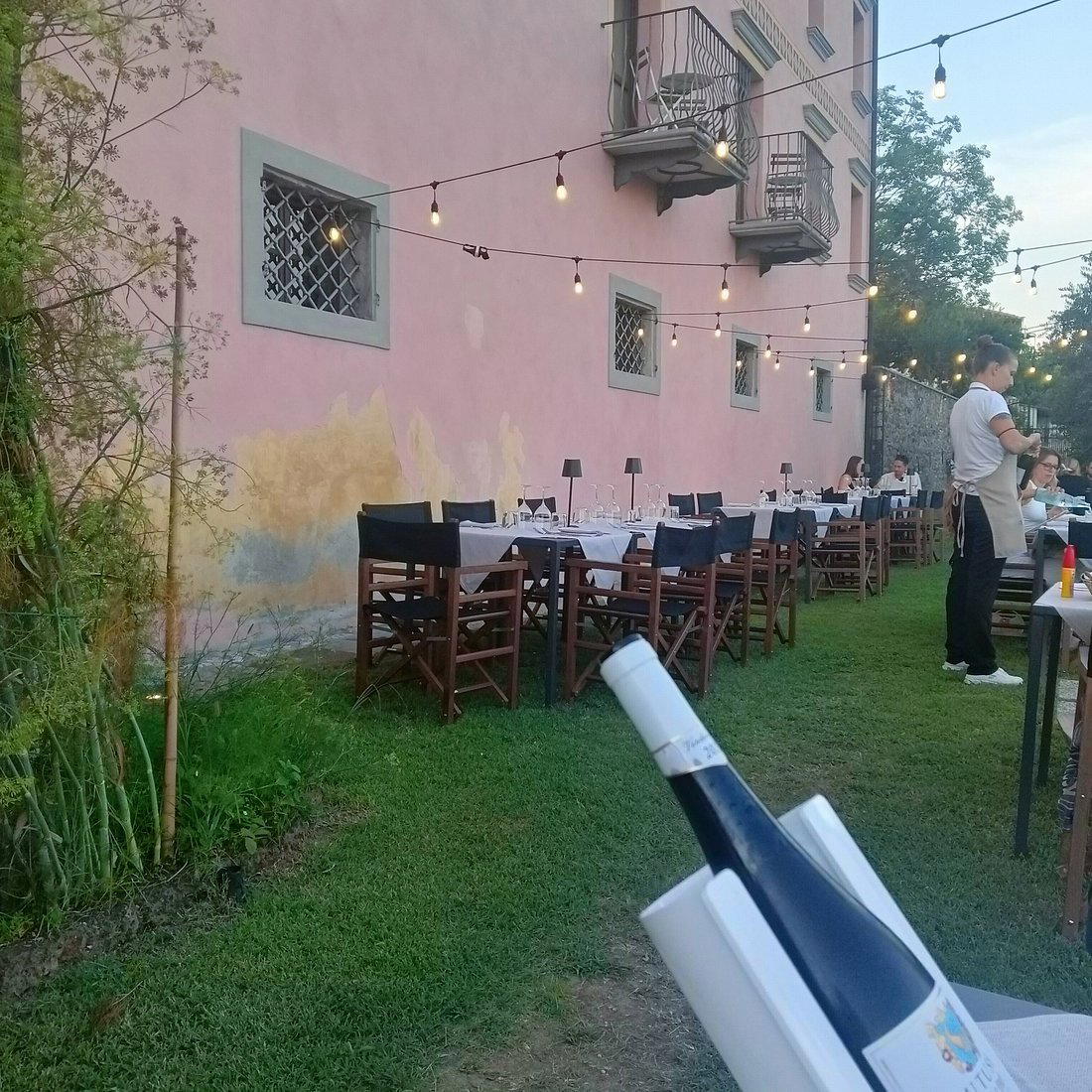
Where the Vine and the Table Are the Same Conversation
Drive east from Udine toward the Slovenian border and the hills of the Colli Orientali del Friuli begin to fold the road into something narrower, slower, more deliberate. Corno di Rosazzo sits in this zone, a commune where winemaking and cooking have operated as a single discipline for generations rather than two separate industries that occasionally collaborate. The address of Osteria del Pinot Grigio Ramato, Via S. Martino, 29, places it physically inside that agricultural logic: the vineyards are not a scenic backdrop but the origin point of the kitchen's identity. The restaurant is in Corno di Rosazzo, Italy, and serves Friuli osteria with regional Italian cuisine at about $40 per person.
The name itself is an editorial statement. Pinot Grigio Ramato is not the pale, high-volume version of the grape that floods export markets. Ramato, copper, in Italian, refers to the traditional Friulian method of allowing brief skin contact, which produces a wine with amber-orange colour, more textural grip, and a character that pairs differently from its stripped-down commercial cousin. A restaurant that names itself after this grape is making a declaration about where it stands in the local food culture: on the side of tradition, specificity, and the kind of detail that requires knowing the difference.
The Friulian Sourcing Logic
Friuli-Venezia Giulia has among the more coherent regional food identities in northern Italy, shaped by its position at the intersection of Italian, Slavic, and Central European culinary traditions. The Colli Orientali zone in particular draws its agricultural character from soils that shift between marl, sandstone, and the local flysch known as Ponca, a layered, crumbling rock that drains freely and stresses the vine in productive ways. What grows in these soils carries a mineral stamp that shows up in the wines and, by extension, in the cooking that has historically been built around them.
Osteria dining in this region operates differently from the tasting-menu format that defines Italy's most decorated restaurants. Venues like Osteria Francescana in Modena, Le Calandre in Rubano, or Enoteca Pinchiorri in Florence operate at a price and ambition tier where the kitchen is the primary object of attention. The osteria format in rural Friuli works from a different premise: the sourcing is the technique, and the wine list is as much a menu as the food. Al Postiglione and Osteria Solder, both within the same commune, reflect this same operating model, a cluster of addresses in Corno di Rosazzo where the Colli Orientali's agricultural output is the shared context.
What the Region Puts on the Plate
Friulian osteria kitchens in this corner of the Udine province tend to work with a short ingredient list drawn from close geography. Frico, the crisp or soft preparation of Montasio cheese with potato, appears in some form across most traditional tables in the province. San Daniele prosciutto, cured just north of here, occupies a different bracket from Parma's product: drier, with more pronounced sweet fat and a longer aging curve. The freshwater fish from the Isonzo and Natisone river systems appear on menus where the kitchen is attentive to seasonal cycles.
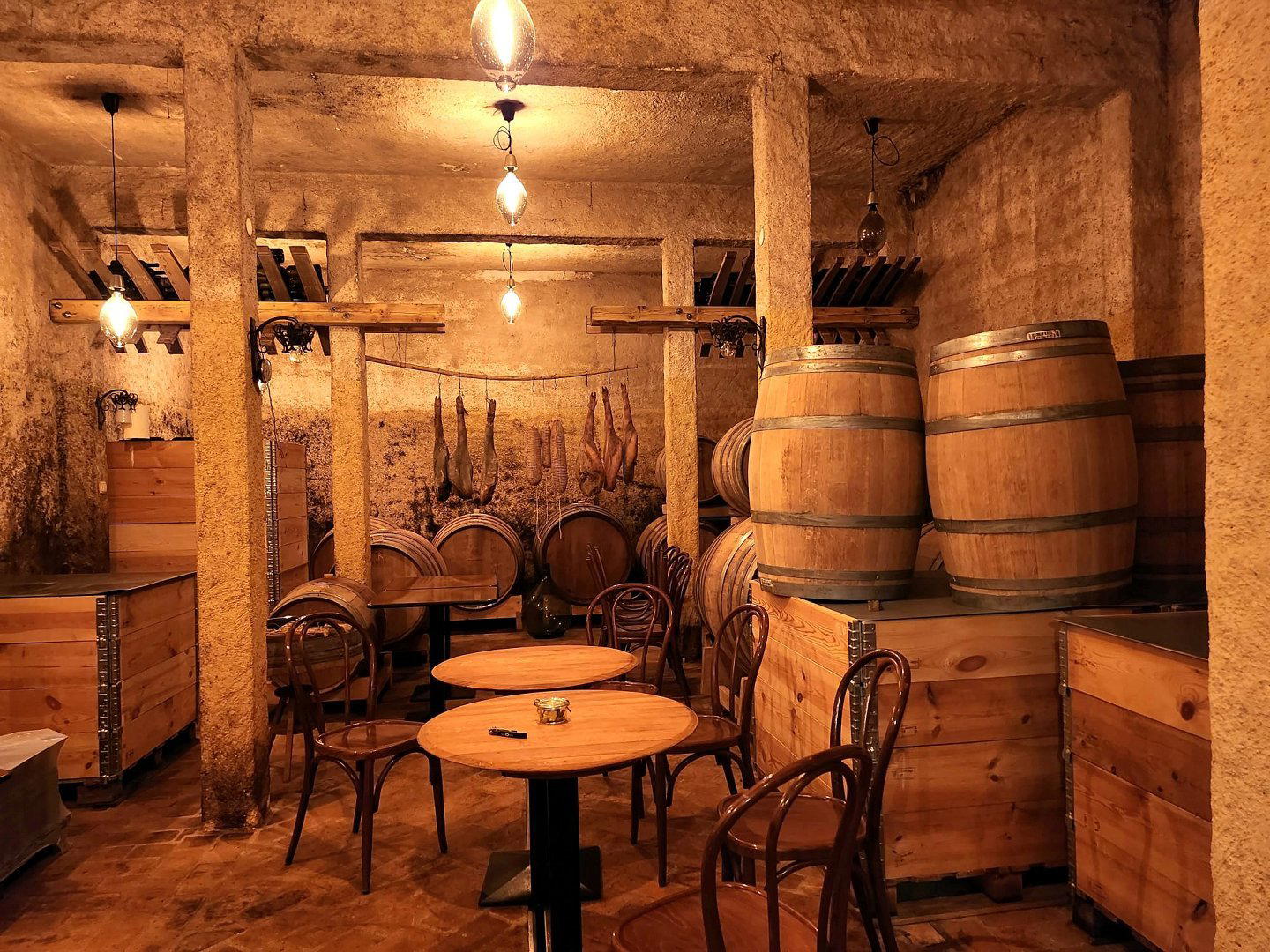
The connection between wine and food in this zone is literal rather than aspirational. Pinot Grigio Ramato, with its tannic texture and oxidative notes, was historically a table wine that worked alongside fatty, smoked, and fermented foods, the kind of preserved-food culture that developed across the region before refrigeration. A kitchen that builds around this grape is, in effect, building around that older dietary logic, even if the execution is contemporary.
This sourcing discipline is what separates the better osterie in this part of Friuli from venues that use regional language decoratively. Italy's most prominent kitchens, from Dal Pescatore in Runate to Piazza Duomo in Alba, have built their identities partly on the precision of their sourcing narratives. At the osteria level in Corno di Rosazzo, that narrative is less articulated in press materials and more embedded in the daily procurement decisions that determine what appears on the menu.
Placing This Address in the Wider Italian Table
Italy's restaurant tier between the decorated fine-dining room and the casual trattoria is where most of the country's most interesting eating actually happens. Venues like Uliassi in Senigallia, Quattro Passi in Marina del Cantone, or Reale in Castel di Sangro represent one end of that intermediate range, Michelin-recognised, technically demanding, but still rooted in specific regional identity. The osteria in a wine commune like Corno di Rosazzo sits at the other end: less formal, less consistent on paper, but often more directly connected to the ingredient source.
That connection matters particularly in Friuli because the region remains underexposed relative to its quality. International visitors who follow the decorated Italian circuit through Modena, Rome, Milan, and the Veneto, stopping at Enrico Bartolini in Milan, La Pergola in Rome, or Da Vittorio in Brusaporto, frequently bypass northeastern Italy entirely. The Colli Orientali's winemaking has received more consistent international attention in the last decade, and dining rooms like this one benefit from that increased traffic, but the area still operates at a quieter register than its quality warrants.
For a different calibration of what regional sourcing can look like at the highest technical level, Atelier Moessmer Norbert Niederkofler in Brunico demonstrates how Alpine ingredient specificity can anchor a kitchen at serious critical altitude. Casa Perbellini 12 Apostoli in Verona offers a different regional lens, closer in geography but differently weighted toward technique. At the other end of the international scale, venues like Le Bernardin in New York City or Atomix in New York City show how sourcing philosophy can drive a kitchen's identity at the highest competitive tier, a useful frame for understanding why the same principle, applied at osteria scale in Friuli, produces something worth seeking.
Planning a Visit
Corno di Rosazzo is accessible by car from Udine, roughly 20 kilometres to the northwest, making it a practical half-day excursion from the city or a natural stop on a wine-focused itinerary through the Colli Orientali. The Via S. Martino address places the osteria in the commune's rural fabric rather than a town centre, so arriving by car is the practical approach. The restaurant is recommended for reservations and opens Wednesday through Sunday, with lunch service on Saturday and Sunday.
Comparison Snapshot
Comparable venues nearby, for context on price, style, and recognition.
| Venue | Cuisine | Price | Notes |
|---|---|---|---|
| Osteria del Pinot Grigio RamatoThis venue — the venue you are viewing | Friuli Osteria with Regional Italian Cuisine | $$$ | Not listed |
| Osteria Solder | Friulian Osteria with Seasonal Twists | $$ | Corno di Rosazzo |
| Al Postiglione | Traditional Italian Trattoria | $$ | Corno di Rosazzo |
| Alla Vedova | Traditional Friulian Trattoria | $$$ | .ud |
| Al Casone | Modern Italian Seafood | $$$ | Grado |
| Bruno Masaneta - Trattoria Cicchetteria | Modern Italian Trattoria with Seafood | $$$ | Grado |
Continue exploring
More in Corno Di Rosazzo
Restaurants in Corno Di Rosazzo
Browse all →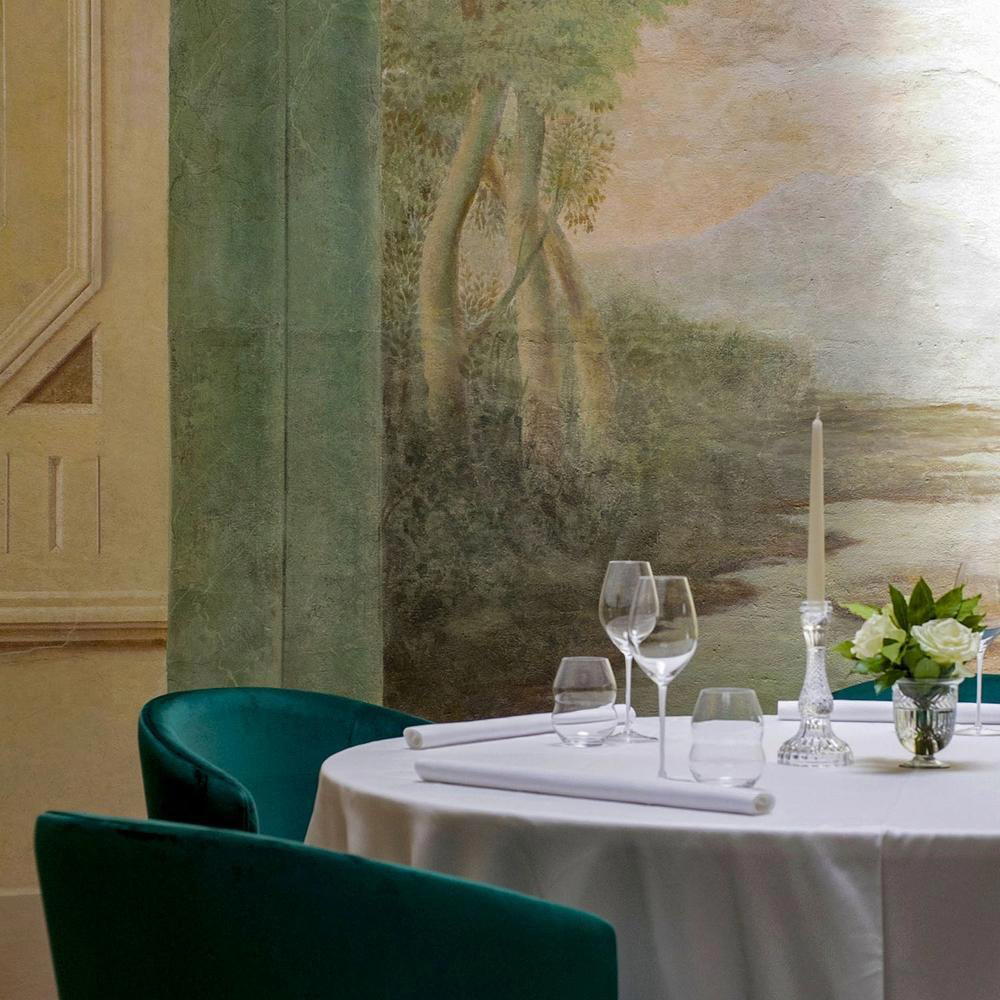
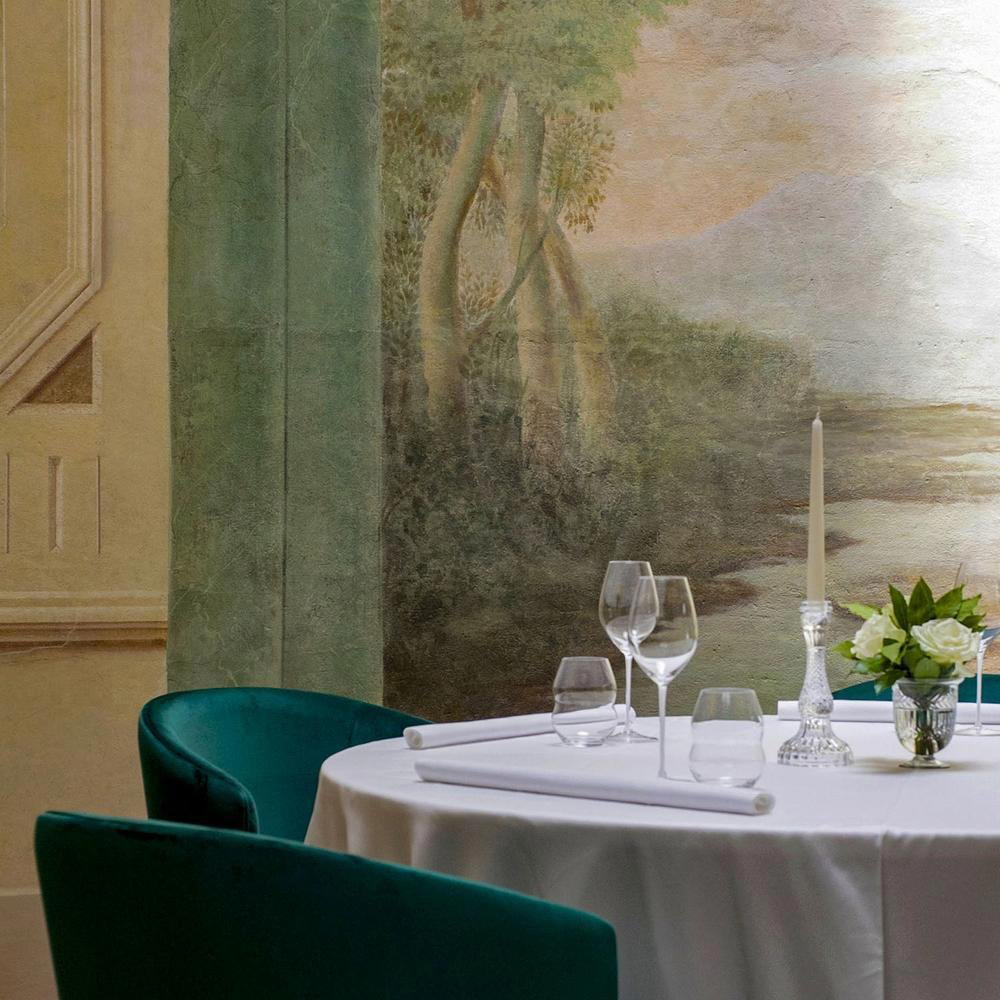
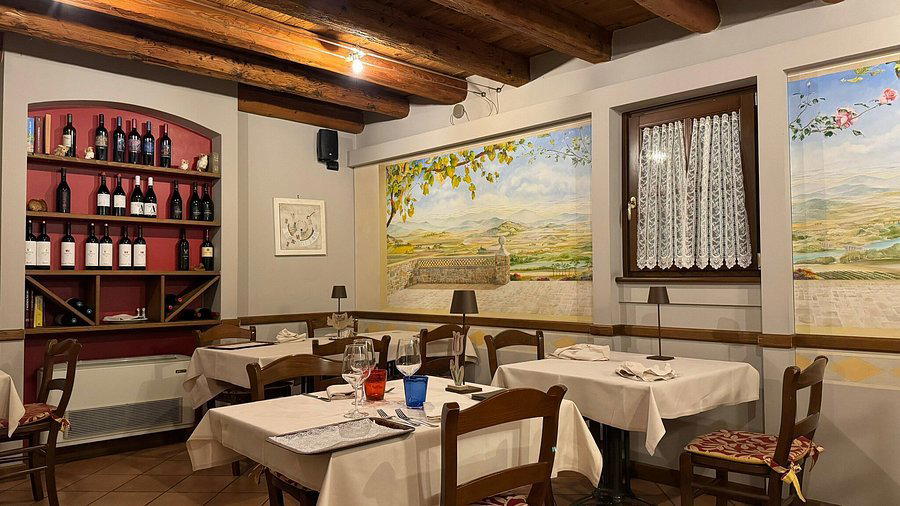
Bars in Corno Di Rosazzo
Browse all →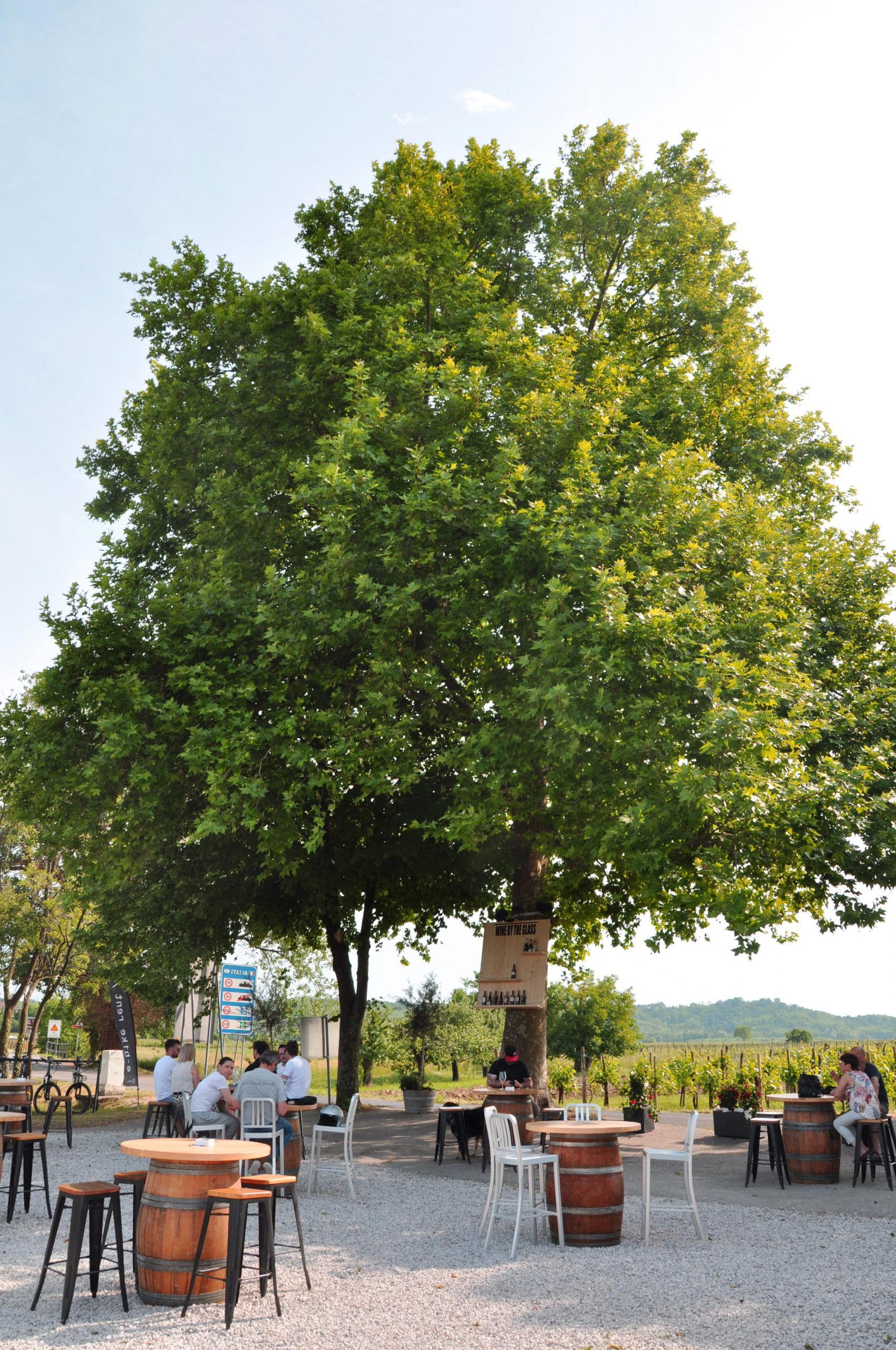
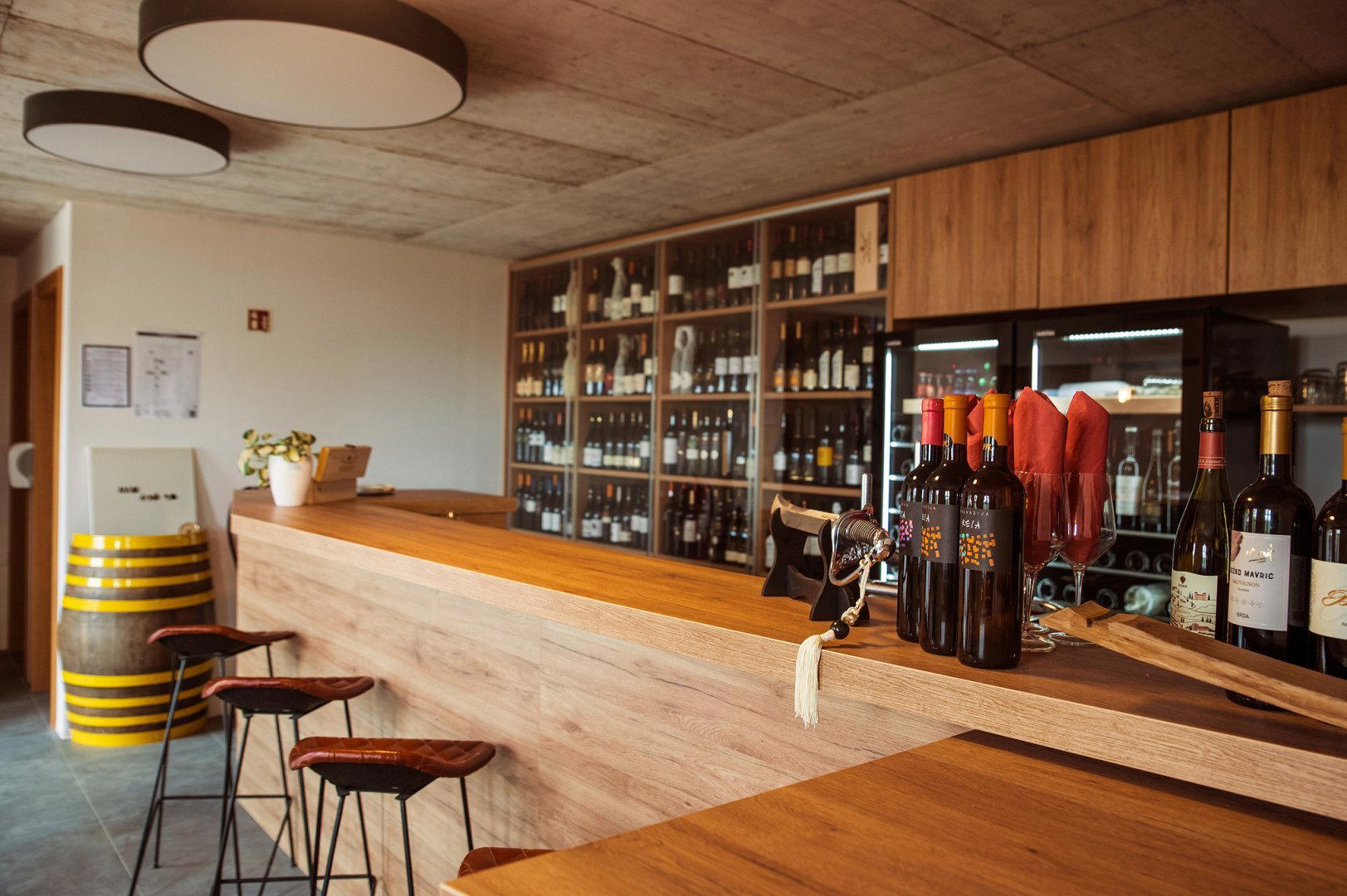
Hotels in Corno Di Rosazzo
Browse all →
At a Glance
- Romantic
- Rustic
- Cozy
- Elegant
- Scenic
- Date Night
- Special Occasion
- Terrace
- Private Dining
- Extensive Wine List
- Local Sourcing
- Vineyard
- Garden
Current opening hours
- Monday
- Closed
- Tuesday
- Closed
- Wednesday
- 5:30–10:30 PM
- Thursday
- 5:30–10:30 PM
- Friday
- 5:30–10:30 PM
- Saturday
- 11:30 AM–3 PM, 5:30–10:30 PM
- Sunday
- 11:30 AM–3 PM, 5:30–10:30 PM
Hours can change for holidays and private events. Last verified .
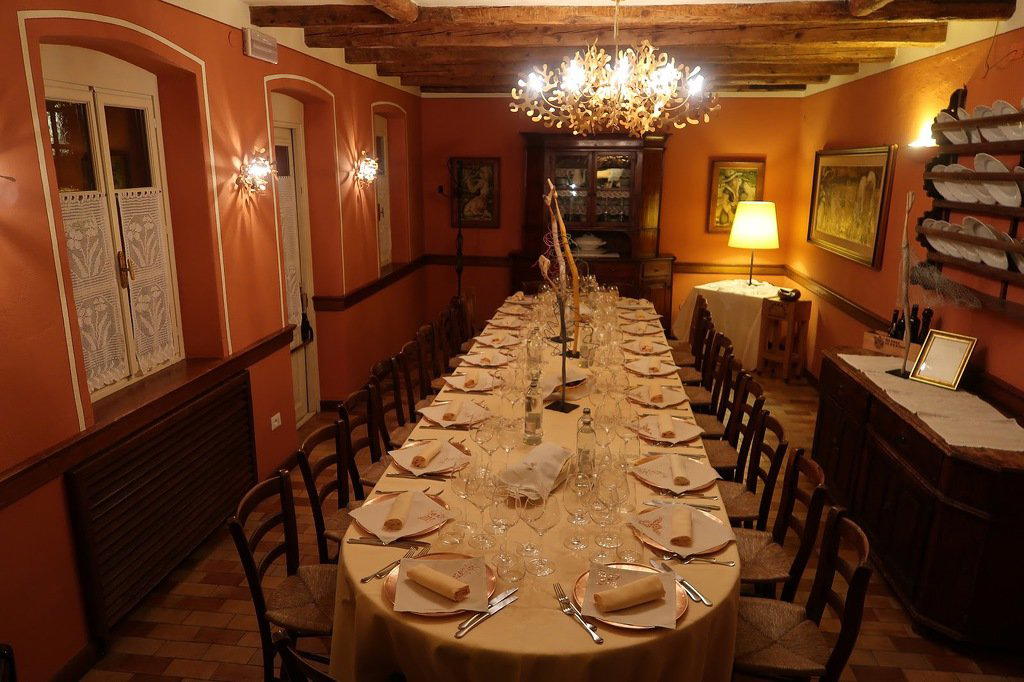
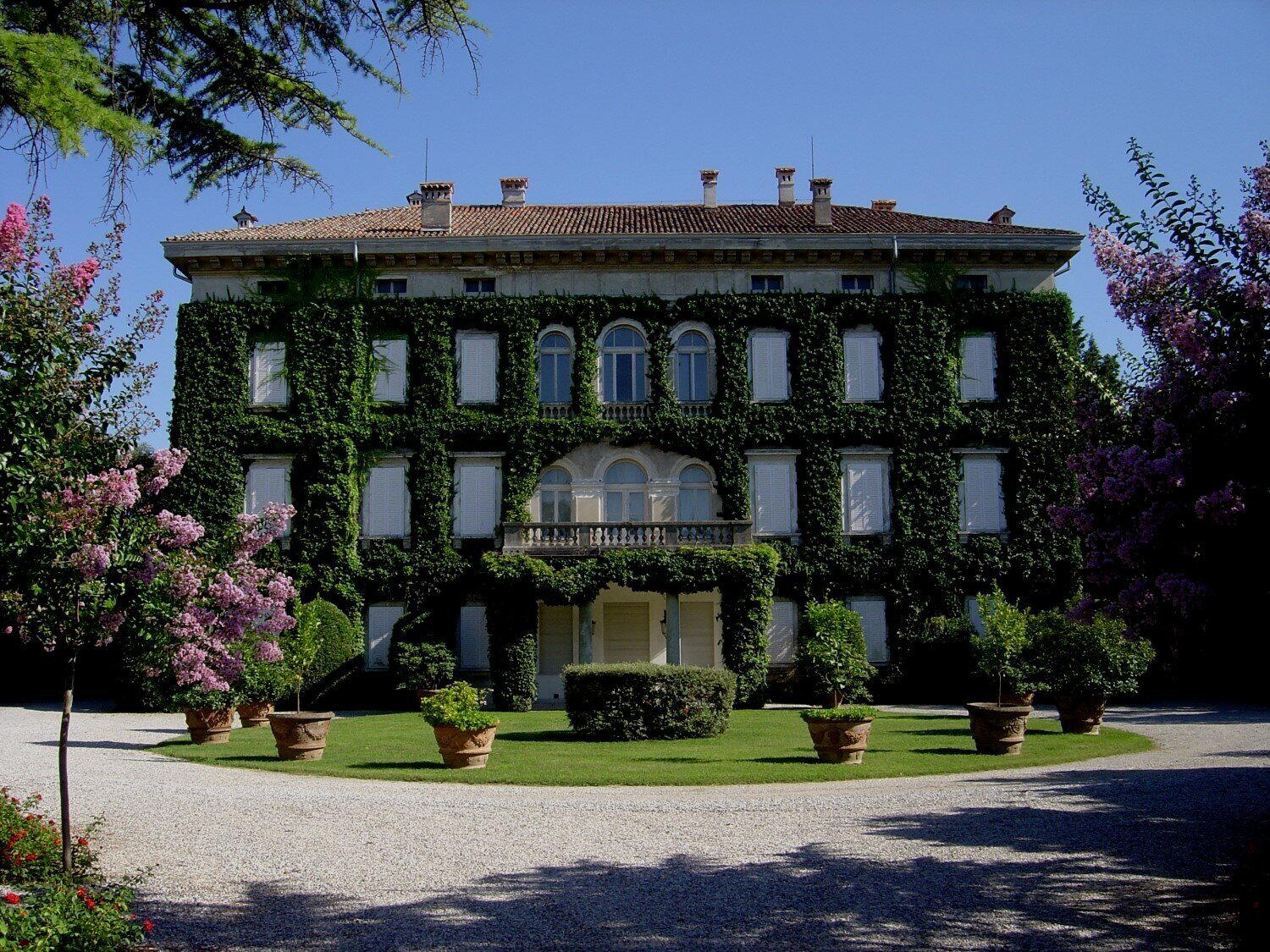
Romantic outdoor terrace overlooking illuminated vineyards with cozy interior in a renovated 18th-century villa.