Osteria dei Gusti sits on Töölönkatu in central Helsinki, bringing an Italian-inflected perspective to a city whose restaurant scene has grown increasingly confident in its own right. The address places it within easy reach of the Töölö neighbourhood's quieter, residential dining culture, a counterpoint to the more prominent Michelin-tracked rooms closer to the waterfront.
 Discover on Pearl
Pearl is the En Primeur Club membership app — saves, bookings, and concierge access live there. Same editors, same standards.
- Address
- Töölönkatu 1, 00100 Helsinki, Finland
- Phone
- +358447445544
- Website
- osteriadeigusti.fi
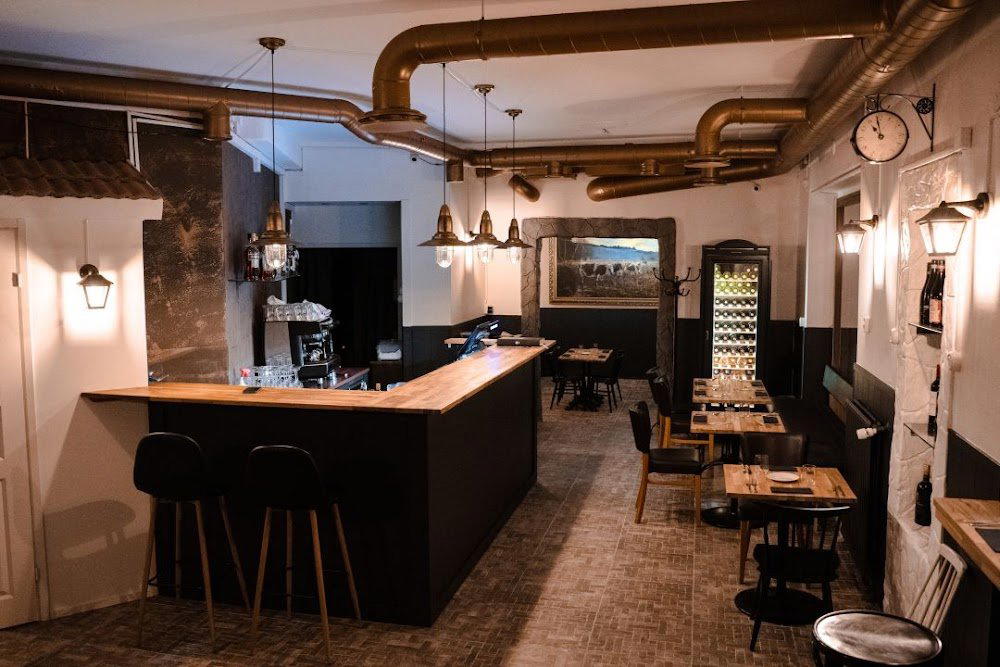
Töölö and the Italian Thread in Helsinki Dining
Helsinki's restaurant scene has spent the better part of two decades redefining itself, moving from a Nordic-only frame toward a more pluralist model where Italian, Japanese, and Middle Eastern kitchens operate alongside the new-wave Finnish rooms that attract international press. Osteria dei Gusti is an Authentic Italian Trattoria at Töölönkatu 1, 00100 Helsinki, Finland. Töölönkatu 1 is a telling address for that shift. Töölö, the residential district north of the city centre, has historically run quieter than the harbour-facing blocks where Palace and Olo have built their reputations, but it is precisely that lower-profile setting that allows a place like Osteria dei Gusti to operate on its own terms, shaped by neighbourhood rhythm rather than destination-restaurant pressure.
Italian cooking in Nordic capitals has followed a recognisable arc. The first wave brought pizza and pasta chains. The second brought more serious trattoria formats with imported ingredients and trained cooks. The current generation, where Osteria dei Gusti sits, tends to be smaller, more focused, and less concerned with proving Italian legitimacy than with finding a workable idiom between Italian culinary logic and a Finnish dining public that has grown considerably more knowledgeable since the mid-2000s. That evolution in audience is as important as any shift in kitchen approach.
The Evolution of the Address
The editorial angle on any established Helsinki address is inevitably about change, because the city's dining culture has changed faster than most European capitals of comparable size. What passed for a credible Italian restaurant in Helsinki fifteen years ago, a wine list heavy on Chianti Classico and a carbonara made with cream, is now firmly out of step with a city that has produced Grön, Finnjävel Salonki, and The ROOM by Kozeen Shiwan within the same decade. Venues that have survived that acceleration have generally done so by adjusting either their format, their sourcing, or their positioning within the city's comparable set.
Osteria dei Gusti carries an Italian framing in its name, a deliberate signal in a market where the word osteria has become shorthand for a particular register: less formal than a ristorante, more food-serious than a casual trattoria, and priced to reflect that middle position. In Helsinki specifically, that register maps usefully onto a dining public that tends to be price-aware but not price-reluctant when the proposition is clear. The Töölö location reinforces that positioning, drawing local regulars rather than relying on tourist footfall from the South Harbour area.
Where It Sits in Helsinki's Current comparable set
The upper tier of Helsinki dining is well documented. Palace and Olo operate at the €€€€ level with tasting menu formats and international recognition. Grön sits in the same bracket with a creative Nordic approach. Below that tier, the city has a functional mid-market of casual-serious rooms where the cooking is often more interesting per euro than the headline venues. Osteria dei Gusti occupies a position in that mid-to-upper middle range, where the competition is not the Michelin rooms but the better neighbourhood restaurants that have proliferated across Helsinki's districts over the past decade.
That competitive set matters because it shapes what the kitchen needs to deliver. A neighbourhood osteria in Helsinki in 2024 is not competing against Italian restaurants in Rome or Milan; it is competing against Grön's casual format, against well-run Japanese counters in Kallio, and against the kind of confident Finnish-European cooking that has spread well beyond the fine dining tier. Diners who choose Töölönkatu over those alternatives are generally making a specific choice about format and flavour register, not just proximity.
Finland's broader restaurant geography is worth noting for context. Cities like Turku have produced serious kitchens such as Kaskis, and smaller cities across the country, from Bistro Henriks in Tampere to Figaro in Jyväskylä, have raised the general standard against which Helsinki rooms are now measured. The capital no longer has an easy monopoly on serious eating in Finland, which has made the city's restaurants sharper by necessity.
The Neighbourhood Case for Töölö
Töölö functions differently from Helsinki's more commercially oriented dining zones. The area around Töölönlahti Bay, a short walk from Töölönkatu 1, is defined more by cultural institutions, the Finnish National Opera among them, than by restaurant clusters. That means evening diners often arrive with a specific destination in mind rather than browsing between options. For a restaurant that trades on neighbourhood loyalty rather than destination traffic, the location creates a predictable and arguably more forgiving audience, one that returns often enough to notice and appreciate incremental changes in menu or format.
The practical logistics of visiting reflect that neighbourhood character. Public transport in Helsinki is dense and reliable; trams and the metro system connect Töölö to the central station within minutes, and the area is walkable from Kamppi for anyone staying in the city centre. Reservations, where applicable, are the sensible approach given that smaller neighbourhood rooms in Helsinki tend to run at high occupancy during weekend services.
Internationally, the format that Osteria dei Gusti represents, a focused Italian-register room in a non-Italian city with a serious local dining culture, has counterparts in cities from New York, where Le Bernardin and Atomix demonstrate what focused-format cooking can achieve at the leading end, to Helsinki's Nordic neighbours. The question in each case is whether the kitchen has found a coherent voice that is neither imitative of its Italian references nor dismissive of its local context. That negotiation is the ongoing editorial story of most immigrant-cuisine restaurants in strong food cities, and it is a story that plays out differently at each address.
For readers building a Finnish itinerary beyond Helsinki, the country's regional dining scene now warrants attention. VÅR in Porvoo, Hejm in Vaasa, Filipof in Joensuu, Gösta in Mänttä, Hai Long in Rovaniemi, JJ's BBQ in Salo, and Vintti in Hämeenlinna represent the kind of distributed serious eating that makes Finland more interesting as a food destination than its international reputation has historically suggested.
Recognition Snapshot
Comparable venues nearby, for context on price, style, and recognition.
| Venue | Cuisine | Price | Awards | Notes |
|---|---|---|---|---|
| Osteria dei GustiThis venue — the venue you are viewing | Authentic Italian Trattoria | $$ | , | |
| Forza | Neapolitan and Roman Pizza | $$ | , | Punavuori |
| Pizzeria Via Tribunali | Neapolitan Pizza | $$ | Kruununhaka | |
| Canvas Canteen | Seasonal Global Lunch Bistro | $$ | , | Punavuori |
| Farouge | Authentic Lebanese | $$ | , | Kaartinkaupunki |
| HogoHuone | Rum & Cocktails Bar | $$ | , | Torkkelinmaki |
Continue exploring
More in Helsinki
Restaurants in Helsinki
Browse all →
Bars in Helsinki
Browse all →
Hotels in Helsinki
Browse all →
Wineries in Helsinki
Browse all →
At a Glance
- Cozy
- Classic
- Intimate
- Date Night
- Casual Hangout
- Open Kitchen
Cozy and relaxed Italian atmosphere with friendly service and a one-of-a-kind welcoming vibe.