On Calle de Claudio Coello in Madrid's Salamanca district, Osteria da Nando occupies a corner of the neighbourhood where Italian and Spanish dining traditions have long coexisted without either erasing the other. The address places it firmly within one of Madrid's most wine-serious dining corridors, where cellars tend to run deeper than menus let on and the room tells you more than the signage does.
Pearl is the En Primeur Club membership app — saves, bookings, and concierge access live there. Same editors, same standards.
- Address
- C. de Claudio Coello, 67, Salamanca, 28001 Madrid, Spain
- Phone
- +34911231143
- Website
- unicohotelmadrid.com
- Directions
- Get directions
 Saves & bookings on Pearl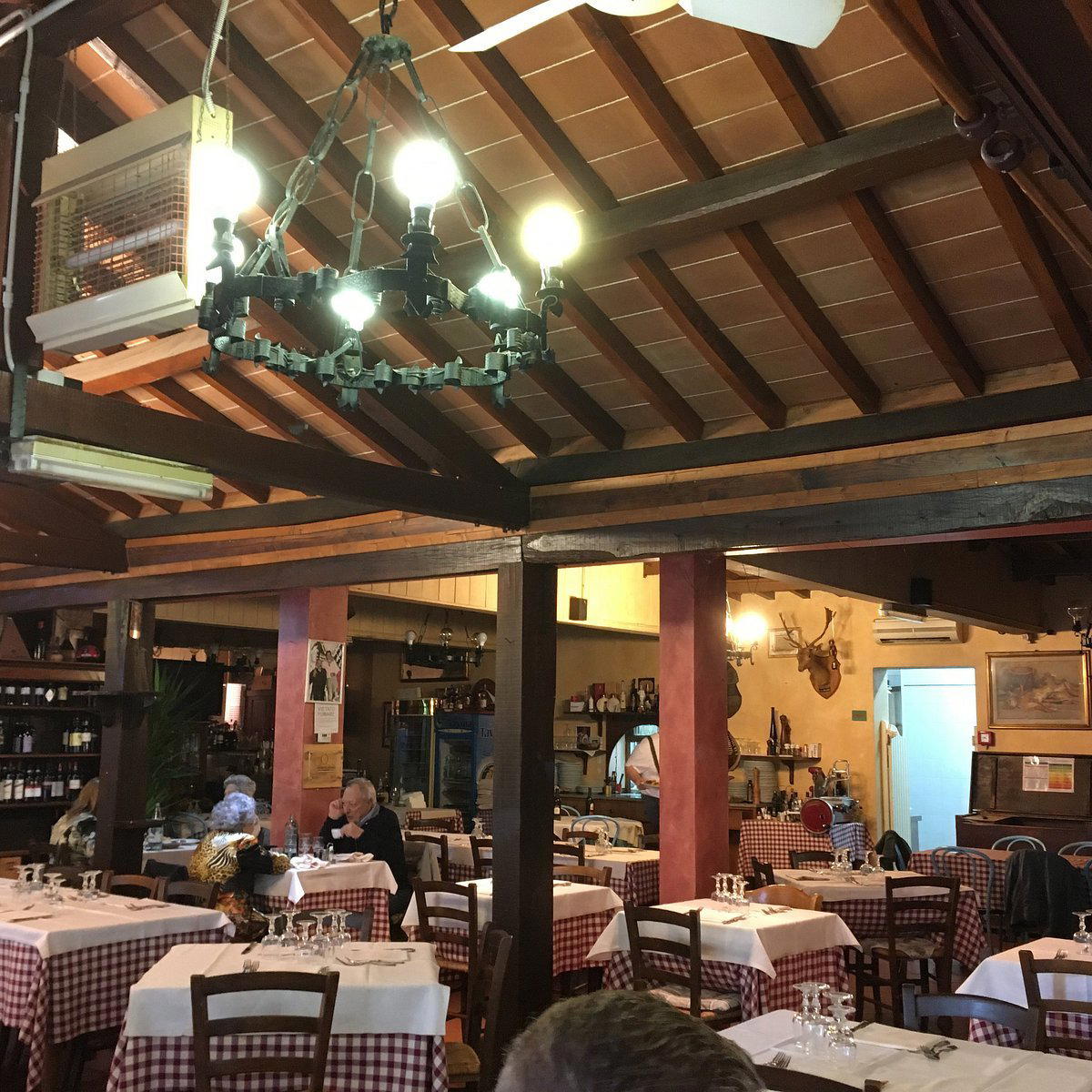
Salamanca's Italian Counter in a Spanish Wine City
Madrid's Salamanca district has spent the better part of three decades consolidating a reputation built on two things: serious spending and serious eating. The streets running off Serrano and Velázquez have accumulated a density of white-tablecloth addresses that few European residential neighbourhoods can match, and Calle de Claudio Coello sits near the heart of that concentration. It is the kind of street where a well-chosen bottle matters as much as the food it accompanies, and where Italian trattorias have carved a distinct niche alongside the Spanish kitchens that dominate the wider city.
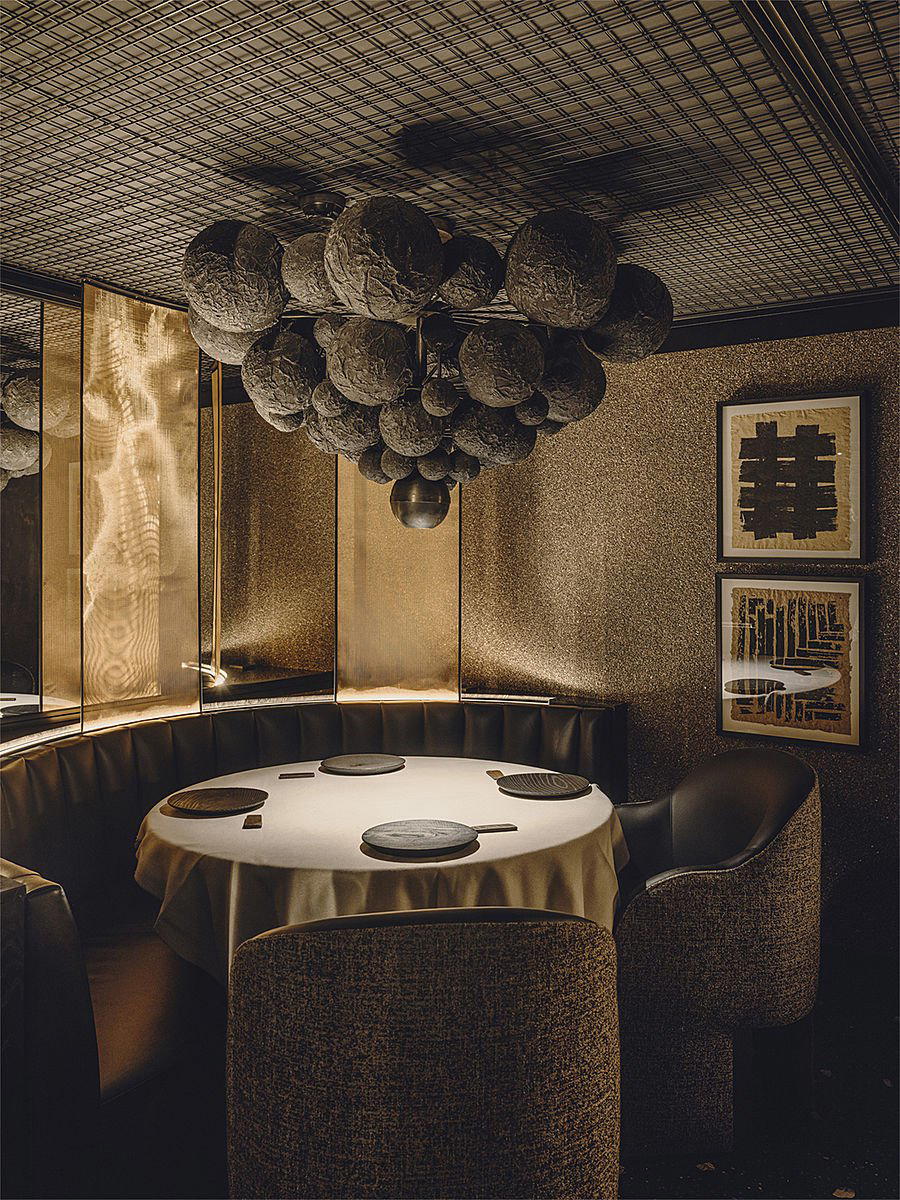
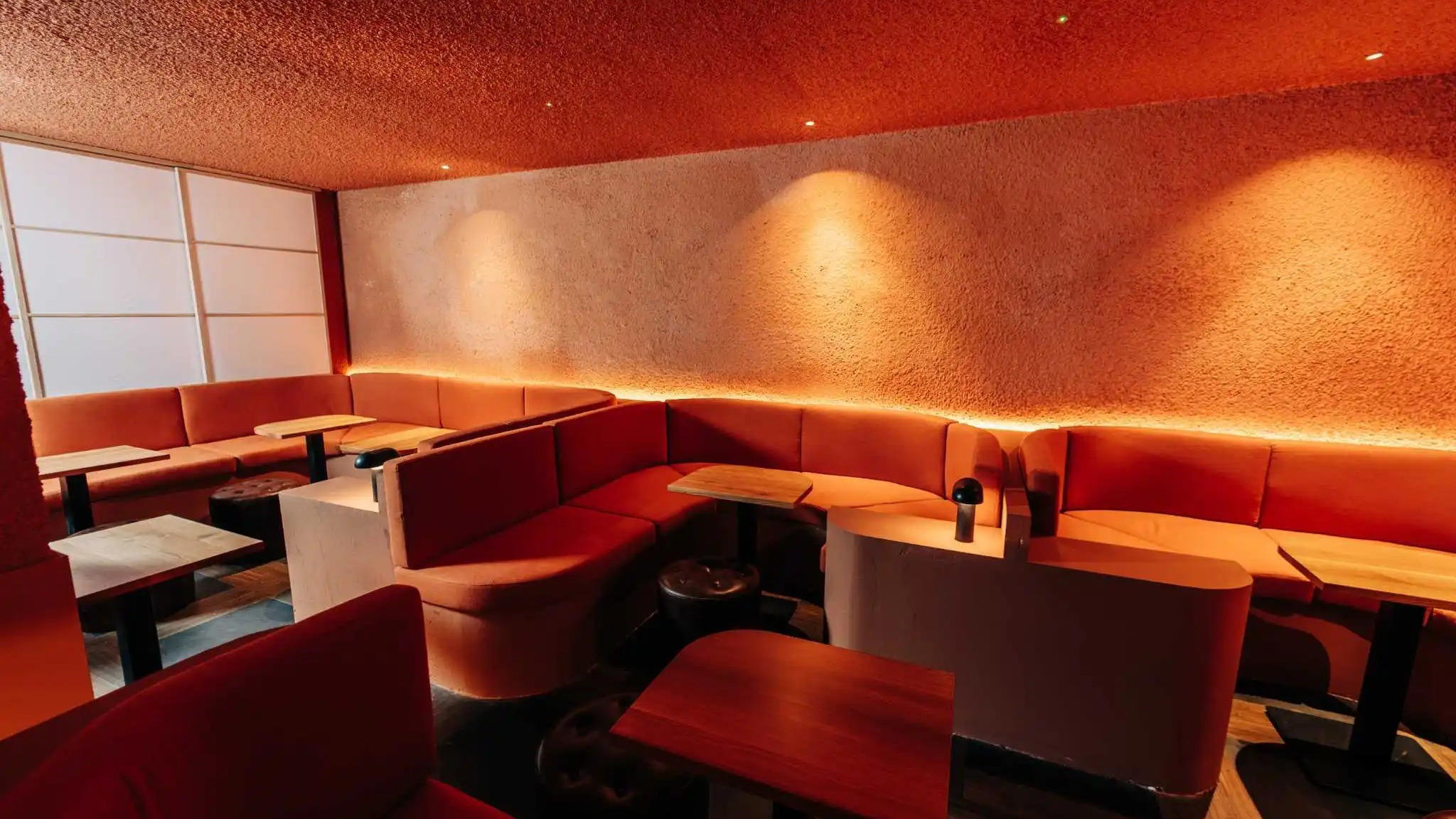
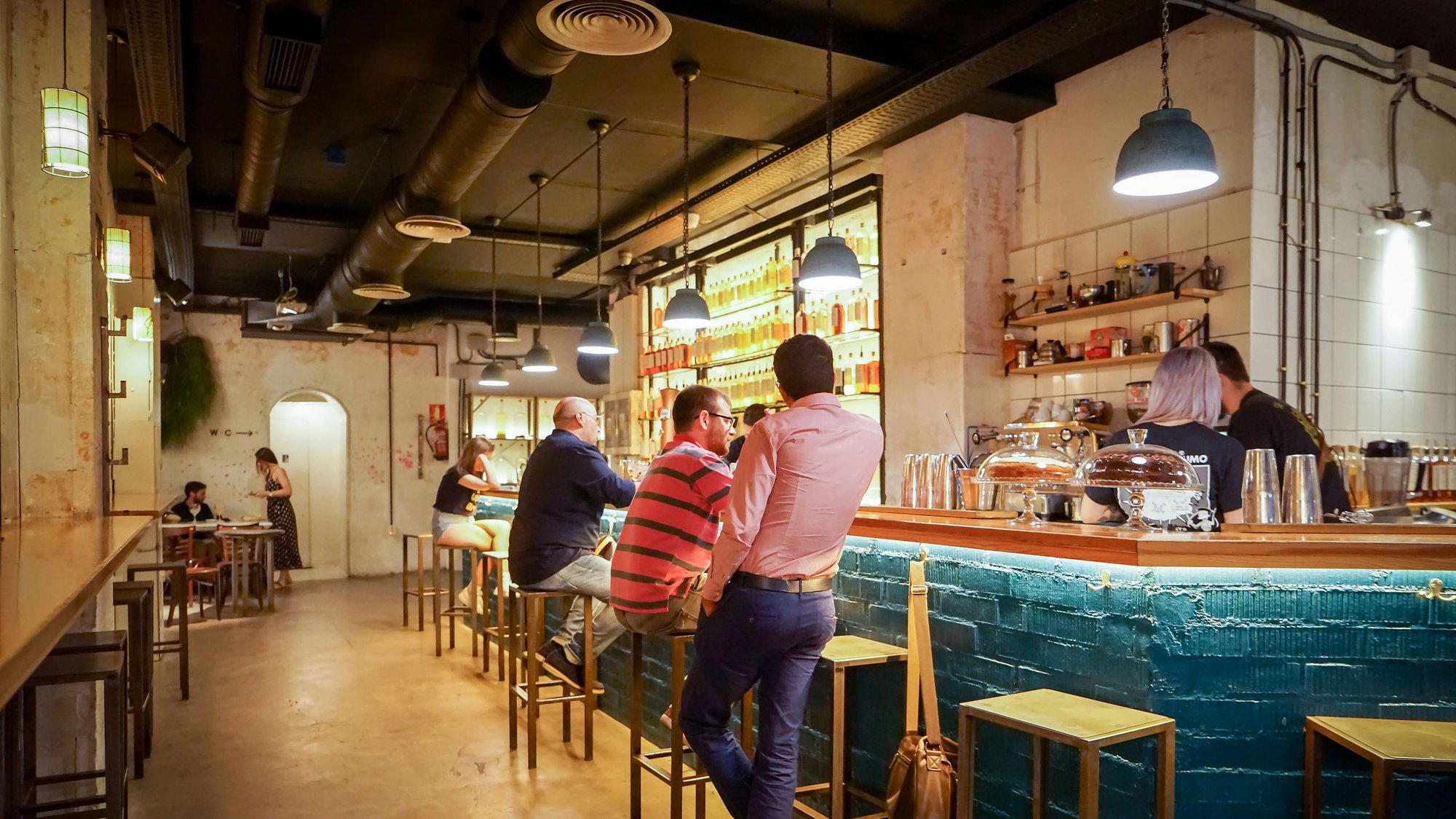
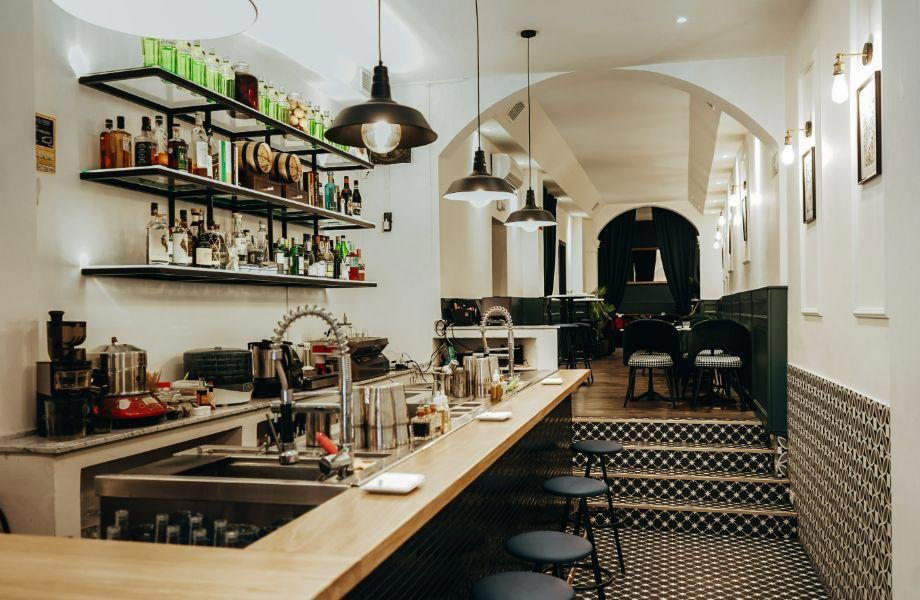
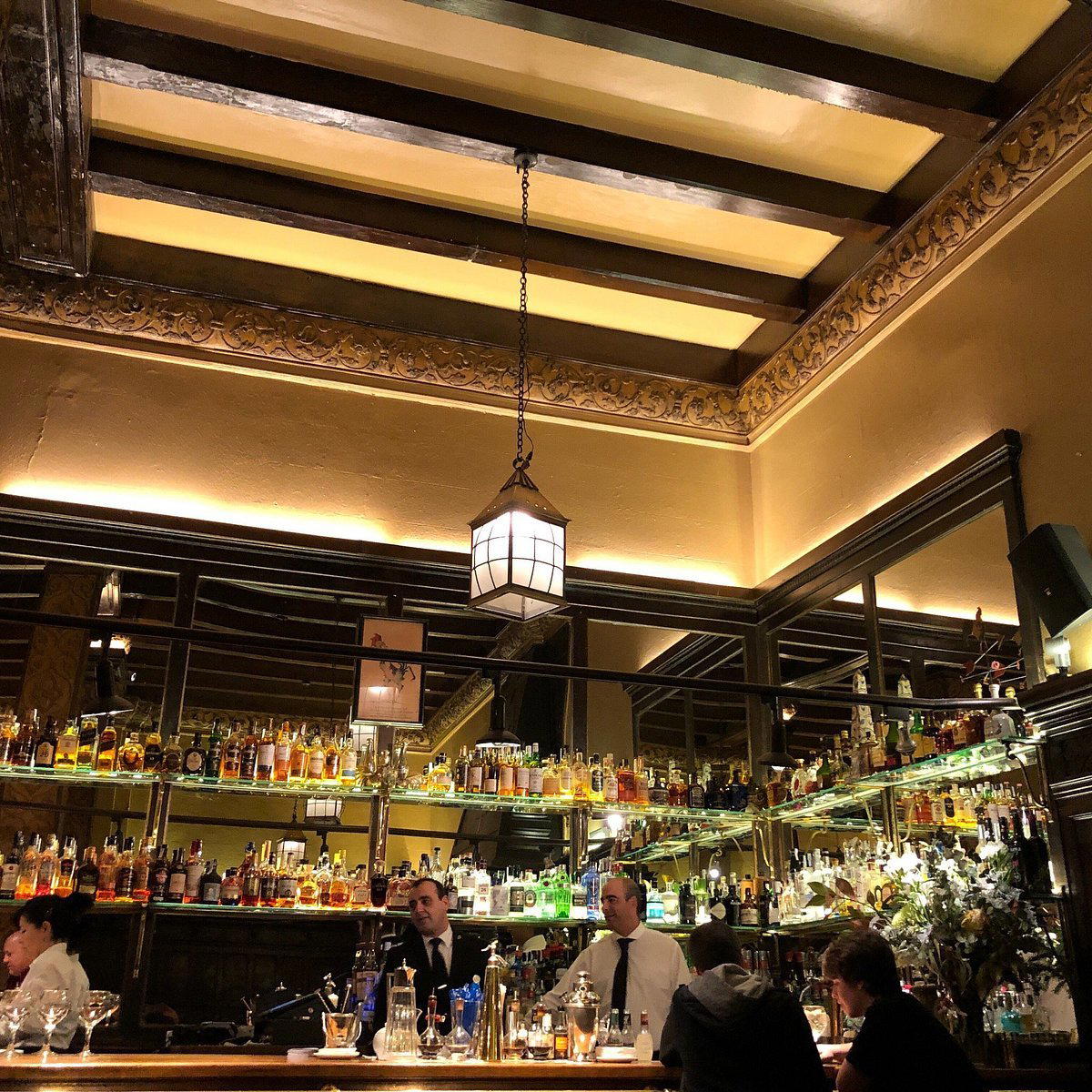
Osteria da Nando sits at number 67 on that street, in a position that tells you something about its ambitions before you read a menu. The osteria format, somewhere between a Roman trattoria and a neighbourhood dining room, has always prioritised the table over the spectacle, and that format holds particular weight in a district where theatre can easily substitute for substance. Here, the physical environment does the communicating: modest exteriors on Claudio Coello rarely signal anything other than confidence in what happens inside.
The Wine Argument in Salamanca
To understand what makes an osteria function in Madrid's wine-serious Salamanca corridor, it helps to understand the city's relationship with Italian wine lists. Madrid has historically imported Italian cuisine at a discount to its ambitions: the pasta is often credible, the wine list rarely is. The better Italian addresses in the Salamanca district have pushed back against that tendency, building cellars that treat Barolo and Brunello with the same rigour that the city's leading Spanish kitchens apply to Rioja Reserva and Ribera del Duero. The wine-forward osteria model, where the list is curated rather than assembled, and where regional Italian producers sit alongside Spanish appellations, has become the marker that separates the serious addresses from the decorative ones.
In a city where Madrid's most decorated progressive kitchens, from DiverXO to Coque and Deessa, compete on the depth and philosophy of their wine programs, the pressure on neighbourhood Italian rooms to maintain comparable seriousness has only increased. The bar for cellar curation in Salamanca now runs higher than it did a decade ago, and addresses that cannot meet it tend to drift toward the tourist end of the market. Osteria da Nando's position on Claudio Coello places it within reach of a clientele that knows the difference.
Format and Room Character
The osteria format carries specific expectations that the trattoria or ristorante designations do not. An osteria historically signalled informality without casualness: the food should be direct, the portions honest, and the wine by-the-glass selection treated as seriously as the bottle list. In Rome or Bologna, that compact reads immediately. In Madrid, it requires some translation, and the better Salamanca addresses have learned to carry the format with enough local fluency that it does not feel imported wholesale.
The Spanish wine audience that frequents Claudio Coello tends to approach Italian lists with more curiosity than certainty, which makes the sommelier role at any serious osteria in the district unusually important. A well-guided pairing conversation, moving a table from automatic Chianti Classico toward, say, a Fiano di Avellino or a Nerello Mascalese, is where the cellar philosophy becomes visible. That kind of guidance is the difference between a wine list that decorates a menu and one that extends the meal.
Madrid's Italian Dining in Context
Madrid is not Milan or Rome, and its Italian dining scene has never pretended otherwise. What the city does well is absorb formats, the osteria, the cicchetti bar, the regional enoteca, and run them through a local filter that softens some conventions and sharpens others. The result is a category of Italian dining that is distinctly Madrileño in pace and social rhythm even when the food is rigorously Italian in reference. Lunch runs long, the aperitivo culture is less entrenched than in northern Italy, and the late dinner hour means that bottle consumption per table tends to be higher than in comparable European cities.
That context matters for anyone calibrating expectations. Osteria da Nando operates within a city where dinner before 9 p.m. marks you as a tourist, where the second bottle arrives as a statement of intent rather than an excess, and where the neighbourhood itself, Salamanca, expects a certain formality of service even when the food format is deliberately approachable. Understanding those rhythms is the precondition for enjoying the meal.
For broader orientation across Madrid's high-end dining spectrum, our full Madrid restaurants guide maps the city's leading addresses across formats and price tiers. Madrid also sits within a national dining scene of considerable depth: Spain's multi-starred addresses range from El Celler de Can Roca in Girona and Arzak in San Sebastián to Azurmendi in Larrabetzu, Martin Berasategui in Lasarte-Oria, Aponiente in El Puerto de Santa María, Mugaritz in Errenteria, Quique Dacosta in Dénia, Ricard Camarena in València, Cocina Hermanos Torres in Barcelona, and Atrio in Cáceres. Within Madrid itself, the creative Spanish tier runs from DSTAgE to Paco Roncero, providing the reference points against which any serious neighbourhood dining room must position itself. Internationally, the Italian-meets-serious-wine format finds stronger comparisons at places like Le Bernardin in New York City in terms of cellar discipline, or the tasting-format rigour of Atomix in New York City.
Planning Your Visit
| Venue | Format | Price Tier | Location |
|---|---|---|---|
| The restaurant | Osteria (Italian) | Not confirmed | Claudio Coello 67, Salamanca |
| DiverXO | Progressive Asian Creative | €€€€ | Madrid |
| Coque | Spanish Creative | €€€€ | Madrid |
| Deessa | Modern Spanish Creative | €€€€ | Madrid |
| Paco Roncero | Creative | €€€€ | Madrid |
The Salamanca district is accessible from central Madrid in under fifteen minutes by metro (Serrano or Velázquez on Line 4). Claudio Coello runs parallel to both major arteries and is walkable from either station. For neighbourhood Italian addresses operating without confirmed online booking infrastructure, arriving with a reservation confirmed by phone or in person remains the standard approach. Dinner service in Salamanca typically fills from 9 p.m. onward; arriving earlier increases flexibility.
Fast Comparison
Comparable venues nearby, for context on price, style, and recognition.
| Venue | Cuisine | Price | Notes |
|---|---|---|---|
| Osteria da NandoThis venue — the venue you are viewing | Traditional Asturian Cuisine | $$ | Not listed |
| 11 Nudos Madrid | Modern Atlantic & Galician Cuisine | $$ | Chueca |
| Taberna del Olivo | Traditional Spanish Paella and Tapas | $$ | Lista |
| Casa Varona | Traditional Spanish Tapas & Wine Bar | $$ | Barrio de las Letras |
| PETIT COMITÉ Azca | Spanish Tapas with French Touch | $$ | Cuatro Caminos |
| Puzles Madrid | Traditional Spanish Tapas & Vermouth | $$ | Ibiza |

At a Glance
- Classic
- Rustic
- Cozy
- Group Dining
- Family
- Casual Hangout
- Celebration
- Standalone
- Beer Program
- Local Sourcing