Osteria Borgo Ronche

Holding a 2025 Michelin Plate in a town that rarely draws restaurant attention, Osteria Borgo Ronche operates at a modest price point with a kitchen firmly oriented toward the sea. The format shifts between a simpler lunch service and more ambitious evening cooking, making it a considered stop in the Friuli-Venezia Giulia interior.
Pearl is the En Primeur Club membership app — saves, bookings, and concierge access live there. Same editors, same standards.
- Address
- Via S. Pellico, 54, 33074 Fontanafredda PN, Italy
- Phone
- +39 0434 565016
- Directions
- Get directions
 Saves & bookings on Pearl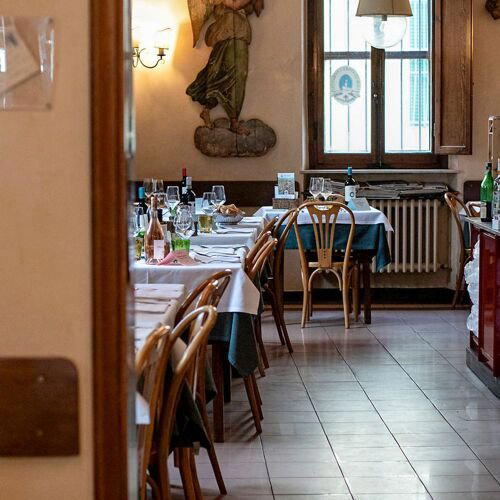
A Seafood Kitchen in Landlocked Friuli
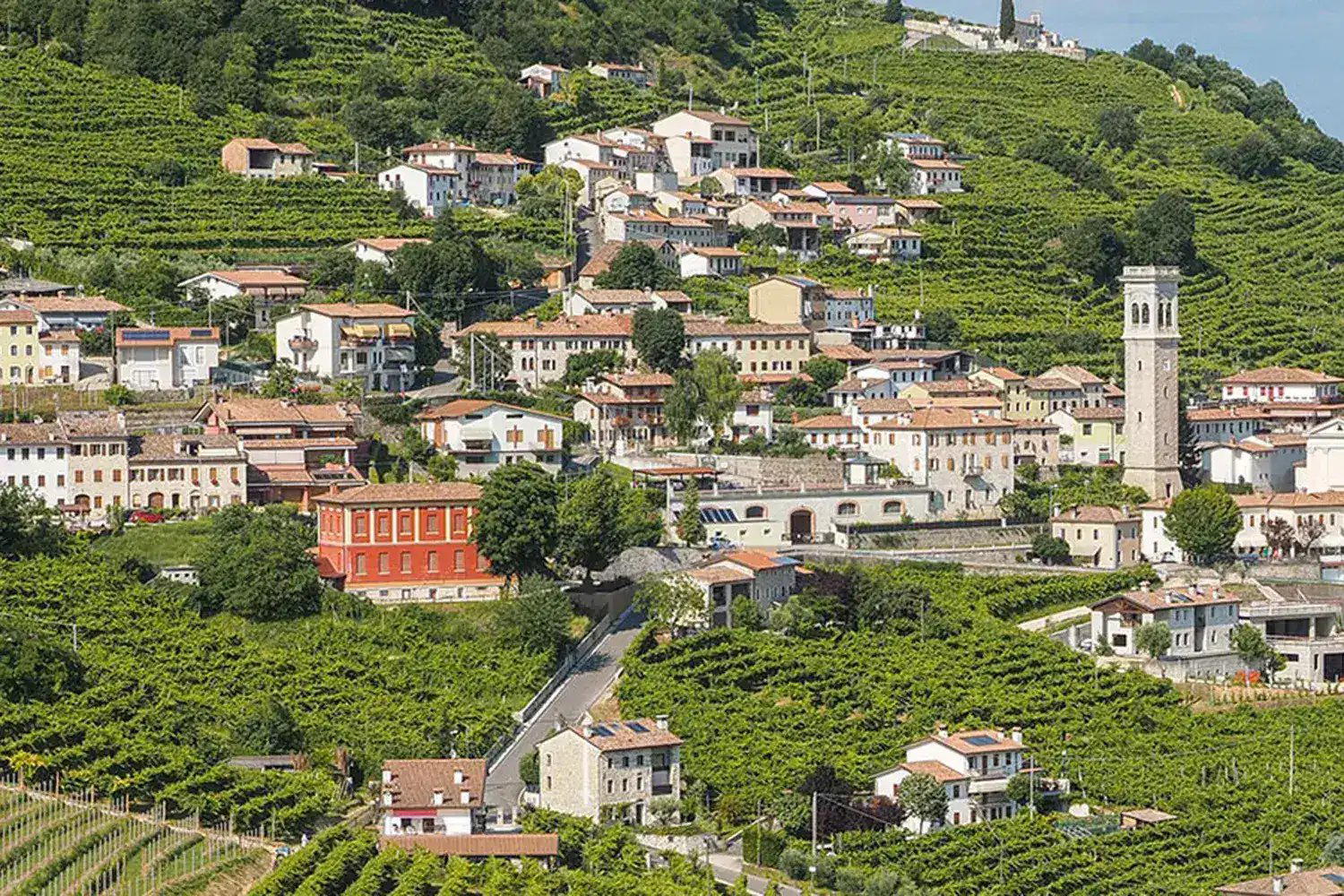
Friuli-Venezia Giulia sits at one of Europe's more complicated culinary crossroads: Slavic, Austro-Hungarian, and Venetian traditions layer across a region whose coastline along the Gulf of Trieste is never far in spirit, even when you are standing well inland. Fontanafredda, a quiet comune in the Pordenone province, sits within that interior, surrounded by Grave del Friuli wine country rather than any harbour view. The fact that Osteria Borgo Ronche has built its kitchen identity around seafood sourcing in this context is itself a statement about how seriously the team takes ingredient provenance. In a region where freshwater fish from the Tagliamento and cured meats from San Daniele typically dominate the inland table, choosing the sea as the kitchen's primary frame requires a supply chain discipline that drives the entire menu logic.
What the Michelin Plate Signals
The 2025 Michelin Plate recognition does not place Osteria Borgo Ronche in the starred tier occupied by operations such as Le Calandre in Rubano or Piazza Duomo in Alba, but it does position it within the Michelin-validated circuit of kitchens worth seeking out, a designation that carries particular weight at the €€ price range. The Plate is awarded to restaurants that Michelin inspectors consider to be serving food of a good standard, it is not an entry-level courtesy nod. At this price point in a Friulian town of this scale, it offers a useful signal for travellers deciding how to allocate time and appetite across the region. For reference, the starred end of the Italian northeast, places like Casa Perbellini 12 Apostoli in Verona, operates at significantly higher spend and with months-ahead booking windows. Borgo Ronche sits in the accessible middle: credential-backed, without the reservation friction.
The Sea at an Inland Table
Italy's seafood-led inland restaurants occupy a distinct position in the country's dining culture. The model has precedent at serious levels: Uliassi in Senigallia and Quattro Passi in Marina del Cantone represent the starred ceiling of coastal Italian seafood cooking, but their sourcing philosophies, prioritising daily catch quality and regional marine identity over generic protein, filter down into kitchens operating at every tier. At Borgo Ronche, the Michelin description specifies a focus on the sea with a clear structural split: simpler preparations at lunch, more considered and creative cooking in the evening. This format means that a single visit captures only one register of what the kitchen can do. The evening service is where the sourcing investment becomes most visible on the plate, when technique amplifies rather than obscures the quality of what arrived from the coast that morning.
The Adriatic and the Gulf of Trieste supply the northeastern Italian kitchen with a distinct catch profile: small oily fish, shellfish from the Marano and Grado lagoons, and seasonal species that differ markedly from the Tyrrhenian or Sicilian catch. A kitchen in the Pordenone province that centres its identity on this sourcing geography is making a regional argument as much as a culinary one. It aligns with a broader shift across northern Italian cooking, where particularly interesting mid-tier restaurants have moved away from generic Italian-French fusion templates, the default for ambitious kitchens a decade ago, toward sharper geographic specificity in their ingredient story.
The Room and the Format
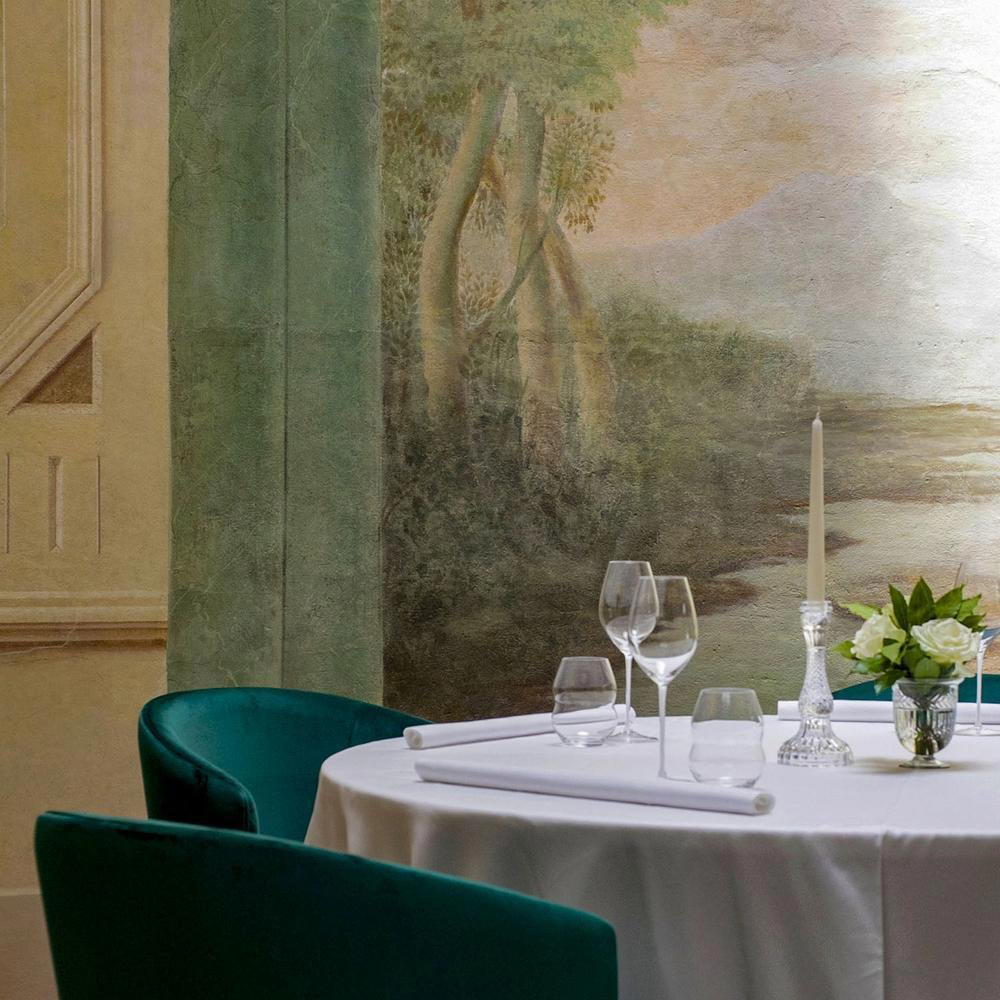
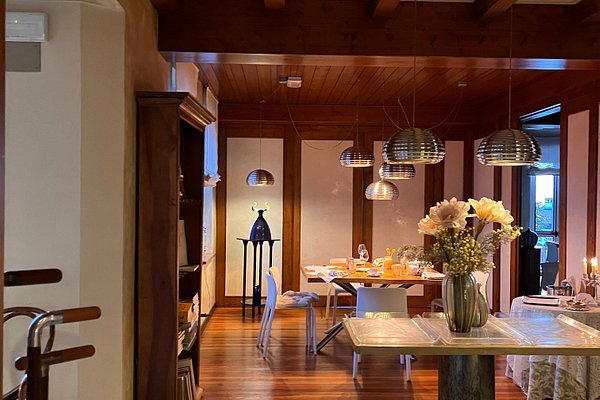
The physical environment at Osteria Borgo Ronche is deliberately contained. A small number of tables and a decor described as elegantly contemporary place it within the category of Italian osterie that have modernised their interiors without abandoning the intimacy that defines the format. This is a different register from the grand dining rooms of Enoteca Pinchiorri in Florence or the theatrical scale associated with Osteria Francescana in Modena. The smaller the room, the more directly the kitchen's sourcing decisions translate to the guest: there is nowhere for inconsistency to hide, and no volume of covers to dilute the impact of a supply chain decision made early that morning.
7 across 623 reviews is a strong signal at this scale. For a small-room restaurant in a town that does not draw significant destination traffic, that volume of reviews suggests a consistent local and regional following rather than a spike driven by travel media attention. Consistency over a broad review base at this score is harder to sustain than a handful of ecstatic reactions from occasional visitors.
Placing It in the Broader Northeast
The northeastern Italian table is increasingly well-mapped by serious travellers who use the wine routes of Friuli and Collio as a framework for restaurant discovery. The region contains some of Italy's more interesting mid-tier dining, precisely because land and ingredient costs have not yet reached the levels that push kitchens toward either luxury pricing or cost-cutting simplification. Borgo Ronche operates in that productive middle ground. Compared to the Alpine-inflected creative cooking of Atelier Moessmer Norbert Niederkofler in Brunico, or the multigenerational Italian contemporary model of Dal Pescatore in Runate, this is a kitchen working at a different scale and price register, but the underlying commitment to a specific regional ingredient identity connects them in principle if not in execution or ambition.
Travellers building a Friuli itinerary around food and wine will find that most serious restaurant attention in the region concentrates around Udine, Trieste, and the Collio border hills. Fontanafredda and the Pordenone province sit slightly off those established circuits, which is part of why a Michelin-recognised kitchen here registers as genuinely worth the detour rather than merely convenient.
Planning a Visit
Advance booking is essential. The dual-format structure makes the choice of service time a meaningful decision: lunch offers a lighter, more accessible entry to the kitchen, while the evening menu is where the more creative work happens. For those building a day around the visit, Fontanafredda sits within the Grave del Friuli DOC, and the surrounding area supports wine exploration before or after a meal.
In Context: Similar Options
Comparable venues nearby, for context on price, style, and recognition.
| Venue | Cuisine | Price | Awards | Notes |
|---|---|---|---|---|
| Osteria Borgo RoncheThis venue — the venue you are viewing | Modern Italian Seafood | $$$ | Michelin Plate | Not listed |
| Baracca - Storica Hostaria | Traditional Italian Regional | $$$ | Michelin Plate | Trebaseleghe |
| Al Camin | Modern Italian Alpine | $$$ | Michelin Plate | Località Alverà |
| Da Gigetto | Classic Italian Seafood | $$$ | Michelin Plate | Miane |
| Menegaldo | Traditional Italian Seafood | $$$ | Michelin Plate | Monastier di Treviso |
| Osteria Europa | Traditional Venetian Osteria | $$$ | Michelin Plate | center |
Recognition history
Dated appearances from independent guides and award organizations, with the underlying list record or original source where available.
Michelin Plate
Michelin
Michelin Plate
Michelin
Michelin Plate
Michelin
Continue exploring
More in Fontanafredda
Restaurants in Fontanafredda
Browse all →
Bars in Fontanafredda
Browse all →
Hotels in Fontanafredda
Browse all →
At a Glance
- Intimate
- Elegant
- Modern
- Rustic
- Date Night
- Business Dinner
- Special Occasion
- Open Kitchen
- Extensive Wine List
Current opening hours
- Monday
- 12:30–3:30 PM, 7:30–11:30 PM
- Tuesday
- 12:30–3:30 PM, 7:30–11:30 PM
- Wednesday
- 12:30–3:30 PM, 7:30–11:30 PM
- Thursday
- 12:30–3:30 PM, 7:30–11:30 PM
- Friday
- 12:30–3:30 PM, 7:30–11:30 PM
- Saturday
- 7:30–11:30 PM
- Sunday
- Closed
Hours can change for holidays and private events. Last verified .
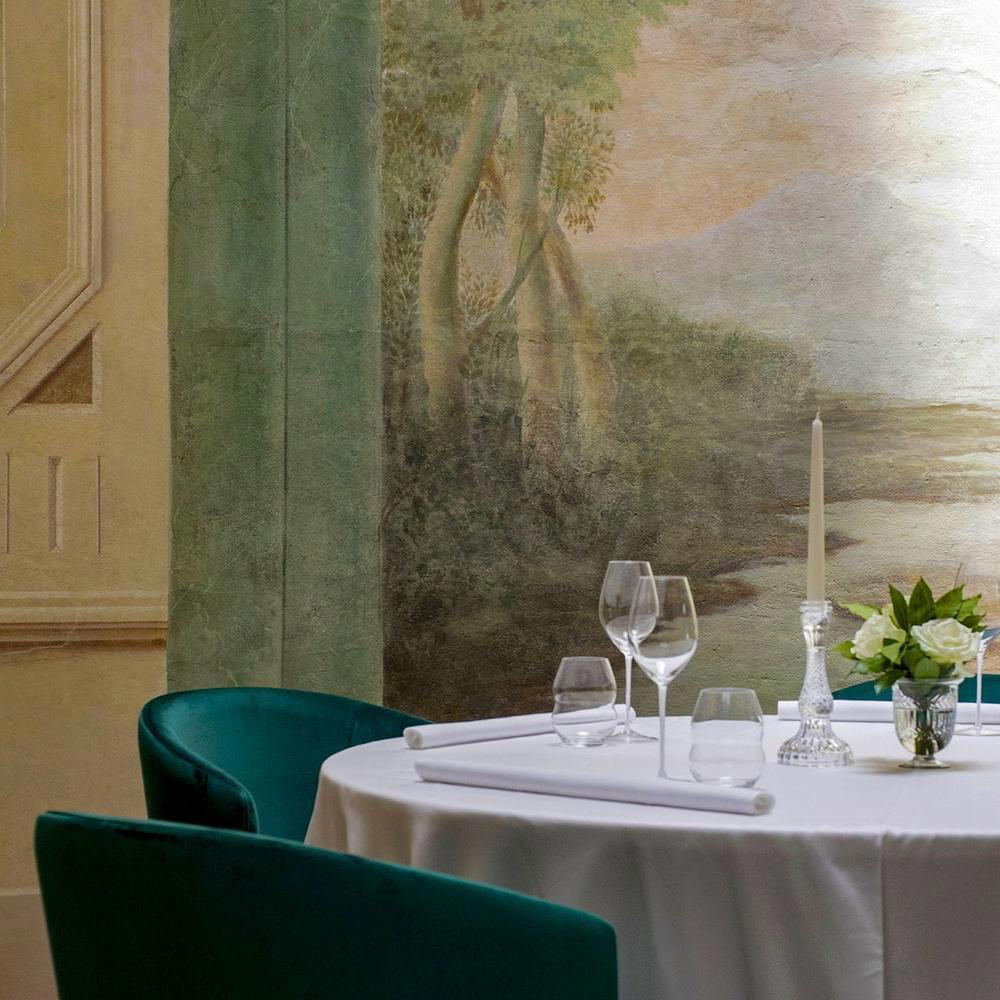
Elegantly contemporary decor with soft lighting, thoughtfully spaced tables creating a refined, relaxing, and intimate atmosphere.