
A Michelin Plate-recognised osteria on Viale Piave, Osteria Billis has spent nearly a decade reinterpreting Piedmontese tradition through a lens of global technique. The Billis twins run a €€€ operation whose veranda and early-20th-century building draw attention from the adjacent park, while the kitchen delivers dishes like oven-roasted rice and copper-pan beef carpaccio that sit at the intersection of local ingredient and international method.
Pearl is the En Primeur Club membership app — saves, bookings, and concierge access live there. Same editors, same standards.
- Address
- Viale Piave, 5, 15057 Tortona AL, Italy
- Phone
- +39 0131 171 0587
- Website
- osteriabillis.it
- Directions
- Get directions
 Saves & bookings on Pearl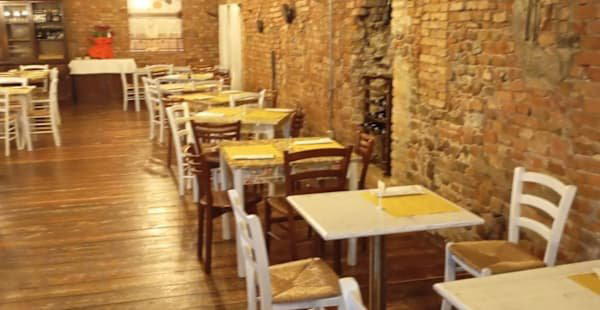
Where Tortona's Culinary Tradition Meets Global Technique
Osteria Billis is a modern Piedmontese osteria in Tortona, Italy, with a Michelin Plate in 2024 and 2025 and a price tier of €€€; a veranda facing a park, a building from the early twentieth century, and a kitchen that has spent nearly a decade questioning what Piedmontese cooking can become: Osteria Billis sits on Viale Piave in Tortona with a physical presence that announces itself before you walk through the door. The retro ambience of the veranda catches the eye from the path outside, framing the space as something between a neighbourhood institution and a working experiment in regional cuisine. That tension is, in many ways, the point.
Tortona occupies a particular position in the broader geography of northern Italian dining. It sits in Alessandria province, at the southern edge of Piedmont, close enough to Liguria and Lombardy that its culinary identity has always absorbed outside influence. Piedmontese tradition here is not a museum piece. It is a foundation that successive generations of cooks have used as raw material, layering in technique and produce from elsewhere without abandoning the original structure. Osteria Billis, Michelin Plate-recognised in both 2024 and 2025, operates within that local pattern of creative inheritance.
The Logic of "New Tradition"
Italian contemporary cuisine has produced a recognisable set of positions over the past two decades. At one end, restaurants like Osteria Francescana in Modena or Piazza Duomo in Alba operate at the summit of the €€€€ tier, where the dialogue between tradition and transformation is treated as intellectual and historic. Further along the spectrum, places like Dal Pescatore in Runate and Enoteca Pinchiorri in Florence anchor themselves in classical depth. The restaurant belongs to a different tier: the €€€ mid-range where the conversation about tradition is more personal, less codified, and often more direct.
What the kitchen here calls a "new tradition" is not a branding position so much as a working method. Local ingredients are treated as non-negotiable starting points; what changes is the frame. International technique enters where it sharpens or transforms a Piedmontese ingredient rather than replacing it. The result is a menu that reads legibly Italian but executes with a wider technical vocabulary than the osteria format might suggest.
The Billis twins have run this kitchen for close to a decade, a timeframe that matters in Italian regional dining. A restaurant that survives ten years in a mid-size northern Italian city without institutional backing has either found a loyal local audience or developed a distinctive enough offer to attract visitors. That kind of sustained rating at real volume is harder to maintain than a short burst of early attention.
What the Dishes Say About the Kitchen's Priorities
Two dishes in the public record speak clearly to how the kitchen thinks. The first is roasted rice: cooked in the oven rather than on the hob, then finished according to season and the cook's read of the moment. Rice is a staple of the Po Valley and appears across Piedmontese and Lombard cooking in dozens of formats, but oven preparation is not the regional default. The choice signals a deliberate step away from convention, one that changes the texture and concentration of the grain in ways that standard risotto technique does not.
The second is the Carpaccio in Ramino: beef lightly seared in a copper pan with rosemary, bay leaf, salt, and pepper. Carpaccio as a category is Italian but not specifically Piedmontese in its classical form; the use of a copper pan (ramino) and the choice to sear rather than serve raw repositions a familiar format as something warmer and more aromatic. Both dishes share the same structural logic: a recognisable Italian reference point, adjusted through a specific technical or material choice that shifts the outcome without erasing the origin.
This approach places the restaurant among restaurants across northern Italy working at the same price point with the same respect for regional raw material. In Tortona itself, Cavallino and Vineria Derthona represent other angles on the local dining scene; Vineria Derthona, in particular, anchors firmly in Piedmontese tradition, making the contrast with Billis's more internationalist lens worth noting when choosing between them.
Internationally, the movement toward grounding contemporary cooking in regional identity while using global technique as a tool has produced restaurants across widely different geographies. Jungsik in Seoul applies French fine-dining structure to Korean ingredients. César in New York City operates in a similar register of contemporary cuisine where the technique-meets-origin question is central. The specific Piedmontese content at Billis is local, but the intellectual project is a global conversation.
The Setting as Context
The building's early-twentieth-century character and the veranda facing the park are not incidental to the experience. In Italian dining culture, the physical frame of an osteria carries meaning: it signals a certain scale, a certain price register, and a certain relationship to the neighbourhood. The restaurant uses that inherited frame deliberately, maintaining enough of the traditional form to read as rooted while the kitchen pursues its own version of what regional cooking can do in the present tense.
Atelier Moessmer Norbert Niederkofler in Brunico, Enrico Bartolini in Milan, Le Calandre in Rubano, Quattro Passi in Marina del Cantone, and Uliassi in Senigallia all operate at €€€€ with substantially larger critical footprints. Billis operates at €€€ with a Michelin Plate and a decade of local trust, which is a different but entirely coherent position in the Italian fine-casual tier.
Planning Your Visit
The restaurant is located at Viale Piave 5, in Tortona (Alessandria province), with the park setting making an approach on foot from the town centre a reasonable option. The €€€ price point positions the meal as a considered dinner spend rather than a casual drop-in; booking ahead is advisable given the consistent review volume. Tortona is accessible by rail from both Milan and Genoa, making a dedicated visit workable as a day trip from either city for travellers who want to move through northern Italy's smaller dining towns.
Price and Positioning
Comparable venues nearby, for context on price, style, and recognition.
| Venue | Cuisine | Price | Awards | Notes |
|---|---|---|---|---|
| Osteria BillisThis venue — the venue you are viewing | Tortona, Modern Piedmontese Osteria | $$$ | Michelin Plate | Not listed |
| Cavallino | Tortona, Refined Modern Italian | $$$$ | Michelin Plate | Not listed |
| Vineria Derthona | Not listed | $$ | Michelin Plate | historic center, Traditional Piedmontese Wine Bar |
| Hostaria Ducale | Piccapietra, Modern Ligurian | $$$ | Michelin Plate | Not listed |
| Ortica | Not listed | $$$ | Michelin Plate | Pieve Ligure, Ligurian Farm-to-Table with Grilled Specialties |
| Altatto Bistrot | Not listed | $$$ | Michelin Plate | Moncucco - San Cristoforo, Contemporary Vegetarian Bistrot |
Recognition history
Dated appearances from independent guides and award organizations, with the underlying list record or original source where available.
Michelin Plate
Michelin
Michelin Plate
Michelin
Michelin Plate
Michelin
Continue exploring
More in Tortona
Restaurants in Tortona
Browse all →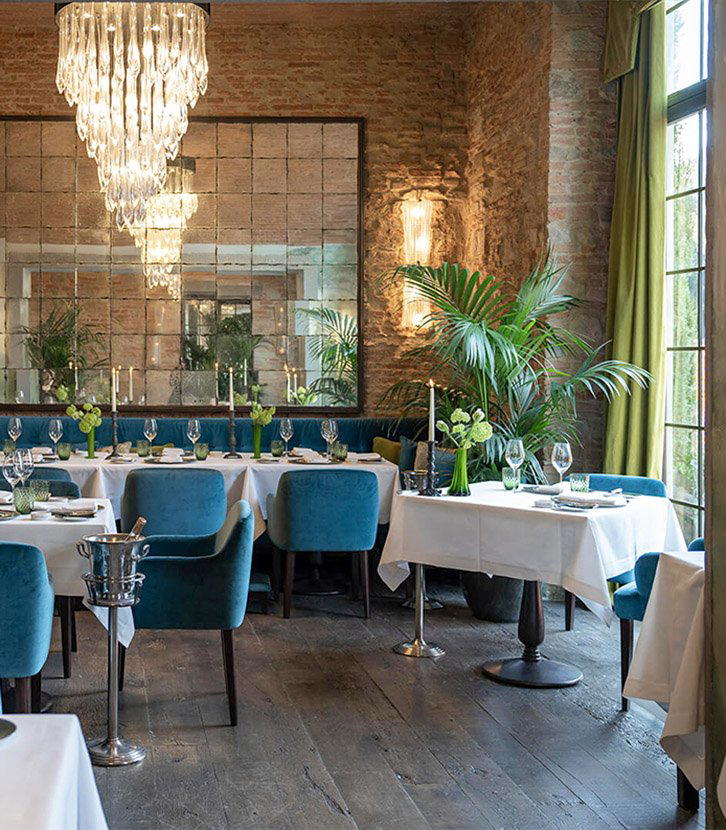
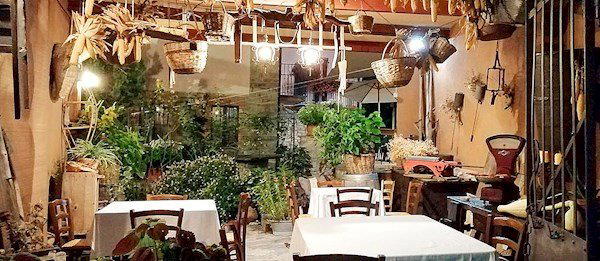
Bars in Tortona
Browse all →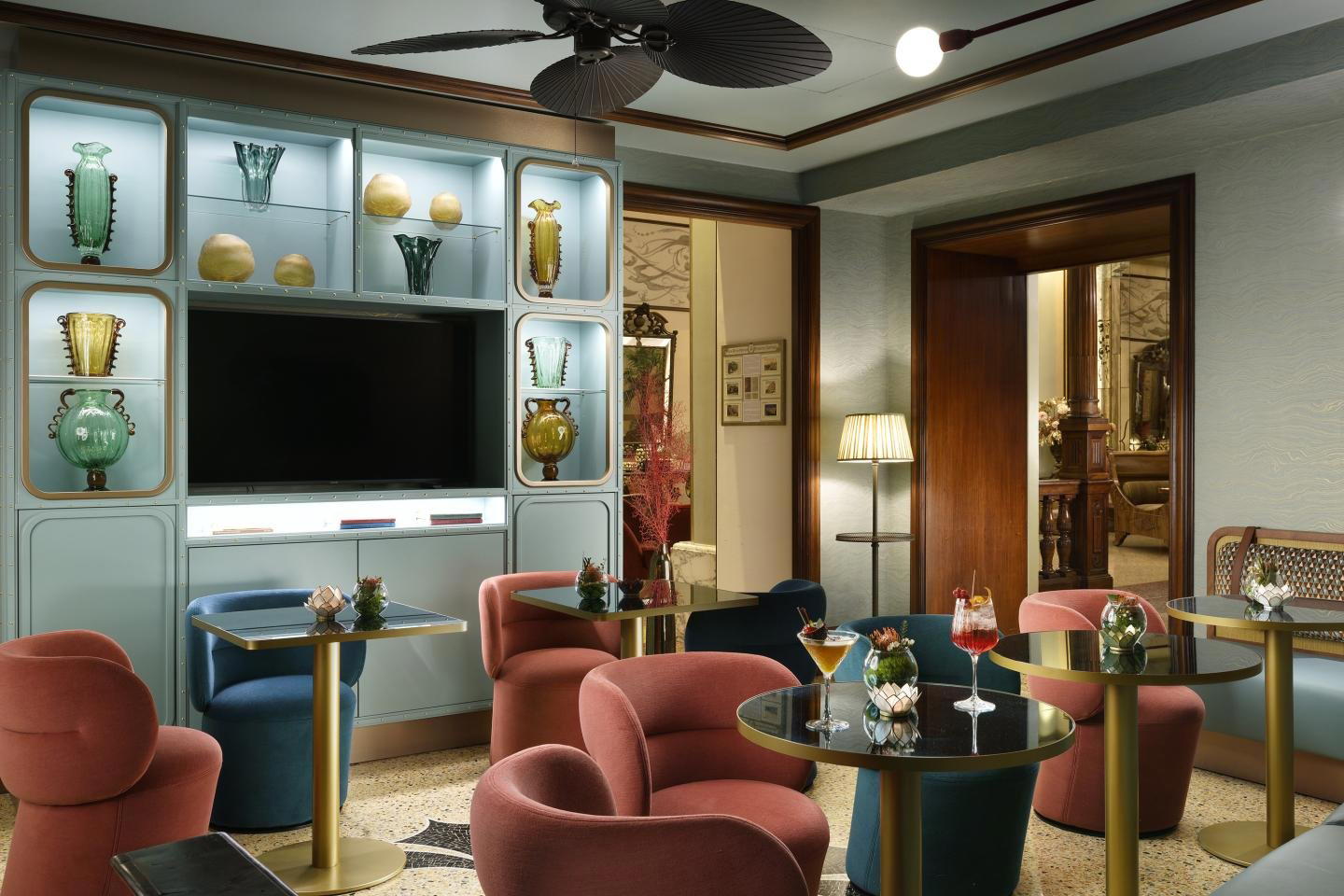
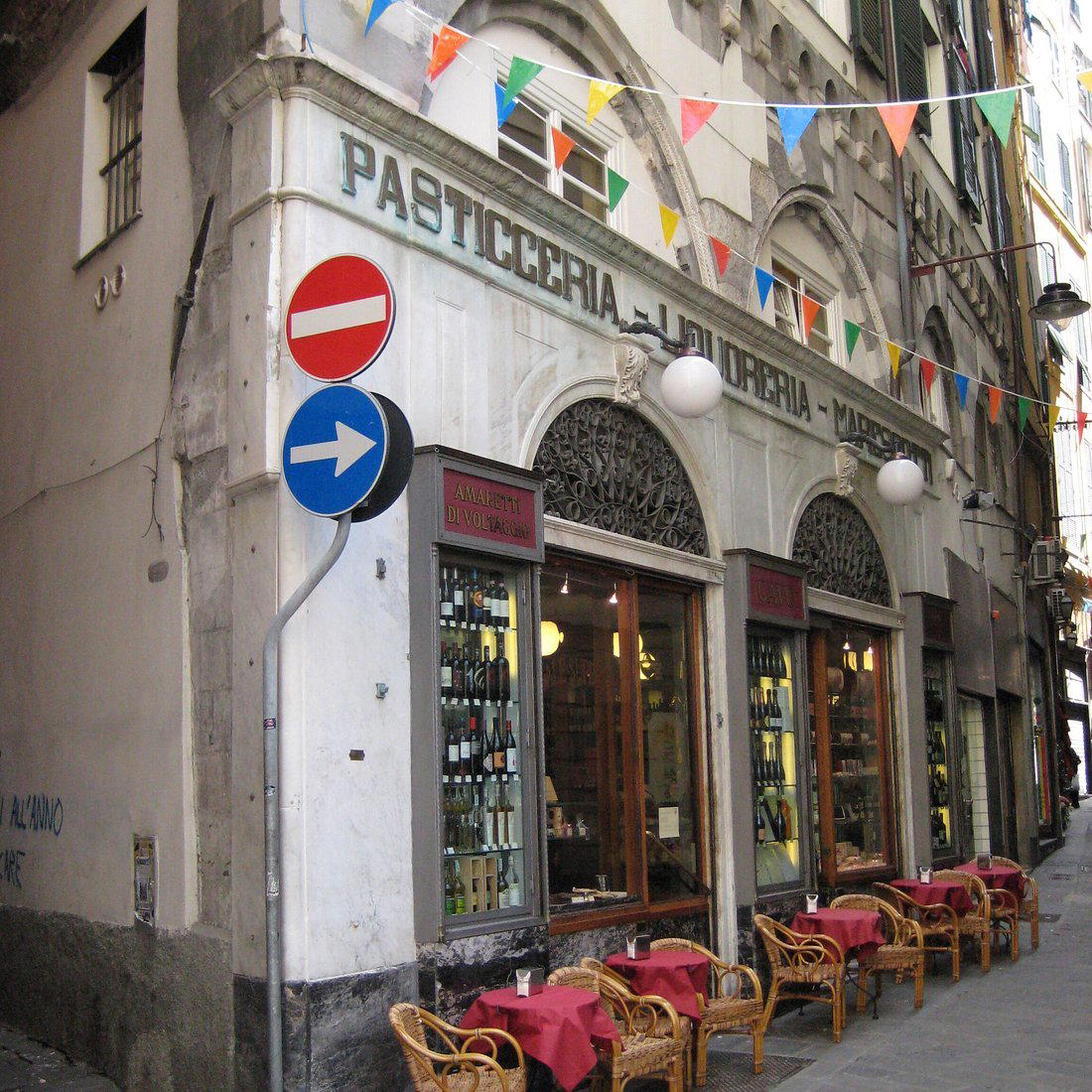
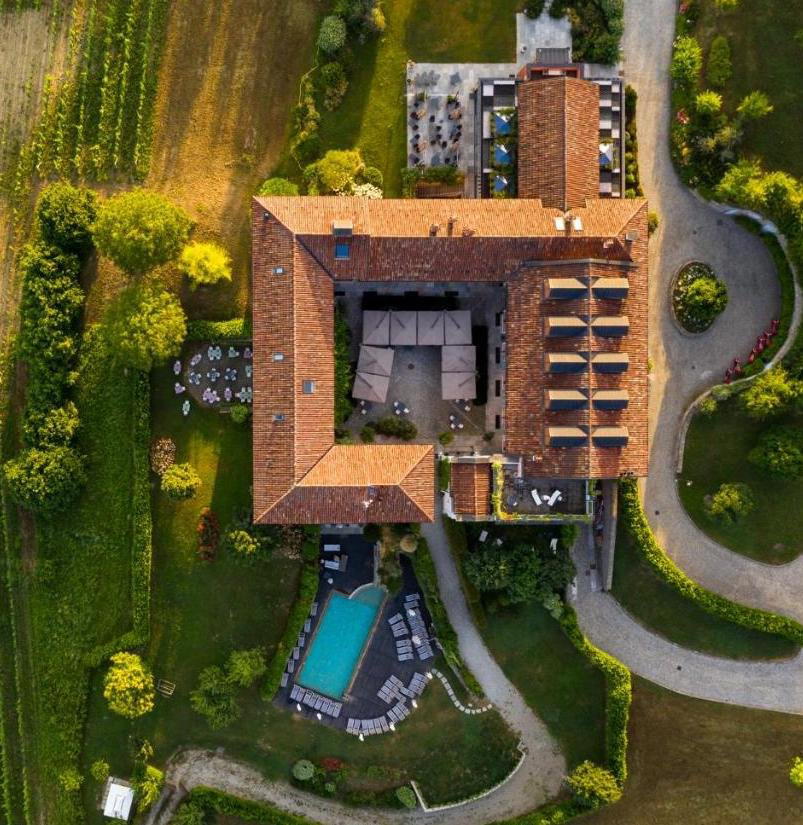
Hotels in Tortona
Browse all →


At a Glance
- Cozy
- Elegant
- Intimate
- Rustic
- Date Night
- Special Occasion
- Open Kitchen
- Extensive Wine List
- Local Sourcing
- Street Scene
Current opening hours
- Monday
- 7:30 PM–12 AM
- Tuesday
- Closed
- Wednesday
- 7:30 PM–12 AM
- Thursday
- 7:30 PM–12 AM
- Friday
- 7:30 PM–12 AM
- Saturday
- 12:30–3 PM, 7:30 PM–12 AM
- Sunday
- 12:30–3 PM, 7:30 PM–12 AM
Hours can change for holidays and private events. Last verified .
Soft lighting, pleasant music, and huge windows overlooking a park create a warm, peaceful, and sophisticated atmosphere.