Amazónico
Amazónico brings Latin American cooking into Miami’s restaurant-theatre register, a city context where tacos, tostadas, tortas, grilled meats, seafood, citrus, herbs, and rum-bar energy often move from street rhythm to dining-room polish. With no major award data attached, the useful read is categorical: this is a Latin American restaurant to judge by format, pacing, and how clearly it translates regional references for a Miami audience.

Pearl is the En Primeur Club membership app — saves, bookings, and concierge access live there. Same editors, same standards.
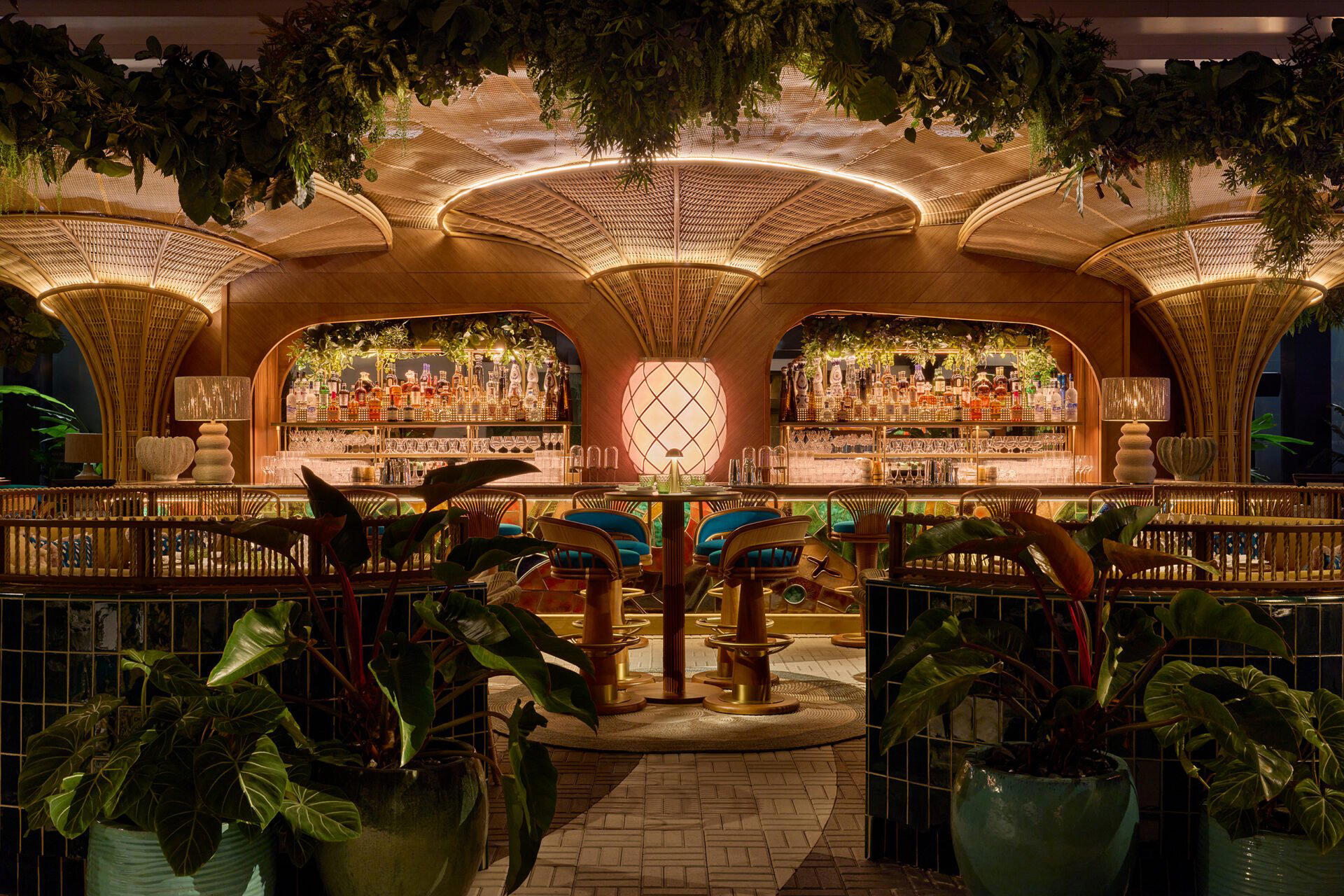
Miami dining announces itself before the first plate arrives: music escaping onto the pavement, rooms tuned for late dinners, and a clientele that treats the meal as part of the night rather than a pause before it. In that setting, Latin American restaurants carry a particular burden. They are expected to understand street-food grammar, coastal abundance, grilled heat, fresh acidity, and social tempo, then make those references work inside a full-service dining room. Amazónico sits in that Miami conversation: not as a museum of regional cooking, but as part of a citywide appetite for Latin American food that can move between casual craving and dressed-up occasion.
Street-food logic translated for a Miami dining room
The useful lens here is not chef biography or awards arithmetic; neither is the stronger story. The stronger story is how Miami keeps reworking Latin American vernacular food for restaurant settings. Tacos, tostadas, and tortas matter because they are built on contrast: masa or bread against filling, heat against acid, crunch against softness, speed against care. When those ideas enter a larger dining-room format, the question becomes whether the kitchen preserves that directness or buries it under presentation.
A Latin American restaurant in Miami has little room for generic “pan-Latin” vagueness. The city already has everyday benchmarks for juice counters, Cuban cafeterias, Colombian bakeries, Mexican taquerías, Peruvian seafood rooms, and Caribbean-leaning grills. A restaurant in the Amazónico register has to justify its scale by giving familiar structures sharper framing: corn, chile, citrus, herbs, smoke, plantain, beans, seafood, and slow-cooked meats need to read as ingredients with purpose, not decorative signals. That is the standard diners should apply here.
For context, Miami’s casual end remains essential reading. El Palacio de la Jugos shows how fruit, pork, rice, and counter service define a daily Latin food economy, while Las Olas Cafe keeps the city’s cafeteria logic close to the beach. At the more composed end, Amara, Canta Corazón, and Cotoa point to the breadth of Miami’s Latin American dining field without turning the category into a single style.
The room matters because Miami turns dinner into theatre
Miami is not a neutral backdrop for this cuisine. The city rewards restaurants that understand rhythm: earlier tables may read as dinner, later tables often become part of a longer evening. That matters for a Latin American restaurant because many of the source traditions are social by design. Shared plates, grilled proteins, seafood preparations, snacks built for the hand, and drinks with tropical or bitter edges all travel well in a room where the table is not expected to sit in silence.
That theatrical streak can be a strength or a trap. The stronger Miami rooms use atmosphere to frame food; the weaker ones let soundtrack and design outrun the plate. Amazónico is therefore best approached with a critic’s checklist rather than a tourist’s surrender: look for clarity in sauces, restraint in sweetness, acidity that cuts richness, and whether street-food references keep their original punch after being moved into a restaurant format. The name on the door matters less than that translation.
For readers mapping the city more broadly, Our full Miami restaurants guide gives the dining context, while Our full Miami hotels guide, Our full Miami bars guide, Our full Miami wineries guide, and Our full Miami experiences guide place the meal inside a larger itinerary.
How to read the category beyond Miami
Latin American cooking abroad is often flattened into colour, heat, and party cues. The better way to assess it is by structure. Does the restaurant understand the architecture of the tortilla, the tostada, the sandwich, the grill, the ceviche-like acid balance, the broth, the bean, the salsa? Does it treat casual forms as serious culinary systems rather than nostalgia props? That frame is useful in Miami, and it also explains why regional and diaspora restaurants elsewhere can feel sharper than larger rooms with broader menus.
For a wider EP Club map of casual forms taken seriously, compare the category logic rather than the venues themselves: ¿Por Qué No? in Portland keeps Mexican street-food forms central; 6.8 Palopó, Latin American in Santa Catarina Palopó points toward a different regional vocabulary; and Almacita, Latin American in Valence shows how the category travels outside the Americas. Similar translation questions appear across other cuisines too, from Jōdo Saké Bar in Los Angeles and Onigiri Time in Pasadena to 'Ai Love Nalo in Waimanalo Beach, 'āina in San Francisco, and 'Ama 'Ama in Kapolei.
The practical verdict is simple: Amazónico makes sense for diners who want Latin American cooking in Miami’s more social restaurant register, with the understanding that the standard should be substance over spectacle. Order with attention to the bones of the cuisine: corn, acid, smoke, seafood, heat, and hand-held traditions translated onto plates. If those elements stay legible, the restaurant earns its place in the city’s broader Latin American conversation.
Comparable Venues Nearby
Comparable venues nearby, for context on price, style, and recognition.
| Venue | Cuisine | Price | Notes |
|---|---|---|---|
| AmazónicoThis venue — the venue you are viewing | Latin American Fusion | $$$$ | Not listed |
| Osaka Miami | Nikkei Japanese-Peruvian Fusion | $$$$ | Miami Financial District |
| Plant Miami | Plant-Based Vegan Sushi | $$$ | Edgewater |
| Amelia's 1931 | Contemporary Latin-Asian Fusion | $$$ | Sweetwater |
| Marion | Mediterranean-Asian Fusion | $$$$ | Brickell |
| Calle Dragones | Cuban-Asian Fusion | $$$ | Little Havana |
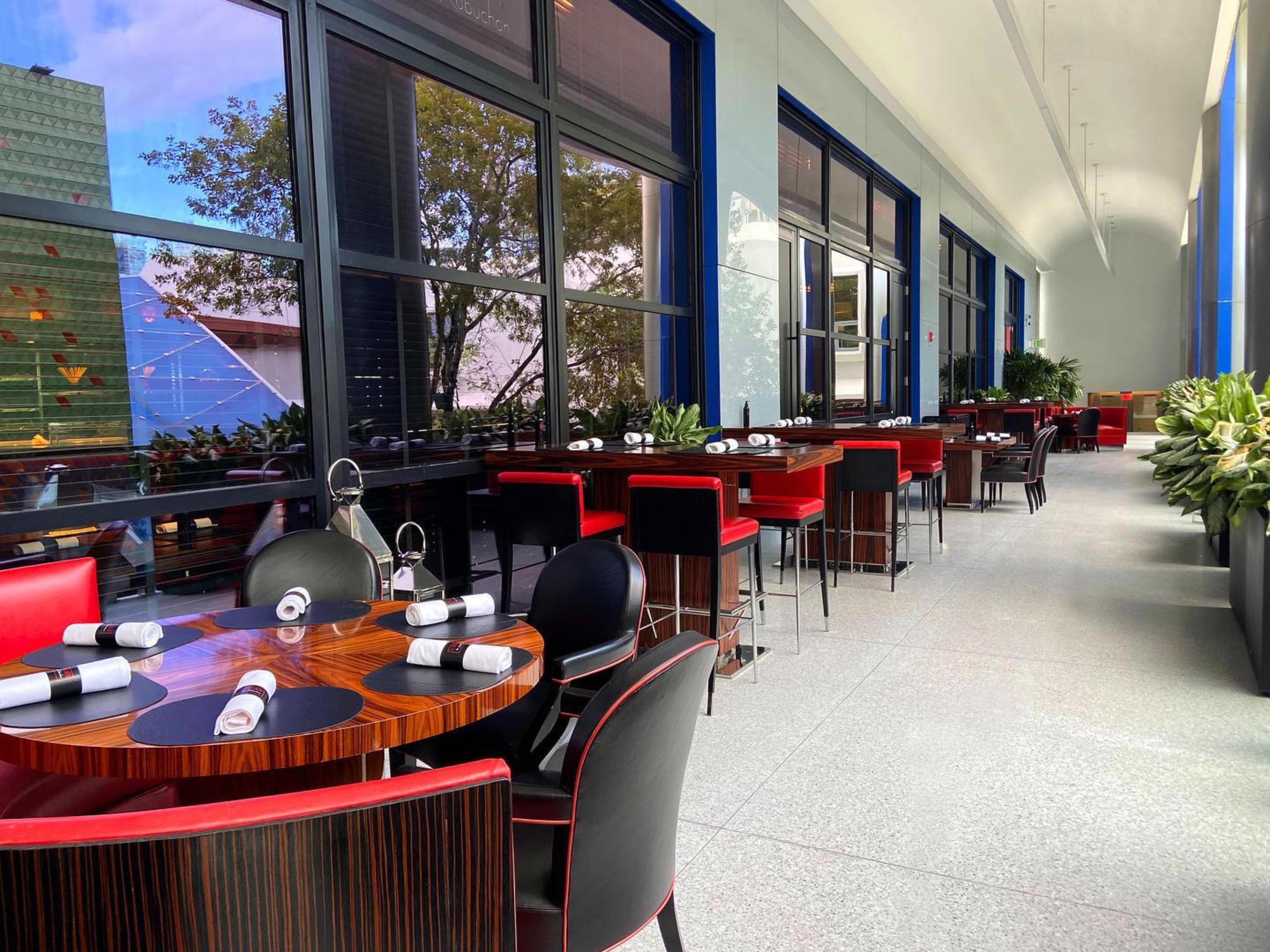
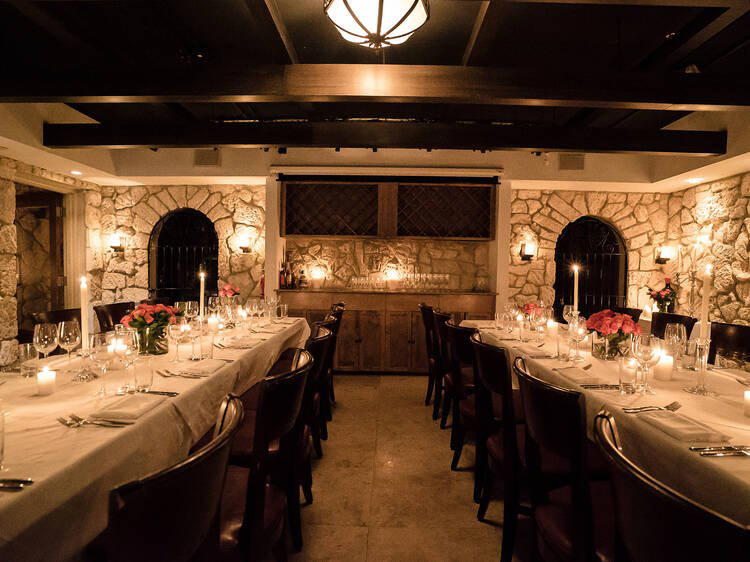
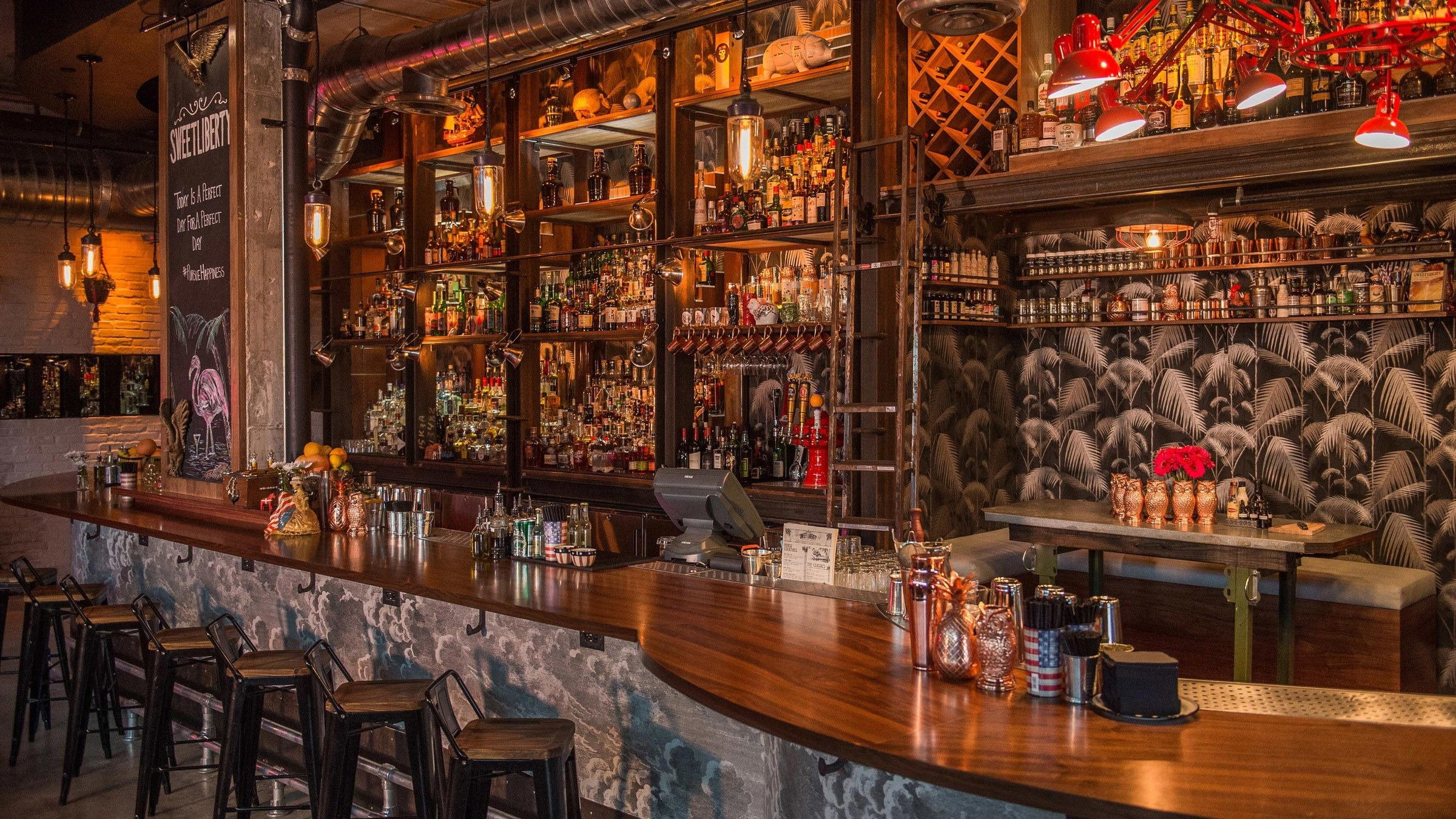
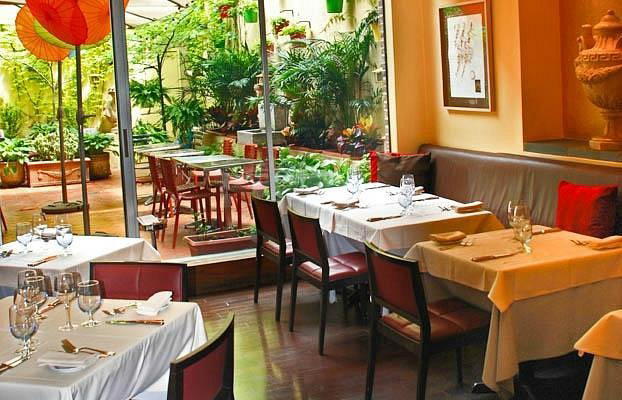
At a Glance
- Ornate
- Sophisticated
- Trendy
- Energetic
- Lively
- Elegant
- Date Night
- Group Dining
- Celebration
- Special Occasion
- After Work
- Late Night
- Rooftop
- Live Music
- Open Kitchen
- Terrace
- Design Destination
- Standalone
- Craft Cocktails
- Extensive Wine List
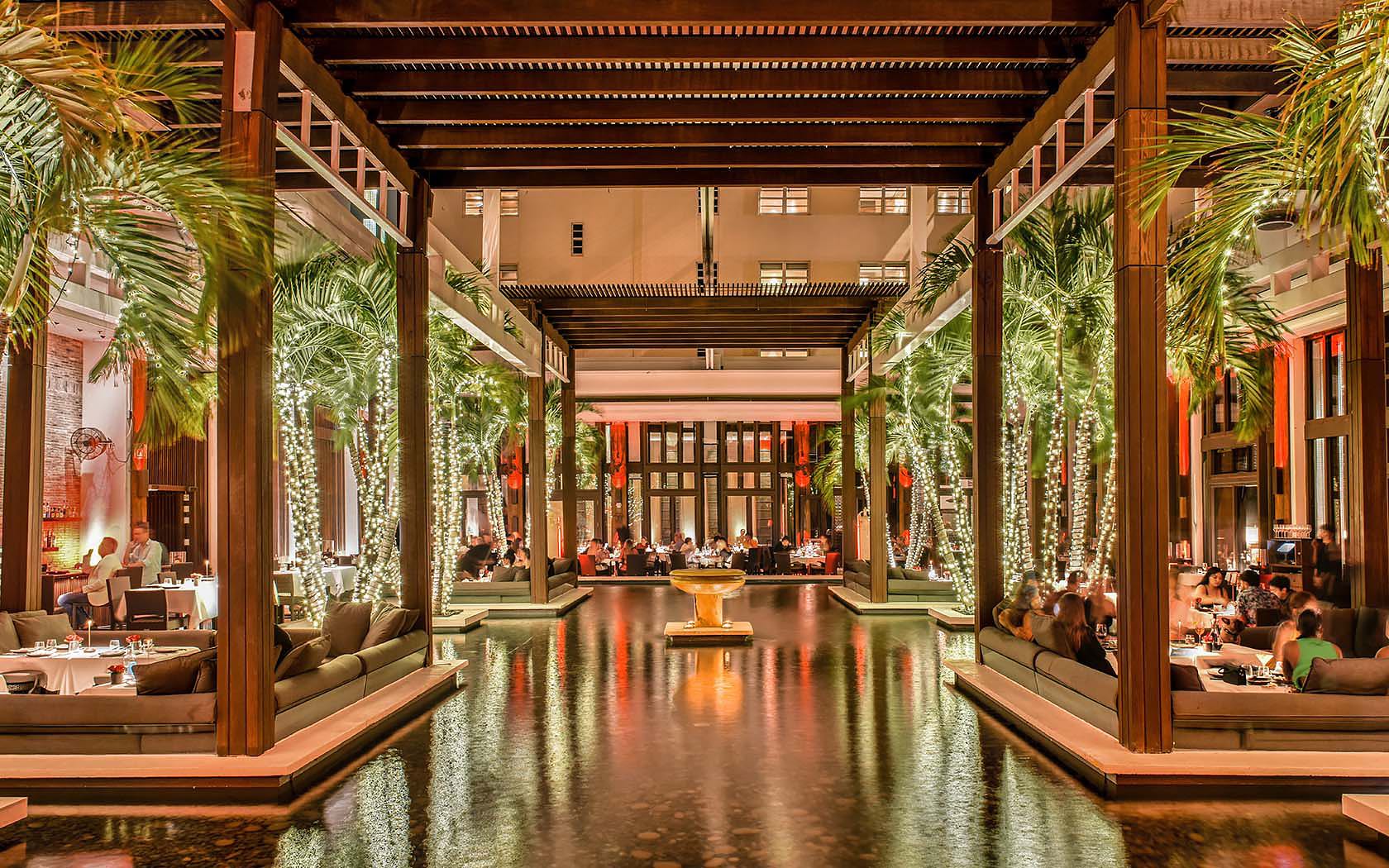
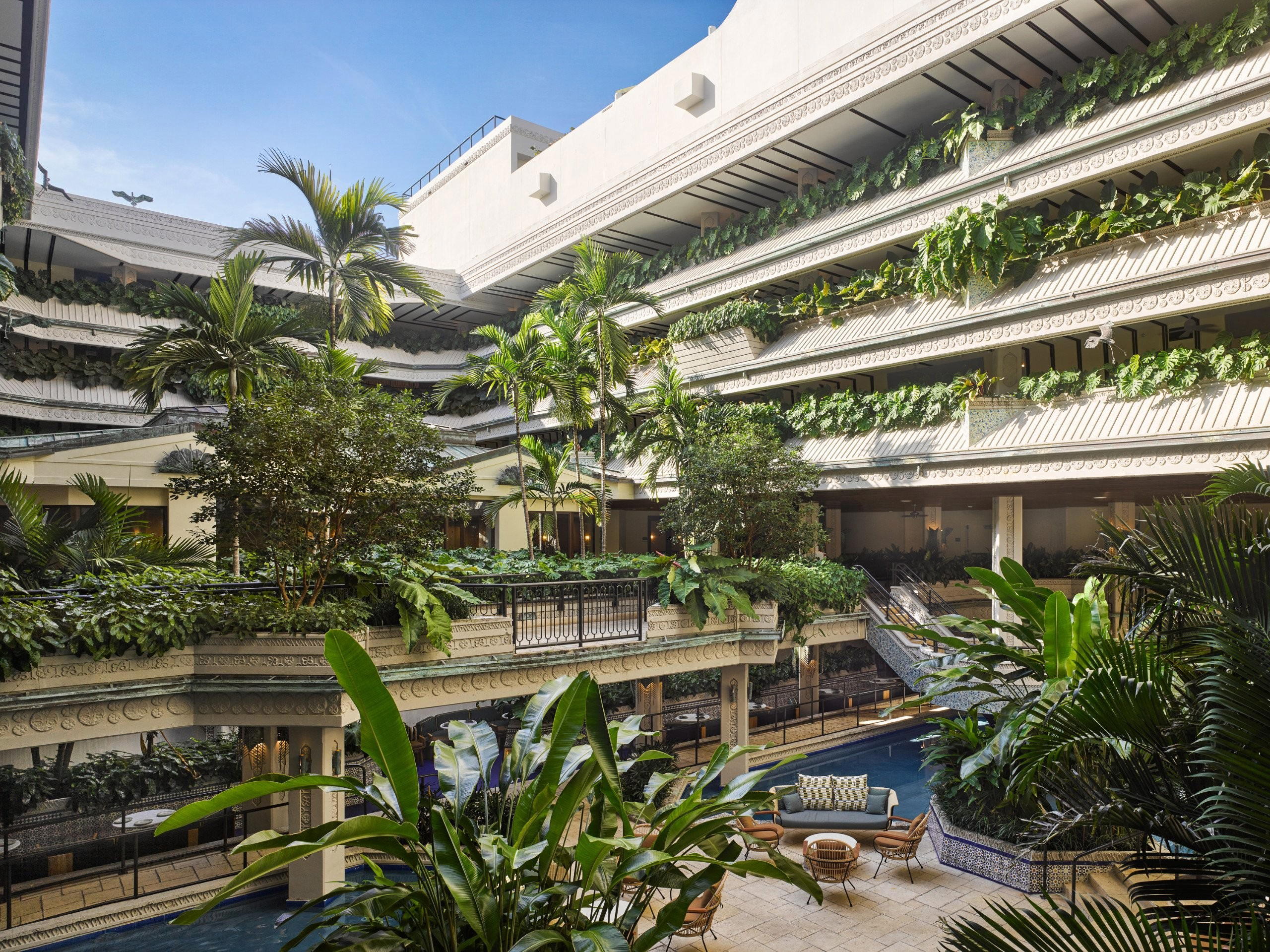
Immersive, glamorous, and high-energy, with tropical luxury styling, lively music, and an electric nightlife feel.