Amelia's 1931
Our verdict
Located in southwest Miami at 13601 SW 26th St, Amelia's 1931 sits in a residential corridor that rarely appears on the shortlists favored by downtown critics. The address alone signals a different kind of ambition: one rooted in neighborhood identity rather than visibility. For diners willing to seek it out, the restaurant represents a strand of Miami dining that prioritizes sourcing depth and local context over marquee positioning.

Pearl is the En Primeur Club membership app — saves, bookings, and concierge access live there. Same editors, same standards.
- Address
- 13601 SW 26th St, Miami, FL 33175
- Phone
- (305) 554-4949
- Hours
- Mon–Tue ClosedWed–Thu 5–10 PMFri–Sat 5 PM–1 AMSun 11 AM–3:30 PM, 5–9 PM
- Website
- amelias1931.com
- Directions
- Get directions
- Booking
- Book on OpenTable
The menu
What to order
- Escargot with umami butter and Cuban bread points
- Kimchi clam chowder
- Gochujang paella
- Pan-seared halibut with pickled Thai chili
- Boniato gnocchi with rocoto cream sauce
- Braised oxtail with tamal en cazuela
Southwest Miami and the Restaurants That Don't Chase the Spotlight
Miami's dining conversation tends to collapse around a few predictable zip codes: Brickell, Wynwood, the Design District. The southwest corridor, by contrast, operates at a different register. Restaurants here tend to draw from the surrounding community rather than from hotel concierge lists, and the dining culture reflects that. Amelia's 1931, at 13601 SW 26th St, sits squarely in this southwestern pocket, and its address alone tells you something about its orientation. This is not a venue positioning itself against L'Atelier de Joël Robuchon Miami or Cote Miami for the business-dinner crowd. The competitive set it occupies is quieter, more neighborhood-anchored, and increasingly the kind of dining that serious eaters in Miami track for its authenticity rather than its awards count.
That southwestern positioning matters for a broader reason. As American cities reckon with the environmental cost of restaurant supply chains, the restaurants furthest from high-visibility districts tend to have stronger structural reasons to source locally, work with smaller producers, and reduce waste by necessity rather than as a marketing posture. The sustainability story in American dining is often told through the lens of celebrated destination restaurants, places like Blue Hill at Stone Barns in Tarrytown or Single Thread Farm in Healdsburg, where farm-to-table has become a defined luxury format. But the more durable version of that story often plays out in quieter rooms, in neighborhoods where the sourcing philosophy is embedded in how the restaurant actually operates rather than how it communicates to the press.
The Name as Anchor: What 1931 Signals
The year embedded in the restaurant's name carries editorial weight. In American hospitality, naming a venue after a specific historical year tends to signal one of two things: a nostalgic or heritage-driven concept tied to a family or neighborhood history, or a deliberate invocation of pre-industrialized food culture, a period before centralized distribution systems reshaped what American kitchens could and did source. Either reading connects back to a sustainability frame. The pre-World War II American restaurant kitchen was, by necessity, a locally sourced one. Supply chains were short, refrigeration was limited, and regional produce defined the menu. For a restaurant to invoke 1931 in its name suggests some relationship, at minimum aspirational, with that mode of cooking. Whether Amelia's 1931 has built its actual sourcing program around that premise is something any visiting critic should probe directly on arrival.
Miami's Ethical Sourcing Context
Florida's agricultural geography gives Miami-area restaurants access to a sourcing network that few American cities can match for variety. Year-round growing seasons, proximity to Gulf and Atlantic seafood, and a dense network of small farms in Miami-Dade and Broward counties create real conditions for reduced supply-chain distance. The restaurants in Miami that have leaned hardest into this tend to cluster in two groups: higher-end tasting menu formats, such as Ariete, which has built a reputation around modern American cooking with strong local grounding, and neighborhood-rooted spots that work with what is available close by without framing it as a premium differentiator.
Across American dining more broadly, the ethical sourcing conversation has matured considerably. Early iterations of farm-to-table messaging treated local provenance as a marketing claim rather than an operational discipline. The restaurants that have earned sustained critical credibility in this space, from Smyth in Chicago to Providence in Los Angeles, tend to ground their sourcing in documented supplier relationships and measurable waste reduction rather than menu copy. For a Miami restaurant like Amelia's 1931 to occupy a genuine position in that conversation, the sourcing chain needs to be traceable, not just implied by the name.
How the Address Shapes the Experience
Getting to 13601 SW 26th St requires a deliberate decision. This is not a walk-in-from-the-street corner in a pedestrian dining neighborhood. The surrounding blocks of Miami's Fountainebleau and Westchester areas are residential and commercial in a way that filters the room: the people eating here tend to have chosen it specifically, rather than landed on it by accident. That self-selection shapes the atmosphere in a way that differs from higher-traffic dining districts. Rooms in this part of Miami tend to be quieter, more regular-driven, and more focused on the food and the table rather than on the surrounding spectacle.
For context, the broader Miami scene rewards that kind of destination-eating discipline. Boia De, widely recognized as one of Miami's most serious contemporary Italian rooms, operates from a similarly non-marquee address and has built its following through repeat customers and critic word-of-mouth rather than foot traffic. The pattern is consistent: in Miami, the restaurants operating furthest from the main entertainment corridors often develop the most loyal dining communities.
Placing Amelia's 1931 in a National Sustainability Conversation
The restaurants that have most durably shaped the American sustainability-in-dining conversation tend to share certain structural features: direct producer relationships, seasonal menu constraints that reflect actual availability, and a waste philosophy built into the kitchen's daily operations rather than announced as a brand position. The French Laundry in Napa maintains an on-site garden. Addison in San Diego has documented its sourcing network publicly. Lazy Bear in San Francisco operates with a communal-table format that itself reduces per-cover waste. Even outside the United States, venues like Atelier Moessmer Norbert Niederkofler in Brunico have redefined regional sourcing as a fine-dining discipline. What Miami lacks, relative to these cities, is a critical mass of documented sustainability-forward restaurants outside the high-end tasting-menu format. Amelia's 1931, positioned in a residential southwest corridor with a name that points toward pre-industrial food culture, has the geographic and conceptual conditions to contribute to closing that gap. Whether it does is a question for the table.
For those building a Miami dining itinerary that goes beyond the standard Brickell circuit, the southwest quadrant warrants time. ITAMAE, which has drawn sustained attention for its Peruvian-Japanese approach, shows that Miami's serious dining is not geographically confined. Our full Miami restaurants guide maps the broader picture, including how neighborhood identity shapes what each area's restaurants do well.
Planning Your Visit
Amelia's 1931 is located at 13601 SW 26th St, Miami, FL 33175, in the Westchester area of southwest Miami. Driving is the practical approach given the address. For comparison, the $$$-$$$$ price range that characterizes Miami's more serious neighborhood restaurants, such as Boia De at $$$ and Ariete at $$$$, provides a rough bracket for what to expect at this tier of the market, though Amelia's 1931's own pricing should be confirmed independently.
Frequently asked questions
What has Amelia's 1931 built its reputation on?
What's the must-try dish at Amelia's 1931?
Do they take walk-ins at Amelia's 1931?
Can Amelia's 1931 adjust for dietary needs?
How does Amelia's 1931 fit into Miami's southwest dining scene compared to the city's better-known restaurant corridors?
Price and Positioning
| Venue | Cuisine | Price | Awards | Notes |
|---|---|---|---|---|
| Amelia's 1931This venue — the venue you are viewing | Contemporary Latin-Asian Fusion | $50–100 | Not listed | Not listed |
| Cote Miami | Modern Korean Steakhouse with Table-Side BBQ | $150–200 | 1 Michelin Star · La Liste Top Restaurants | Korean Steakhouse, Korean |
| Ariete | Modern Cuban-American Fine Dining | $150–200 | 1 Michelin Star · Star Wine List | Modern American, Contemporary |
| Boia De | Modern Italian-Inspired | $50–100 | 1 Michelin Star · Star Wine List | Italian, Contemporary |
| Stubborn Seed | Modern American Fine Dining | $200–300 | 1 Michelin Star | Progressive American, Contemporary |
| Los Fuegos by Francis Mallmann | Argentinian Open-Fire Asado Steakhouse | $200–300 | Michelin Plate · Forbes 4-Star | Argentinian |
Details
- Elegant
- Lively
- Whimsical
- Sophisticated
- Date Night
- Celebration
- Special Occasion
- Group Dining
- After Work
- Late Night
- Live Music
- Open Kitchen
- Standalone
- Craft Cocktails
- A La Carte
- Small Plates
- Craft Cocktails
- Sangria
- Vegetarian Friendly
Current opening hours
- Monday
- Closed
- Tuesday
- Closed
- Wednesday
- 5–10 PM
- Thursday
- 5–10 PM
- Friday
- 5 PM–1 AM
- Saturday
- 5 PM–1 AM
- Sunday
- 11 AM–3:30 PM, 5–9 PM
Hours can change for holidays and private events. Last verified .
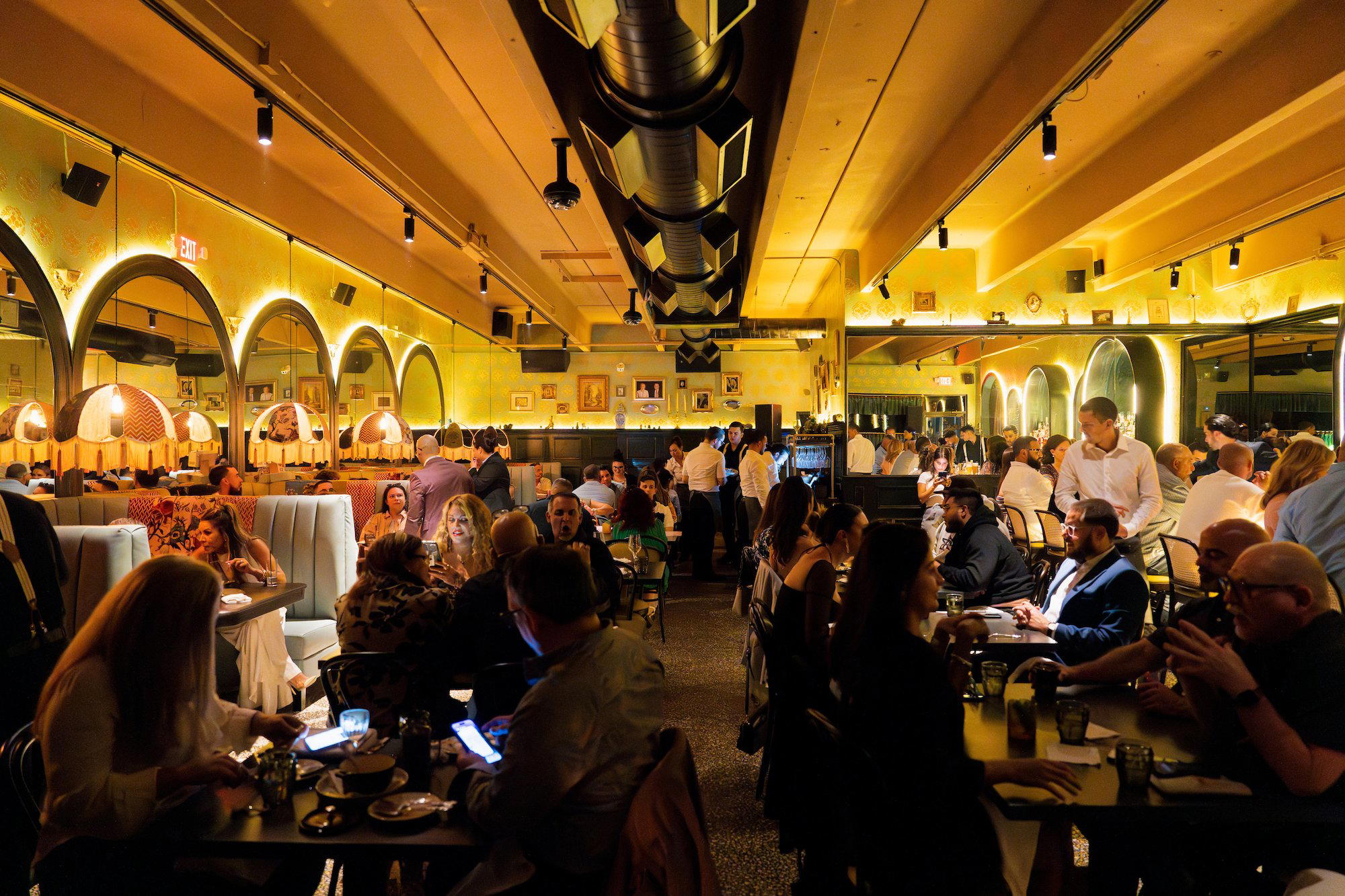
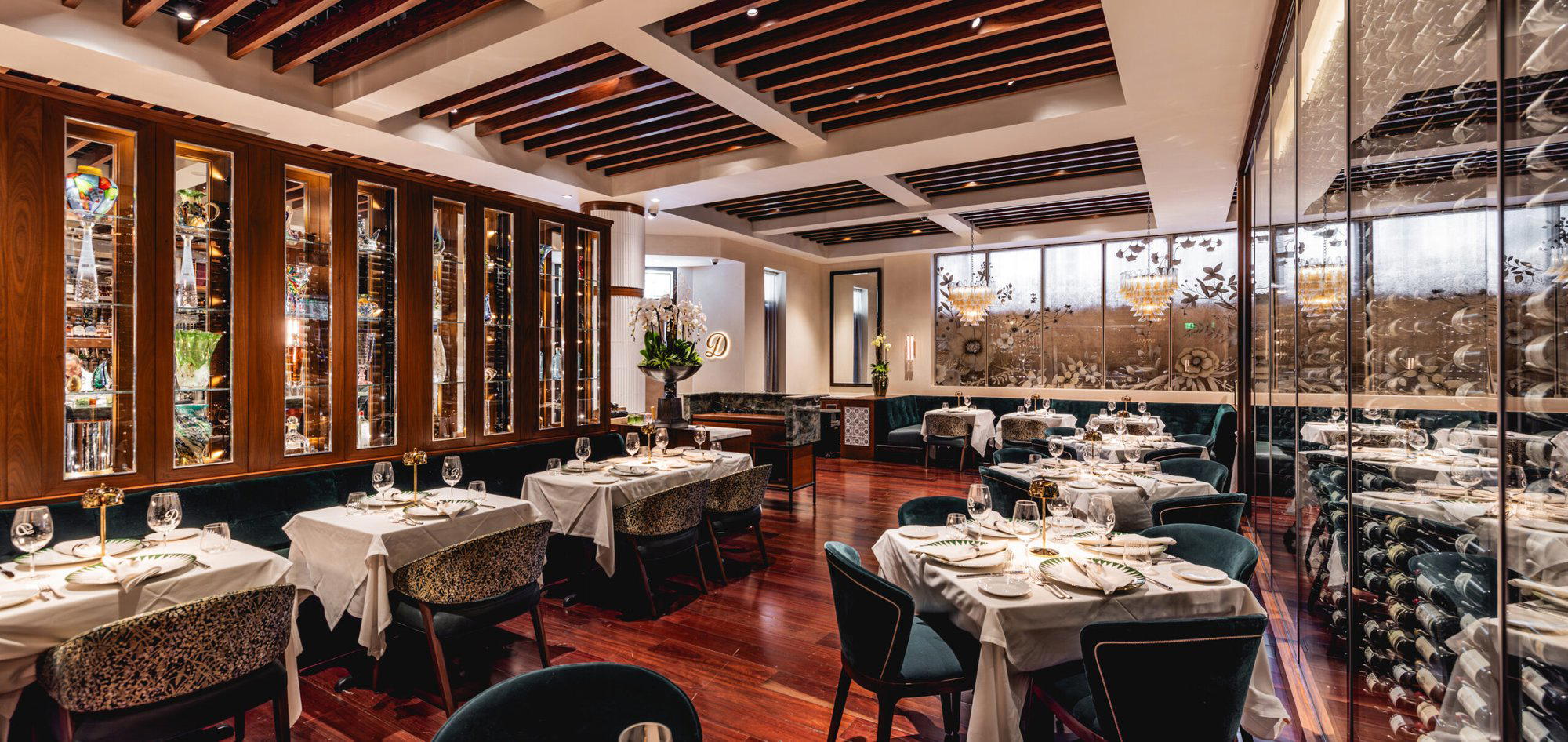
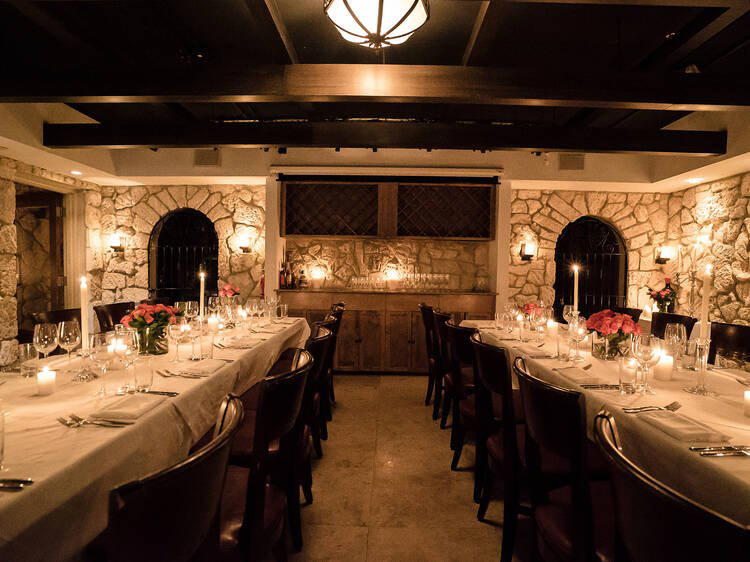
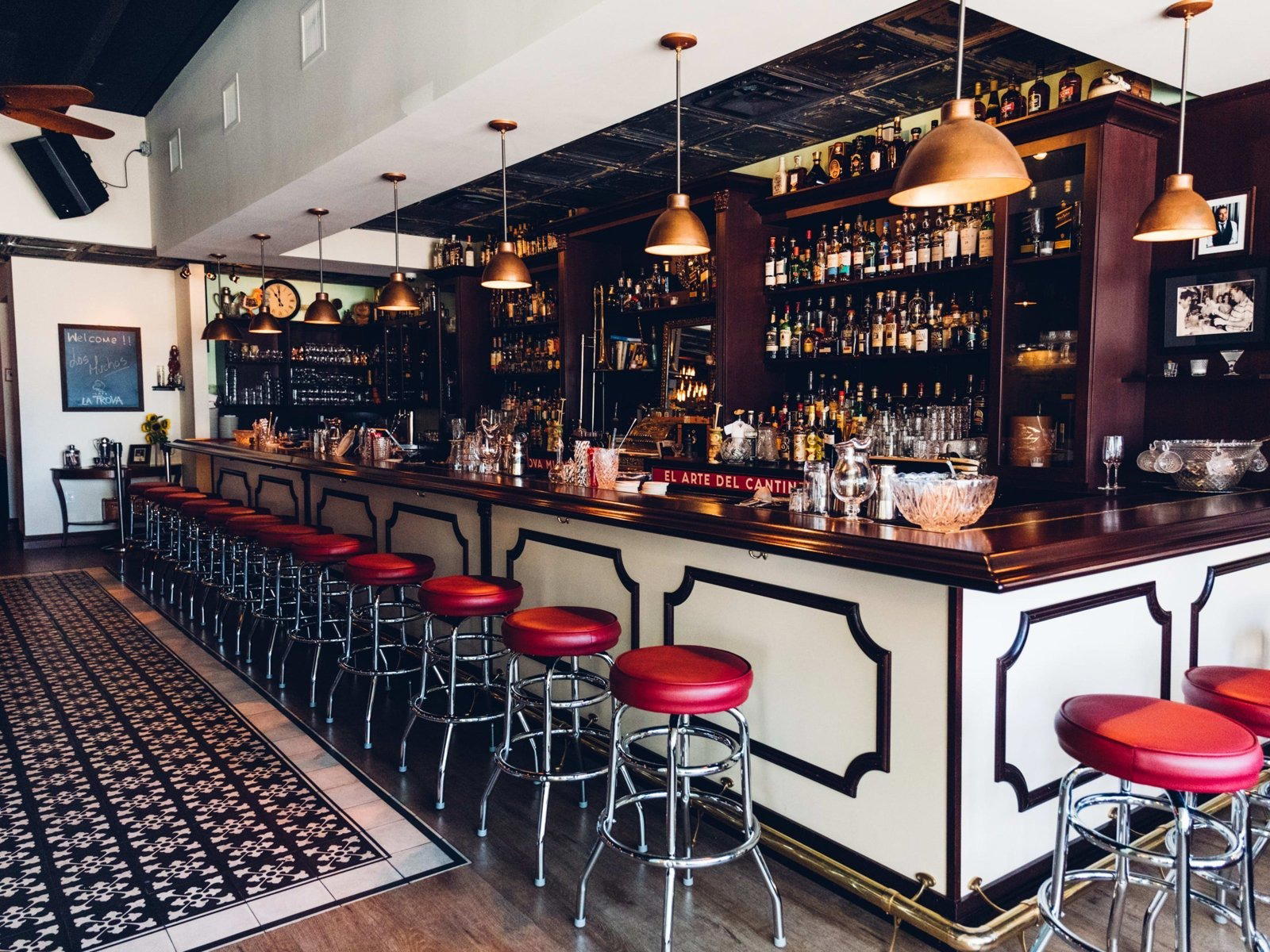
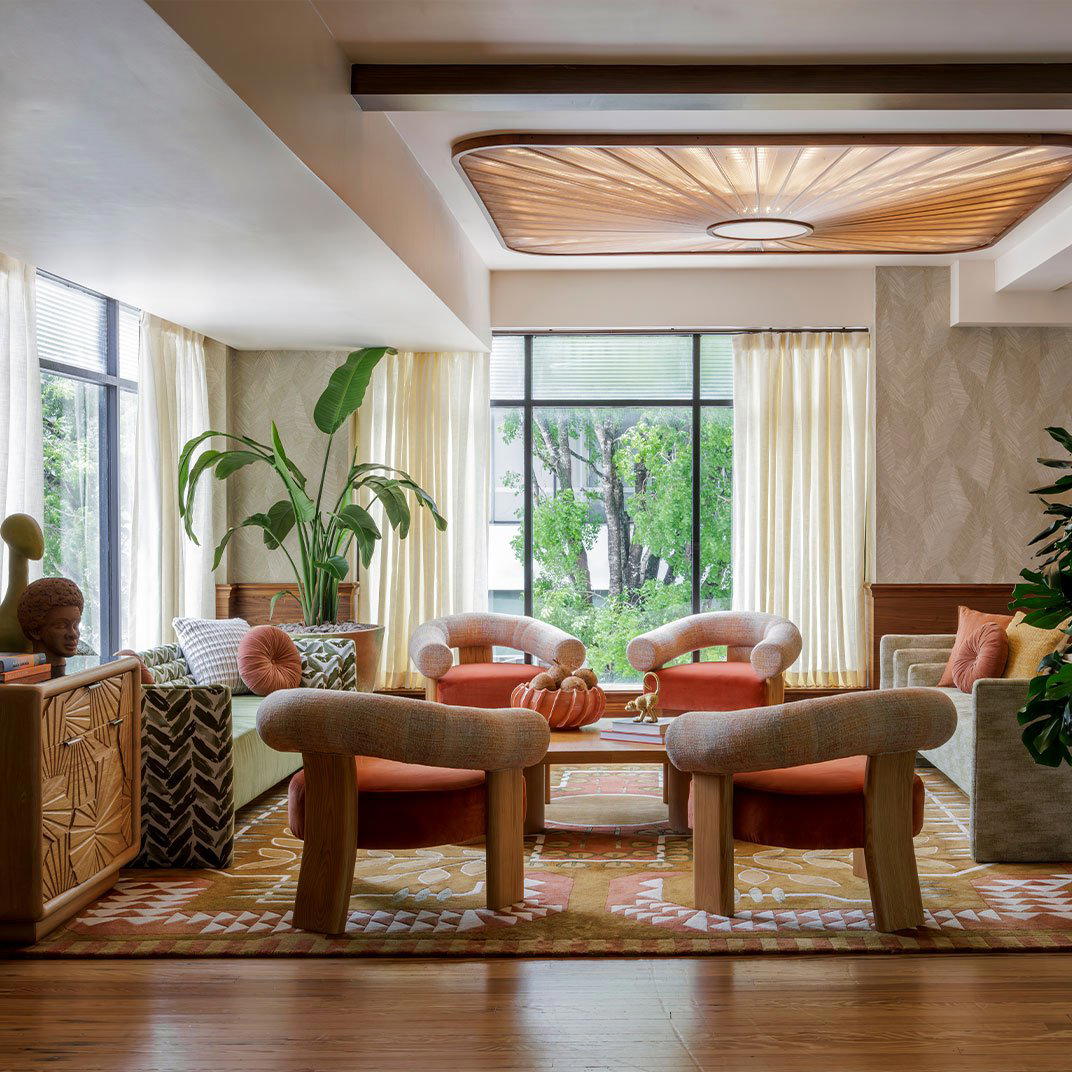
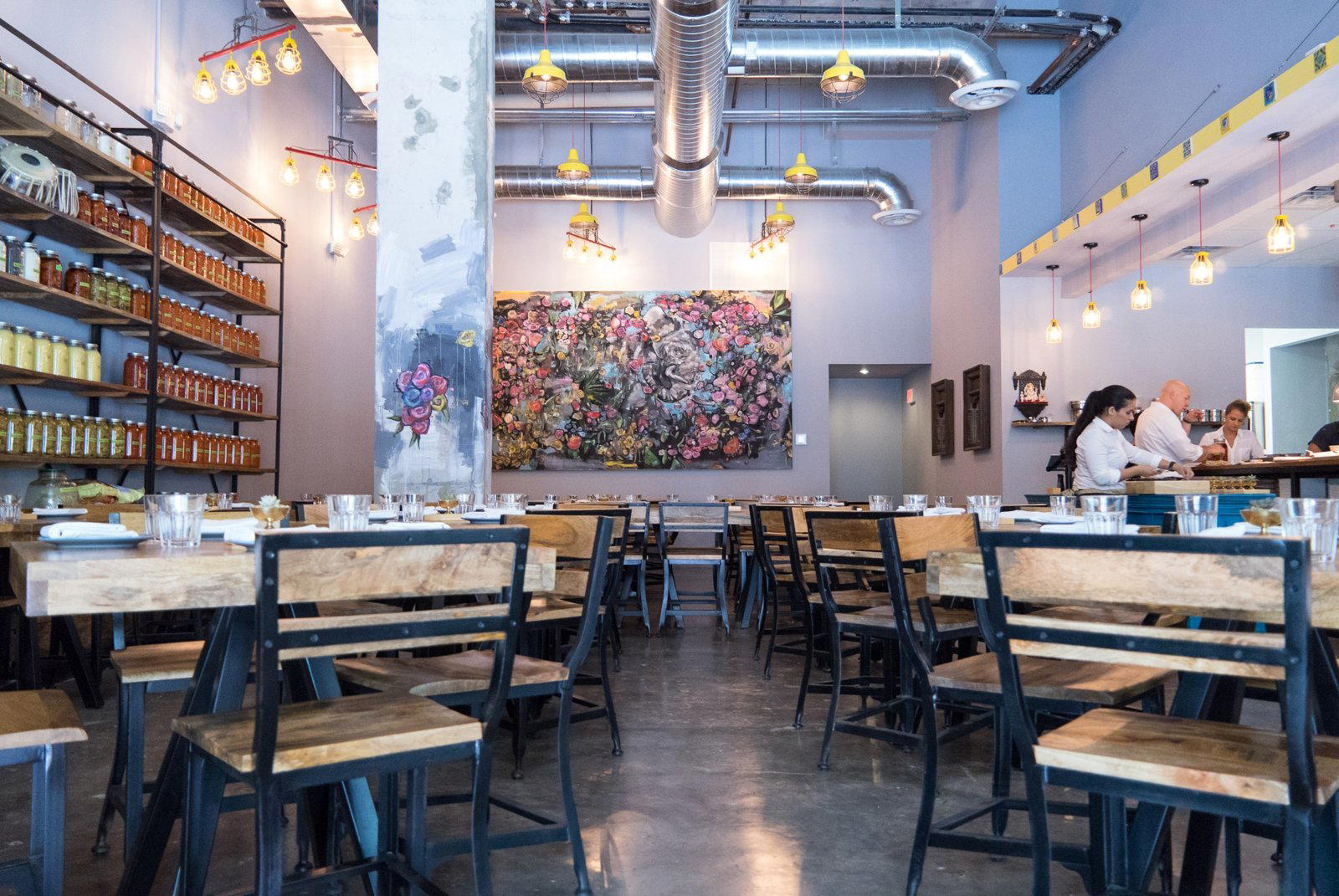
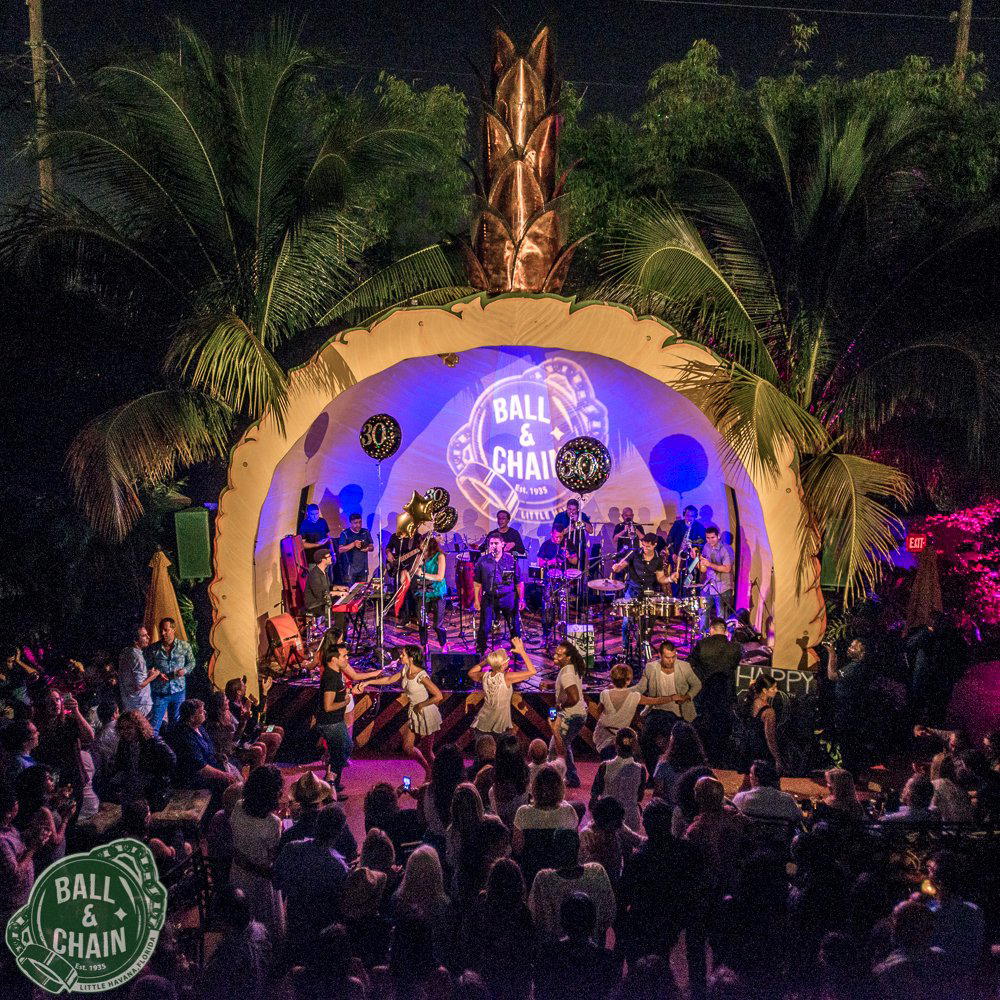
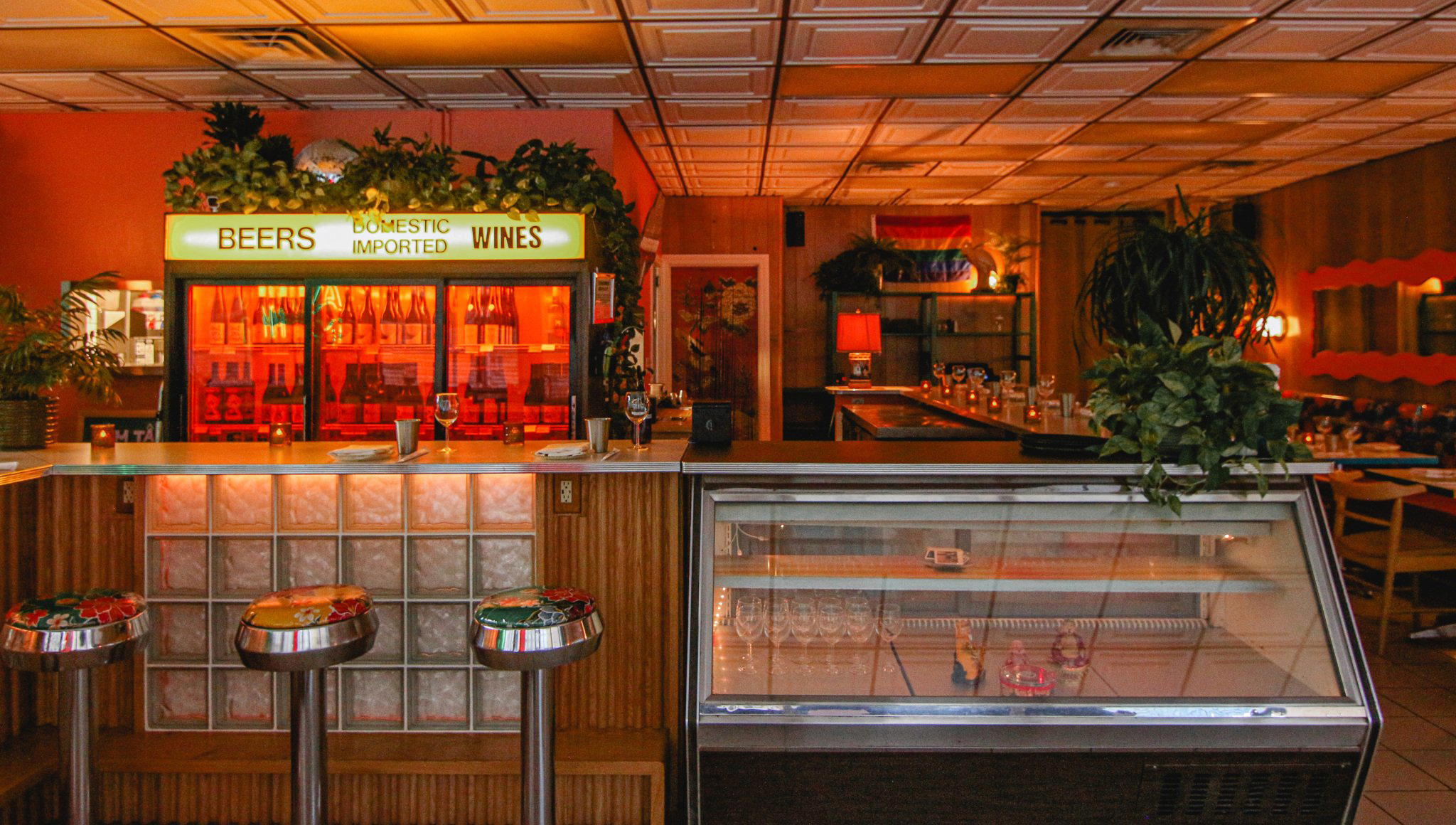
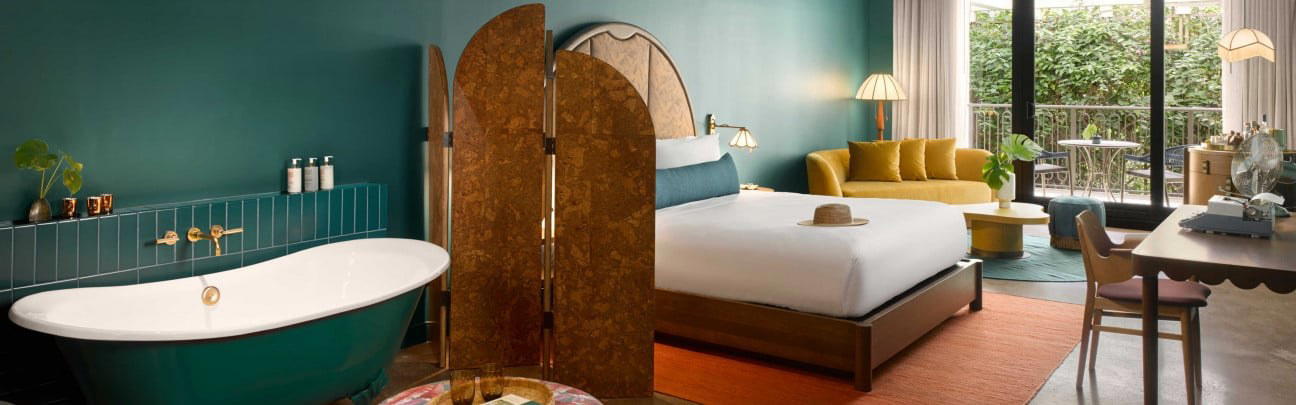
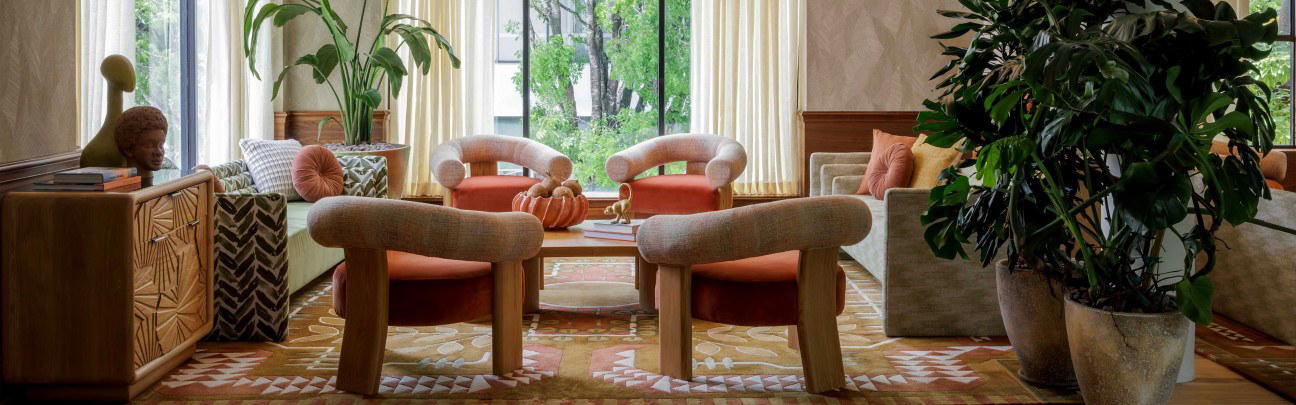
Stylish underground supper club with a 1950s aesthetic, whimsical design hidden behind an unexpected door in a nondescript strip mall, creating an elegant yet approachable atmosphere with moderate noise levels.