
Tabelog 100 #86
Our verdict
Oryori Fujita belongs to Sapporo’s quieter Japanese-cuisine tier: small counter, fish-led cooking, and recognition from Tabelog’s Japanese cuisine EAST 100 in 2025 and 2023. The draw is not spectacle but concentration, with Hokkaido’s seafood culture translated into a reservation-only meal shaped for a small room rather than a large dining room.

Pearl is the En Primeur Club membership app, where members save venues, book tables and use the concierge.
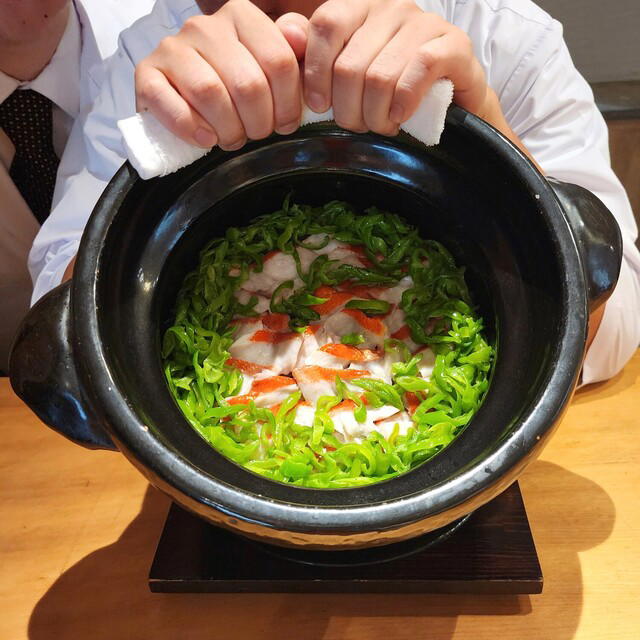
Approaching Sapporo through its quieter dining rooms, the city changes register. Away from the most obvious nightlife and tourist circuits, a meal can feel less like a night out and more like stepping into a composed dining room with the city held at arm’s length. That atmosphere matters for Japanese cuisine in Hokkaido: the region’s seasons reward kitchens that work with restraint rather than volume.
Oryori Fujita sits in that quieter bracket. Its public signals identify it as a Japanese-cuisine restaurant in Sapporo, with recognition from Tabelog’s Japanese cuisine selection in 2025 and a listed score of 3.91. In Sapporo, where visitors often chase crab houses, ramen counters, and market breakfasts, this kind of address serves a different purpose: it offers a more composed way to read the city’s produce culture.
A Japanese-cuisine address in a city often read through ramen and crab
Sapporo’s dining reputation is frequently flattened into a short list: miso ramen, soup curry, jingisukan, seafood bowls, and winter crab. Those categories are useful, but they miss the city’s more disciplined Japanese-cuisine rooms, where Hokkaido ingredients can be handled through seasonal cooking rather than tourist shorthand. Oryori Fujita’s listing as Japanese cuisine places it inside that less casual tier.
The format is part of the argument. A focused restaurant changes the acoustics of a meal: fewer distractions, less distance between preparation and serving, and a pace that can be read plate by plate. That is a different Sapporo from the city’s high-turnover noodle counters or the spice-driven lunch economy around [Curry Senmon Ten] Maruyama Kyoju. and other casual dining rooms. The comparison is not about hierarchy; it is about tempo. Sapporo’s strength is that all of these formats can feel native to the city.
Within the local price spectrum, the restaurant occupies a serious but not extreme band. The listed budget is Dinner: JPY 15,000 - JPY 19,999; Lunch: JPY 8,000 - JPY 9,999, placing it well beyond everyday curry and noodle pricing while still below the highest-ticket end of the market. That positioning is significant: it suggests a meal intended for diners who want a measured Japanese-cuisine experience without turning the evening into a trophy reservation.
The room's discipline is the point, not a decorative extra
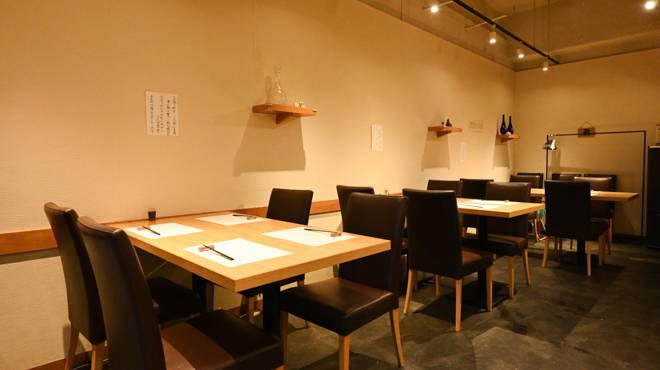
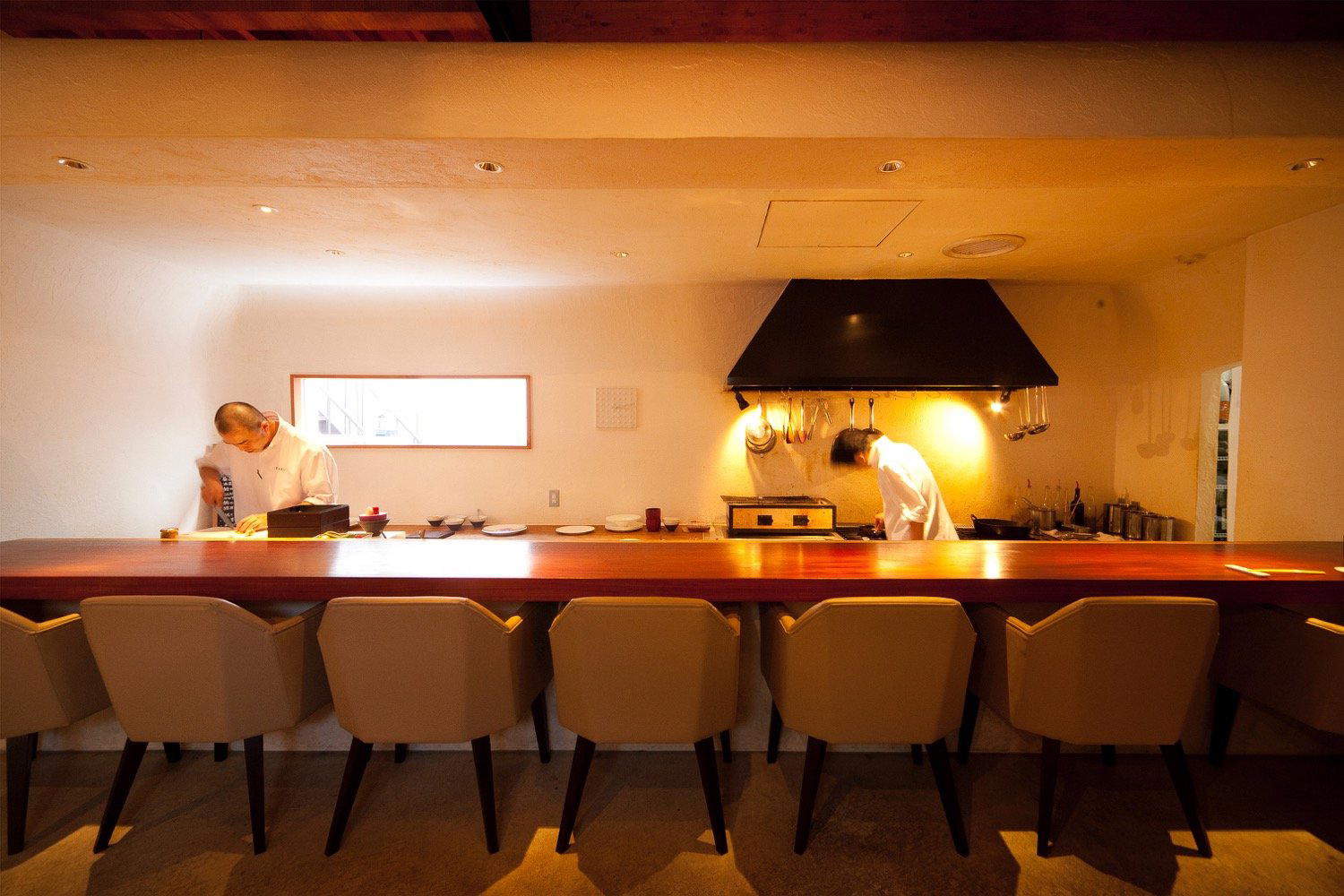
Focused Japanese restaurants depend on frictionless choreography. The room is not background scenery; it determines how the meal lands. A composed setting puts timing, portioning, and drink pacing in the open, and it leaves less space for the distractions that larger dining rooms can absorb. In this genre, restraint is not merely aesthetic. It is part of how the experience is structured.
Tabelog’s 2025 Japanese cuisine recognition gives the address a public marker beyond local word-of-mouth. The score of 3.91 sits in a Japanese rating culture where numbers tend to move conservatively, especially for venues with a more limited audience than broad-access restaurants. For a traveler, that matters less as a decimal than as a filter: this is not the same proposition as a casual dining room designed around speed and volume.
The composed restaurant feel is also telling. Sapporo has a habit of placing serious food in understated settings, including beyond the city’s most obvious dining circuits. That creates a different kind of luxury from more visibly declarative dining rooms: fewer visual declarations, more dependence on procurement, sequencing, and trust. Oryori Fujita belongs to that category, where quietness reads not as a lack of ambition but as the operating condition for the meal.
How to place it within a Sapporo food itinerary
The sensible way to read this reservation is as the composed Japanese-cuisine night in a broader Sapporo plan. Pair it against the city’s casual strengths rather than replacing them. A traveler might use ramen, soup curry, or market seafood for speed and local color, then set aside one evening for a meal that asks for attention. For a wider map of the city’s dining range, start with Our full Sapporo restaurants guide; for planning around stays and evenings, the companion guides to Sapporo hotels, Sapporo bars, Sapporo wineries, and Sapporo experiences help frame the trip beyond dinner.
It also helps to understand what this meal is not. It is not a family-style Hokkaido seafood blowout, not a casual curry stop, and not a room built around the looseness of a large group. Diners looking for a more expansive or highly social setting may prefer other Sapporo dining rooms. Oryori Fujita suits guests who are comfortable with a focused meal and a quieter social register.
For readers building a broader Japan file, the point of comparison is format rather than a checklist of dishes. A composed restaurant in Sapporo has little in common with casual counters, café culture, or larger contemporary dining rooms elsewhere. Still, those contrasts are useful: Japan’s serious dining culture is not concentrated in one city or one format. The same applies when looking outward to Japanese food culture in other cities, where service expectations, audiences, and local ingredients can change the experience completely.
Oryori Fujita’s case is strongest for travelers who already know Sapporo’s obvious pleasures and want the city in a more concentrated voice. The meal’s appeal lies in scale, quiet, and Japanese cooking, supported by Tabelog recognition and a setting that leaves little room for excess. In a city often sold through abundance, that restraint is the editorial reason to pay attention.
Frequently asked questions
What does dinner at Oryori Fujita typically cost?
Pricing at Oryori Fujita is listed as Dinner: JPY 15,000 - JPY 19,999; Lunch: JPY 8,000 - JPY 9,999.
What are Oryori Fujita's hours?
Published hours are not provided here. Check the venue directly for the latest schedule.
What part of town is Oryori Fujita in?
Oryori Fujita is located in Sapporo.
What is Oryori Fujita known for?
It is known as a Japanese-cuisine restaurant in Sapporo, and it was recognized in Tabelog's Japanese cuisine selection for 2025. The listed score is 3.91, with dinner budgeted at JPY 15,000 - JPY 19,999.
Can Oryori Fujita accommodate dietary restrictions?
Dietary requests should be raised directly with the restaurant before booking. For a confirmed answer, use the listed phone number, +81-11-215-0318. Check the venue's official channels for the latest details.
Does Oryori Fujita work for a family meal?
It may work for diners who are comfortable with a focused Japanese-cuisine meal, but families should confirm suitability directly with the restaurant before booking.
How It Stacks Up
Comparable venues in the metro at similar price points.
| Venue | Cuisine | Price | Awards | Notes |
|---|---|---|---|---|
| Oryori FujitaThis venue (the venue you are viewing) | Traditional Japanese Omakase / Kaiseki | $150–200 | Tabelog 100 #86 | Not listed |
| Susukino Niku Seafood Robata Shinshin | Japanese Robatayaki Izakaya | $100–150 | Tabelog 100 #64 | Chūō |
| アグリスケープ | Farm-to-Table Creative Cuisine | $100–150 | Tabelog 100 #22 · We're Smart World 3 Radishes | Nishi |
| Sumika | Japanese Yakiniku | $50–100 | Tabelog 100 #59 | Chūō |
| Sushi Dokoro Ichii | Seasonal Hokkaido Sushi Counter | $50–100 | Tabelog 100 #32 | Chūō |
| 麺屋 菜々兵衛 | Ramen | $10–20 | Tabelog 100 #82 | Shiroishi-ku |
Recognition history
Dated appearances from independent guides and award organizations, with the underlying list record or original source where available.
Tabelog 100 #86 · No. 86
Tabelog · Tabelog 100 - Japanese cuisine - EAST - 2025
Continue exploring
More in Sapporo
Restaurants in Sapporo
All restaurants in Sapporo →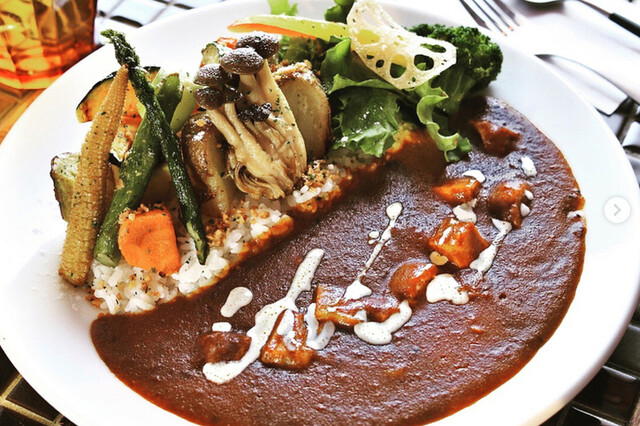
Bars in Sapporo
All bars in Sapporo →



Details
- Intimate
- Cozy
- Elegant
- Date Night
- Special Occasion
- Celebration
- Solo
- Chefs Counter
- Standalone
- Private Dining
- Sake Program
- Tasting Menu
- Omakase
- Counter Dining
- Set Menu
- Sake
Current opening hours
- Monday
- 6–10 PM
- Tuesday
- 6–10 PM
- Wednesday
- 6–10 PM
- Thursday
- 6–10 PM
- Friday
- 6–10 PM
- Saturday
- 6–10 PM
- Sunday
- 6–10 PM
Hours can change for holidays and private events. Hours as of .
An intimate hideout-style house restaurant with only counter seats, creating a quiet, adult atmosphere where guests enjoy meticulously prepared courses and carefully selected sake.