Onēsan Dim Sum Sushi
Onēsan Dim Sum Sushi occupies a distinctive niche in Dallas's North Dallas dining corridor, pairing the communal format of dim sum with the precision demanded by sushi. The concept sits at an intersection that few American cities have explored seriously, making it a useful measure of how far Dallas's appetite for format-bending Asian cuisine has traveled in recent years.
Pearl is the En Primeur Club membership app — saves, bookings, and concierge access live there. Same editors, same standards.
- Address
- 12300 Inwood Rd #180, Dallas, TX 75244
- Phone
- +14695806838
- Website
- onesandallas.com
- Directions
- Get directions
 Saves & bookings on Pearl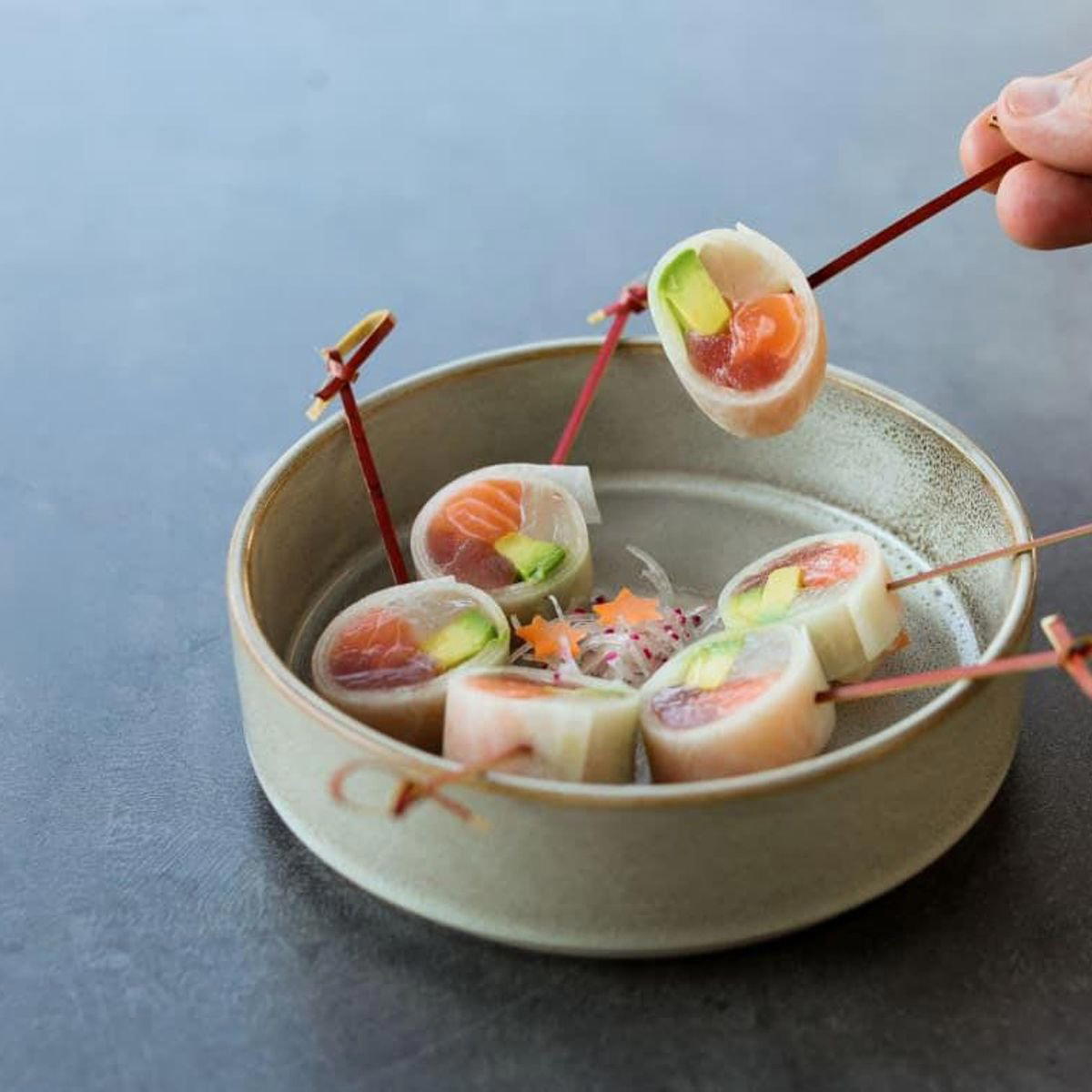
Where Two Cantonese and Japanese Traditions Share a Table
Onēsan Dim Sum Sushi is a restaurant in Dallas serving Dim Sum & Sushi Fusion at a $$. Tatsu Dallas anchors the upper end of that market at the $$$$ price point, and the broader North Texas scene has moved steadily toward format literacy, meaning diners who understand the difference between a hand roll counter and an omakase progression. Into that context, Onēsan Dim Sum Sushi inserts something genuinely harder to categorize: a dual-format concept that pulls from Cantonese dim sum's rolling-cart communality and sushi's demand for ingredient precision and temperature control. These are not naturally compatible traditions. Dim sum is designed for noise, abundance, and shared plates arriving without much ceremony. Sushi, at its most disciplined, is a quiet negotiation between rice temperature, fish aging, and the counter's pace. That Onēsan attempts to hold both formats under one roof says something about where Dallas dining is headed, toward hybrid concepts that assume a more traveled, format-aware diner.
The Format Evolution Behind the Name
Across American cities, interesting evolution in Asian dining has not been the arrival of higher price points but the willingness to recombine formats that were previously kept separate. In New York, the boundary between izakaya and omakase has blurred. In Los Angeles, the lines between kaiseki and Californian tasting menus have dissolved. Dallas tends to follow these shifts on a slight delay, which means that when a concept like Onēsan appears on Inwood Road in a suburban strip center, it is arriving at something close to the right moment. The city's dining public has been primed by exposure to more format-specific venues, and a fusion of dim sum and sushi no longer reads as gimmick the way it might have in 2012.
8½ Otto e Mezzo Bombana in Hong Kong demonstrated that a city's dining culture can support concepts that bridge culinary traditions without losing technical seriousness. American parallels include Atomix in New York City, which recontextualized Korean fine dining through a tasting format borrowed from European traditions. The ambition differs in scale and price point, but the underlying logic, take a format associated with one culture and apply the discipline of another, is consistent.
The Inwood Road Setting
Strip-center dining in Dallas is a different proposition than it is in most American cities. North Dallas has a long history of serious kitchens operating behind unremarkable facades, partly because real estate economics and partly because the dining public here has learned not to read a parking lot as a quality signal. The 12300 Inwood Road address places Onēsan in a corridor that has hosted multiple credible concepts over the years. Proximity to the North Dallas residential belt means the lunch and weekend dim sum windows likely draw a regulars-heavy crowd rather than destination diners, which is a different dynamic than the evening sushi trade, where occasion dining tends to dominate.
That split audience, weekend dim sum families versus evening sushi diners, is itself a format challenge that the leading dual-concept restaurants manage through thoughtful sequencing of the dining room and service rhythm. Venues like Lazy Bear in San Francisco have shown how a single space can read differently across dayparts when format discipline is applied consistently. The structural challenge is worth naming because it shapes how any dual-concept kitchen must be staffed and scheduled.
Dallas's Broader Asian Dining Tier
Placing Onēsan inside Dallas's competitive set requires some mapping. The upper Japanese tier is anchored by Tei-An, which sits at the $$$$ bracket with a serious soba and izakaya program. Tatsu Dallas operates in the same price tier with a chef's-counter format. Below that, a middle band of Japanese-adjacent concepts handles the volume market. Dim sum, separately, has historically been concentrated in the Richardson and Plano corridors, where the Cantonese and Hong Kong-style population density supports weekend yum cha at scale. A Dim Sum Sushi hybrid in North Dallas positions itself between those two audiences and must persuade both that the combination works on its own terms rather than compromising either format.
The Dallas restaurant market has demonstrated in recent years that it can sustain format-specific concepts. Mamani and 12 Cuts Brazilian Steakhouse illustrate the range of cuisine types the city has absorbed with commercial success. 360 Brunch House and 3Eleven Kitchen and Cocktails point to Dallas's appetite for daypart-specific concepts with distinct identities. Onēsan's dual format sits in more complex territory than any of these, because it asks the kitchen to maintain credibility in two demanding traditions simultaneously.
How It Compares to the Wider American Scene
Nationally, the restaurants that have pushed the boundary of format and cultural combination most successfully tend to be tightly controlled environments with small menus, high per-item attention, and a clear hierarchy of what the kitchen does leading. Alinea in Chicago built its reputation on eliminating the comfortable and familiar. The French Laundry in Napa and Le Bernardin in New York City represent the opposite approach: extreme specificity within a single tradition. Providence in Los Angeles, Blue Hill at Stone Barns in Tarrytown, Single Thread Farm in Healdsburg, Addison in San Diego, The Inn at Little Washington, and Emeril's in New Orleans all demonstrate, in different ways, that sustained reputation in American fine dining tends to reward clarity of identity. A dim sum and sushi hybrid that finds its own clarity, a defined point of view about what the combination should taste and feel like, would occupy a genuinely distinct position in that national conversation.
Know Before You Go
A Quick Peer Check
Comparable venues nearby, for context on price, style, and recognition.
| Venue | Cuisine | Price | Notes |
|---|---|---|---|
| Onēsan Dim Sum SushiThis venue — the venue you are viewing | Dim Sum & Sushi Fusion | $$ | Not listed |
| Cafe Nubia | Mediterranean & African Fusion | $$$ | Timberglen |
| Fadi's Mediterranean Grill | Lebanese Mediterranean Grill | $$ | Oak Lawn |
| Dallas Farmers Market | Multi-Cuisine Food Hall & Farmers Market | $$ | Farmers Market District |
| Veracruz Cafe | Veracruz Mesoamerican | $$ | Bishop Arts District |
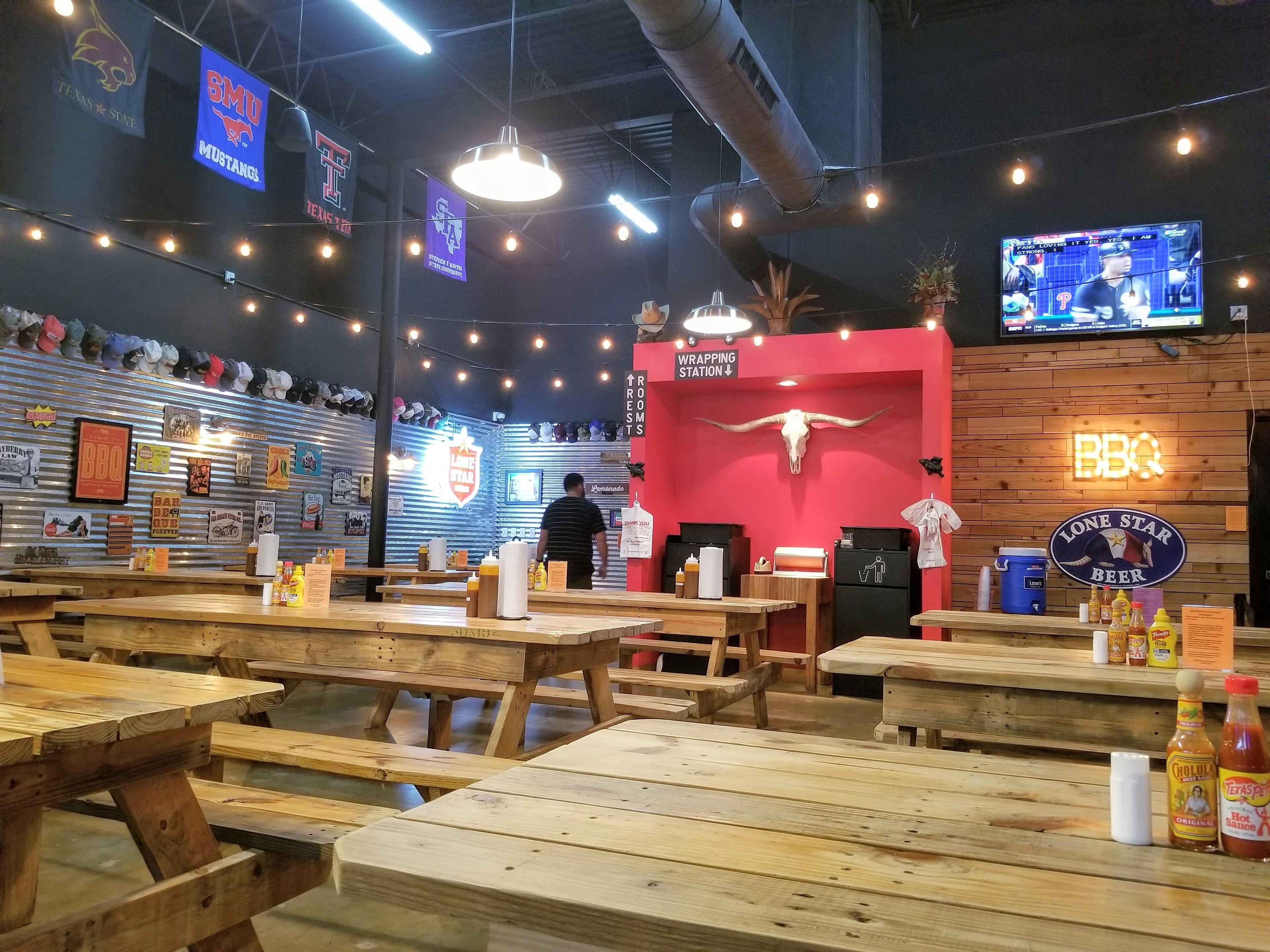
| Lockhart Smokehouse BBQ | Central Texas BBQ | $$ | Bishop Arts District |
At a Glance
- Elegant
- Intimate
- Trendy
- Modern
- Date Night
- Casual Hangout
- Open Kitchen
- Craft Cocktails
- Sake Program
Current opening hours
- Monday
- 4–9 PM
- Tuesday
- 4–9 PM
- Wednesday
- 4–9 PM
- Thursday
- 4–9 PM
- Friday
- 4–10 PM
- Saturday
- 4–10 PM
- Sunday
- Closed
Hours can change for holidays and private events. Last verified .
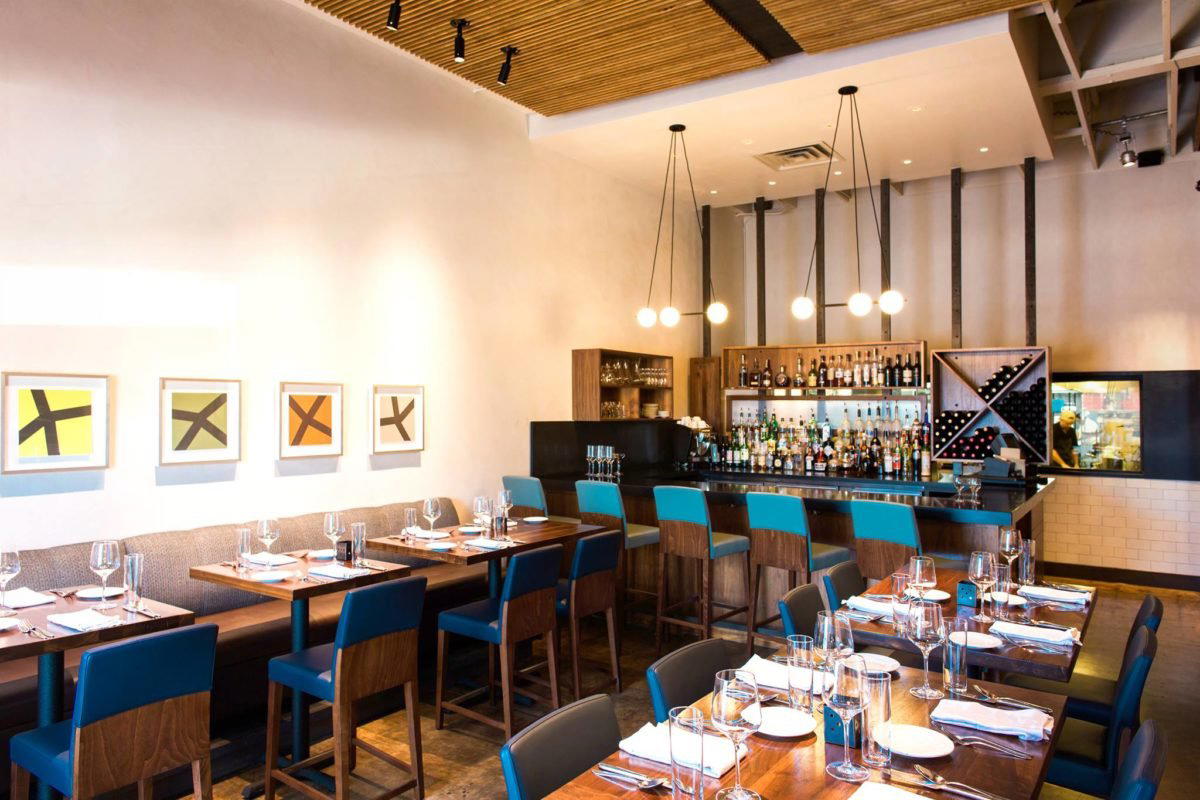
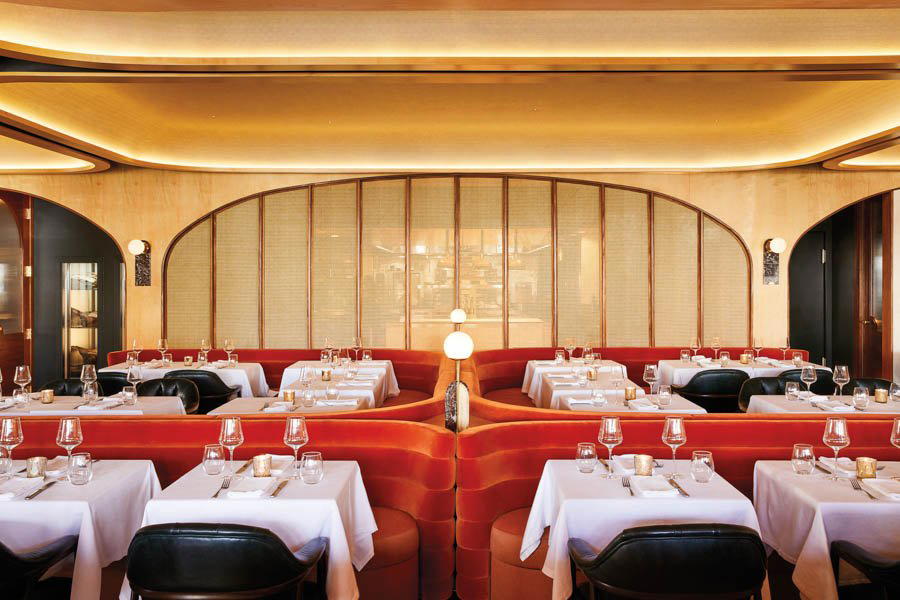
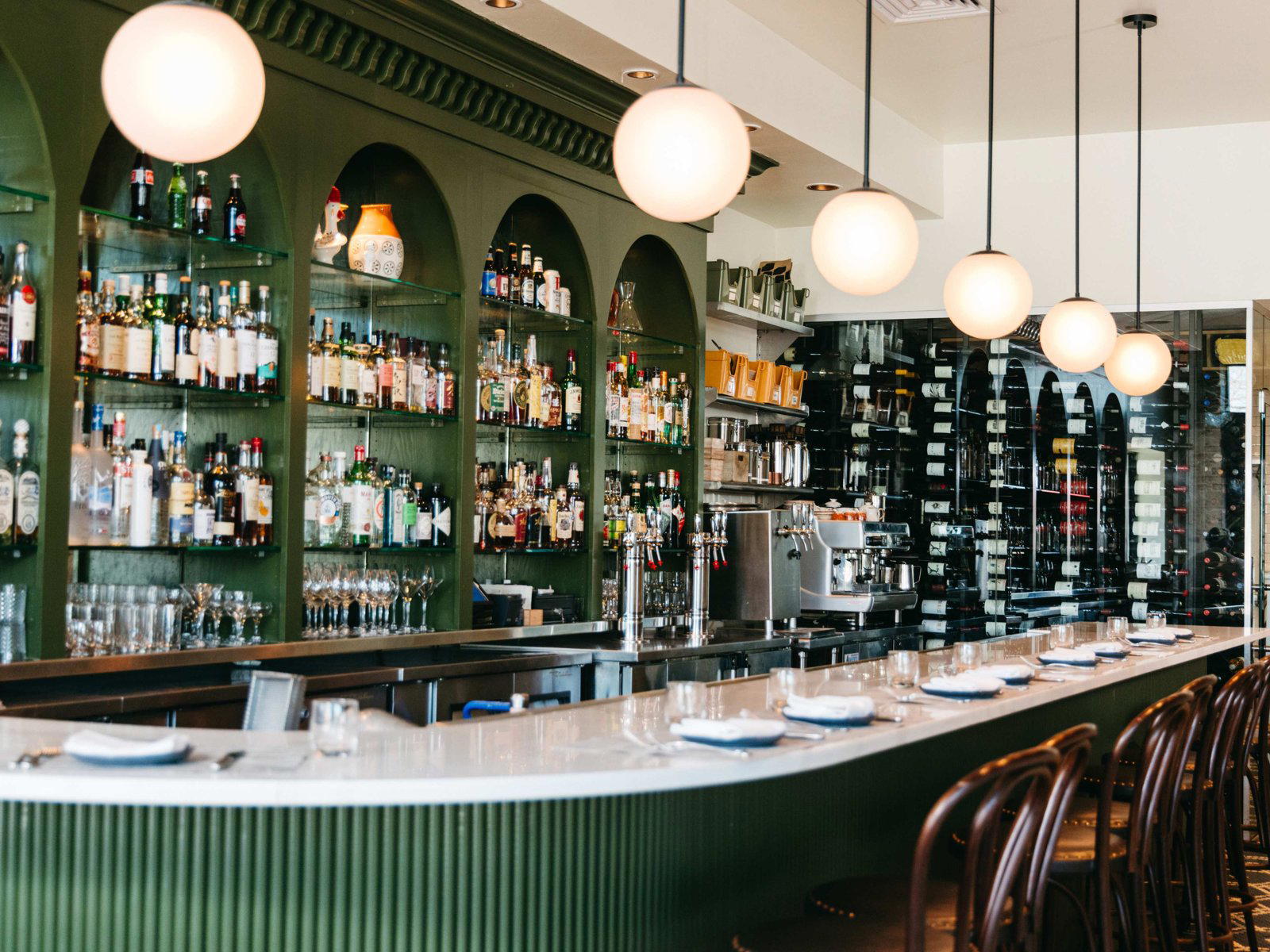
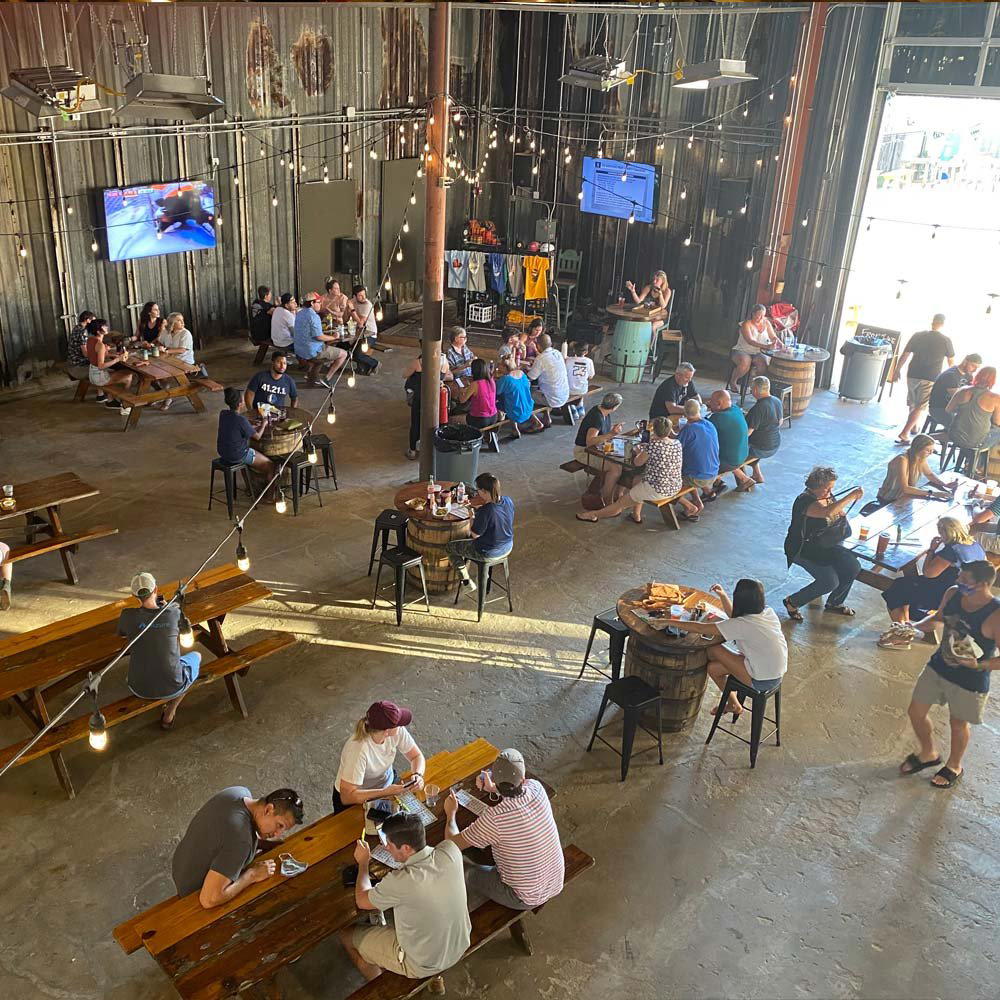
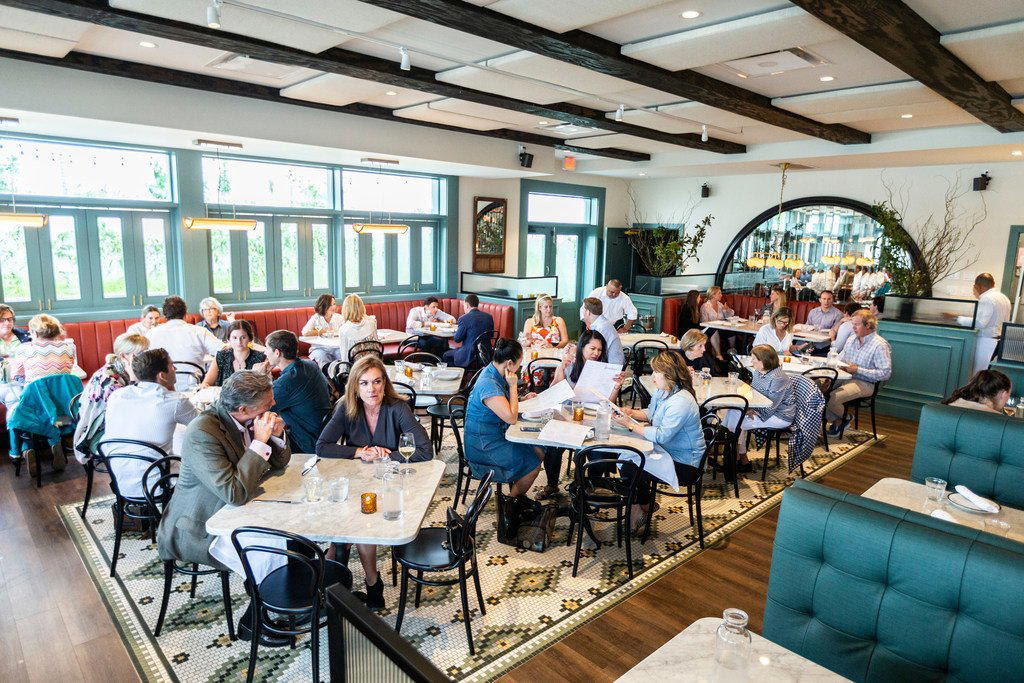
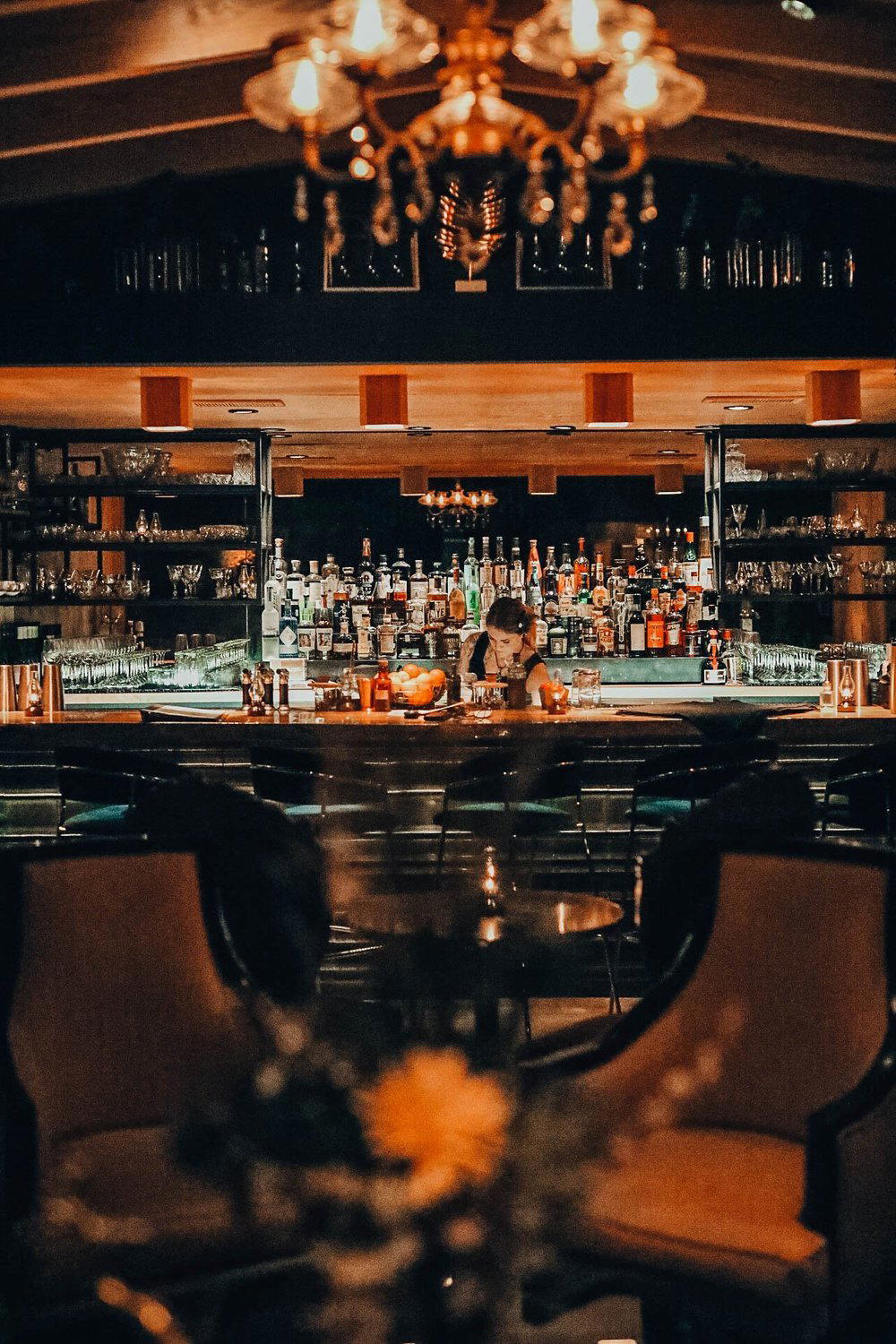
Warm casual-elegant neighborhood atmosphere with moderate noise, chic and cozy design featuring a massive mural.