
Onomichi Ramen Yamacho brings Hiroshima’s Onomichi ramen idiom into Osaka’s Moriguchi orbit, a useful counterpoint to the city’s heavier noodle traditions. Its Tabelog 100 Ramen Osaka selections in 2023 and 2025 place it within a serious local conversation rather than a tourist checklist, with a compact counter format and a reputation built on regional specificity.
Pearl is the En Primeur Club membership app — saves, bookings, and concierge access live there. Same editors, same standards.
- Address
- 大阪府守口市寺内町1-3-5
- Phone
- +81669933754
- Website
- men-onomichi.com
 Saves & bookings on Pearl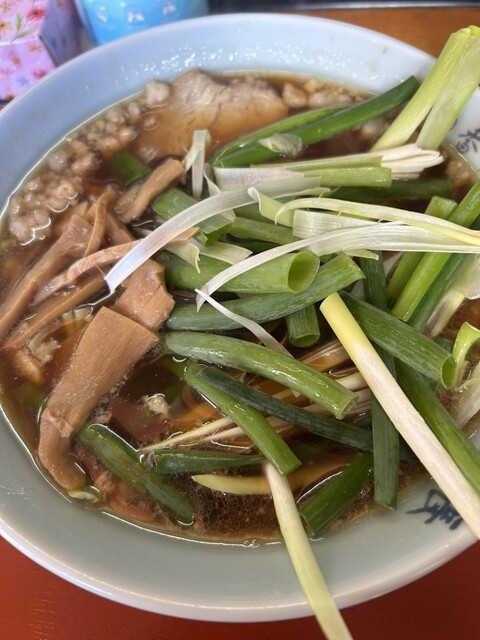
A serious ramen counter in Osaka is rarely theatrical: modest signs, compact rooms, clipped rhythm, tickets, seats, bowls, departure. In Moriguchi, just outside the central Osaka circuits that dominate visitor itineraries, Onomichi Ramen Yamacho occupies a different noodle geography. It is neither a Dotonbori photo stop nor a late-night tonkotsu sprint, but a regional specialist on the commuter edge, where repeat customers and narrow-format cooking matter more than spectacle.
That matters because Osaka ramen is not one fixed school. The city absorbs styles from elsewhere in Japan and tests them against local habits: quick lunches, counter seating, solo dining, and price discipline. Onomichi ramen, associated with Hiroshima Prefecture’s port city, differs from the creamy, pork-heavy bowls many overseas diners associate with Japanese ramen. Its reference point is regional clarity: soy-based structure, fish influence in the broader tradition, and a compact bowl built for directness rather than excess. Onomichi Ramen Yamacho sits in that imported-regional lane, using an Osaka address to keep a Hiroshima-linked style in circulation.
Onomichi ramen in Osaka, not Osaka ramen by default
Read this counter through ramen migration. Japan’s noodle culture has long moved by rail lines, student neighborhoods, shopping arcades, and suburban stations, with regional styles appearing far from their source once enough regulars understand the code. Osaka’s strength as a dining city is not only takoyaki, okonomiyaki, and kushikatsu; it is its appetite for absorbed formats. Ramen shops here can be local, imported, hybrid, or narrowly obsessive, and the better ones make that positioning legible without explanation.
The Tabelog 100 Ramen Osaka selections in 2023 and 2025 give this shop a useful external marker. Tabelog’s Hyakumeiten lists are not Michelin-style star systems, but in Japan they carry weight among diners who track category depth. For a suburban Moriguchi counter, inclusion signals conversation beyond neighborhood convenience. It places the shop beside Osaka noodle rooms that draw serious local comparison, including lower-priced counters such as Menya Shiki and Teuchi Udon Beniy, and ramen addresses in the JPY 1,000 to JPY 1,999 band such as Mensho Jikon and Mensho Yashima.
Ramen value is measured differently from fine dining value. A great counter needs no table linen, wine pairing, or long reservation runway; it needs a clearly argued bowl, reliable pacing, and enough identity that diners would cross a ward boundary for it. In that sense, Onomichi Ramen Yamacho shares Osaka’s food logic with a bakery like 52CHO-ME BAKERY, a snack institution like 551 Horai (551蓬莱), and a focused coffee stop like .cafe. The city rewards specialization when the format is narrow and execution consistent.
A counter format built for regional focus
Ramen’s counter culture changes the critic’s frame. There is no long service arc, extended tasting sequence, or much ceremony. The room becomes a production line in the clearest sense: few seats, close sightlines, and a kitchen cadence that makes hesitation visible. The restaurant’s counter-only setup suits that tradition, solo diners and pairs rather than lingering groups, and keeps attention on the bowl instead of social performance.
The local-ingredient, global-technique angle is not about imported luxury here. Ramen is already hybrid: Chinese wheat noodles naturalized into Japanese regional cooking, then refined through broth control, tare balance, fat management, and shop-specific assembly. Onomichi ramen adds another layer because its identity is regional, yet its technical language is pan-Japanese. The point is not novelty, but how a local Japanese port-city style can travel into Osaka and remain recognizable.
That separates the shop from broader-format restaurants that happen to serve noodles. It belongs to places where range is less persuasive than discipline. Osaka has many dining rooms where breadth is the appeal, from Italian-leaning addresses such as a canto (Italian) and 99 Pizza Napoletana Gourmet to multi-stop grazing across department stores and station basements. A ramen counter asks for the opposite reading: fewer variables, faster judgment, and a sharper sense of whether the house style has a reason to exist in this neighborhood.
For travelers building an Osaka food map, Moriguchi corrects the center-heavy itinerary. The city’s dining reputation is often compressed into Namba, Umeda, and Shinsekai, but day-to-day eating extends across rail-linked municipalities where counters, bakeries, izakaya, and noodle shops serve residents first. That commuter-belt context explains why a small ramen specialist can carry more authority than a larger, broader restaurant. The audience is less captive, and repeat custom becomes a hard test.
How to place it in an Osaka eating day
This is a focused stop, not an all-evening plan. Use it as a ramen-led detour within a wider Osaka schedule: a counter meal, then back into the rail network for coffee, bars, or another neighborhood. The broader EP Club Osaka coverage is useful for sequencing, from Our full Osaka restaurants guide to Our full Osaka bars guide, Our full Osaka hotels guide, Our full Osaka wineries guide, and Our full Osaka experiences guide.
The larger lesson is that Japan’s serious casual dining rarely needs grandeur to justify a trip. A ramen counter can carry regional memory, technical precision, and local loyalty in less than an hour. The restaurant earns attention because it clarifies one strand of that culture: a Hiroshima-associated ramen style interpreted inside Osaka’s practical, station-linked eating habits. For readers comparing Japanese regional food beyond Kansai, the same logic appears in different forms, from [ki:] in Kyoto and [Curry Senmon Ten] Maruyama Kyoju. in Sapporo to.know in Kumamoto, (Shoku) Vietnam in Kawasaki, and -Grilled beef Sukiyaki- KAMAKURA TANUKIAN 鎌倉 たぬき庵 in Kamakura.
There is also a diaspora parallel. Japanese formats abroad often succeed when they preserve constraint rather than overexplain themselves, as seen in Los Angeles-area specialists such as Jōdo Saké Bar in Los Angeles and Onigiri Time in Pasadena. The same principle applies in Osaka: the narrow counter, regional idea, and category recognition are the substance. A final cross-city contrast. 鮪と炭火焼き うお炭 秋葉原店 in Tokyo, shows how Japanese casual formats can be equally specific while speaking a completely different culinary language.
Budget Reality Check
Comparable venues to calibrate price, style, and recognition.
| Venue | Cuisine | Price | Notes |
|---|---|---|---|
| Onomichi Ramen YamachoThis venue — the venue you are viewing | Moriguchi, Onomichi-style ramen | $ | Not listed |
| Mensho Jikon | Moriguchi, Ramen & Tsukemen Shop | $ | Not listed |
| Menya Ikkei | Ibaraki, Ramen shop | $ | Not listed |
| Kamaage Udon Isshin | Sumiyoshi, Traditional Kamaage Udon Shop | $ | Not listed |
| IRISH CURRY Nakatsu ten | Kita, Japanese Curry | $ | Not listed |
| Kotikaze | Not listed | $ | Tennōji, Japanese cafe with traditional sweets |
Recognition history
Dated appearances from independent guides and award organizations, with the underlying list record or original source where available.
Tabelog 100 #59 · No. 59
Tabelog · Tabelog 100 - Ramen - OSAKA - 2025
Continue exploring
More in Osaka
Restaurants in Osaka
Browse all →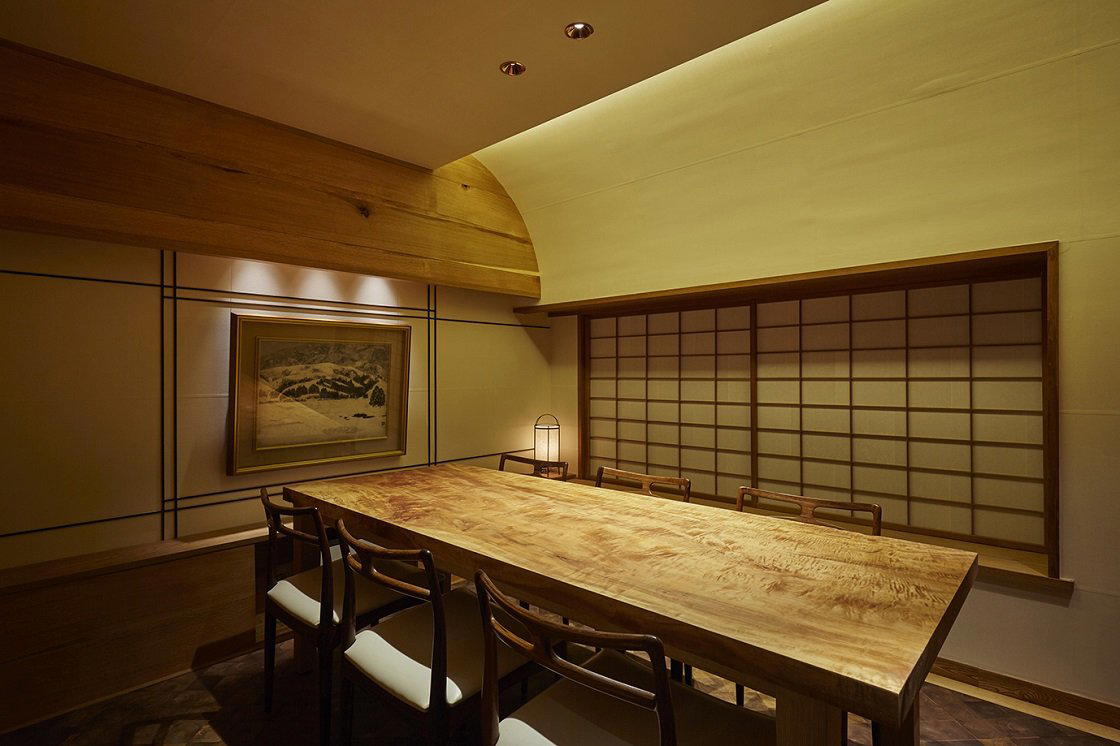




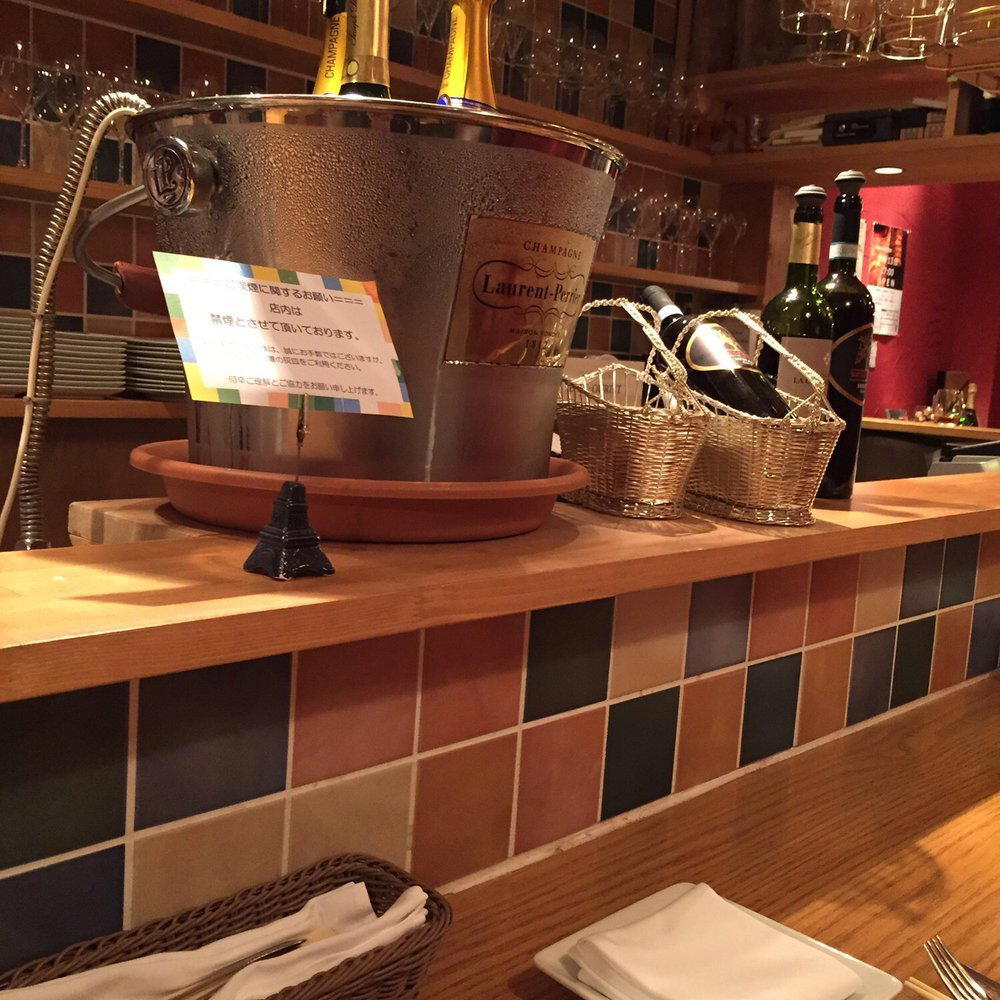
Bars in Osaka
Browse all →



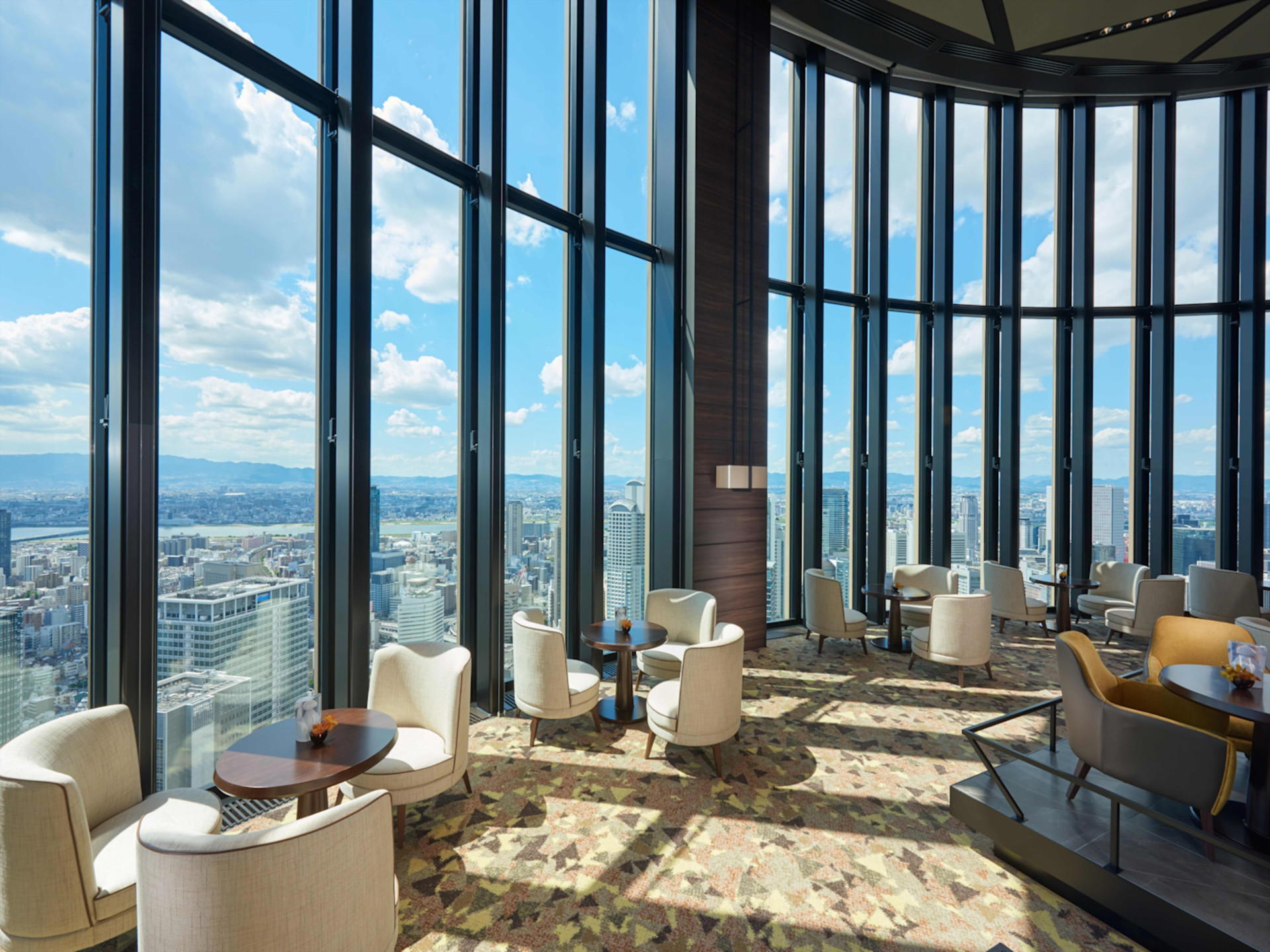
Hotels in Osaka
Browse all →



Wineries in Osaka
Browse all →
At a Glance
- Classic
- Cozy
- Solo
- Casual Hangout
- After Work
- Late Night
- Standalone