Google: 5.0 · 139 reviews
.png)

In a pedestrianised street through Gandia's old ducal quarter, Ona Cuina Oberta runs daily-changing surprise menus that follow the market rather than a fixed repertoire. Chef Paco Castelló and front-of-house partner Gabri Tarín position the kitchen as resolutely Mediterranean, with fish, seafood, and vegetables at the centre. It is a small, serious restaurant operating well above the coastal resort baseline.
 Discover on Pearl
Pearl is the En Primeur Club membership app — saves, bookings, and concierge access live there. Same editors, same standards.
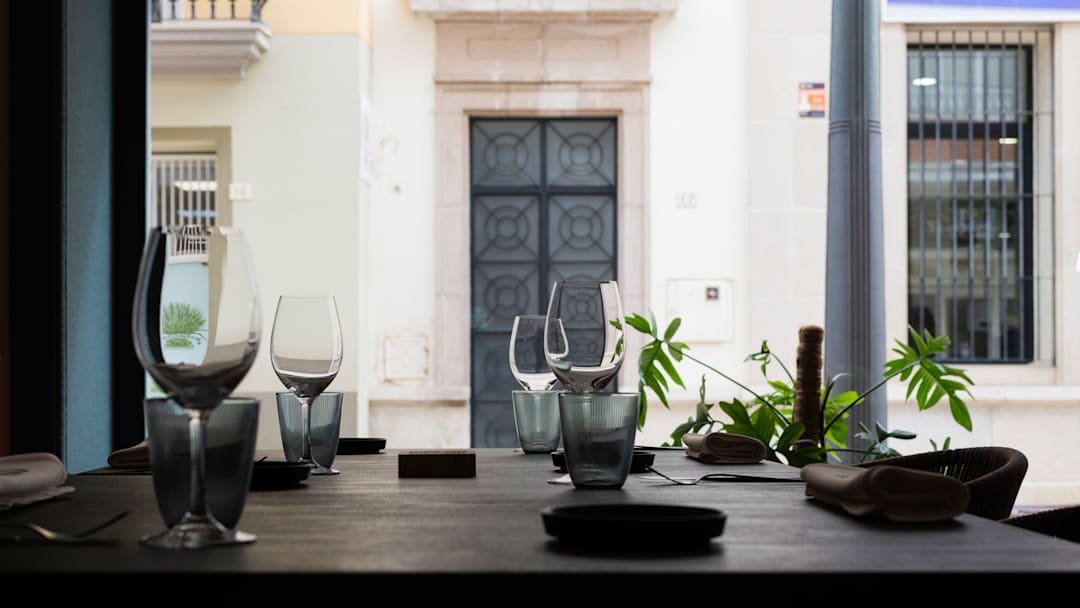
A Pedestrian Street, a Moving Menu
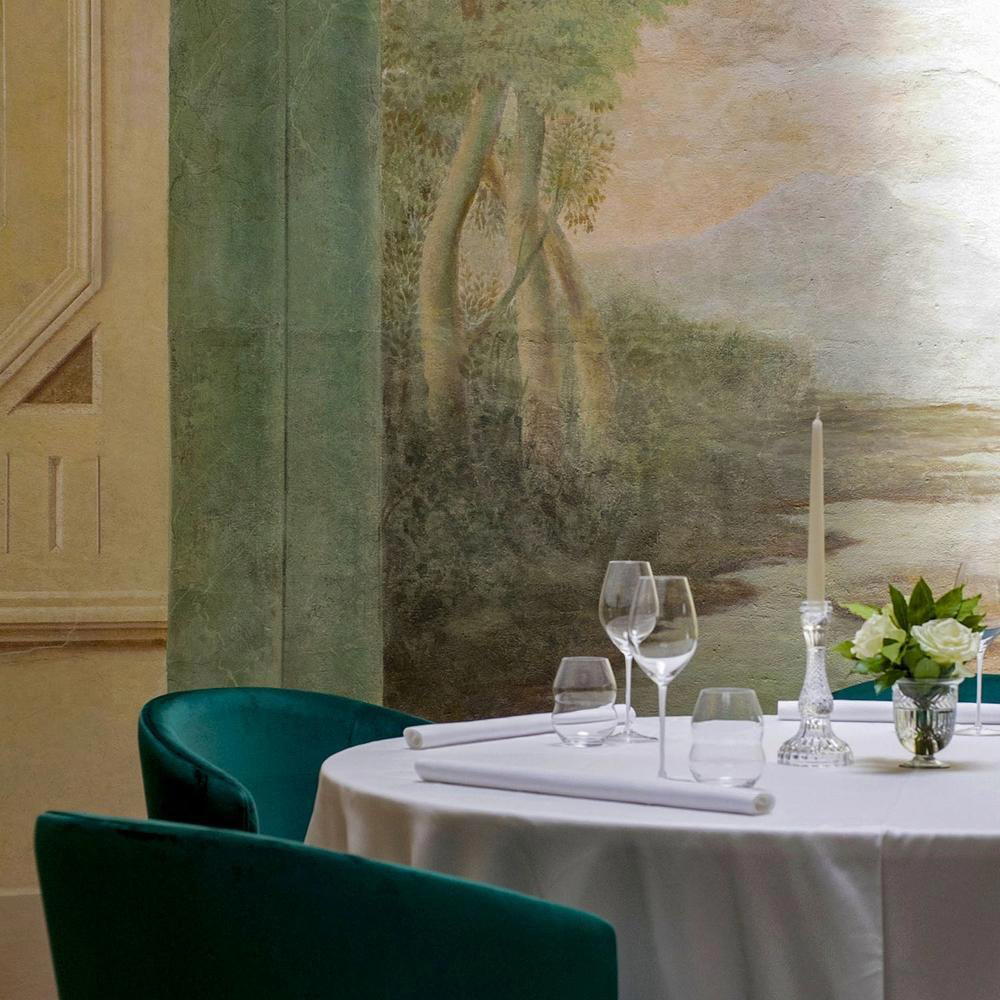
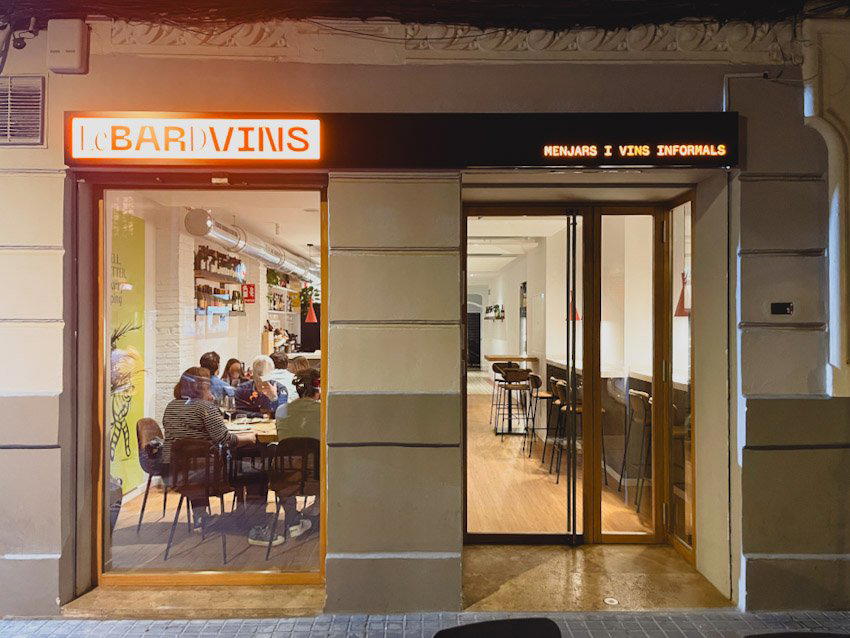
Gandia sits roughly 70 kilometres south of Valencia on the Costa Blanca, better known for its long sandy beach and summer tourism than for serious restaurant cooking. That reputation is accurate for most of the town. It does not apply to the old quarter known as La Ciudad Ducal, where the streets narrow, the pace drops, and a different side of the city becomes visible. Carrer Duc Carles de Borja is one of those streets: pedestrianised, unhurried, set away from the seafront noise. Ona Cuina Oberta occupies a small room on that street, and the physical setting signals its intentions before a single dish arrives. This is not a beach-trade restaurant.
The format is deliberate and structurally unusual for its price tier in a coastal Spanish town. There is no printed menu to choose from. Instead, the kitchen operates two surprise menus — named Ona and Ona Cuina Oberta — both of which change daily according to what came in from the market that morning. For Spain's larger creative restaurants, a daily-changing tasting menu is standard practice: Quique Dacosta in Dénia and Ricard Camarena in València both operate within that logic, though at a very different scale and price point. At Ona, the same principle runs through a small room in a secondary city, with a two-person team rather than a brigade. The discipline required to change a full menu every day without a large kitchen operation behind you is considerable.
Where the Food Comes From
The Mediterranean coast between Valencia and Alicante has one of Spain's most coherent ingredient traditions. The sea delivers red mullet, sea bass, cuttlefish, and clams in reliable succession through the year. The huertas , the irrigated market garden plains that stretch inland from the coast , produce tomatoes, aubergines, peppers, artichokes, and the tiger nuts (chufas) that form the base of horchata, Valencia's defining cold drink. Rice culture runs deep across the entire region, even when it does not appear on a given plate.
Ona Cuina Oberta draws directly from that supply chain. The kitchen positions itself as 100% Mediterranean, which in practice means the sourcing radius is tight and the seasonal calendar is taken seriously. Fish and vegetables share equal prominence in the menu structure, which is relatively unusual in a region where rice-and-seafood combinations tend to dominate the visitor offer. The commitment to vegetables as a primary category rather than a supporting role puts the restaurant in a smaller peer set nationally, closer in that specific respect to the vegetable-forward approach of Azurmendi in Larrabetzu than to the typical Valencian coastal format.
Tiger nut ajoblanco with cherry granita has been cited among the kitchen's most noted preparations. The pairing is worth reading carefully as an ingredient statement: ajoblanco is a cold Andalusian soup traditionally made with almonds and garlic, but substituting tiger nut pulls the dish into specifically Valencian territory, where chufa cultivation has continued without interruption since Moorish agricultural settlement. Finishing with cherry granita brings seasonal acidity and temperature contrast. This is cooking that uses local ingredient knowledge as its primary creative language. A vegetable carbonara has similarly attracted attention, signalling a kitchen willing to apply classical pasta logic to produce-led ingredients without making the comparison the point of the dish.
The Kitchen's Creative Frame
Spanish creative cooking in the generation that followed Ferran Adrià sorted itself into several distinct streams. The Basque school, represented at the highest level by Arzak and Mugaritz, developed its own technical and conceptual vocabulary. Catalan restaurants like Disfrutar in Barcelona and El Celler de Can Roca in Girona pushed technique toward theatricality and emotional narrative. Madrid's DiverXO grafted Asian structural logic onto Spanish ingredients at high intensity. Further south, Aponiente in El Puerto de Santa María built an entire creative system around marine ingredients and by-products.
Chef Paco Castelló's cooking at Ona sits outside the institutional circuits of those larger operations but shares their underlying orientation: ingredient specificity first, technique in service of the produce rather than the reverse. The noted Asian inflections in certain preparations place it loosely in a broader Spanish tendency to read Japanese and Korean ingredient discipline as compatible with Mediterranean produce logic, a tendency visible across multiple tiers of the national restaurant scene. Atomix in New York and Le Bernardin demonstrate internationally how fish-centred menus operating at high precision tend to converge around similar sourcing and temperature principles regardless of their geographic starting point. Ona operates at a smaller scale than any of those references, but the underlying cooking logic belongs to the same conversation.
The Room and the Service Dynamic
Small restaurants in Spain's secondary cities occupy a specific position in the national dining ecosystem. They lack the investment capital for elaborate dining rooms, the profile to attract international press attention, or the seat count to build long waiting lists. What the format permits instead is a degree of daily responsiveness that larger operations structurally cannot achieve. When two people run a kitchen and a dining room together, the menu can change not just seasonally but every morning, and the service interaction carries the texture of a conversation rather than a choreographed sequence.
Gabri Tarín's management of the dining room completes the operating model here. Front-of-house at this scale functions as direct interpretation of the kitchen's intentions, explaining daily choices, sourcing decisions, and structural logic in real time. The We're Smart Green Cuisine community, which evaluates restaurants on vegetable-forward cooking and sustainable sourcing principles, has recognised the potential of Ona's kitchen specifically in that context, suggesting the vegetable programme is developed enough to stand alone as a primary focus rather than a supporting element.
Planning a Visit
Gandia is accessible by train from Valencia in under an hour, making it a practical day trip from the regional capital, though the restaurant format rewards a slower visit. For those combining the meal with an overnight stay, the Gandia hotels guide covers the local accommodation range. Given that the menus change daily and the room is small, booking ahead rather than walking in is the logical approach; availability at this type of operation fills quickly, particularly on weekends and through the summer months when the town's general visitor traffic peaks. The surprise menu format means there is nothing to pre-select, so the only decision a guest makes in advance is whether to book.
For a broader picture of eating and drinking in the area, the full Gandia restaurants guide maps the wider scene, while the bars guide, wineries guide, and experiences guide cover adjacent categories. Ona Cuina Oberta is the kind of restaurant that raises the floor of what a visitor expects from a Valencian coastal town that most people arrive in thinking primarily about the beach. That recalibration is part of what the meal actually delivers.
Comparable Spots, Quickly
These are the closest comparables we have in our database for quick context.
| Venue | Cuisine | Price | Awards | Notes |
|---|---|---|---|---|
| Ona Cuina Oberta | The couple at the helm, with Paco Castelló at the wheel in the kitchen and Gabri… | This venue | ||
| Aponiente | Progressive - Seafood, Creative | €€€€ | Michelin 3 Star | Progressive - Seafood, Creative, €€€€ |
| Arzak | Modern Basque, Creative | €€€€ | Michelin 3 Star | Modern Basque, Creative, €€€€ |
| DiverXO | Progressive - Asian, Creative | €€€€ | Michelin 3 Star | Progressive - Asian, Creative, €€€€ |
| El Celler de Can Roca | Progressive Spanish, Creative | €€€€ | Michelin 3 Star | Progressive Spanish, Creative, €€€€ |
| Quique Dacosta | Creative | €€€€ | Michelin 3 Star | Creative, €€€€ |
At a Glance
- Intimate
- Cozy
- Elegant
- Modern
- Date Night
- Special Occasion
- Celebration
- Open Kitchen
- Standalone
- Natural Wine
- Sommelier Led
- Farm To Table
- Local Sourcing
- Natural Wine
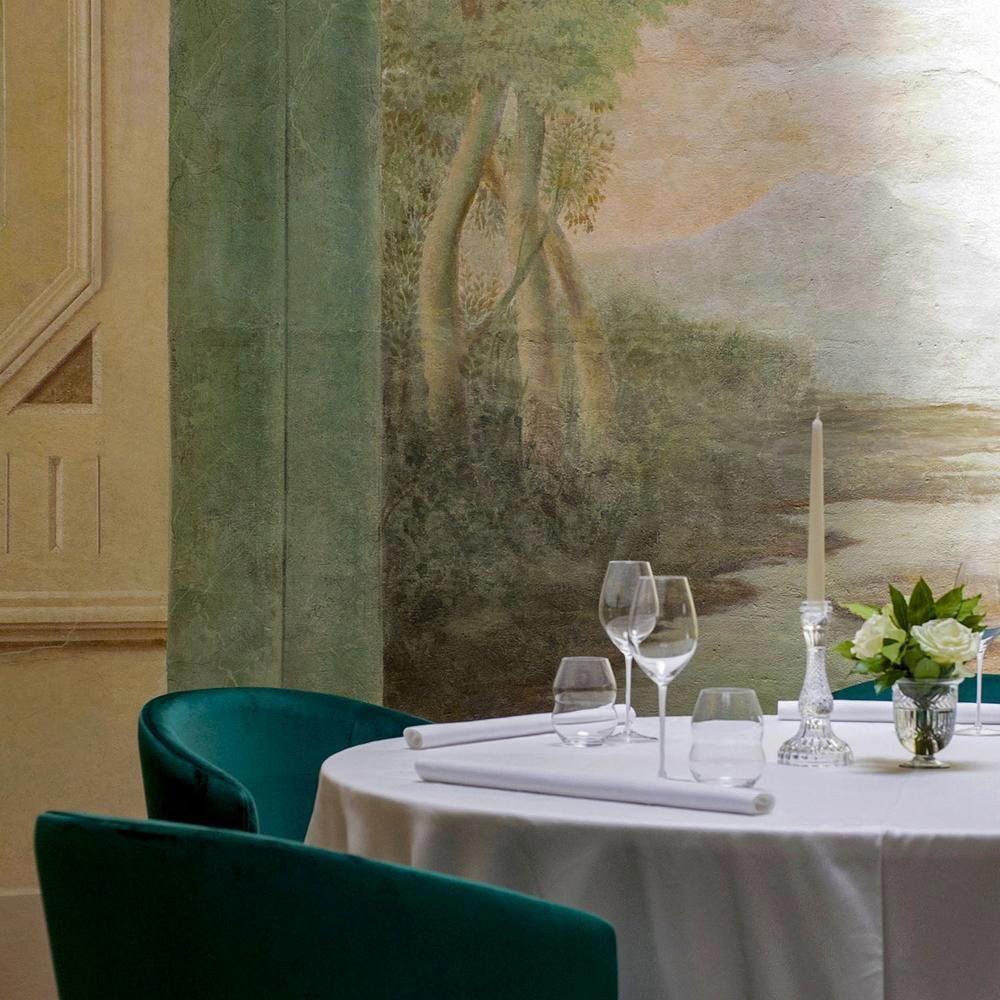
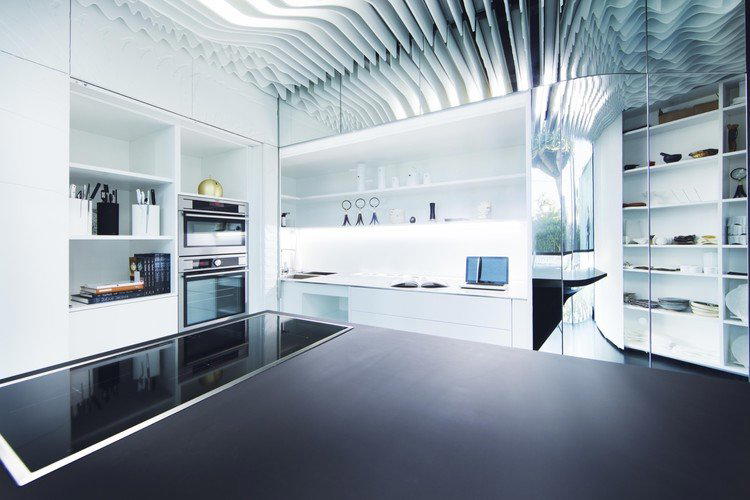
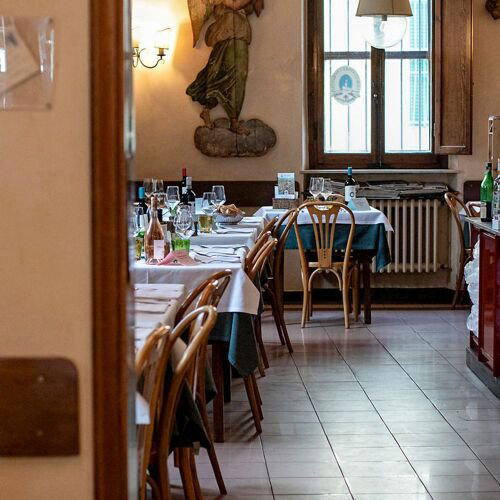
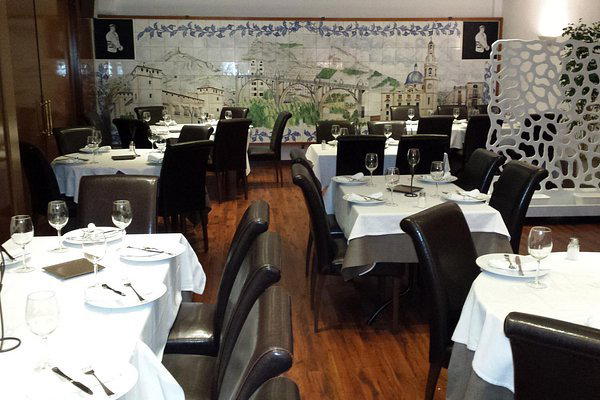
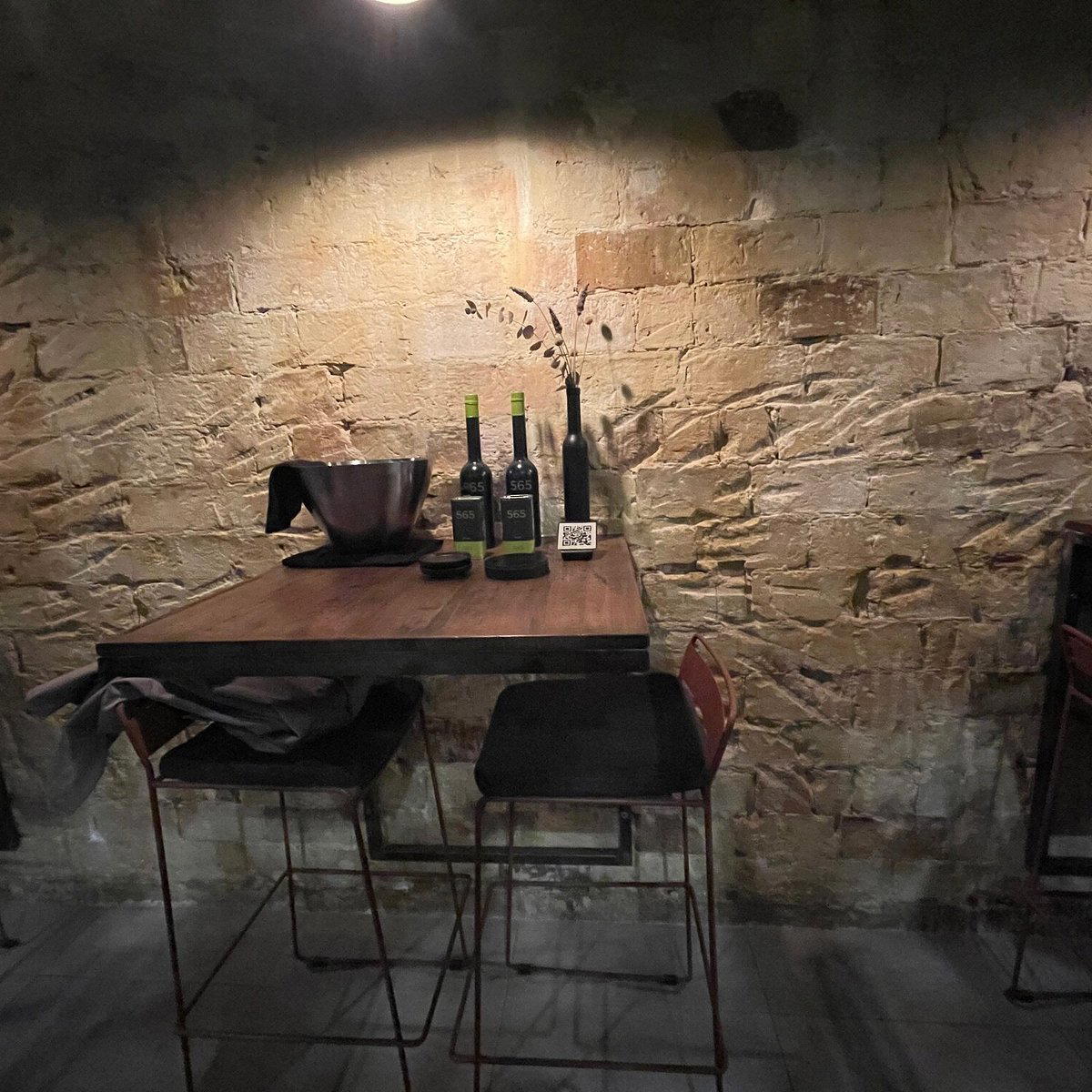
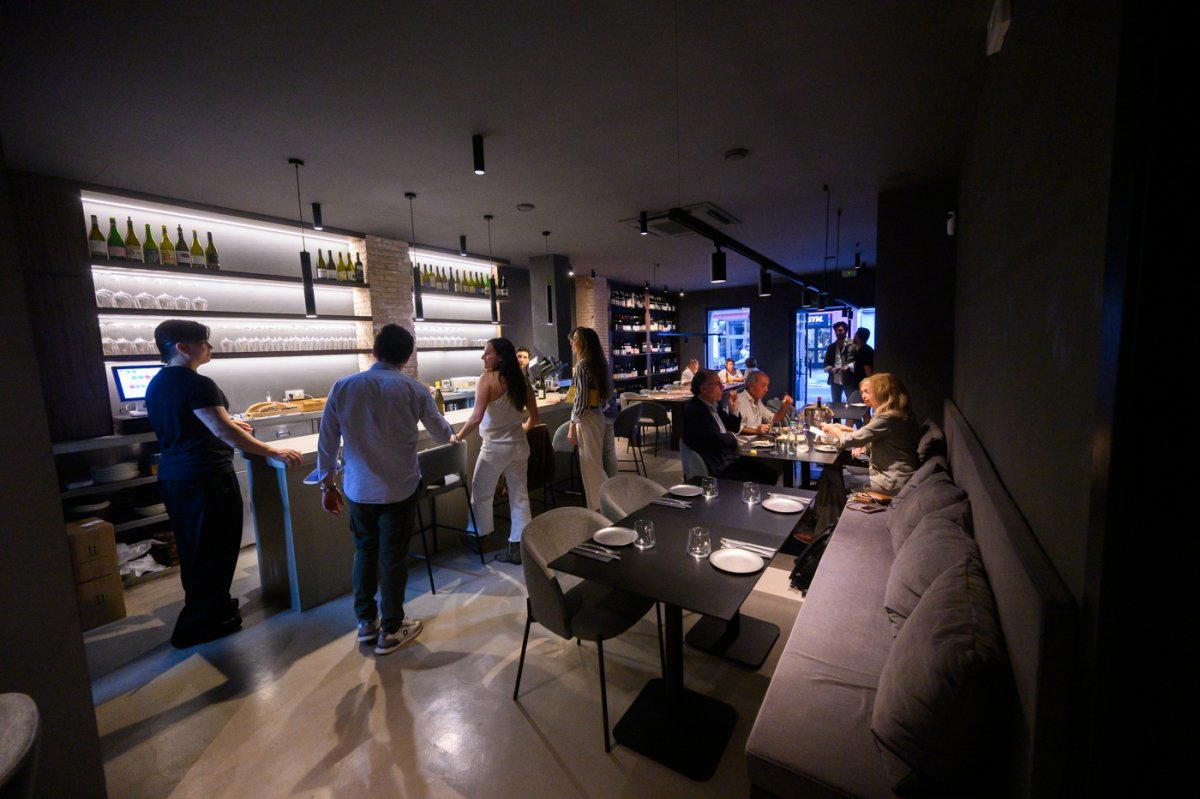
Warm, practical lighting in a small purposeful dining room with clean modern tableware; conversational energy rather than formal, located on a pedestrianized street in the historic old town.