
Lunario sits inside a rooftop greenhouse in Valle de Guadalupe, where chef Sheyla Alvarado runs a six or eight-course tasting menu built almost entirely from produce grown at sister farm Finca La Carrodilla. Ranked No. 54 on Latin America's 50 Best Restaurants 2023, it represents the agricultural-to-table model at its most considered. Advance reservations are strongly advised for this farm-anchored format.
 Discover on Pearl
Pearl is the En Primeur Club membership app — saves, bookings, and concierge access live there. Same editors, same standards.
- Address
- Camino vecinal Parcela 71 Fracc. 3 Lote 13 San Marcos, 22750 Francisco Zarco, B.C., Mexico
- Phone
- +52 646 156 8469
- Website
- restaurantelunario.com
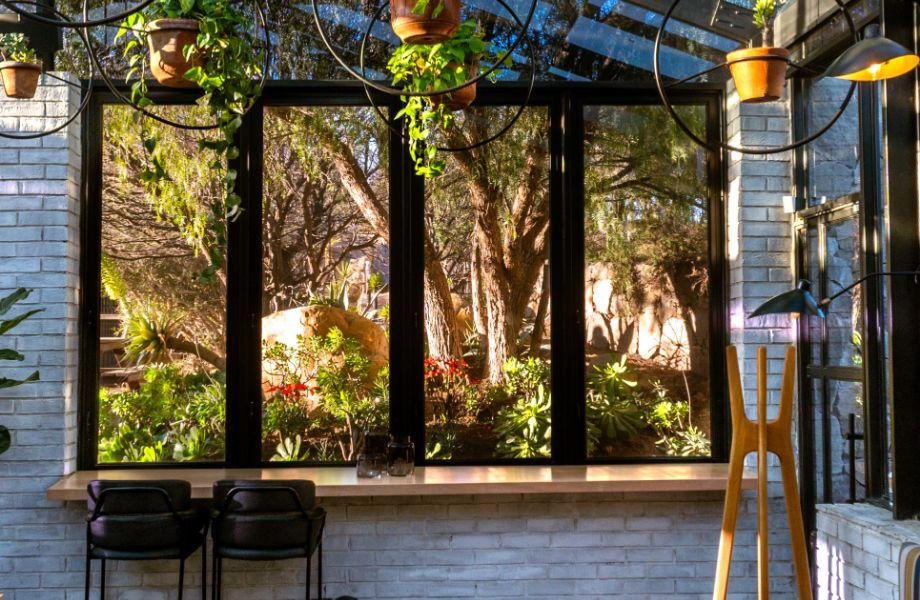
Glass, Vines, and the Logic of a Working Farm
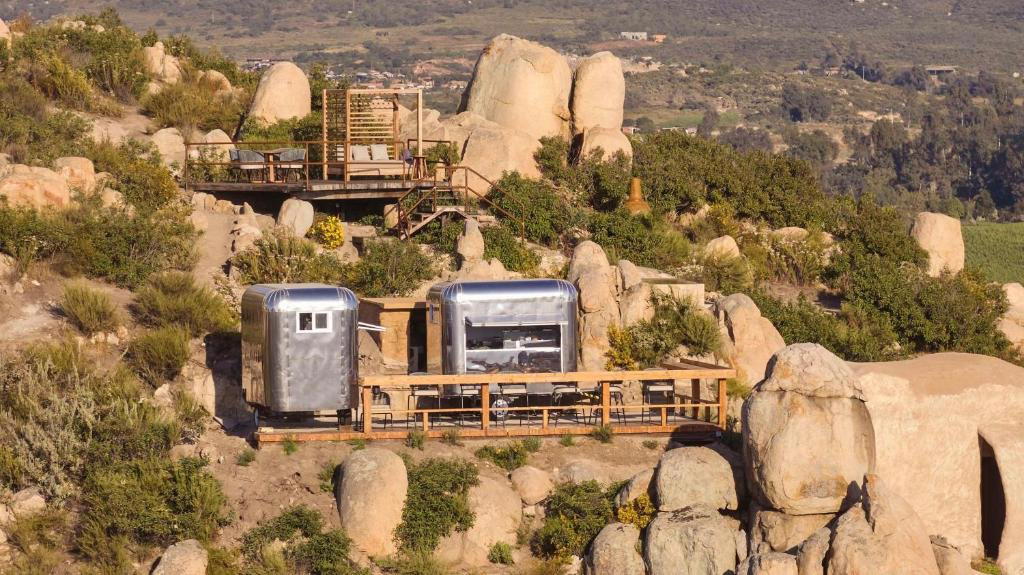
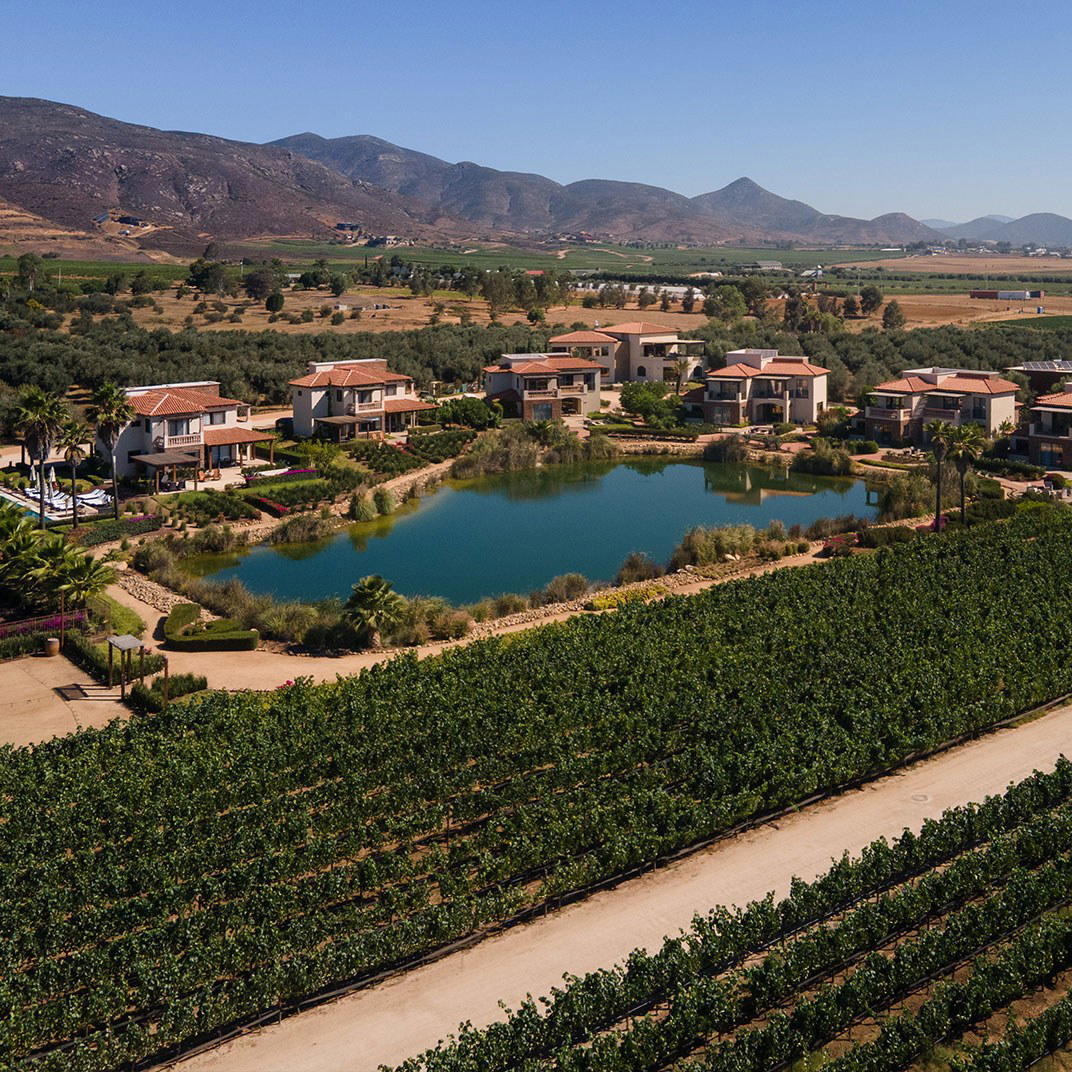
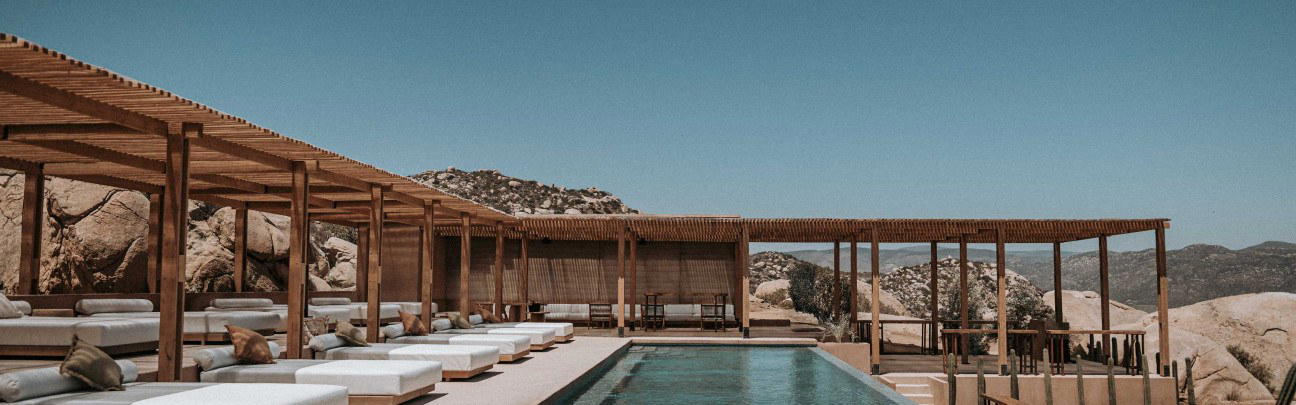
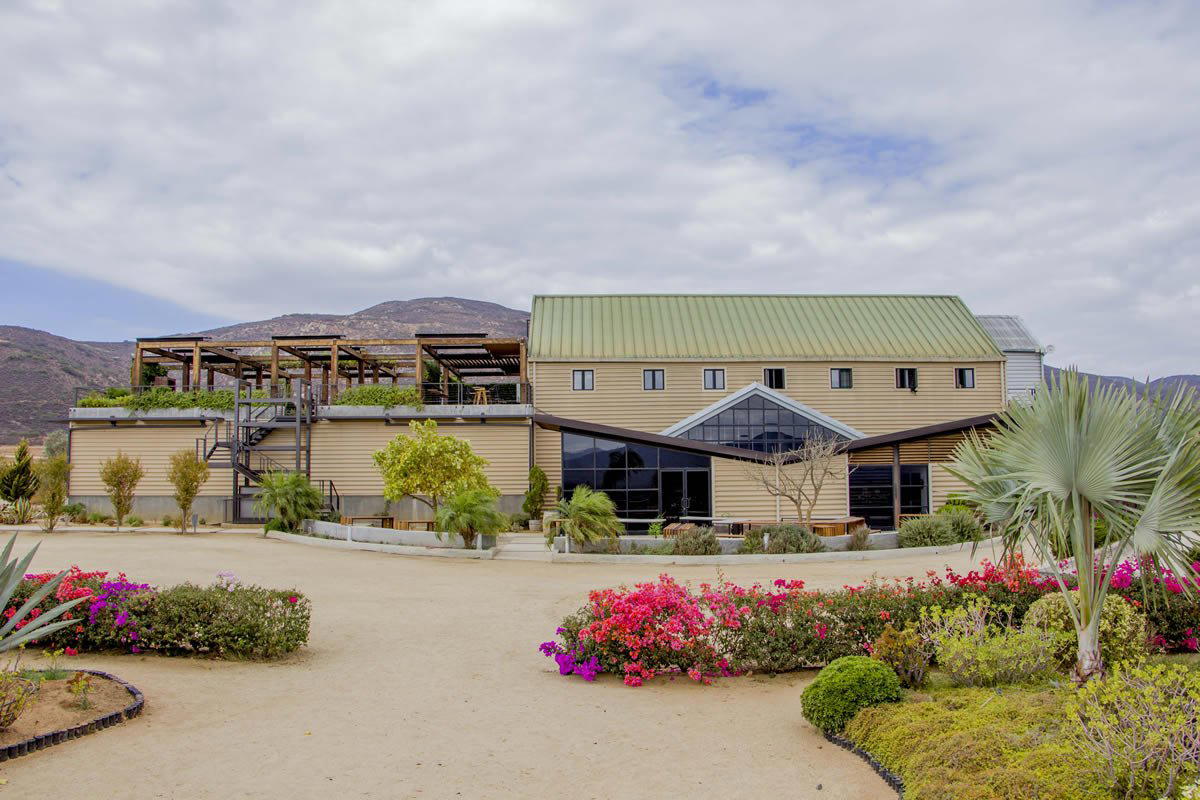
Valle de Guadalupe has spent the better part of a decade reframing what a restaurant destination looks like in Baja California. Where the valley once drew visitors primarily for its wineries, it now sustains a tier of tasting-menu restaurants whose menus are shaped by what the surrounding land is producing at any given moment. Lunario sits at the sharper end of that format. The restaurant occupies a rooftop greenhouse structure in the Francisco Zarco area of the valley, where the glass and open-air design places diners inside the agricultural logic of the property rather than above it. You arrive to the smell of warm earth and the faint mineral note of the Baja air; the surrounding Valle folds out in the kind of unhurried panorama that makes the drive from Ensenada feel worthwhile on its own terms.
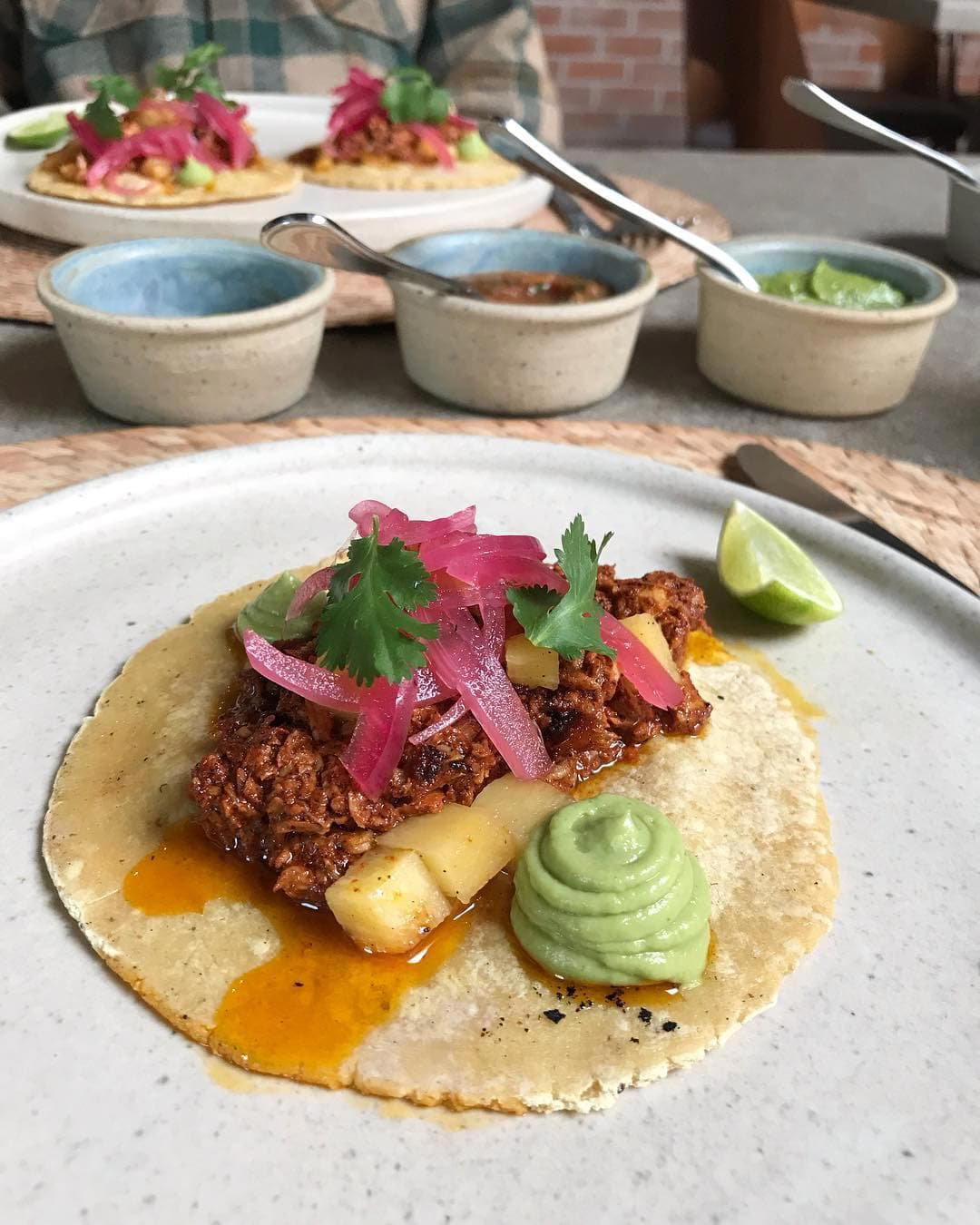
The greenhouse format is more than architectural choice. In a region where farm-to-table has become routine shorthand, Lunario's connection to Finca La Carrodilla, its sister farm on the same property, gives the concept a structural integrity that most venues in the valley can only approximate. Most ingredients on the tasting menu pass from the farm's soil to the kitchen with a degree of proximity that shapes both the menu's composition and its seasonal instability. What appears on the table in summer will bear little resemblance to what arrives in winter, and that is precisely the point.
The Tasting Menu as Agricultural Calendar
Chef Sheyla Alvarado leads the kitchen at Lunario, and her approach belongs to a broader movement that has reshaped fine dining in Mexico over the past decade. The conversation that started at restaurants like Pujol in Mexico City and spread into regional expressions across the country finds a distinctly Baja expression here. At Lunario, the tasting format is offered at either six or eight courses, a structure that gives the kitchen room to build through seasons and textures without overwhelming the agrarian sourcing with unnecessary complexity.
Across Mexico, the tasting-menu format has split between high-technique theatrical productions and quieter, produce-led sequences where restraint is the primary technique. Lunario aligns with the latter. Comparable restaurants elsewhere in the country, including Levadura de Olla Restaurante in Oaxaca and KOLI Cocina de Origen in Monterrey, operate on a similar axis: regional identity expressed through careful produce sourcing rather than borrowed global technique. The Latin America's 50 Best ranking the restaurant received in 2023, placing it at No. 54, confirms that this approach reads as credible within the broader regional conversation.
In the Valle specifically, the farm-adjacent tasting format places Lunario in conversation with venues like Animalón in Valle de Guadalupe, though the greenhouse structure and the direct Finca La Carrodilla supply line give Lunario a distinct material grounding that separates it within the comparable set. For a different register of the valley's contemporary dining, Bruma Wine Garden offers a more wine-forward format, while Olivea Farm to Table takes a similarly produce-conscious approach at a different price and format tier.
Atmosphere as Argument
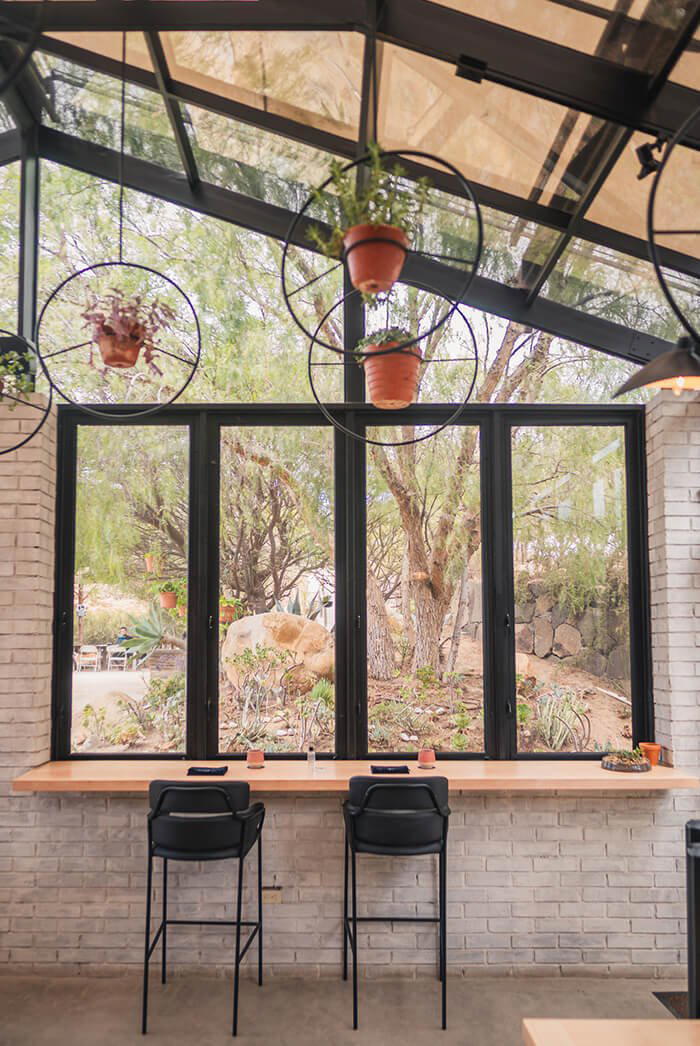
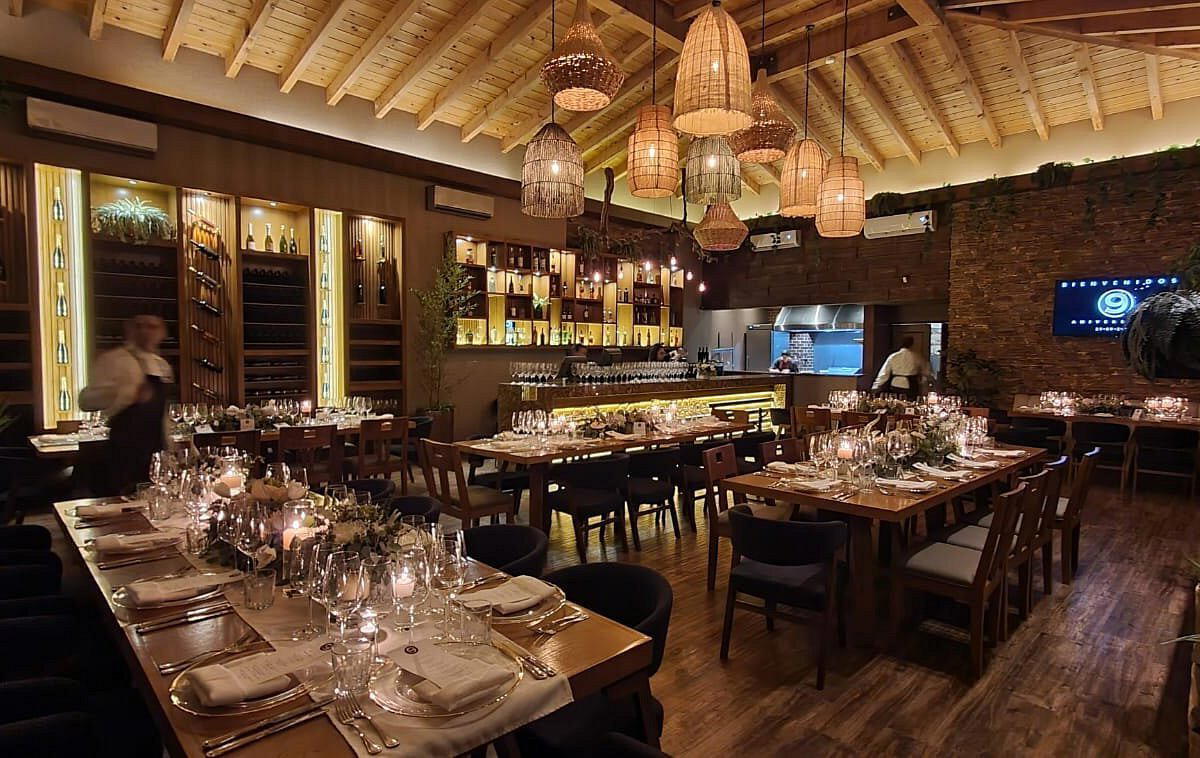
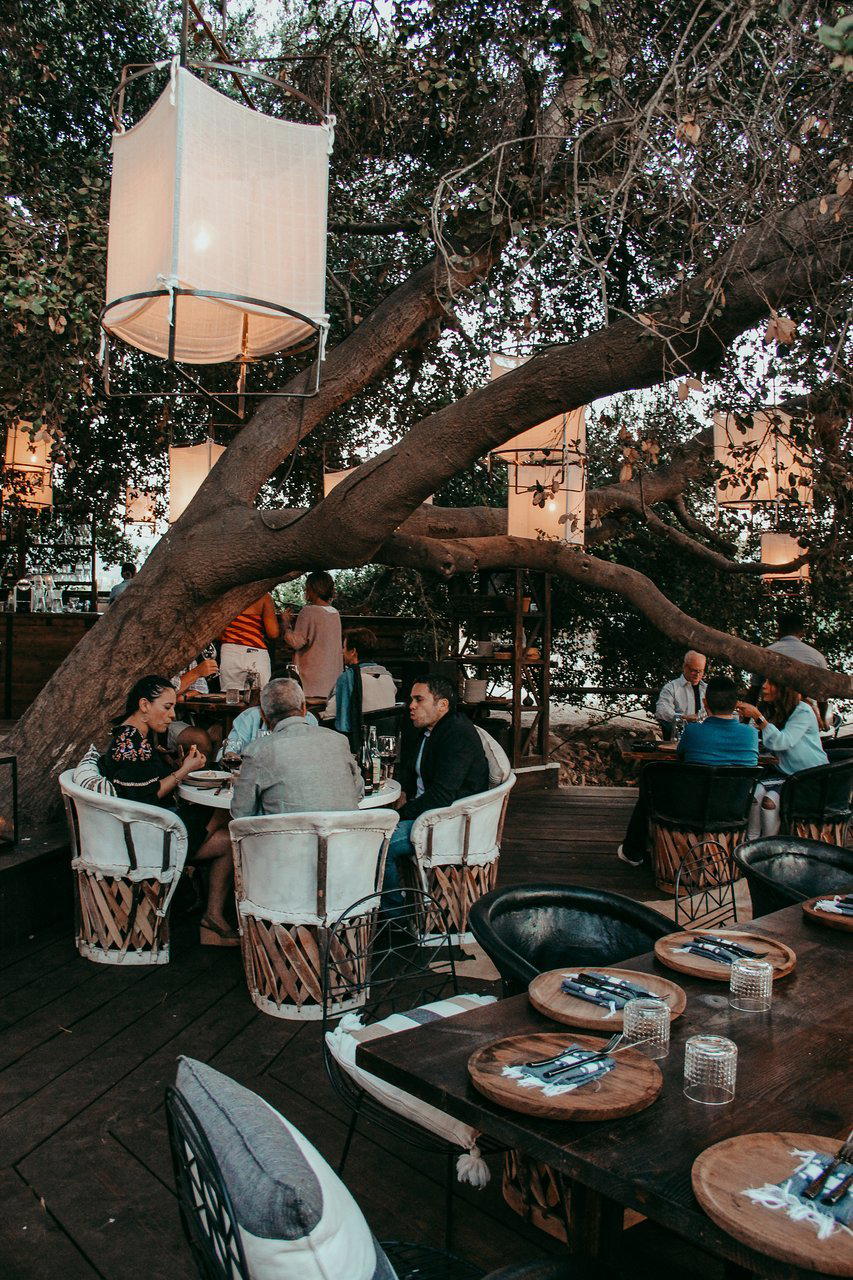
What Lunario does atmospherically is harder to replicate than the sourcing model. The rooftop greenhouse positions diners in the valley's agricultural middle: surrounded by growing material, exposed to the light shifting through the glass panels, and oriented toward a landscape that explains the food before a single course arrives. This is the editorial argument the space makes before Alvarado's kitchen enters the conversation. The approach belongs to a specific moment in Mexican fine dining when physical context has become as important as culinary content, and Valle de Guadalupe has proven to be one of the most compelling backdrops that argument has found anywhere in the country.
The sensory layering is deliberate. Early-evening reservations catch the Baja light as it moves through gold into the cooler tones of dusk, a shift that restructures the dining room's character mid-meal without any intervention from the kitchen. That sensitivity to environment over theatrics has become a signature of the valley's higher-end restaurants, separating them from destination-dining formats that treat atmosphere as a backdrop rather than an argument. For restaurants in this tier across Mexico and Latin America, including Le Chique in Puerto Morelos, the physical environment carries as much weight as the food program itself.
Ensenada's Broader Dining Map
Lunario sits geographically within the Valle de Guadalupe corridor, which falls under the wider Ensenada municipal area and operates as a distinct dining destination within it. Visitors building a multi-day itinerary around the region will find the Valle's greenhouse and winery-adjacent tasting restaurants occupying a different register to Ensenada's urban dining. The city proper offers contrasting formats: Humo y Sal for wood-driven seafood, Casa Marcelo for a more traditional Mexican sensibility, and El Paisa for accessible everyday cooking at the informal end of the price scale.
The address for Lunario itself, at Camino vecinal Parcela 71 Fracc. 3 Lote 13 San Marcos, Francisco Zarco, places it within the agricultural zone of the valley. That quality of slight remove from the obvious tourist path is consistent with the valley's most serious dining addresses. Reservations are essential.
Placing Lunario in the Latin America 50 Best Context
A No. 54 ranking on Latin America's 50 Best in 2023 positions Lunario inside a competitive set that includes restaurants from Buenos Aires, Lima, São Paulo, and Mexico City. For a Valle de Guadalupe address, that ranking represents a significant signal: it places Baja California's agricultural tasting-menu format on the same critical map as the urban tasting room programs that have historically dominated the list. For comparison, the technical ambition of Atomix in New York City or the classical authority of Le Bernardin represent different modes of earning similar recognition. Lunario's entry into that conversation via a rooftop greenhouse and a sister farm rather than a downtown address makes it a useful data point about where fine dining credibility is currently being built. There is also a second Lunario listing, Lunario in El Porvenir, which operates as a related but distinct address within the broader Valle corridor.
Planning Your Visit
The site is agricultural rather than urban, so navigation apps should be used with a degree of caution on the final approach roads. The tasting menu format means that reservations define the visit. Visitors with significant dietary restrictions or allergies should contact the restaurant directly before arrival, as the farm-supply model makes ad hoc substitutions more complex than in kitchens working from broader market sourcing.
Comparable Spots
Comparable venues nearby, for context on price, style, and recognition.
| Venue | Cuisine | Price |
|---|---|---|
| LunarioThis venue — the venue you are viewing | ||
| Olivea Farm to Table | Contemporary | $$$$ |
| La Concheria | Mexican | $$ |
| Sabina | Seafood | $$ |
| El Paisa | Mexican | $ |
| Madre | Mexican | $$$ |
At a Glance
- Romantic
- Elegant
- Intimate
- Modern
- Scenic
- Date Night
- Special Occasion
- Open Kitchen
- Garden
- Extensive Wine List
- Farm To Table
- Local Sourcing
- Sustainable Seafood
- Garden
- Vineyard
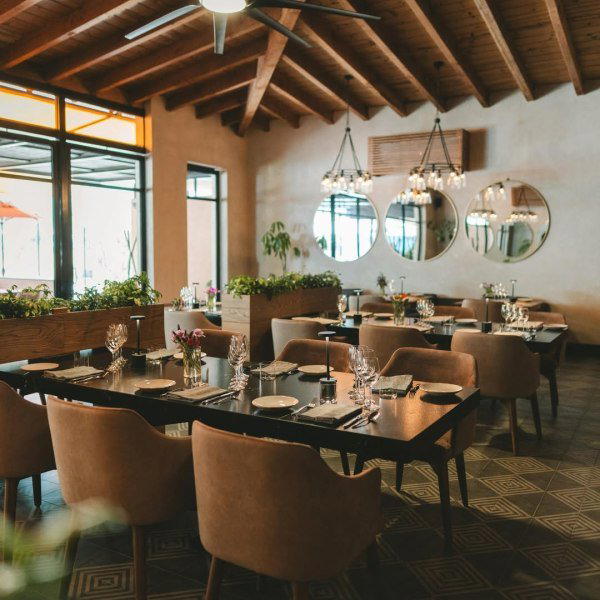
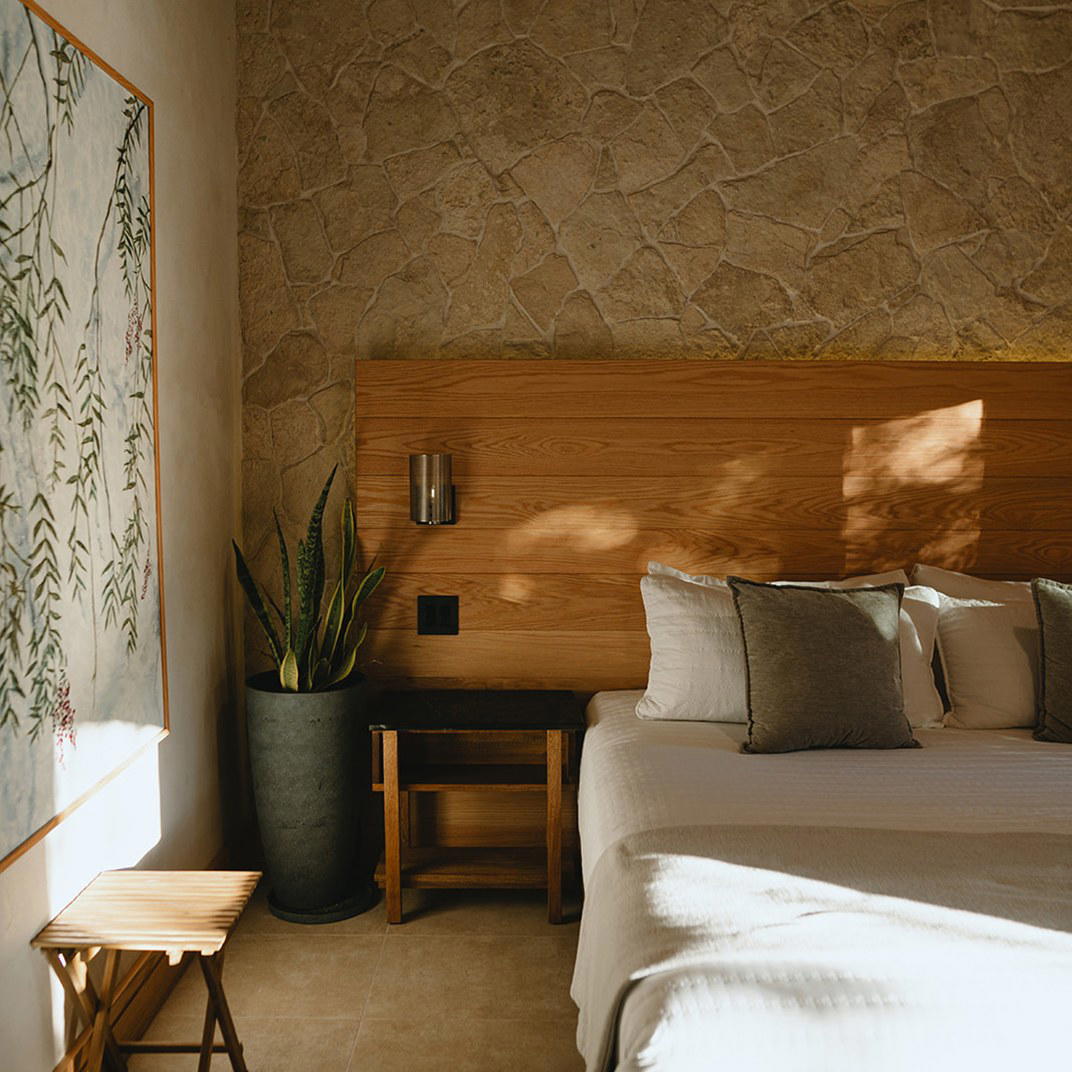
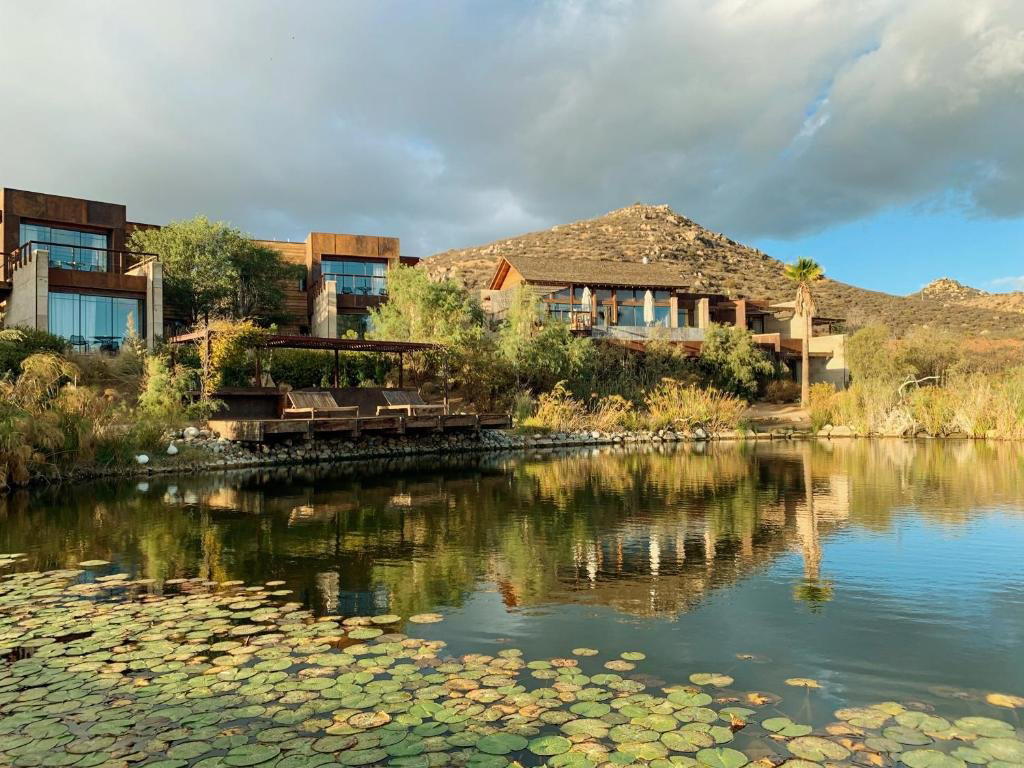
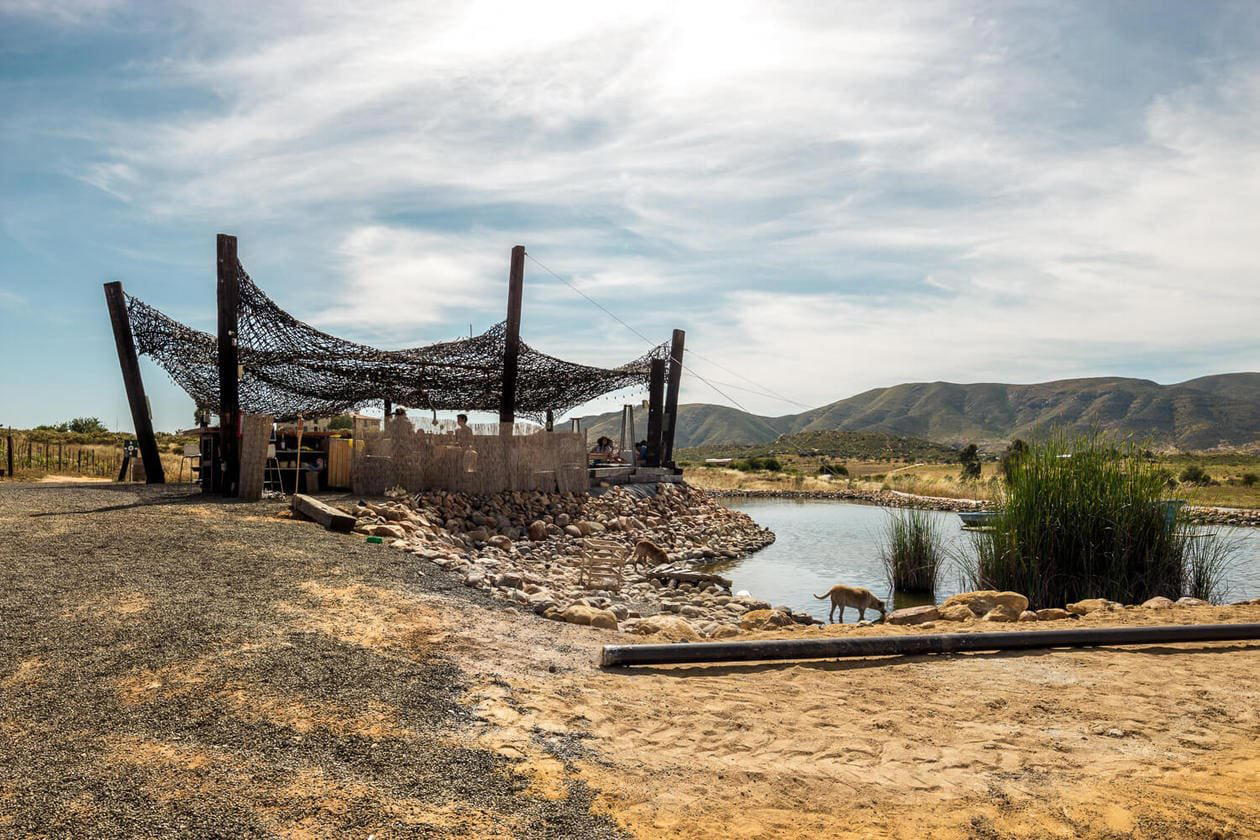
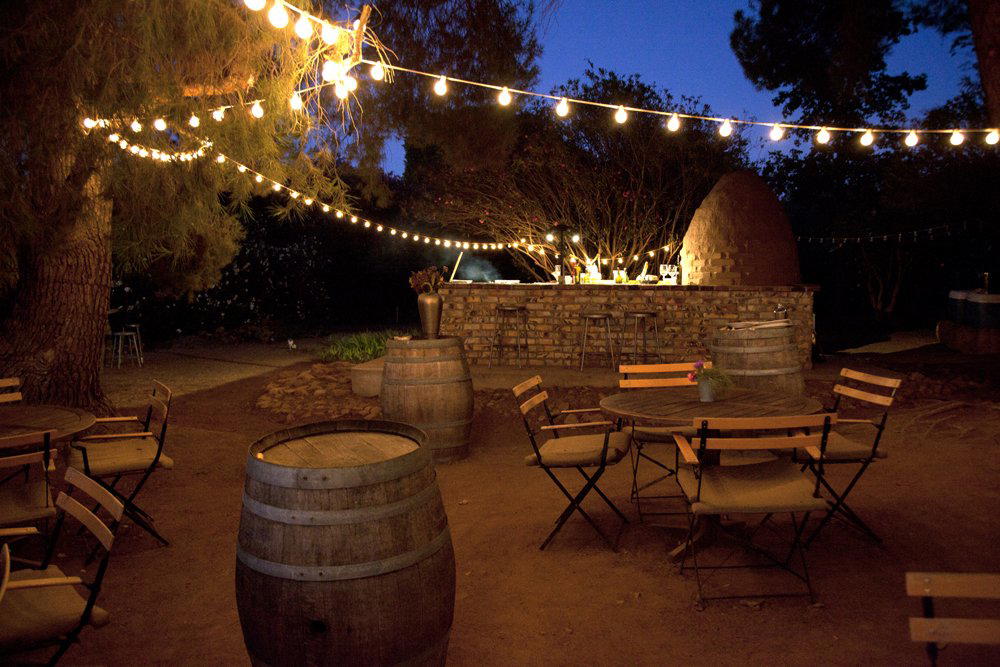
Warm, intimate greenhouse-like space with open kitchen, twinkling lights, winding garden paths, ponds, and waterfalls creating a magical, relaxed atmosphere.