
A Michelin Plate recipient for two consecutive years (2024 and 2025), Meilenstein sits on Königstraße in Lübeck's medieval core and operates at the upper end of the city's contemporary dining tier. The kitchen works in a register that positions it clearly above the casual regional options while occupying different ground from the classic-cuisine formality of its Hanseatic neighbours.
Pearl is the En Primeur Club membership app — saves, bookings, and concierge access live there. Same editors, same standards.
- Address
- Königstraße 5, 23552 Lübeck, Germany
- Phone
- +49 451 92994168
- Website
- meilenstein-luebeck.de
- Directions
- Get directions
 Saves & bookings on Pearl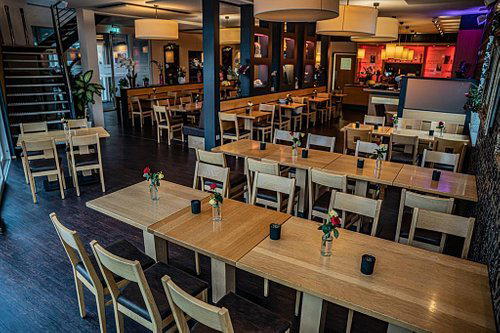
A Street, a Setting, and What It Signals
Königstraße cuts through the heart of Lübeck's UNESCO-listed Altstadt, a narrow corridor of brick gables and merchant-era facades that has been doing commercial business since the Hanseatic League made this city one of northern Europe's most consequential trading ports. To dine here is to sit inside that layered history, even when the food on the plate reads as firmly contemporary. Meilenstein occupies number five on that street.
Lübeck's dining scene in 2025 is more stratified than it might appear from the outside. At one end, the city has a cluster of regional and international kitchens at the €€ price point, including Fangfrisch, which leans into northern German produce, and Johanna Berger, working a broader international register. At the other, Wullenwever operates at the €€€€ level with a classic cuisine approach rooted in the city's Hanseatic heritage. Meilenstein sits in the middle of this range at €€€, contemporary in orientation, and recognised by Michelin with a Plate in both 2024 and 2025. That consecutive recognition matters: a Plate is Michelin's signal that a kitchen is cooking well within its category, worth attention even if the full star apparatus hasn't engaged.
The Ritual of a Contemporary Meal
Contemporary cuisine as a category carries different implications depending on the city. In Hamburg, forty-five minutes south, it tends toward technical ambition and international reference points. Places like Restaurant Haerlin operate in a register where the meal is structured as a formal procession. In cities further afield, the contemporary tag can span everything from Nordic minimalism to the kind of ingredient-forward cooking that defines places like JAN in Munich or the dessert-led architecture of CODA Dessert Dining in Berlin. In a mid-sized city like Lübeck, contemporary tends to mean something more grounded: a kitchen that has moved past the strictures of traditional German cuisine without adopting the language of destination fine dining.
The ritual of this kind of meal has its own pacing. At the €€€ price point with Michelin recognition, the expectation is that the sequence of dishes carries editorial intent: that courses arrive in an order that builds, that the kitchen has an opinion about what the meal should feel like from start to finish. This is what separates the Michelin Plate tier from casual dining in the same city, not spectacle, but coherence. The meal is structured, not assembled.
That structure also shapes how the room functions. Contemporary kitchens at this level tend toward attentive service that explains without lecturing, where the server's role is to orient the guest within the meal's logic without performing it. The contrast with classic cuisine restaurants, where formality is itself part of the offering, is significant. At Meilenstein's price and positioning, the expectation is confident informality anchored by technical consistency.
Lübeck's Place in Germany's Broader Fine Dining Map
Germany's Michelin geography concentrates its highest-awarded restaurants in the south and in major urban centres. The Black Forest corridor produced Schwarzwaldstube in Baiersbronn; the Rhineland has Vendôme in Bergisch Gladbach; the Mosel has Schanz in Piesport; and Wolfsburg has the unusual case of Aqua anchored to a destination hotel. Northern Germany, by contrast, is more sparsely decorated. Schleswig-Holstein, the state in which Lübeck sits, has a smaller cluster of recognised restaurants relative to population, which means that Michelin attention in this region carries additional weight as a signal of quality within the local dining field. ES:SENZ in Grassau demonstrates how altitude and rural Bavaria attract different Michelin logic than a Hanseatic city does, but both point to the same underlying principle: the guide tracks consistent kitchen quality regardless of geography.
Within that northern context, Meilenstein's two consecutive Plates position it as the mid-tier anchor of contemporary dining in a city that still largely trades on its medieval heritage and marzipan reputation. That tension between historic setting and contemporary kitchen is not specific to Lübeck. The same dynamic plays out in cities across Europe where culinary ambition operates against a backdrop of preserved architecture. The comparison set internationally includes places like César in New York City or Jungsik in Seoul, where contemporary technique operates within settings that carry their own cultural weight.
Reader Signals and What the Numbers Suggest
8 from 337 reviews places Meilenstein at the high end of reader-validated satisfaction for Lübeck restaurants. That sample size is large enough to resist manipulation by a small number of outlying responses, and the score suggests that the kitchen delivers consistent results across a range of diners and occasions. When both signals align at this level, the picture is of a restaurant where the gap between expectation and delivery is narrow.
Planning a Visit
Meilenstein is located at Königstraße 5 in Lübeck's Altstadt, within walking distance of the Holstentor and the central pedestrian core. At the €€€ price point with Michelin recognition, booking in advance is recommended, particularly for weekend evenings.
Where It Fits
Comparable venues nearby, for context on price, style, and recognition.
| Venue | Cuisine | Price | Awards | Notes |
|---|---|---|---|---|
| MeilensteinThis venue — the venue you are viewing | Modern German Fusion Fine Dining | $$$ | Michelin Plate | Not listed |
| Fangfrisch | Modern Nordic Seafood | $$$ | Michelin Plate | Altstadt (Old Town) |
| Alhambra Orient Food | Middle Eastern & Falafel | $$ | Not listed | Lübeck Altstadt |
| Namaste India | Authentic Indian | $$ | Not listed | Altstadt |
| The Newport Marina & Restaurant | Modern Northern German Seafood | $$$ | Not listed | Media Docks / Harbor District |
| Johanna Berger | Modern Mediterranean | $$ | Michelin Plate | Lübecker Altstadt |
Recognition history
Dated appearances from independent guides and award organizations, with the underlying list record or original source where available.
Michelin Plate
Michelin · 2026 Michelin Plate
Michelin Plate
Michelin
Michelin Plate
Michelin
Continue exploring
More in Lübeck
Restaurants in Lübeck
Browse all →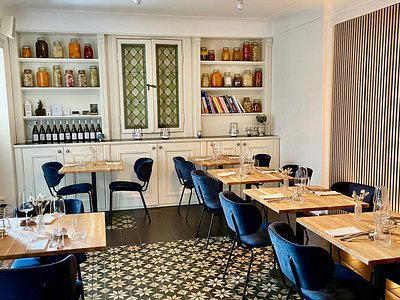
At a Glance
- Elegant
- Cozy
- Sophisticated
- Historic
- Date Night
- Celebration
- Special Occasion
- Historic Building
- Terrace
- Private Dining
- Extensive Wine List
- Craft Cocktails
- Local Sourcing
- Garden
Current opening hours
- Monday
- Closed
- Tuesday
- Closed
- Wednesday
- 6–11 PM
- Thursday
- 6–11 PM
- Friday
- 6–11 PM
- Saturday
- 6–11 PM
- Sunday
- Closed
Hours can change for holidays and private events. Last verified .
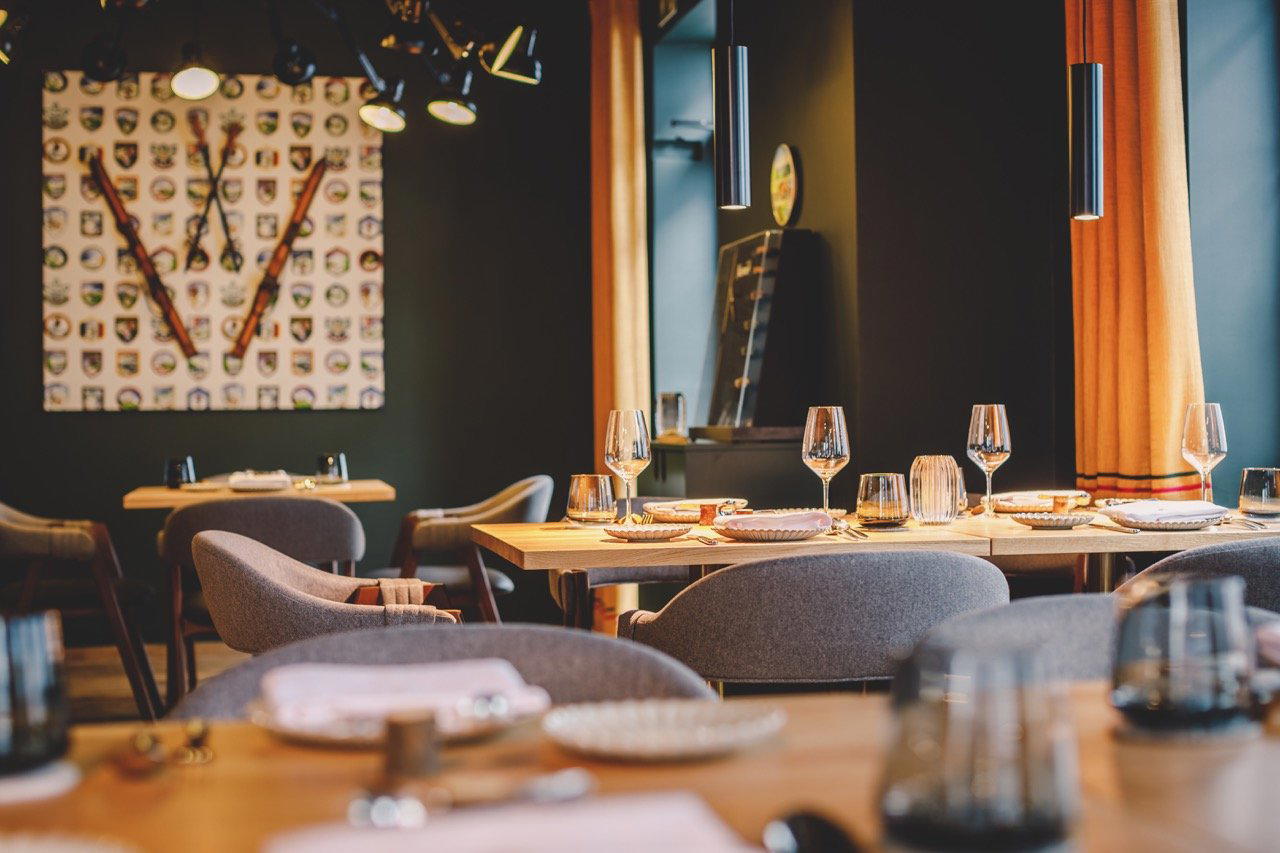
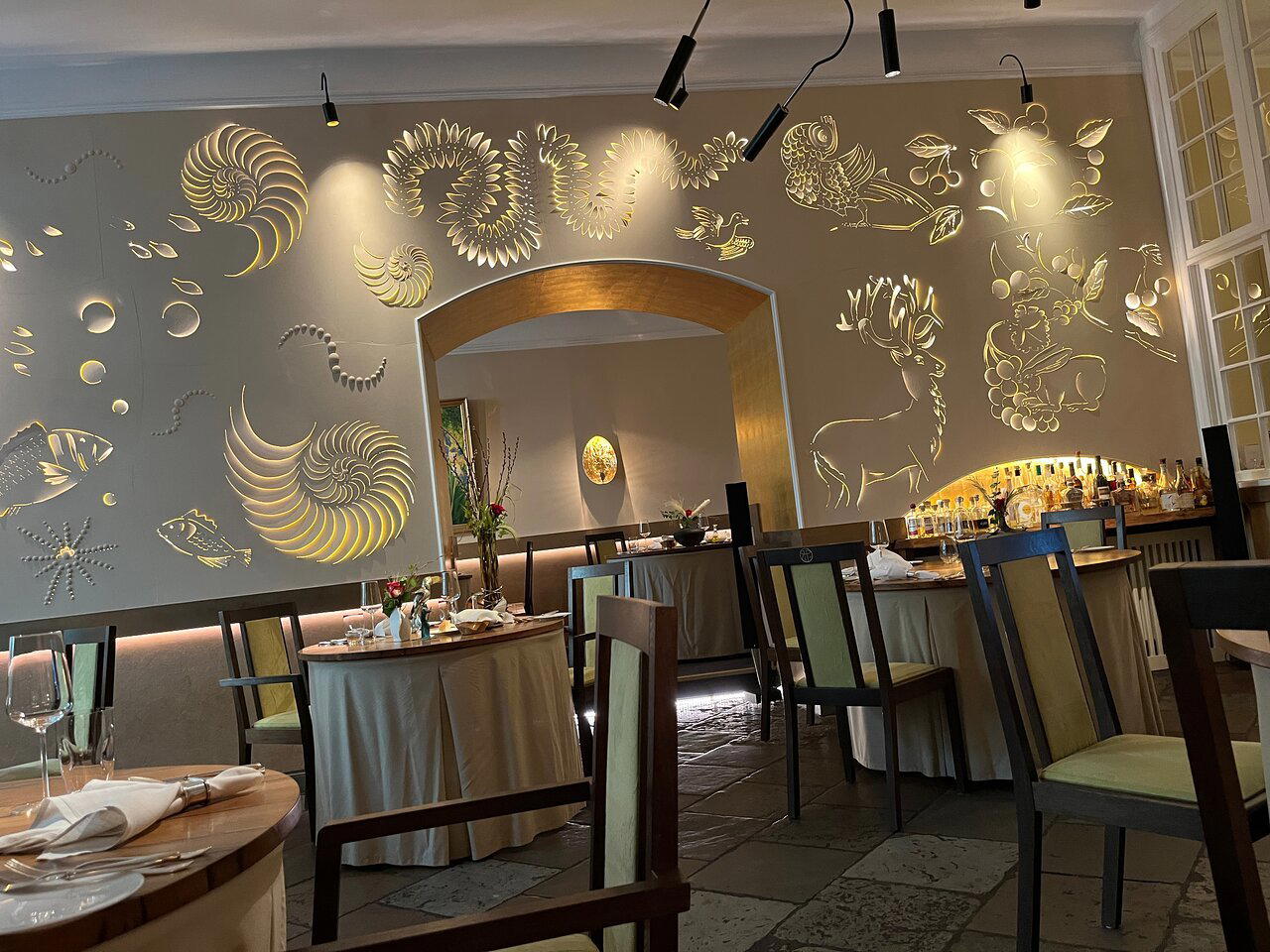
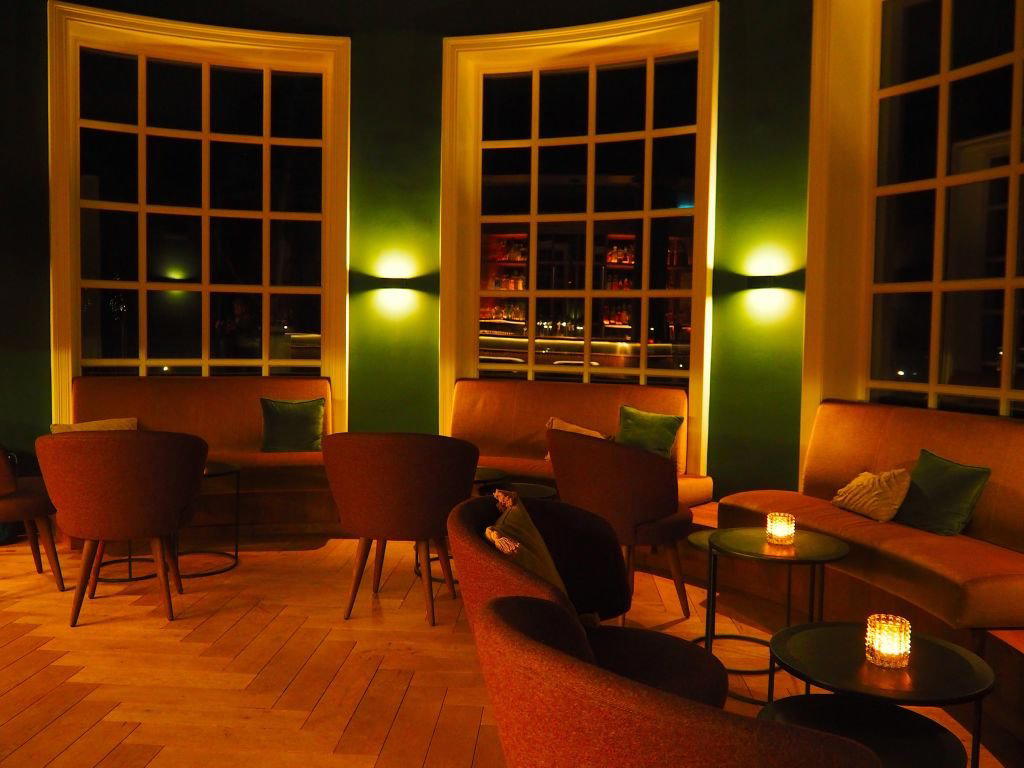
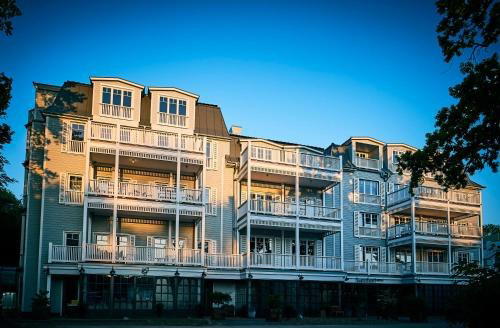
Elegant and rustic interior blending traditional charm with modern design, featuring a cozy, harmonious atmosphere and historic gallery.