OiO


In the Grund district below Luxembourg's old city, OiO operates as an osteria with a kitchen that takes Italian tradition seriously without being bound by it. The cooking centres on quality produce — olive oil, fresh pasta, seasonal vegetables — handled with the kind of feeling that makes the room worth seeking out.
Pearl is the En Primeur Club membership app — saves, bookings, and concierge access live there. Same editors, same standards.
- Address
- 48 Montee de Clausen, 1343 Grund Luxembourg
- Phone
- +352 26 20 14 99
- Website
- oio.lu
- Directions
- Get directions
 Saves & bookings on Pearl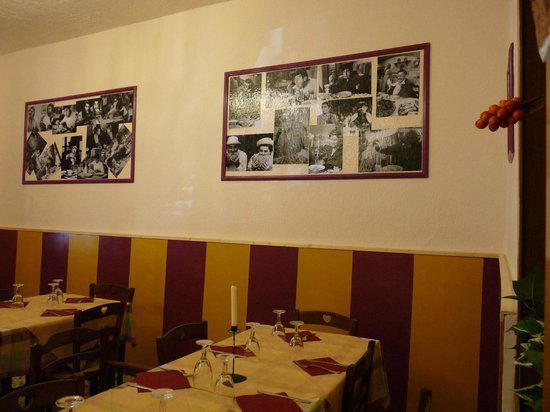
The Grund Setting: What the Room Tells You Before the Food Arrives
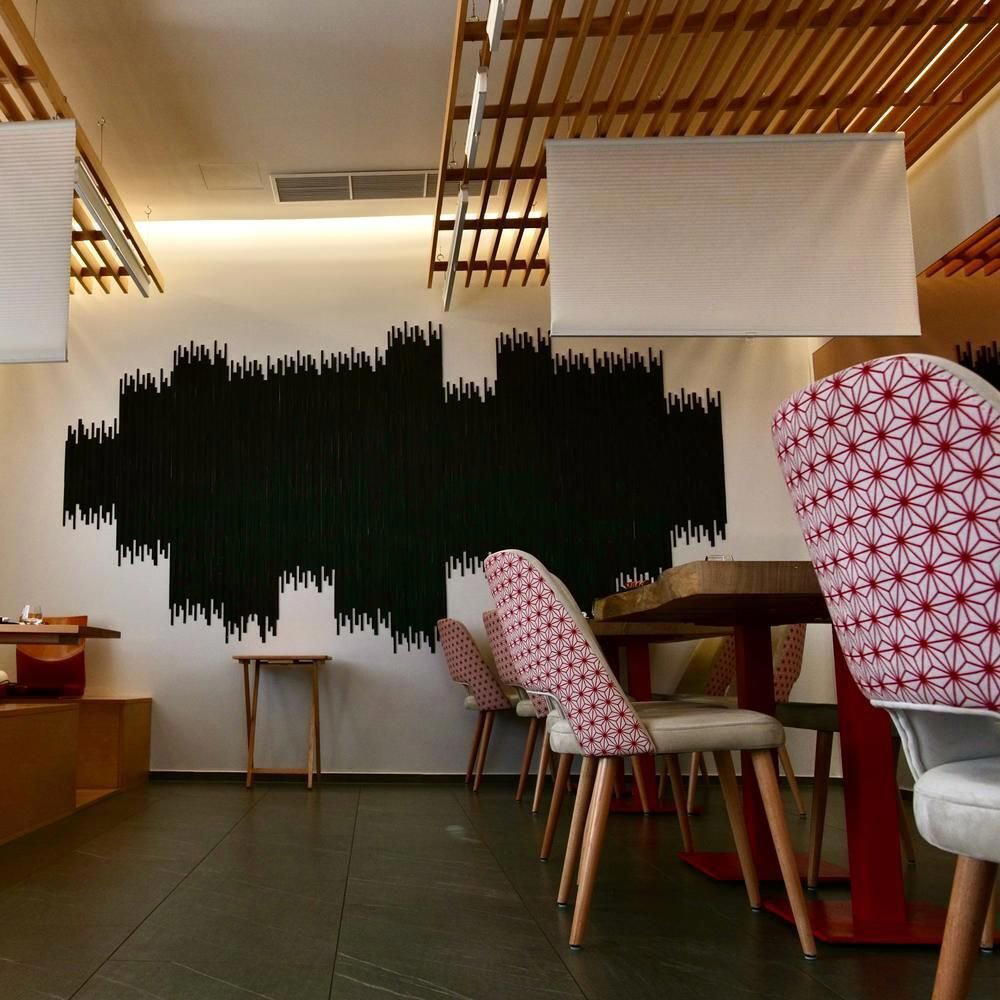
Luxembourg's Grund quarter sits at the base of the Alzette valley, below the old city's ramparts, in a stretch of narrow streets and sandstone buildings that feel more medieval village than European capital. The approach to 48 Montée de Clausen is itself part of the register: you descend from the plateau into a quieter, lower city where the pace changes and the architecture stops performing. Restaurants in this pocket of Luxembourg tend to occupy converted ground floors and cellar spaces, and the physical containment of the dining room at OiO — tighter, more intimate than the larger mid-town operations — communicates something about what kind of meal is on offer before any menu arrives.
That physical container matters. The osteria format is one of Italian dining's more useful distinctions: less formal than a ristorante, more food-focused than a trattoria, with a seating arrangement that tends toward proximity rather than theatre. In Italian cities, the leading osterie are places where the room itself enforces a certain directness, you're close to the kitchen, close to other diners, and the scale makes it harder for the cooking to hide behind ceremony. OiO carries that DNA into Luxembourg's mid-tier premium bracket, where the €€€ price point sits below the €€€€ tasting-menu operations of venues like Mosconi but above casual neighbourhood Italian.
Italian Cooking Abroad: The Broader Pattern
Italian restaurants outside Italy split into recognisable categories. There are the formal temples, white tablecloths, long wine lists, multi-course structures that package Italian cooking as luxury. There are the casual trattorias and pizzerias that anchor themselves to comfort and accessibility. And then there is a smaller, more interesting tier: places that take the osteria model seriously, where a short menu and ingredient focus do more work than production values. This third category has found traction in cities with sophisticated dining cultures but no native Italian tradition to default to. Luxembourg, a small capital with a disproportionately international population and a genuine restaurant scene, has the conditions for it.
The pattern extends well beyond Europe. Italian cooking at the top of the market in cities like Hong Kong, where 8 1/2 Otto e Mezzo Bombana and Octavium operate, or Kyoto, where cenci merges Italian technique with Japanese produce, has demonstrated that Italian cuisine travels most successfully when a chef is fluent in the tradition and confident enough to adapt it. In Los Angeles, Osteria Mozza built its reputation on exactly that kind of informed adaptation. In Boulder, Frasca Food & Wine anchors itself in regional Italian specificity. The best of this international tier, which also includes 8 1/2 Otto e Mezzo Bombana in Shanghai, PRISMA in Tokyo, and Il Ristorante-Niko Romito in Dubai, share a commitment to the source material that prevents the cooking from becoming a generic approximation. OiO sits in that same orientation at a more accessible scale.
The Cooking: Tradition as a Starting Point
The Michelin Plate, awarded consecutively in 2024 and 2025, is a recognition of consistent, solid cooking rather than experimental ambition. In Michelin's framing, the Plate signals that inspectors have found food worth eating: properly executed, made with care, worth a deliberate visit. For a mid-sized osteria in a secondary European capital, two consecutive Plates represent a meaningful position in Luxembourg's dining hierarchy, one that sits below the starred operations but well above the competent-but-unremarkable bracket.
Chef Leonardo de Paoli's approach, as described in the Michelin assessment, places olive oil, pasta, fresh vegetables, and herbs at the centre without treating the Italian canon as a constraint. The willingness to respond to individual requests, the note that de Paoli is genuinely accommodating around vegetable portions, points to a kitchen that is comfortable rather than rigid, which is itself a quality the osteria format demands. Formal tasting menus leave less room for this kind of dialogue; shorter, more flexible formats depend on it.
Luxembourg's Italian restaurant scene has enough depth to give context to OiO's position. Fani and Gusto Naturale represent different points on the Italian spectrum in the city, while Ristorante Roma anchors a more classic tradition. Cômo occupies an adjacent territory.
Where OiO Sits in Luxembourg's Dining Structure
Luxembourg's restaurant scene is unusual for a city of its size. The EU institutional presence and financial sector bring a transient, internationally experienced dining population that sustains a range of serious restaurants across price tiers. The €€€€ bracket, which includes modern French operations and contemporary tasting-menu formats, is well-represented. The €€€ mid-tier, where OiO operates alongside venues like Mosconi and comparable neighbourhood destinations, is where most of the city's repeat-visit dining actually happens.
Within that mid-tier, the Grund location gives OiO a distinct physical identity. The quarter's character separates it from the plateau restaurants in the city centre or Kirchberg, and the walk down from the old city is enough of a commitment that the room tends to attract people who have made a deliberate choice rather than a convenient one.
Planning a Visit
OiO sits at 48 Montée de Clausen in the Grund district, reachable on foot from the old city via the Chemin de la Corniche descent or by bus to the valley floor. The €€€ pricing puts it in Luxembourg's mid-premium bracket; expect a spend in the range typical for a two-course dinner with wine at that level. Booking ahead is advisable given the osteria scale, smaller dining rooms at this recognition level tend to fill across the week, not just on weekends. For broader context on where OiO sits among Luxembourg's dining options, our full Luxembourg restaurants guide maps the scene across all tiers and cuisines. The city's bar and hotel landscape is covered in our Luxembourg bars guide and our Luxembourg hotels guide, and if you want to explore the region's wine production, our Luxembourg wineries guide covers the Moselle valley producers. For cultural programming and curated activities, our Luxembourg experiences guide provides options across formats and budgets.
Recognition Snapshot
A small set of peers for context, based on recorded venue fields.
| Venue | Cuisine | Price | Awards |
|---|---|---|---|
| OiOThis venue — the venue you are viewing | Italian | €€€ | Not listed |
| Ma Langue Sourit | Contemporary French, Modern Cuisine | €€€€ | Michelin 2 Star |
| Léa Linster | Modern French | €€€€ | Michelin 2 Star |
| Grünewald Chef’s Table | Modern Cuisine | €€€€ | Michelin 1 Star |
| Guillou Campagne | Classic French | €€€ | Michelin 1 Star |
| Apdikt | Creative | €€€ | Michelin 1 Star |
Recognition history
Dated appearances from independent guides and award organizations, with the underlying list record or original source where available.
Michelin Plate
Michelin
Michelin Plate
Michelin
We're Smart World 1 Radish
We're Smart World
Michelin Plate
Michelin
Continue exploring
More in Luxembourg
Restaurants in Luxembourg
Browse all →
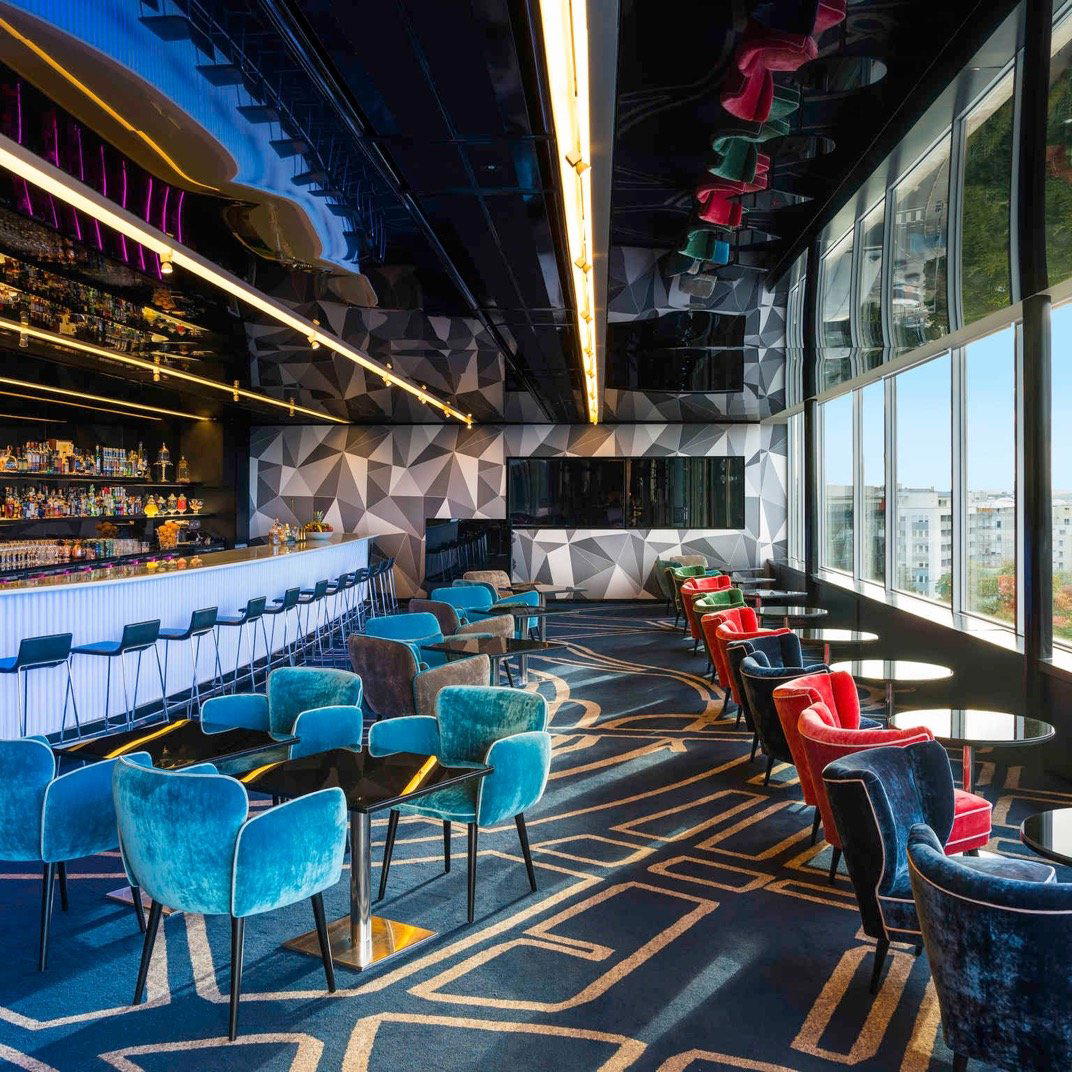
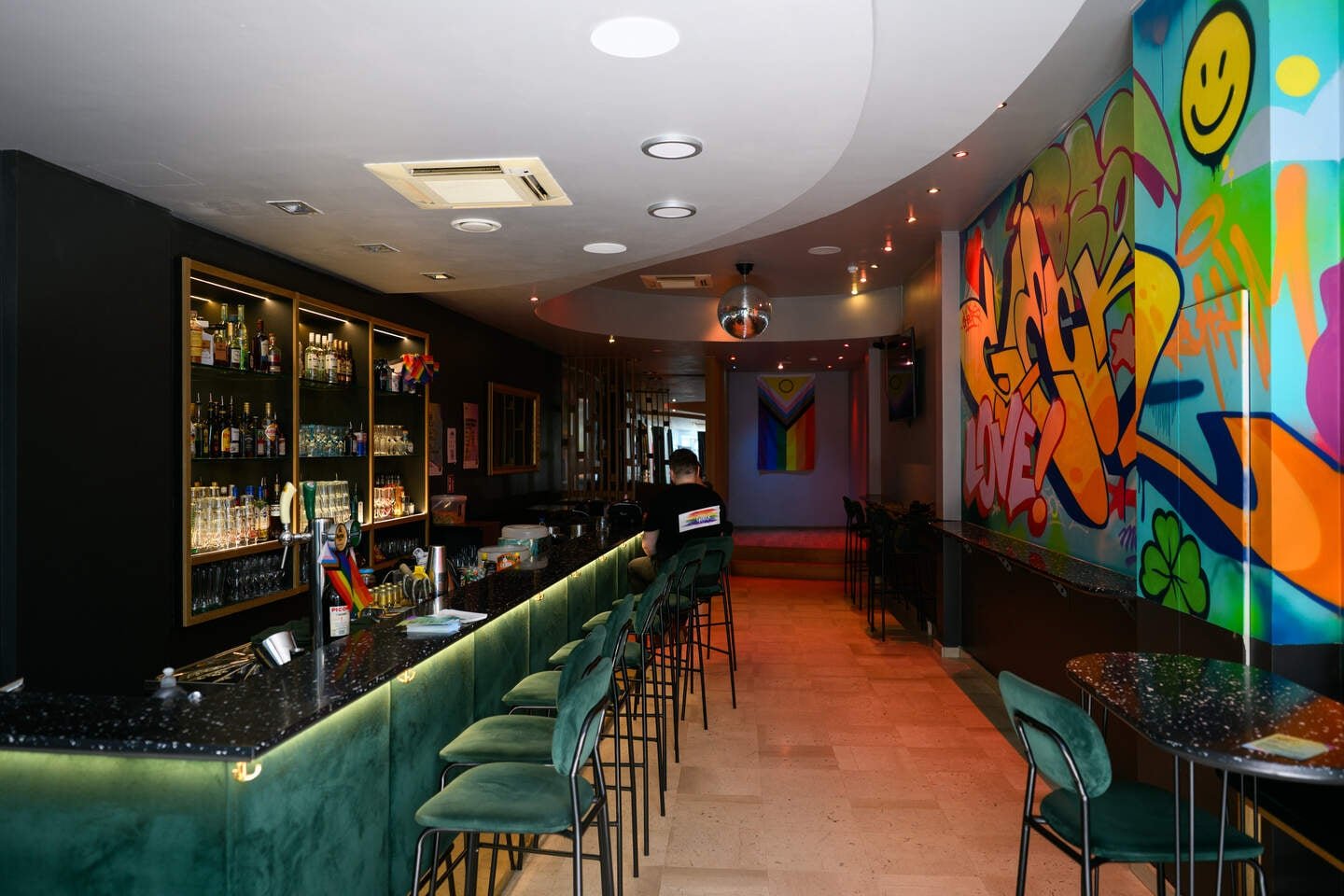
Bars in Luxembourg
Browse all →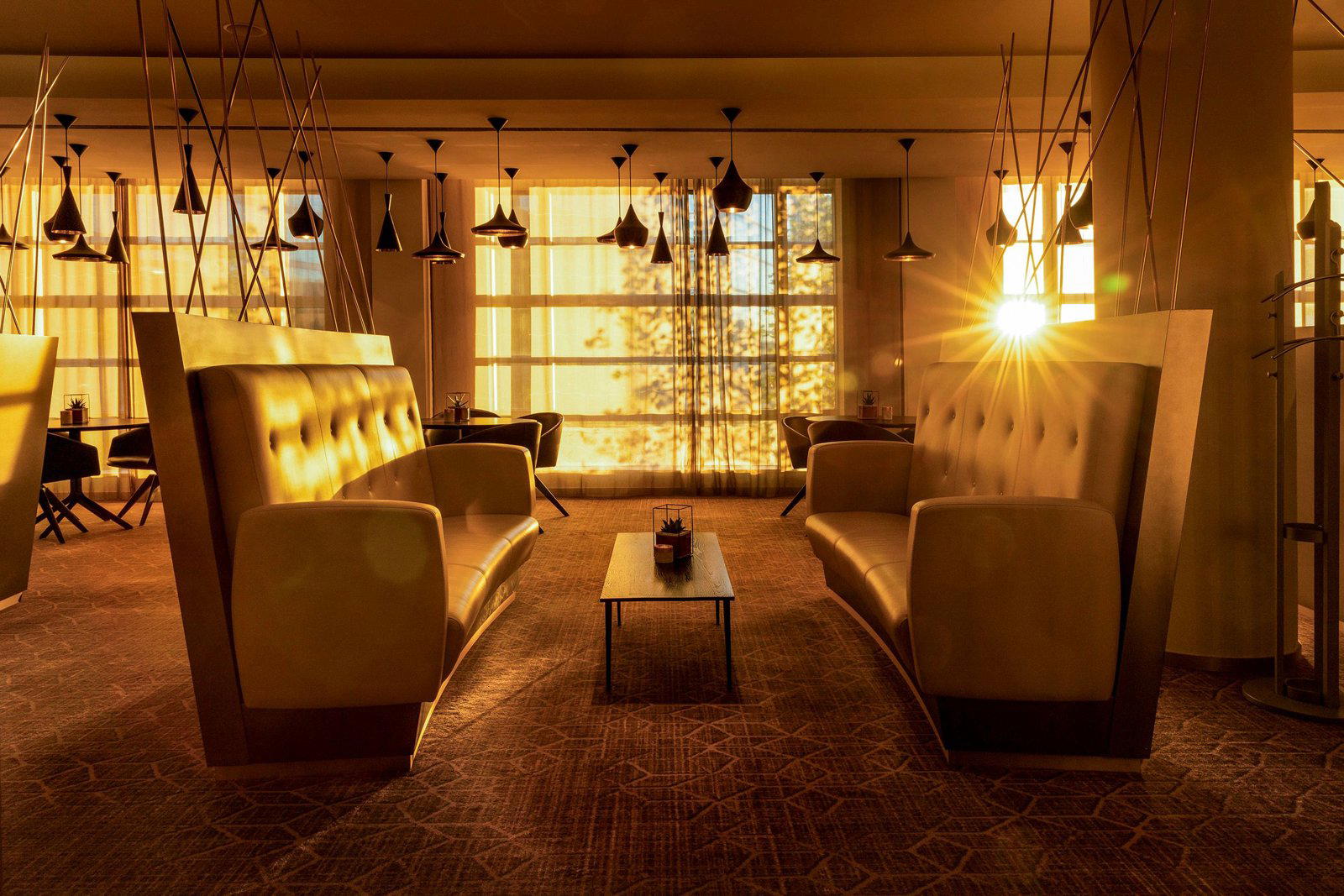
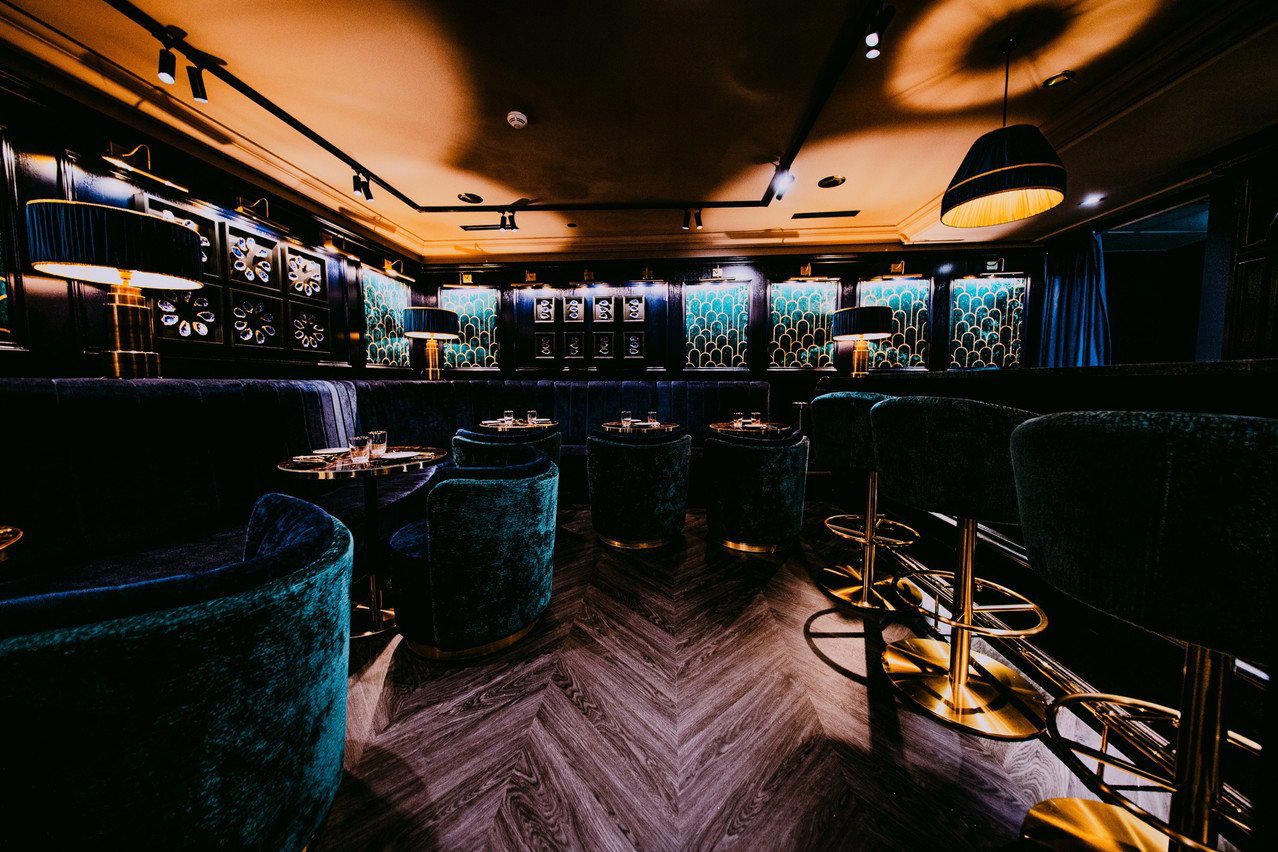

Hotels in Luxembourg
Browse all →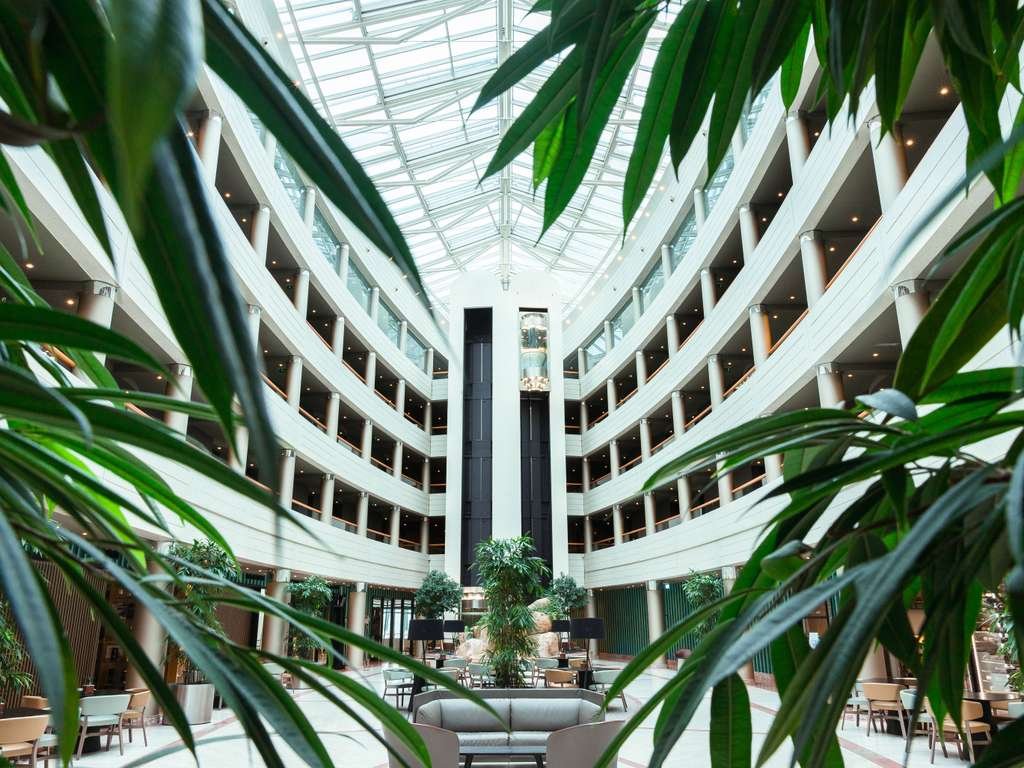
At a Glance
- Elegant
- Cozy
- Intimate
- Sophisticated
- Date Night
- Special Occasion
- Business Dinner
- Terrace
- Open Kitchen
- Extensive Wine List
- Waterfront
Current opening hours
- Monday
- Closed
- Tuesday
- Closed
- Wednesday
- 12–3 PM, 7 PM–12 AM
- Thursday
- 12–3 PM, 7 PM–12 AM
- Friday
- 12–3 PM, 7 PM–12 AM
- Saturday
- 12–3 PM, 7 PM–12 AM
- Sunday
- 12–4 PM
Hours can change for holidays and private events. Last verified .
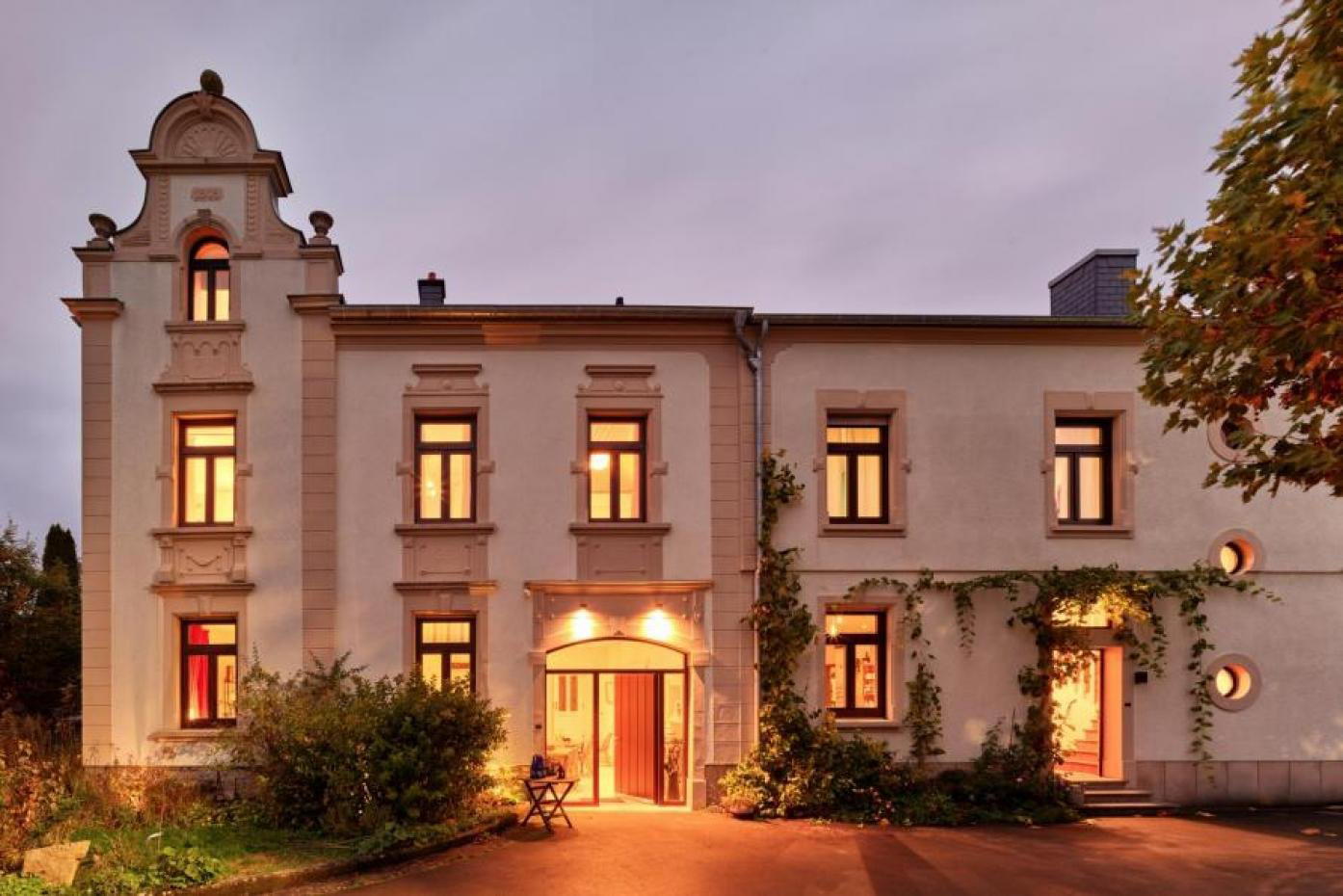
Soft lighting, warm tones, and a cozy, elegant atmosphere that feels like dining in a friend's refined home.
Know Before You Go
- Getting there
- 48 Montee de Clausen, 1343 Grund Luxembourg