Ohana
Ohana occupies a Belltown address on 1st Avenue, a corridor that has tracked Seattle's broader dining evolution from post-grunge dive territory to a block where serious restaurants compete on equal footing. The venue sits at the intersection of neighbourhood ambition and the city's maturing appetite for food that demands attention rather than novelty.
Pearl is the En Primeur Club membership app — saves, bookings, and concierge access live there. Same editors, same standards.
- Address
- 2207 1st Ave, Seattle, WA 98121
- Phone
- +12069569329
- Website
- rebrand.ly
- Directions
- Get directions
 Saves & bookings on Pearl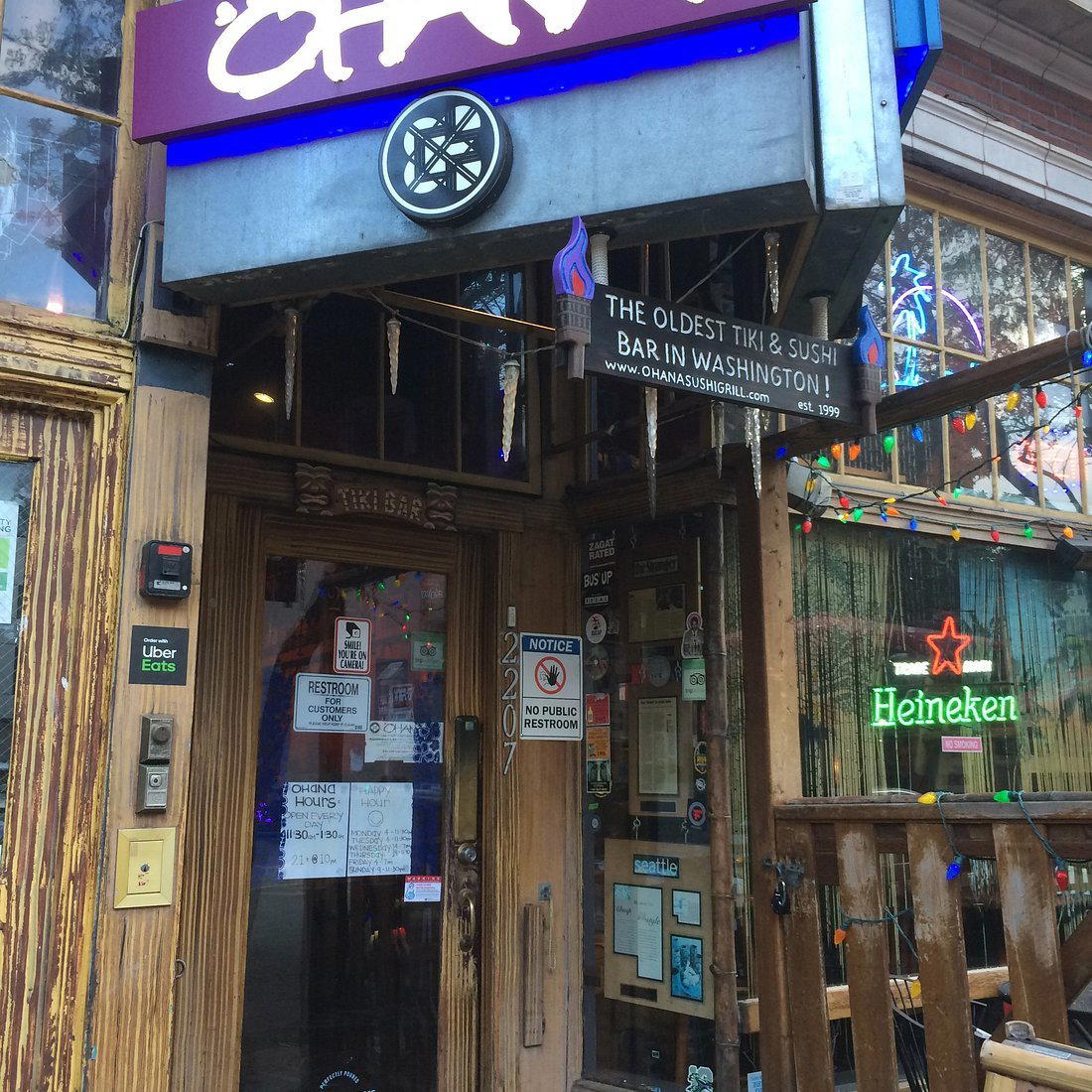
Belltown's Long Game: A Corridor That Keeps Reinventing Itself
First Avenue in Belltown has never been a static address. Over the past two decades, the stretch running south from Denny Way has cycled through phases that mirror Seattle's own civic mood: gritty then gentrified, oversaturated then quietly selective. The restaurants that have lasted on this corridor are not the ones that chased each trend as it arrived. They are the ones that found a specific register and held it while the neighbourhood's profile rose around them. Ohana, at 2207 1st Ave, sits in that longer-running current.
Seattle's dining scene has matured considerably since the early 2000s, when a handful of destination addresses, Canlis (New American) chief among them, carried almost all the weight of serious dining in the city. The intervening years brought an expansion of credentialed kitchens, international influences, and a dining public increasingly comfortable with formats that ask more of them. Joule (New Asian) represents one trajectory of that expansion, folding Korean and broader Asian technique into a New American framework. Ohana operates within this wider field of reinvention, where the question for any Belltown venue is no longer just what it serves, but what it has become.
The Shape of Reinvention in American Fine Dining
The evolution framework matters for reading Ohana correctly. American dining at the premium end has undergone a structural shift since the 2010s. The model exported by houses like Le Bernardin in New York City, French-inflected technical precision, formal service, static tasting menus, gave ground to formats that borrowed from that rigour while loosening the frame around it. Venues such as Lazy Bear in San Francisco and Alinea in Chicago pushed the idea of the premium experience further toward concept and theater. Meanwhile, farm-anchored projects like Single Thread Farm in Healdsburg and Blue Hill at Stone Barns in Tarrytown grounded ambition in sourcing specificity rather than technique alone.
What emerged across American cities was a tiered system in which a restaurant's identity is increasingly defined by where it positions itself on the axis between these poles. The venues that have aged well are those that made a deliberate choice about that position and built consistency around it. The French Laundry in Napa, Providence in Los Angeles, and Addison in San Diego all occupy distinct rungs of this system, each legible within a broader national comparable set. At the other end of the formality dial, Emeril's in New Orleans traced a different arc, becoming a cultural institution through sheer longevity and regional rootedness.
Ohana's address on 1st Avenue places it in the part of Seattle where this national evolution plays out at a neighbourhood scale. Belltown is dense enough to sustain multiple serious restaurants within a few blocks, creating a genuine competitive pressure that forces clarity of purpose. The venues that survive on this strip are not coasting on location.
What the Address Tells You About the Offer
The 2207 1st Ave location sits in the lower Belltown zone, close to the waterfront edge where the neighbourhood transitions toward the Pike Place corridor. This positioning has historically meant foot traffic from a mix of hotel guests, after-work professionals, and a pre-theatre crowd moving between the Paramount and Moore venues. The dining rooms that work here tend to have some legibility at the door: clear enough in format that a first-time visitor can orient quickly, but substantive enough to hold a regular.
Nearby addresses give some texture to the competitive field. 1415 1st Ave anchors a different register on the same street, while 1744 NW Market St and 2963 4th Ave S represent the spread of serious dining across Seattle's distinct sub-neighbourhoods. The concentration of credentialed cooking across these addresses reflects a city that has stopped being a regional afterthought in American dining. International comparison sets now apply: Atomix in New York City and 8 1/2 Otto e Mezzo Bombana (Hong Kong) in Hong Kong operate in different markets but share the same logic of positioning within a defined peer tier. Seattle's better restaurants are now readable against that wider frame.
Reading the Evolution: What to Look For
A venue's evolution is most visible not in a single visit but in the signals it sends across time: booking patterns, menu structure, how the room is configured relative to earlier iterations. Venues that pivot successfully tend to tighten scope rather than expand it. The sprawling multi-concept model that dominated mid-2000s American restaurant groups gave way to places that do fewer things with more consistency. The parallels at the national level are instructive: The Inn at Little Washington in Washington has sustained a clear identity across decades by deepening rather than broadening its proposition.
For Ohana, the relevant evolutionary question is whether the format has sharpened or drifted as Belltown's character has shifted around it. The neighbourhood absorbed significant new residential development through the 2010s, changing the composition of its dining public. Venues that recalibrated to serve that changed audience while maintaining a core identity have generally fared better than those that chased the incoming demographic wholesale.
Practical Details
Budget Reality Check
Comparable venues nearby, for context on price, style, and recognition.
| Venue | Cuisine | Price | Notes |
|---|---|---|---|
| OhanaThis venue — the venue you are viewing | Not listed | $$ | Not listed |
| 8564 Greenwood Ave N | Greenwood, Asian-Fusion Brewery Food | $$ | Not listed |
| Ba Bar South Lake Union | Not listed | $$ | South Lake Union, Modern Vietnamese Street Food |
| The Pastry Project | Pioneer Square, Pastry Shop & Soft Serve | $$ | Not listed |
| Taku | Not listed | $$ | Pike/Pine, Japanese Fried Chicken (Karaage) |
| Jimmy's on Broadway | Not listed | $$ | First Hill, Modern American with Northwest Flavors |
Continue exploring
More in Seattle
Restaurants in Seattle
Browse all →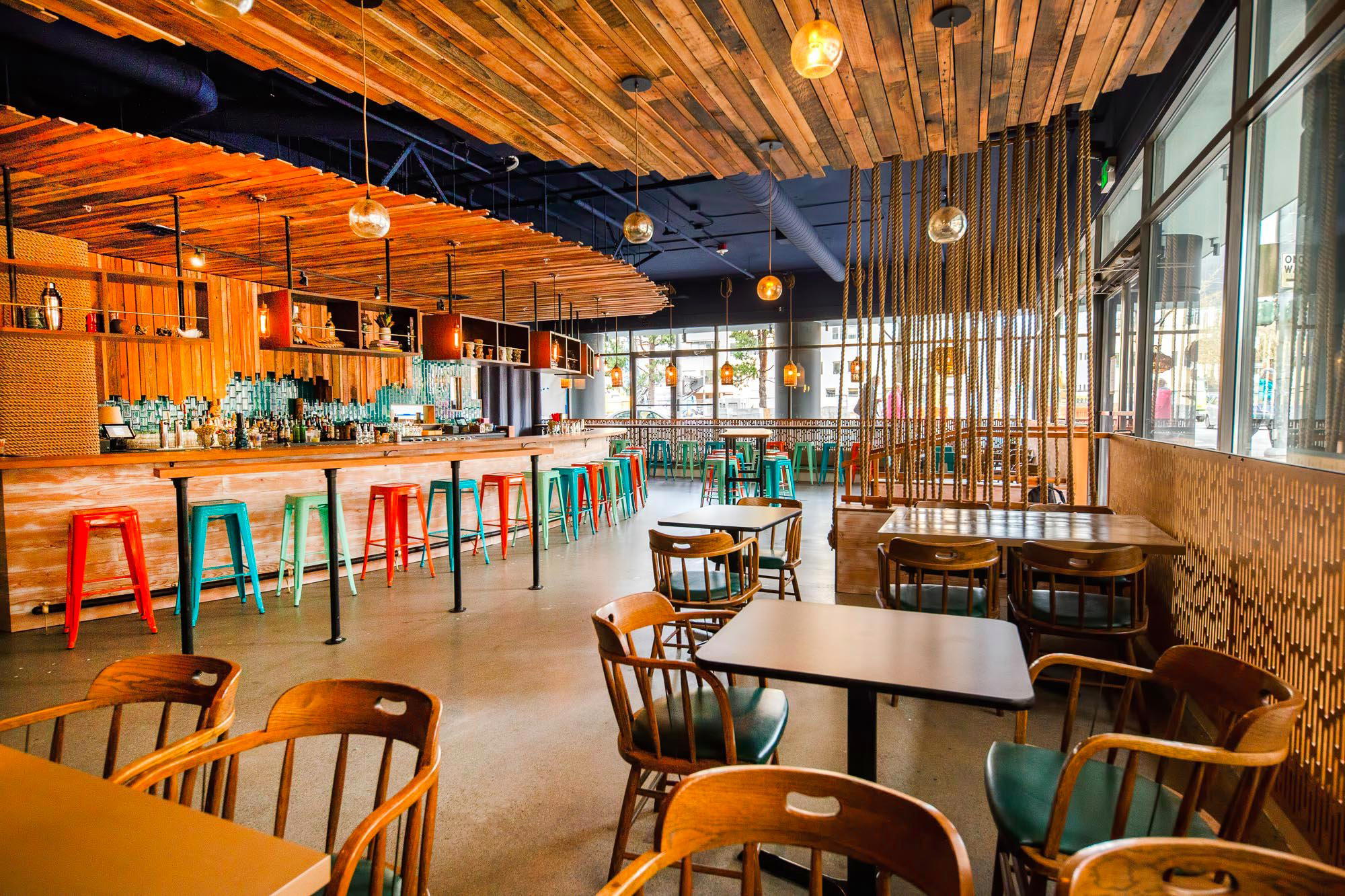
Bars in Seattle
Browse all →
Hotels in Seattle
Browse all →

At a Glance
- Lively
- Whimsical
- Well Known
- Casual Hangout
- Group Dining
- Celebration
- After Work
- Late Night
- Live Music
- Standalone
- Craft Cocktails
- Beer Program
Current opening hours
- Monday
- 4:30–11:30 PM
- Tuesday
- 4:30–11:30 PM
- Wednesday
- 4:30–11:30 PM
- Thursday
- 4:30–11:30 PM
- Friday
- 1 PM–2 AM
- Saturday
- 1 PM–2 AM
- Sunday
- 1 PM–12:30 AM
Hours can change for holidays and private events. Last verified .
Kitschy Hawaiian-themed decor with bamboo accents, tiki bar aesthetic with colored lights and surf murals, lively and welcoming atmosphere with occasional live bands.