The Pastry Project
At 165 South Main Street in Pioneer Square, The Pastry Project occupies the intersection of craft baking and Seattle's broader commitment to ingredient provenance. The bakery draws from the Pacific Northwest's agricultural depth, translating local sourcing into the kind of pastry work that positions it within a serious, technically-minded tier of Seattle's food scene.
Pearl is the En Primeur Club membership app — saves, bookings, and concierge access live there. Same editors, same standards.
- Address
- 165 South Main St, Seattle, WA 98104
- Website
- thepastryproject.co
- Directions
- Get directions
 Saves & bookings on Pearl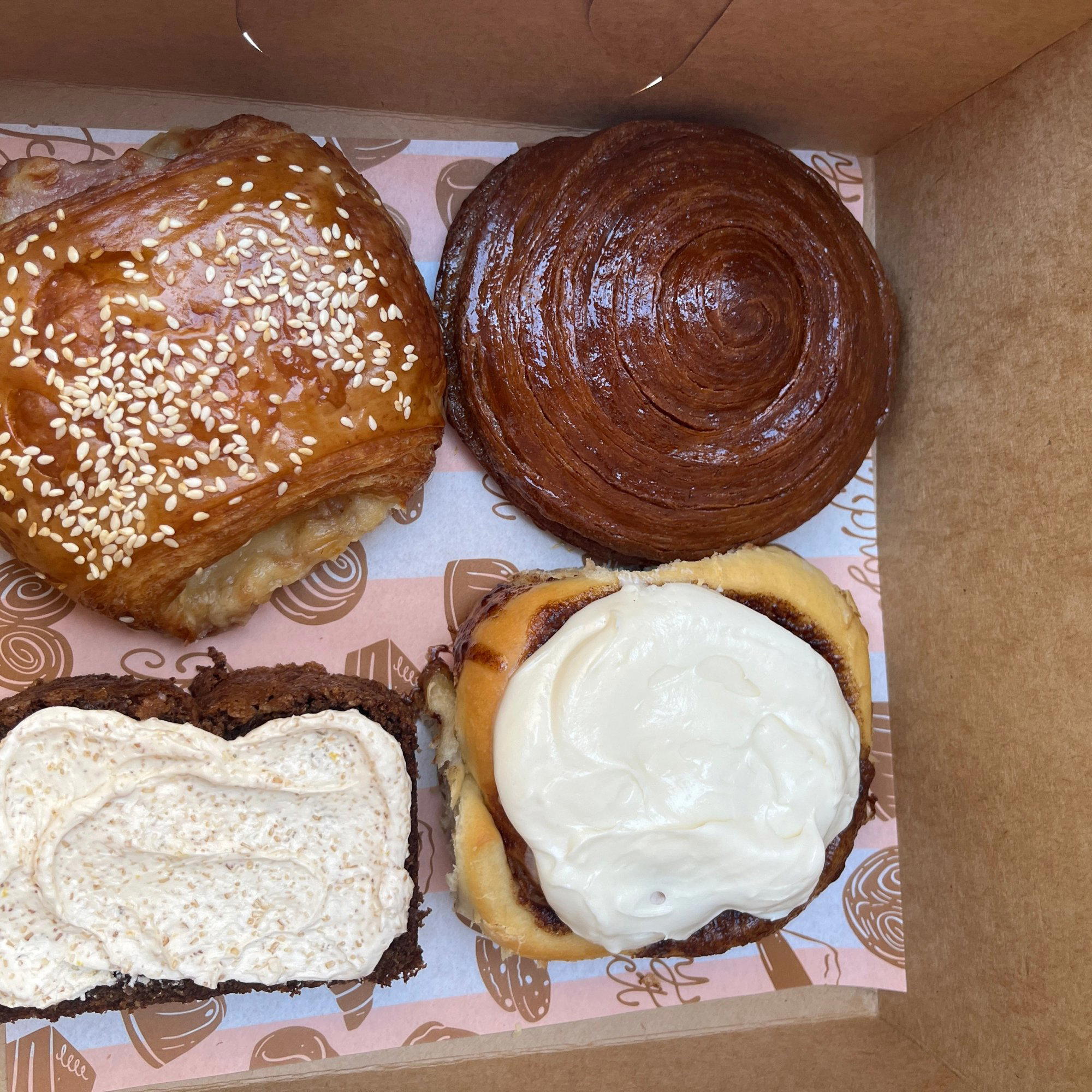
Pioneer Square and the Pastry Counter
Pioneer Square has spent the better part of a decade shedding its post-industrial hesitancy and accumulating the kind of considered food businesses that reflect a neighborhood finding its footing. The blocks around Occidental Avenue and Main Street now hold a mix of gallery spaces, serious coffee programs, and food operations that lean into craft rather than volume. The Pastry Project, at 165 South Main Street, belongs to this cohort: a pastry shop and soft serve counter that reads as a deliberate act rather than a neighborhood convenience stop.
Walking into a well-run pastry counter in this part of the city carries a particular set of expectations. Seattle diners who make their way to Pioneer Square for food are generally not there by accident. They have bypassed the more obvious clusters on Capitol Hill or in Belltown, and they tend to arrive with an appetite for specificity. The Pastry Project addresses that appetite through its approach to ingredient sourcing, which is where the editorial story of this place actually begins.
Where the Ingredients Come From
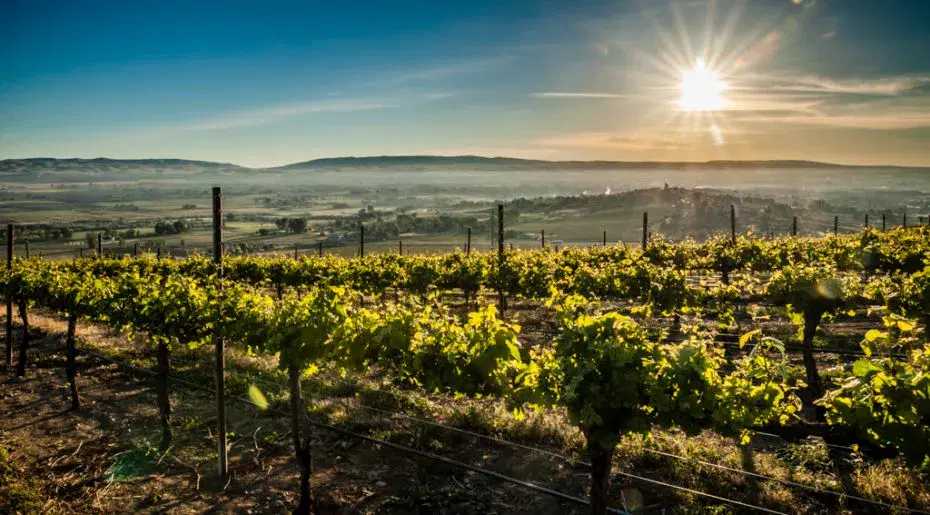
The Pacific Northwest is especially ingredient-rich region in the continental United States for anyone serious about baking. The Willamette Valley produces soft wheat varieties that perform differently from commercial bread flour. Eastern Washington grows hard red and hard white winter wheats with distinct protein profiles. Oregon and Washington dairies, many of them smaller-scale and grassfed-oriented, produce butter with higher fat content and more complex flavor than commodity alternatives. Hazelnuts come from Oregon's Willamette Valley in quantities that make the state the dominant North American producer. Stone fruits from the Yakima Valley, berries from the Skagit Valley, and apples from Wenatchee all sit within a reasonable supply chain for a Seattle bakery with the sourcing discipline to use them.
A bakery that takes this geography seriously operates inside a different competitive frame than one relying on standard commodity inputs. The Pastry Project's address in Pioneer Square places it within the distribution reach of the regional suppliers that have made Seattle a meaningful food city. For the customer, this geography translates to pastry that shifts with the seasons rather than maintaining a static menu year-round.
The commitment to sourcing at this level also signals something about price positioning. Premium local dairy, heritage grain flours, and in-season fruit sourced directly from regional farms carry higher input costs than commodity alternatives. That cost structure tends to produce pastry at a price point above a standard coffee-shop grab-and-go, and it places the restaurant in a peer group that includes operations like Bakery Nouveau, which has built its reputation over years on technical rigor and quality inputs in a similarly niche tier of the Seattle market.
The Wider Seattle Food Context
Seattle's restaurant scene has a well-documented upper tier: places like Canlis, which has operated at the summit of the New American bracket for decades, or Joule, which brought technical precision to New Asian cooking and reshaped what that category could mean in the Pacific Northwest. Newer entrants like Archipelago have pushed Pacific Northwest cuisine into more disciplined, ingredient-forward territory, while Altura has demonstrated that Italian technique applied to local product can hold its own against any regional frame of reference. Even the city's pizza conversation has grown more serious, with A.K. Pizza occupying a considered position within that category.
The bakery tier has been slower to attract the same kind of attention, in part because pastry has historically been treated as a supplement to dining rather than a destination in its own right. That is changing in cities with strong farm networks and a customer base willing to pay for traceability. San Francisco made this transition earlier, and Chicago's craft bakery scene has matured significantly over the last decade. Seattle, with its agricultural infrastructure and its history of taking food sourcing seriously across categories, is a logical next market for a similar shift. The restaurant operates within that transitional moment.
The craft is different, the format is more casual, but the underlying argument about ingredient provenance is the same.
Planning a Visit
The restaurant is located at 165 South Main Street, in the Pioneer Square neighborhood, accessible on foot from the waterfront and within a short walk of the Pioneer Square light rail station, making it a practical stop before or after exploring the broader neighborhood. Pioneer Square's food businesses tend to draw morning and midday traffic, and a bakery operating at this quality level will sell through its leading items earlier in the day rather than later. Arriving before noon is the sensible approach for anyone with specific items in mind.
Pioneer Square itself rewards time: the neighborhood holds several of Seattle's better galleries, and combining a visit to the restaurant with a walk through the Occidental Park area gives the morning a fuller shape.
Travelers approaching Seattle from a broader food circuit that includes Le Bernardin in New York City, Alinea in Chicago, or Emeril's in New Orleans will find the Pacific Northwest's ingredient culture a useful counterpoint to those urban dining traditions. The sourcing logic that drives places like The French Laundry in Napa or, at the highest international level, operations like Alain Ducasse at Louis XV in Monte Carlo and 8½ Otto e Mezzo Bombana in Hong Kong runs through the same basic conviction: that the quality of what goes in determines what comes out, and that geographic specificity is a feature rather than a constraint.
City Peers
Comparable venues nearby, for context on price, style, and recognition.
| Venue | Cuisine | Price | Notes |
|---|---|---|---|
| The Pastry ProjectThis venue — the venue you are viewing | Pastry Shop & Soft Serve | $$ | Not listed |
| Jimmy's On First | Upscale Casual American | $$ | Pioneer Square |
| Ghostfish Brewing Company - Taproom & Restaurant | Gluten-Free Pub Classics | $$ | SoDo |
| Jimmy's on Broadway | Modern American with Northwest Flavors | $$ | First Hill |
| Lost Lake Cafe & Lounge | American Diner | $$ | Pike/Pine |
| Homegrown | Sustainable American Sandwiches & Bowls | $$ | West Queen Anne |
Continue exploring
More in Seattle
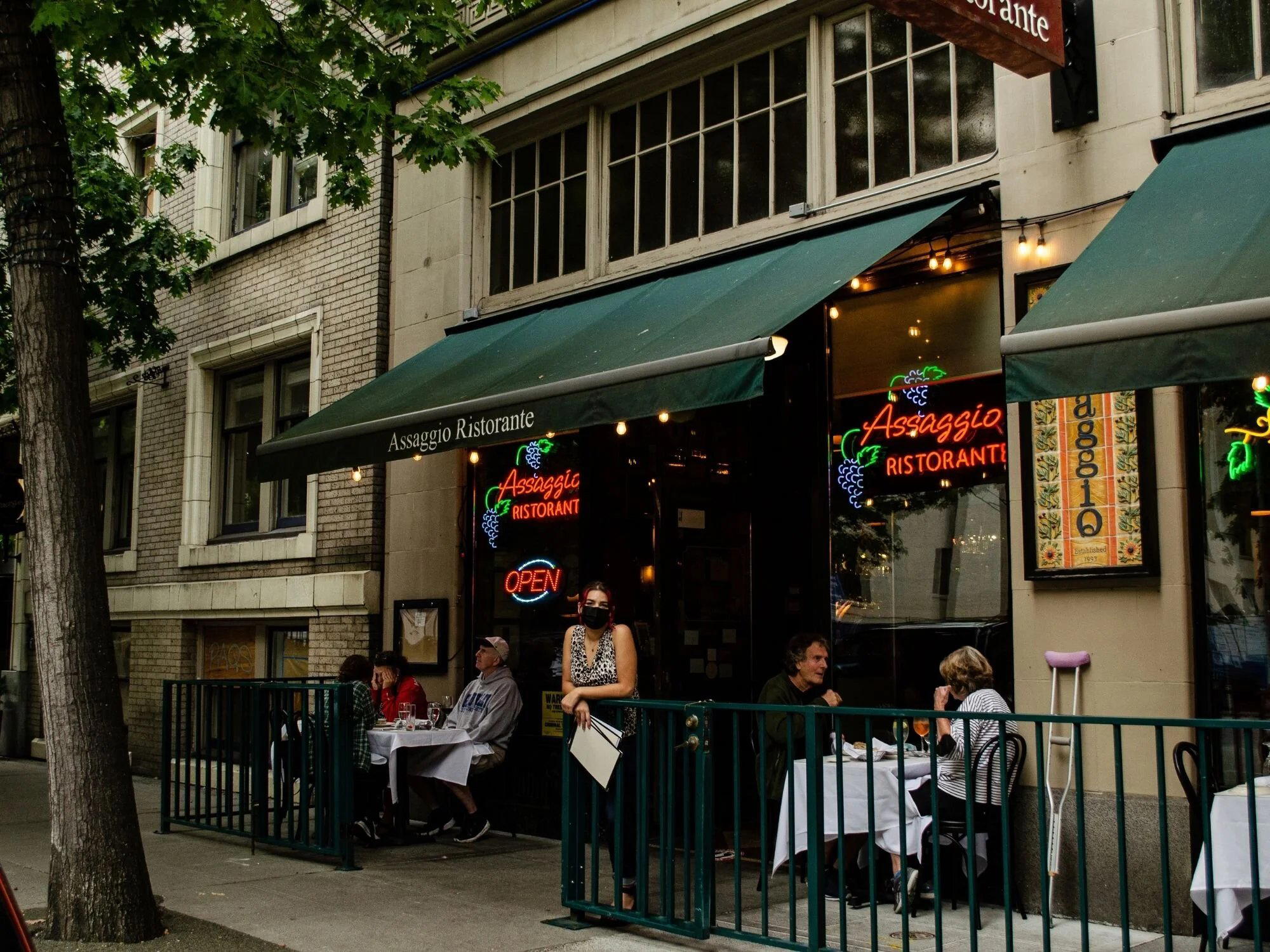
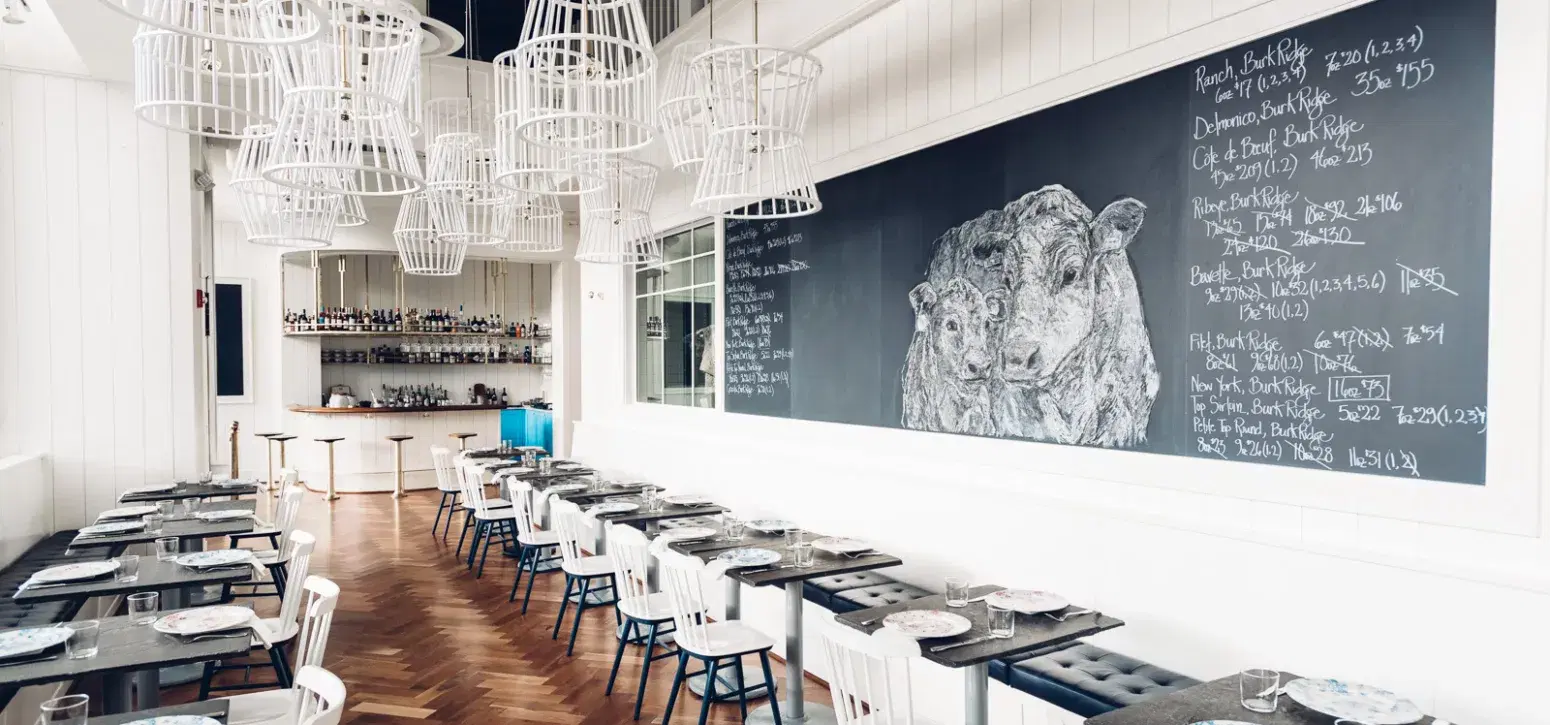
Restaurants in Seattle
Browse all →
Bars in Seattle
Browse all →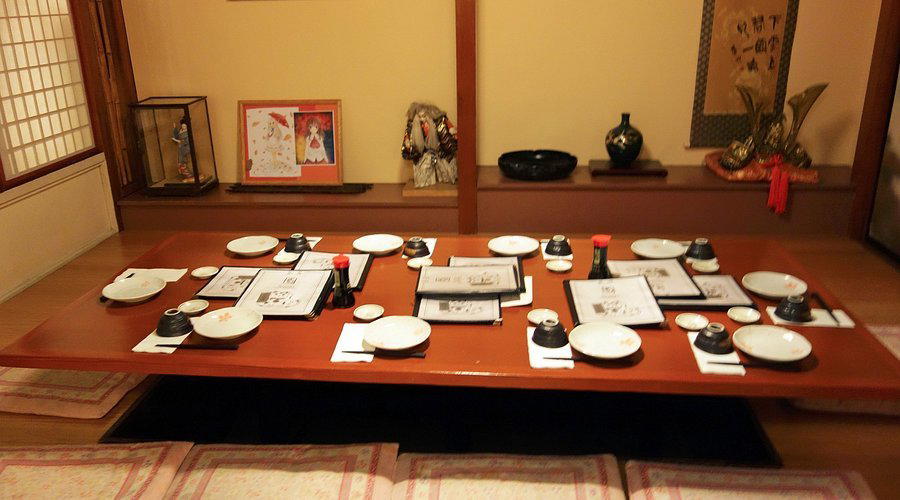
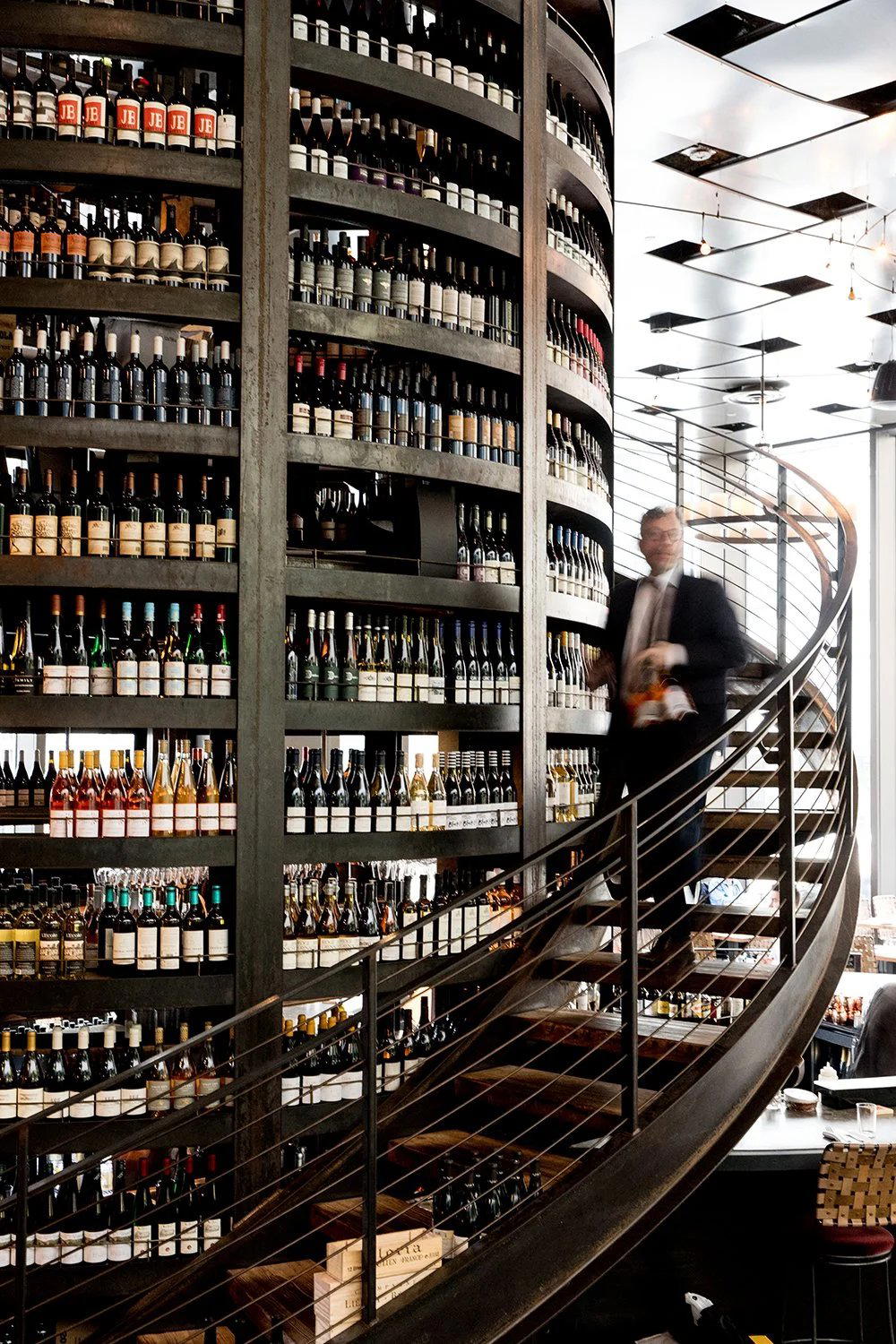
Hotels in Seattle
Browse all →
At a Glance
- Cozy
- Whimsical
- Casual Hangout
Current opening hours
- Monday
- Closed
- Tuesday
- Closed
- Wednesday
- Closed
- Thursday
- 8:30 AM–1 PM
- Friday
- 8:30 AM–1 PM
- Saturday
- 8:30 AM–1 PM
- Sunday
- 8:30 AM–1 PM
Hours can change for holidays and private events. Last verified .
Cozy and welcoming with a focus on community and fun, featuring shatteringly crisp pastries and creamy soft serve.