Ogawa


1 Michelin Star
Our verdict
Ogawa earned a Michelin star in 2025 for its omakase counter in Miami's Little River neighborhood, where Chef Masayuki Komatsu sequences cooked dishes and focused nigiri at the $$$$ price point.Booking early is advisable given the format's limited capacity.

Pearl is the En Primeur Club membership app, where members save venues, book tables and use the concierge.
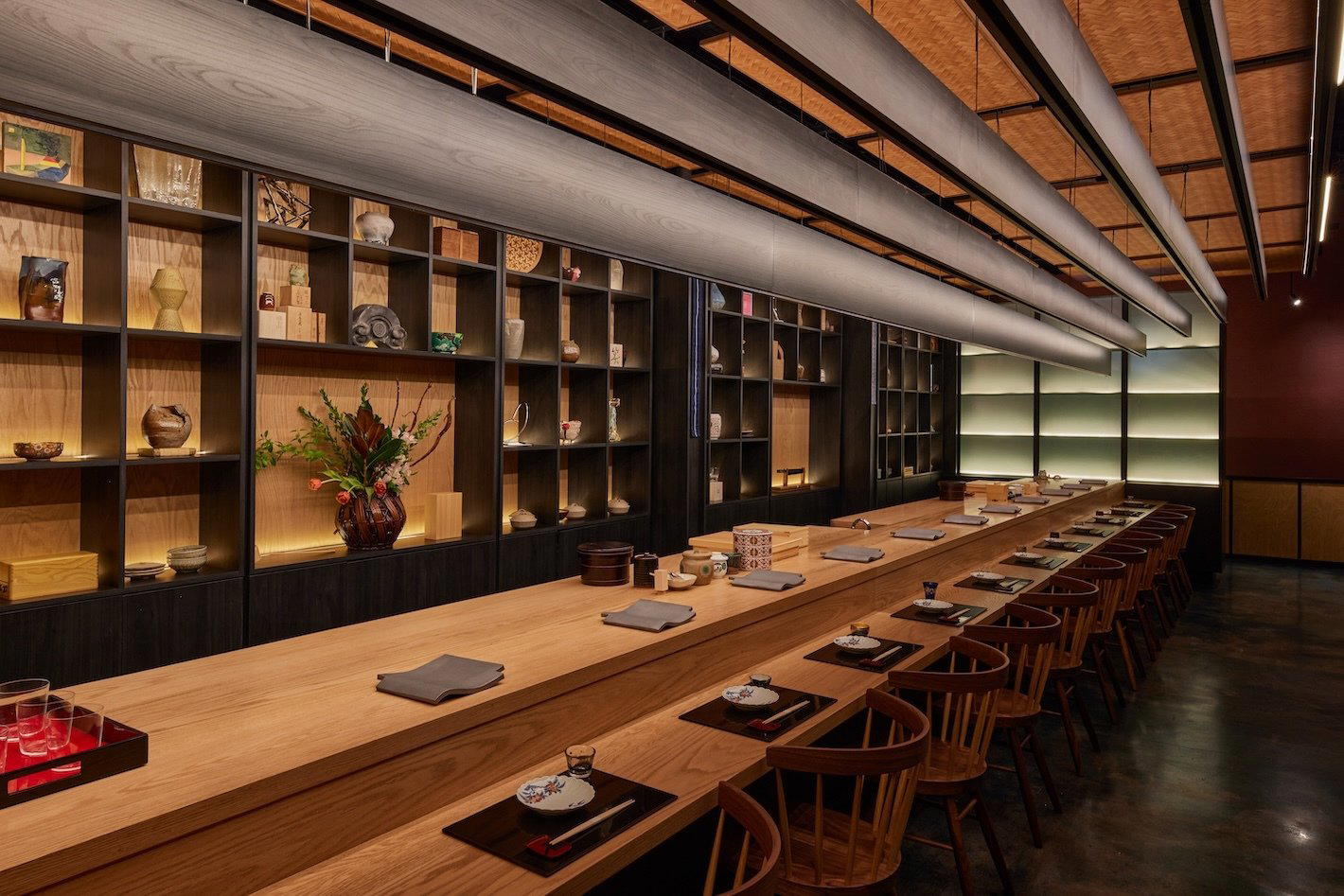
Little River, Big Ambition
Miami's omakase scene has expanded rapidly over the past several years, splitting into tiers that track closely with the city's broader appetite for destination dining. At the upper end of that tier sits a small group of counters where the format is strict, the seatings are limited, and the chef's sequencing carries genuine narrative weight. Ogawa, on NW 2nd Avenue in Little River, earned a Michelin star in 2025 and operates squarely within that upper bracket. The neighborhood context is worth noting: Little River sits north of Wynwood, further from the hotel-district money that anchors most of Miami's fine dining, and that remove gives the room a different register than the design-led Japanese counters further south.
The name itself is a deliberate gesture toward the address. Ogawa translates to "small river," a quiet acknowledgment of the Little River neighborhood rather than the kind of brand-building abstraction common in premium restaurant naming. That groundedness carries through to the format: this is not a counter that performs ceremony for its own sake.
How the Meal Is Built
Omakase counters in the United States have largely converged on a recognizable structure: a short cooked sequence, then nigiri, then a closing sweet. What distinguishes the better counters is not the template but the quality of decision-making within it. At Ogawa, Chef Masayuki Komatsu's cooked sequence is where the meal announces its intentions. The appetizer run, baby sea eels with a soy-cured quail egg, bigfin reef squid in a shiso-miso sauce, baby snow crab, and Japanese-style herring roe, arrives as four bites that function more like an argument than a tasting amuse. The shiso-miso sauce on the squid and the cured quail egg alongside the sea eels show an interest in flavored contexts that sets these dishes apart from the neutral-canvas approach common at counters that treat cooked courses as a warm-up act.
The transition into nigiri reinforces that framing. Kisu, a delicate white fish with bright acidity; creamy ebodai; squid topped with osetra caviar; and anago finished with sansho pepper form part of the progression. The pairing of anago with sansho is a considered choice: the pepper's citrus-floral heat cuts through the natural sweetness of the sea eel in a way that lengthens the finish. These are the kinds of pairings that separate technique from taste. The langoustine tempura course, sided by a thick reduction built from roasted langoustine shells, extends the same logic into the vegetable-adjacent portion of the meal, with lotus root and wild yam providing textural contrast to the crustacean richness.
For broader context on how Miami's Japanese dining has developed, Hiyakawa Miami and Makoto represent different points on the city's Japanese dining spectrum, while Sushi Yasu Tanaka occupies the higher-end omakase tier alongside Ogawa. The Nikkei angle, Japanese technique applied to South American ingredients, appears at ITAMAE, which shows how far Miami's Japanese-influenced dining has diversified beyond the sushi-counter format.
American omakase has been in active recalibration. The past decade produced a generation of counters that imported Tokyo's kaiseki-adjacent structure and priced against European fine dining rather than Japanese restaurant norms. In cities like New York and San Francisco, eight-to-twelve seat counters with three-month booking windows and four-figure menus are now a defined category. Miami arrived at this tier later, and the 2025 Michelin Florida guide, which brought the city its first full Michelin coverage, formalized what serious diners already knew: several Miami counters were competing at a level that warranted the same critical scrutiny applied to counters in Tokyo or Azabu.
Ogawa's single star places it in credentialed company nationally. The format shares structural DNA with tasting-menu operations like Lazy Bear in San Francisco and Alinea in Chicago in the sense that the booking experience is as much a part of the proposition as the meal itself: you are buying into a specific sequence, a specific room, and a specific chef's point of view, all confirmed well in advance. At this price tier, The French Laundry in Napa and Le Bernardin in New York set a comparable standard for what sustained Michelin recognition looks like over time. Within Miami's own fine dining cohort, Ogawa operates in different territory than high-volume $$$$ venues like Komodo, the counter format by definition works at smaller scale and a different pace. Comparisons to Single Thread Farm in Healdsburg are instructive in terms of how ingredient sourcing and regional identity can anchor a counter at this level, even when the cuisine itself is not California-focused.
Counters with strict formats and high price points tend to polarize more than casual restaurants; a 4.9 sustained across 229 covers suggests that the experience is delivering against refined expectations with consistency.
Planning Your Visit
The practical realities of booking Ogawa follow the conventions of the omakase tier in American cities. Counter-format restaurants at this price point and recognition level typically require advance reservations of several weeks at minimum, and Michelin recognition in a newly covered market tends to compress available dates further as regional and destination diners recalibrate their lists. The address, 7223 NW 2nd Ave, Miami, FL 33150, places the restaurant in Little River, accessible by car and with parking options more forgiving than South Beach or Brickell. For visitors building a wider Miami itinerary around the meal, EP Club's Miami hotels guide, bars guide, and experiences guide cover the surrounding context. The full Miami restaurants guide and Miami wineries guide round out the dining picture.
$$$$ price designation aligns with the format: omakase counters at this recognition level in the United States operate in a range that reflects ingredient cost, limited capacity, and a single-chef dependency that cannot be scaled. Diners coming from outside Miami who are accustomed to counter dining in major markets will find the format familiar; those newer to the omakase structure should know that the chef controls the sequence entirely, there is no à la carte option, and dietary restrictions are worth communicating at the time of booking rather than on the night.
For Miami dining at a comparable level but in a different idiom, Emeril's in New Orleans offers a useful reference for how a single-chef name carries a restaurant's identity over time, which is the same structural bet Ogawa makes on Komatsu's continued presence at the counter.
Frequently asked questions
at Ogawa?
Ogawa operates on a fixed omakase format, meaning there is no ordering in the conventional sense. The sequence is set by Chef Masayuki Komatsu and moves from cooked dishes into nigiri. The Michelin inspectors specifically noted the cooked opening, baby sea eels with soy-cured quail egg, bigfin reef squid in shiso-miso, baby snow crab, and Japanese-style herring roe, as the first signal that this counter operates differently from a standard sushi progression. Among the nigiri, anago with sansho pepper and squid with osetra caviar represent the chef's approach of building flavor contrast through seasoning and pairing rather than relying on ingredient quality alone. The langoustine tempura course, with its sauce built from roasted shells, functions as the cooked sequence's structural centerpiece. The short answer: the full sequence is the point, and there is no single dish to prioritize over the chef's intended order.
Budget Reality Check
| Venue | Cuisine | Price | Awards | Notes |
|---|---|---|---|---|
| OgawaThis venue (the venue you are viewing) | Modern Japanese Omakase | $300–500 | 1 Michelin Star | Not listed |
| Ariete | Modern Cuban-American Fine Dining | $150–200 | 1 Michelin Star · Star Wine List | Modern American, Contemporary |
| Boia De | Modern Italian-Inspired | $50–100 | 1 Michelin Star · Star Wine List | Italian, Contemporary |
| Cote Miami | Modern Korean Steakhouse with Table-Side BBQ | $150–200 | 1 Michelin Star · La Liste Top Restaurants | Korean Steakhouse, Korean |
| Stubborn Seed | Modern American Fine Dining | $200–300 | 1 Michelin Star | Progressive American, Contemporary |
| Los Fuegos by Francis Mallmann | Argentinian Open-Fire Asado Steakhouse | $200–300 | Michelin Plate · Forbes 4-Star | Argentinian |
Recognition history
Dated appearances from independent guides and award organizations, with the underlying list record or original source where available.
Michelin 1 Star
Michelin
Opinionated About Dining Top Restaurants in North America Recommended
Opinionated About Dining
Full recognition history (4 entries)
Michelin 1 Star
Michelin
Michelin 1 Star
Michelin
Continue exploring
More in Miami
Restaurants in Miami
All restaurants in Miami →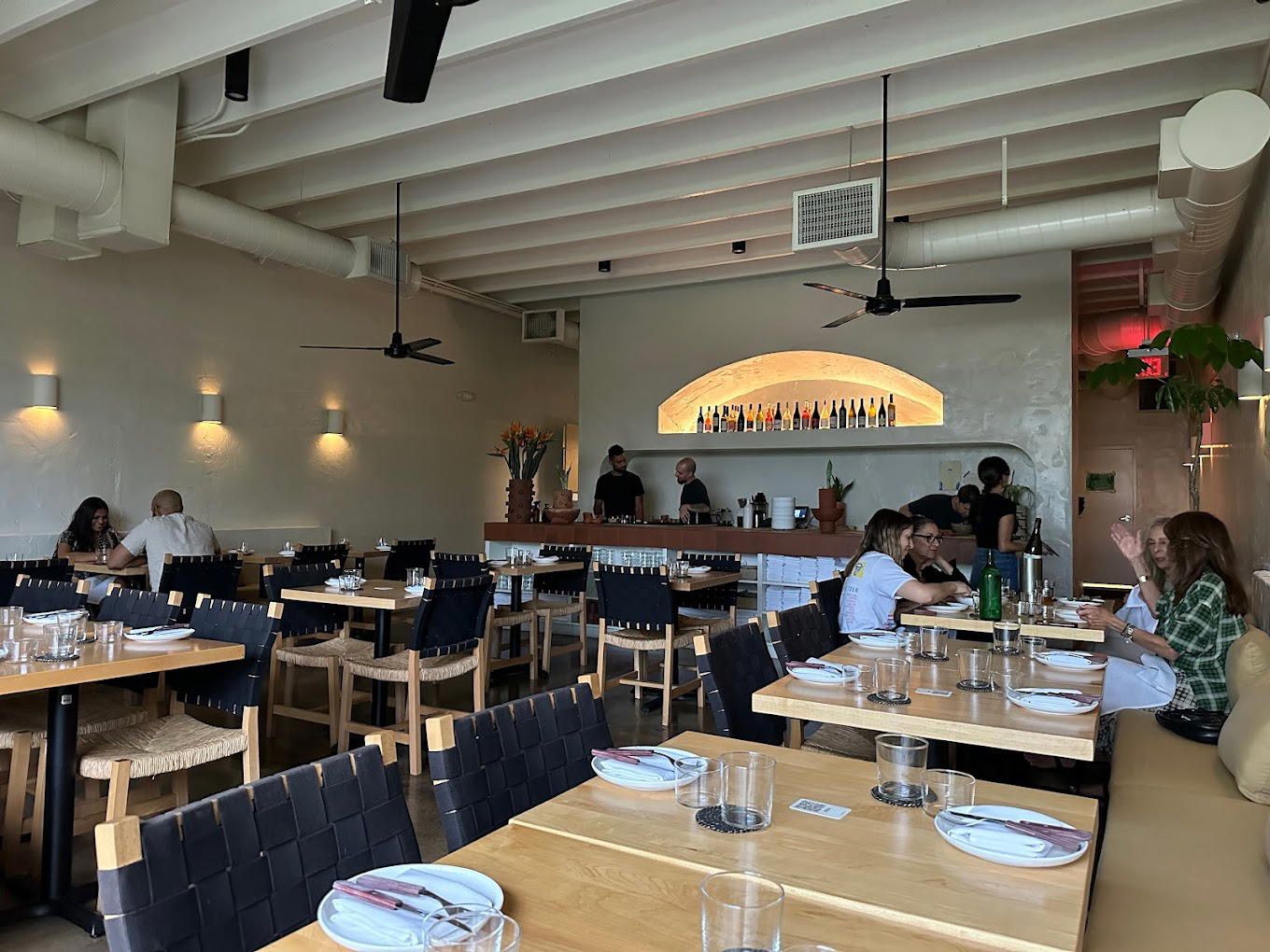
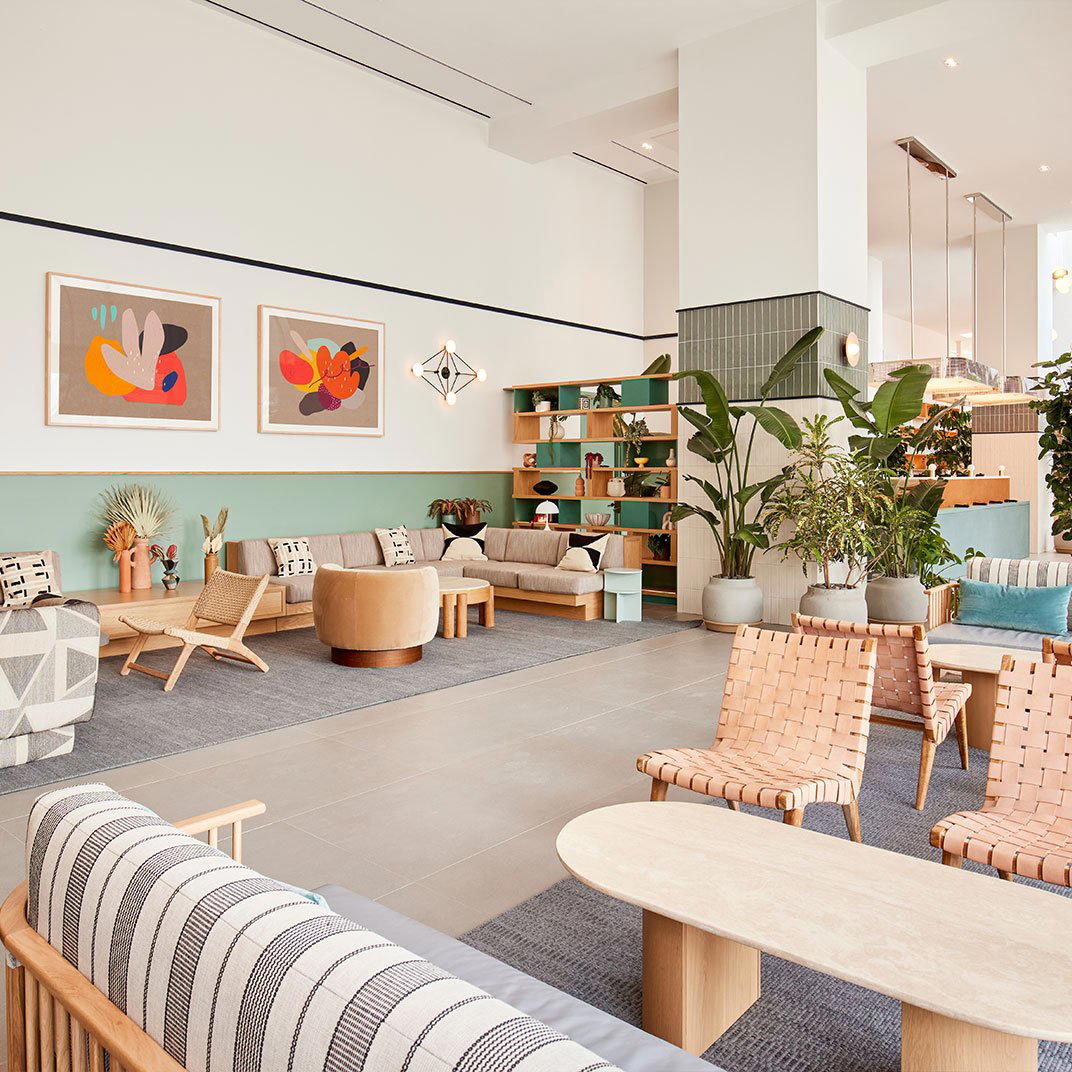
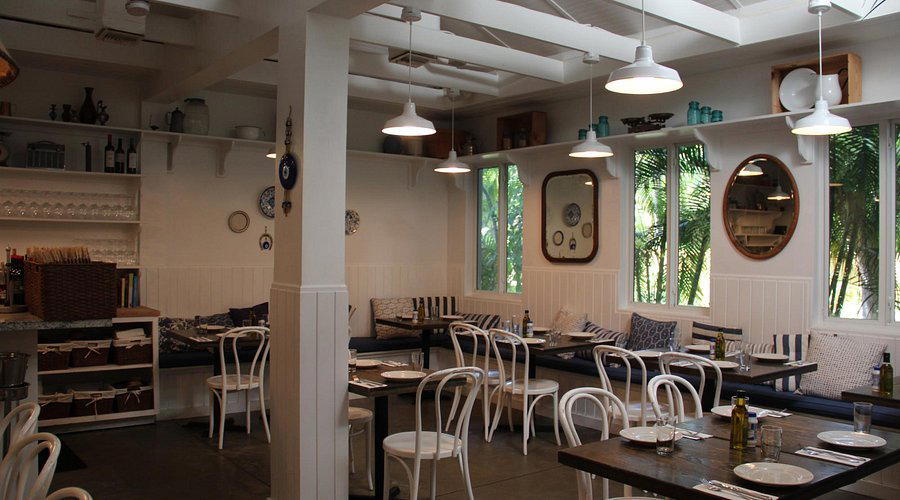
Bars in Miami
All bars in Miami →
Details
- Intimate
- Elegant
- Sophisticated
- Minimalist
- Date Night
- Special Occasion
- Chefs Counter
- Open Kitchen
- Garden
- Sake Program
- Craft Cocktails
- Local Sourcing
- Garden
- Omakase
- Counter Dining
Current opening hours
- Monday
- Closed
- Tuesday
- 6–9 PM
- Wednesday
- 6–9 PM
- Thursday
- 6–9 PM
- Friday
- 6–9 PM
- Saturday
- 6–9 PM
- Sunday
- Closed
Hours can change for holidays and private events. Last verified .
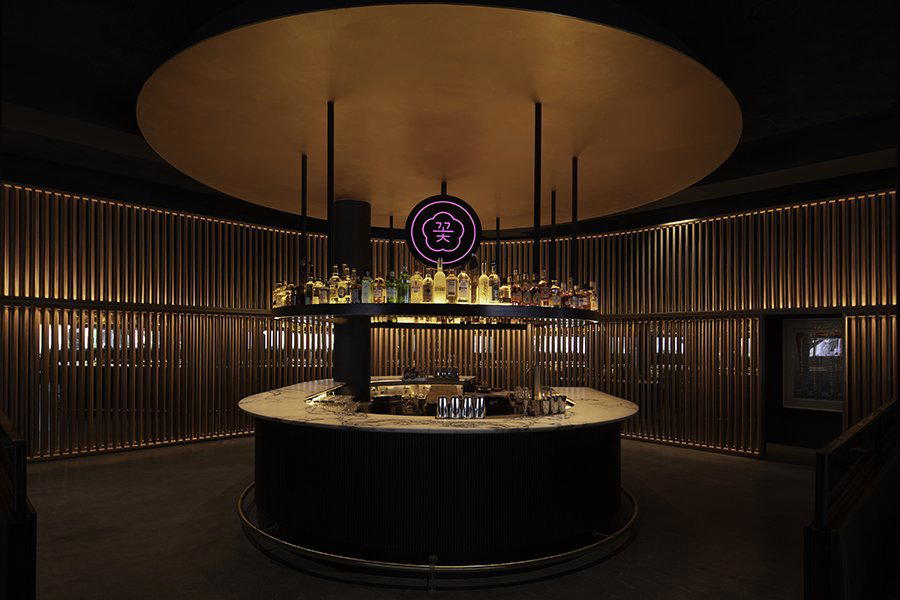
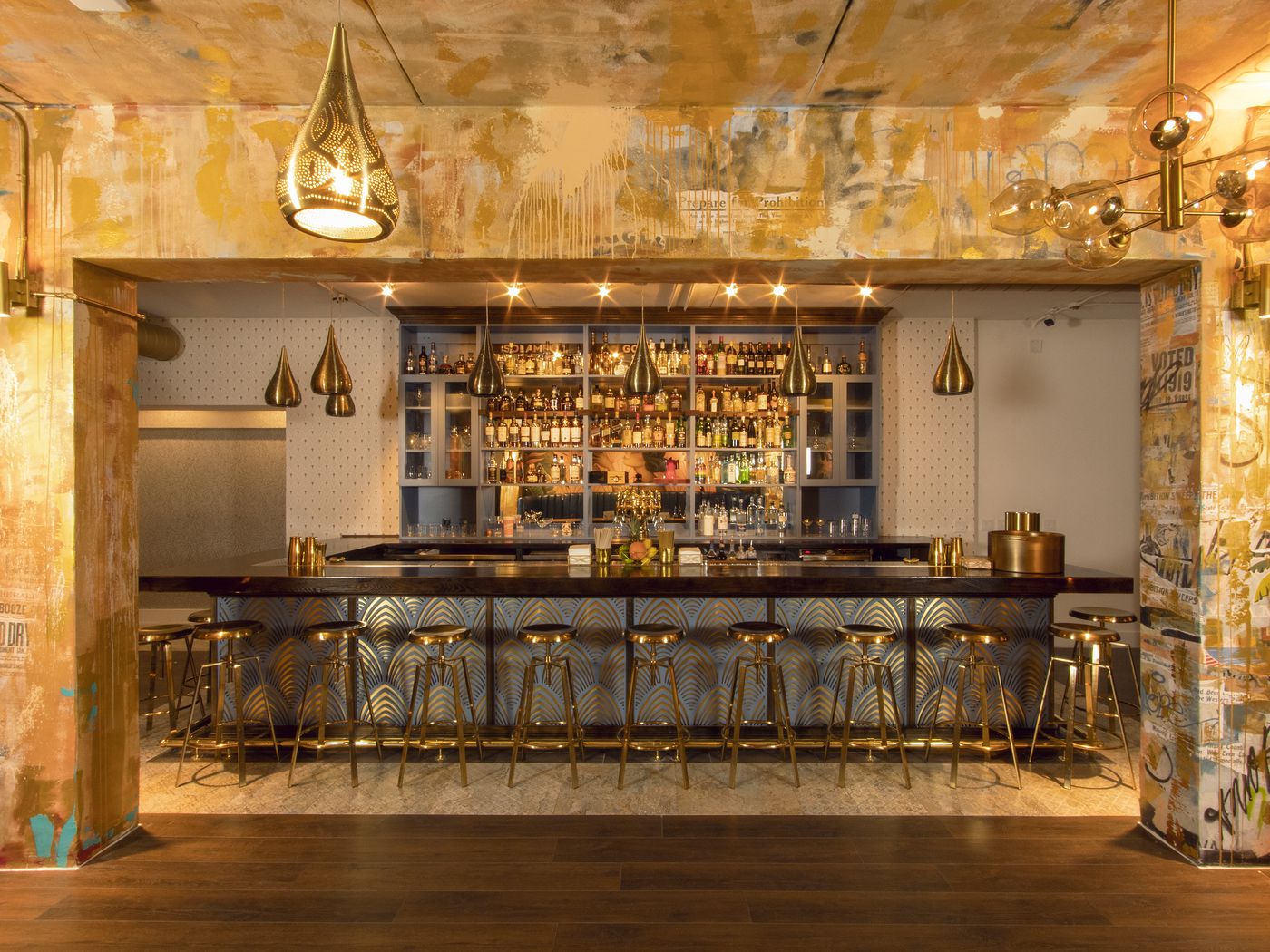
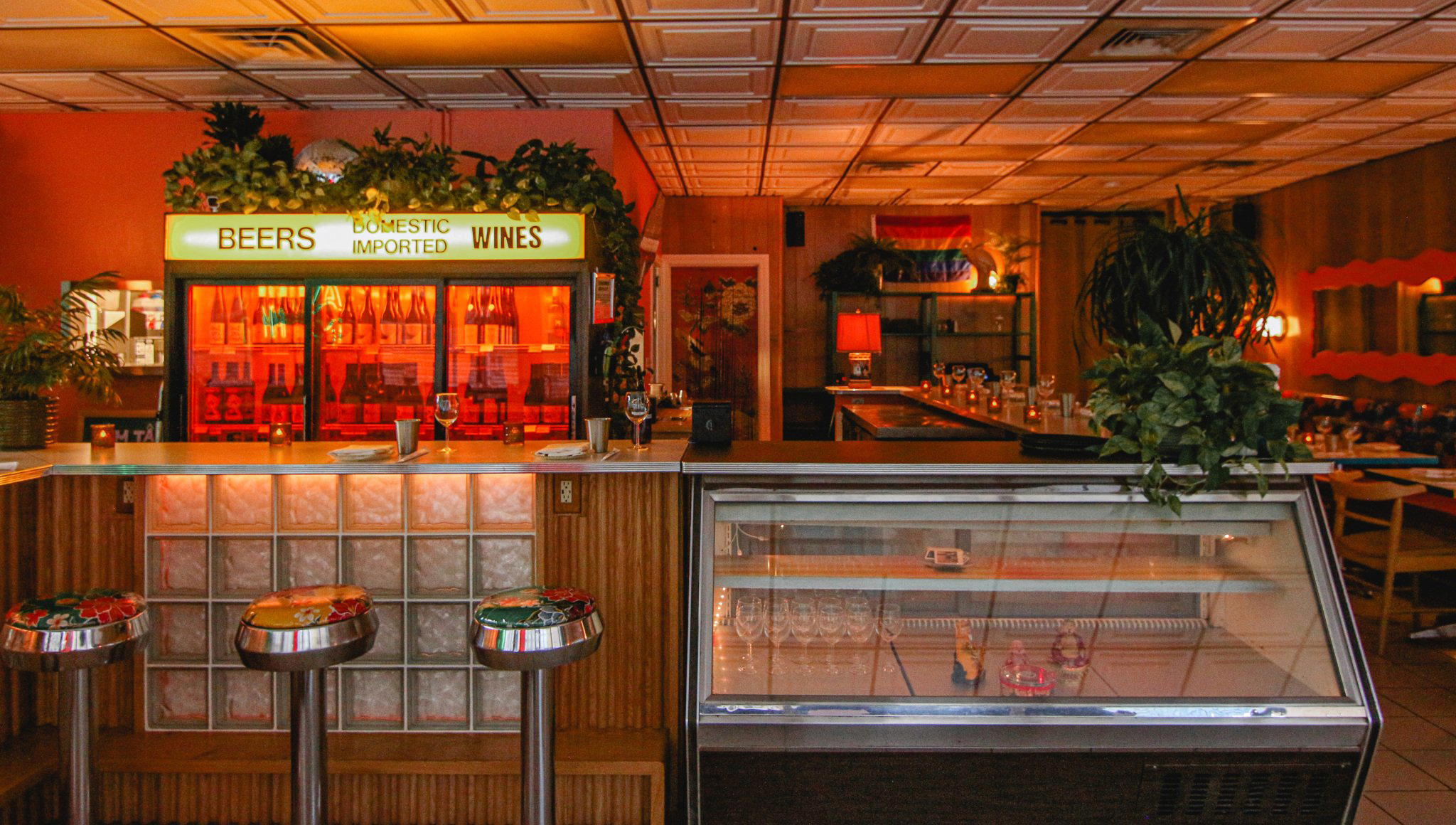
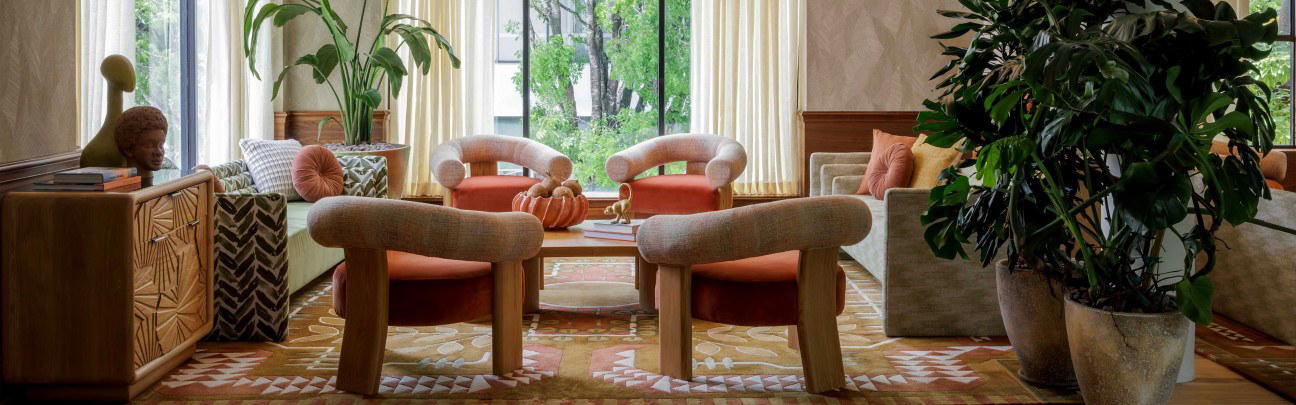
Serene and authentic Japanese atmosphere with soft lighting, rice vinegar and wasabi scents, classic Japanese jazz, refined ceramics and artwork, and a peaceful back garden.