Makoto


Wine Spectator Best of Award of Excellence
Our verdict
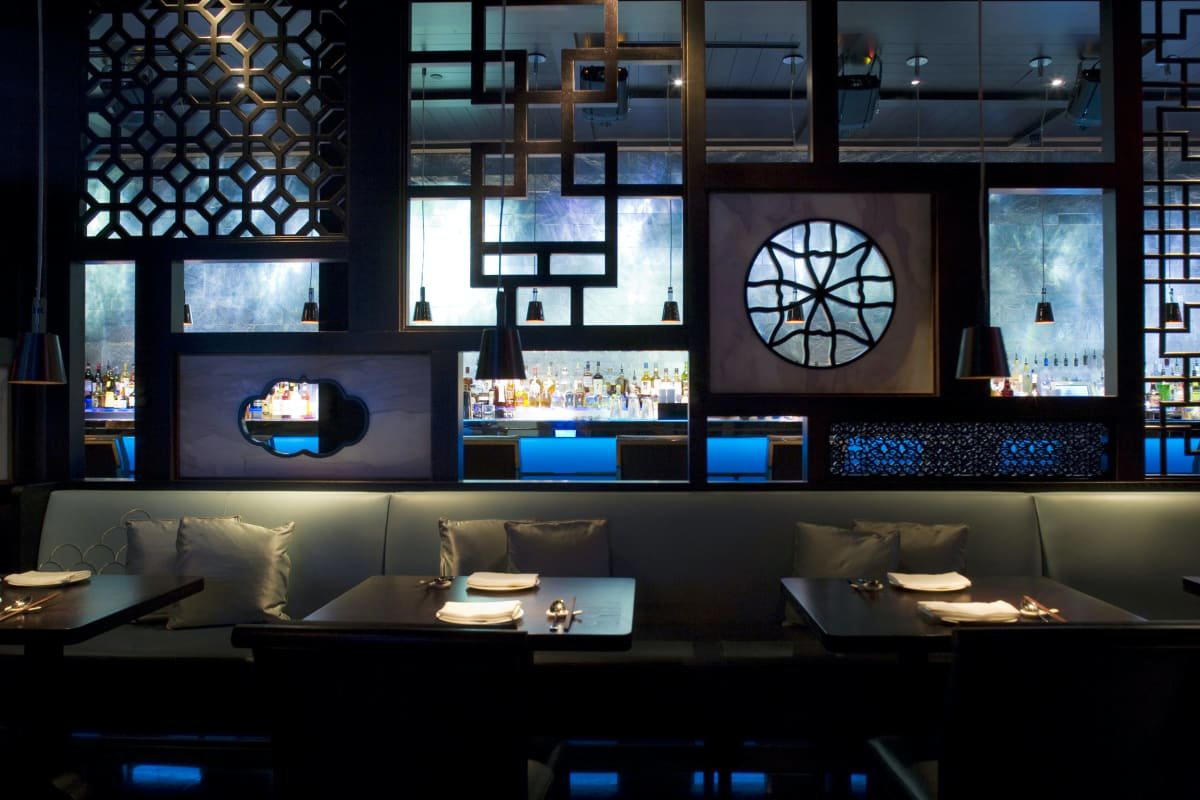
At Makoto, Japanese precision and contemporary glamour converge in a setting designed for those who savor quiet luxury. The restaurant’s refined omakase, pristine sashimi, and charcoal-kissed robata specialties are presented with impeccable restraint, allowing pure flavors and pristine textures to take center stage. From the glow of the open grill to the soft hush of sculpted interiors, Makoto invites guests into a world where service flows effortlessly, cocktails are delicately layered, and every detail—down to the cut of the fish and the curve of the porcelain—whispers of thoughtful intention and polished taste.

Pearl is the En Primeur Club membership app — saves, bookings, and concierge access live there. Same editors, same standards.
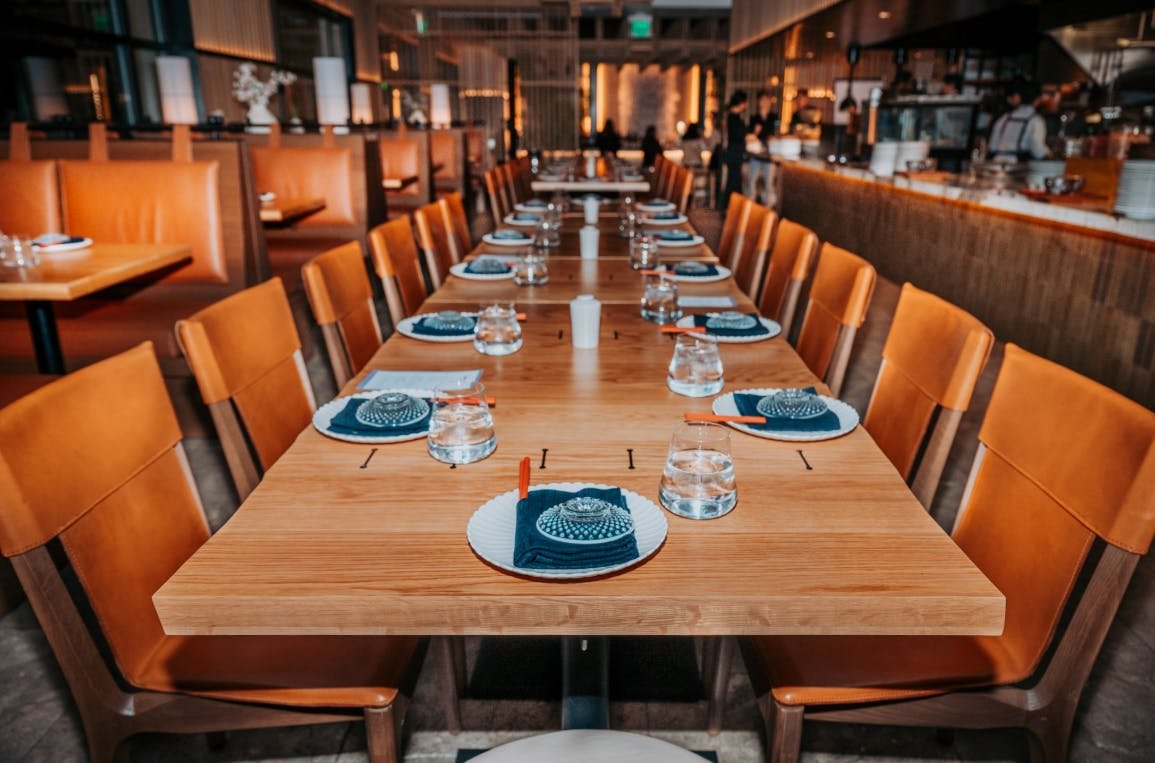
The menu
What to order
- Rock shrimp tempura
- Wagyu skewers
- Tuna crispy rice
- Lobster maki
Where Miami Learns to Slow Down
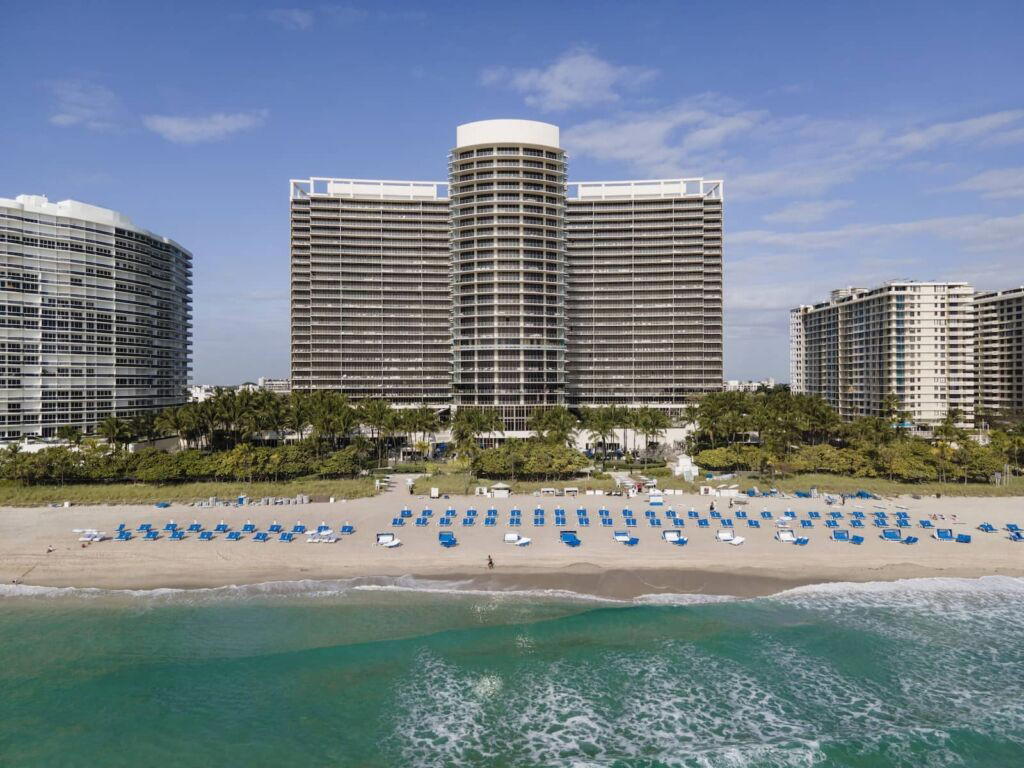
Collins Avenue at Bal Harbour moves at a different speed than the rest of Miami Beach. The retail corridor here trades in restraint — less neon, more marble — and the dining that has taken root inside it tends to follow the same register. Makoto sits within that context, occupying space in the Bal Harbour Shops where the density of the crowd is lower and the pace, at least at the table, asks something more from the diner than a nightlife-adjacent meal further south would.
The restaurant operates under Stephen Starr's group, which situates it inside a network that includes properties in Philadelphia, New York, and Washington. That affiliation matters for context: Starr venues rarely chase the tasting-menu intimacy of an eight-seat counter, but the better ones anchor their ambition in a specific culinary discipline rather than in spectacle alone. Makoto, under chef Makoto Okuwa, belongs to the Japanese end of that spectrum, drawing on a cuisine tradition that rewards the slow accumulation of technique over the high-concept theater of many of its Miami-area contemporaries. It ranked #512 on the Opinionated About Dining list of Leading Restaurants in North America in 2024, having carried a Recommended designation from the same guide in 2023, a modest but real upward trajectory in a ranking system that does not traffic in sentiment.
Tokyo Precision Meets Miami Heat
The divide between Tokyo's metropolitan dining register and the quieter refinement associated with Kyoto has shaped how Japanese food exports itself globally. Tokyo-style Japanese cooking, at its most recognizable, is high-tempo, trend-sensitive, and technically exacting, it prizes knife speed, produce rotation, and a certain productive restlessness. The Kyoto current runs differently: slower sourcing decisions, a preference for restraint over novelty, visual discipline that treats the plate as something closer to a composition than a delivery vehicle.
Miami's Japanese dining scene has historically leaned toward the Tokyo register. The energy of the city, the demographic expectations around a premium night out, and the gravitational pull of omakase theater have all pushed venues toward spectacle. Makoto operates in that environment but positions itself at a point of relative stillness within it. The cuisine is Japanese in a broader, less category-specific sense than a strict omakase counter would be, with lunch and dinner service running daily from 11:30 am through 11 pm, a range that covers the business lunch crowd at Bal Harbour Shops and extends into dinner territory without the velvet-rope dynamics of a nightlife-forward address. For context on how the more intimate omakase end of Miami's Japanese market works, Sushi Yasu Tanaka and Ogawa occupy that more focused counter format, while Hiyakawa Miami sits in the kaiseki-adjacent tier. Makoto is the broader-format choice in the group, a full-service Japanese restaurant rather than a specialist counter.
The Wine Program as a Signal
Wine programs at Japanese restaurants in the United States tend to follow one of two paths: a perfunctory list that treats sake as the serious beverage and wine as an afterthought, or a genuinely developed program that treats the pairing challenge of Japanese cuisine, umami-forward, textured, often delicate, as a reason to build with care. Makoto's list falls into the second category. Wine Director Ewa Ferguson oversees a selection of approximately 360 labels across an inventory of 5,000 bottles, with particular depth in France and California. The pricing sits at the upper tier ($$$), with many bottles above $100, though the range is broad enough to accommodate different spending levels. A corkage fee of $35 applies for bottles brought in from outside. For visitors building an evening around the wine program, the French and California strengths suggest a list assembled with an eye on classic structure rather than experimental natural wine trends, a choice that aligns with the venue's broader positioning toward discipline over novelty.
This kind of serious wine infrastructure is not universal across Miami's Japanese dining addresses. It places Makoto closer to the full-service destination restaurant model, the kind where the beverage program is genuinely integrated into the meal rather than peripheral to it. Comparable seriousness in non-Japanese formats across Miami can be found at venues like Komodo, though the culinary registers are entirely different.
Japanese Cuisine in Miami's Premium Tier
Miami's premium dining segment has been reshaped over the past decade by a cluster of cuisines, Korean barbecue, Peruvian-Japanese fusion, Argentine live-fire, that all carry some degree of performance element. Japanese cuisine at the $66-and-above level (where Makoto sits by the OAD pricing indicator) occupies a different position: it asks the kitchen to demonstrate mastery through subtraction as much as addition. The most technically demanding Japanese cooking is often the most visually spare. In a city where dining rooms compete on spectacle, that restraint is a specific choice.
The Peruvian-Japanese fusion strand, explored at venues like ITAMAE, represents one Miami-specific evolution of Japanese technique in a Latin-inflected direction. Makoto does not operate in that fusion register; the culinary identity here draws more directly from Japanese source material, which makes it a different kind of dining decision, less about the Miami-specific hybrid and more about a Japanese cooking tradition transplanted to a resort environment. For reference points on how Japanese cooking operates in Tokyo's own market, Myojaku and Azabu Kadowaki offer the source-city perspective. For broader North American premium restaurant comparisons across categories, venues like Le Bernardin in New York City, Alinea in Chicago, and The French Laundry in Napa define the ceiling of the North American fine dining tier against which OAD rankings like Makoto's #512 are calibrated.
Planning a Visit
Makoto operates seven days a week from 11:30 am to 11 pm at 9700 Collins Ave, Bal Harbour Shops, Miami Beach, FL 33154. The address places it inside one of the more composed retail environments on the beach strip, convenient for visitors staying along upper Collins or in Surfside and Bal Harbour properties, for hotel options in the area, our full Miami hotels guide covers the relevant tier. Cuisine pricing sits at $$$, indicating a typical two-course meal above $66 before beverages and gratuity. General Manager Hector Diaz oversees operations. For visitors planning a broader Miami evening, our Miami bars guide covers the cocktail options worth considering before or after. A wider view of the dining scene is in our full Miami restaurants guide, with further coverage of experiences and wineries in our Miami experiences guide and our Miami wineries guide. For American restaurant comparisons outside Miami, Lazy Bear in San Francisco, Single Thread Farm in Healdsburg, and Emeril's in New Orleans represent different regional poles of the premium dining conversation.
Frequently asked questions
Is Makoto formal or casual?
Makoto occupies the middle ground that Bal Harbour Shops tends to produce: the setting is polished and the pricing is at the upper end of the Miami dining spectrum ($$$ by OAD metrics, with meals typically above $66 before drinks), but the daily lunch-through-late-dinner service and Starr Group format mean it functions as a full-service destination rather than a ceremonial occasion restaurant. It is more composed than a casual izakaya and less ritualized than a strict omakase counter. The OAD ranking and wine program depth suggest a room that takes the food seriously; the all-day hours and restaurant-group context suggest it is built for regular use as well as special evenings.
What is the signature dish at Makoto?
No specific signature dishes are documented in the available record for Makoto, and naming dishes without that verification would risk inaccuracy. What the sourced data does establish is that Chef Makoto Okuwa leads the kitchen, the cuisine is Japanese at a premium price point, and the OAD ranking (#512 in North America in 2024) suggests a kitchen operating at a level of consistency that goes beyond surface-level Japanese-American fare. Visitors looking for a concrete read on current menu direction before booking should consult the restaurant directly or check current editorial coverage, as the menu at this price tier changes seasonally.
At-a-Glance Comparison
| Venue | Cuisine | Price | Awards | Notes |
|---|---|---|---|---|
| MakotoThis venue (the venue you are viewing) | Modern Japanese Sushi and Robata | $100–150 | Wine Spectator Best of Award of Excellence | Not listed |
| Ariete | Modern Cuban-American Fine Dining | $150–200 | 1 Michelin Star · Star Wine List | Modern American, Contemporary |
| Boia De | Modern Italian-Inspired | $50–100 | 1 Michelin Star · Star Wine List | Italian, Contemporary |
| Cote Miami | Modern Korean Steakhouse with Table-Side BBQ | $150–200 | 1 Michelin Star · La Liste Top Restaurants | Korean Steakhouse, Korean |
| Stubborn Seed | Modern American Fine Dining | $200–300 | 1 Michelin Star | Progressive American, Contemporary |
| Los Fuegos by Francis Mallmann | Argentinian Open-Fire Asado Steakhouse | $200–300 | Michelin Plate · Forbes 4-Star | Argentinian |
Recognition history
Dated appearances from independent guides and award organizations, with the underlying list record or original source where available.
Wine Spectator Best of Award of Excellence
Wine Spectator
Opinionated About Dining Top Restaurants in North America Ranked #512
Opinionated About Dining
Full recognition history (4 entries)
Wine Spectator Best of Award of Excellence
Wine Spectator
Opinionated About Dining Top Restaurants in North America Recommended
Opinionated About Dining
Continue exploring
More in Miami
Restaurants in Miami
All restaurants in Miami →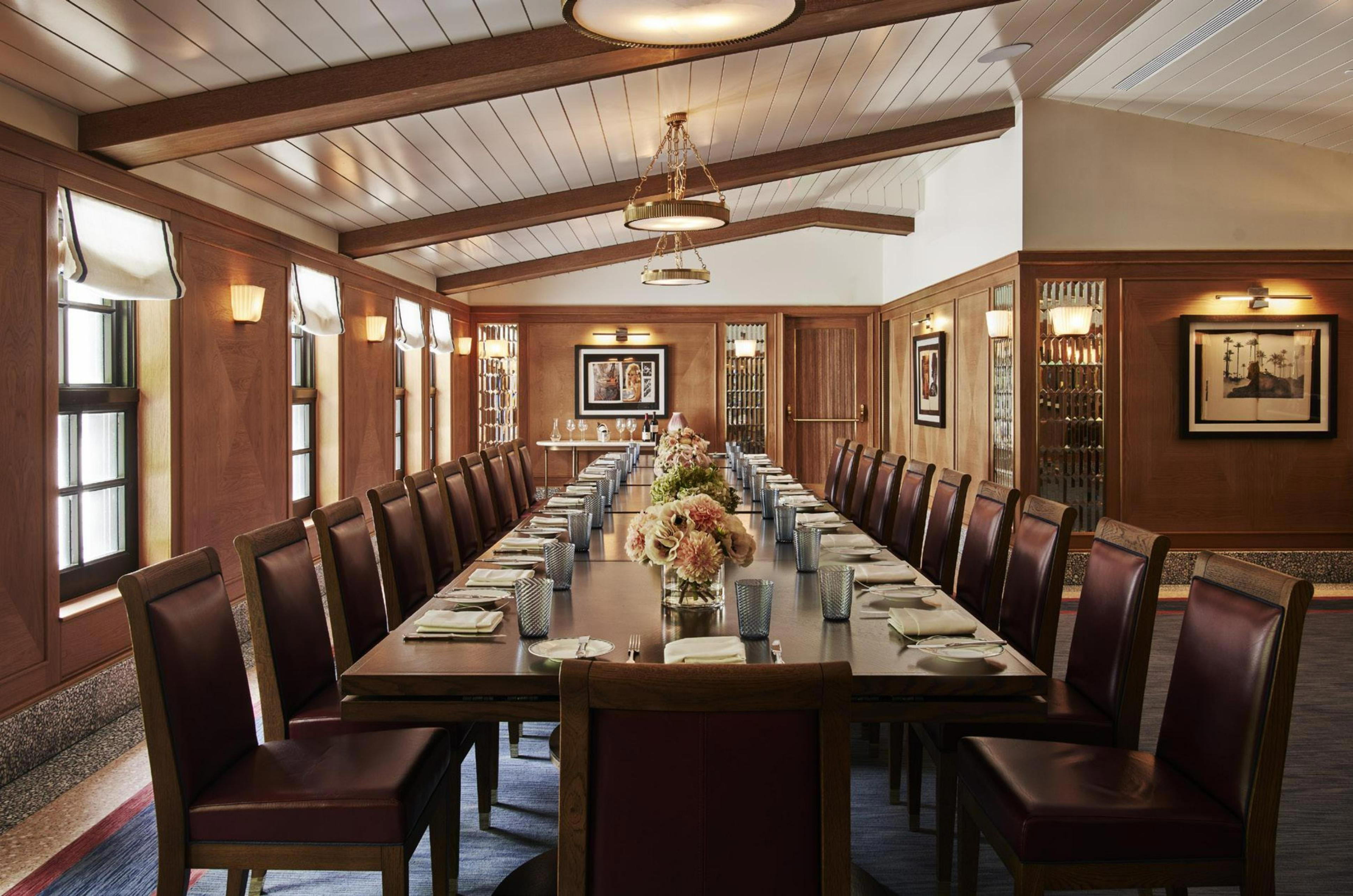
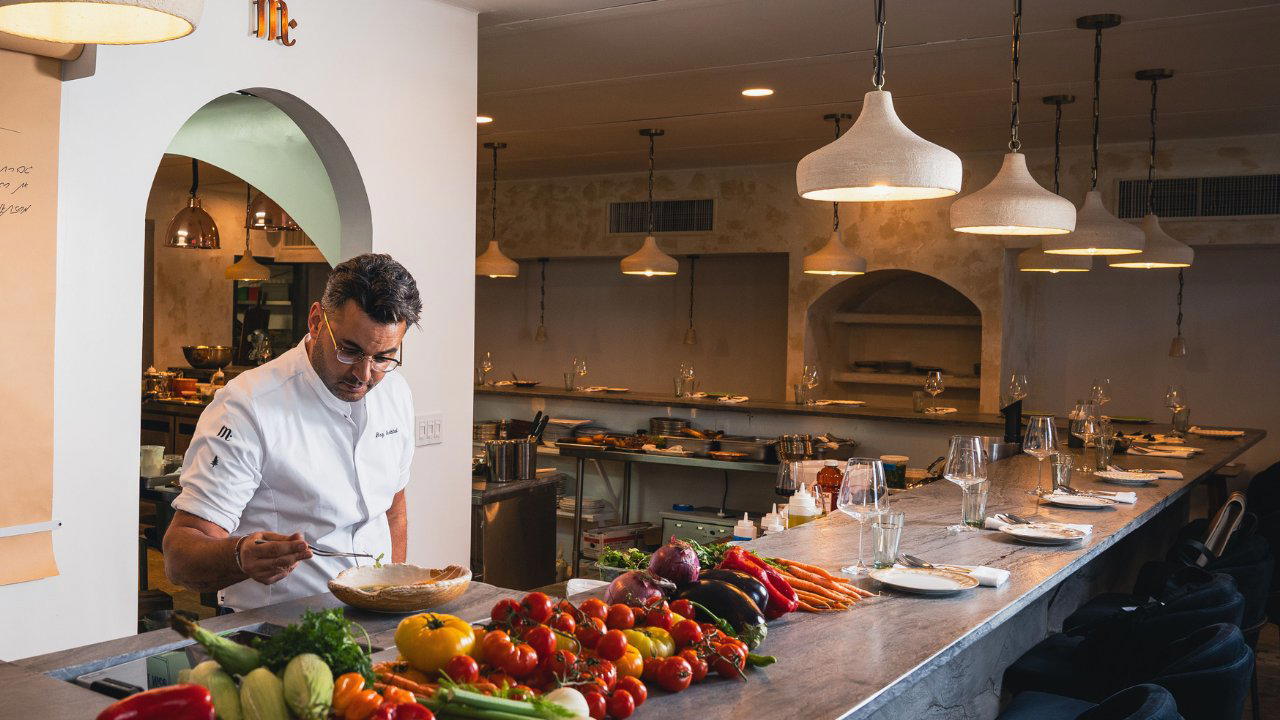
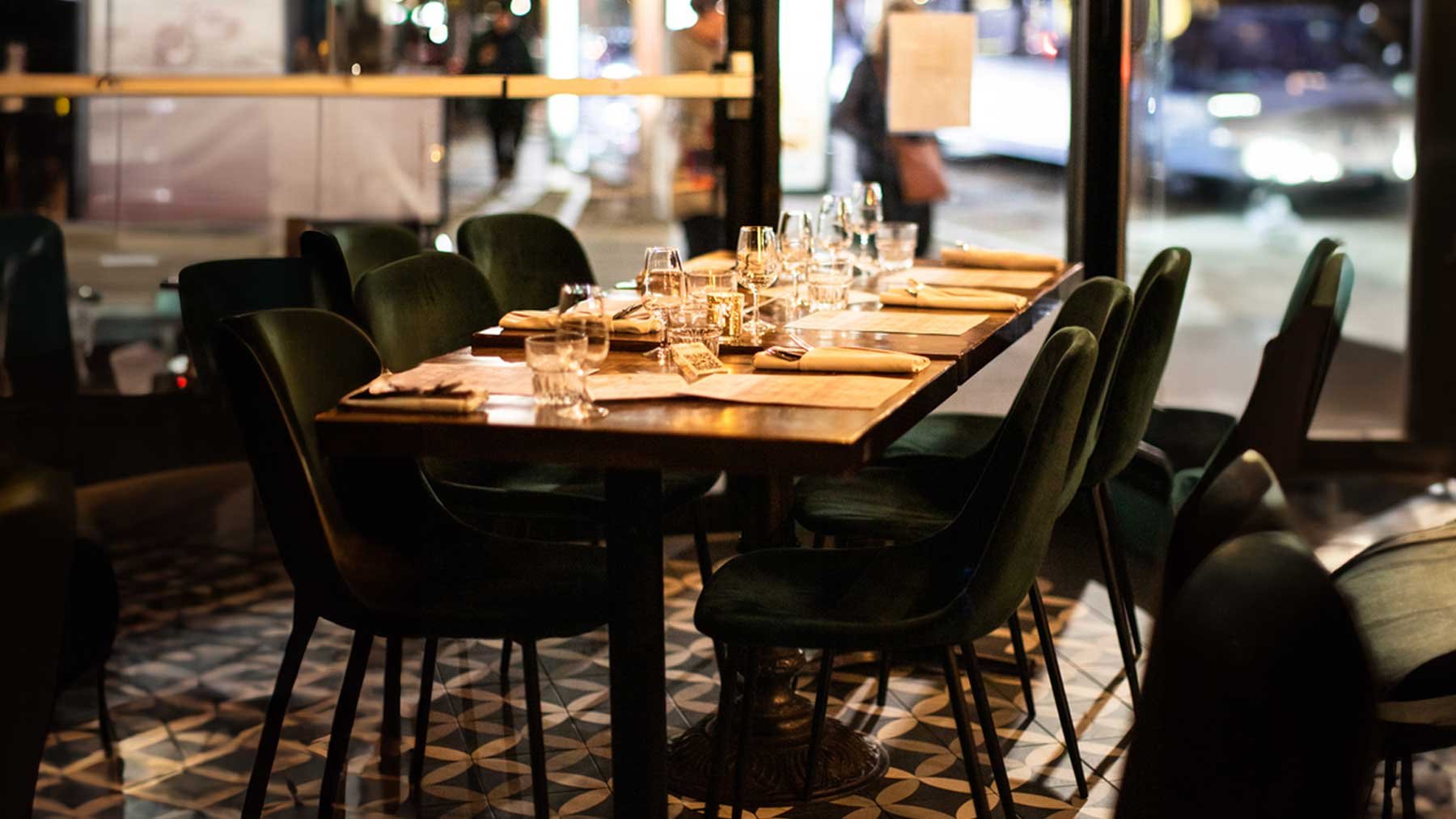
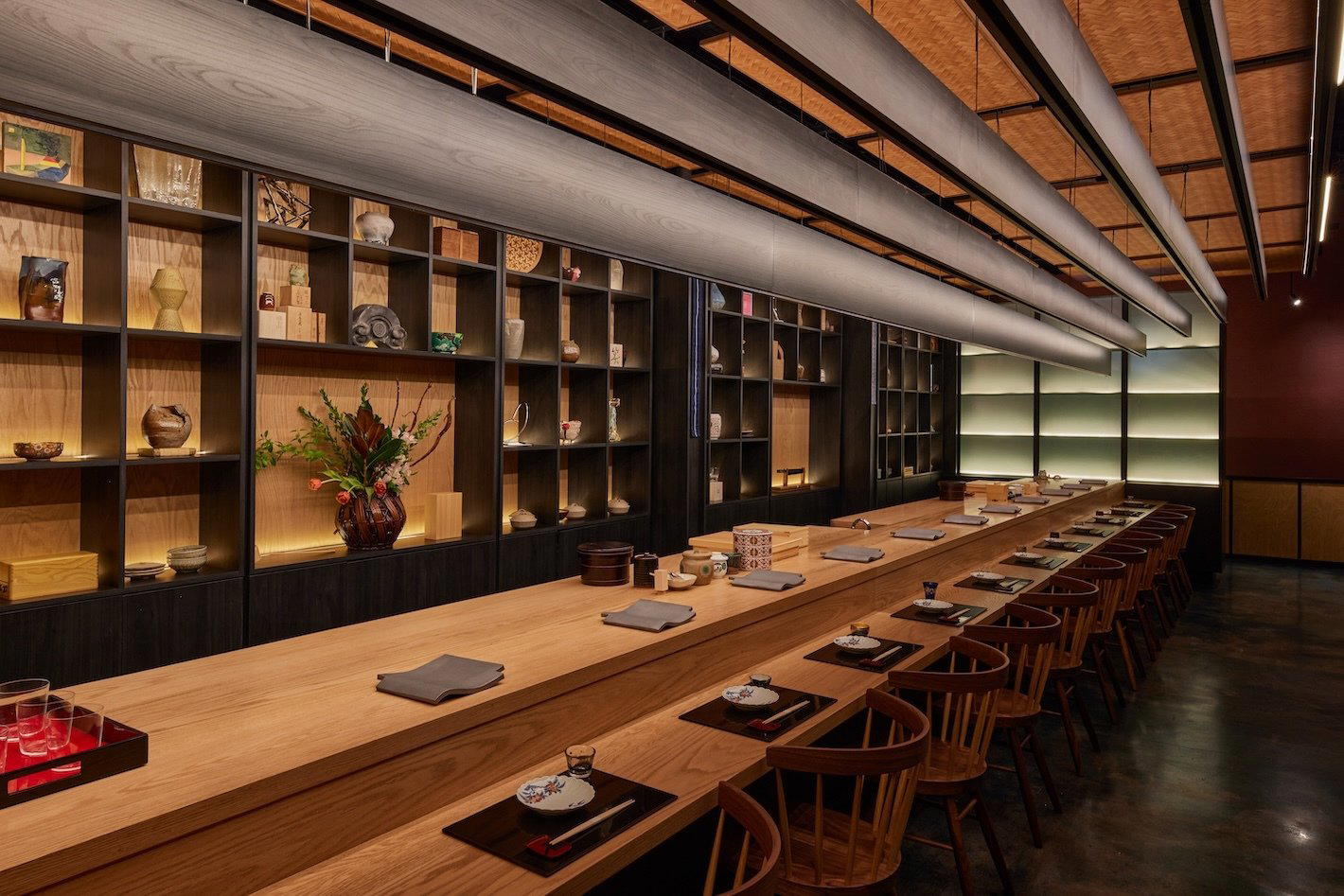
Bars in Miami
All bars in Miami →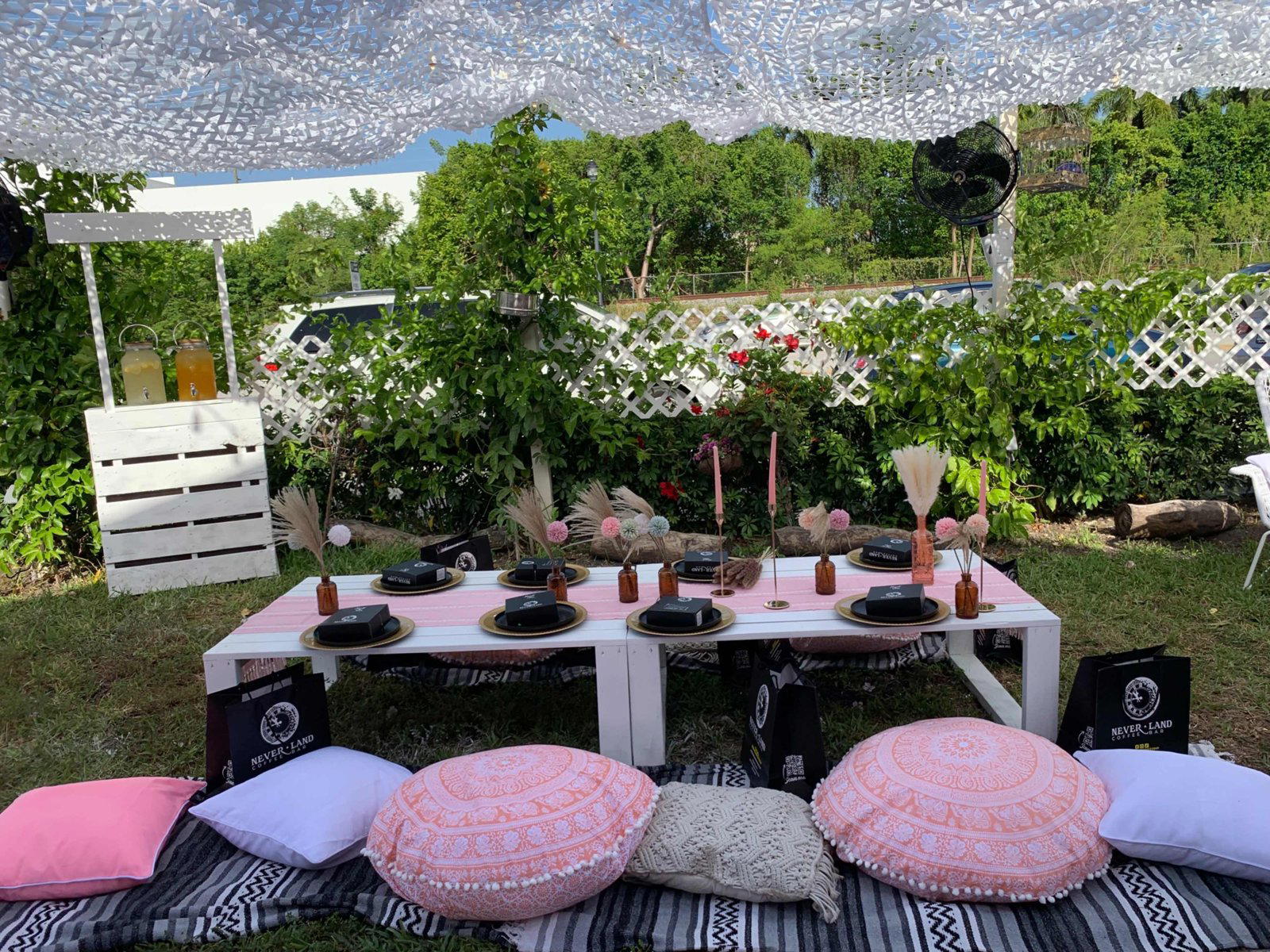
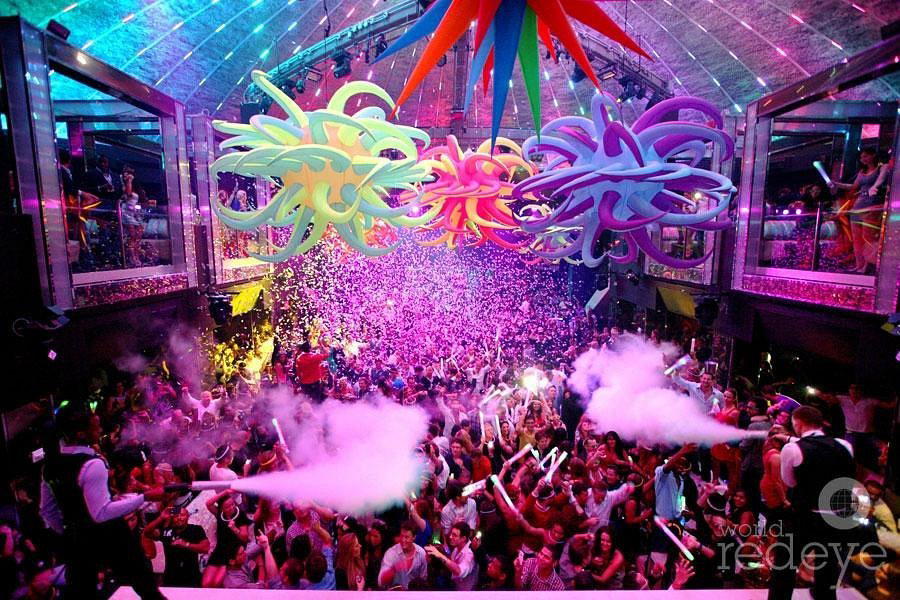
Makoto
The wine
Makoto holds the Wine Spectator Best of Award of Excellence, which Wine Spectator gives to lists of usually 350 or more selections.
- Wine program
- Curated wine list
- Wine Spectator
- Wine Spectator Best of Award of Excellence
- Selections
- 360
- Bottles in cellar
- 5,000
- List strengths
- France, California
- Wine director
- Ewa Ferguson
- Sake program
Details
- Elegant
- Sophisticated
- Modern
- Cozy
- Date Night
- Special Occasion
- Group Dining
- Open Kitchen
- Sake Program
- A La Carte
- Small Plates
- Sake Program
- Vegetarian Friendly
Current opening hours
- Monday
- 11:30 AM–11 PM
- Tuesday
- 11:30 AM–11 PM
- Wednesday
- 11:30 AM–11 PM
- Thursday
- 11:30 AM–11 PM
- Friday
- 11:30 AM–11 PM
- Saturday
- 11:30 AM–11 PM
- Sunday
- 11:30 AM–11 PM
Hours can change for holidays and private events. Last verified .
Dark, sleek room with understated elegance, cozy and inviting atmosphere, lively for dinner.