Odd Rabbit
Our verdict
The name signals intent: this is a kitchen that understands the traditions it bends. For Boulder diners who have graduated past standard omakase expectations, it represents a considered alternative to the city's dominant European and farm-to-table formats.

Pearl is the En Primeur Club membership app — saves, bookings, and concierge access live there. Same editors, same standards.
- Address
- 5863 Arapahoe Ave, Boulder, CO 80303
- Phone
- (720) 750-6577
- Hours
- Mon–Thu 4–9 PMFri–Sat 4–10 PMSun Closed
- Website
- odd-rabbit.com
- Directions
- Get directions
- Booking
- Book on Tock
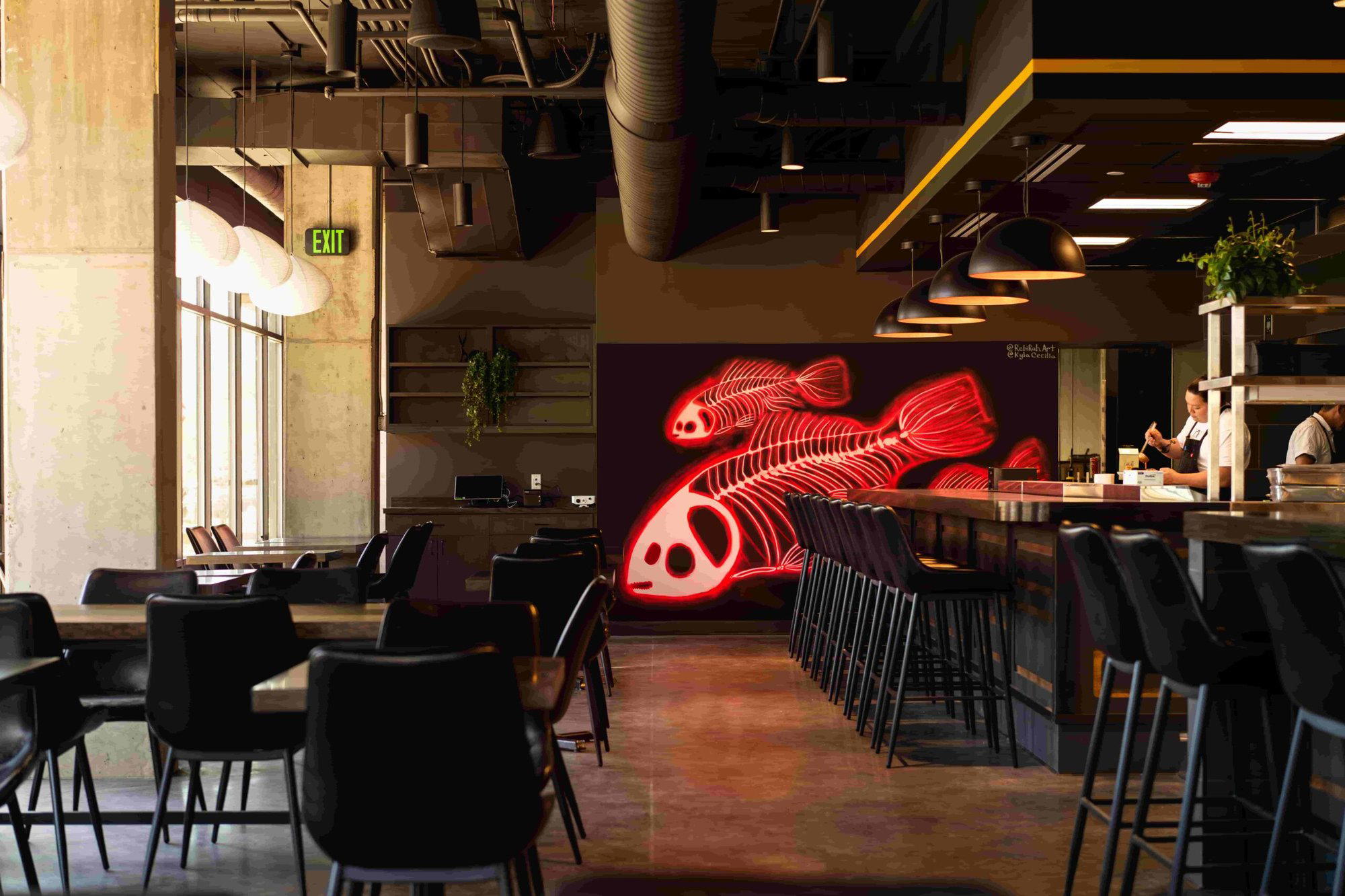
Where Sushi Orthodoxy Meets the Rockies
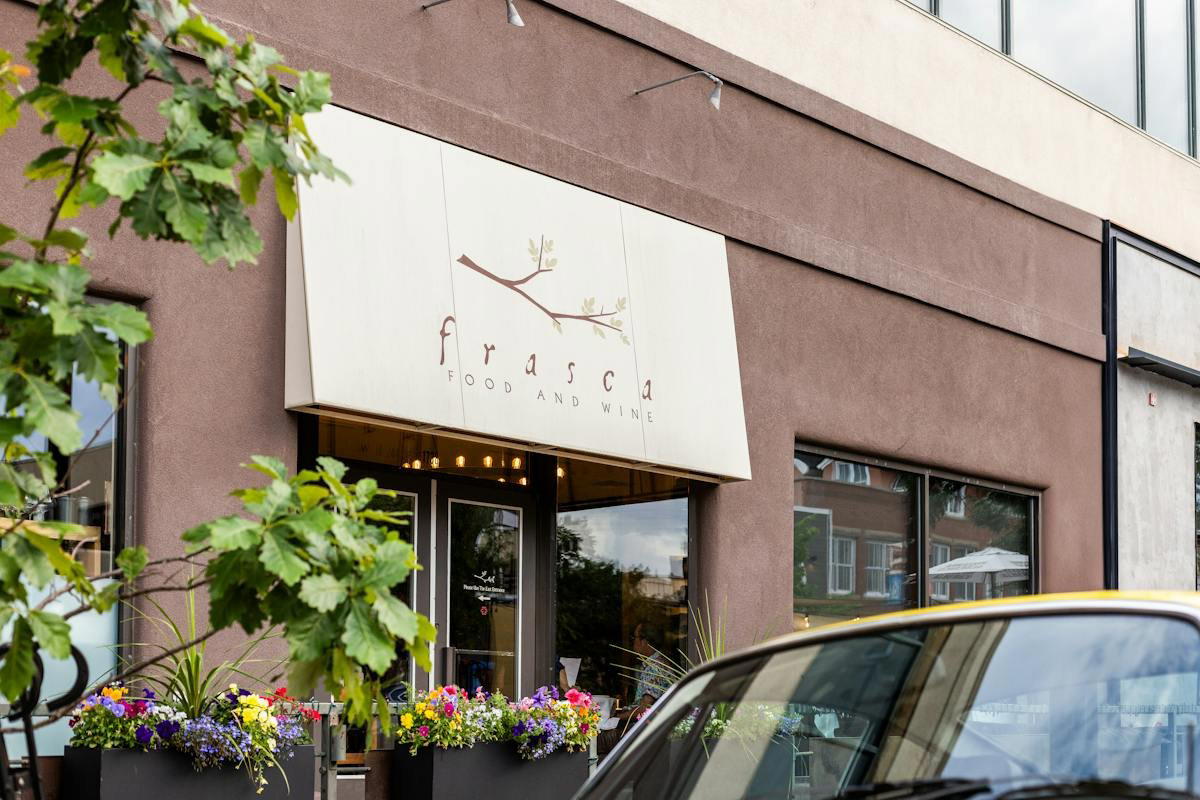
Boulder's restaurant culture has long organized itself around two poles: the European-trained fine dining typified by places like Frasca Food & Wine and the hyper-local American cooking visible at Blackbelly Market and Basta. Japanese cuisine, particularly sushi at any serious technical level, has occupied a narrower lane in this city. That makes Odd Rabbit Boulder's positioning — which the kitchen itself describes as "traditionally non-traditional" — worth reading carefully. It is not merely a sushi restaurant that happens to be in Colorado. It is a venue that has staked a deliberate place in a conversation about what classical Japanese technique means when it migrates far from its coastal American strongholds, let alone its origins.
The phrase "traditionally non-traditional" carries more weight than it first suggests. In the broader lexicon of contemporary Japanese-influenced dining, it signals a kitchen that has absorbed the shokunin ethos, the decades-long commitment to craft, the hierarchy of training, the idea that mastery is a precondition for deviation, before choosing where to depart from it. That sequence matters. The restaurants that have shaped how serious diners think about sushi outside Japan, from the omakase counters of Manhattan's lower east side to the precision-driven tasting menus of San Francisco, share a common thread: the chefs earned the right to break rules by first proving they understood them completely.
The Shokunin Thread and What It Means in Practice
Japanese culinary training operates on a timeline that Western kitchens rarely replicate. An apprentice sushi chef might spend years learning to cook rice before handling fish. The vocabulary for this, shokunin, the artisan who devotes a working life to a single discipline, has no clean English equivalent, which is partly why it keeps appearing untranslated in serious food writing. What it describes is a relationship to craft that treats the menu as the end product of years of invisible work, not the starting point.
When a kitchen positions itself as "traditionally non-traditional," that shokunin background is the implicit credential. The deviation is only legible if the tradition is understood. Venues that skip the foundational training and move straight to the "non-traditional" part tend to produce novelty rather than cuisine. The distinction is visible in the dining rooms of the restaurants that have set the reference points for this kind of cooking at the highest level, places like The French Laundry in Napa or Lazy Bear in San Francisco, where the license to experiment is always underwritten by documented technical depth. At Alinea in Chicago, Grant Achatz's classical Escoffier training is the foundation from which every piece of avant-garde plating becomes meaningful rather than arbitrary.
Odd Rabbit Boulder's self-description places it in that tradition of earned deviation. Whether the kitchen's specific lineage and training depth match that framing is something the diner will assess at the counter, but the vocabulary the venue has chosen for itself sets clear expectations and invites that scrutiny.
Boulder's Japanese Dining Context
Colorado's mountain cities have not historically developed deep Japanese dining ecosystems. Denver has the critical mass to support a wider range of formats, but Boulder's dining identity has centered on a different set of references: the locavore movement, European technique filtered through American produce, and an outdoor-culture clientele whose restaurant expectations sometimes skew casual even at higher price points. The contrast with cities like Le Bernardin's New York, where the audience for precise, technique-led cuisine has been built over decades, is real and shapes what any serious kitchen here has to work against.
That context makes venues like Odd Rabbit Boulder more significant to the local dining ecology than their footprint alone would suggest. A sushi-focused kitchen that takes tradition seriously, and then consciously departs from it, is doing something different from what Boulder Dushanbe Tea House or Bramble & Hare represent, even if all three occupy the upper register of the city's dining market. For the segment of Boulder diners who track what serious Japanese cooking looks like across the country, who have eaten at Single Thread Farm in Healdsburg or followed the conversation around omakase pricing in New York, there is now a local reference point that operates in a related register.
For comparison, the conversation around precision-led Japanese dining at the international level includes venues like 8½ Otto e Mezzo Bombana in Hong Kong and the long-standing authority of Alain Ducasse at Louis XV in Monte Carlo, both of which demonstrate how deeply classical training can anchor even radically distinctive menus. Boulder operates at a different scale, but the logic is the same.
What to Expect and How to Plan
Specific operational details for Odd Rabbit Boulder, including current pricing, seating format, and booking method, are best confirmed directly with the venue, as sushi-focused restaurants at this tier frequently adjust their formats seasonally or in response to demand. Boulder's serious dining tier, which includes Frasca and Blackbelly, operates with reservation windows of two to four weeks for standard sittings and longer for prime weekend slots; a kitchen with omakase or counter-led ambitions typically requires similar lead time, and Odd Rabbit Boulder is worth approaching with that assumption.
The broader Boulder dining calendar rewards planning regardless. Visitors combining the restaurant with the rest of the city's upper-tier scene should consult our full Boulder restaurants guide for context, and those building a longer itinerary can find paired recommendations across hotels, bars, wineries, and experiences in Boulder.
For visitors arriving from outside Colorado, Boulder sits roughly 45 minutes northwest of Denver International Airport by road. The restaurant itself is in Boulder proper; exact address and parking logistics are available through direct venue contact.
Frequently asked questions
How hard is it to get a table at Odd Rabbit Boulder?
Sushi-focused counter concepts in mid-size markets like Boulder tend to operate with limited seats, which can compress availability significantly. Reaching out in advance is advisable.
What's the standout thing about Odd Rabbit Boulder?
The standout quality is positional: Odd Rabbit brings a sushi-centered, technique-driven format to Boulder, a city without a historically deep Japanese dining ecosystem. Colorado's mountain cities have largely deferred to Denver for that range of cuisine, making a dedicated sushi counter in Boulder a notable gap-filler in the regional dining picture. The 'traditionally non-traditional' framing signals that the kitchen is making deliberate choices about where it departs from convention.
Continue exploring
More in Boulder
Restaurants in Boulder
Browse all →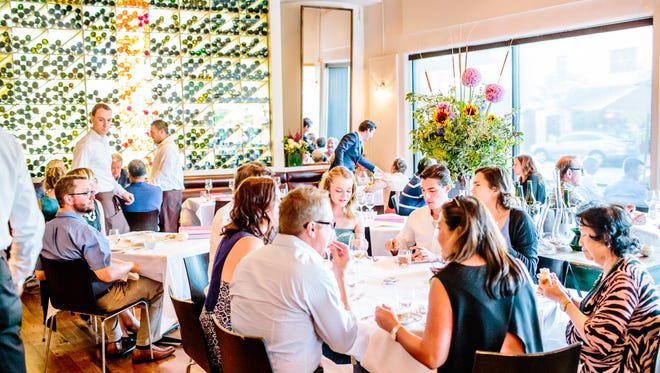
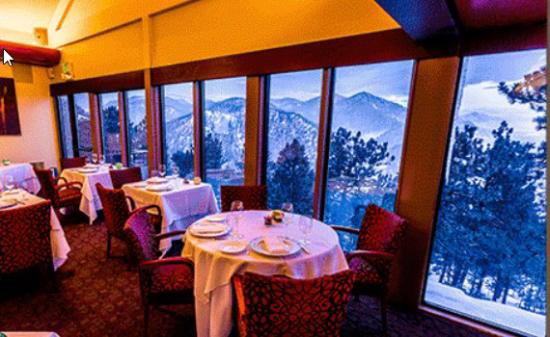
Bars in Boulder
Browse all →
Hotels in Boulder
Browse all →

Details
- Lively
- Industrial
- Trendy
- Whimsical
- Modern
- Date Night
- Casual Hangout
- After Work
- Group Dining
- Open Kitchen
- Standalone
- Design Destination
- Craft Cocktails
- A La Carte
- Small Plates
- Cocktails
Current opening hours
- Monday
- 4–9 PM
- Tuesday
- 4–9 PM
- Wednesday
- 4–9 PM
- Thursday
- 4–9 PM
- Friday
- 4–10 PM
- Saturday
- 4–10 PM
- Sunday
- Closed
Hours can change for holidays and private events. Last verified .
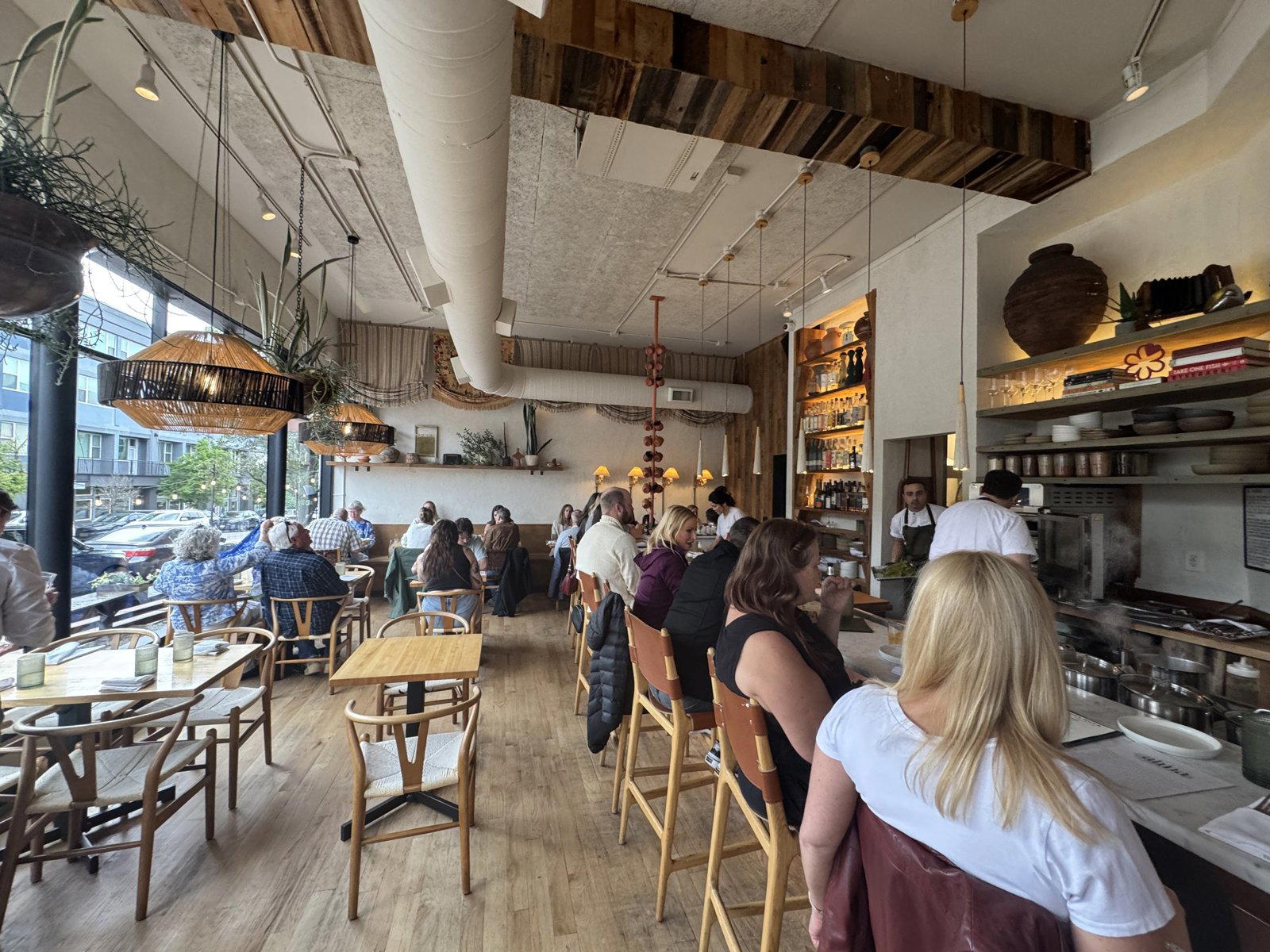
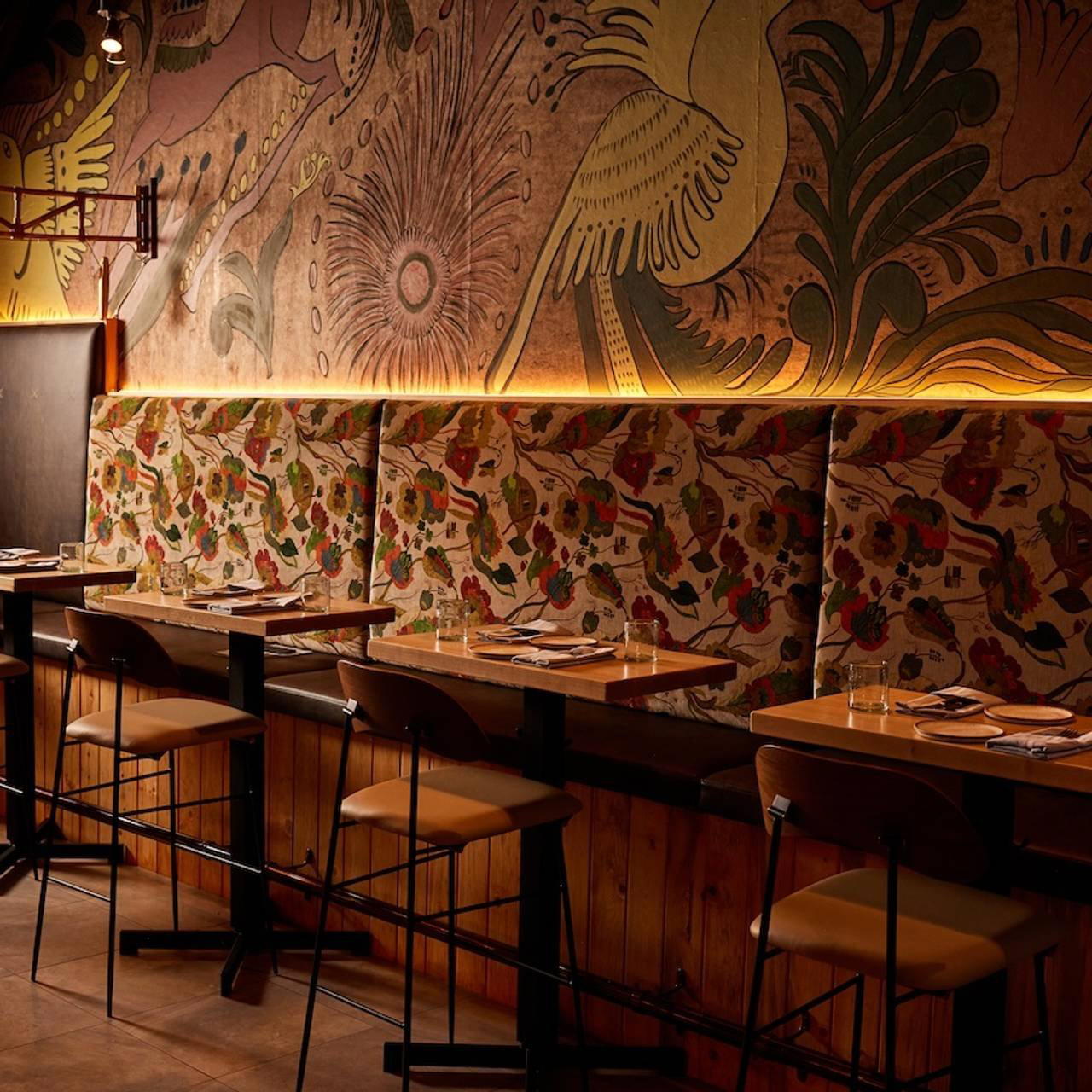
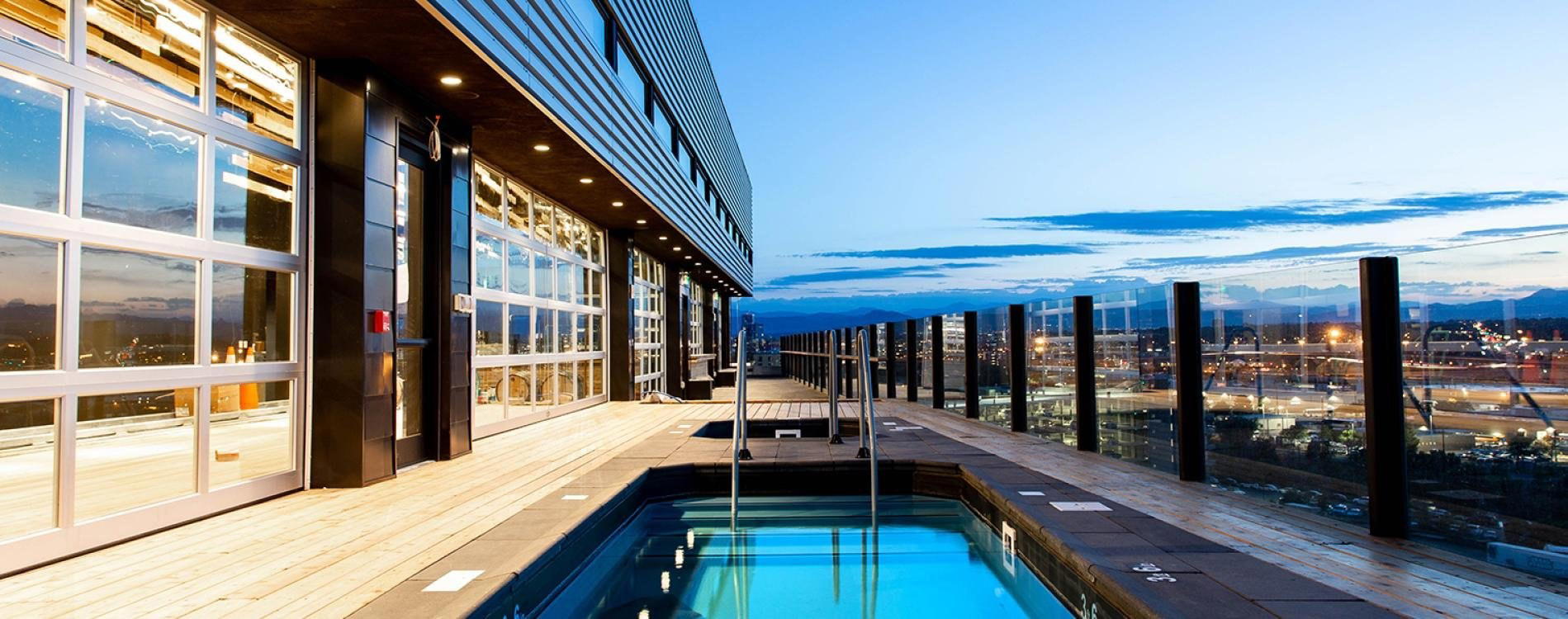
Fun and upscale with an industrial interior, concrete columns, dark furnishings, an open kitchen and a striking red neon fish mural.