
Osaka’s curry culture rewards small counters, quick pacing, and serious attention to stock as much as spice. Odashi to Spice Ganso Electroni Curry fits that ritual-driven end of the city’s casual dining spectrum: a seven-seat curry shop in Miyakojima Ward with Tabelog Curry WEST 100 selections in 2023 and 2024, priced in the everyday JPY 1,000–1,999 bracket.
Pearl is the En Primeur Club membership app — saves, bookings, and concierge access live there. Same editors, same standards.
- Address
- 3 Chome-5-13 Nakanocho, Miyakojima Ward, Osaka, 534-0027, Japan
- Phone
- +81 6-7708-1833
- Website
- ganso.electronicurry.com
 Saves & bookings on Pearl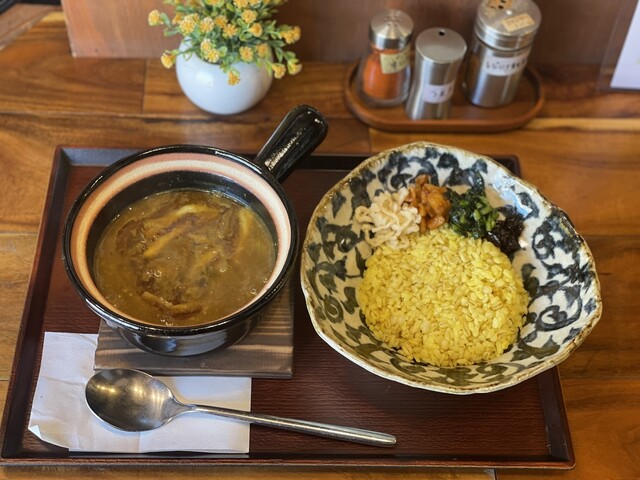
The approach to Osaka curry is rarely ceremonial in the kaiseki sense, yet it has its own code: queue, choose, eat while the plate is at its peak, then make room for the next diner. In Miyakojima Ward, Odashi to Spice Ganso Electroni Curry belongs to that compact counter tradition, where the room’s scale matters as much as the cooking category. Seven seats turn lunch or dinner into a paced exchange rather than a long restaurant sitting, and that format suits a city where serious food often hides inside ordinary price bands.
Osaka has long been skilled at making low-cost eating feel exacting. The city’s casual canon runs from pork buns and okonomiyaki to curry counters, bakeries, cafés, izakaya, and specialist set-meal rooms. This shop sits in the curry branch of that system, with Tabelog Curry WEST 100 selections in 2023 and 2024 giving it a credential that matters locally: not a luxury badge, but a signal that the category has been judged against other curry specialists across western Japan.
Osaka curry as a short, disciplined meal
The name points to two poles of Japanese curry culture: odashi, the stock-based foundation that links the dish to broader washoku habits, and spice, the imported grammar that curry shops interpret with house technique. That pairing is not unusual in Kansai, but it explains why curry in Osaka can feel closer to a daily ritual than a novelty format. The meal is built for concentration. There is no sprawling dégustation arc, no wine-pairing theatre, and no need for a grand room. The value sits in how a single plate carries balance, heat, aroma, texture, and rice.
That is also why recognition in the curry category reads differently from recognition in fine dining. A Tabelog 3.65 score and WEST 100 inclusion place the restaurant inside a competitive casual tier, where repetition and consistency count heavily. The price band, JPY 1,000–1,999, keeps it in the everyday Osaka register, closer in spirit to a precise lunch counter than to an occasion restaurant. Against in-city casual peers such as Hana, Washington Shokudo, and Tonpito Torino Koryu Masu, the distinction is category focus: curry is the point, not a menu section among many.
The seven-seat format sharpens the etiquette. Small curry counters in Japan tend to reward decisiveness, low-volume conversation, and an awareness of turnover. The diner’s role is simple: arrive ready, order without turning the counter into a committee meeting, and treat the plate as the main event. In Osaka, that rhythm is part of the pleasure. The city has little patience for inflated formality when the cooking is direct.
Where it fits in Miyakojima's practical dining map
Miyakojima Ward does not perform for visitors in the same way as Dotonbori or Umeda. Its dining appeal is more local, more useful, and less dependent on neon shorthand. Kyobashi nearby gives the area a commuter pulse: places for solo meals, small groups, quick dinners, and narrow rooms with regulars rather than destination theatrics. A curry shop here reads naturally. It is not trying to become a grand Osaka address; it belongs to the ward-level eating culture that keeps the city interesting beyond the sightseeing corridor.
That context matters for travelers building a sharper Osaka itinerary. Pairing a counter curry meal with broader city eating gives a truer picture than chasing only high-spend reservations. For bakery and café context, EP Club’s Osaka coverage includes 52CHO-ME BAKERY and .cafe. For the city’s famous casual queue culture, 551 Horai (551蓬莱) sits in a different, more mass-market lane. For sit-down European cooking, a canto (Italian) and 99 Pizza Napoletana Gourmet show how Osaka absorbs foreign formats without losing its appetite for informality.
Within that spread, Odashi to Spice Ganso Electroni Curry is useful because it clarifies a local truth: Osaka dining does not need high ceremony to be serious. The no-smoking policy, take-out and delivery options, and small seating count all point to a working restaurant rather than a staged tasting room. Credit cards, transport IC cards, and QR payments widen access, but the experience remains counter-led and compact.
The ritual is the point, not the extras
The strongest reason to go is not breadth. It is the discipline of a narrow format executed inside a recognized curry category. Osaka rewards diners who understand that distinction. A seven-seat curry counter with repeat Tabelog Curry WEST 100 selection asks for a different mindset than an izakaya such as Hachidori or a sushi room such as 鮓 きずな. The decision is not between luxury and economy; it is between meal types. Here, the appeal lies in a focused plate, a quick rhythm, and the way dashi-driven Japanese curry can feel grounded in local habits while using a spice vocabulary with wider roots.
For readers planning beyond one meal, use Our full Osaka restaurants guide as the main city map, then layer in Our full Osaka hotels guide, Our full Osaka bars guide, Our full Osaka wineries guide, and Our full Osaka experiences guide for the rest of the trip. Japan’s specialist casual dining culture also becomes clearer when set beside other focused addresses, from [Curry Senmon Ten] Maruyama Kyoju. in Sapporo and [ki:] in Kyoto to.know in Kumamoto, (Shoku) Vietnam in Kawasaki, -Grilled beef Sukiyaki- KAMAKURA TANUKIAN 鎌倉 たぬき庵 in Kamakura, and. 鮪と炭火焼き うお炭 秋葉原店 in Tokyo. For a wider Japanese-food lens abroad, Jōdo Saké Bar in Los Angeles and Onigiri Time in Pasadena show how the same preference for defined formats travels.
The critical read is clear: this is a small Osaka curry counter with enough recognition to justify crossing town, but its value depends on liking the ritual. Diners seeking a lingering room, broad menu, or chef-led narrative should look elsewhere. Diners interested in the city’s compact, category-specific food culture will understand the appeal quickly.
The Minimal Set
Side-by-side context: comparable cuisine and price.
| Venue | Cuisine | Price | Notes |
|---|---|---|---|
| Odashi to Spice Ganso Electroni CurryThis venue — the venue you are viewing | Not listed | $$ | Not listed |
| Rakuraku Udon | Katano, Handmade Udon | $$ | Not listed |
| Ganesh m Kitahama ten | Not listed | $$ | Chūō, Specialty Japanese curry house with global curry influences |
| Yoshoku Teshima | Not listed | $$ | Nishi, Japanese-Style Western (Yoshoku) Hamburg & Mixed Fry |
| Usagi to Boku | Not listed | $$ | Abeno, Home-roasted Japanese coffee & light cafe bites |
| Kissa Ichi | Senri Chuo, Japanese Kissaten | $$ | Not listed |
Recognition history
Dated appearances from independent guides and award organizations, with the underlying list record or original source where available.
Tabelog 100 #22 · No. 22
Tabelog · Tabelog 100 - Curry - WEST - 2024
Continue exploring
More in Osaka
Restaurants in Osaka
Browse all →




Bars in Osaka
Browse all →




Hotels in Osaka
Browse all →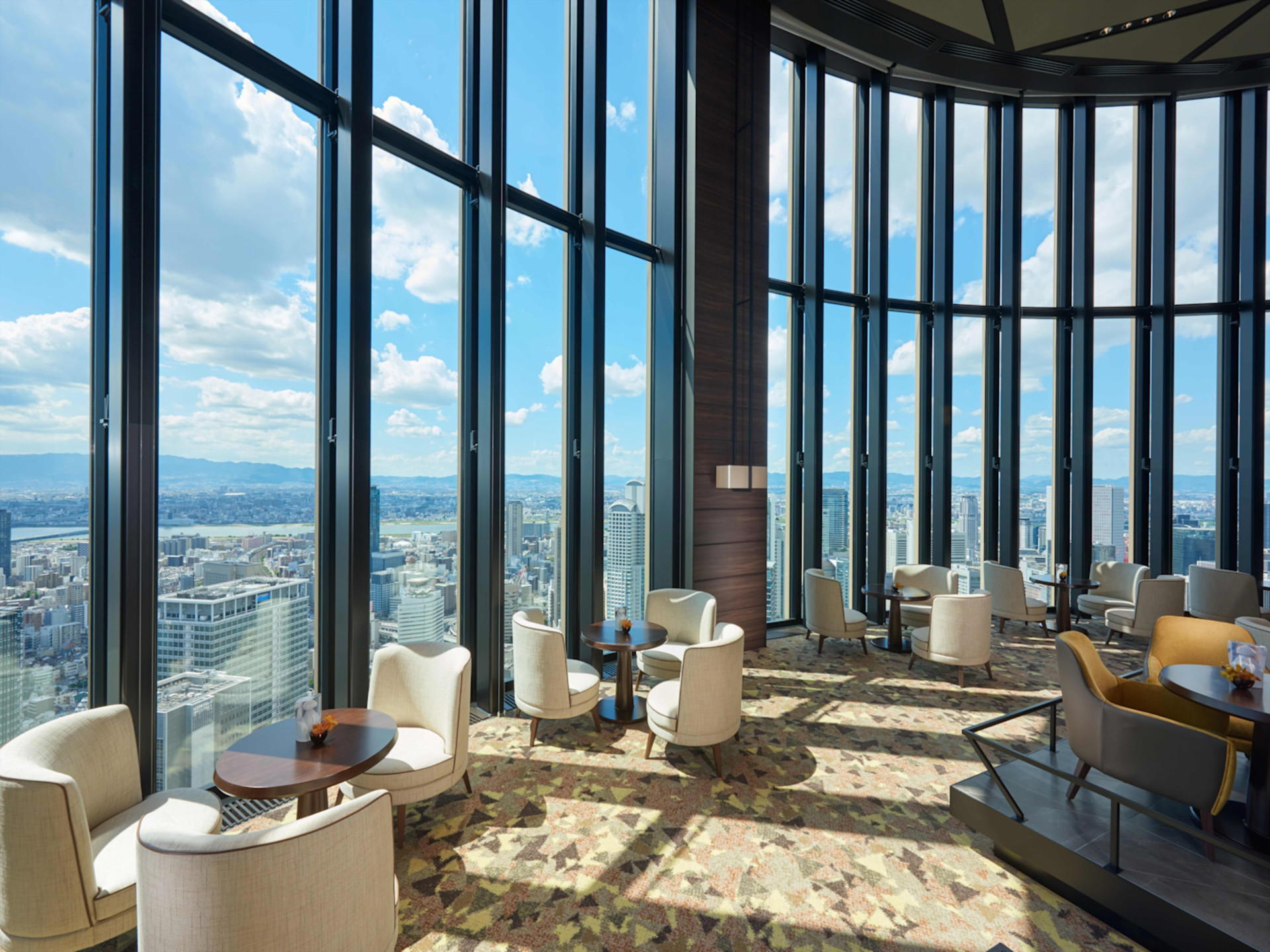




Wineries in Osaka
Browse all →
At a Glance
- Cozy
- Modern
- Trendy
- Solo
- Casual Hangout
- After Work
- Standalone
- Design Destination
Current opening hours
- Monday
- Closed
- Tuesday
- Closed
- Wednesday
- 11:30 AM–2:30 PM, 6–8:30 PM
- Thursday
- 11:30 AM–2:30 PM, 6–8:30 PM
- Friday
- 11:30 AM–2:30 PM, 6–8:30 PM
- Saturday
- 11:30 AM–2:30 PM, 6–8:30 PM
- Sunday
- 11:30 AM–2:30 PM, 6–8:30 PM
Hours can change for holidays and private events. Last verified .
A small, modern curry shop with simple decor and a relaxed, intimate feel, focused on the sensory experience of hot dashi curry and side dishes rather than formal dining.