Ocotillo
On a stretch of North 3rd Street that anchors Phoenix's Midtown restaurant corridor, Ocotillo occupies the kind of space where the room and the service feel calibrated to work together rather than compete. The kitchen draws on Arizona's cross-border larder, the front-of-house operates with genuine fluency, and the result is a dinner that reads as a collective effort rather than a solo performance.
Pearl is the En Primeur Club membership app — saves, bookings, and concierge access live there. Same editors, same standards.
- Address
- 3243 N 3rd St, Phoenix, AZ 85012
- Phone
- +16026879080
- Website
- ocotillophx.com
- Directions
- Get directions
 Saves & bookings on Pearl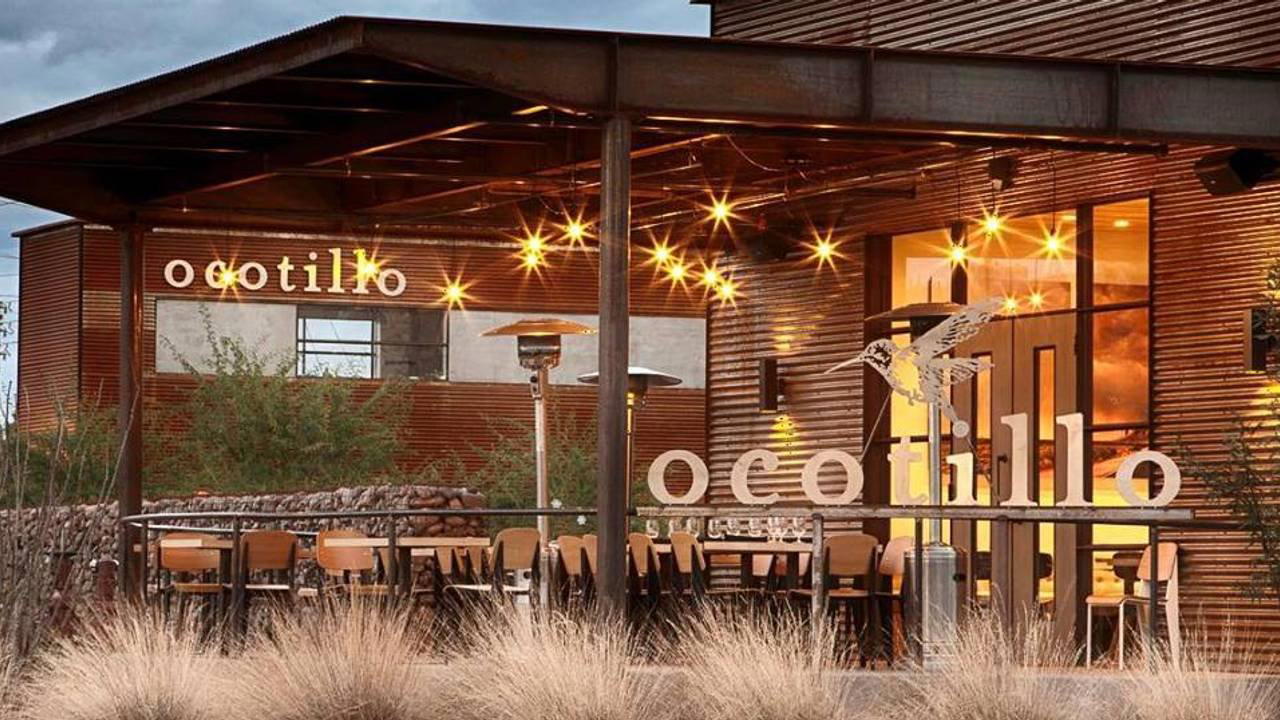
A Dining Room Where the Room Does Work
Midtown Phoenix has spent the better part of a decade sorting itself into a recognizable dining district, and North 3rd Street has become one of its more reliable coordinates. Ocotillo sits at 3243 N 3rd St, a few minutes from the Central Arts District and within reach of both the light rail corridor and the hotel clusters that feed downtown. The address matters because it places the restaurant at a midpoint between Phoenix's historic core and the newer residential density pushing north, which in turn shapes who fills the room on any given evening: locals with a regular table, visitors from the nearby hotel strip, and the occasional industry crowd that gravitates toward restaurants with consistent kitchen discipline.
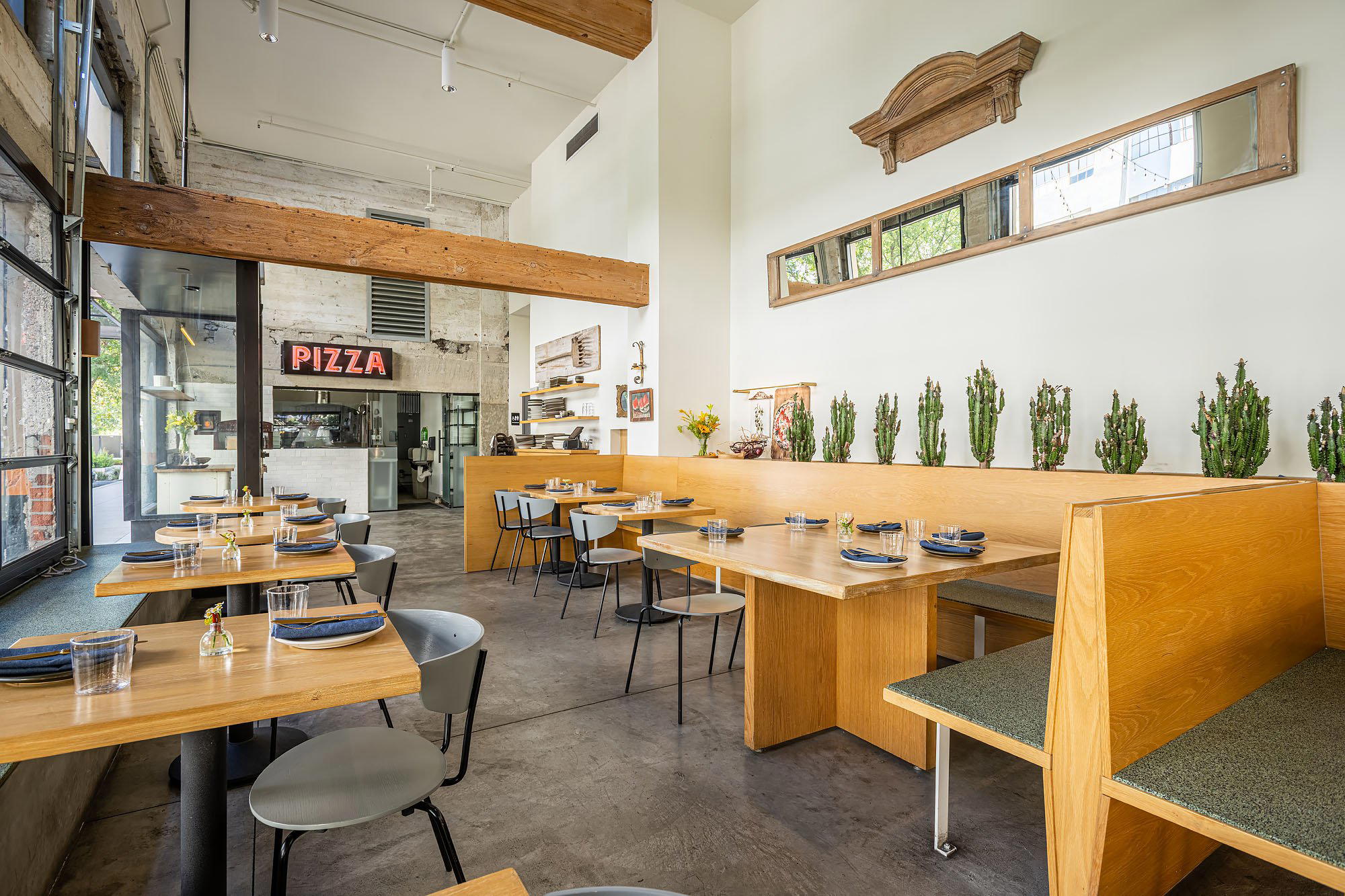
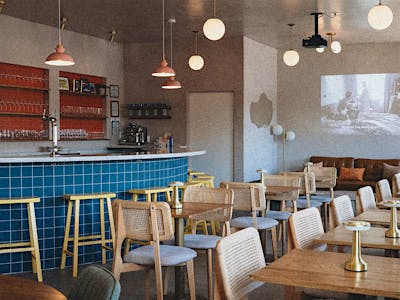
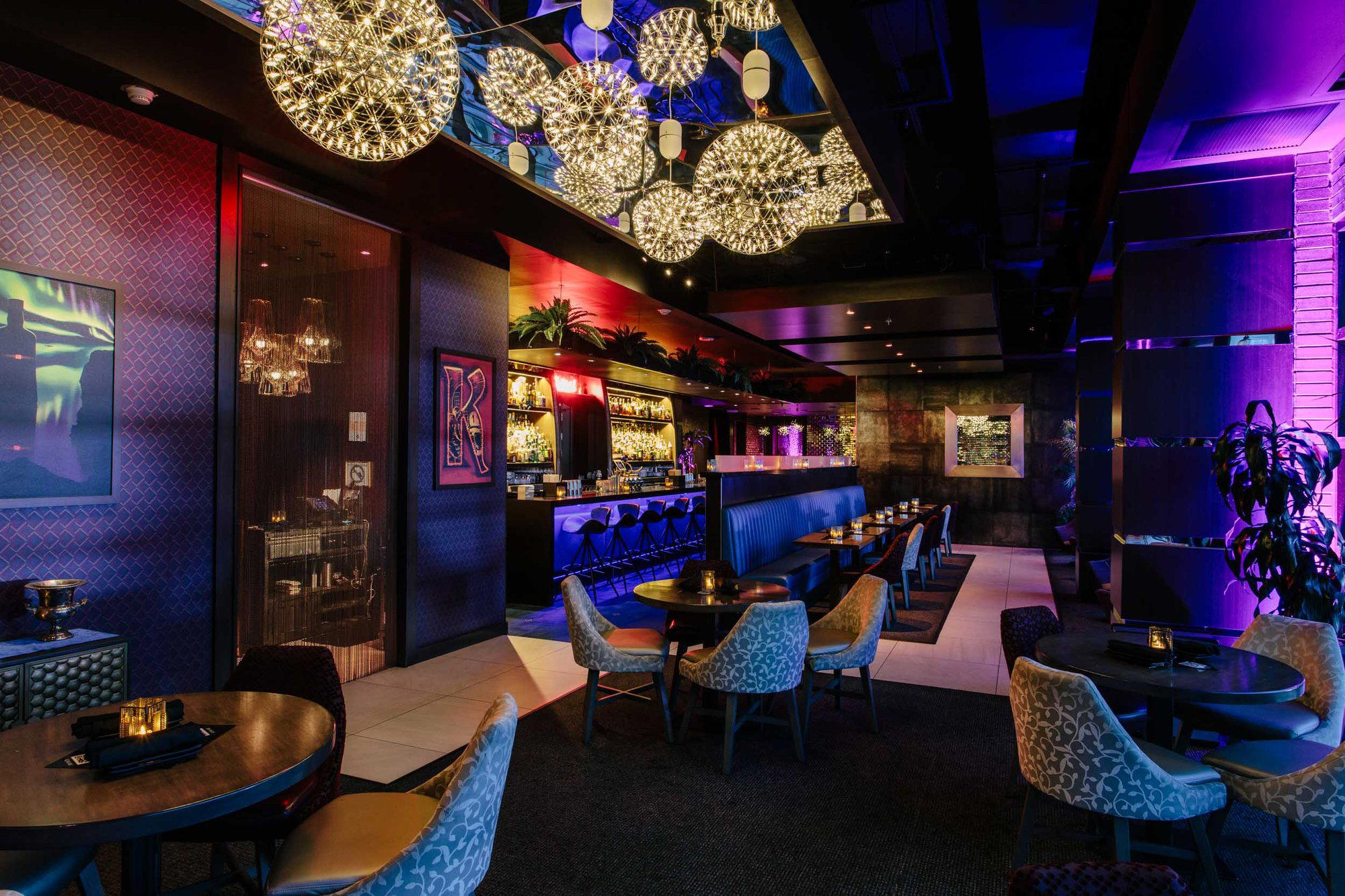
In Phoenix's current restaurant scene, the physical environment of a dining room carries more competitive weight than it did a decade ago. The city has added a substantial number of chef-driven rooms since roughly 2015, and the ones that hold attention tend to solve the same problem: how to feel warm without feeling casual, ambitious without feeling precious. The indoor-outdoor format that Ocotillo employs suits the Phoenix climate in a way that restaurants in rain-heavy cities cannot replicate so easily. For eight or nine months of the year, the threshold between inside and outside becomes a genuine part of the room rather than a seasonal footnote.
The Logic of a Collaborative Kitchen
American fine dining has been renegotiating the relationship between its constituent parts for some years now. The era of the singular chef-as-auteur, where the rest of the team existed to execute a single vision, has given way in many of the country's stronger rooms to something more genuinely distributed. Operations like Single Thread Farm in Healdsburg and Lazy Bear in San Francisco have built their reputations partly on the coherence between kitchen, floor, and beverage program, treating those three elements as a single argument rather than separate departments. At the other end of the formality spectrum, the same principle applies: rooms where the sommelier knows what the kitchen is doing tonight, and where the front-of-house can articulate why a dish is constructed the way it is, deliver a different quality of experience than rooms where those functions operate in parallel but not in dialogue.
Ocotillo operates in that collaborative register. The floor reads the room rather than performing for it, and the beverage program, from what Phoenix regulars report, tracks the kitchen's direction rather than running independently. This kind of integration is harder to sustain than it looks. It requires consistent communication during service, a shared vocabulary between the kitchen and the floor, and front-of-house staff who are trained to hold a conversation about the food rather than simply deliver it. In a city where Phoenix's dining culture has historically skewed toward high-volume operations and resort-anchored hotel dining, a mid-scale room that takes service craft seriously occupies a distinct position.
Arizona's Cross-Border Larder
Phoenix sits at a productive intersection for American regional cooking. Sonoran culinary traditions flow across the border in both directions, and the state's agriculture, from citrus in the Salt River Valley to cattle across the high desert, gives kitchens access to a larder that is genuinely regional rather than assembled from national distribution networks. Restaurants like Bacanora have built their entire identity around Sonoran ingredients and technique, demonstrating that the regional tradition is deep enough to support serious kitchen ambition without reaching for European frameworks. Vincent Guerithault on Camelback, one of Phoenix's older fine-dining institutions, solved the same problem decades earlier by grafting French technique onto Southwestern ingredients, a model that still reads as coherent today.
Ocotillo draws on this same geographic logic. The menu positions itself within an American idiom that takes regional sourcing as a starting point rather than a marketing note. In a broader national context, this places the restaurant in the tradition of farm-to-table American cooking that places like Blue Hill at Stone Barns in Tarrytown have pushed furthest, though at a very different scale and price point. The local version is less ceremonial, more direct, and shaped by an ingredient palette that is specifically Arizonan.
Where Ocotillo Sits in the Phoenix Dining Tier
Phoenix's restaurant market has stratified over the past several years into reasonably distinct tiers. At one end, the resort corridor, particularly along Camelback and in Scottsdale, hosts high-spend destination dining tied to hotel infrastructure. At the other, a strong casual tier has developed, with operators like Pane Bianco and Lom Wong representing the kind of focused, single-minded operations that have built durable local audiences. In the middle sits a smaller group of rooms that are neither resort-anchored nor aggressively casual: places where the kitchen is genuinely ambitious and the room is designed to support a full dinner, but where the atmosphere stays accessible rather than formal.
Ocotillo occupies that middle tier with some confidence. Its competitive set is the growing cluster of American regional rooms that have found a sustainable position between resort dining and casual neighborhood eating, rooms where the investment in ingredients, service training, and beverage curation is real but the dress code and ceremony are not. In that cohort, Ocotillo has built a reliable reputation among Phoenix regulars. For a broader reading of where it sits in the city's dining picture, our full Phoenix restaurants guide maps the tiers in more detail.
Planning a Visit
Ocotillo is located at 3243 N 3rd St in Phoenix's Midtown corridor, walkable from the light rail and drivable from most of the city's hotel clusters. The room's indoor-outdoor configuration means the experience shifts meaningfully with season: the cooler months between October and April represent the strongest window for outdoor seating, while summer service consolidates toward the interior. Booking ahead is advisable, particularly for weekend evenings and during the high-season winter months when Phoenix's visitor population increases substantially. The restaurant has become a regular on the local dining circuit, which means tables at prime times move quickly. For context on the broader neighborhood and how Ocotillo fits into the area's dining options, the North 3rd Street corridor also hosts a range of formats from quick-service to full-service, making it a reasonable anchor for an evening that might start or end elsewhere.








At a Glance
- Trendy
- Modern
- Lively
- Scenic
- Brunch
- Date Night
- Casual Hangout
- Group Dining
- Live Music
- Garden
- Open Kitchen
- Craft Cocktails
- Beer Program
- Local Sourcing
- Garden
Current opening hours
- Monday
- 4–9 PM
- Tuesday
- 4–9 PM
- Wednesday
- 4–9 PM
- Thursday
- 4–9 PM
- Friday
- 4–10 PM
- Saturday
- 10 AM–10 PM
- Sunday
- 10 AM–3 PM
Hours can change for holidays and private events. Last verified .
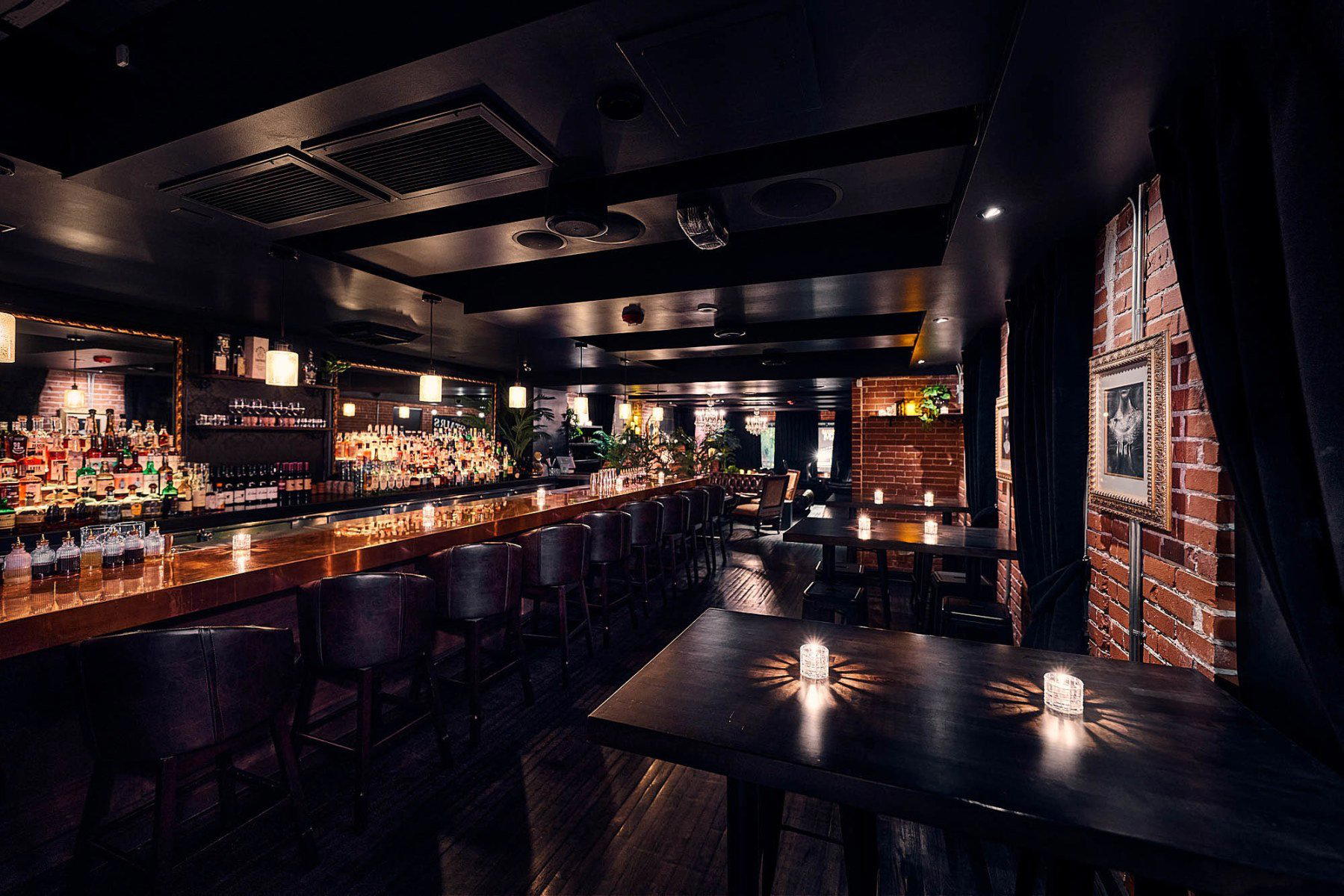
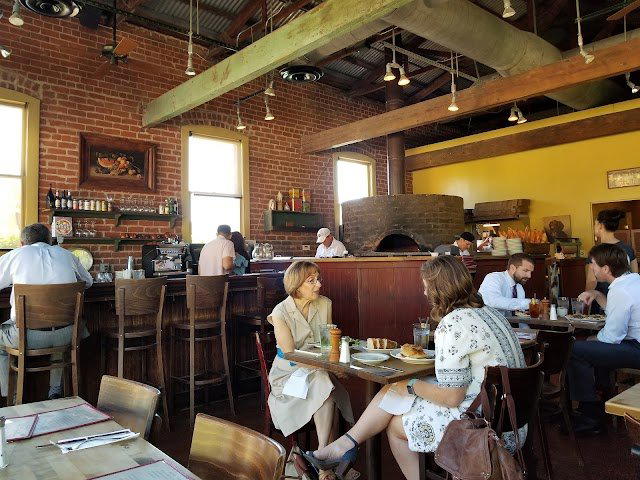
Lively energy in a cavernous indoor space with park-like outdoor areas surrounded by seasonal desert flora.
Know Before You Go
- Getting there
- 3243 N 3rd St, Phoenix, AZ 85012