
Tabelog 100 #70
Our verdict
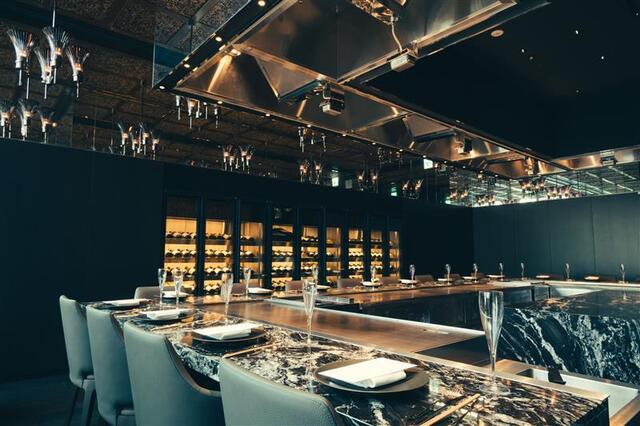
Ochiai Rou Steak House Tokyo brings the teppanyaki counter into Azabudai Hills’ polished dining orbit, with 16 counter seats and selection for Tabelog Steak・Teppanyaki EAST “Tabelog 100” 2025. The appeal is ritual rather than spectacle: a compact room, chef-facing service, wine-minded drinking, and a format built for diners who want the meal’s pacing to matter as much as the beef.

Pearl is the En Primeur Club membership app, where members save venues, book tables and use the concierge.
The menu
What to order
- Full-course Wagyu steak menu
- Teppanyaki Japanese black beef
- Creative Western teppanyaki courses
Tokyo has changed how diners read its premium restaurant landscape: less as a set of isolated destinations than as a dense field of counters, rooms, and specialist formats where polish meets Japanese hospitality. Here, teppanyaki carries a social code. The grill is the room’s center of gravity, turning timing, posture, heat, and conversation into part of the meal.
That frames Ochiai Rou Steak House Tokyo. It is best understood as a focused, counter-oriented experience rather than a broad hotel-style dinner. Its 2025 recognition from Tabelog Hyakumeiten gives it a concrete place in Tokyo’s teppanyaki conversation, especially for diners comparing newer-feeling city dining rooms with longer-established counters.
A teppanyaki counter built around ceremony, not theatre
Tokyo teppanyaki often leans two ways. One treats the iron plate as performance, with flame, gesture, and a room built to impress groups. The other is quieter and more Japanese in discipline: ingredients move across heat in sequence, service adjusts to the counter’s pace, and attention matters more than noise. Ochiai Rou Steak House Tokyo reads closer to the latter camp.
In Tokyo, counter dining is not just seating; it changes the contract between kitchen and guest. At sushi, tempura, yakitori, and teppanyaki counters, diners watch decisions happen in real time: when something is turned, rested, sliced, plated, or held back. That closeness rewards patience and is less forgiving of rushed conversation, late arrivals, or guests expecting a private-table rhythm.
Within Tokyo, this gives the restaurant a sharper identity. The city also holds luxury-led dining in other registers, from Yoroniku Azabudai Hills to Sushi Saitou Azabudai, where the mood sits far above casual dining. Mudai occupies another ambitious tier. In that context, a compact teppanyaki counter is a narrower proposition: not the city’s broadest night out, but a focused meal for guests who want heat, pacing, and service choreography to carry the evening.
The drinking side should be read through the meal’s structure rather than assumed as a simple grill-and-wine template. In Tokyo, serious teppanyaki often overlaps with careful beverage planning because sauces, grilled ingredients, and changes in seasoning can pull a meal across several flavor registers. The point is not excess, but pacing: a counter meal works best when drinks support the sequence rather than interrupt it.
Tokyo and the new luxury grammar of premium dining
Tokyo’s dining scene is openly ambitious. Its restaurants serve international residents, office traffic, destination shoppers, and local diners comfortable moving between Japanese counters and global luxury cues. The setting can feel polished before the first plate arrives. That polish can flatten restaurants without a strong format; restrained teppanyaki resists it because attention keeps returning to the plate, counter, and service timing.
Ochiai Rou Steak House Tokyo belongs to Tokyo’s current premium dining conversation rather than needing to lean on an older steakhouse lineage. Established rooms can rely on decades of reputation; newer or less familiar counters must prove they are not merely polished addresses. Tabelog’s 2025 Hyakumeiten recognition is a useful trust signal, not because it ends debate, but because it shows the restaurant has entered a category where Tokyo diners compare precision, value, atmosphere, and execution with uncommon severity.
The counter also defines who should choose it. This is not the loose, all-ages rhythm of casual family dining, nor the background setting for a mixed group with different appetites. Evening teppanyaki at this level is adult-paced in feel: measured, sequential, and built around attention to what is happening at the grill.
Privacy is not the main lens through which to read the experience, so social exposure may be part of the appeal. For some diners, that is the point. Tokyo counter culture often asks guests to trade distance for proximity: closer sightlines, direct service, and a clearer sense of how the meal is assembled. For business meals needing confidential conversation, another format may suit better.
How to read it within a Tokyo dining itinerary
For travellers building a Tokyo restaurant schedule, the decision is not whether teppanyaki is “worth it” in the abstract, but what role it plays between sushi, yakitori, kaiseki, curry, cafés, and bars. A counter-led teppanyaki dinner in Tokyo has a different tempo from skewer-by-skewer meals, casual cafés, or everyday curry shops. It sits closer to special occasion, without requiring the same mental frame as an omakase sushi counter.
It fits diners who want a controlled, counter-facing meal without the intensity of a sushi-only evening. Teppanyaki ritual is easy for first-time visitors to Japan to read: heat, doneness, service sequence, and beverage pacing remain legible even when language or menu detail is limited. Tokyo regulars will notice tighter signals: the counter-driven format and the emphasis on timing both push the meal toward concentration.
For wider planning, use Our full Tokyo restaurants guide to balance counter dining with casual and specialist meals, then map the rest of the trip through Our full Tokyo hotels guide, Our full Tokyo bars guide, Our full Tokyo wineries guide, and Our full Tokyo experiences guide. Nearby or alternative restaurant references across Japan and beyond are best treated generically here: use other Tokyo dining rooms and unnamed specialist counters to calibrate mood, budget, and pacing rather than assuming they share the same category.
The editorial call is simple: choose Ochiai Rou Steak House Tokyo when the appeal is the discipline of the counter itself. In a high-gloss Tokyo dining landscape, its strongest argument is focus: direct sightlines, a teppanyaki format, and a ritual that feels measured rather than oversized.
Frequently asked questions
When can I go to Ochiai Rou Steak House Tokyo?
Check current opening times directly with Ochiai Rou Steak House Tokyo before visiting.
What's the address for Ochiai Rou Steak House Tokyo?
Tokyo.
What's the pricing like at Ochiai Rou Steak House Tokyo?
Pricing at Ochiai Rou Steak House Tokyo is listed as Dinner: JPY 10,000 - JPY 14,999; Lunch: JPY 5,000 - JPY 5,999.
What is Ochiai Rou Steak House Tokyo known for?
Ochiai Rou Steak House Tokyo is known for teppanyaki in Tokyo and has 2025 recognition from Tabelog Hyakumeiten.
Where It Fits
Comparable venues at the same tier.
| Venue | Cuisine | Price | Awards | Notes |
|---|---|---|---|---|
| Ochiai Rou Steak House TokyoThis venue (the venue you are viewing) | Modern Wagyu Teppanyaki Steakhouse | $100–150 | Tabelog 100 #70 | Not listed |
| PENTHOUSE GINZA hanare: | Steakhouse / Teppanyaki | $150–200 | Tabelog 100 #52 | Chūō |
| Shunsai Steak Dokoro Raimuraito | Japanese-Style Steakhouse / Bistro | $30–50 | Tabelog 100 #26 | Chiyoda |
| 青柳 | Edomae Sushi Omakase | $150–200 | La Liste Top Restaurants | Minato |
| BENJAMIN STEAK HOUSE Roppongi | New York-style Steakhouse | $100–150 | Tabelog 100 #62 | Minato |
| Chinese Hanten Mita ten | Tokyo Ramen | $20–30 | Tabelog 100 #78 | Minato |
Recognition history
Dated appearances from independent guides and award organizations, with the underlying list record or original source where available.
Tabelog 100 #70 · No. 70
Tabelog · Tabelog 100 - Steak / Teppanyaki - EAST - 2025
Continue exploring
More in Tokyo
Restaurants in Tokyo
All restaurants in Tokyo →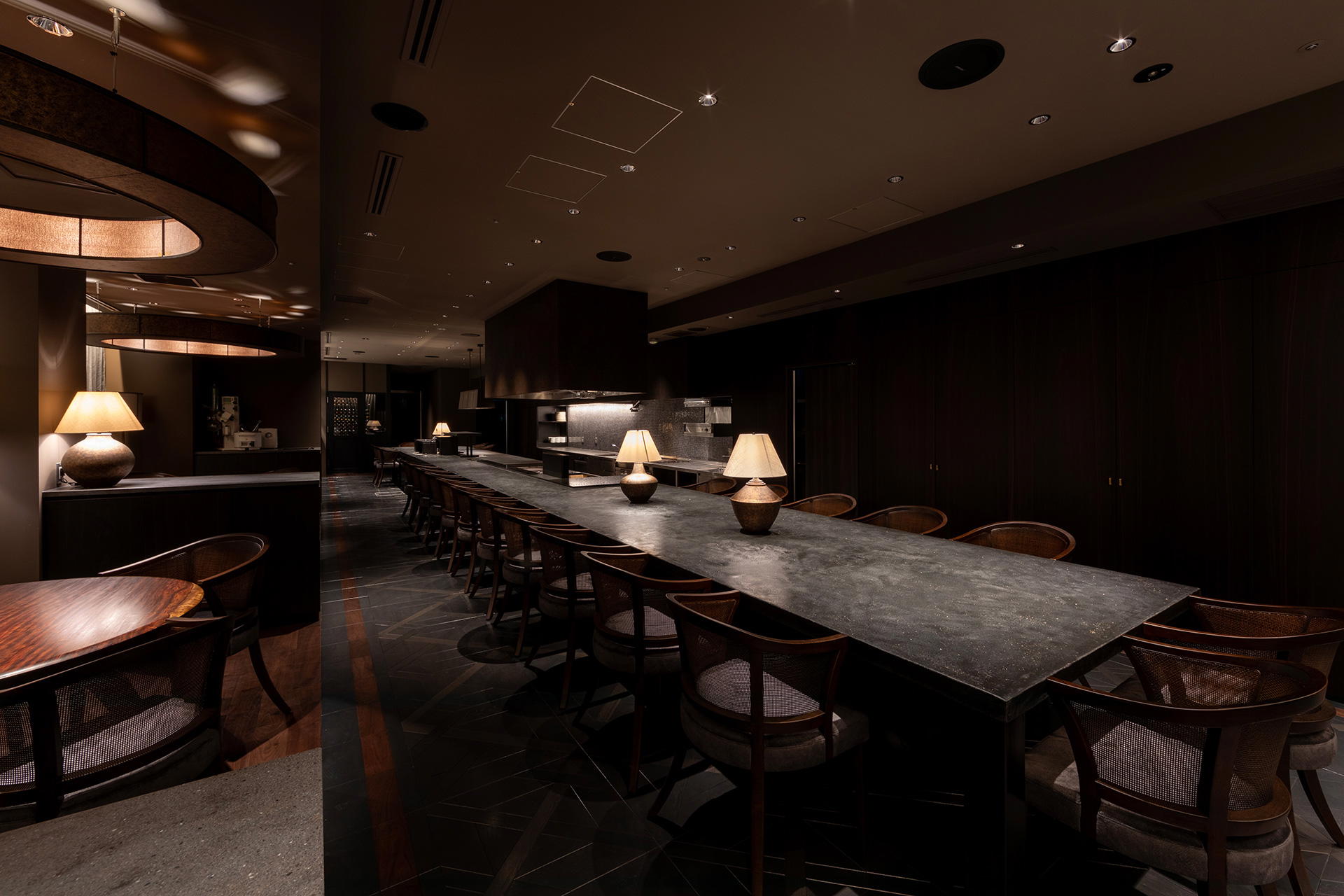
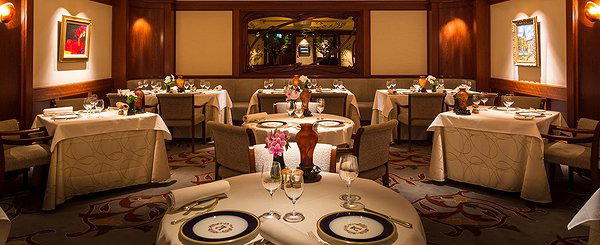

Bars in Tokyo
All bars in Tokyo →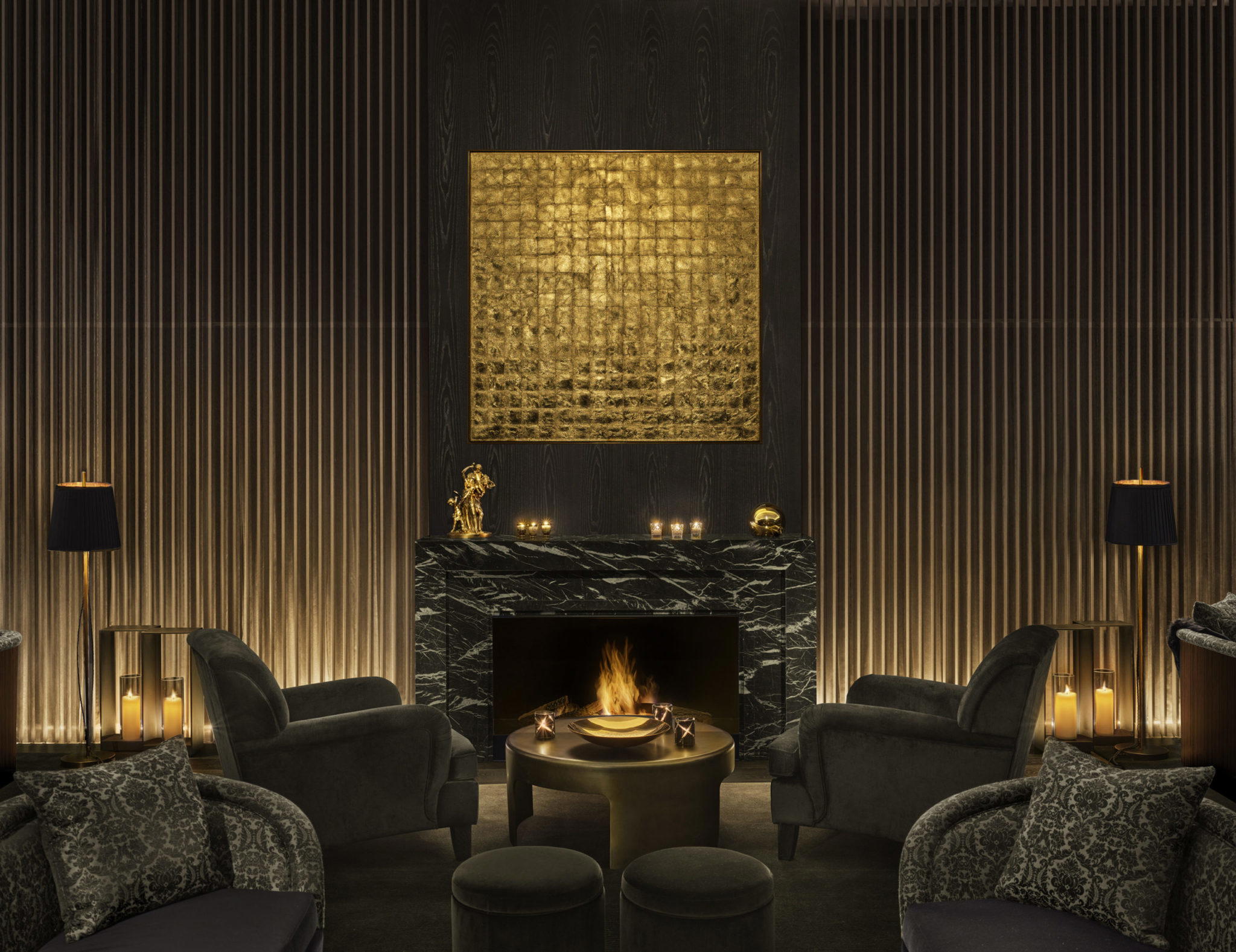
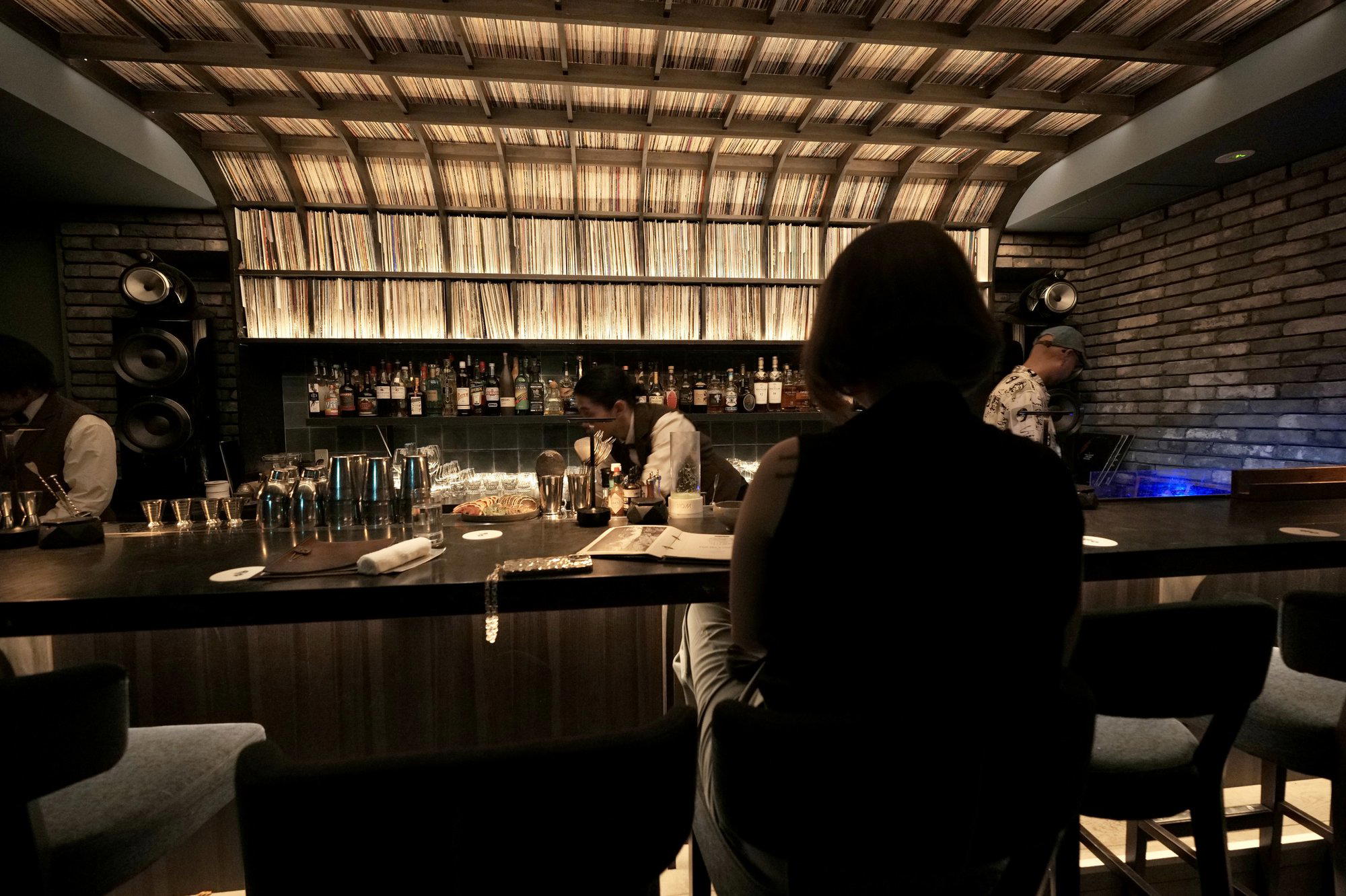
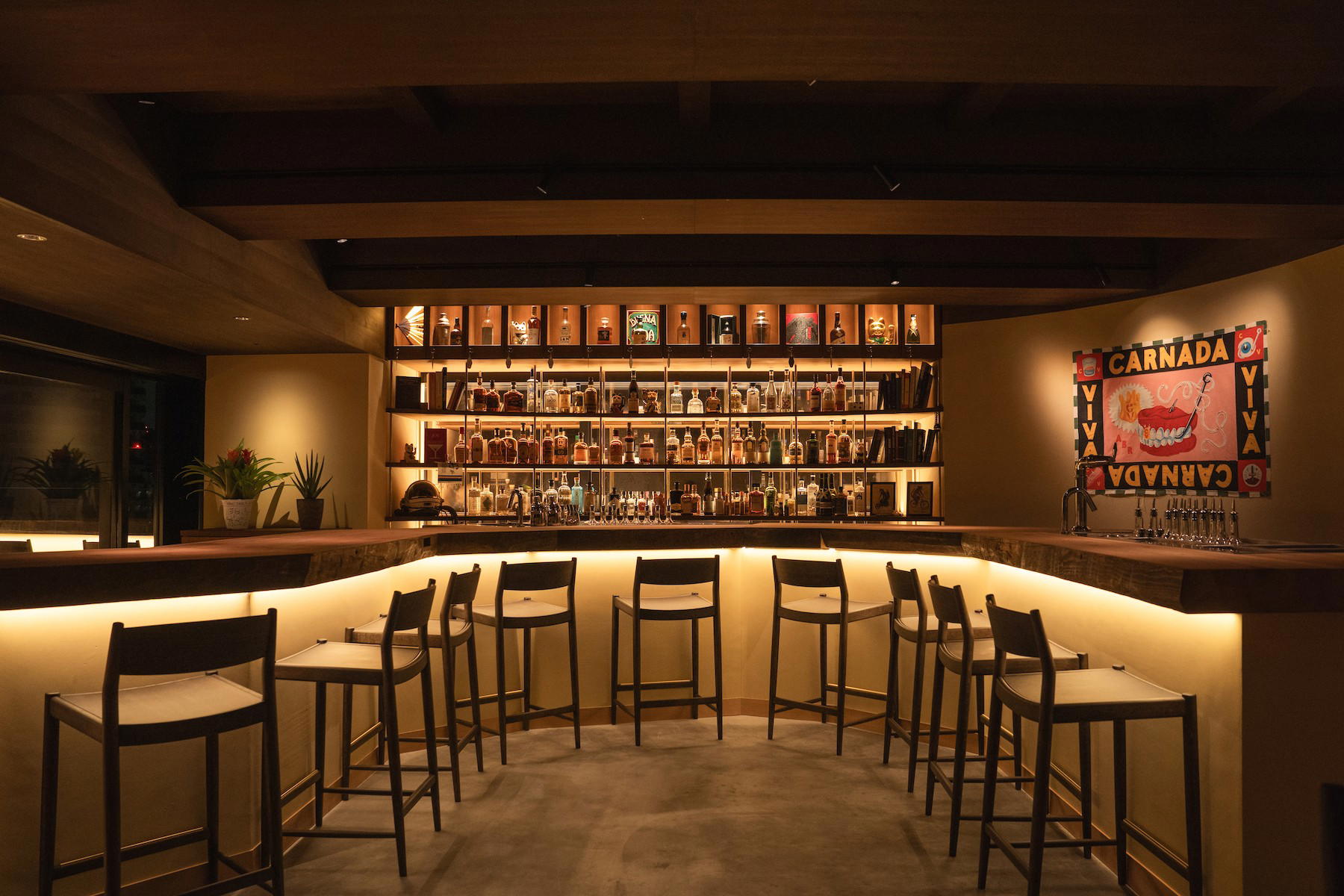

Details
- Elegant
- Modern
- Intimate
- Sophisticated
- Date Night
- Business Dinner
- Special Occasion
- Group Dining
- Chefs Counter
- Design Destination
- Hotel Restaurant
- Standalone
- Tasting Menu
- A La Carte
- Counter Dining
- Set Menu
Current opening hours
- Monday
- 11 AM–2:30 PM, 5:30–10 PM
- Tuesday
- 11 AM–2:30 PM, 5:30–10 PM
- Wednesday
- 11 AM–2:30 PM, 5:30–10 PM
- Thursday
- 11 AM–2:30 PM, 5:30–10 PM
- Friday
- 11 AM–2:30 PM, 5:30–10 PM
- Saturday
- 11 AM–2:30 PM, 5:30–10 PM
- Sunday
- 11 AM–2:30 PM, 5:30–10 PM
Hours can change for holidays and private events. Hours as of .
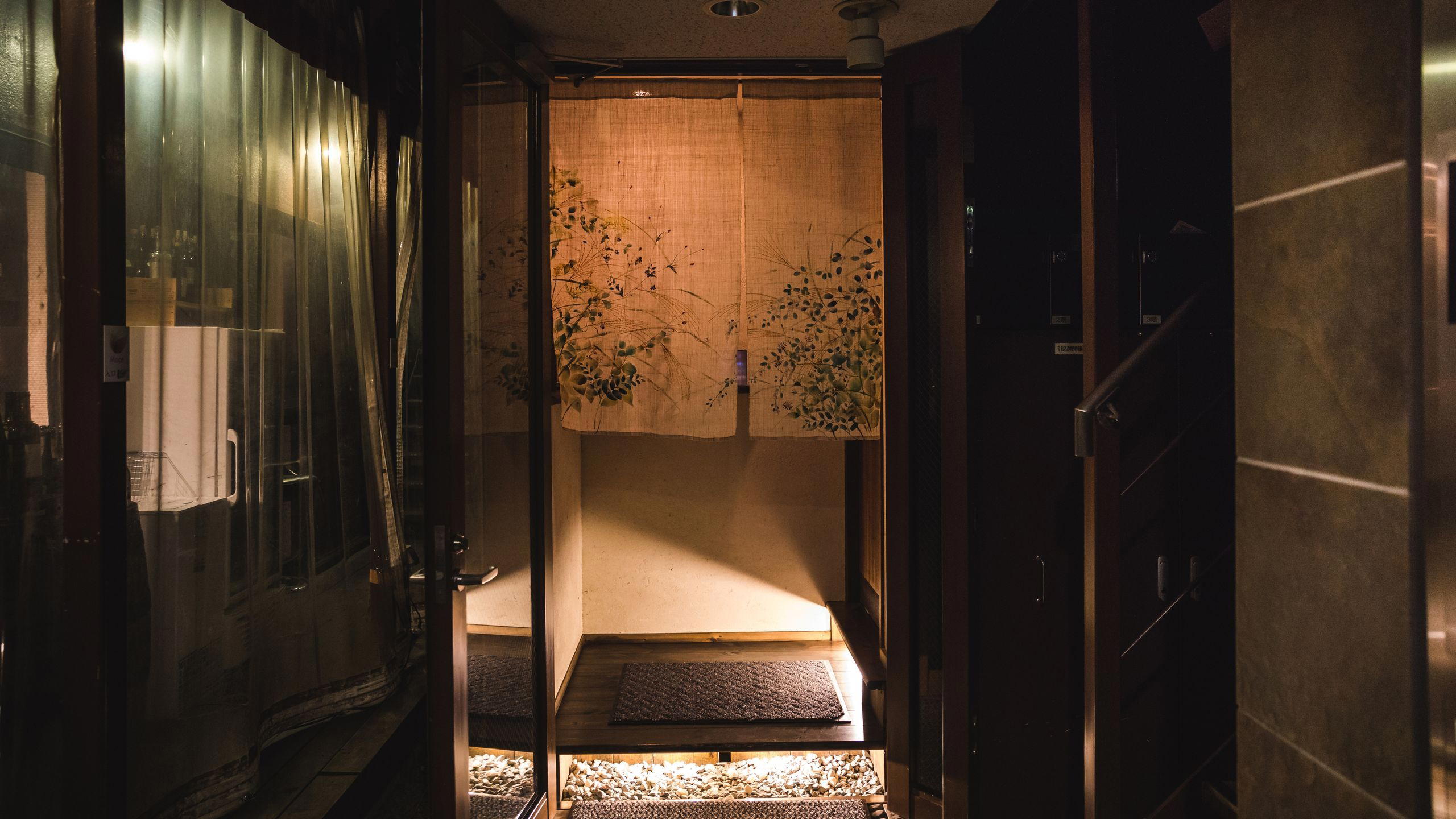
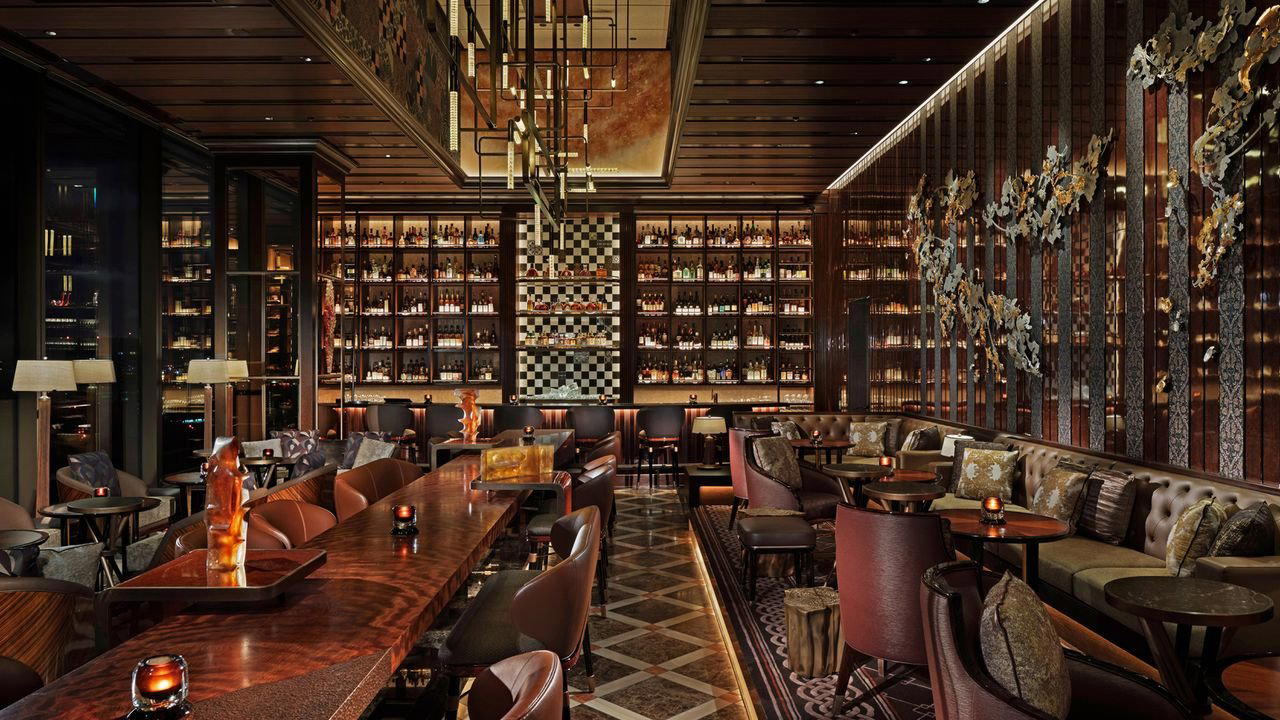
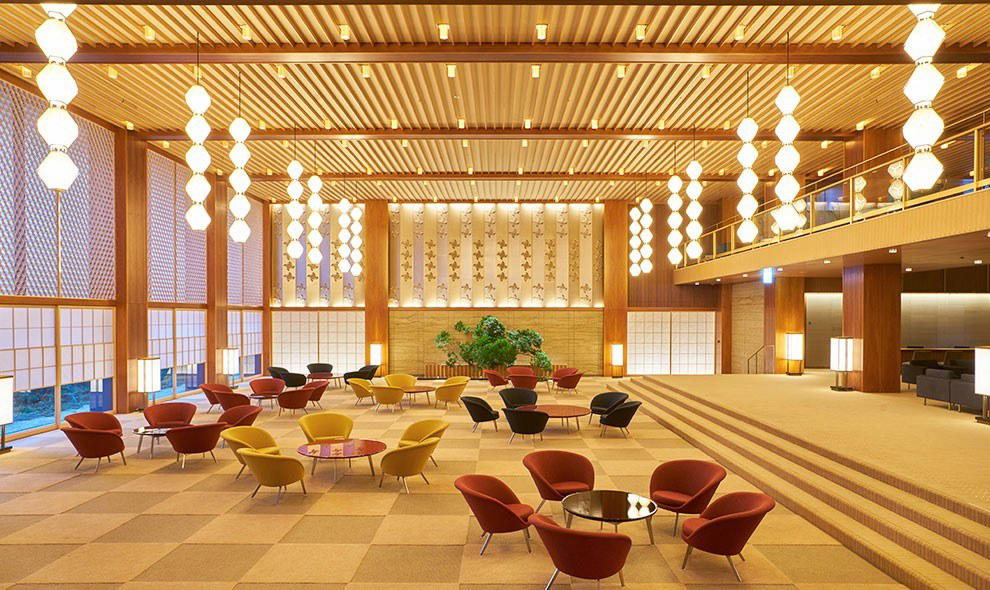
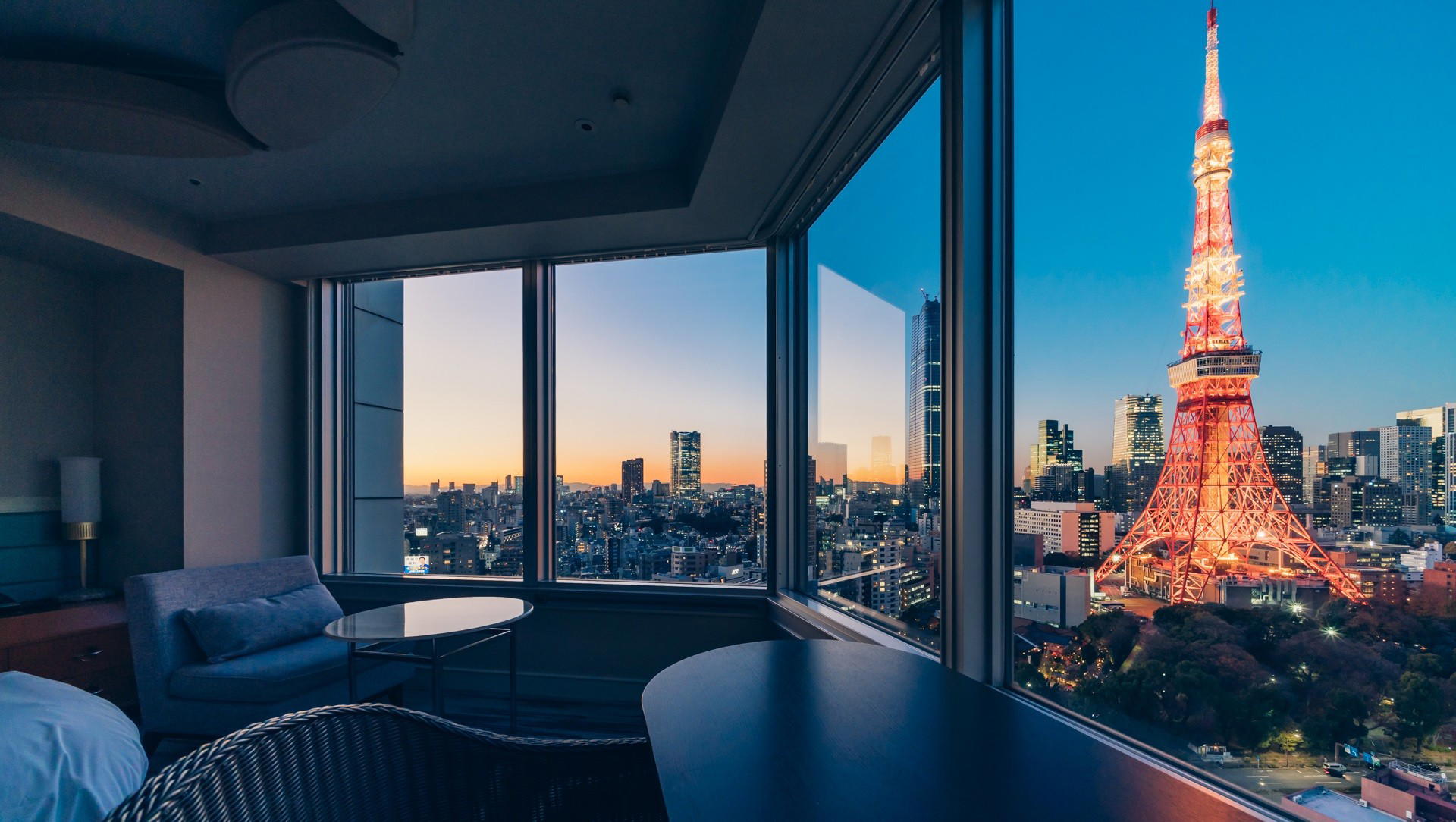
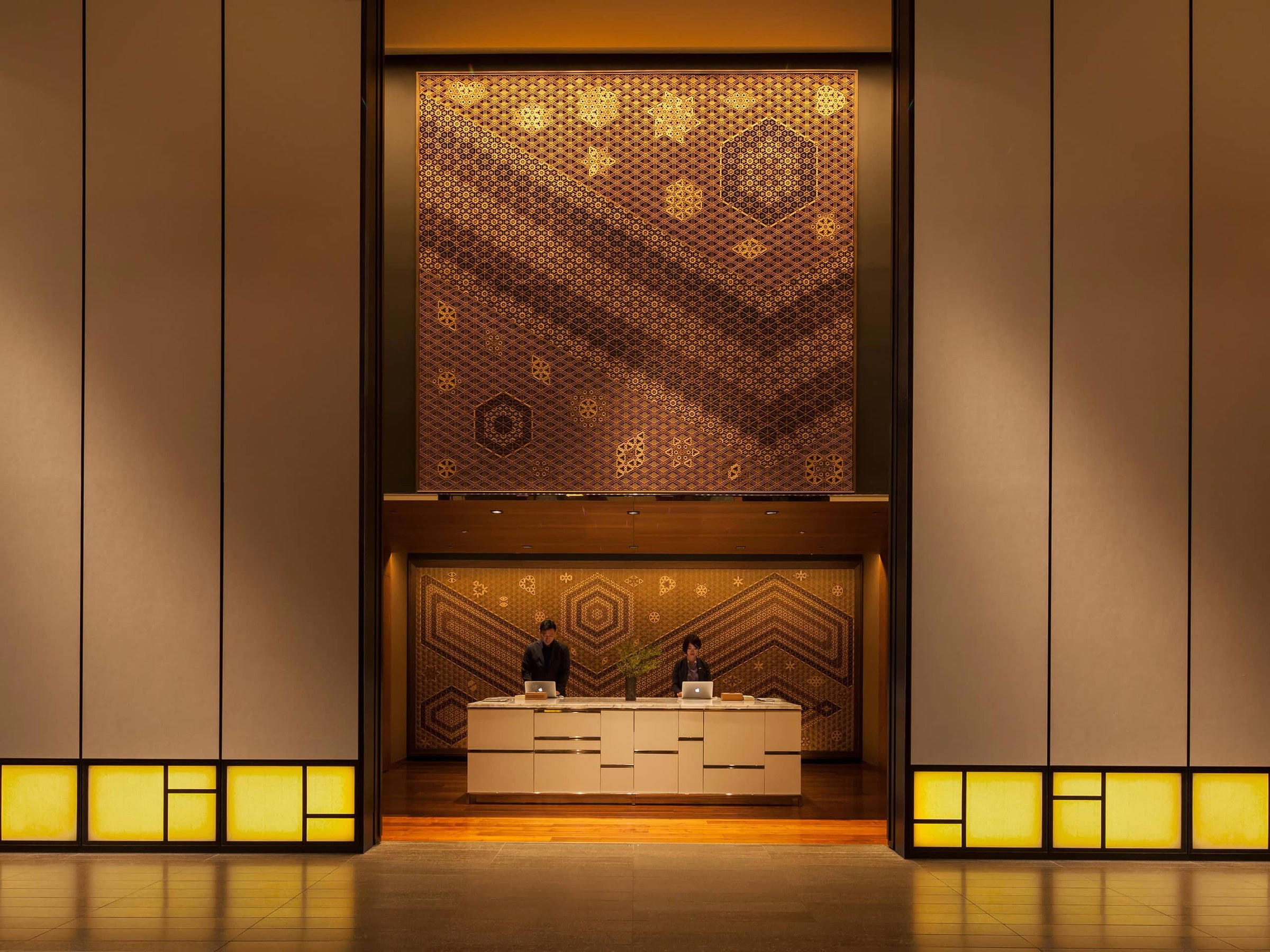
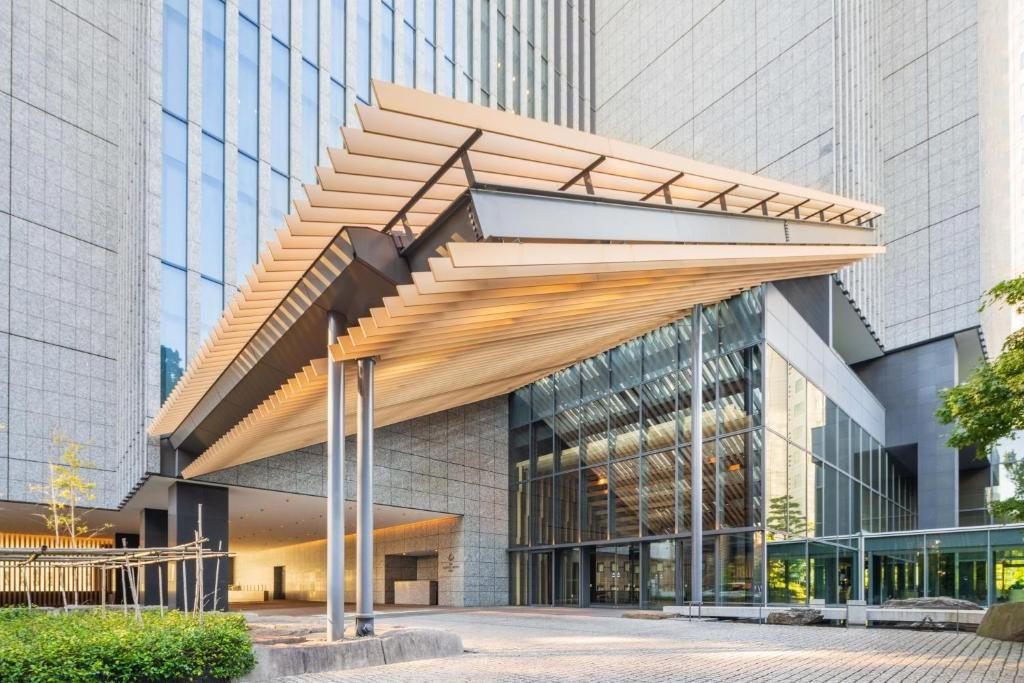
A small 16-seat counter-only room in Azabudai Hills with a refined hotel-like feel; guests describe a calm, upscale atmosphere focused on the chef’s grill performance rather than views or background noise, making it suited to relaxed, conversation-friendly dining.