Obelisk

Michelin Plate
Our verdict
Since 1987, Obelisk has served a fixed five-course Italian menu on P Street NW, earning a Michelin Plate in 2024. The format is unhurried — plan two to three hours — and the cooking leans seasonal and direct, with antipasti that arrive fast and flavors that never overcomplicate. Reserve ahead; the room fills consistently.

Pearl is the En Primeur Club membership app — saves, bookings, and concierge access live there. Same editors, same standards.
- Address
- 2029 P St NW, Washington, DC 20036
- Phone
- (202) 872-1180
- Hours
- Mon–Wed ClosedThu–Sat 5–10 PMSun Closed
- Website
- obeliskdc.com
- Directions
- Get directions
- Booking
- Book on Tock
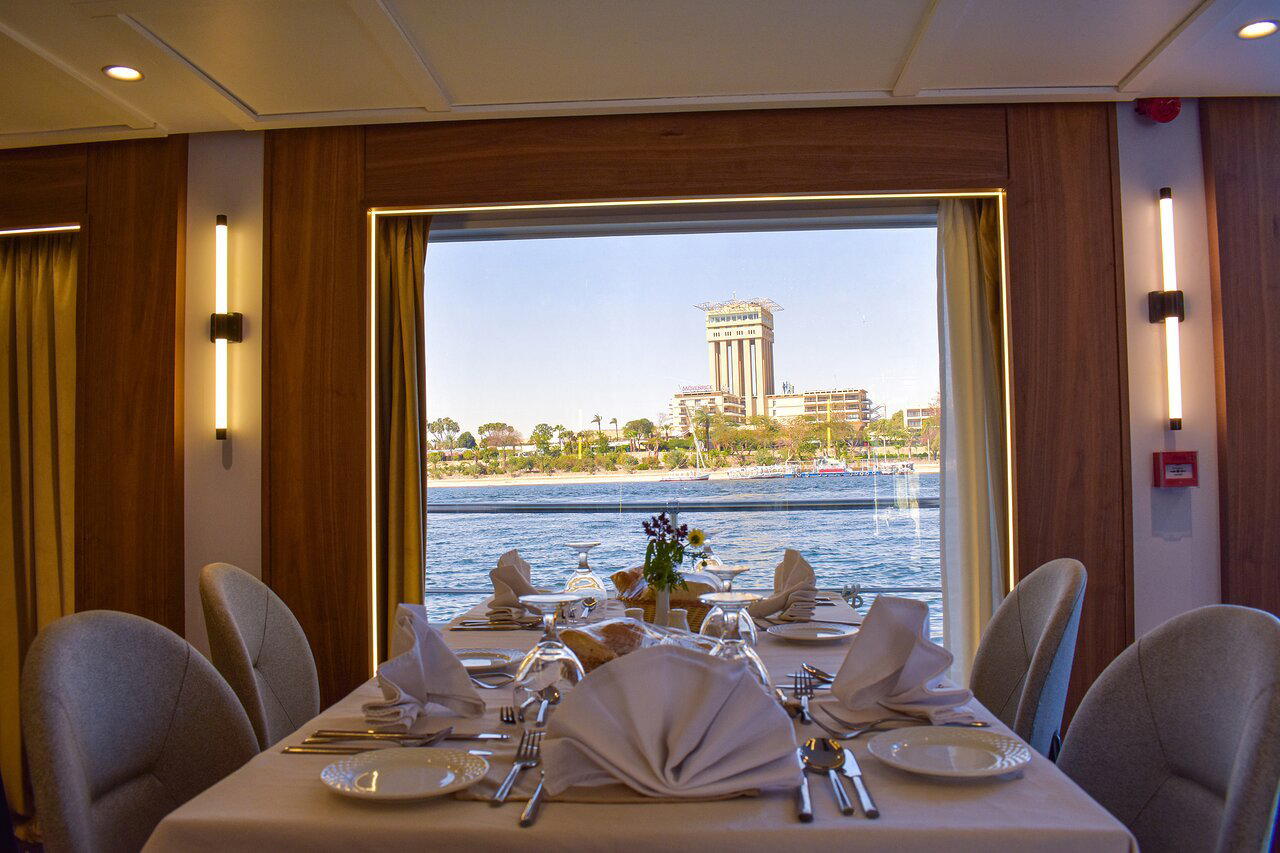
The Format, and Why It Still Works
Washington has no shortage of Italian restaurants pressing toward spectacle: grand rooms, celebrity-chef branding, and menus that try to do everything at once. Obelisk, on P Street NW in Dupont Circle, has operated on the opposite logic since 1987. Five courses, fixed menu, five nights a week. The discipline of that structure is what gives the cooking room to breathe. When a kitchen commits to a single sequence each evening rather than running a hundred à la carte permutations, the seasonal sourcing can be tighter and the execution more consistent.
That longevity places Obelisk in a narrow category of D.C. institutions that predate the city's current dining generation entirely. For context: when Obelisk opened, the restaurants that now define the capital's Italian tier — Fiola, Masseria, L'Ardente, Officina, Cucina Morini — were years or decades away from opening. Obelisk's continued relevance is not a function of nostalgia; the Michelin Plate recognition in 2024 confirms it operates at a credible culinary level, not merely a sentimental one.
What Arrives at the Table
The five-course format begins with antipasti, and by most accounts this is where the kitchen announces its intent most directly. The opening spread arrives quickly and with conviction: imported burrata from Lazio, cheese-filled croquettes served hot. These are not timid nibbles stretched into a course, they establish a register of honest, seasonal Italian cooking that the rest of the meal sustains.
The cooking avoids the kind of technical layering that has come to dominate high-end Italian dining in American cities. Dishes are presented simply, built around purposeful ingredients rather than elaboration. An entrée such as dorade with a cracker-crisp sear, paired with nutty romesco and green chickpeas, reflects a kitchen that understands when restraint is the point. All breads and desserts are produced in-house, which at a restaurant of this scale and price point is a sign of kitchen investment rather than convenience.
Fixed format also changes how the meal moves. There is no decision fatigue, no negotiation between table-mates about sharing. You arrive, the menu unfolds, and the pacing, typically two to three hours, is controlled by the kitchen rather than the diner's impulse to rush. That is a specific kind of experience, more aligned with the fixed-menu traditions you find at Lazy Bear in San Francisco or Alinea in Chicago than with a conventional Italian trattoria, though the tone here is warmer and less theatrical than either.
Obelisk in the D.C. Italian Context
D.C.'s upper tier of Italian dining has expanded considerably over the past decade. The current field runs from the precise regional cooking at Masseria to the polished grand-cafe format at Officina. Obelisk does not position itself against any of them directly, the fixed menu and Dupont Circle neighborhood address a different kind of diner intent.
Where restaurants like Fiola and L'Ardente align with the capital's power-dining infrastructure (private rooms, expense-account pricing, celebratory set-pieces), Obelisk functions closer to a serious neighborhood restaurant that happens to charge at the top of the market. A younger, casual crowd alongside regulars is a pattern more common in European dining rooms than in American fine dining at this price tier, and it says something about the atmosphere the format produces.
For readers building out a broader D.C. itinerary, our full Washington, D.C. restaurants guide maps the city's dining by neighborhood and category. If your trip extends beyond restaurants, the hotels guide, bars guide, wineries guide, and experiences guide cover the full picture.
Obelisk in a Longer Fixed-Menu Conversation
The fixed-menu model has spread rapidly across American fine dining, but Obelisk predates most of the restaurants that are now celebrated for it. The format at The French Laundry in Napa, Single Thread Farm in Healdsburg, or Le Bernardin in New York City all operate under roughly the same premise: cede menu control to the kitchen, and trust that the sequencing delivers something more coherent than a list of options would. Obelisk arrived at that structure in 1987, when it was not yet a fashionable operating model in American dining.
Internationally, the Italian fixed-menu tradition has found sophisticated expressions at 8 1/2 Otto e Mezzo Bombana in Hong Kong and in the precision tasting format at cenci in Kyoto, both of which work within Italian culinary structure while adapting to their local contexts. Obelisk does the opposite: it operates within a very American neighborhood dining context while maintaining the discipline of an Italian fixed-sequence kitchen.
The comparison also points to Emeril's in New Orleans as another long-running American institution that occupies a similar tension between longevity and continued relevance. Staying current over multiple decades in American fine dining requires more than reputation alone.
Know Before You Go
| Address | 2029 P St NW, Washington, DC 20036 |
|---|---|
| Neighborhood | Dupont Circle |
| Cuisine | Italian (fixed five-course menu) |
| Price | $$$$ |
| Recognition | |
| Service nights | Five nights per week |
| Meal duration | Allow two to three hours |
| Booking | Reserve in advance; the format limits covers per service |
Frequently asked questions
Is Obelisk award-winning?
Obelisk has received recognition including: Obelisk attracts a surprisingly young, casual crowd for a spot that has been serving a fixed five-course menu five nights a week since 1987. It's likely due to the restaurant’s warm, neighborhood feel. The light and seasonal Italian cooking….
What's the best thing to order at Obelisk?
The menu is fixed at five courses, so ordering is not a variable — the kitchen decides the progression. The antipasti course has drawn consistent attention in reviews, arriving as an assortment that may include burrata imported from Lazio or a cheese-filled croquette. Obelisk holds a Michelin Plate (2024), and the recognition reflects cooking built on purposeful ingredients rather than elaborate plating.
What price level is Obelisk?
Pricing at Obelisk is listed as $$$$.
What part of town is Obelisk in?
Obelisk is located at 2029 P St NW, Washington, DC 20036, Washington, D.C..
How far ahead should I plan for Obelisk?
Obelisk operates five nights a week, and the fixed-menu format caps covers per service by the kitchen's pace rather than table turnover. That combination — 37-plus years at the same address, a loyal regular base, and limited weekly seatings — means advance reservations are advisable, particularly for weekend evenings. Checking availability several weeks out is a reasonable starting point.
Booking and Cost Snapshot
A quick peer check to anchor this venue’s price and recognition.
| Venue | Cuisine | Price | Awards | Notes |
|---|---|---|---|---|
| ObeliskThis venue — the venue you are viewing | Seasonal Italian Prix Fixe | $100–150 | Michelin Plate | Not listed |
| Albi | Modern Levantine Fine Dining | $300–500 | 1 Michelin Star · World's 50 Best #6 | United States, Middle Eastern |
| Causa | Modern Peruvian Fine Dining | $150–200 | 1 Michelin Star · James Beard Award Best Chef: Mid-Atlantic | Peruvian |
| Oyster Oyster | Modern Vegetable-Focused Tasting Menu | Not listed | 1 Michelin Star · James Beard Award Outstanding Chef #1 | New American, Vegetarian, Vegetarian (Sustainable) |
| Bresca | Modern French Bistronomy | $150–200 | 1 Michelin Star · James Beard Award Semi Finalist | Modern French, Contemporary |
| Gravitas | Modern American Fine Dining | $150–200 | 1 Michelin Star | New American, Contemporary |
Recognition history
Dated appearances from independent guides and award organizations, with the underlying list record or original source where available.
Michelin Plate
Michelin
Full recognition history (2 entries)
Michelin Plate
Michelin
Continue exploring
More in Washington DC
Restaurants in Washington DC
Browse all →
Bars in Washington DC
Browse all →
Hotels in Washington DC
Browse all →
Details
- Intimate
- Cozy
- Elegant
- Classic
- Special Occasion
- Date Night
- Celebration
- Historic Building
- Extensive Wine List
- Local Sourcing
- Street Scene
- Prix Fixe
- Vegetarian Friendly
Current opening hours
- Monday
- Closed
- Tuesday
- Closed
- Wednesday
- Closed
- Thursday
- 5–10 PM
- Friday
- 5–10 PM
- Saturday
- 5–10 PM
- Sunday
- Closed
Hours can change for holidays and private events. Last verified .
Softly lit, serene rowhouse dining room with peaceful, home-like atmosphere and quiet conversational setting.