Oaxaka
On Harrison Street in Hollywood, Florida, Oaxaka brings the smoky, chile-forward tradition of southern Mexico into a South Florida context where Latin American dining has genuine depth. The name signals a specific regional identity rather than a generic pan-Latin posture, placing it in a growing category of restaurants that treat Oaxacan cuisine as a distinct culinary subject. For Hollywood diners looking beyond the beachfront standards, it occupies a different register entirely.
Pearl is the En Primeur Club membership app — saves, bookings, and concierge access live there. Same editors, same standards.
- Address
- 2033 Harrison St, Hollywood, FL 33020
- Phone
- +19547454750
- Website
- eatoaxaka.com
- Directions
- Get directions
 Saves & bookings on Pearl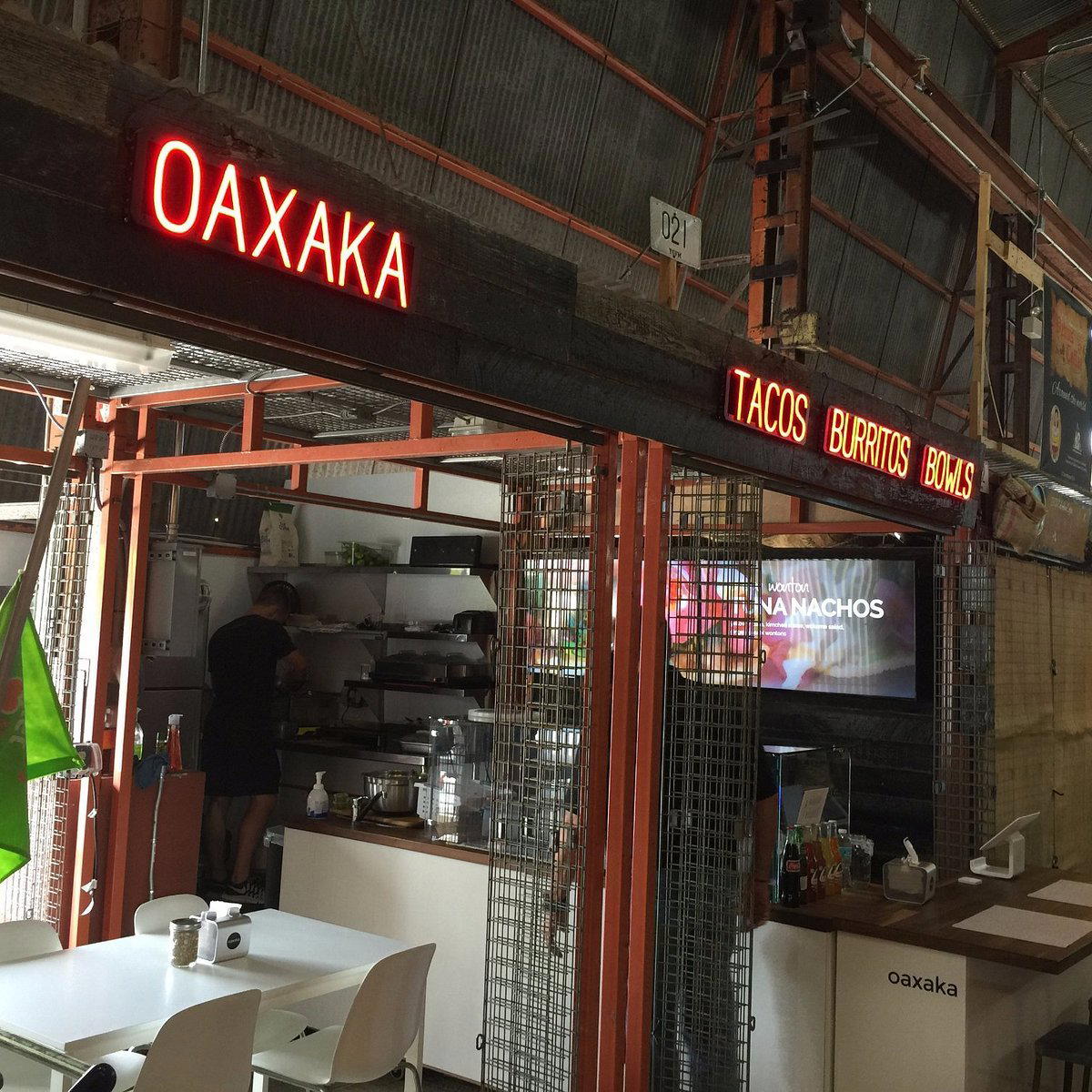
Harrison Street and the Case for Regional Mexican Cooking in South Florida
Hollywood, Florida has spent years building a dining identity that sits somewhere between Miami's density and Fort Lauderdale's beachfront casual. The stretch of Harrison Street that runs through the city's downtown core reflects that in-between quality: enough foot traffic to sustain real restaurant ambition, enough neighborhood character to reward specificity over spectacle. It is in this context that Oaxaka positions itself, not as a generalist Mexican restaurant but as a venue whose name commits to a single Mexican state with one of the most singular culinary traditions in the Americas.
Oaxaca, the southern Mexican state, is where mole negro takes weeks to build, where tlayudas serve as daily staple rather than festival food, and where smoke from clay hearths and dried chilhuacle chiles is as fundamental to cooking as salt. Bringing that tradition into a South Florida dining room is not a simple relocation exercise. It requires sourcing decisions, technique fidelity, and a kitchen willing to work with ingredients and methods that don't always reward shortcuts. The question any serious Oaxacan-named restaurant faces is how faithfully it bridges that gap between regional origin and local context.
South Florida's Latin American dining scene has matured considerably. Where the region once defaulted to Cuban-American and pan-Caribbean formats, there are now restaurants with genuine regional specificity across multiple cuisines. For Oaxacan cooking specifically, this matters: the cuisine's complexity, from the seven canonical moles to the mezcal-forward drinks culture, rewards restaurants that commit rather than approximate. Oaxaka's address at 2033 Harrison St places it within walking distance of Hollywood's more established dining options, including Carmela's Italian Ristorante and Blu Steakhouse, but its culinary reference points are drawn from an entirely different tradition.
Where Local Ingredients and Imported Technique Converge
The editorial logic behind a restaurant named Oaxaka operating in Florida is more interesting than it might first appear. Florida's agricultural output is substantial: tropical fruits, Gulf seafood, year-round produce, and a climate that supports ingredients with genuine proximity to southern Mexican flavor profiles. The intersection of that local supply with Oaxacan technique is where a restaurant like this has its clearest opportunity to develop something that isn't simply imported cuisine but a genuinely localized expression of it.
Oaxacan cooking is itself a tradition built on layering. Mole sauces incorporate twenty or more ingredients, building depth through time and sequence rather than heat or volume. Applied to Florida-sourced proteins, local stone crab, or Gulf fish, that technique produces combinations that exist precisely because of where the restaurant is located rather than despite it. This kind of local-ingredient, imported-technique approach has defined some of the more interesting American regional restaurants of the past decade. Blue Hill at Stone Barns in Tarrytown built its reputation on a farm-first method applied to classical French frameworks. Single Thread Farm in Healdsburg does something similar with Japanese kaiseki precision and Northern California produce. The principle scales across cuisine types: technique is portable, terroir is not.
For Hollywood specifically, this approach means Oaxaka sits in a different competitive conversation than neighboring restaurants focused on steakhouse formats or Italian-American traditions. Compared to CLASS Soiree Steakhouse or Billy's Stone Crab, it is drawing from a fundamentally different culinary framework. Its nearest conceptual peer in the Hollywood dining landscape might be At Peru Hollywood, which similarly commits to a specific South American regional identity rather than a pan-Latin generalism.
Oaxacan Cuisine and the Mezcal Question
Any serious treatment of Oaxacan food culture has to address mezcal. In Oaxaca, mezcal is not a trend or a cocktail component; it is an agricultural product with denomination of origin status, produced from agave varieties grown across the state's diverse microclimates. In American restaurants that carry the Oaxacan name, the drinks program is often the most reliable indicator of how seriously the kitchen takes regional authenticity. A narrow, commercially familiar agave selection suggests approximation. A program that distinguishes between espadín, tobalá, and other single-varietal expressions, or that lists production village and maestro palenquero, signals genuine engagement with the tradition.
Nationally, the restaurants doing the most rigorous work on Mexican regional cuisine tend to be in Los Angeles, Chicago, and New York, where size and density support the kind of specialist sourcing those menus require. Providence in Los Angeles and Alinea in Chicago operate in culinary environments where competition forces precision. South Florida's market is less saturated at the high end of regional Mexican cooking, which gives a committed operation room to establish itself without the same competitive pressure, but also without the same density of specialty suppliers to draw from.
Planning Your Visit to Oaxaka
Oaxaka is located at 2033 Harrison St in Hollywood, Florida 33020, in the active stretch of downtown Hollywood that draws both neighborhood regulars and visitors from the broader Broward County area. Harrison Street has seen consistent investment in its dining corridor over recent years, making it a practical destination rather than a detour. For visitors already planning time in Hollywood, the restaurant sits within the walkable downtown grid, positioned alongside a range of dining formats that makes the street itself worth an evening's consideration.
Given the regional specificity that Oaxacan cooking demands, visits timed to weekday evenings tend to allow for more attentive service than peak weekend hours, when Harrison Street's foot traffic peaks. South Florida's dining season runs heaviest from November through April, when snowbird population increases drive demand across the city's better restaurants. Arriving during this window, particularly at a restaurant with a distinct culinary identity, generally warrants checking current reservation availability in advance.
For a broader view of what Hollywood's dining scene offers across price points and cuisine types, EP Club's full Hollywood restaurants guide maps the range from casual to formal across the city. Nationally, the benchmarks for ambitious regional American dining with technique-forward kitchen approaches include Le Bernardin in New York City, Emeril's in New Orleans, Lazy Bear in San Francisco, The French Laundry in Napa, Addison in San Diego, The Inn at Little Washington, Atomix in New York City, and 8 1/2 Otto e Mezzo Bombana in Hong Kong. Those venues represent the range of what committed regional and technique-led cooking looks like at scale.
Continue exploring
More in Hollywood
Restaurants in Hollywood
Browse all →
Bars in Hollywood
Browse all →

At a Glance
- Trendy
- Lively
- Casual Hangout
- Brunch
- Open Kitchen
- Craft Cocktails
- Beer Program
Current opening hours
- Monday
- 11 AM–9:30 PM
- Tuesday
- 11 AM–9:30 PM
- Wednesday
- 11 AM–9:30 PM
- Thursday
- 11 AM–9:30 PM
- Friday
- 11 AM–9:30 PM
- Saturday
- 11 AM–9:30 PM
- Sunday
- 11 AM–9:30 PM
Hours can change for holidays and private events. Last verified .
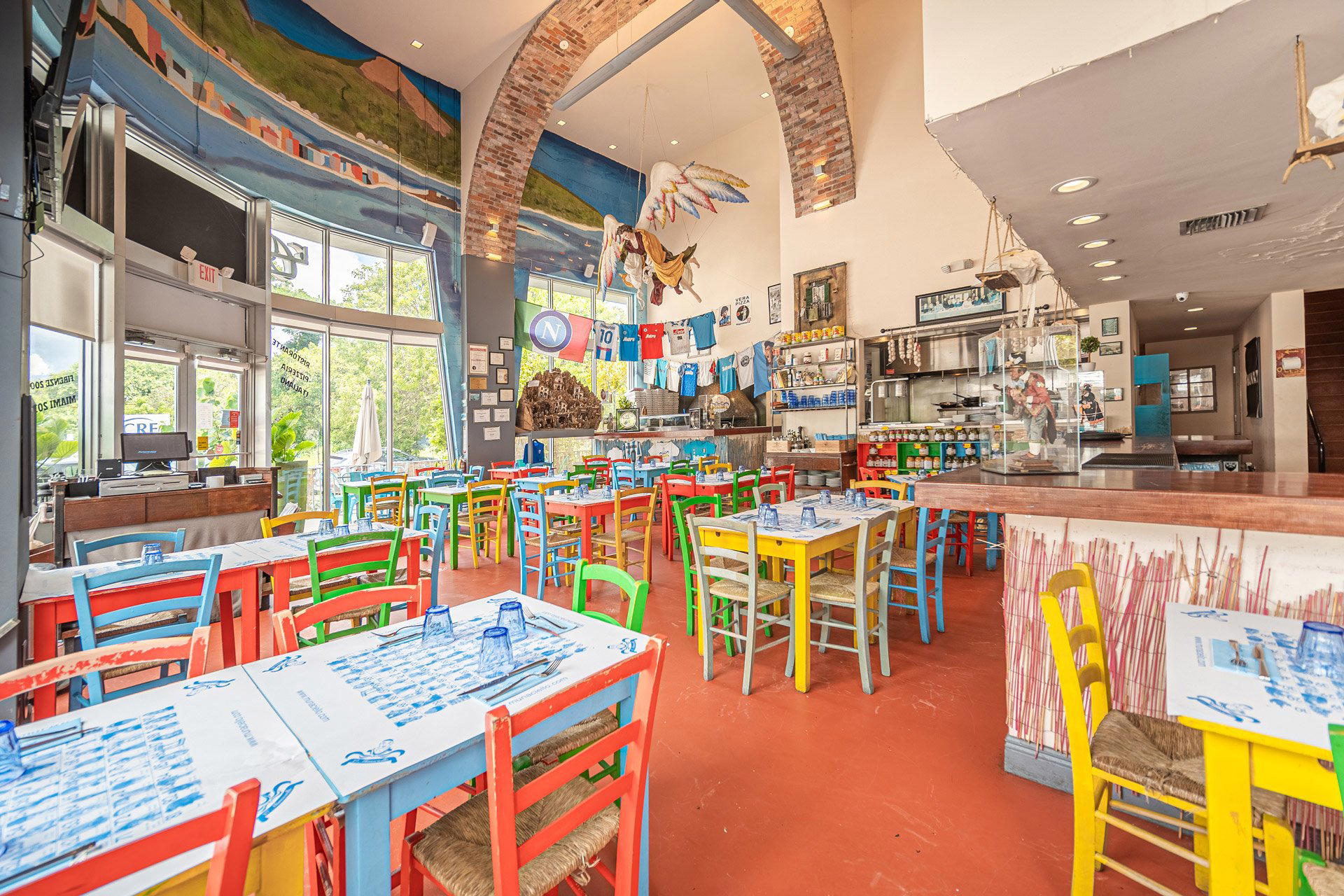
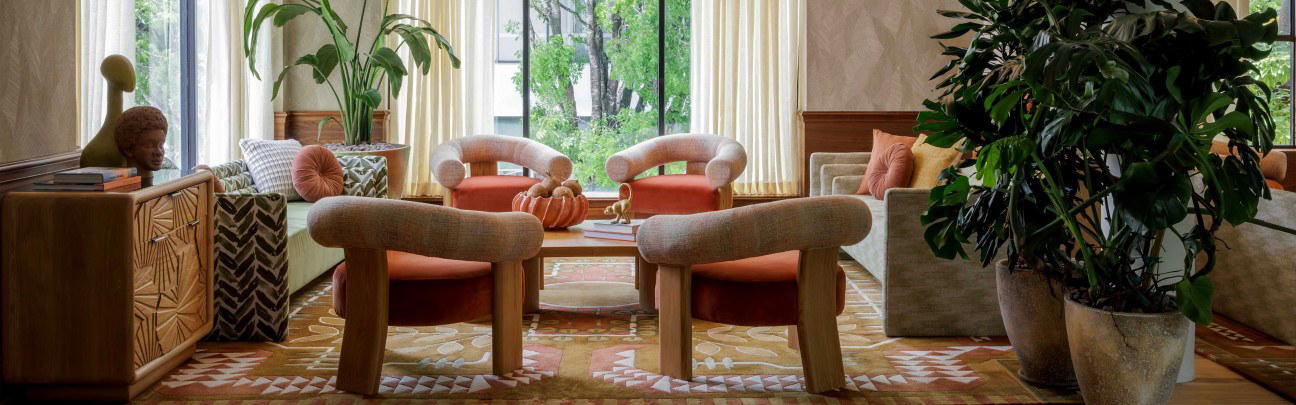
Casual market stall atmosphere with lively fusion flavors and fresh preparations.
Know Before You Go
- Getting there
- 2033 Harrison St, Hollywood, FL 33020