Krakatoa Indonesian Cuisine

Krakatoa Indonesian Cuisine occupies a storefront on Hollywood Boulevard in South Florida, bringing a cuisine rarely represented at this level of specificity to a dining corridor better known for stone crabs and steakhouses. In a city where Southeast Asian cooking tends toward Thai and Vietnamese, an Indonesian-focused kitchen fills a genuine gap in the local repertoire.
Pearl is the En Primeur Club membership app — saves, bookings, and concierge access live there. Same editors, same standards.
- Address
- 1910B Hollywood Blvd, Hollywood, FL 33020
- Phone
- +17542210914
- Website
- krakatoacuisine.com
- Directions
- Get directions
 Saves & bookings on Pearl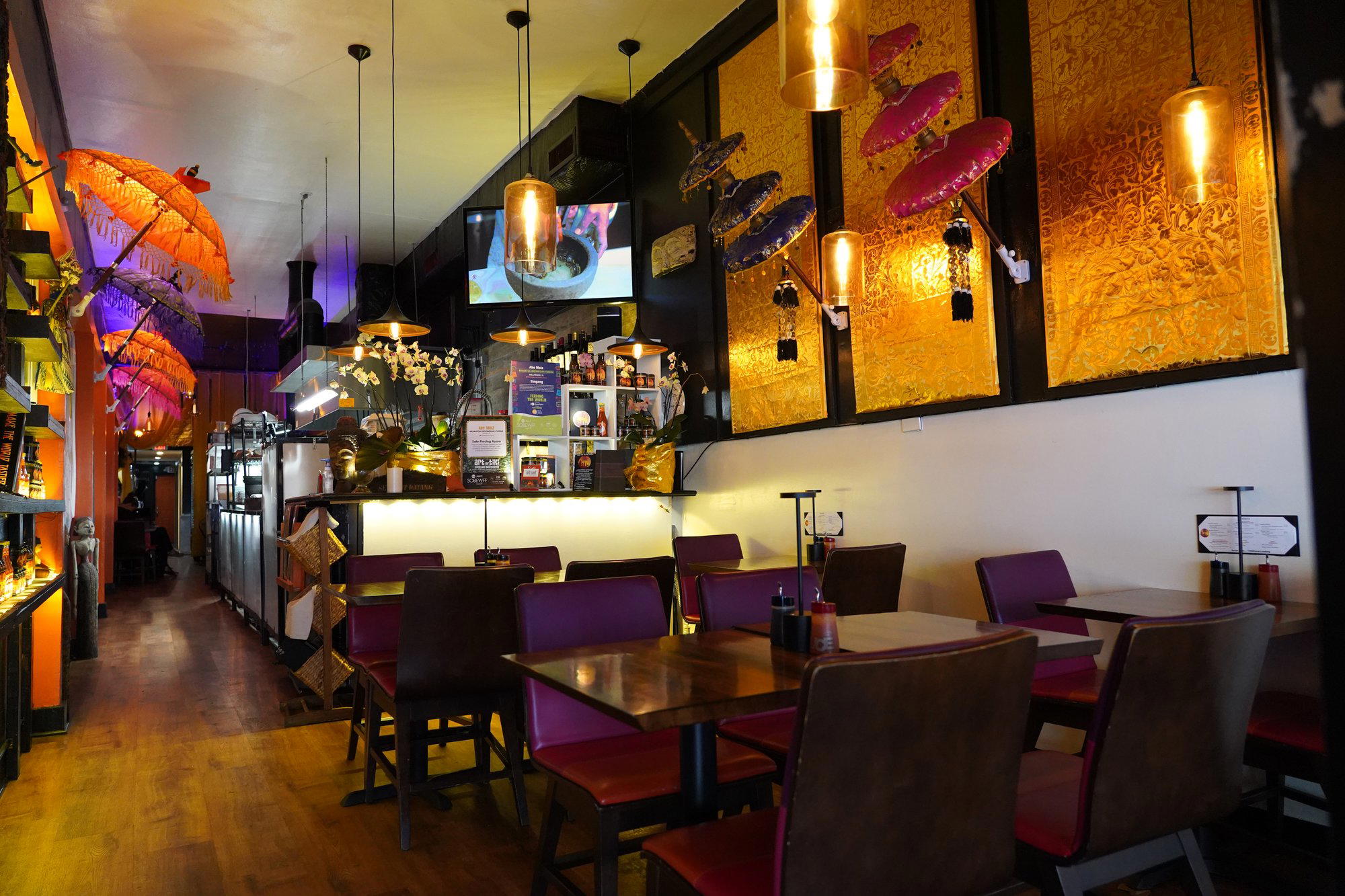
Hollywood Boulevard, Where the Gaps Tell the Story
Hollywood Boulevard in South Florida runs as a low-rise commercial strip punctuated by seafood shacks, Italian family restaurants, and the occasional steakhouse. It is not a street that announces itself as a destination for Southeast Asian cooking.
The neighbourhood context matters here. Hollywood sits between Miami and Fort Lauderdale, drawing a dining public that skews toward established comfort formats: stone crab at Billy's Stone Crab, steakhouse formats at Blu Steakhouse and CLASS Soiree Steakhouse, Italian-American at Carmela's Italian Ristorante, and Latin crossovers like At Peru Hollywood. Against that backdrop, a restaurant named for one of the world's most geologically significant straits signals something deliberate: this is not a cuisine appended to a broader menu for the sake of variety.
Indonesian Cuisine in the American Context
Indonesian cooking occupies an unusual position in American dining. The archipelago's culinary output, shaped by more than 17,000 islands and centuries of trade-route influence from South Asia, China, Portugal, and the Netherlands, produces a range of preparations that resist easy categorisation. Rendang, satay, and nasi goreng are the best-known exports, but the deeper catalogue includes slow-cooked regional braises, fermented shrimp pastes, and complex spice bases that take hours to build. In cities like Los Angeles and New York, Indonesian restaurants operate in small numbers relative to Thai or Vietnamese kitchens, often serving diaspora communities rather than positioning for broader audiences.
South Florida has even fewer Indonesian addresses than those larger markets. The cuisine's relative scarcity is not a function of complexity or accessibility but of demographic distribution: the Indonesian diaspora in Florida is smaller than on the West Coast, and without a critical mass of community restaurants, the cuisine rarely gains a public foothold. A Hollywood Boulevard address for a dedicated Indonesian kitchen therefore sits in a different position than, say, a new sushi counter in Miami Beach or a Vietnamese pho shop in Boca Raton. It is filling a gap in the city's culinary map rather than adding another voice to an established chorus.
What the Name Signals
Krakatoa is the volcanic island in the Sunda Strait, between Java and Sumatra, whose 1883 eruption remains one of the most documented geological events in recorded history. Naming a restaurant after it is a choice with some weight: it connects the kitchen explicitly to the Indonesian archipelago rather than to a broader Southeast Asian category, and it carries associations of intensity, geological drama, and the kind of specificity that comes from knowing exactly where you are on the map. Whether the kitchen leans into Javanese, Sumatran, or Balinese cooking traditions, or draws from the broader national canon, that name sets a frame of reference that places the food squarely in an Indonesian identity.
For context, the cuisine most likely to share shelf space with Indonesian food in a Florida dining room is Thai, given the latter's wider American penetration. The closest comparable in Hollywood's immediate vicinity appears to be Hoshi and Sushi Thai Cuisine, which occupies a different part of the Southeast Asian spectrum. Krakatoa, by contrast, holds a position in the neighbourhood without a direct competitor for the same culinary territory.
The Broader Reference Set
Placing this restaurant against its national peers in scope is instructive rather than unfair. American fine dining at the level of Le Bernardin in New York City, Alinea in Chicago, The French Laundry in Napa, or Providence in Los Angeles operates in a different register entirely, with multi-course tasting formats, awards infrastructure, and booking windows measured in months. The same is true of Korean-focused fine dining like Atomix in New York City, or the farm-to-table precision of Single Thread Farm in Healdsburg and Blue Hill at Stone Barns in Tarrytown. Krakatoa does not operate in that tier, nor does the Hollywood Boulevard corridor position it to. What it does is fill a specific representational role that none of those restaurants does: bringing Indonesian cooking to a Florida dining public that has few other places to encounter it.
That representational function is arguably more consequential at the local level than another steakhouse or coastal Italian concept would be. Cuisine specificity in a dining corridor that trends toward familiar formats is a form of editorial courage, even in a casual restaurant context. The same logic applies to Emeril's in New Orleans in its early years, or to Lazy Bear in San Francisco when it shifted from pop-up to permanent address: format and location shape how a kitchen's ambitions are read by its audience.
Planning a Visit
Krakatoa sits at 1910B Hollywood Blvd, Hollywood, FL 33020, within walking distance of the central stretch of Hollywood Boulevard's restaurant corridor. Given the limited availability of Indonesian kitchens in South Florida, it draws from a wider geographic catchment than most neighbourhood restaurants at its scale, meaning visitors from Fort Lauderdale and Miami are not unusual. Current booking details, hours, and pricing are best confirmed directly with the venue, as these specifics were not available at time of publication. For a broader view of what Hollywood's dining scene offers across cuisine types and price points, the EP Club Hollywood restaurants guide maps the full range of options. Those planning a multi-stop evening might also consider Addison in San Diego or The Inn at Little Washington for contrasting examples of how cuisine specificity and location interact at different price tiers. And for those curious about how Southeast Asian cooking performs in a globally recognised fine-dining context, 8 1/2 Otto e Mezzo Bombana in Hong Kong represents a useful reference point for how regional identity scales into formal dining formats.
Recognition history
Dated appearances from independent guides and award organizations, with the underlying list record or original source where available.
Diners, Drive-Ins and Dives Featured Restaurant
Diners, Drive-Ins and Dives · 2026 Diners, Drive-Ins and Dives Featured Restaurants
Continue exploring
More in Hollywood
Restaurants in Hollywood
Browse all →
Bars in Hollywood
Browse all →
At a Glance
- Cozy
- Intimate
- Casual Hangout
- Date Night
- Open Kitchen
Current opening hours
- Monday
- 6–9 PM
- Tuesday
- 6–9 PM
- Wednesday
- 6–9 PM
- Thursday
- 6–9 PM
- Friday
- 6–9 PM
- Saturday
- 12–9 PM
- Sunday
- 12–9 PM
Hours can change for holidays and private events. Last verified .
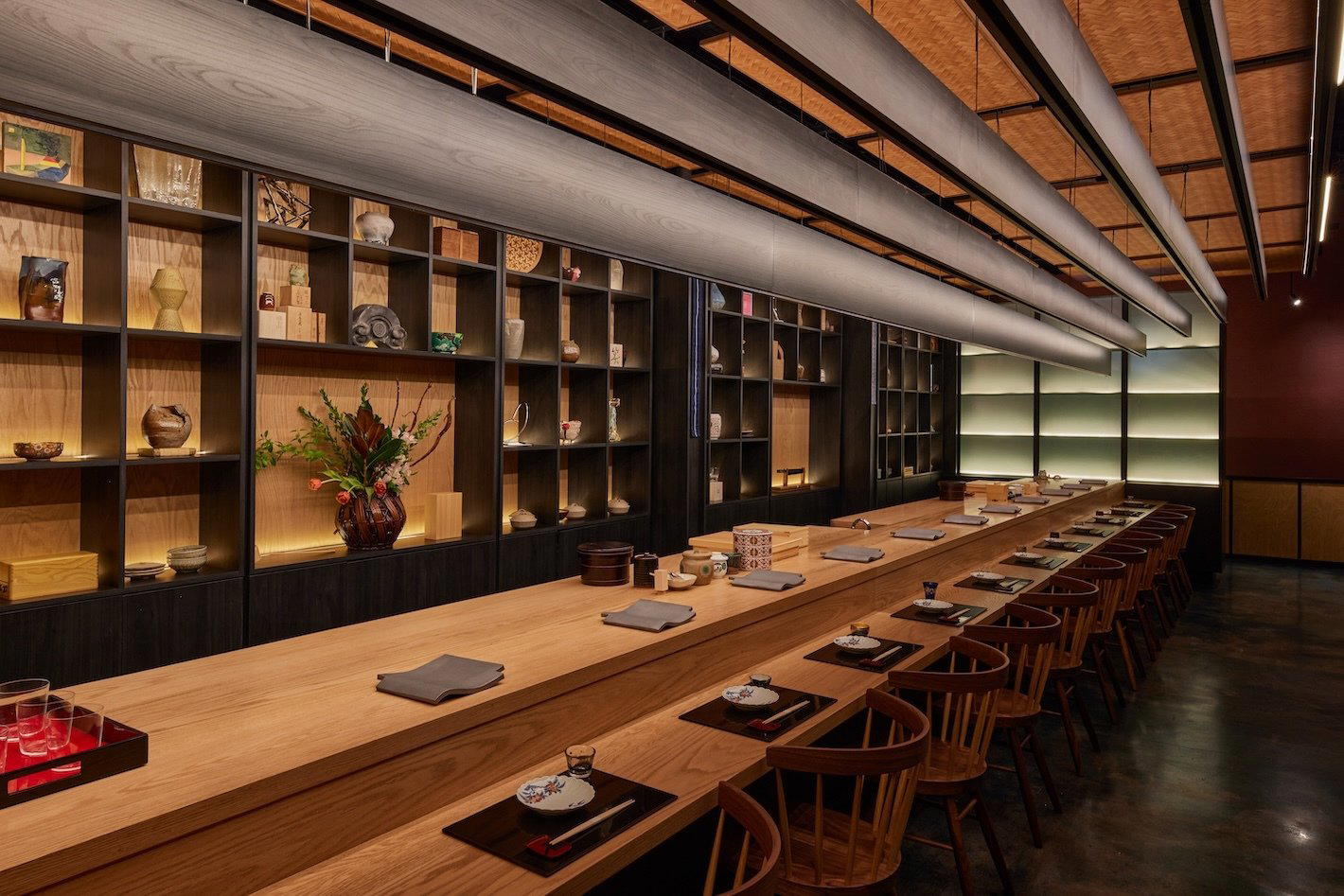
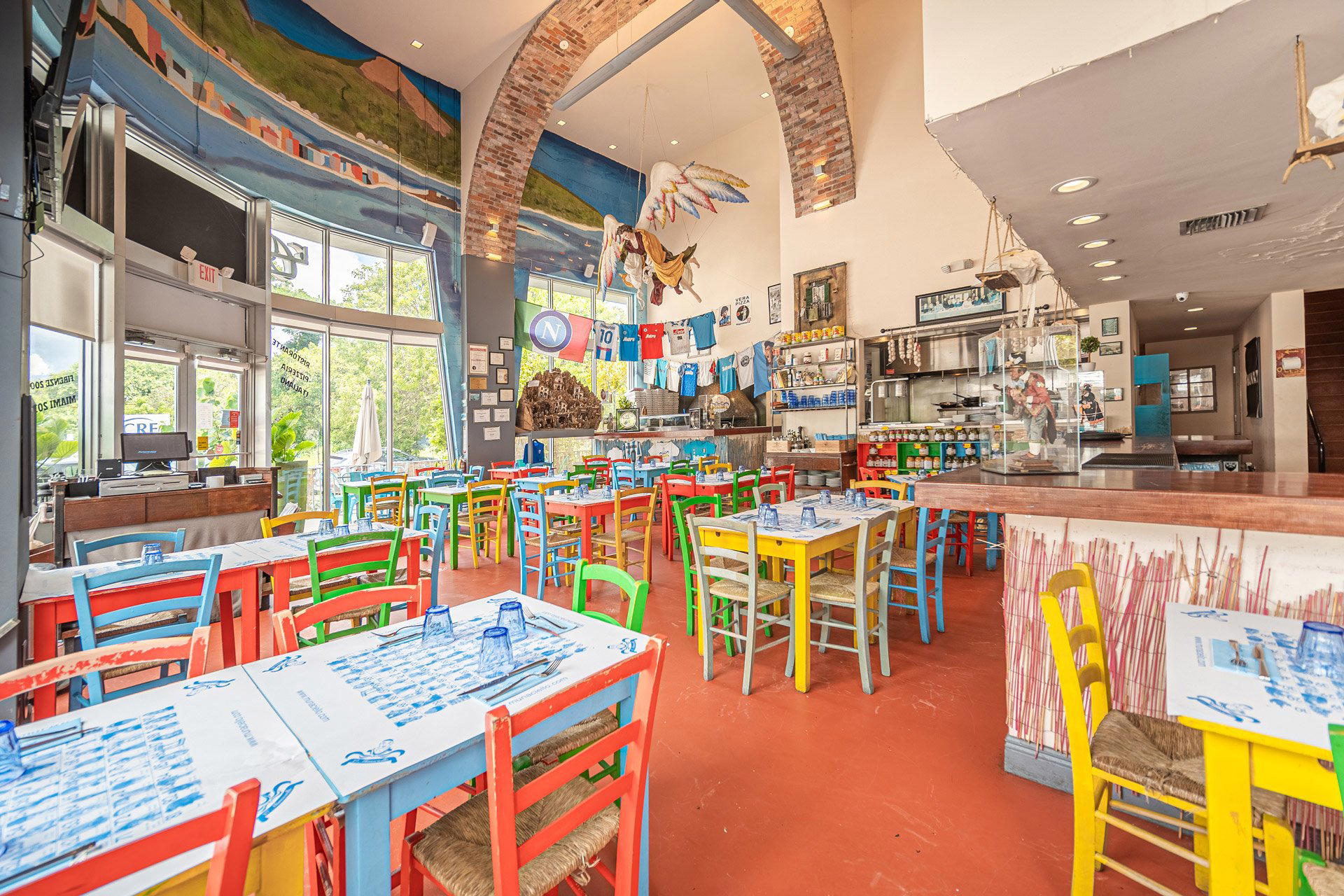
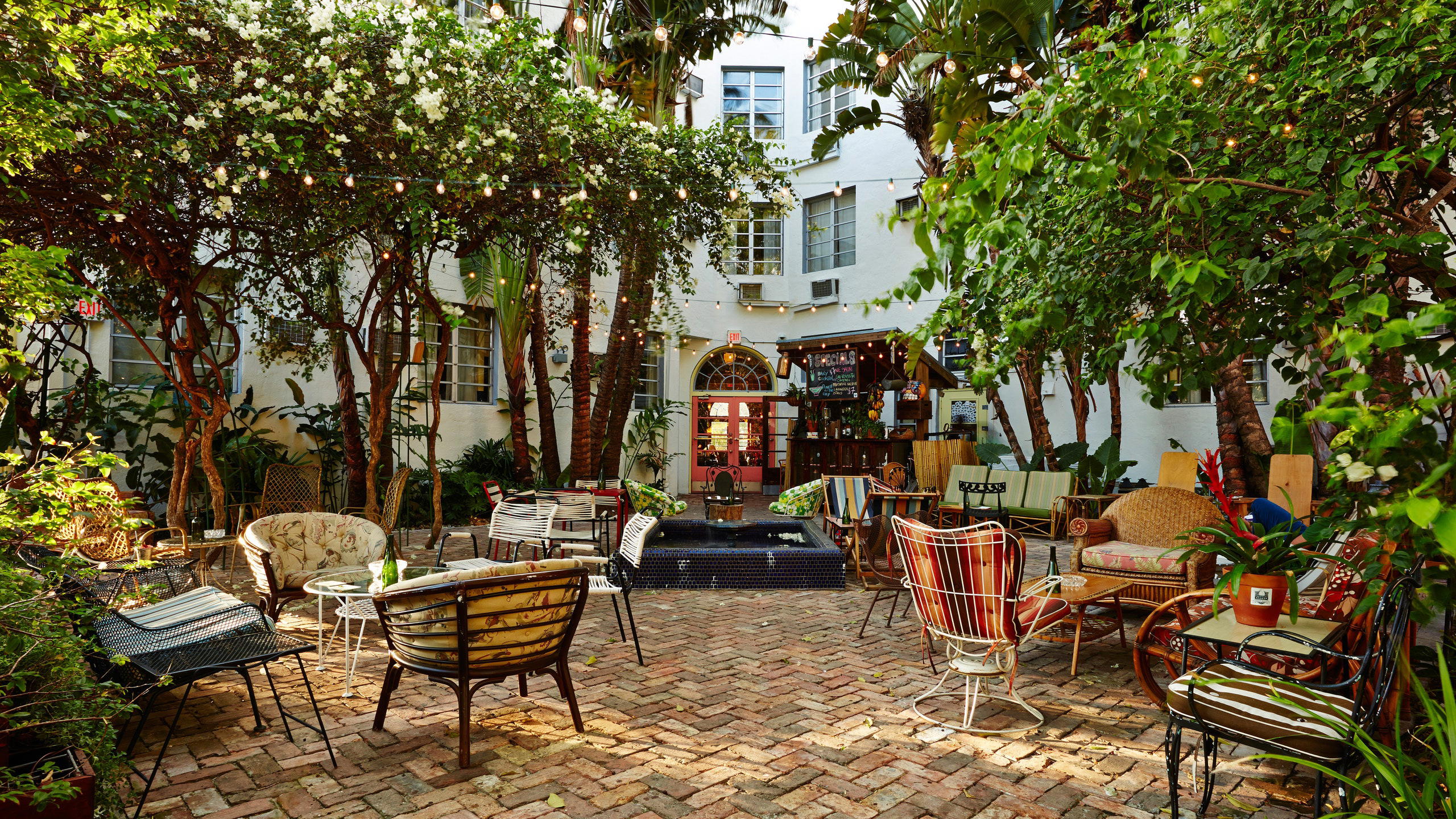
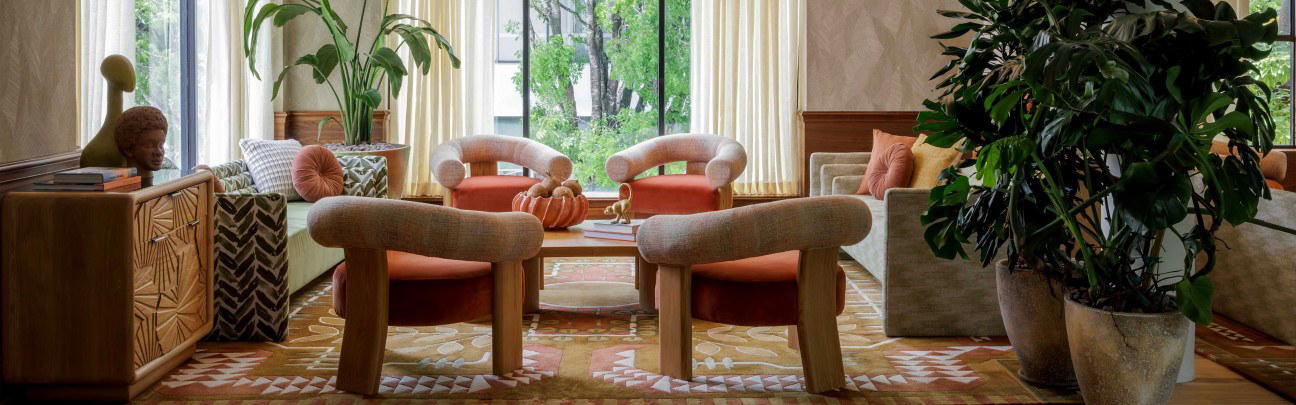
Cozy little restaurant with Indonesian decor including pictures, a big map, and items from travels, creating an inviting atmosphere.
Know Before You Go
- Getting there
- 1910B Hollywood Blvd, Hollywood, FL 33020