On Pla de Palau in the Ciutat Vella, Oaxaca Cuina Mexicana brings Mexican regional cooking to one of Barcelona's most historically layered waterfront squares. In a city whose dining conversation is dominated by avant-garde Catalan technique, this kitchen positions itself as a serious interpreter of Oaxacan cuisine, a cuisine that Barcelona has largely overlooked despite its complexity and depth.
Pearl is the En Primeur Club membership app — saves, bookings, and concierge access live there. Same editors, same standards.
- Address
- Pla de Palau, 19, Ciutat Vella, 08003 Barcelona, Spain
- Phone
- +34933190064
- Website
- oaxacacuinamexicana.com
- Directions
- Get directions
 Saves & bookings on Pearl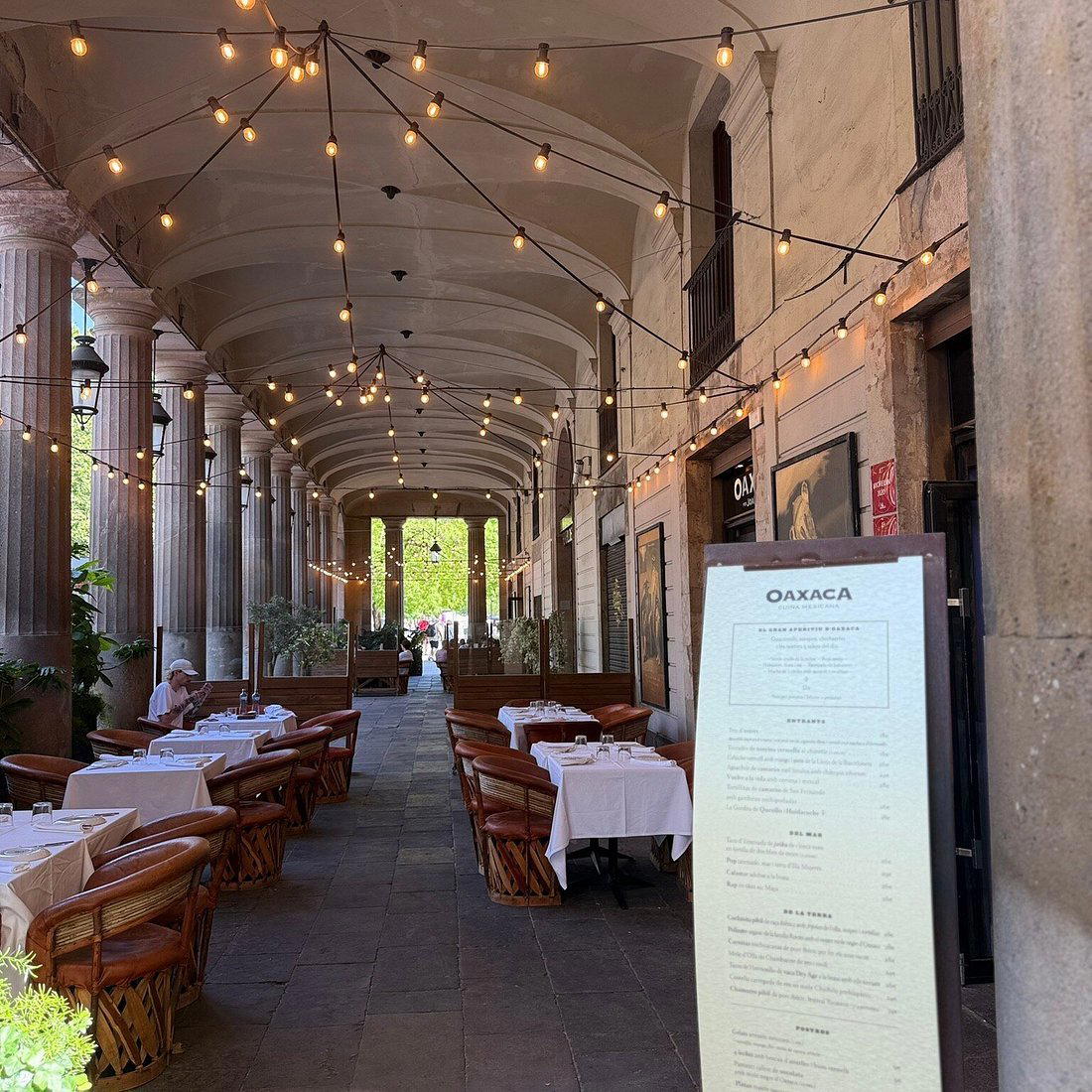
Where the Waterfront Meets Southern Mexico
Pla de Palau is not a square that announces itself quietly. Bordered by neoclassical facades and positioned between the Barceloneta waterfront and the El Born quarter, it carries the ambient noise of a city that is simultaneously a port, a tourist corridor, and a working neighbourhood. Arriving at Oaxaca Cuina Mexicana here, you are already inside a kind of tension, the architectural gravity of the square pulling in one direction, the proposition of Mexican regional cooking pulling in another. That friction, it turns out, is part of the experience.
Mexican food in Barcelona has historically been flattened into the Tex-Mex register: nachos, frozen margaritas, the occasional burrito bowl. The more considered wave of Mexican regional cooking that has reached cities like London and New York, grounded in mole, mezcal, and the distinct culinary geography of Oaxaca state, has arrived more slowly here. Oaxaca Cuina Mexicana sits at that frontier, operating as a proposition that the cuisine deserves the same seriousness Barcelona extends to its Catalan and Japanese counterparts.
The Sensory Register of Oaxacan Cooking
Oaxacan food works through accumulation. The smell of dried chiles reconstituting, the low burn of chiles negros in a mole negro, the earthiness of masa, these are not flavours that announce themselves in a single dramatic note. They build. In a city like Barcelona, where kitchens such as Disfrutar, Enigma, and ABaC have trained diners to expect visual spectacle and textural provocation, Oaxacan cuisine offers a quieter but equally demanding sensory language. The complexity is in layering rather than transformation.
The name itself signals intent. Oaxaca, a state in southern Mexico, is one of the country's most biodiverse culinary regions, producing seven distinct varieties of mole, its own family of aged and fresh cheeses, tlayudas, chapulines, and the agave distillates that have become a separate global category under mezcal. When a restaurant takes the name of a region rather than a dish or a concept, it is making a claim about depth and specificity.
In European cities where Mexican regional cuisine has taken root most seriously, think of operations in London or Berlin that have built credibility around sourcing dried chiles directly from Mexican producers and working with heritage masa, the restaurants that distinguish themselves tend to share a common characteristic: they treat the ingredients as the argument. The cooking method is in service of the raw material, not the other way around. Barcelona's version of this conversation is still early, which gives Oaxaca Cuina Mexicana a positioning that the city's Michelin-dense fine dining tier does not occupy.
Barcelona's Culinary Context and Where This Fits
Barcelona's dining identity is defined overwhelmingly by Catalan creative cooking. The city holds multiple three-Michelin-star kitchens, Cocina Hermanos Torres, Lasarte, and Disfrutar among them, and a dense middle tier of modern Spanish restaurants that price and position against the Catalan avant-garde tradition. Across Spain more broadly, the frame is set by kitchens like El Celler de Can Roca in Girona, Arzak in San Sebastián, and Mugaritz in Errenteria, kitchens whose identity is almost entirely rooted in Spanish regional produce and technique.
What this means in practice is that international cuisines operate in Barcelona's dining scene with less critical infrastructure than they do in, say, London or New York. There is no established reviewer language for evaluating a Oaxacan kitchen here the way there is for a Catalan one. That cuts both ways: it reduces pressure from the awards-and-accolades circuit that drives kitchens like Aponiente in El Puerto de Santa María or Azurmendi in Larrabetzu, but it also means a Mexican restaurant in Barcelona is largely self-defining its own quality signals.
In that context, the Pla de Palau address is a reasonable strategic choice. The square draws an international mix, hotel guests, residents of El Born, people crossing between the waterfront and the old city, that skews toward visitors who may have an existing reference point for Mexican regional food from London, New York, or Mexico City itself. Venues like Le Bernardin in New York City or Atomix in New York City illustrate how international cuisines can achieve critical seriousness in cities not native to them, but that typically requires years of institutional recognition-building. For a Mexican kitchen in Barcelona, that process is still underway.
The Broader Pattern: Regional Mexican Cooking in European Cities
The migration of Mexican regional cooking into European fine dining has followed a recognisable arc. The first wave arrived as casual formats, taqueries, mezcal bars, market stalls. The second wave, currently in progress in several European capitals, involves kitchens that price and present themselves at a mid-to-upper casual level but treat the cooking with the ingredient rigour you would apply to any serious regional cuisine. Spain, with its own deep tradition of regional identity in food, should be well positioned to receive that second wave. The intellectual apparatus is already there: Spanish diners understand that Asturian fabada and Basque pintxos are not interchangeable, and that geography determines flavour. Extending that logic to Mexican state-by-state differentiation is not a large cognitive step.
For a sense of what that second wave looks like at its most developed, the comparison points are kitchens in New York and London where Mexican regional cooking has achieved genuine critical recognition, not through Michelin stars, but through sustained specialist attention and a clientele that can distinguish between a Oaxacan mole negro and a Poblano one. Barcelona does not yet have that critical mass, which makes Oaxaca Cuina Mexicana's position both exposed and potentially significant.
Spain's own regional cuisine diversity, from Quique Dacosta in Dénia to Ricard Camarena in València to Atrio in Cáceres to DiverXO in Madrid and Martin Berasategui in Lasarte-Oria, demonstrates that Spanish food culture is fully capable of sustaining regional specificity at every price point. That cultural receptivity makes Barcelona a more fertile ground for serious Mexican regional cooking than it might first appear.
Know Before You Go
- Address: Pla de Palau, 19, Ciutat Vella, 08003 Barcelona, Spain
- Neighbourhood: Ciutat Vella, between El Born and Barceloneta waterfront
- Cuisine: Mexican regional, with a declared focus on Oaxacan cooking
Comparable Venues
Comparable venues nearby, for context on price, style, and recognition.
| Venue | Cuisine | Price | Notes |
|---|---|---|---|
| Oaxaca Cuina MexicanaThis venue — the venue you are viewing | Modern Mexican | $$$ | Not listed |
| L'Adelita Botaner | Authentic Traditional Mexican | $$ | l'Antiga Esquerra de l'Eixample |
| Tequila Cantina Mexicana | Authentic Mexican Taqueria | $$ | el Poblenou |
| Ándele L'illa | Authentic Mexican | $$ | les Corts |
| Hoja Santa | Modern Mexican Fine Dining | $$$$ | Paral·lel |
| Gallo Santo | Vegan Mexican | $$ | la Sagrada Familia |
Continue exploring
More in Barcelona
Restaurants in Barcelona
Browse all →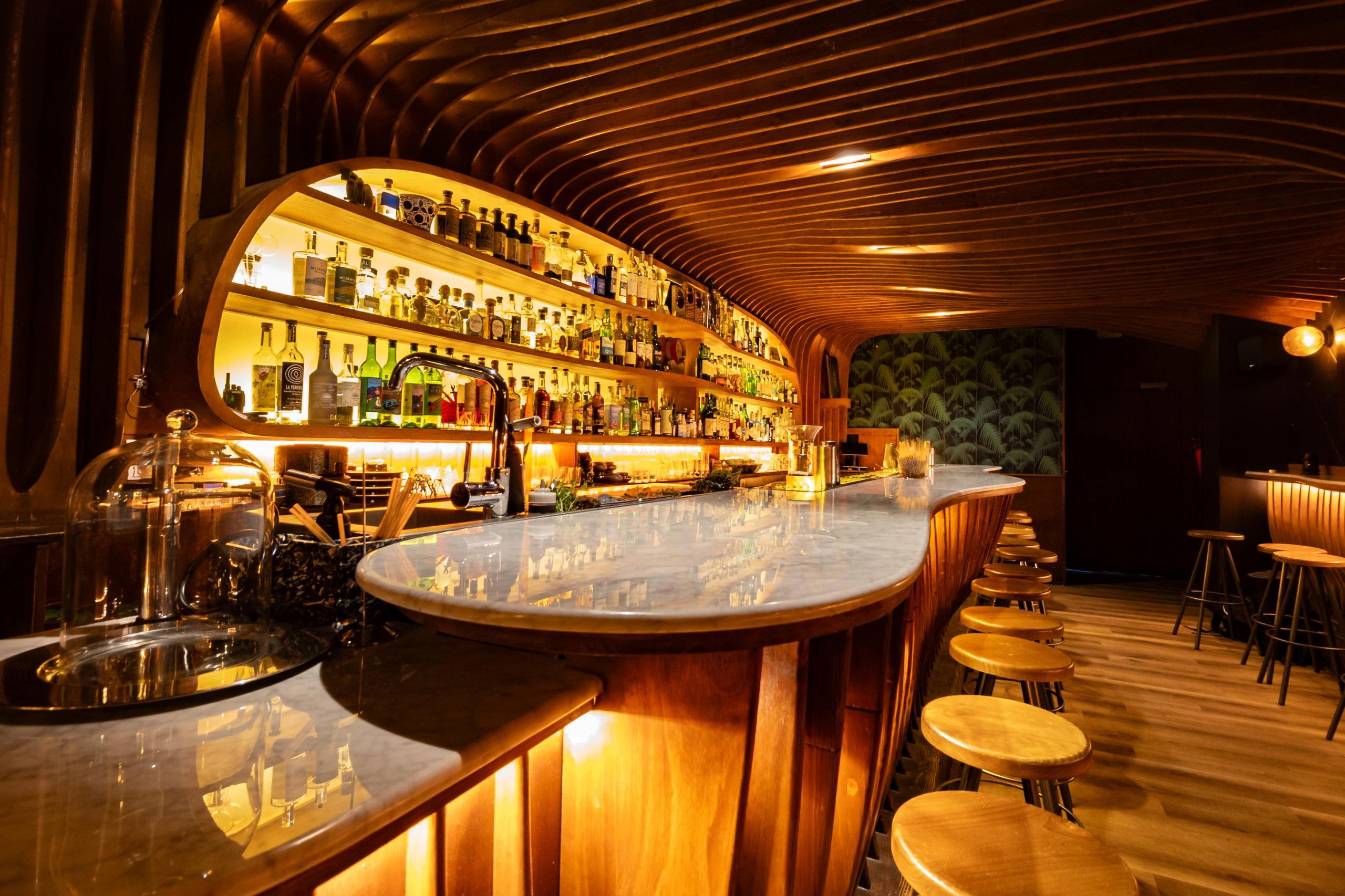
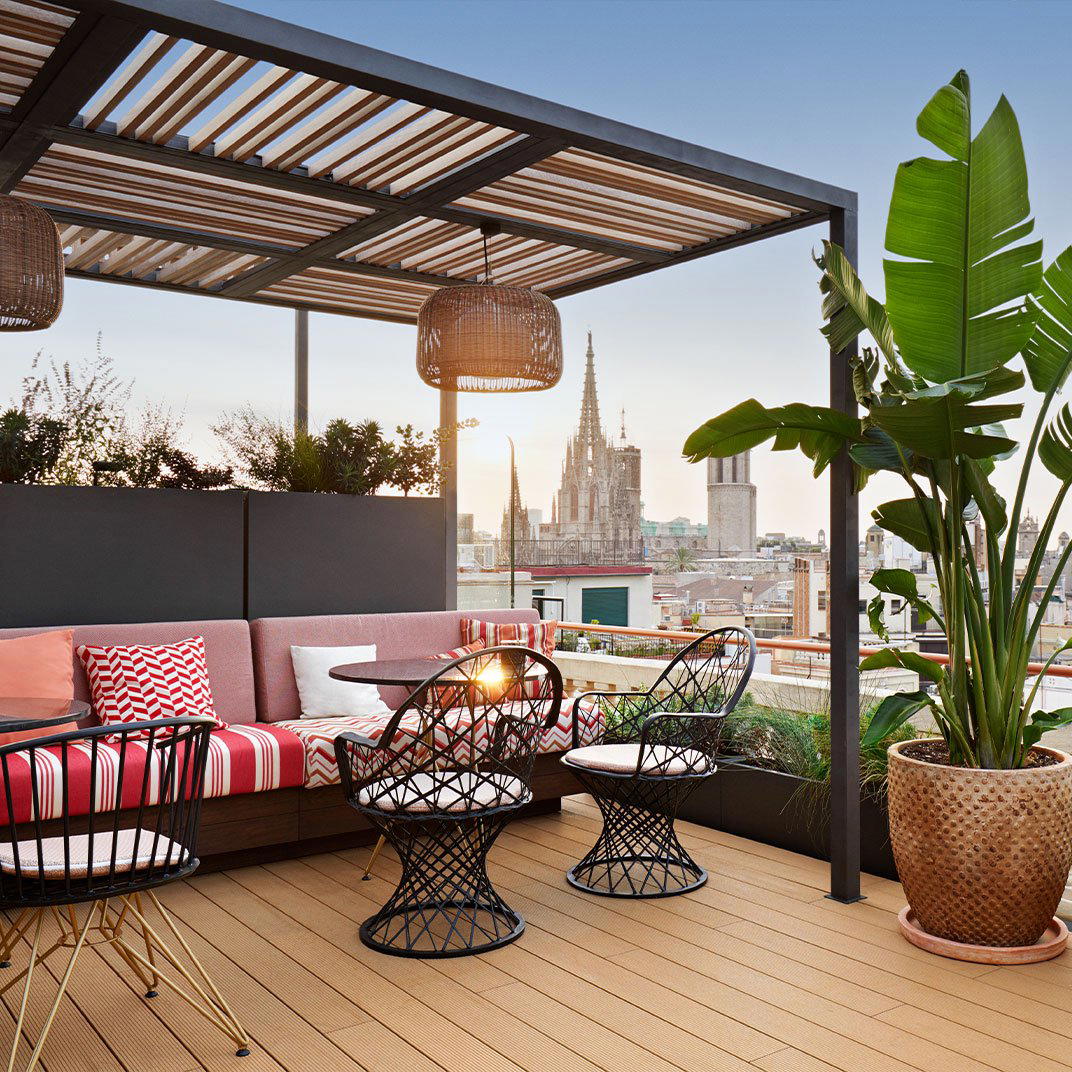
Bars in Barcelona
Browse all →
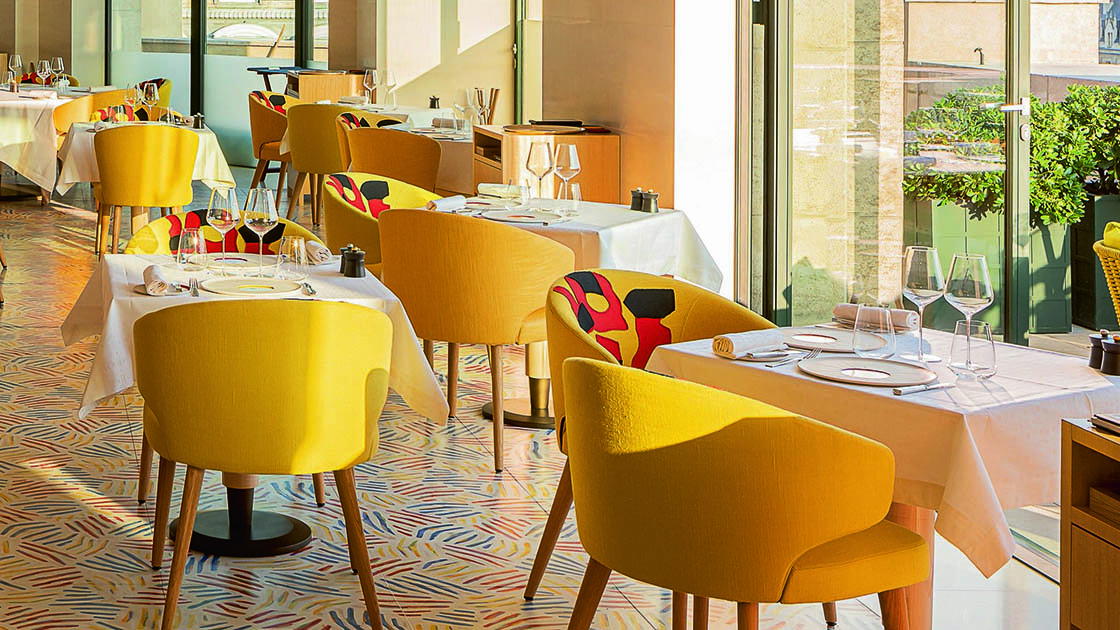
Hotels in Barcelona
Browse all →

At a Glance
- Trendy
- Cozy
- Rustic
- Date Night
- Group Dining
- Special Occasion
- Open Kitchen
- Terrace
- Craft Cocktails
- Local Sourcing
- Street Scene
Current opening hours
- Monday
- 1 PM–12 AM
- Tuesday
- 1 PM–12 AM
- Wednesday
- 1 PM–12 AM
- Thursday
- 1 PM–12 AM
- Friday
- 1 PM–1 AM
- Saturday
- 1 PM–1 AM
- Sunday
- 1 PM–12 AM
Hours can change for holidays and private events. Last verified .
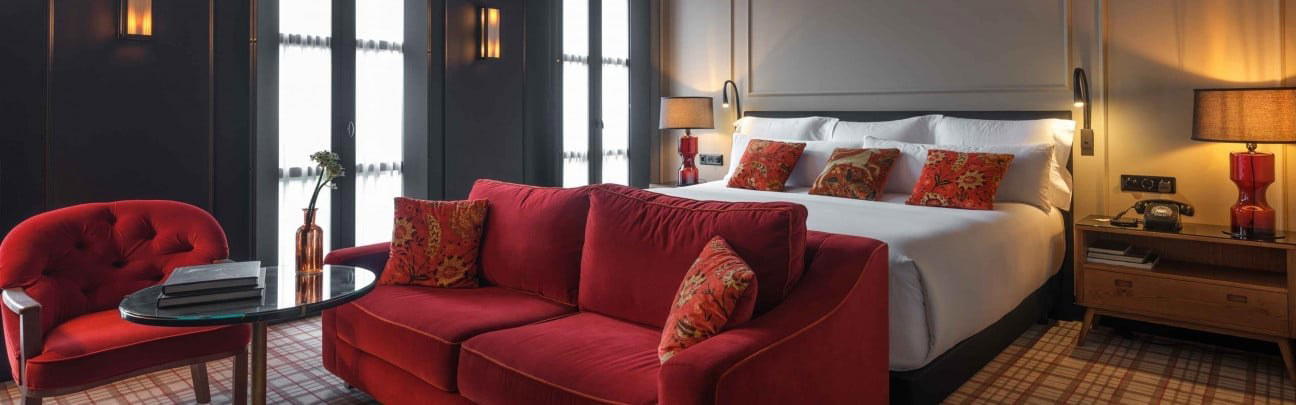
Warm and inviting with good taste decoration, spacious tables for comfortable conversations, open kitchen, and terrace under Pla de Palau porches.