
Tabelog 100 #33
Our verdict
É nye places modern Spanish cooking inside Osaka’s ingredient-driven dining culture, with fish and wine carrying much of the editorial interest. Its Tabelog 100 Spanish cuisine selection in 2026 and earlier Tabelog Award Bronze recognition put it in a serious category rather than a casual tapas lane.

Pearl is the En Primeur Club membership app, where members save venues, book tables and use the concierge.
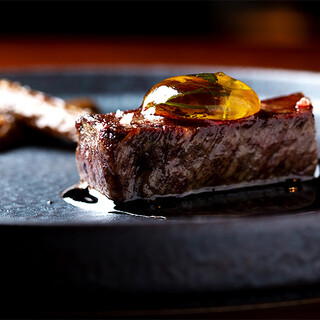
Osaka sets a restrained frame for É nye: urban, practical, and more interested in dining substance than in postcard theatre. That matters. Spanish restaurants in Japan often work best when they avoid imported nostalgia and let the room’s own rhythm, sourcing decisions, and service style lead. É nye belongs to that school in broad terms: an Osaka restaurant where the Spanish category is treated as a disciplined format rather than a costume.
The point is not Spanish food as scenery. In Japan, stronger contemporary Spanish kitchens tend to read the local market and dining tempo first, then let technique follow. Osaka suits that approach because the city understands dining as appetite, pace, and craft, not ceremony alone. The result sits apart from everyday casual eating and from more formal tasting-room expectations. It asks for attention, not reverence.
Spanish technique, Osaka context, and a focused argument
É nye is listed as Spanish, but its more useful identity is an Osaka restaurant working within that category with a serious point of view. That separates it from casual tapas-style expectations, where pleasure is often volume and repetition, and from prestige menus that use Spanish references only as decoration. The category matters, but the execution is what gives the restaurant its reason to be considered.
The 2026 Tabelog Hyakumeiten recognition for Spanish cuisine gives the restaurant a clear external trust signal. Its listed Tabelog score of 3.67 and dinner budget of JPY 15,000 - JPY 19,999 place it in a planned-dinner bracket rather than a casual drop-in lane. In a city whose dining conversation is often dominated by Japanese counter formats and everyday comfort eating, that recognition matters because Spanish restaurants compete in a narrower lane. The category rewards restaurants that make an imported frame feel persuasive in the city’s own appetite.
That focus makes Osaka a sharp fit. Local dining culture has little patience for empty luxury. A restaurant has to justify its price, pacing, and sense of purpose through what happens at the table. É nye’s appeal is best understood that way: not as spectacle for its own sake, but as a composed Osaka dinner built around a clearly defined Spanish identity.
For readers mapping Osaka by dining mood, this sits apart from more everyday or tightly specialized formats. Better comparisons are the city’s highly specific choices: the everyday pull of Curry Rice, the noodle-focused lane of Menya Hanabusa, or the different registers represented by Sugimachi, Zeroku Honmachi ten, and wapiti. They are not interchangeable, but they show the same broader pattern: Osaka rewards restaurants that know exactly what kind of meal they are trying to be.
A planned-dinner register without unnecessary stiffness
A focused restaurant changes the social contract. This is not the kind of place to read as anonymous turnover or casual grazing. The experience is better understood as a planned evening, with the restaurant’s Spanish category, Osaka setting, and upper dinner budget shaping expectations before the meal begins. The right mindset is not banquet dining, but a controlled dinner for guests who want conversation, attention, and a composed pace.
The atmosphere should be read through Osaka, not luxury shorthand. The city’s practical dining culture suits modern Spanish cooking at this level. The restaurant does not need spectacle because the format narrows focus to the meal itself: a clear cuisine identity, a serious price bracket, and the measured pace of an upper casual-fine dinner.
Nearby dining decisions in Osaka can fall into very different bands. Sugimachi, wapiti, Zeroku Honmachi ten, Menya Hanabusa, and Curry Rice all occupy other formats, moods, or everyday roles. É nye sits in a different decision category: not spontaneous, not simply a refuel, and not chosen only because it is nearby. It is a planned dinner for diners who want Osaka expressed through a Spanish restaurant format.
Its current recognition places it in a useful contemporary window. Japan’s modern Spanish dining has moved beyond novelty; diners are no longer impressed by mere vocabulary or surface-level Iberian references. Restaurants have to show command, clarity, and purpose. É nye’s 2026 Tabelog Hyakumeiten listing suggests that the format continues to hold relevance within a fast-moving category.
How to place it within an Osaka itinerary
Use this dinner as a counterweight to Osaka’s louder pleasures. A trip built only around street snacks, department-store food halls, and late-night drinking misses the city’s quieter register, where restaurants translate global cuisines through local expectations. É nye fits neatly: serious enough to anchor an evening and specific enough to feel connected to Osaka rather than simply imported into it.
For a broader city plan, pair this dinner with the wider editorial map in Our full Osaka restaurants guide, then separate drinking, hotels, and cultural pacing through Our full Osaka bars guide, Our full Osaka hotels guide, and Our full Osaka experiences guide. Our full Osaka wineries guide is useful for readers tracking wine-adjacent travel, even in a city better known for dining than vineyard access.
Nationally, É nye belongs to a broader Japanese pattern of precise, narrowly focused restaurants rather than broad-menu hospitality. The same instinct can be seen across other dining in Osaka and beyond: restaurants that work because their category is narrow, their promise is legible, and their execution does not rely on excess explanation. For readers extending the ingredient-and-drink conversation outside the city, the useful comparison is less about naming direct peers and more about watching how Japanese dining formats and global cuisines keep reshaping one another.
The editorial case is clear: choose É nye when the aim is not simply “Spanish in Osaka,” but a Spanish-category dinner with a serious Osaka register. The 2026 Tabelog Hyakumeiten recognition supports the decision, as do the listed score of 3.67 and dinner budget of JPY 15,000 - JPY 19,999. The more interesting reason is structural: Osaka rewards restaurants that turn appetite into precision without sanding away character, and that is where É nye earns its place.
Style and Standing
Comparable venues at similar price and category levels.
| Venue | Cuisine | Price | Awards | Notes |
|---|---|---|---|---|
| É nyeThis venue (the venue you are viewing) | Spanish Restaurant | Not listed | Tabelog 100 #33 | Not listed |
| El Poniente | Spanish Restaurant | $30–50 | Tabelog 100 #58 | Chūō |
| Osteria e Bar Geno | Cozy Spanish Osteria & Bar | $50–100 | Tabelog 100 #16 | Esaka |
| wapiti | Modern standing bar with smoked dishes and Spanish-style small plates | $30–50 | Tabelog 100 #100 | Chūō |
| Rashansen | Modern Cantonese-influenced Chinese with natural wines | $30–50 | Tabelog 100 #90 | Nishi |
| Sake to Onna to Tori to Men | Fusion Dakhanmari & Noodle Tasting (Japanese–Korean–Chinese) | $50–100 | Tabelog 100 #76 | Kita |
Recognition history
Dated appearances from independent guides and award organizations, with the underlying list record or original source where available.
Tabelog 100 #33 · No. 33
Tabelog · Tabelog 100 - Spanish cuisine - 2026
Continue exploring
More in Osaka
Restaurants in Osaka
All restaurants in Osaka →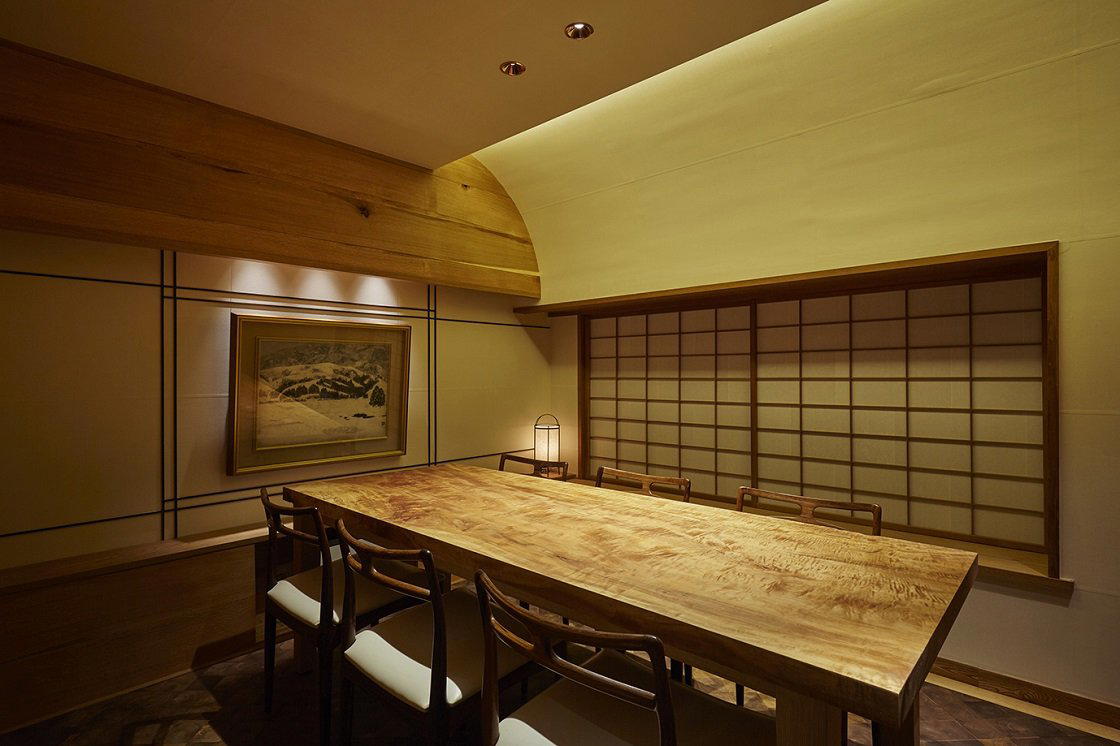



Bars in Osaka
All bars in Osaka →
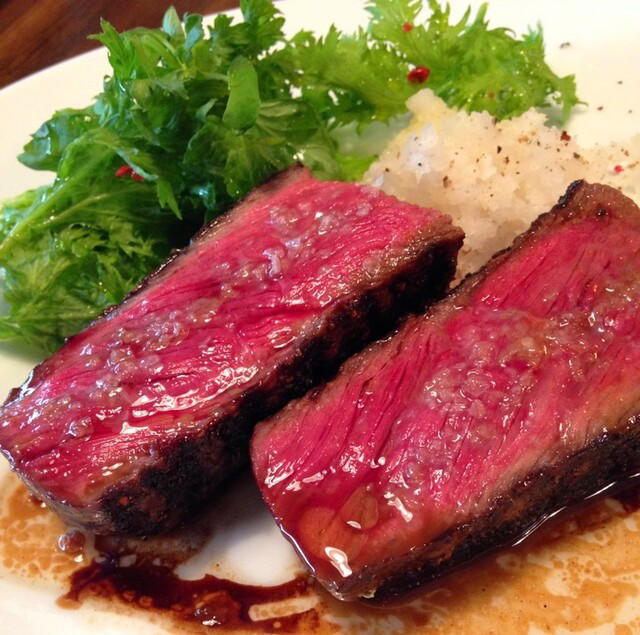
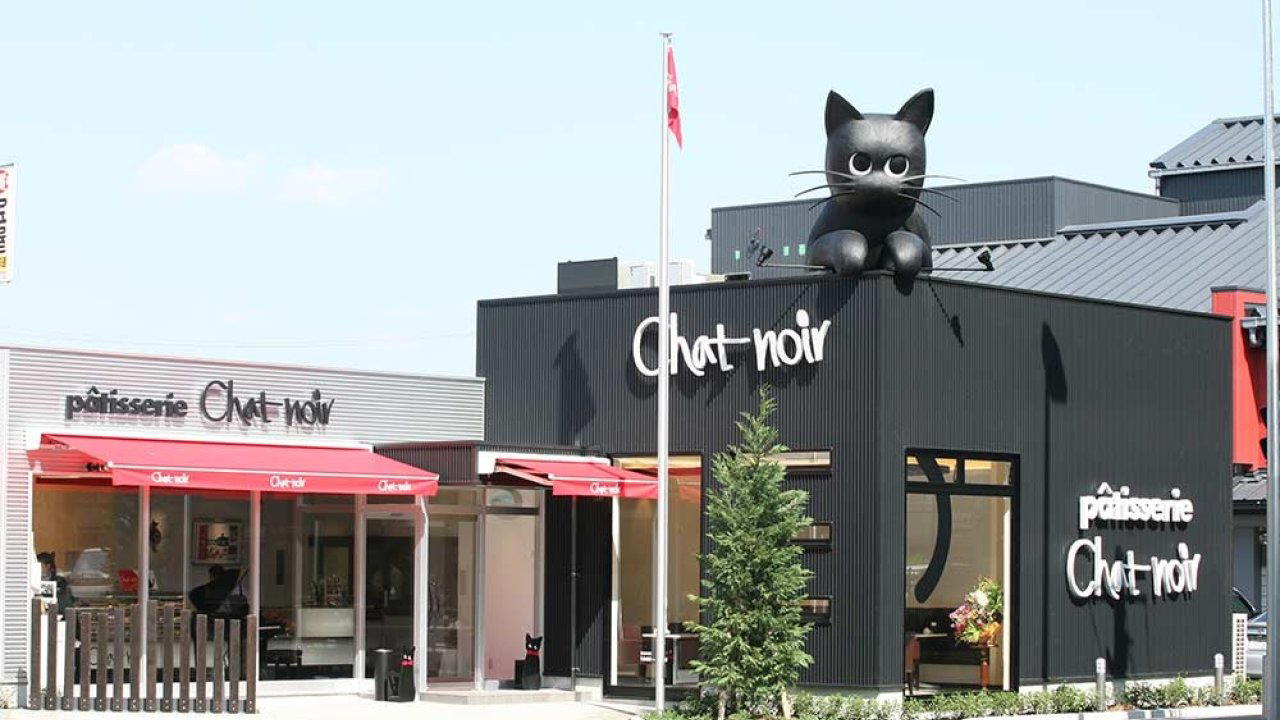
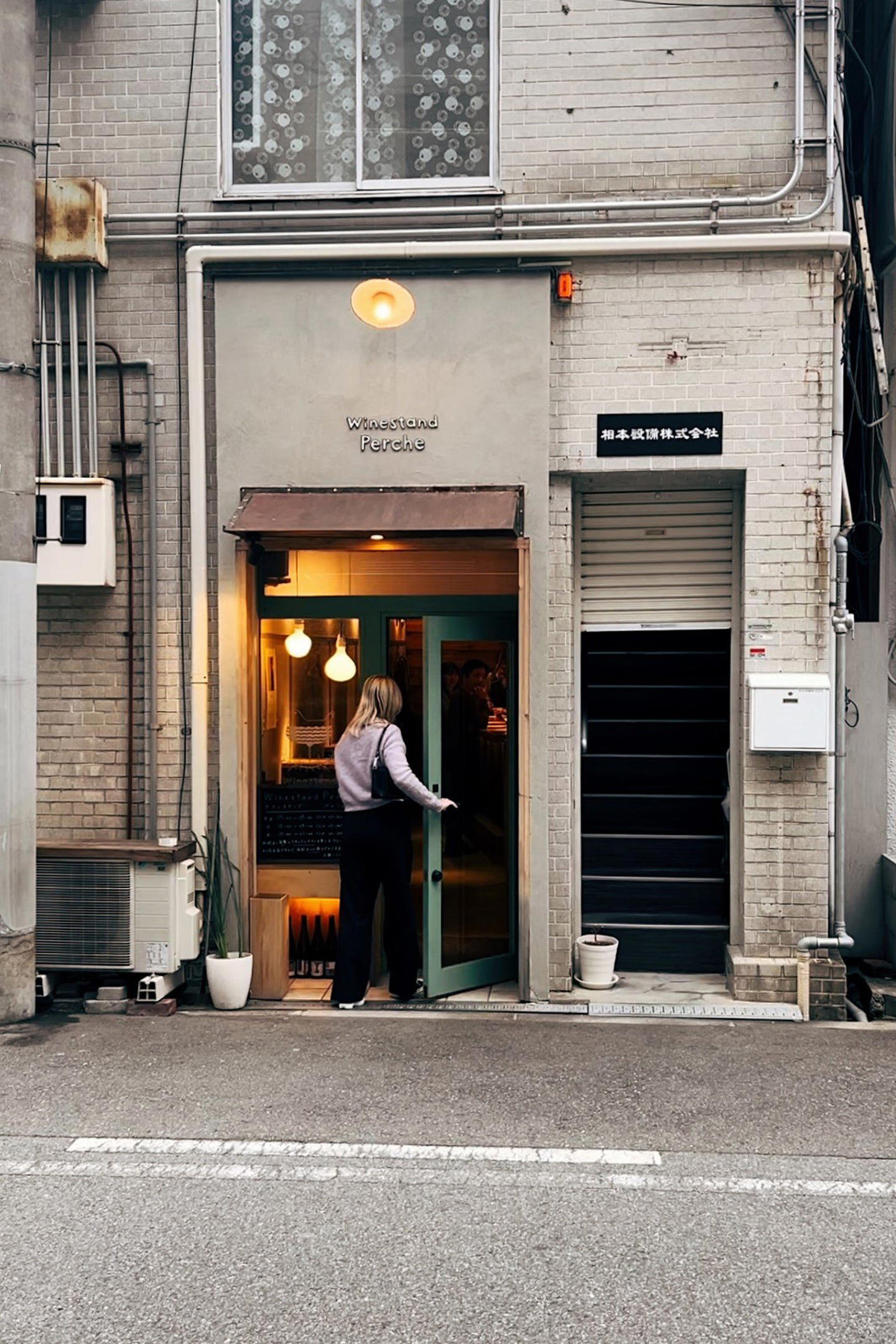
Hotels in Osaka
All hotels in Osaka →
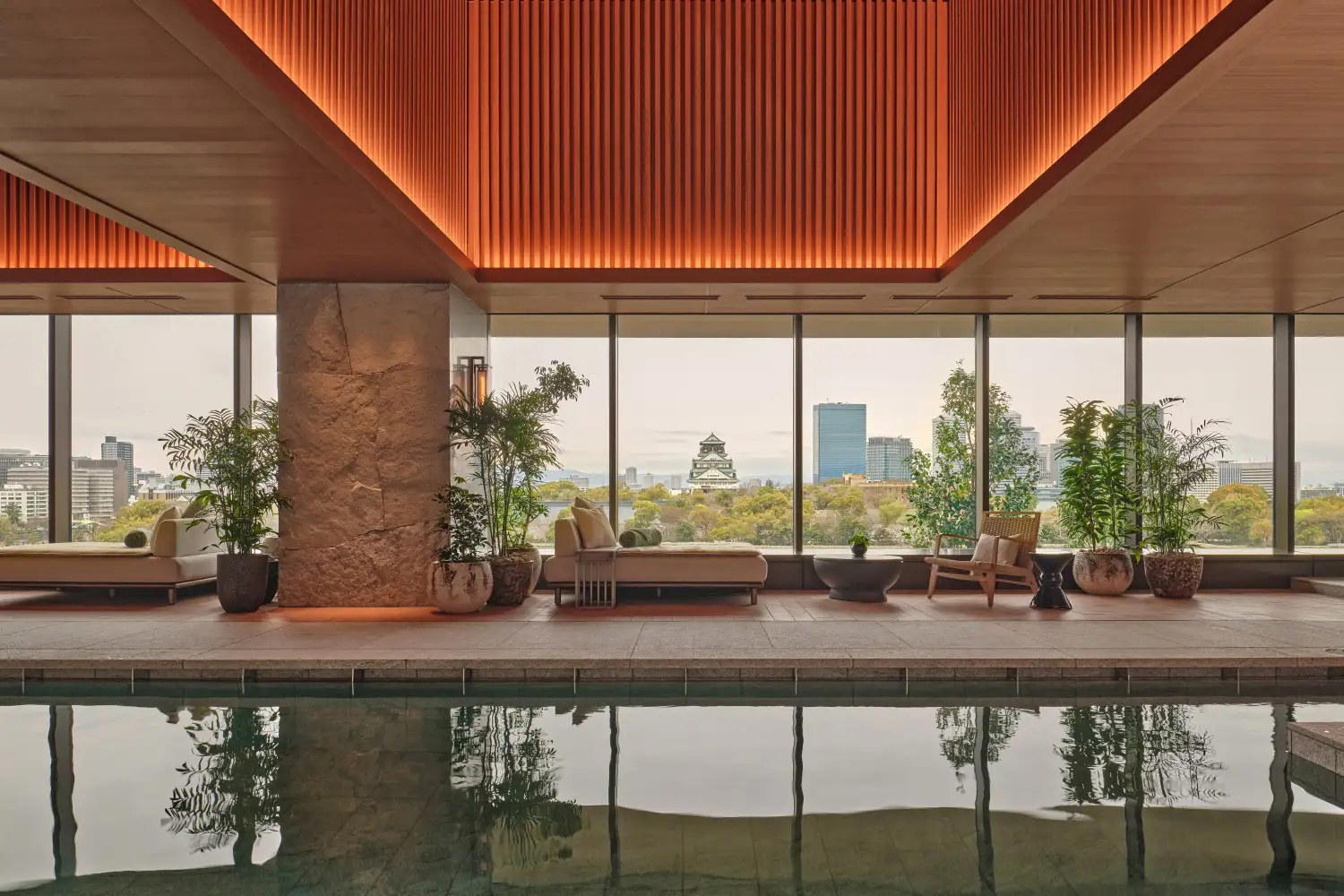



Wineries in Osaka
Browse all →
Details
- Elegant
- Sophisticated
- Intimate
- Date Night
- Business Dinner
- Special Occasion
- Standalone
- A La Carte
Current opening hours
- Monday
- Closed
- Tuesday
- 6–7:30 PM
- Wednesday
- 6–7:30 PM
- Thursday
- 6–7:30 PM
- Friday
- 6–7:30 PM
- Saturday
- 12–1 PM, 6–7:30 PM
- Sunday
- 12–1 PM, 6–7:30 PM
Hours can change for holidays and private events. Hours as of .
Likely polished and intimate, based on its positioning as a Spanish restaurant in a central Osaka location; detailed design and lighting information were not provided in the source text.