Michel bach

Tabelog 100 #80
Our verdict
Michel bach belongs to Nishinomiya’s serious sweets circuit, where French-style cake shops and bakeries operate with the discipline of specialist food counters rather than café sprawl. Its Tabelog Sweets WEST “Tabelog 100” selections in 2020, 2022, and 2023 place it in a competitive regional tier, with a take-out format that suits visitors treating Shukugawa as a pastry stop rather than a long sit-down meal.

Pearl is the En Primeur Club membership app — saves, bookings, and concierge access live there. Same editors, same standards.
The menu
What to order
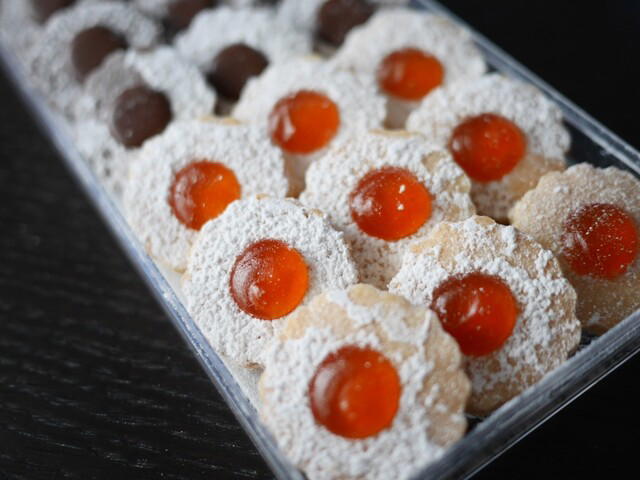
- Cookie assortments (Cookie Rose)
- Eclairs
- Macarons
- Cakes and pastries
Nishinomiya has the right scale for pastry: residential streets, measured foot traffic, and a customer base that treats cakes and baked goods as part of daily life rather than a souvenir hunt. In this part of the city, the sweets scene reads differently from the department-store counters of Osaka or Kobe. The stronger addresses tend to be compact, precise, and local in rhythm, with customers arriving for boxes of sweets and leaving before the room has time to become a lounge.
Michel bach fits that pattern. The name carries weight because of its 2023 recognition in Tabelog’s sweets-focused Hyakumeiten context, but the more useful point is what that recognition says about the category: western-style sweets are judged in a crowded field, and Nishinomiya has enough depth to support dedicated cake shops, bread specialists, and small-format counters without leaning on tourist volume.
Nishinomiya's pastry culture rewards precision over spectacle
Western-style sweets in Japan are not simply imported French technique with local packaging. The category has developed its own grammar: cleaner sweetness, sharper portion control, seasonal fruit handled with restraint, and packaging that assumes the cake may be carried home rather than eaten immediately. That practical assumption shapes the food. Structure matters. Cream, sponge, tart shells, and chocolate work have to survive the short journey from counter to table.
That is where ingredient handling becomes more than a slogan. In Japanese patisserie, dairy quality, fruit condition, flour choice, and chocolate handling register quickly because the format leaves little room for heavy disguise. A small cake shop in Nishinomiya competes less through spectacle than through consistency: the fruit has to look alive, the cream has to hold, and the pastry base has to keep its line after transport. Michel bach’s recognition within a sweets-specific list places it among addresses assessed for that kind of repeatable craft, not for a single tasting-menu flourish.
The comparison within Nishinomiya is useful. Boulangerie Miyanaga and ameen’s oven sit closer to the bread side of the city’s flour-and-fermentation culture, while other local sweets counters signal the area’s appetite for established cake-shop craft. Michel bach belongs in the same conversation, but its value for a visitor is narrower and clearer: this is a sweets stop, not a broad dining room.
A sweets-focused format changes the way to read the experience
The specialist model is not a secondary detail here. It defines the pace. Japan’s serious patisserie counters often function like focused retail rather than restaurants, and that changes the visitor’s expectations. The room is less about lingering and more about selection, packaging, timing, and the small choreography of customers moving through a compact space. For travelers, that can be more revealing than another multi-course reservation: it shows how local households actually buy pastry.
Michel bach also matters because of where it sits in Nishinomiya’s everyday food culture. The city’s dining identity is not built only around destination restaurants; it is shaped by residential habits, school routes, weekend errands, and station-area shopping. A sweets counter occupies a different social role from a hushed dégustation room. It can be serious about craft without asking the customer to perform seriousness.
Price position also matters. Within Nishinomiya’s casual sweets and bakery field, peers such as Boulangerie Miyanaga and ameen’s oven help frame the city as a place for focused, everyday food stops. Michel bach is listed at JPY 2,000 - JPY 2,999, which makes sense for a cake-led stop with regional sweets recognition. The better question is not whether it replaces a bakery run; it does not. It answers a different need, when the purchase is a composed box of western-style sweets rather than bread for the next morning.
For broader planning, Nishinomiya rewards grouping nearby food stops rather than treating each address as a standalone detour. The city’s bakery circuit and other unnamed dining rooms help explain why this area has more culinary density than its calm streets suggest. Readers building a wider route can use Our full Nishinomiya restaurants guide for dining, then cross-check Our full Nishinomiya hotels guide, Our full Nishinomiya bars guide, Our full Nishinomiya wineries guide, and Our full Nishinomiya experiences guide when the trip extends beyond a single pastry run.
How it fits into a wider Japan itinerary
Michel bach makes strongest sense for travelers already moving through the region or using Nishinomiya as a quieter counterpoint to larger nearby cities. It is not a substitute for a full meal, and that is the point. Japanese food travel is often richer when it includes these single-category specialists: a cake shop in Nishinomiya, a bakery near a commuter station, a counter devoted to one narrow craft. The pleasure is in seeing how much discipline sits inside formats that look casual from the outside.
That same logic applies across Japan’s smaller specialist addresses. A traveler comparing categories can move from Nishinomiya’s sweets and bakery culture to other unnamed specialist counters elsewhere, reading each place through its format rather than through spectacle. Outside the immediate area, the same specialist-reading habit still helps: format tells the diner what kind of attention the place is asking for.
The editorial case for Michel bach is therefore specific. Come for a focused sweets purchase in a city that takes western-style pastry seriously; do not expect the drama of a long restaurant sitting. Its strength lies in category discipline, regional recognition, and the way Nishinomiya’s residential food culture turns cake buying into a serious local habit.
Frequently asked questions
Is Michel bach a family-friendly restaurant?
Michel bach is listed in Nishinomiya under Sweets (Western style) and Cake, with pricing from JPY 2,000 to JPY 2,999. Check the venue's official channels for the latest details.
Is Michel bach better for a quiet night or a lively one?
Michel bach is best understood as a sweets and cake stop in Nishinomiya rather than a late-night dining choice. Its Tabelog sweets-focused 2023 recognition points to a focused pastry visit rather than a broad restaurant outing.
Is Michel bach expensive?
Pricing at Michel bach is listed as JPY 2,000 - JPY 2,999 View spending breakdown.
What time does Michel bach open and close?
Current opening hours for Michel bach should be confirmed directly with the venue before visiting.
What's the address for Michel bach?
Nishinomiya.
How It Stacks Up
Nearby venues at a similar price tier for orientation.
| Venue | Cuisine | Price | Awards | Notes |
|---|---|---|---|---|
| Michel bachThis venue (the venue you are viewing) | Classic Western-style patisserie and dessert shop | $10–20 | Tabelog 100 #80 | Not listed |
| Elberan | Classic Japanese Western-style cakes & cookies | $10–20 | Tabelog 100 #55 | Shukugawa |
| ameen’s oven | Bakery Cafe | $1–10 | Tabelog 100 #3 | Shukugawa |
| Boulangerie Miyanaga | Bakery | $1–10 | Tabelog 100 #91 | Shukugawa |
| Cake House Tsumagari Kouyouen honten | Japanese-style Western confectionery & cakes | $10–20 | Tabelog 100 #26 | Koyoen |
| Ryoichi Yamauchi | Neighborhood bakery & bread shop | Not listed | Tabelog 100 #96 | / Kurakuenguchi area |
Recognition history
Dated appearances from independent guides and award organizations, with the underlying list record or original source where available.
Tabelog 100 #80 · No. 80
Tabelog · Tabelog 100 - Sweets - WEST - 2023
Continue exploring
More in Nishinomiya
Restaurants in Nishinomiya
All restaurants in Nishinomiya →

Bars in Nishinomiya
Browse all →



Hotels in Nishinomiya
Browse all →



Wineries in Nishinomiya
Browse all →
Details
- Cozy
- Classic
- Casual Hangout
- Family
- Solo
- After Work
- Standalone
- Design Destination
- A La Carte
- Counter Dining
- Coffee
- Tea
Current opening hours
- Monday
- 10 AM–12:30 PM, 1:40–5:30 PM
- Tuesday
- 10 AM–12:30 PM, 1:40–5:30 PM
- Wednesday
- 10 AM–12:30 PM, 1:40–5:30 PM
- Thursday
- 10 AM–12:30 PM, 1:40–5:30 PM
- Friday
- 10 AM–12:30 PM, 1:40–5:30 PM
- Saturday
- 10 AM–12:30 PM, 1:40–5:30 PM
- Sunday
- 10 AM–12:30 PM, 1:40–5:30 PM
Hours can change for holidays and private events. Last verified .
A compact, unpretentious sweets shop with a calm, neighborhood feel and a focus on takeaway pastries rather than lingering cafe-style dining.