NoMI Kitchen


Wine Spectator Award of Excellence · Forbes Recommended
Our verdict
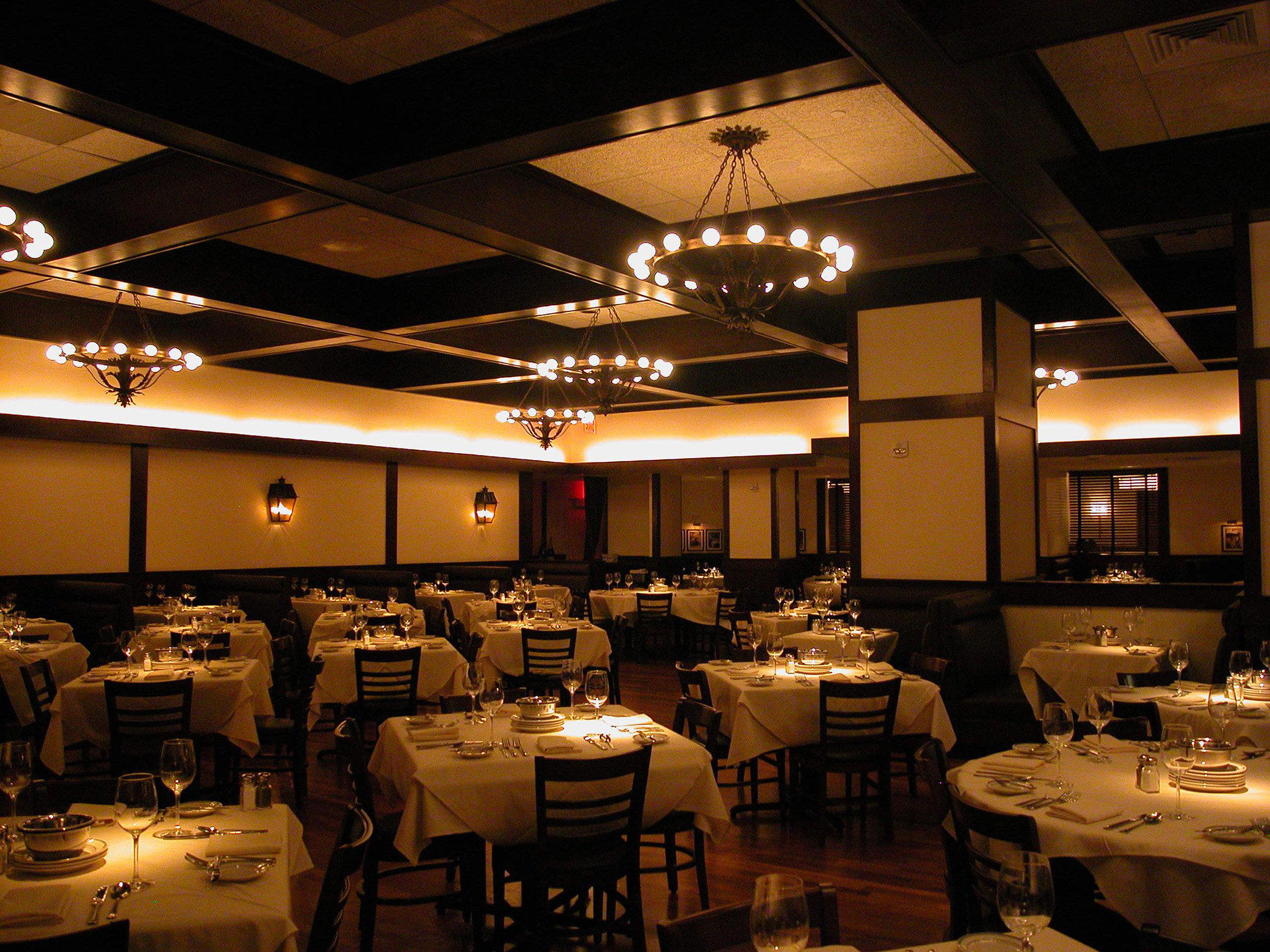
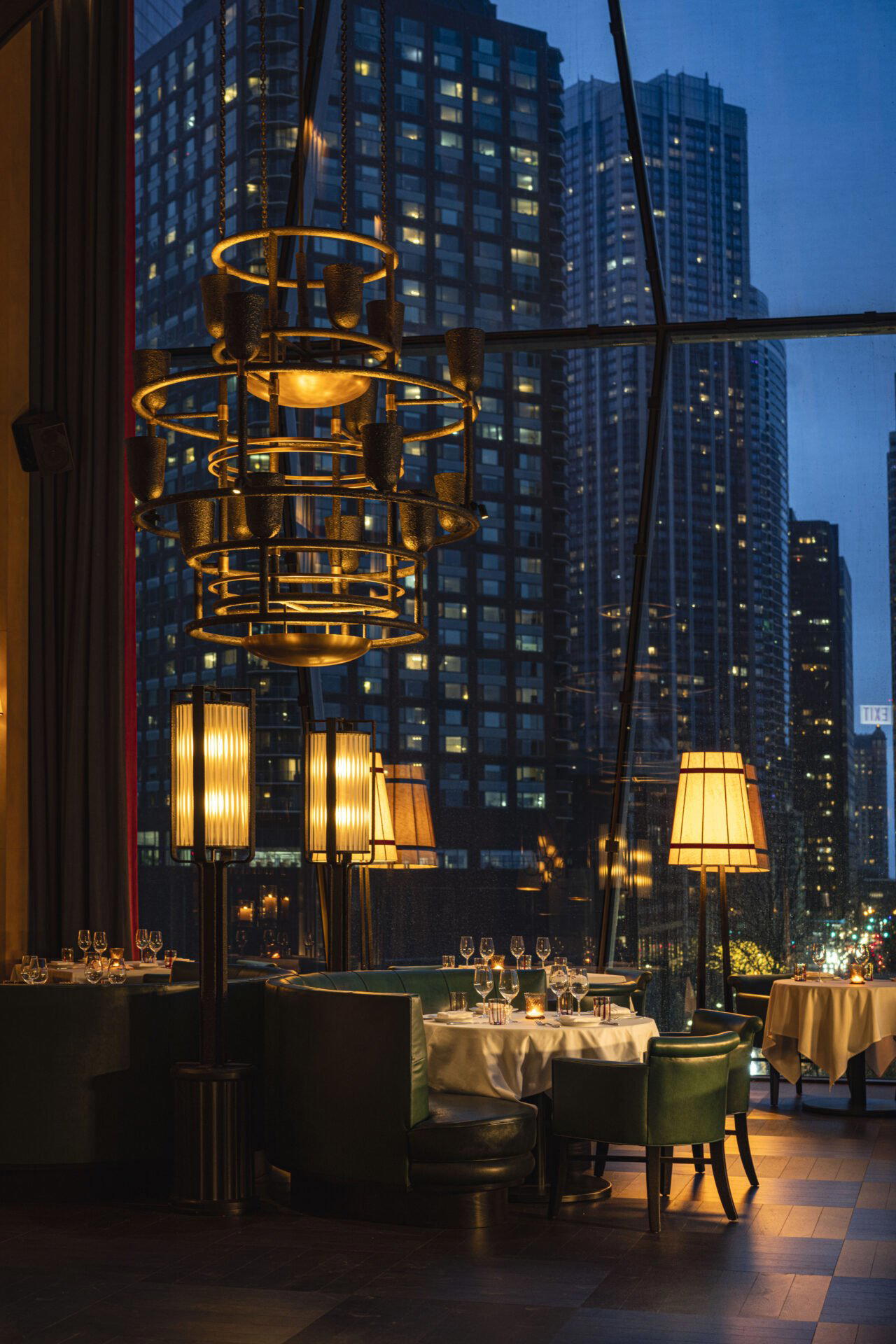
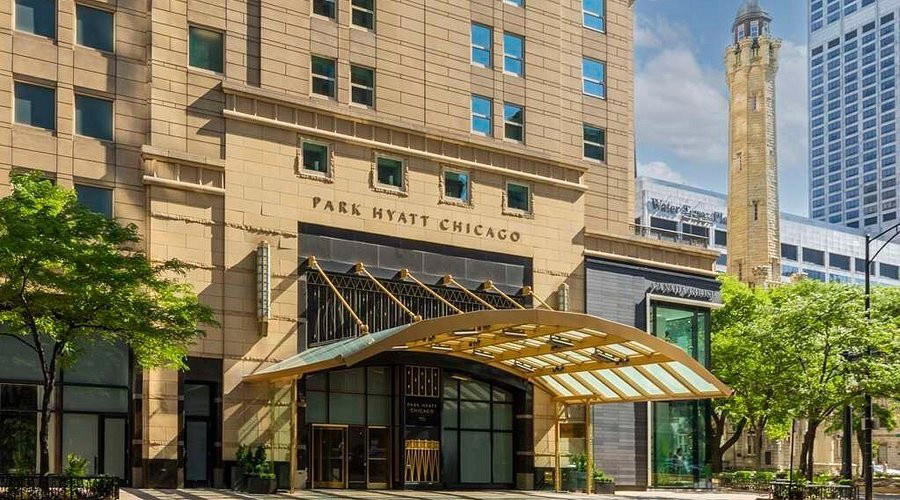
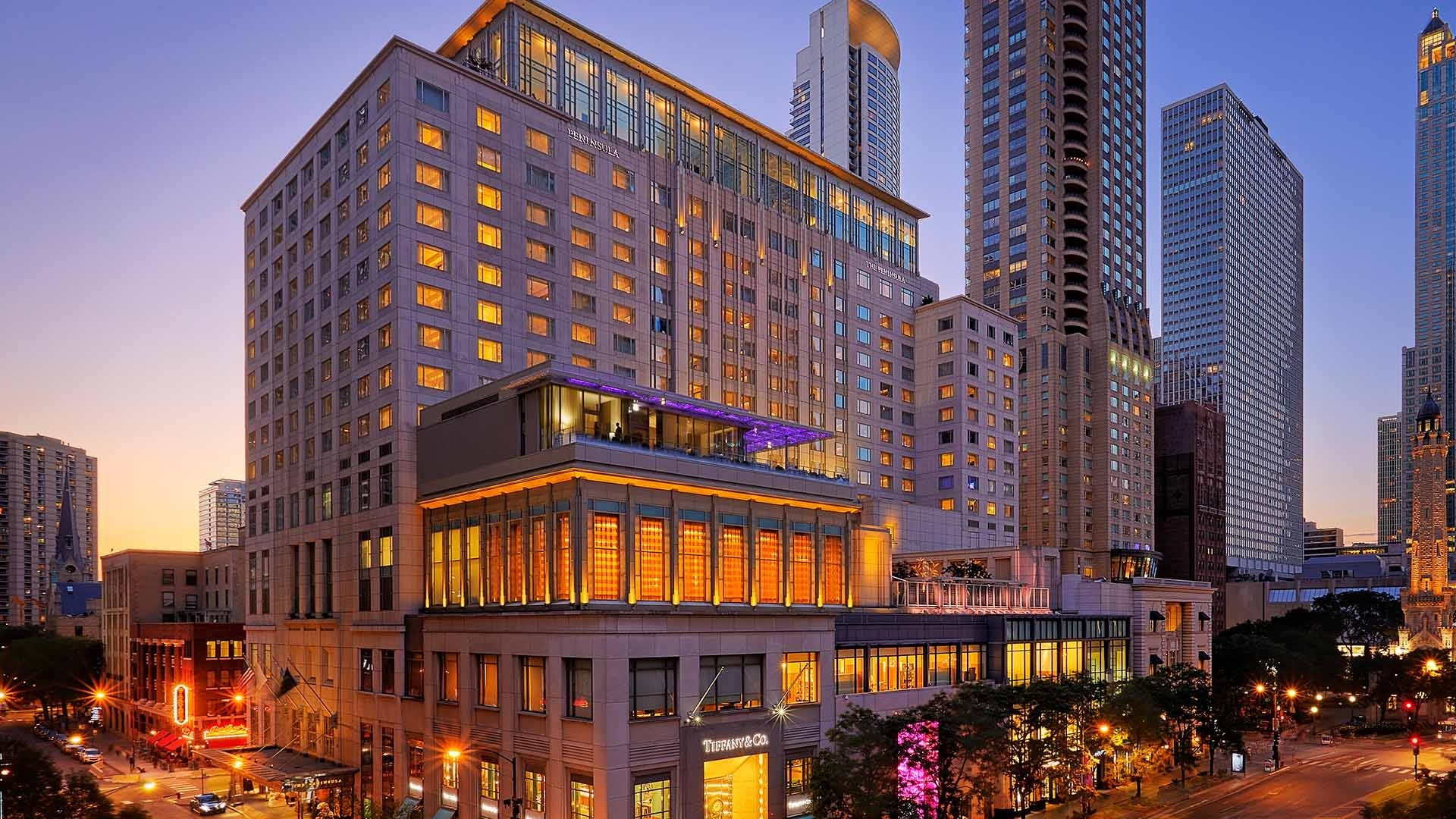
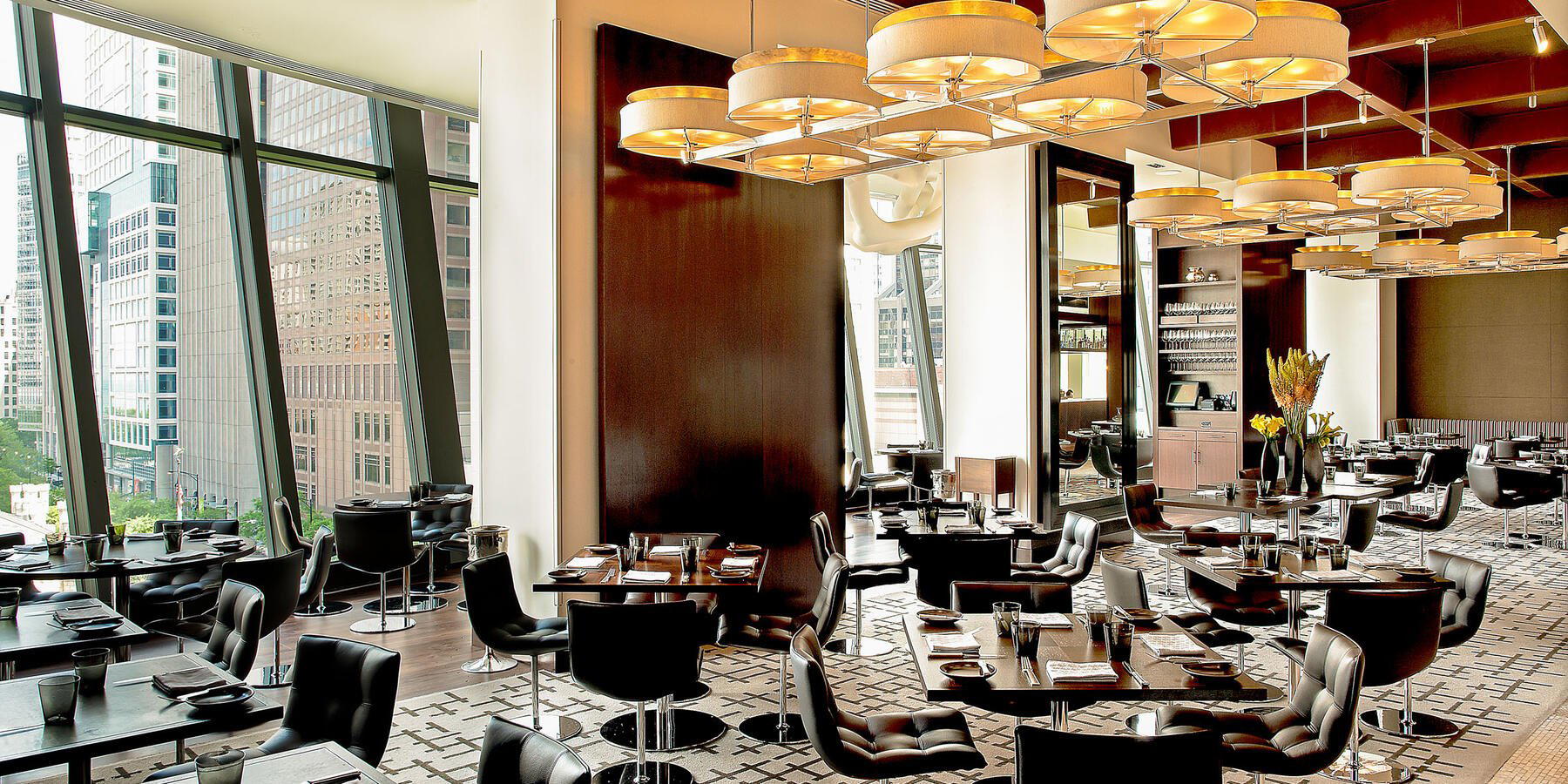
On the seventh floor of the Park Hyatt Chicago, NoMI Kitchen sits above Michigan Avenue at a remove that changes how the city feels. The menu combines French technique with Japanese-American influences, anchored by an ocean bar and a wine list of 2,905 selections weighted toward California and France. In warmer months, the rooftop NoMI Garden extends the experience outdoors with seasonal cocktails and city views.

Pearl is the En Primeur Club membership app, where members save venues, book tables and use the concierge.
The menu
What to order
- NoMI maki
- Creekstone Farm New York Strip Bourguignon
Above the Magnificent Mile: What the Seventh Floor Changes
Most hotel restaurants on Michigan Avenue position themselves at street level, trading on foot traffic and facade recognition. NoMI Kitchen takes the opposite approach: ride the elevator to the seventh floor of the Park Hyatt Chicago and the Magnificent Mile recedes below you, replaced by a view that makes the avenue look like an architectural diagram rather than a commercial strip. That physical distance from the sidewalk is not incidental. It shapes everything about how the restaurant reads, from the pace of service to the kind of diner it draws.
Hotel dining in Chicago has evolved considerably over the past decade. The city's most serious independent rooms, from Alinea to Smyth and Oriole, have pulled critical attention and reservation demand toward the West Loop and beyond, leaving hotel restaurants to compete on a different axis: reliability, accessibility, and the particular comfort of a kitchen that does not require three-month advance planning. NoMI Kitchen positions itself in that middle register, neither chasing the tasting-menu prestige of Chicago's destination rooms nor settling for generic hotel fare. Its French and Japanese-American framework, sustained across lunch, dinner, weekend brunch, and an adjacent lounge menu, is designed for range rather than singularity.
The Garden as a Seasonal Phenomenon
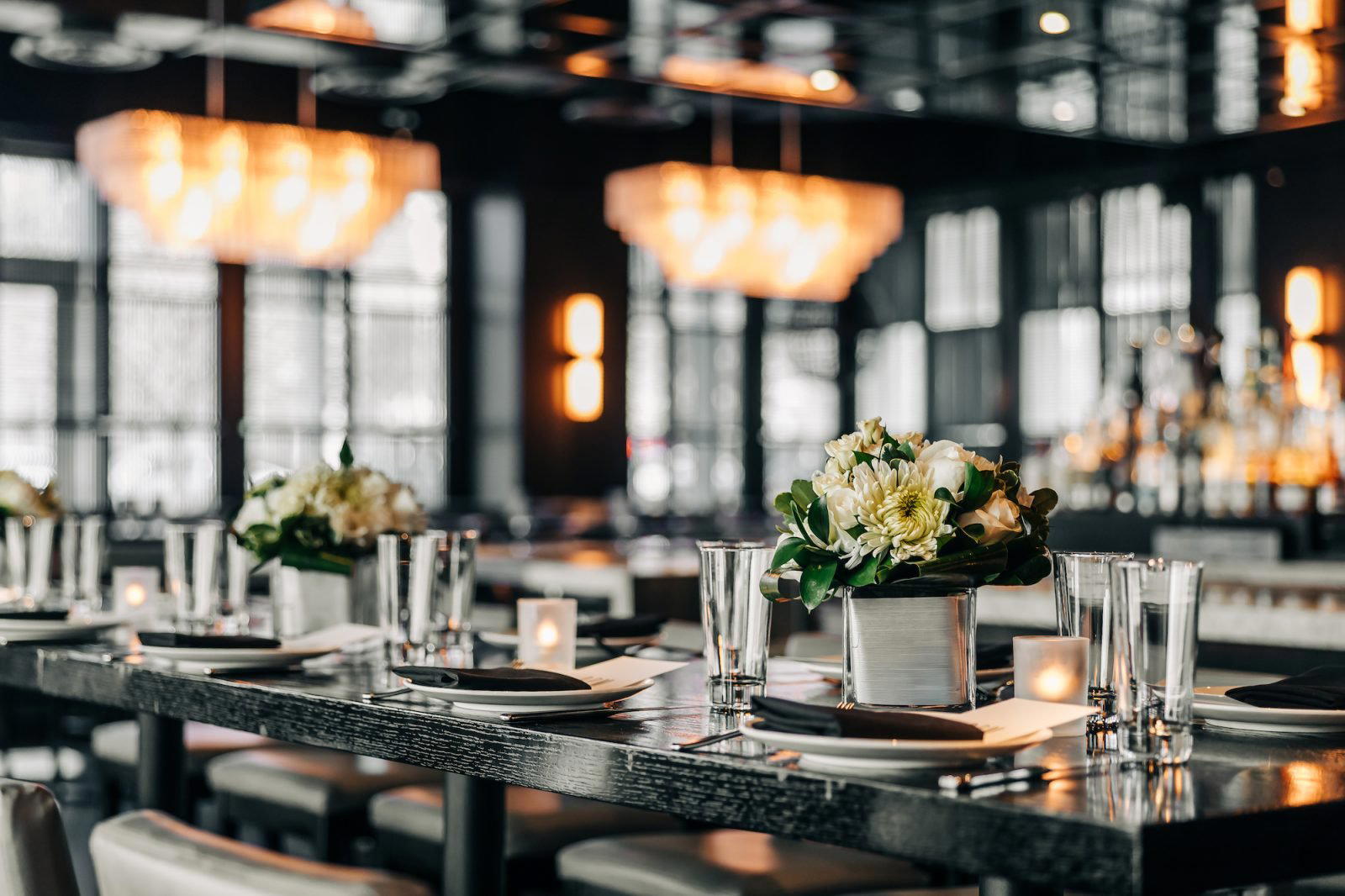
From roughly May through October, the NoMI Garden opens on the same floor as the main restaurant, and its pull on Chicago's in-the-know dining public is notable. Rooftop drinking in the city is hardly scarce, but most of Chicago's outdoor bar formats are either rooftop bars attached to nightlife venues or beer gardens oriented toward volume. The Garden at NoMI occupies a different register: smaller in scale, more deliberate in atmosphere, with a sophisticated quality that connects it to the hotel's broader positioning rather than the broader rooftop bar market.
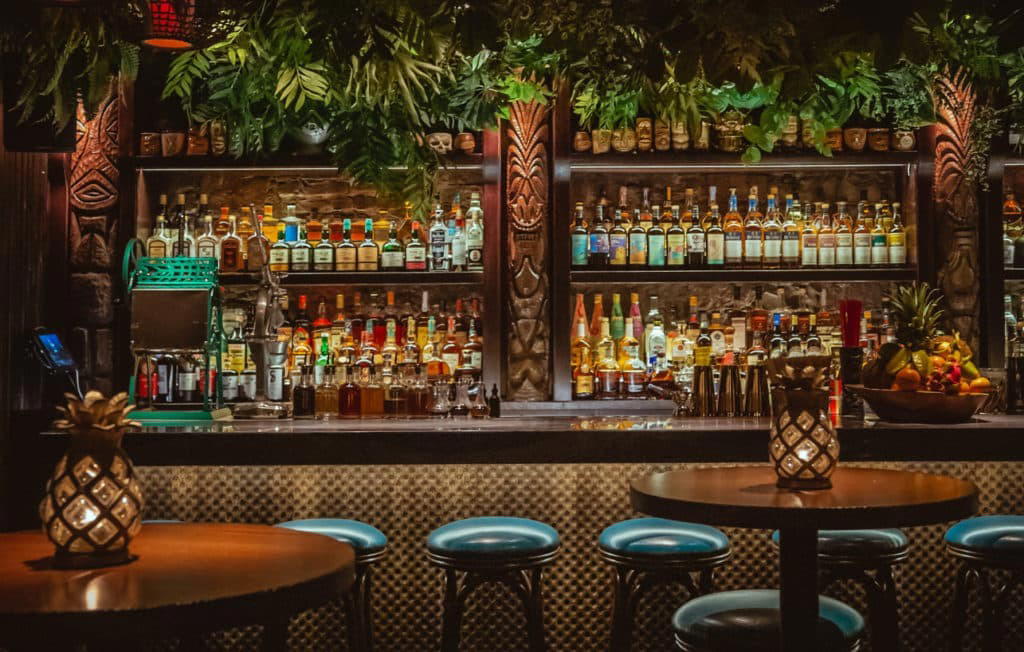
The seasonal cocktail program is developed in consultation with mixologists from across the country, with a notable emphasis on brown spirits and house-made bitters and syrups. This is consistent with a broader pattern in premium hotel cocktail programs, where the bar functions as a genuine editorial statement rather than a list of standard pours. The short menu of lighter bites served in the garden fills the gap between a full dinner and a drinks-only visit, which extends the venue's usefulness to guests who want something more calibrated than a bar snack but less structured than a three-course meal.
How the Menu is Built
The kitchen operates across two distinct registers that coexist without obvious contradiction. On one side, a French-inflected menu of proteins and sides: market fish over spaghetti squash, flat iron steak, farm chicken with lemon caper vinaigrette, paired with components like roasted brussels sprouts with brown butter or sweet potato mash with bourbon marshmallow. The format is modular rather than prescribed, which suits the range of occasions the restaurant serves, from a business lunch with a single course to a more extended dinner with multiple sides.
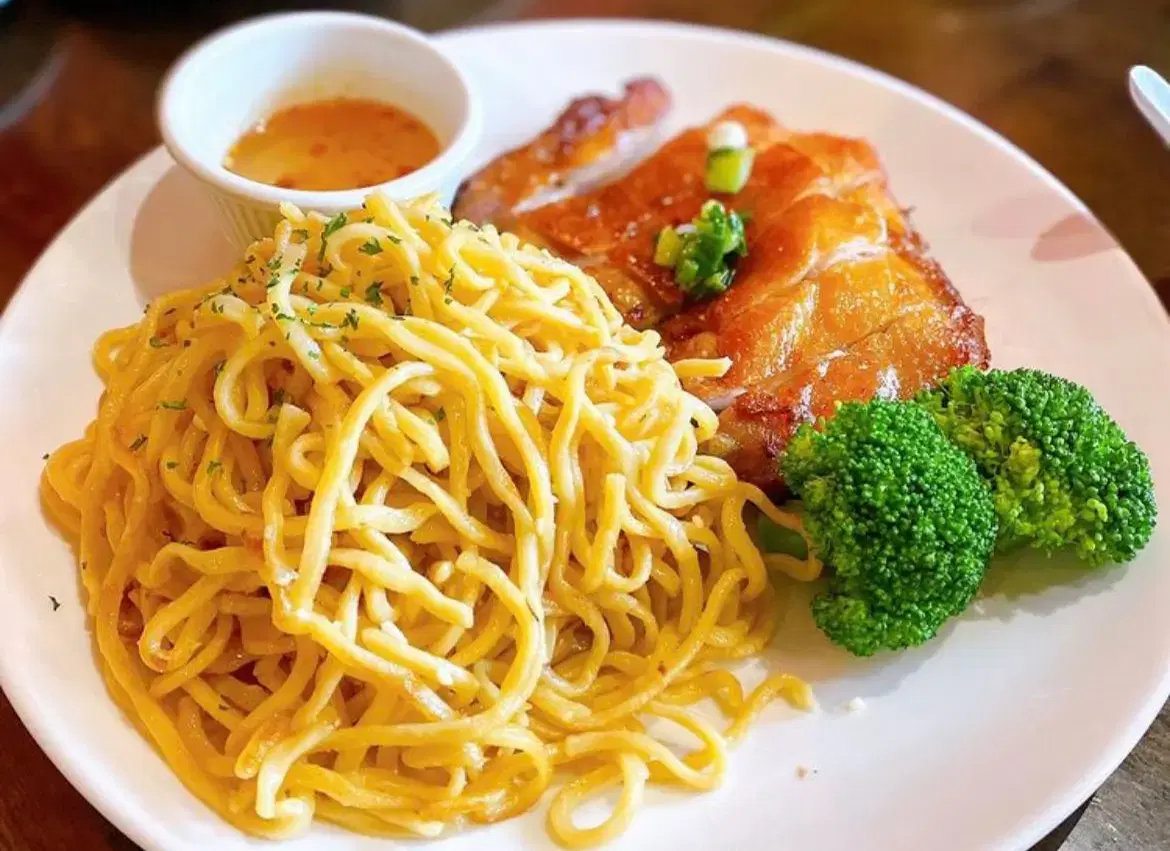
On the other side, an ocean bar carrying sushi, sashimi, and oysters. The sourcing is deliberately specific: uni from Santa Barbara, oysters from Washington state, chicken from downstate Illinois, milk-fed pork from Wisconsin. This level of sourcing specificity is increasingly common at the serious end of the hotel dining market, and it places NoMI in a different conversation from venues where ingredient provenance is kept vague. The tiger roll, filled with snow crab, shrimp tempura, bigeye spicy tuna, and avocado, has remained a reference point from earlier iterations of the restaurant and continues to draw repeat orders. The ocean bar itself is a holdover from NoMI's previous format, retained because the demand justified it, which says something about where Chicago diners' preferences have settled at this price point.
Desserts receive particular attention in the kitchen's output. The whipped choco-macchiato, a coffee-lemon panna cotta with baked chocolate mousse and caramel, and the house-made ice creams in flavors like buttermilk lime and citrus-chamomile represent a pastry program that goes further than many comparable hotel kitchens, where dessert is often the weakest course. For context on what serious dessert work looks like at other price points and formats across the country, restaurants like Lazy Bear in San Francisco and Single Thread Farm in Healdsburg demonstrate what sustained investment in the final course can produce.
The Wine Program
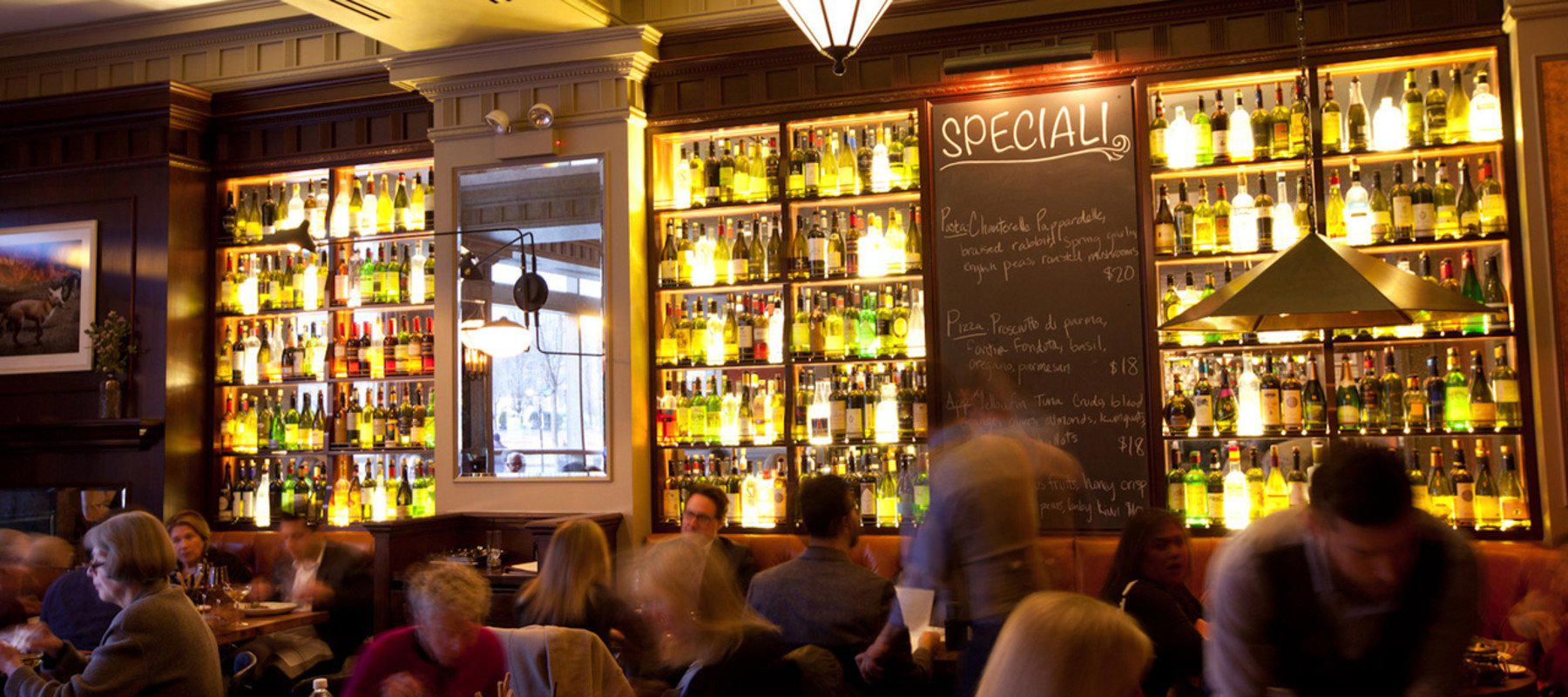
The wine list at NoMI Kitchen runs to 2,905 selections with an inventory that places it in the serious end of the hotel dining spectrum nationally. California and France anchor the list, with Spain and Italy adding depth. The pricing tier, indicated as $$$, reflects a list weighted toward bottles above $100, which aligns with the overall positioning of the room. A corkage fee of $75 applies to bottles brought in from outside, which is standard for this tier in Chicago. Wine Director Corey Huber oversees a program with 285 selections.
For comparison, the wine programs at rooms like Le Bernardin in New York City or Providence in Los Angeles operate at a similar investment level, where the list functions as a statement about the kitchen's seriousness rather than a revenue center alone. NoMI's California-France weighting is appropriate to both the cuisine and the clientele: hotel guests and Michigan Avenue diners tend to orient toward recognizable appellations, and the list meets that without sacrificing range.
Place Within Chicago's Dining Scene
Chicago's restaurant scene now distributes its prestige across several neighborhoods and formats. The West Loop carries the densest concentration of serious kitchens, including Next Restaurant and rooms that have accumulated significant critical attention. The Fulton Market corridor has drawn newer openings with an emphasis on contemporary formats. On the other side, places like Kasama have demonstrated that ambitious cooking can establish itself outside the expected zones.
NoMI Kitchen operates from a different foundation: a flagship hotel address with consistent multi-daypart service and an audience that includes both hotel guests and Chicago regulars who return for the garden, the wine list, or the ocean bar. It does not compete directly with the tasting-menu format that defines the city's highest-profile tables. It competes on availability, range, and a physical address that remains one of the more compelling in the city's dining geography. For anyone planning a broader Chicago itinerary, the full Chicago restaurants guide, alongside the Chicago hotels guide and Chicago bars guide, covers the full range of options across neighborhoods and price tiers. The Chicago experiences guide and Chicago wineries guide round out the picture for visitors planning across multiple categories.
Internationally, the combination of serious wine programming and a hotel-anchored restaurant format is a model that has proven durable at properties like 8 1/2 Otto e Mezzo Bombana in Hong Kong and Atomix in New York City, where the physical address and the culinary program reinforce each other. NoMI Kitchen operates in a similar logic, even if the ambition is calibrated differently for its market. And for a New Orleans parallel that demonstrates what hotel-adjacent fine dining can look like at its most accessible, Emeril's in New Orleans offers a useful reference point. The French Laundry in Napa represents the outer limit of what sustained hotel-adjacent prestige dining can achieve over decades.
Know Before You Go
- Address: 800 North Michigan Avenue, 7th Floor, Chicago, IL 60611
- Meals served: Breakfast, lunch, and dinner daily; brunch on Saturday and Sunday
- NoMI Garden: Open seasonally, generally May through October, weather permitting
- Dress code: Smart casual
- Cuisine: French and Japanese-American; ocean bar with sushi, sashimi, and oysters
- Wine list: 2,905 selections; 285 bottles; California and France primary; corkage $75
- Wine pricing: $$$ (many bottles above $100)
- Cuisine pricing: $$$ (typical two-course meal above $66, excluding beverages)
- Lounge: Adjacent NoMI Lounge serves an abbreviated menu; brown-spirit-focused cocktail program
Frequently asked questions
Where exactly is NoMI Kitchen?
NoMI Kitchen is located at 800 Michigan Ave 7th Floor, Chicago, IL 60611, Chicago.
Who is the chef at NoMI Kitchen?
The chef associated with NoMI Kitchen is Terence Zubieta.
What do people recommend at NoMI Kitchen?
The ocean bar draws consistent attention, particularly the tiger roll filled with snow crab, shrimp tempura, bigeye spicy tuna, and avocado. On the dessert side, the whipped choco-macchiato, a coffee-lemon panna cotta with baked chocolate mousse and caramel, has earned its own following. The seasonal lounge cocktails, built around house bitters and syrups and often brown-liquor focused, are a separate reason to arrive early.
What style of cooking does NoMI Kitchen do?
What distinctions does NoMI Kitchen have?
NoMI Kitchen has received recognition including: Creativity and simplicity may seem contradictory, but at NoMI Kitchen inside Park Hyatt Chicago, these two tenets reign harmoniously.; WINE: Wine Strengths: California, France Pricing: $$$ i Wine pricing: Based on the list\'s general markup….
Can I walk in to NoMI Kitchen?
NoMI Kitchen runs service every day across breakfast, lunch, and dinner, with brunch added on Saturdays and Sundays, which gives it more walk-in flexibility than most tasting-menu formats in Chicago. The NoMI Lounge next door also offers an abbreviated menu, providing an alternative entry point during busier periods. Smart casual dress is the stated standard.
A Credentials Check
| Venue | Cuisine | Price | Awards | Notes |
|---|---|---|---|---|
| NoMI KitchenThis venue (the venue you are viewing) | Modern American with French and Sushi Influences | $50–100 | Wine Spectator Award of Excellence · Forbes Recommended | Not listed |
| Alinea | Avant-Garde Molecular Gastronomy | $300–500 | 2 Michelin Stars · World's 50 Best #37 | Progressive American, Creative |
| Smyth | Modern American Tasting Menu | $200–300 | 3 Michelin Stars · World's 50 Best #1 | Progressive American, Contemporary |
| Kasama | Modern Filipino | $30–50 | 2 Michelin Stars · World's 50 Best #31 | Filipino |
| Next Restaurant | Avant-Garde Themed Tasting Menus | Not listed | 1 Michelin Star · We're Smart World 2 Radishes | American Cuisine |
| Boka | Modern American Seasonal Fine Dining | $150–200 | 1 Michelin Star · La Liste Top Restaurants | New American, Contemporary |
Recognition history
Dated appearances from independent guides and award organizations, with the underlying list record or original source where available.
Forbes Recommended
Forbes
Wine Spectator Award of Excellence
Wine Spectator
Full recognition history (4 entries)
Forbes Recommended
Forbes
Wine Spectator Award of Excellence
Wine Spectator