Noma LA pop-up
Noma's Los Angeles pop-up brought Copenhagen's landmark Nordic kitchen to California for a limited residency, translating its fermentation-forward, terroir-driven approach to a new climate and ingredient set. For a city already running deep on ambitious tasting menus, it represented a distinct register: not California cuisine, but a Nordic methodology applied to Californian raw material. Booking windows closed fast and seats were fiercely competitive.

Pearl is the En Primeur Club membership app — saves, bookings, and concierge access live there. Same editors, same standards.
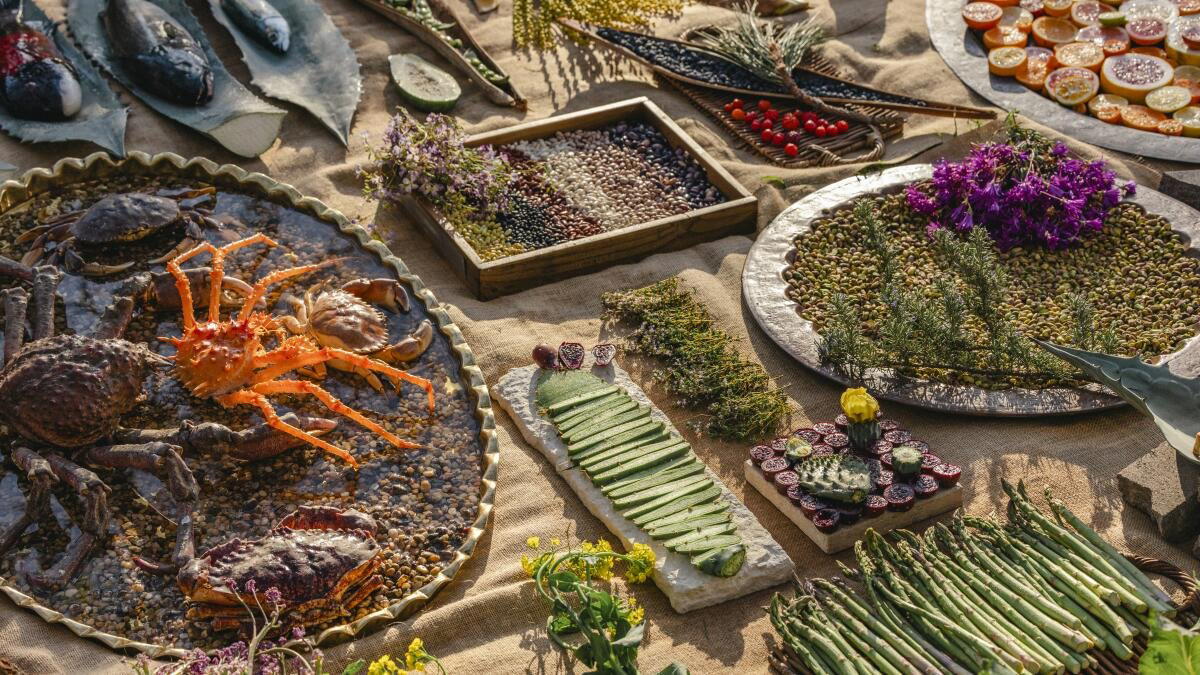
When Copenhagen Arrives in Los Angeles
Pop-up dining in Los Angeles has matured well past the food-truck era. The city now hosts a tier of temporary residencies that sit alongside its permanent tasting-menu rooms, and the Noma LA pop-up occupied a prominent place in that category. Copenhagen's Noma brought its operation to California for a fixed-term residency that drew the same frantic booking response the original restaurant commands in Denmark. Seats released in waves, filled within minutes, and secondary commentary flooded food media for weeks. That pattern alone locates Noma LA within a specific tier: the kind of dining event that functions more like a cultural moment than a restaurant opening.
Los Angeles is not a city short of ambition at the tasting-menu level. Providence has anchored the city's fine-dining seafood conversation for years. Kato operates one of the more intellectually rigorous menus in the country. Somni pushes into molecular territory. Hayato runs a kaiseki format with a level of discipline few rooms in America match. Against that comparable set, the Noma pop-up was not filling a gap so much as arriving as a reference point from a different tradition entirely.
The Ritual Architecture of a Noma Meal
Noma's dining format has always been structured around a particular pace and internal logic. The meal is long, sequenced deliberately, and built around the idea that a kitchen's philosophy should be legible through the progression of courses. Snacks in the early stages function as an orientation: small, precise, often technically elaborate, they establish the vocabulary the kitchen will speak for the next several hours. The main sequence then develops that vocabulary, moving through fermented, cured, raw, and cooked preparations in a rhythm that feels curated rather than arbitrary.
For the Los Angeles residency, Noma adapted that ritual structure to California's ingredient context. The kitchen's deep interest in fermentation, foraged material, and hyper-seasonal sourcing translated to a California supply chain that offers year-round access to produce that Denmark can only touch briefly. That collision between Nordic methodology and Californian abundance is the conceptual hinge of the whole event. It is not fusion in the conventional sense; it is a set of techniques and a philosophy of restraint applied to an unfamiliar larder. Restaurants at the level of The French Laundry in Napa or Blue Hill at Stone Barns in Tarrytown operate from a similarly terrain-rooted premise, though each arrives at it through a different culinary lineage.
The pacing at Noma events often stretches past three hours. The meal is designed to unfold slowly, and the service team modulates the rhythm depending on the table's energy. Guests who have dined at comparable American tasting menus, whether Alinea in Chicago or Lazy Bear in San Francisco, will recognise the broad format: a single menu, no substitutions beyond allergy accommodations, an emphasis on the arc of the full meal over any individual dish.
Nordic Methodology in a California Kitchen
Noma's reputation was built in Copenhagen over a period when Nordic cuisine moved from regional curiosity to a reference point cited by kitchens globally. The restaurant's influence on fermentation culture, foraging practice, and zero-waste cooking spread through a generation of chefs who staged there or absorbed its published research through the Noma fermentation guides. That influence is visible in American kitchens as varied as Single Thread Farm in Healdsburg and Addison in San Diego, both of which work from a produce-first, technique-in-service-of-ingredient philosophy that carries Noma's fingerprints even without direct lineage.
For diners approaching this pop-up from outside the Nordic dining tradition, a useful frame is what the kitchen is not doing. It is not a Californian restaurant. It is not operating in the local tradition that runs from Osteria Mozza's market-driven Italian to the seafood-forward rooms of the coastal corridor. Nor is it a Scandinavian restaurant in the immigrant-tradition sense that Broder Café in Portland represents, or the volcanic-terrain-informed cooking of Lava in Grindavík. It is a research kitchen operating temporarily in a new geography, asking what its methodology produces when the surrounding landscape changes.
That framing matters for setting expectations. Diners at Noma pop-ups have historically encountered dishes that prioritise conceptual coherence over immediate palatability. Some preparations are challenging. The fermented elements in particular can read as assertive to palates more accustomed to classical French structure, which defines the upper register of restaurants like Le Bernardin in New York or The Inn at Little Washington. That is the point. The pop-up format allows Noma to operate with unusual flexibility, and the menu reflects that freedom.
Where This Sits in the LA Fine-Dining Map
Los Angeles's premium dining tier has expanded steadily over the past decade, and the city now competes with New York and San Francisco as a destination for serious tasting-menu travel. The arrival of a Noma residency reinforces that position. It signals that the city's hospitality infrastructure, its producer networks, its diner base, and its cultural appetite can support a kitchen of this ambition for a sustained period. Comparable events at that level have occurred at permanent addresses like Emeril's in New Orleans and Bacchanalia in Atlanta, both of which function as anchors in their respective cities' fine-dining ecosystems. A pop-up of this scale operates differently: it creates a temporary gravitational field that pulls food media attention and generates a concentrated burst of reservation demand before dispersing entirely.
For the broader Los Angeles scene, the Noma pop-up occupies a specific historical moment rather than a permanent position. It is an event to understand in context. That impermanence is, in part, what gives it weight.
Know Before You Go
- Format: Fixed tasting menu, no à la carte option
- Booking: Reservations are essential and typically sell out within minutes of release
- Duration: Expect a seated experience of three hours or more
- Dietary notes: Allergy accommodations handled at booking; the menu is not designed for routine substitutions
- Peer context: Price-tier and format comparable to Kato, Hayato, and Vespertine in the Los Angeles market
- Nearest reference points: Diners familiar with Alinea, Single Thread, or The French Laundry will recognise the tasting-menu conventions; the Nordic methodology is a distinct departure from all of them
At-a-Glance Comparison
Comparable venues nearby, for context on price, style, and recognition.
| Venue | Cuisine | Price | Notes |
|---|---|---|---|
| Noma LA pop-upThis venue — the venue you are viewing | Avant-Garde Foraged Fine Dining | $$$$ | Not listed |
| Dahlia | Afternoon Tea Lounge | $$$ | Downtown |
| Cafe Sierra | Seafood Buffet | $$$$ | Hollywood Hills |
| Perse Restaurant | Persian Fine Dining | $$$$ | Brentwood |
| Noma L.A. | New Nordic Fine Dining | $$$$ | Silver Lake |
| Noma | Nordic Experimental with California Seasonal Ingredients | $$$$ | Silver Lake |
Continue exploring
More in Los Angeles
Restaurants in Los Angeles
Browse all →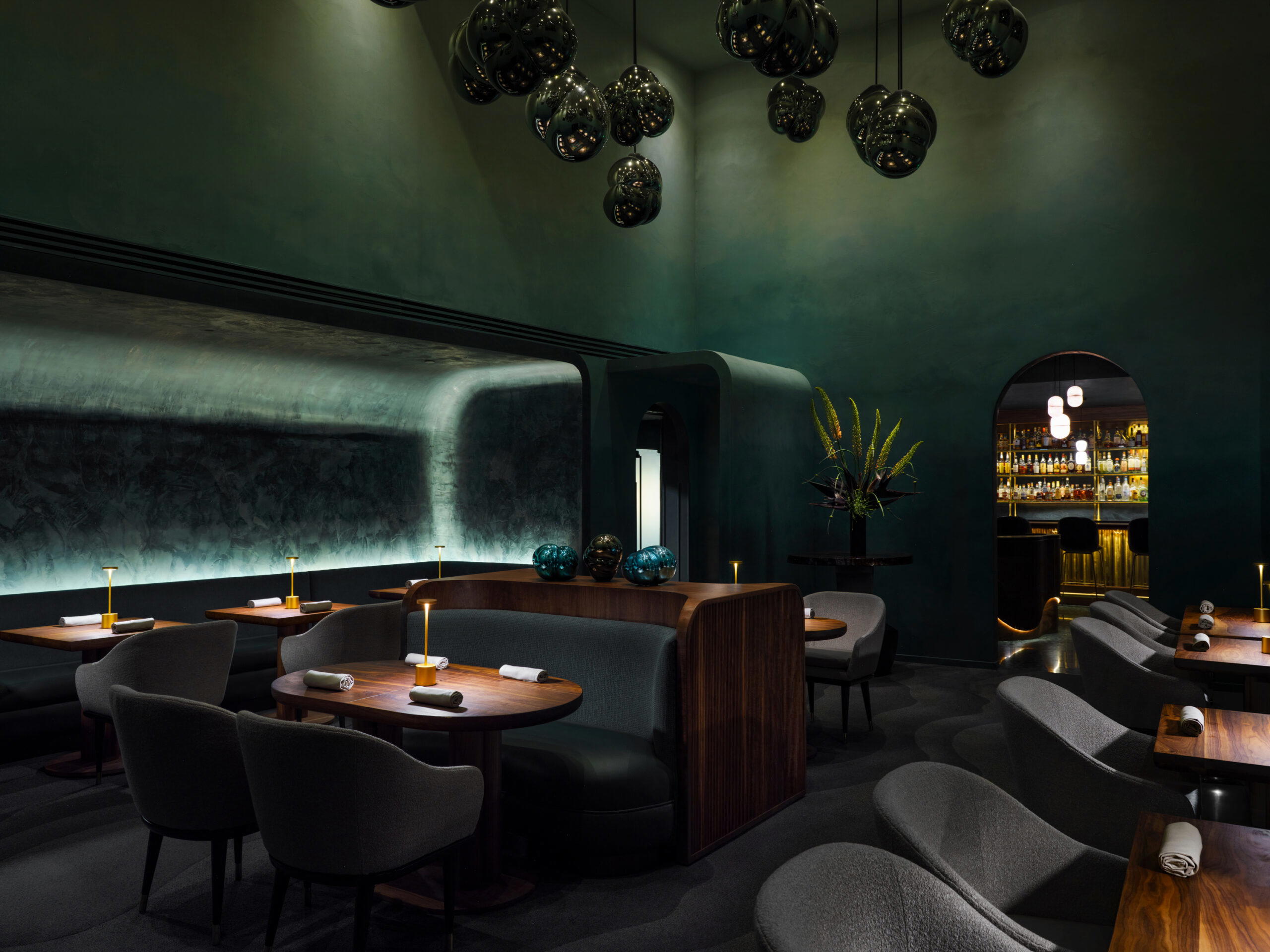
Bars in Los Angeles
Browse all →

Hotels in Los Angeles
Browse all →
Wineries in Los Angeles
Browse all →
At a Glance
- Modern
- Elegant
- Intimate
- Sophisticated
- Special Occasion
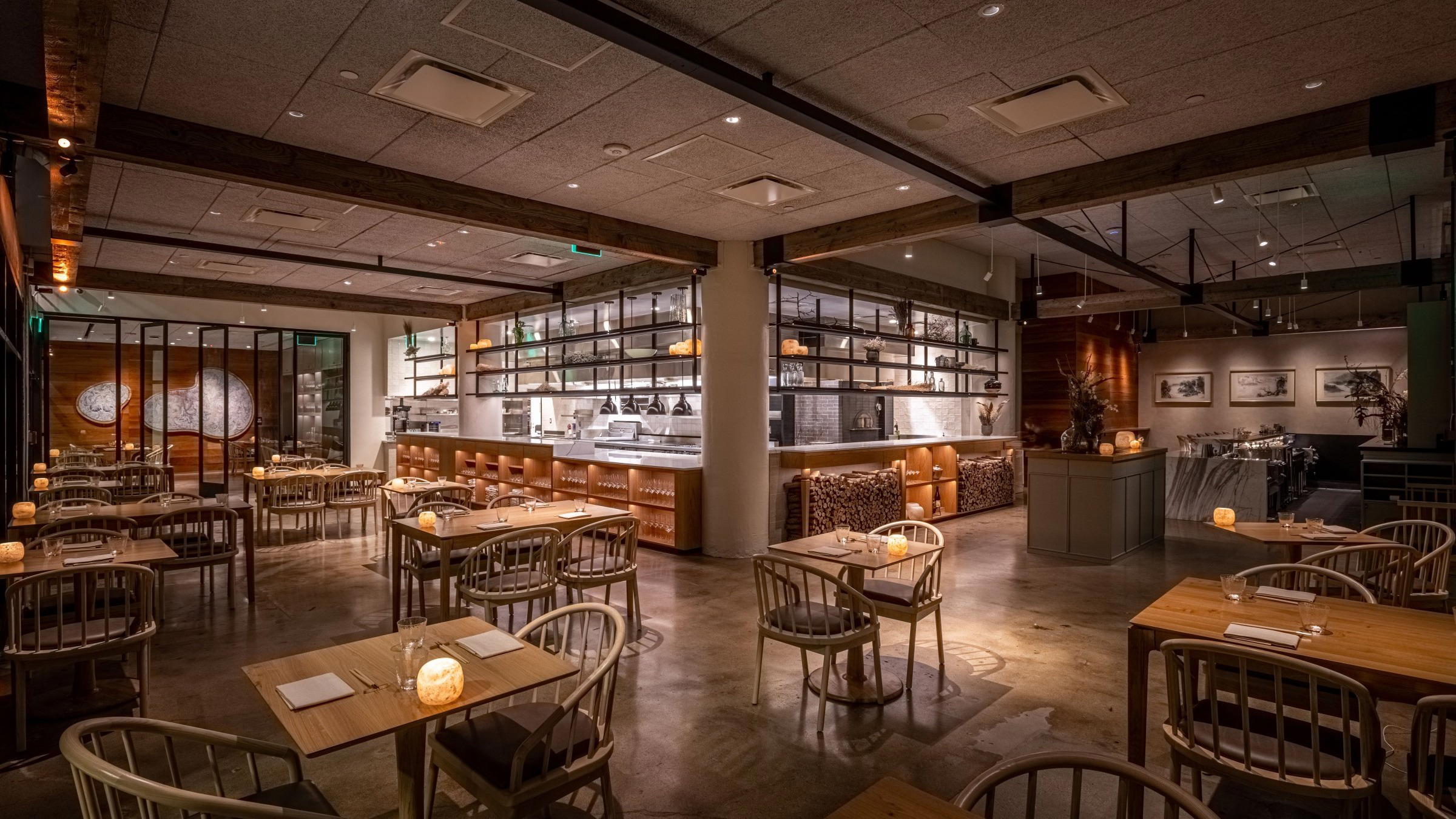
- Open Kitchen
- Local Sourcing
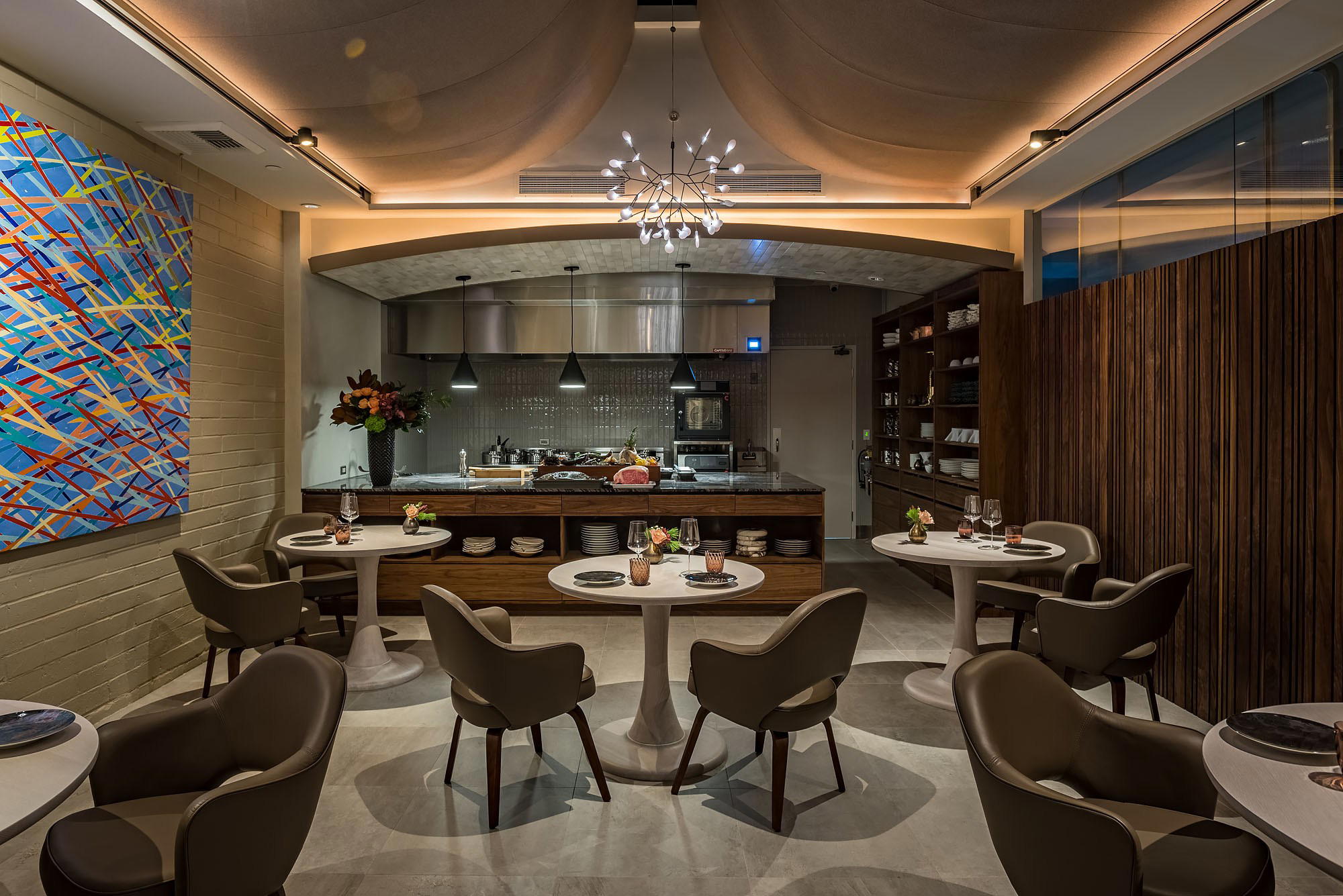
Ritualistic and pagan-inspired atmosphere in an intimate private residence setting with a focus on immersive fine dining experience.