Noma L.A.
Noma L.A. arrived as among the more discussed fine dining events in recent American culinary history, transplanting the Copenhagen kitchen's foraging-led tasting menu format to Los Angeles for a limited residency. The pop-up tier it occupies sits above the city's permanent tasting-menu counters on price and reservation difficulty. For the city's fine dining conversation, its presence was a marker of Los Angeles's growing weight as a destination for serious gastronomy.

Pearl is the En Primeur Club membership app — saves, bookings, and concierge access live there. Same editors, same standards.
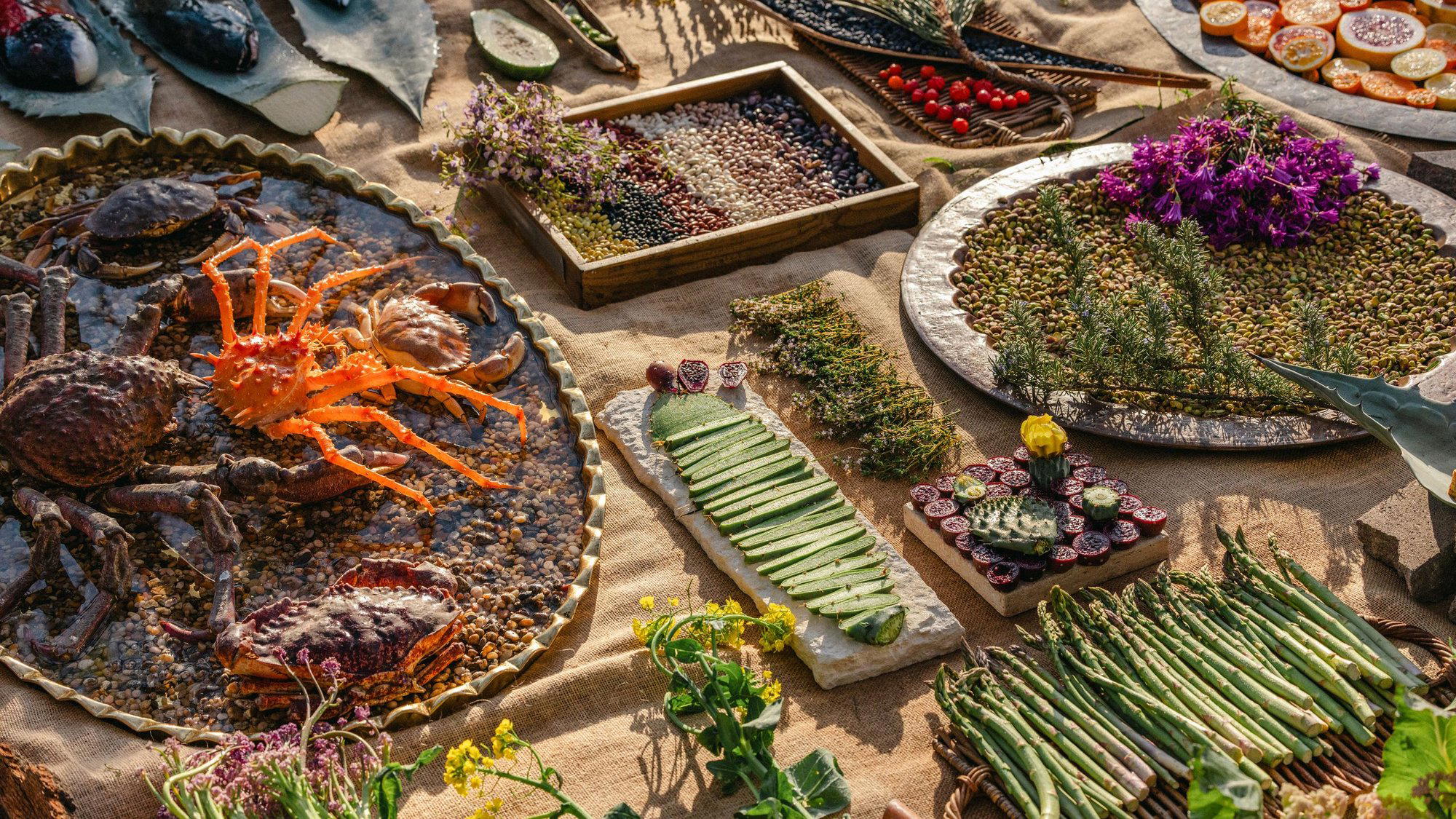
When Copenhagen Lands in Los Angeles: The Pop-Up as Event
Noma L.A. is a restaurant in Los Angeles serving New Nordic Fine Dining at a price tier of $$$$ and a typical spend of about $1500 per person. The high-end pop-up format, now a recognized tier in global fine dining, arrived in Los Angeles with unusual force when Noma staged a residency here. The high-end pop-up format, now a recognized tier in global fine dining, arrived in Los Angeles with unusual force when Noma staged a residency here. The event belonged to a category of dining where the reservation itself signals commitment: the willingness to plan months ahead, to accept a fixed price and a fixed menu, and to treat a meal as a destination rather than a decision.
Los Angeles has hosted high-profile culinary residencies before, but the scale and reputation that Noma carried placed this one in a different register. The city's fine dining tier, already home to the multi-course ambition of Providence and the precision-led Japanese format of Hayato, absorbed Noma L.A. as a notable arrival in its own right.
The Evolution of Noma's Format: From Restaurant to Residency
Noma's trajectory over the past decade has been one of deliberate reinvention. The original Copenhagen restaurant shifted toward a different operational model: pop-up residencies staged in locations chosen for their ecological and culinary specificity. Earlier residencies in Tokyo and Sydney established a template, local sourcing, a kitchen that arrives as infrastructure rather than menu, and a dining experience that is as much about the host city's ingredients as about the team's technique.
By the time the Los Angeles residency materialized, the pop-up model had matured into a recognized genre. The tension inherent in it is real: a kitchen defined by its relationship to a specific landscape, transplanted to a different one, must build new supply chains and new flavor logics in compressed time. California's agricultural abundance, its citrus, its coastal seafood, its desert and mountain foraging corridors, gave the Noma team a rich raw material, but the process of translating that into a coherent menu over a short window is a different challenge from the slow-build sourcing relationships of a permanent kitchen.
The evolution from Copenhagen institution to itinerant pop-up is also a statement about where serious fine dining is heading. The permanent tasting-menu restaurant, long the dominant format for ambition at the upper tier, now competes with the event-dining model, where scarcity and temporality are features rather than limitations. Alinea in Chicago and Lazy Bear in San Francisco have each, in different ways, tested the boundaries of what a permanent restaurant can borrow from the pop-up's event logic. Noma L.A. inverted the question: what can a traveling kitchen borrow from the permanence of place?
Where Noma L.A. Sits in the Los Angeles Fine Dining Tier
Los Angeles's upper tier of multi-course tasting menus is smaller and more internally varied than its New York equivalent, but it has grown in seriousness and international recognition over the past decade. Kato operates a compact counter with a Taiwanese-inflected menu that earned it a place in the World's 50 Best conversation. Somni works in a molecular and conceptual register with Spanish roots. Osteria Mozza sits in a different category, Italian, à la carte-leaning, but occupies similar price territory for full meals. None of these are peer comparisons for the restaurant in the strict sense, but they form the context within which the residency was received.
The pop-up tier the restaurant occupies sits above the city's permanent fine dining counters on the two axes that matter most: price per head and advance booking requirement. When permanent tasting-menu restaurants at the summit of the Los Angeles market price in the $250-$350 range before beverage, a Noma residency has historically priced above that ceiling. The reservation model requires appointment-only booking in advance, with no walk-in or short-notice options.
For comparison, American permanent restaurants operating at similar ambition levels include The French Laundry in Napa, Blue Hill at Stone Barns in Tarrytown, and Single Thread Farm in Healdsburg, each with fixed menus, deep sourcing commitments, and price points that make them planning decisions rather than spontaneous evenings. The restaurant belonged to this cohort by format and intent, while departing from it by being, by design, temporary.
The Dining Format and What It Demands of the Guest
Tasting menus of the kind Noma has built its reputation on require a particular kind of guest engagement. The meal is long, and the menu is fixed, with limited accommodation for preference outside allergen management. The format has become the standard vehicle for serious culinary statement at the upper tier globally, from Le Bernardin in New York City to Atomix and across to 8 1/2 Otto e Mezzo Bombana in Hong Kong.
What Noma's format adds to that baseline is a foraging and fermentation logic that shapes not just flavor but pacing. Courses built around a single ingredient, a specific seaweed, a fermented grain preparation, a foraged green, tend to be shorter and more numerous than the protein-anchored progressions of classical tasting menus. The cumulative effect, for guests prepared for it, is closer to an argument about a place and season than to a sequence of dishes. In Los Angeles, with its specific coastal and agricultural character, the California-sourced version of that argument carried its own weight.
Planning Considerations
Because the restaurant operated as a time-limited pop-up, the logistics differed structurally from permanent restaurants. Tickets were sold in advance through a direct reservation system rather than through conventional table-booking platforms. Pricing was typically all-inclusive or near-inclusive of the full dining experience, with beverage pairings as a separate addition. The residency format means there is no ongoing booking window.
| Venue | Format | Price Tier | Booking Lead Time | Permanence |
|---|---|---|---|---|
| The restaurant | Pop-up residency, ticketed | Above market ceiling | Months in advance | Time-limited |
| Kato | Permanent counter, tasting menu | $$$$ | Weeks to months | Permanent |
| Hayato | Permanent counter, omakase | $$$$ | Weeks to months | Permanent |
| Somni | Permanent counter, tasting menu | $$$$ | Weeks | Permanent |
For readers building a broader Los Angeles fine dining itinerary, our full Los Angeles restaurants guide covers the permanent tier across cuisines and price points. Regional context from Addison in San Diego and further afield from Emeril's in New Orleans, Bacchanalia in Atlanta, and The Inn at Little Washington maps the broader American tasting-menu conversation the restaurant entered when it arrived on the West Coast.
A Credentials Check
Comparable venues nearby, for context on price, style, and recognition.
| Venue | Cuisine | Price | Notes |
|---|---|---|---|
| Noma L.A.This venue — the venue you are viewing | New Nordic Fine Dining | $$$$ | Not listed |
| Kasih | Modern Indonesian | $$ | Downtown |
| Polka Restaurant | Authentic Polish | $$ | Glassell Park |
| Peppone Restaurant | Classic Northern Italian | $$$$ | Brentwood |
| Ryan Heffington's The Sweat Spot | Dance Studio | Not listed | Silver Lake |
| Nobu Los Angeles | Japanese-Peruvian Fusion | $$$$ | Beverly Grove |
Continue exploring
More in Los Angeles
Restaurants in Los Angeles
Browse all →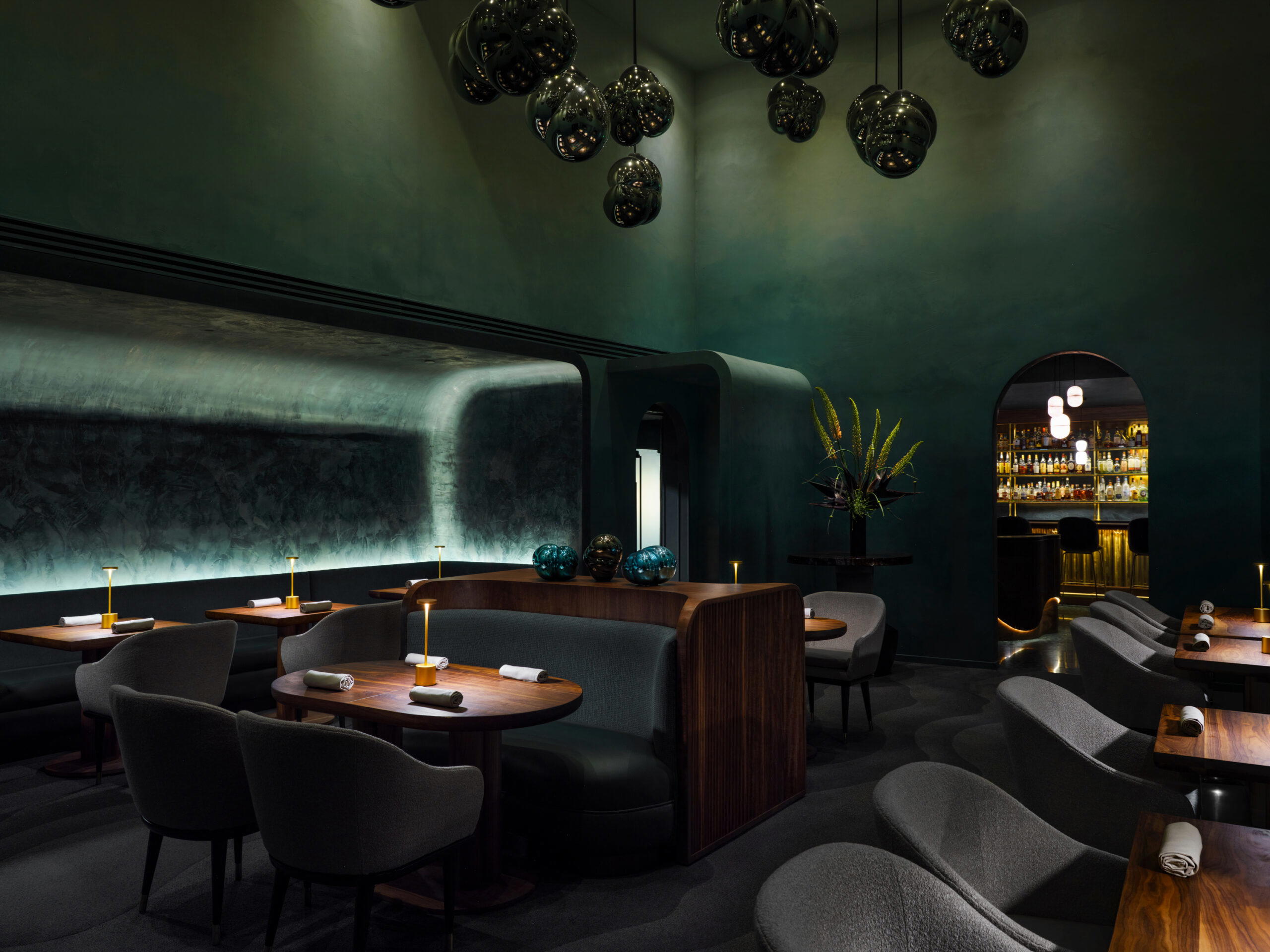
Bars in Los Angeles
Browse all →

Hotels in Los Angeles
Browse all →
Wineries in Los Angeles
Browse all →
At a Glance
- Modern
- Elegant
- Minimalist
- Scenic
- Special Occasion
- Open Kitchen
- Local Sourcing
- Farm To Table
- Garden
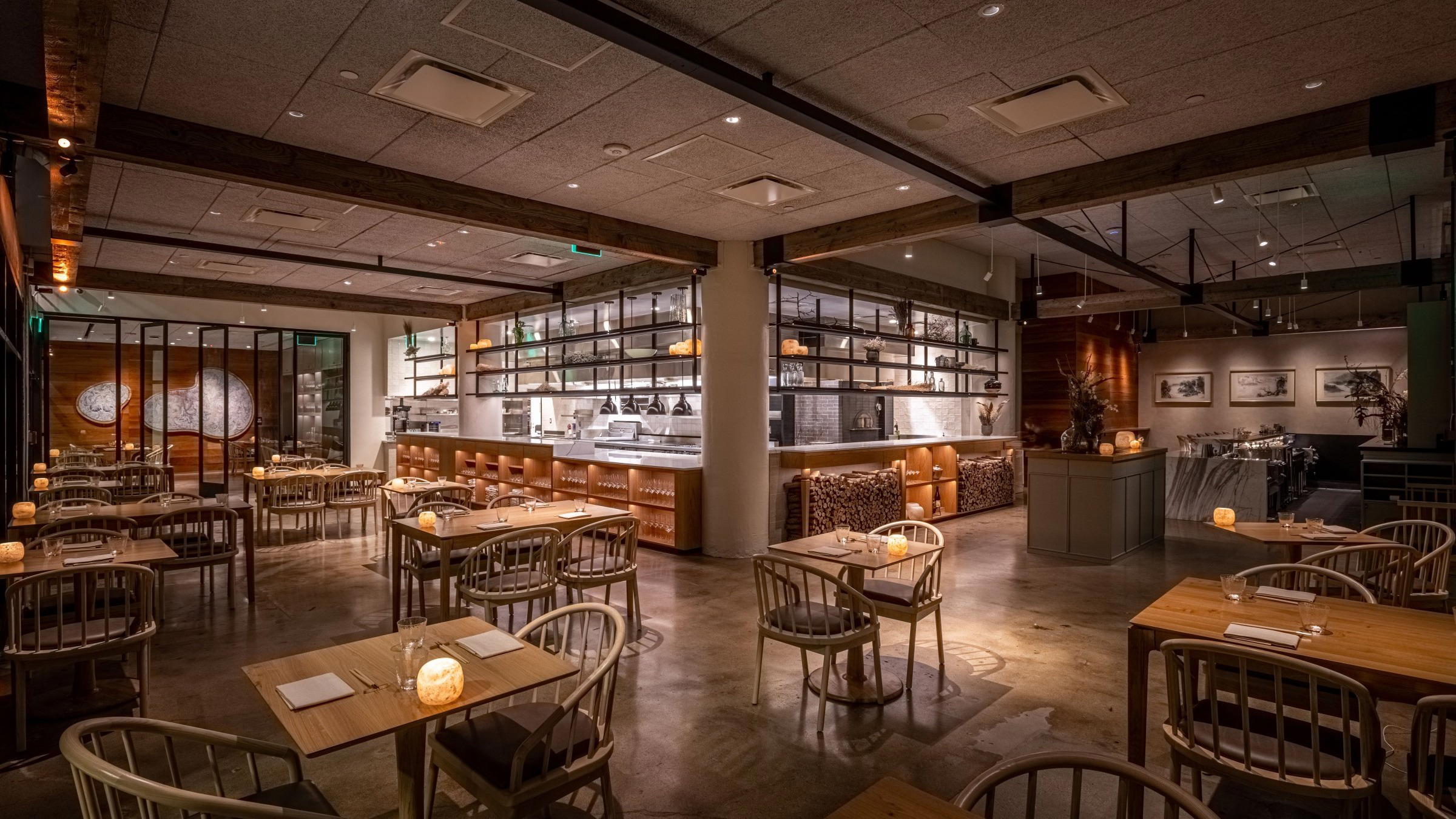
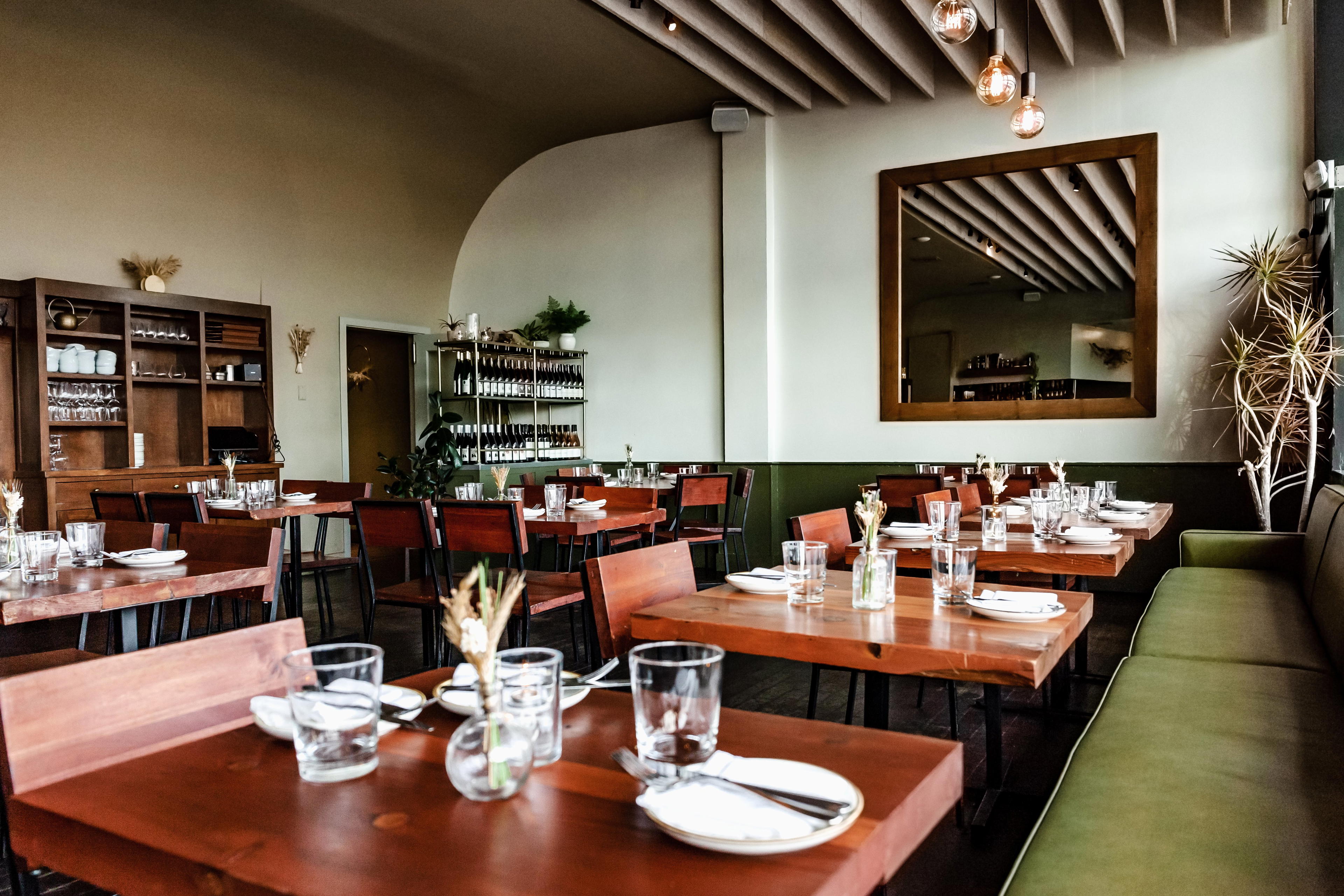
Minimalist, light-filled dining room alive with plants, warm wood and stone, evoking the outdoors.