Noma
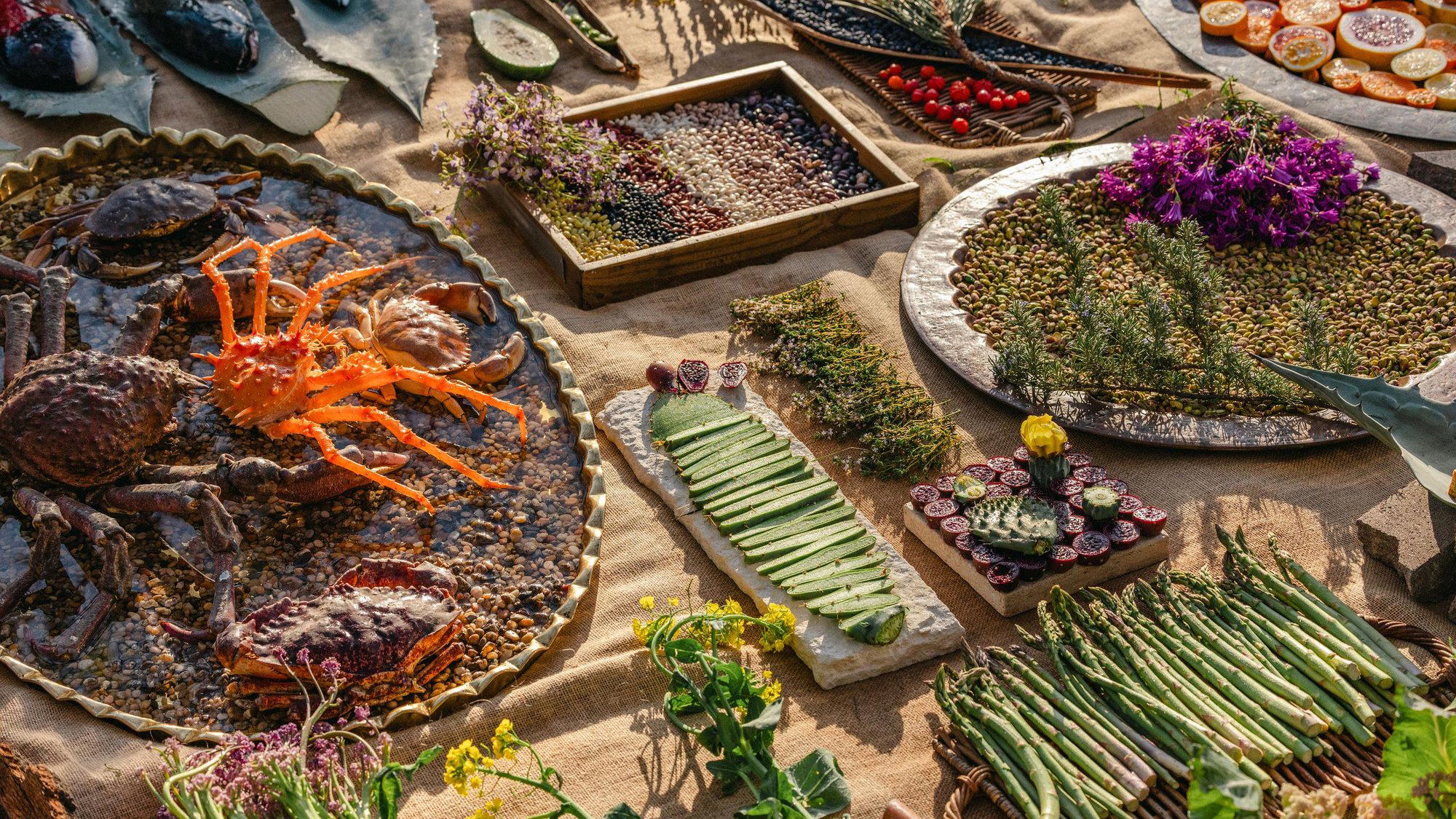
Few dining events in recent memory have landed in Los Angeles with the gravitational pull of Noma's residency. The Copenhagen restaurant that redefined New Nordic cuisine brought its hyper-seasonal, foraging-led tasting format to a city already crowded with ambitious tables, making it among the more discussed bookings in the country during its run. For anyone tracking where fine dining is heading, this was a reference point.

Pearl is the En Primeur Club membership app — saves, bookings, and concierge access live there. Same editors, same standards.
What a Nordic Residency Means in a Los Angeles Context
Los Angeles has spent the last decade building a serious fine dining tier that no longer needs external validation. Providence holds its Michelin stars through rigorous seafood work. Kato has made a case for New Taiwanese cuisine at the highest level. Somni pushed molecular and conceptual formats into territory few American restaurants attempt. Against that backdrop, a Noma residency is not simply a famous name arriving in town. It is a collision between two distinct cooking philosophies: the New Nordic model, built on Scandinavian foraging, fermentation, and a near-doctrinal commitment to place, and the California model, which treats seasonality and local produce as baseline assumptions rather than ideology. That tension is where the residency becomes genuinely interesting to think about.
New Nordic, as a culinary framework, emerged from Copenhagen in the mid-2000s and codified a set of principles around indigenous ingredients, preservation techniques, and the idea that a meal should function as an argument about geography. The tasting menu format became the primary vehicle for that argument. Each course does not exist to satisfy hunger so much as to build a cumulative case, placing the diner inside a specific ecosystem at a specific time of year. That is a different proposition from most tasting menus, which sequence flavour contrast and texture. Here the sequence is almost essayistic.
The Architecture of a Nordic Tasting Menu
Understanding how Noma structures a meal matters before booking, because the experience is less about individual dishes and more about the logic connecting them. Nordic tasting formats of this calibre typically run through a seasonal theme that governs every element: the produce sourced, the fermentation applied, the vessels used, and the pacing between courses. Noma's residency model has historically interpreted the local environment through that lens rather than importing Copenhagen's pantry wholesale. In Los Angeles, that meant engaging with California's coastal and agricultural geography using Nordic techniques as the analytical framework.
This approach places the residency in a different category from peer events like Alinea in Chicago or The French Laundry in Napa, both of which operate fixed flagship formats. Pop-up residencies of this scale, where a team displaces itself entirely to engage with a new geography, are rare in American dining. Lazy Bear in San Francisco and Single Thread Farm in Healdsburg share some of the farm-to-table philosophical territory, but neither operates as a travelling format in the same way. The residency model itself is the structural distinction.
For comparison further afield, Blue Hill at Stone Barns in Tarrytown has the closest philosophical kinship in American dining: produce-driven, season-structured, with a menu that changes as a direct function of what the land offers. Noma's version runs the same logic but routes it through fermentation and Nordic preservation in ways that produce a distinct flavour register.
Where the Residency Sits in the American Fine Dining Conversation
The leading bracket of American tasting menus has become a recognisable comparable set. Le Bernardin in New York City represents the French classical tradition refined over decades. The Inn at Little Washington holds its own category as an American country house format. Addison in San Diego operates at the luxury resort end of the California spectrum. What the Noma residency brought was something none of those addresses can replicate: the intellectual framework of the New Nordic movement applied temporarily to a foreign geography, with the explicit acknowledgment that the result would be time-limited and non-repeatable.
That non-repeatability is a significant part of the value proposition for the category of diner this residency targets. The format is not designed for casual drop-in dining. It addresses itself to people who track the conversation around where fine dining is going, who have likely already eaten at Hayato and understand what a serious tasting format demands of its audience. It also addresses people willing to plan well in advance, since residency bookings of this profile typically open months ahead and close quickly.
For context on the broader Nordic tasting format, Kadeau in Copenhagen and Adam/Albin in Stockholm represent the tradition in its home geography, where the seasonal logic has an obvious anchor. Transplanting that logic to Los Angeles, a city with year-round growing seasons and a completely different coastal and agricultural ecology, forces a re-examination of what the Nordic framework actually means when stripped of its native context. The residency is, in that sense, also a critical exercise.
Los Angeles Fine Dining in 2024 and Beyond
The city's upper-tier dining has diversified considerably. Osteria Mozza occupies the Italian end of the serious-restaurant spectrum with a format that prioritises accessibility alongside quality. Bacchanalia in Atlanta and Emeril's in New Orleans show how regional American fine dining has developed its own confident identity independent of European or Scandinavian frameworks. Los Angeles sits in an interesting position: California enough to claim its own culinary identity, cosmopolitan enough to absorb and stress-test external ones.
A Noma residency in that city is not just a booking. It is a data point about where both the city and the Nordic project are heading. For anyone building a mental map of contemporary fine dining, it belongs on that map.
Just the Basics
Comparable venues nearby, for context on price, style, and recognition.
| Venue | Cuisine | Price | Notes |
|---|---|---|---|
| NomaThis venue — the venue you are viewing | Not listed | $$$$ | Not listed |
| Tracy Anderson Method Studio | Studio City, other | $$$$ | Not listed |
| Lasita | Not listed | $$$ | Chinatown, Filipino Rotisserie & Natural Wine |
| Bar 109 | Not listed | $$$ | Melrose Hill, Cocktail Bar with Light Snacks |
| Noma LA pop-up | Not listed | $$$$ | Silver Lake, Avant-Garde Foraged Fine Dining |
| Chamberlain’s Coffee | Not listed | $$ | Century City, Specialty coffee & matcha café |
Continue exploring
More in Los Angeles
Restaurants in Los Angeles
Browse all →
Bars in Los Angeles
Browse all →

Hotels in Los Angeles
Browse all →
Wineries in Los Angeles
Browse all →
At a Glance
- Elegant
- Sophisticated
- Well Known
- Intimate
- Special Occasion
- Celebration
- Private Dining
- Open Kitchen
- Design Destination
- Sommelier Led
- Farm To Table
- Local Sourcing
- Organic
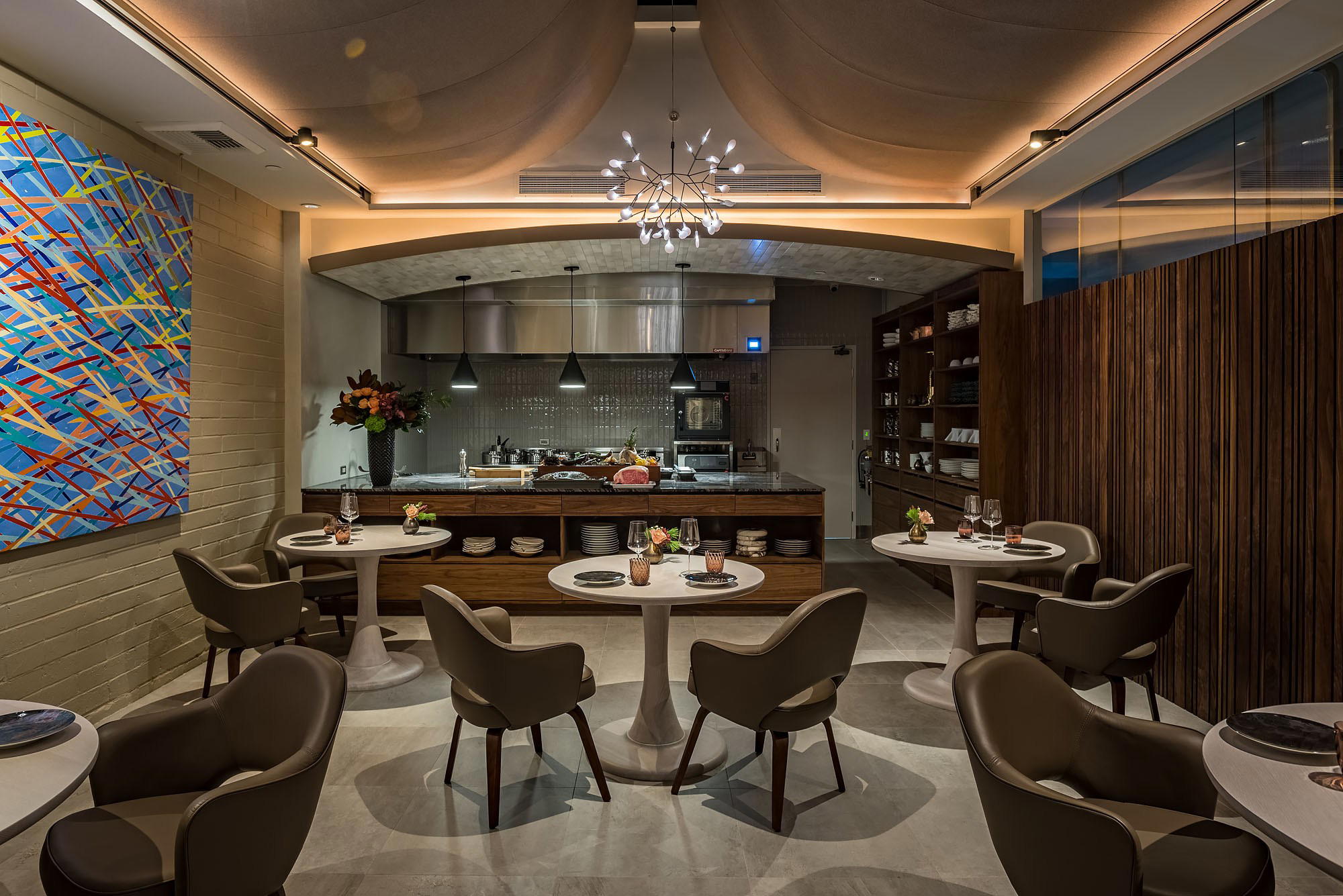
Refined and exclusive atmosphere at a private five-acre compound, designed for intimate multi-course dining experiences.