Nola Cafe
Nola Cafe sits on Waialae Avenue in Kaimuki, one of Honolulu's most culinarily active corridors, where casual-format restaurants consistently outperform their price points. The cafe takes its name and spirit from New Orleans, translating the Crescent City's layered food culture into a Hawaii setting where local produce and Louisiana technique share the same plate.
- Address
- 3040 Waialae Ave, Honolulu, HI 96816
- Phone
- +18087370540
- Website
- nolacafehnl.com
- Directions
- Get directions
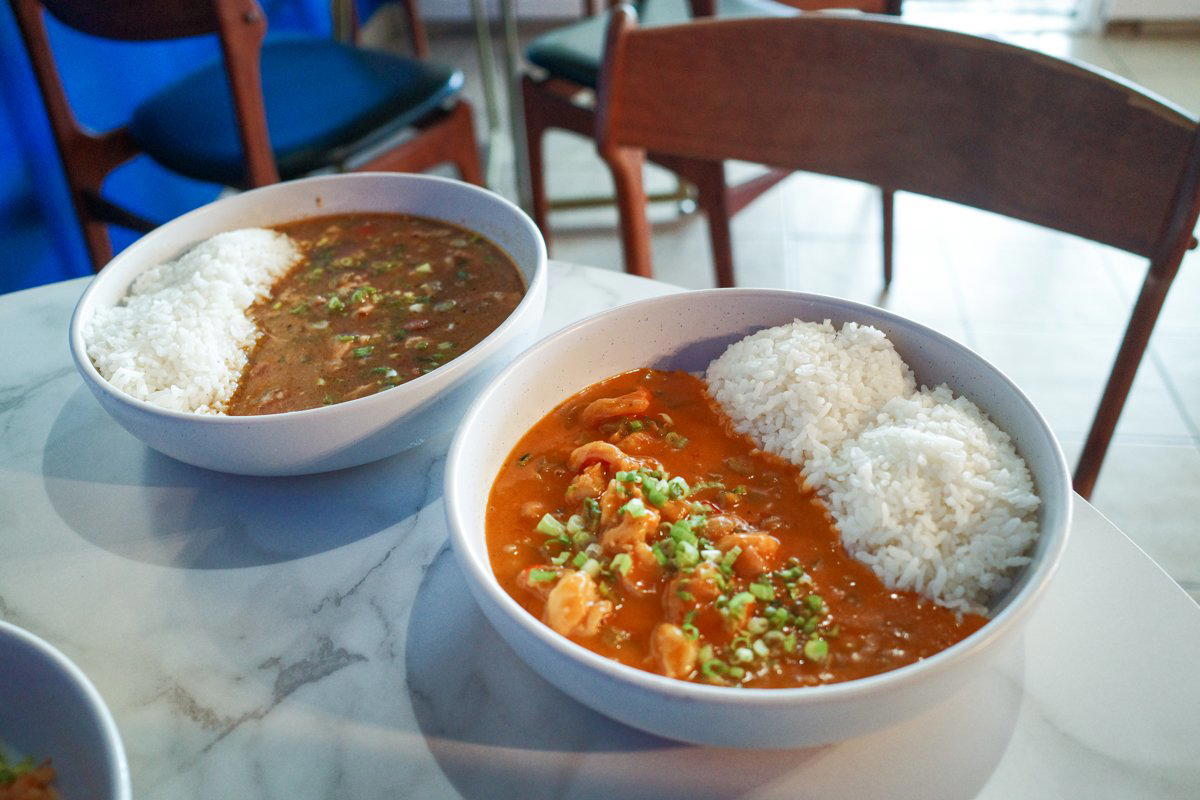
Waialae Avenue and the Kaimuki Dining Corridor
Nola Cafe is a restaurant in Honolulu serving Cajun & Creole Café fare at 3040 Waialae Ave. The neighbourhood sits roughly three miles east of Waikiki, far enough from the resort strip that its restaurants serve a predominantly local clientele, which tends to calibrate menus toward value and repetition rather than spectacle and one-time visits. Waialae Avenue, the corridor's main artery, has attracted a concentration of independently operated restaurants that sit in the mid-casual tier, not the white-tablecloth ambition of 53 By The Sea or the polished New American register of Fête, but not fast-casual either. Nola Cafe at 3040 Waialae Ave occupies that middle ground, drawing its identity from New Orleans food culture rather than Hawaii's dominant Japanese and Pacific Rim influences.
New Orleans Food Culture in a Hawaii Setting
The New Orleans dining tradition that Nola Cafe references is one of the more codified regional cuisines in the United States. It operates across a wide price spectrum, from the counter-service po'boy shops of the Bywater to the multi-course dining rooms of the French Quarter, but its internal logic is consistent: rendered fat, aromatic bases, shellfish, and a willingness to let dishes cook until they collapse into themselves. In its current national moment, New Orleans cooking has found an audience well beyond Louisiana. Cities from Portland to New York have seen Creole and Cajun-influenced menus move from novelty to sustained category. Honolulu, with its appetite for American regional cooking filtered through local ingredient availability, is a plausible setting for that translation.
The Team Dynamic on a Neighbourhood Floor
In Honolulu's independent restaurant sector, the coordination between kitchen output and front-of-house communication tends to define whether a cuisine-specific concept sustains local loyalty. This is particularly true for restaurants built around a regional American food culture that many Honolulu diners haven't encountered firsthand. A server who can explain why a dish is served the way it is, why a gumbo is dark rather than light, why beignets come at a particular moment in a meal, functions as an extension of the kitchen's editorial voice.
Honolulu's Independent Restaurant Tier
The reference points in this conversation are mostly local: the Japanese-inflected precision of spots like Ginza Bairin or Fujiyama Texas, the cocktail-forward omakase crossover of Bar Maze, and the Italian consistency of Arancino at The Kahala. The restaurant sits outside all of those categories, which gives it a distinct lane but also means it draws comparisons to mainland American regional dining rather than Honolulu's dominant culinary influences.
That positioning connects to a wider national pattern. Restaurants with a strong regional American identity, whether it's the collaborative farm-driven model of Blue Hill at Stone Barns, the Louisiana-rooted legacy operation of Emeril's in New Orleans, or the Pacific Coast seafood focus of Providence in Los Angeles, succeed in non-native markets when they commit fully to their source cuisine rather than softening it for local palates. The question for any New Orleans concept operating outside Louisiana is whether the kitchen has the conviction to hold its culinary position.
Planning a Visit
The restaurant's address at 3040 Waialae Ave places it in the heart of Kaimuki, walkable from the 8th Avenue and 12th Avenue blocks that anchor the neighbourhood's restaurant concentration. Street parking along Waialae is available but competes with the area's general foot traffic, particularly on weekend evenings when the corridor runs at capacity. Visitors coming from central Honolulu or Waikiki can reach Kaimuki in roughly fifteen to twenty minutes by car outside peak hours. Kaimuki rewards a longer evening rather than a rushed meal, the neighbourhood has enough adjacent options, including 855-ALOHA and Ahaaina Luau nearby, to justify treating the area as a dining destination rather than a single-stop visit.
Peers Worth Knowing
Comparable venues nearby, for context on price, style, and recognition.
| Venue | Cuisine | Price | Notes |
|---|---|---|---|
| Nola CafeThis venue — the venue you are viewing | Cajun & Creole Café | $$ | Not listed |
| Kani Ka Pila Grille | Hawaiian Regional Grill | $$ | Waikiki |
| Cream Pot | French-Inspired American Breakfast & Brunch | $$ | Waikiki |
| Honolulu Burger Co. | Hawaiian Grass-Fed Burgers | $$ | Makiki Ako |
| Andy's Sandwiches & Smoothies | American Sandwiches & Smoothies | $ | St. Louis Heights |
| Lappert's Hawaii | Hawaiian Ice Cream & Coffee | $$ | Waikiki |
At a Glance
- Cozy
- Casual
- Brunch
- Casual Hangout
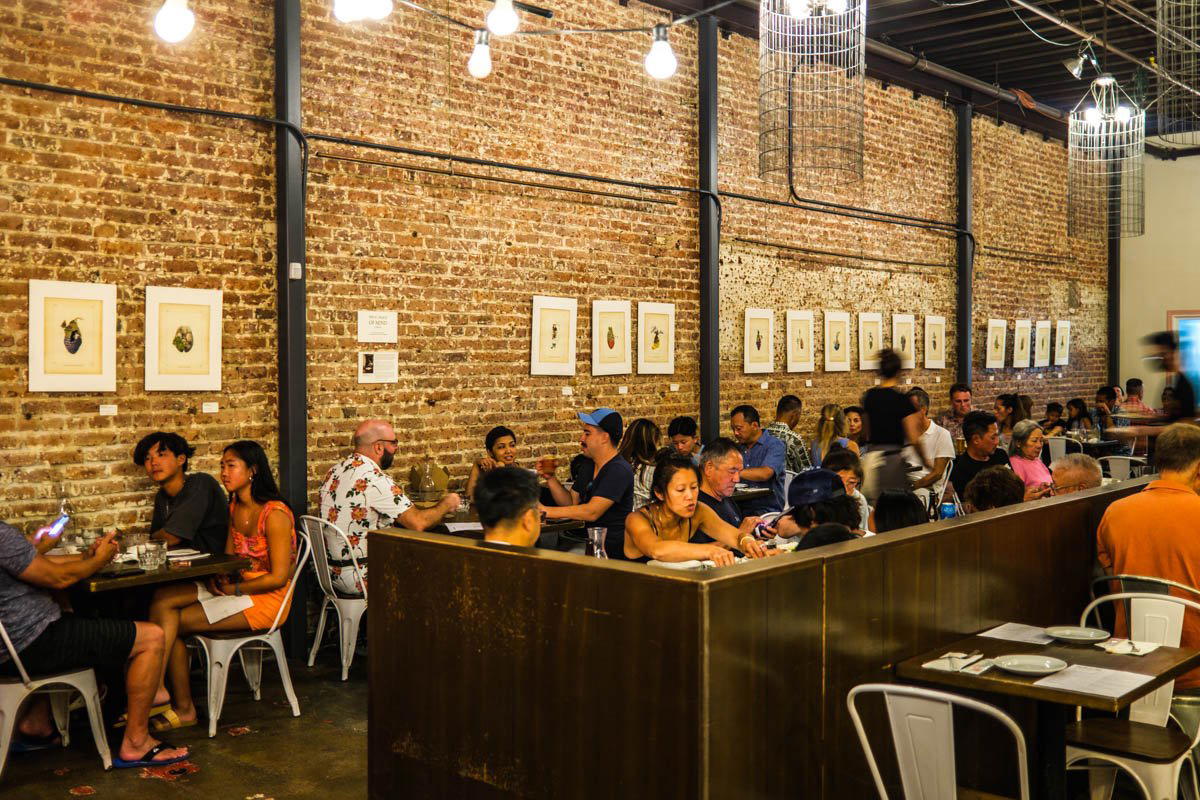
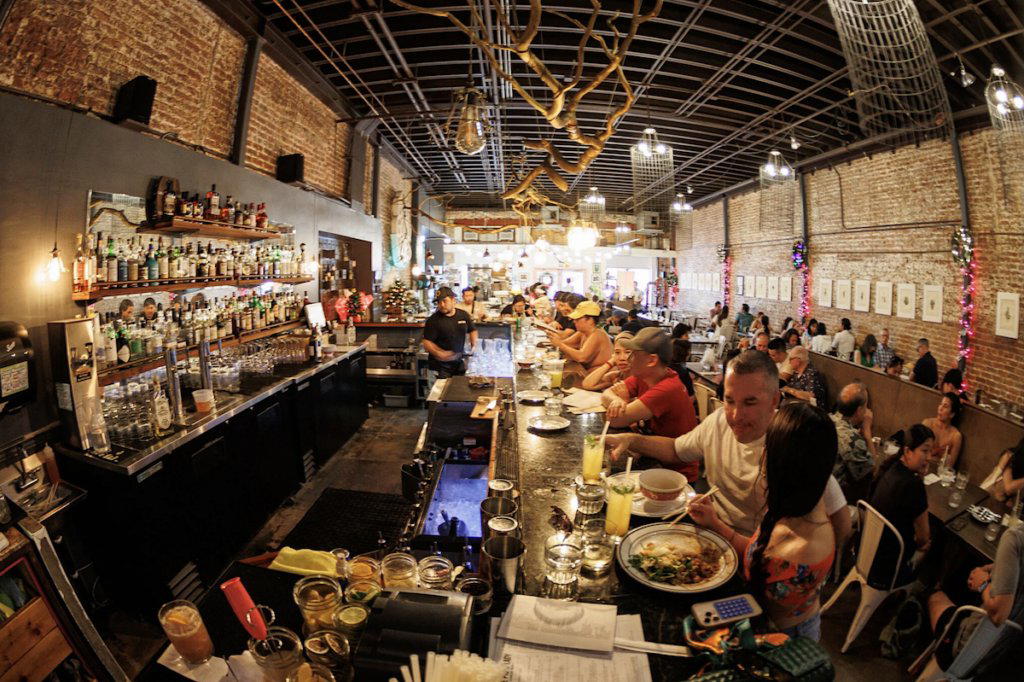
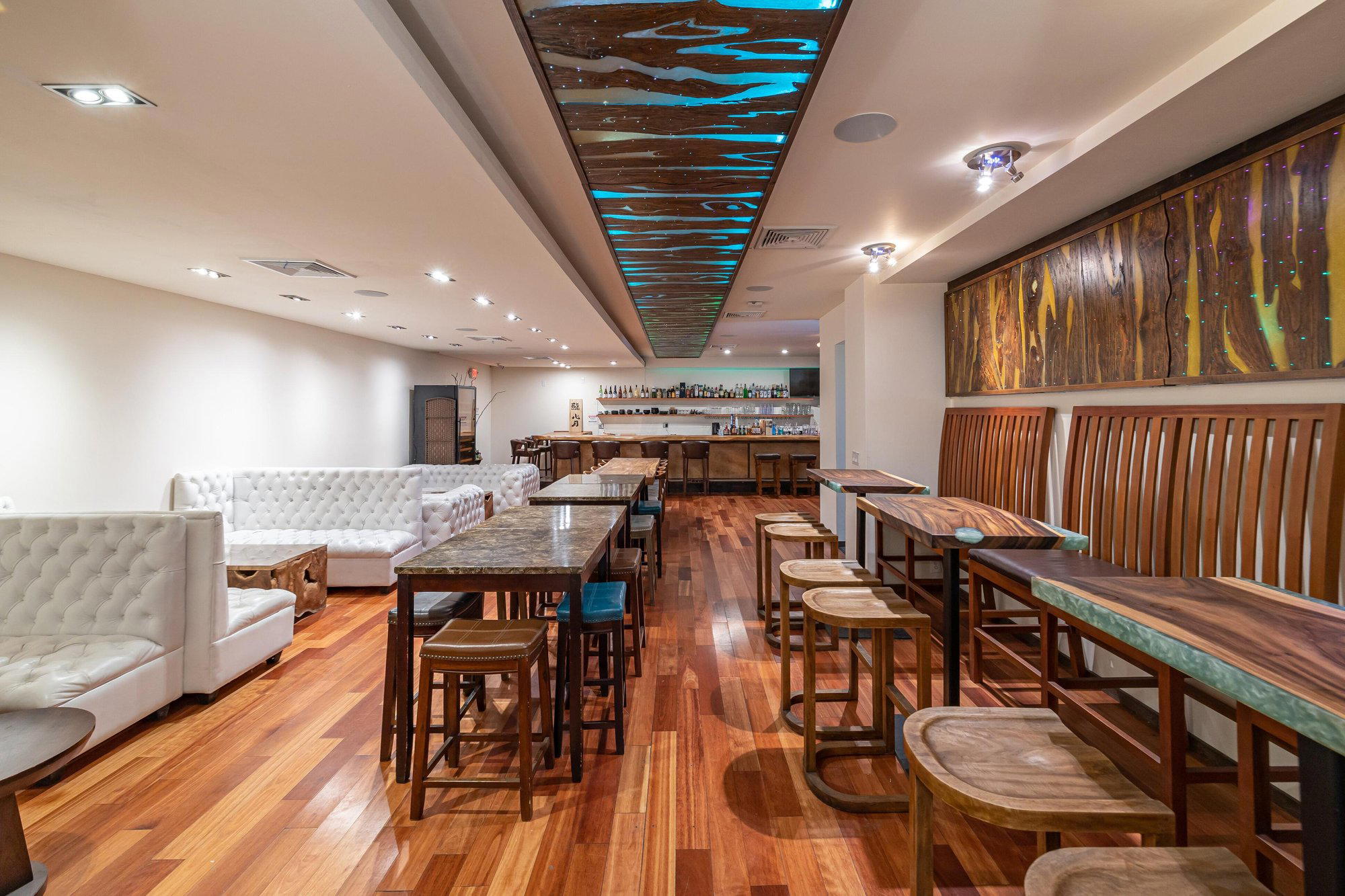
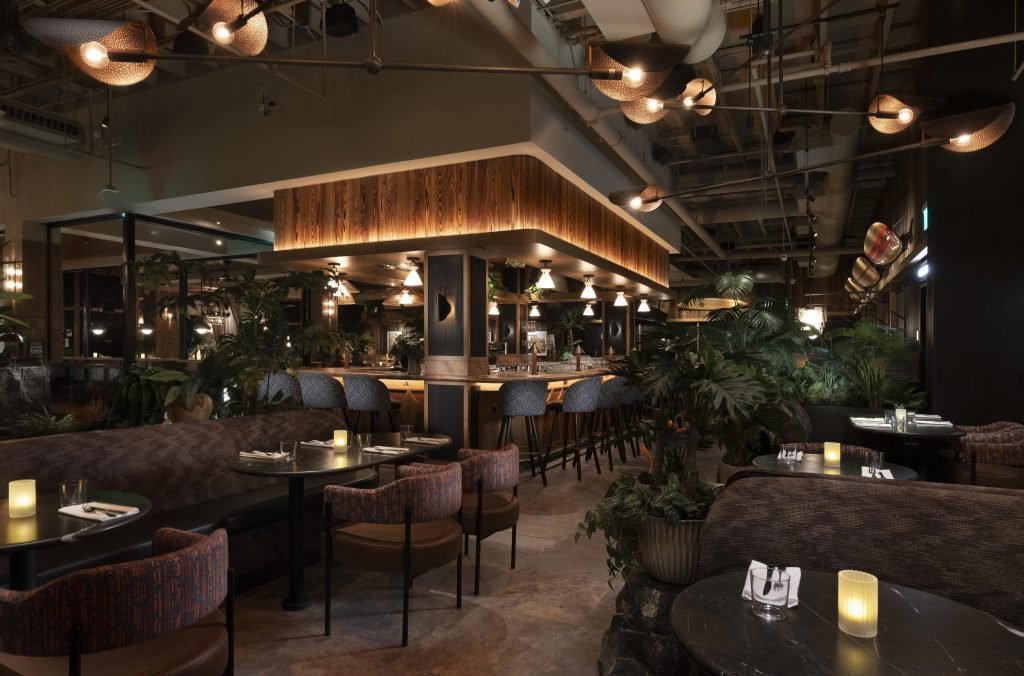
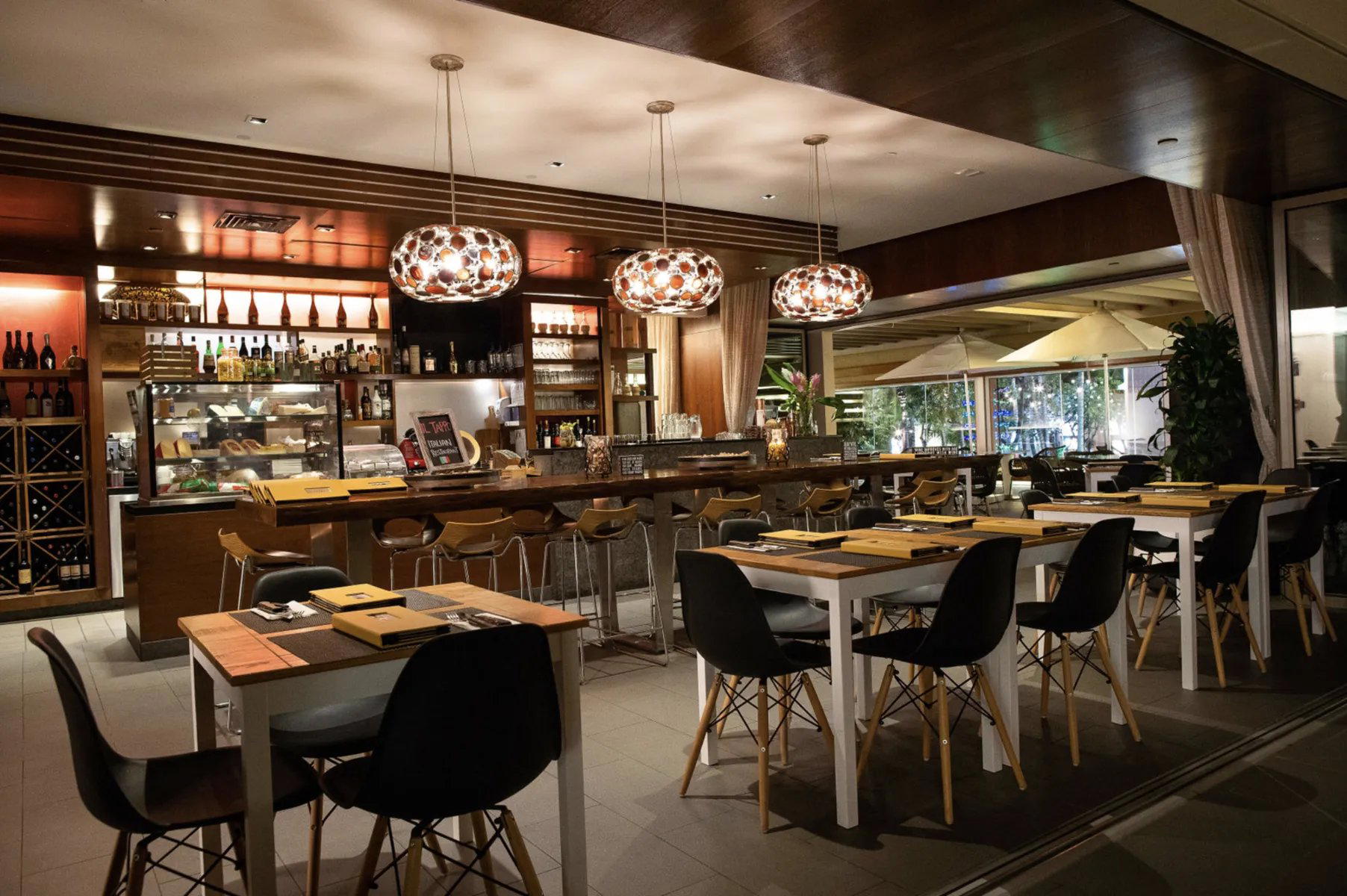
Cozy café atmosphere with an open layout and friendly service.