Mud Hen Water
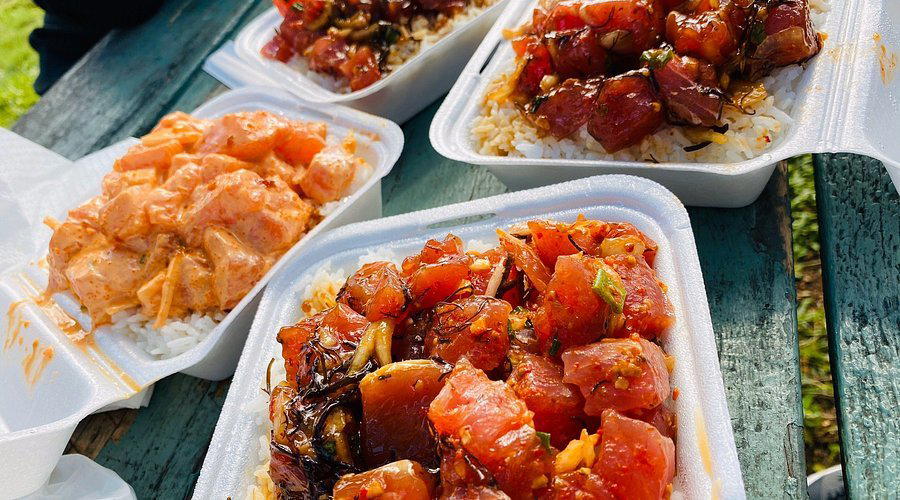
On Waialae Avenue in Kaimuki, Mud Hen Water occupies the stretch of Honolulu dining that sits firmly outside the Waikiki tourist circuit. The kitchen draws on Hawaiian regional traditions with a contemporary sensibility, making it a reference point for the kind of locally grounded cooking that defines Kaimuki's reputation as the city's most coherent neighbourhood dining corridor.
Pearl is the En Primeur Club membership app — saves, bookings, and concierge access live there. Same editors, same standards.
- Address
- 3452 Waialae Ave, Honolulu, HI 96816
- Phone
- +1 808 737 6000
- Website
- mudhenwater.com
 Saves & bookings on Pearl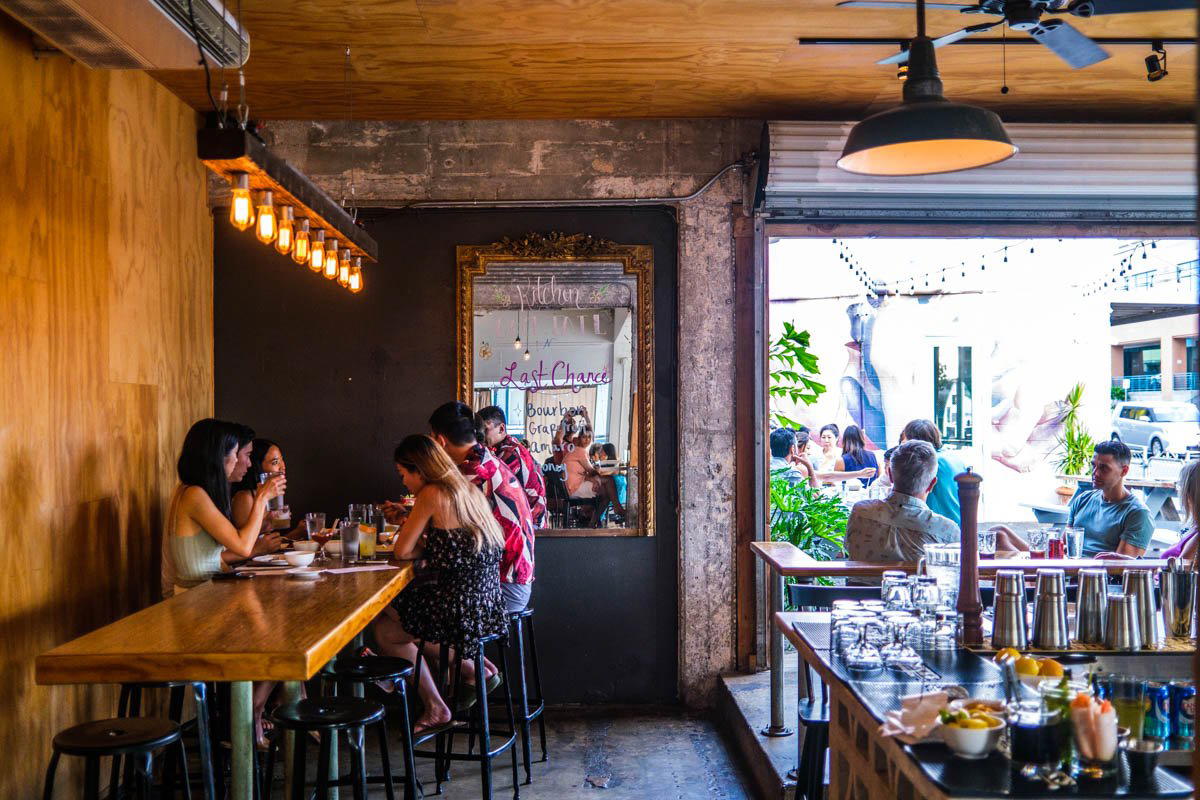
Kaimuki and the Waialae Corridor
Waialae Avenue runs through Kaimuki like a working thesis on what Honolulu dining looks like when it stops performing for visitors. The neighbourhood has accumulated, over the past two decades, a density of chef-driven restaurants, independent wine bars, and casual but serious kitchens that together form a recognisable dining district. It is not the waterfront, not the resort strip, and not the hotel corridor. Mud Hen Water sits at 3452 Waialae Ave, squarely inside this corridor, and the address alone signals something about the kind of meal you are likely to have: one shaped more by the ingredients and traditions of the islands than by any obligation to tourist expectations.
Kaimuki's dining character is worth understanding before you walk in. The neighbourhood rewards visitors who read it correctly. Restaurants here tend to operate on smaller margins, tighter seasonality, and a closer relationship to local producers than their Waikiki counterparts. That context shapes what you find on a menu at any given visit, and it is the right frame for approaching Mud Hen Water.
The Shape of a Meal
Hawaiian regional cuisine, in its more considered contemporary form, sequences well. The cooking tradition that emerged from the islands over the last few decades draws on a genuinely complex pantry: Pacific seafood, local produce shaped by volcanic soil and tropical climate, fermentation practices borrowed from Japanese and Korean immigrant communities, and proteins treated with the slow preparations common across Polynesian food culture. A meal that moves through these registers in stages tells a more coherent story than one that presents everything at once.
At Mud Hen Water, that sequencing logic appears to drive how the menu is built. The early courses tend to lean into the lighter, more acidic end of the Hawaiian pantry: preparations that use local citrus, raw or lightly cured seafood, and fermented condiments to open the palate. This approach mirrors what the leading contemporary Hawaiian cooking does across the city, using brightness and restraint in early courses before introducing the richer, more substantial preparations that anchor the middle of a meal.
The middle registers are where the kitchen's relationship to local producers becomes most visible. Hawaiian regional cooking at this level is not a single cuisine so much as a cooking posture: a commitment to sourcing from the islands' farms, fishing boats, and foragers, then applying technique that is as likely to come from Japanese or Southeast Asian tradition as from any European culinary playbook. That layering is what distinguishes serious Honolulu kitchens from the generic Pacific Rim category that dominated the islands' restaurant menus in an earlier era.
Closing courses at places working in this tradition tend to draw on taro, tropical fruits, and coconut in forms that are neither obviously Western dessert nor straightforwardly traditional Hawaiian. The tension between those two poles is generative, and the leading versions of these finales leave the meal feeling both grounded and considered.
Where Mud Hen Water Sits in the Honolulu Scene
Honolulu's serious dining tier has split noticeably between venues that operate inside the hotel ecosystem and those that exist independently in residential and mixed-use neighbourhoods. The hotel-anchored tier, which includes places like Beachhouse at the Moana, comes with the infrastructure and price architecture of resort dining. The independent Kaimuki corridor, by contrast, operates closer to the model you'd find in neighbourhood-driven dining cities: smaller rooms, tighter menus, prices that reflect local competitive pressure rather than resort rate cards.
Mud Hen Water belongs to the independent tier. It functions as a local reference point in a neighbourhood that already has several: the Kaimuki strip has earned its reputation precisely because the restaurants here are answerable to a local dining public that eats out regularly and has clear opinions. That accountability tends to produce better cooking than the tourist-facing model does.
For comparison, the cocktail-focused end of Honolulu's serious drinking scene operates on a parallel track. Bar Leather Apron in Honolulu is the clearest local example of the technical, ingredients-led bar program that has become the standard bearer for the city's cocktail ambitions. Further afield, the same commitment to ingredient specificity and local character shows up in bars like Kumiko in Chicago, Jewel of the South in New Orleans, and Julep in Houston. The through-line across all of them is a preference for specificity over genericness, which is equally the standard Mud Hen Water operates against in the food category.
Drinking Through the Meal
Hawaii's drinking culture at the serious end has moved away from the tiki-adjacent cocktail default that still dominates resort menus. At restaurants in the Kaimuki tier, the beverage program is increasingly expected to track the kitchen's local sourcing logic: local spirits where available, wine selections that complement rather than compete with Pacific-influenced flavours, and cocktails that use island-grown ingredients in ways that feel grounded rather than gimmicky.
Lighter, lower-alcohol options and sake-adjacent pairings tend to perform well alongside the kind of raw and fermented preparations that open a contemporary Hawaiian tasting sequence. As the meal moves into richer territory, the beverage pairing logic shifts accordingly. Comparable bar-forward programs at venues like ABV in San Francisco and Superbueno in New York City demonstrate how beverage programs at independent neighbourhood restaurants have moved toward ingredient-led frameworks that mirror kitchen philosophy. The same expectation applies here.
Honolulu's more casual drinking spots around the same neighbourhood, including 9th Ave Rock House and Andy's Sandwiches & Smoothies, offer a useful sense of the neighbourhood's range before or after a meal at Mud Hen Water. Duke's Waikiki represents the other end of the spectrum entirely, a beach-facing institution with a different purpose and audience. And for those tracking the technical cocktail tier internationally, The Parlour in Frankfurt on the Main illustrates how the same impulse toward ingredient rigour plays out in a European context.
Planning Your Visit
Mud Hen Water is located on Waialae Avenue in Kaimuki, a ten-to-fifteen-minute drive from central Waikiki depending on traffic. The neighbourhood is accessible by car, and street parking on and around Waialae Ave is the standard approach. Kaimuki's restaurant cluster means the street is active on weekend evenings, and early arrival or weekday timing reduces the friction of finding a table or a parking spot. Booking ahead is recommended, particularly for weekend dinner.
Reputation Context
Comparable venues nearby, for context on price, style, and recognition.
| Venue | Cuisine | Price | Awards | Notes |
|---|---|---|---|---|
| Mud Hen WaterThis venue — the venue you are viewing | cocktail_bar | $$$ | , | |
| Katsumidori Sushi Tokyo | sake_bar | $$$ | , | Waikiki |
| Senia | cocktail_bar | $$$ | , | Chinatown |
| Yanagi Sushi | sake_bar | $$ | , | Ala Moana - Kakaako |
| 9th Ave Rock House | dive_bar | $$ | , | Kaimuki |
| The Myna Bird Tiki Bar | tiki_bar | $$ | , | Kapahulu |
Continue exploring
More in Urban Honolulu
Bars in Urban Honolulu
Browse all →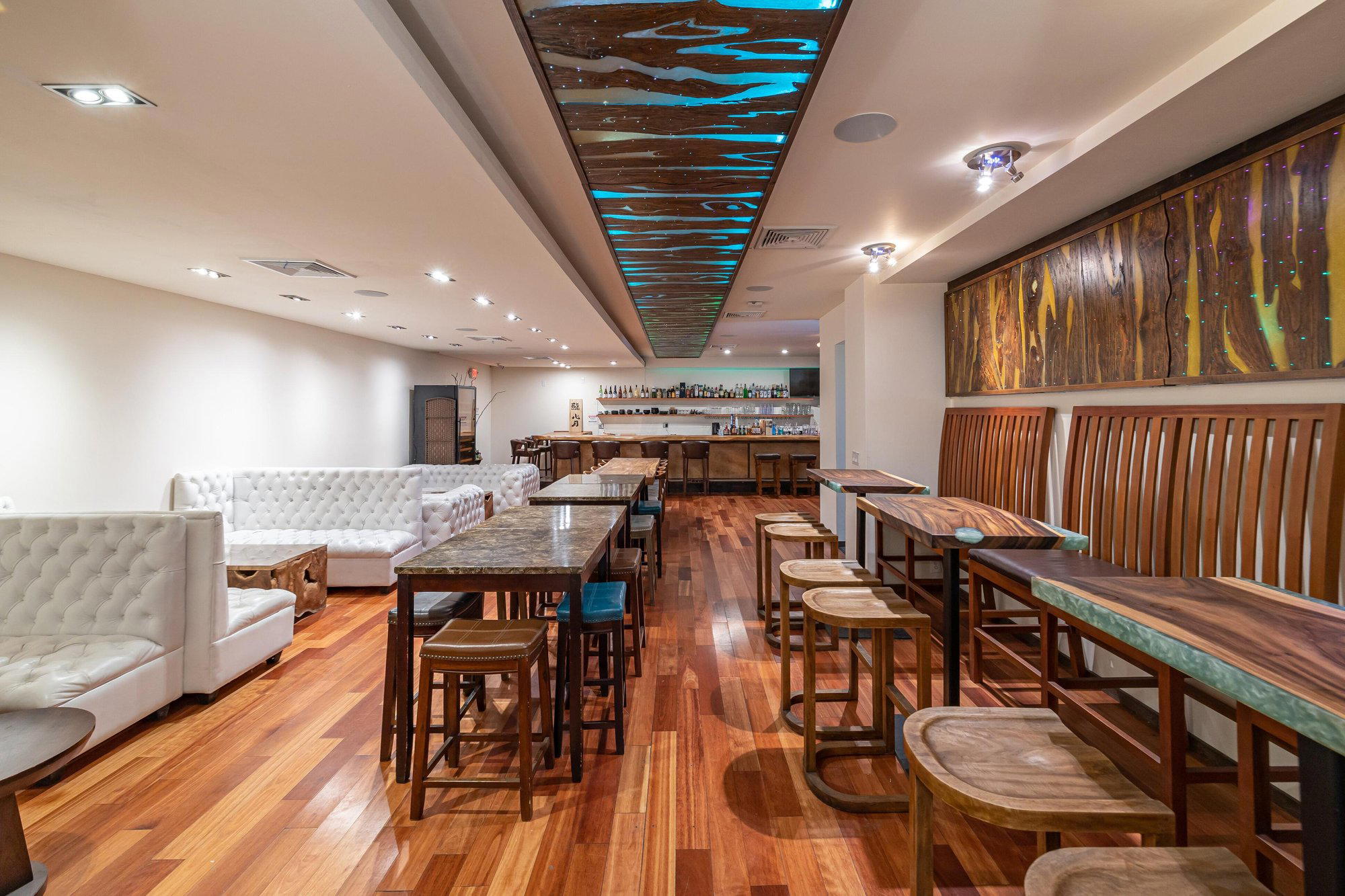
Restaurants in Urban Honolulu
Browse all →
At a Glance
- Trendy
- Cozy
- Lively
- Date Night
- Group Outing
- Casual Hangout
- Seated Bar
- Lounge Seating
- Outdoor Terrace
- Craft Cocktails
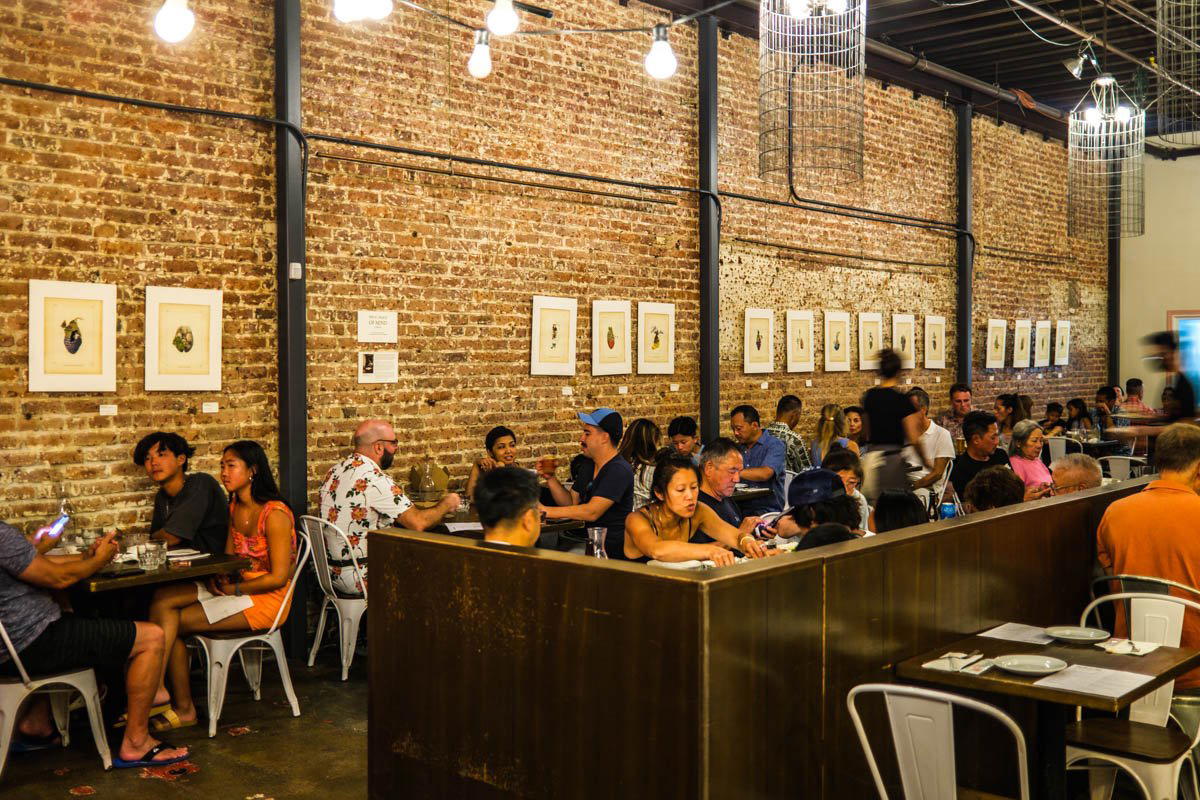
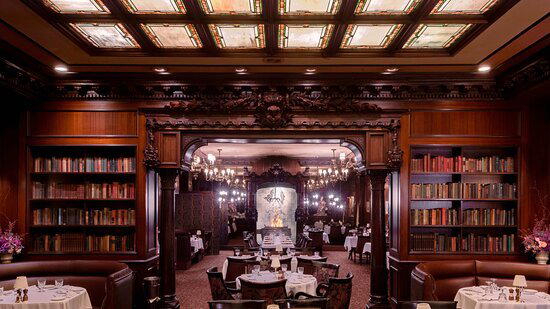
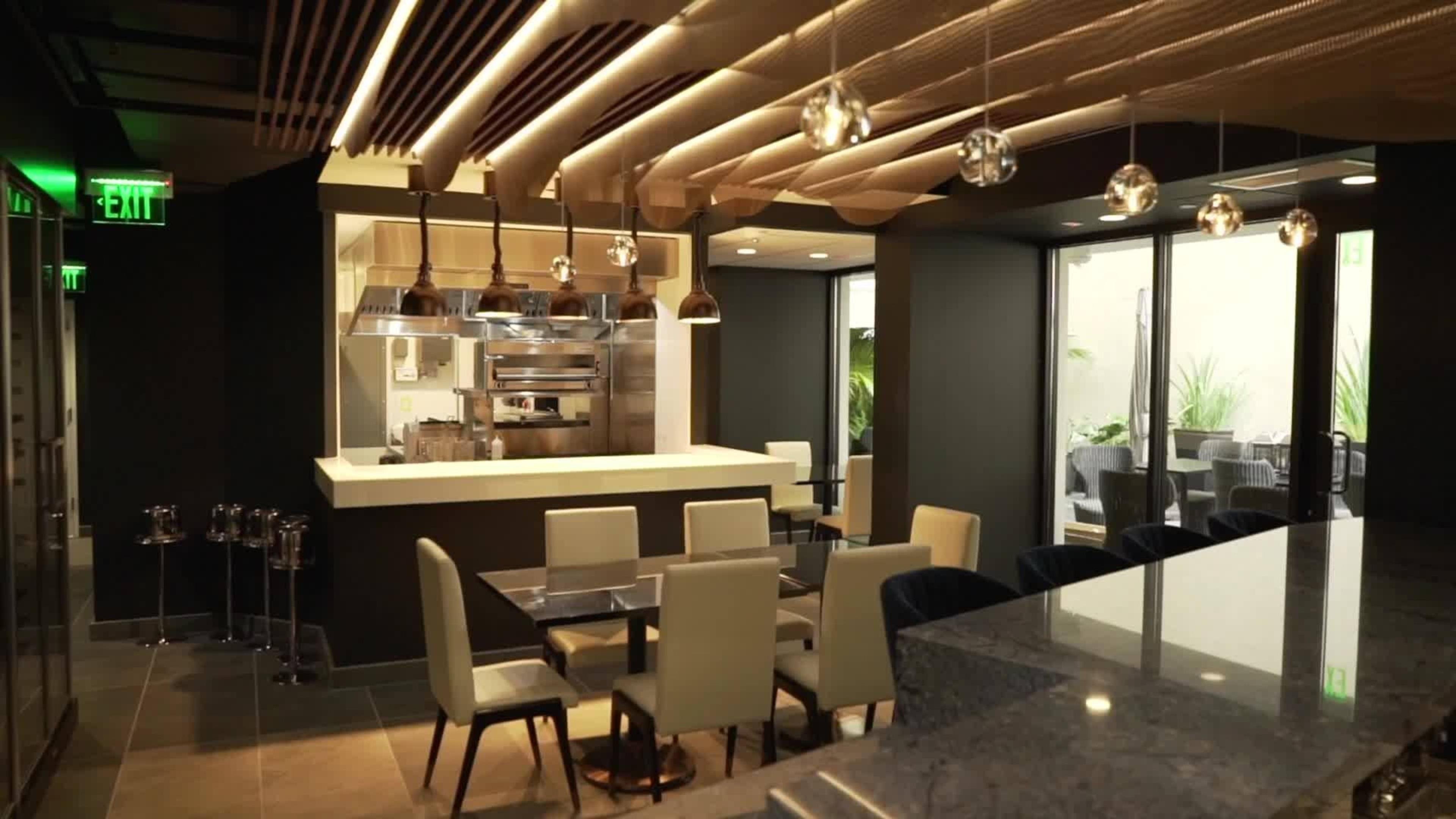
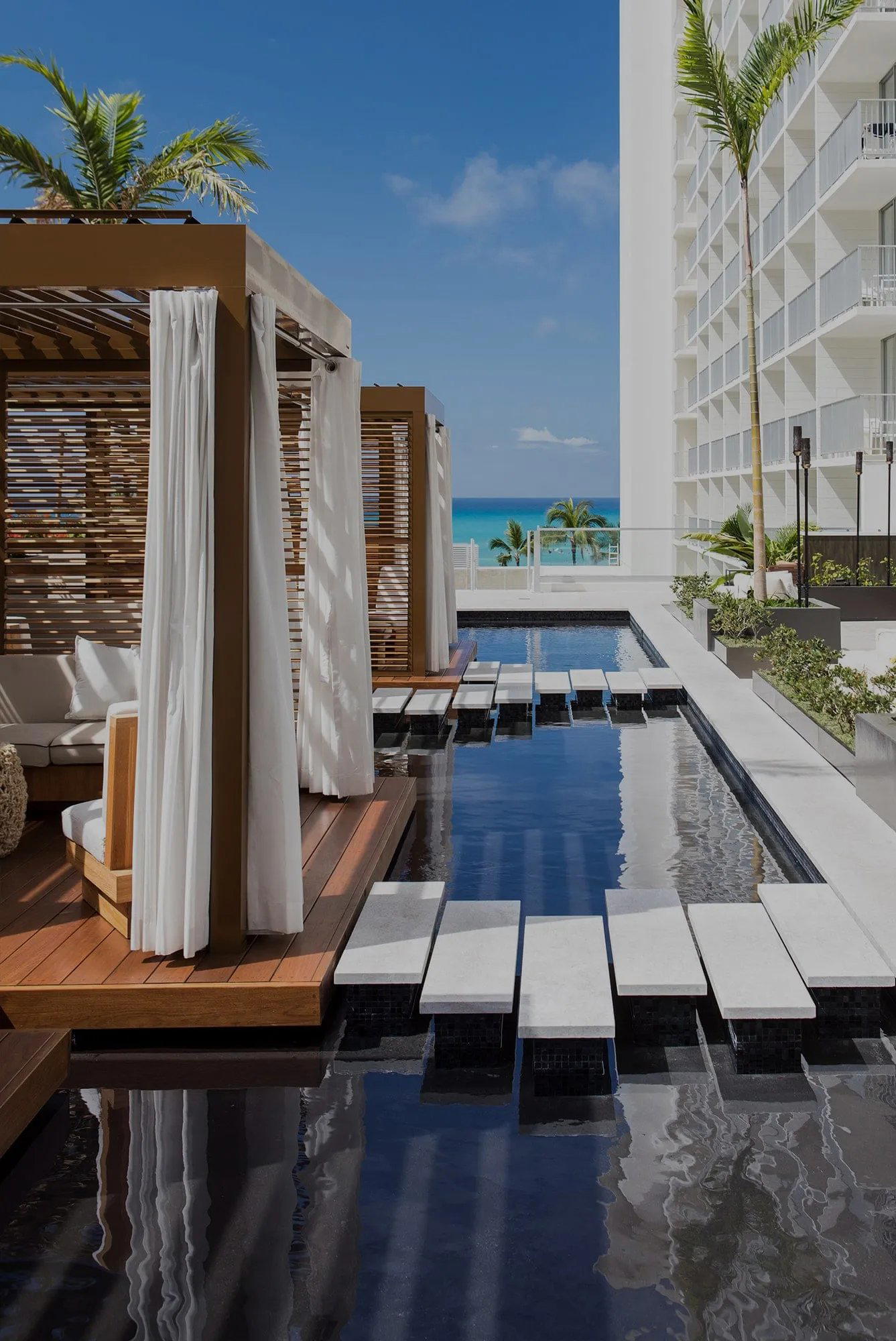
Casual yet polished interior blending natural elements with vibrant, cozy atmosphere and chill alfresco urban patio.