No.10 Nanmen

A compact spot on Nanmen Street in Hsinchu's East District, No.10 Nanmen trades in handmade noodles, dumplings, and soy-marinated meats produced entirely to order. The signature wontons arrive in a chilli oil blended from five spices, delivering layered heat over silky wrappers and a pork-and-shrimp filling. Arrive before the lunch or dinner rush, because tables fill fast and the kitchen doesn't rush for anyone.
Pearl is the En Primeur Club membership app — saves, bookings, and concierge access live there. Same editors, same standards.
- Address
- 10 Nanmen Street, East District
- Phone
- +886 965 308 493
- Directions
- Get directions
 Saves & bookings on Pearl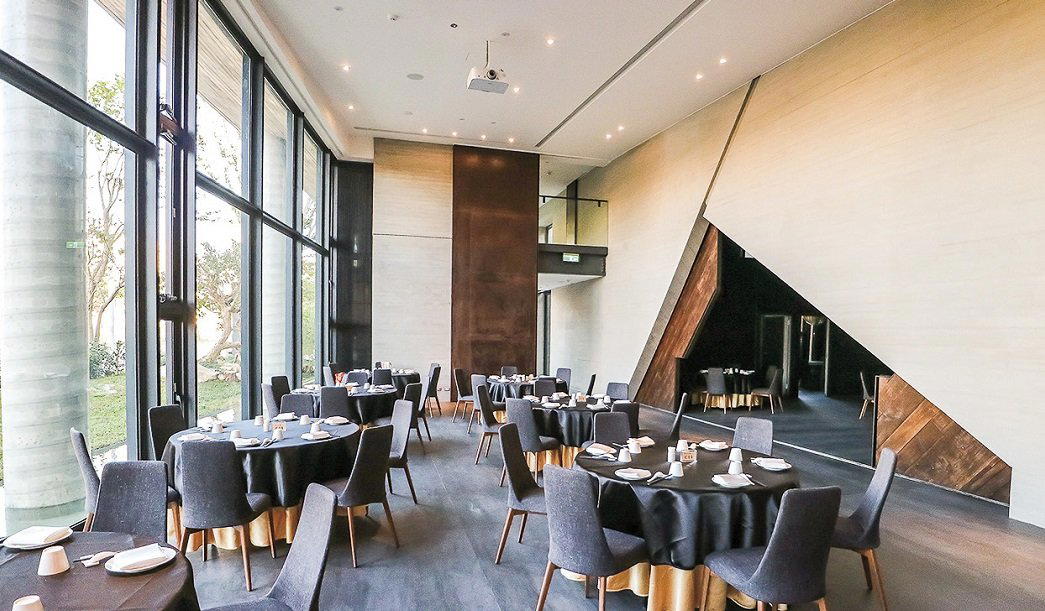
What Nanmen Street Tells You About Hsinchu's Eating Habits
Hsinchu's reputation rests partly on its science park economy, but the city's eating culture runs deeper and older than the semiconductor boom. In the East District, a short grid of older streets around the former south gate preserves a street-food vernacular that predates the tech corridor by decades. Nanmen Street sits inside that pocket, and the address at number 10 represents a particular kind of Taiwanese food culture: small-format, high-output, ingredient-led, with nothing on the menu that isn't made the same day. This is a compact neighborhood spot focused on fast, fresh bowls and plates. Across Taiwan, premium dining has developed into a genuinely sophisticated category, with restaurants like JL Studio in Taichung, logy in Taipei, and GEN in Kaohsiung drawing international attention. No.10 Nanmen operates in a different register entirely, one where the measure of quality is the freshness of a wonton skin, not a tasting menu's arc.
The Room and the Rhythm
Step inside and the visual language is immediately legible: mosaic tiles on the walls, dark wood trimming on the furniture, the kind of interior that reads as worn-in rather than designed. The space is small. Tables are close together. At peak mealtimes, the noise level climbs and the pace accelerates. This is not a venue built for lingering; it is built for feeding people well and moving them through at a clip that keeps the queue manageable. That queue is real. The kitchen operates on a made-to-order basis, which means wait times reflect demand directly. Come early, at the leading edge of the lunch or dinner window, and the experience is more relaxed. Arrive at the height of service and you may wait for a table and then wait again for your food. Both waits, the consensus suggests, are worth it.
In Hsinchu's broader dining grid, venues like Hai Kou Guabao and Dongmen Rice Noodle Soup occupy the same general category: specialist, neighbourhood-anchored, defined by a narrow menu executed with precision. No.10 Nanmen belongs to that peer group.
Technique in a Small Kitchen: The Wonton and What It Requires
Akame in Wutai Township or Volando Urai Spring Spa & Resort in Wulai District engage with indigenous ingredients. At No.10 Nanmen, the intersection runs the other way: a deeply local form, the Taiwanese wonton, executed with the kind of process discipline that global technique celebrates. Handmade wonton skins are a labour-intensive proposition. Machine-rolled wrappers are uniform but lack the slight irregularity in thickness that gives a hand-pulled skin its texture variation. The pork and shrimp filling here is made fresh, not pre-batched from the previous day, which matters because the fat content in fresh pork behaves differently from refrigerated, compressed filling when it hits the heat of the cooking liquid.
The chilli oil that defines the signature preparation is where particularly deliberate technical thinking shows. Infusing oil with five distinct spices is not a shortcut approach; it requires sequencing, because different spices release their fat-soluble compounds at different temperatures and over different durations. The result is described as producing complex, rounded heat rather than a single-note burn. That kind of layered heat profile is what distinguishes a thoughtfully built chilli oil from one that simply adds raw dried chilli to oil. The technique is regional in spirit, drawing on Sichuan and wider mainland Chinese traditions of spiced oil, but the execution here serves a specifically Taiwanese-style wonton with a silky wrapper that would be overwhelmed by a harsher preparation. The balance between the spiced oil and the delicate skin is the central act of craft at this address.
The Rest of the Menu
Beyond the wontons, the kitchen produces handmade noodles and dumplings alongside soy-marinated meats and side dishes. The soy-marinated preparation, lu wei, is a Taiwanese street-food staple. The marinade base, typically built from soy, rice wine, sugar, and a rotating cast of aromatics, develops complexity with each reuse and over time produces a braising liquor that is part of the kitchen's identity. The side dishes function as accompaniments to the wetter items, offering textural contrast. This is food that operates within a coherent internal logic: everything on the table is calibrated to work together, not to stand alone as an individual showpiece.
Hsinchu offers a genuine range of casual dining options. Chang Chang Kitchen, Garden.V, and Cat House sit at different points on that range. The restaurant occupies the end defined by tradition, volume, and craft-in-brevity rather than scope or ceremony. Across Taiwan more broadly, restaurants like Zhu Xin Ju in Tainan demonstrate how deeply regional the island's food culture remains, and Hsinchu's East District address fits that pattern.
Planning Your Visit
The address is 10 Nanmen Street, East District, Hsinchu City. The kitchen operates on a made-to-order basis, and the venue gets extremely busy at mealtimes. Arriving at the start of a service window rather than the middle of it is the single most useful piece of logistical advice. Walk-in is the primary entry point. It sits in price tier 3. Reservations are not part of the routine here.
Side-by-Side Snapshot
Comparable venues nearby, for context on price, style, and recognition.
| Venue | Cuisine | Price | Awards | Notes |
|---|---|---|---|---|
| No.10 NanmenThis venue — the venue you are viewing | Handmade Noodles and Dumplings | $$$ | Michelin Plate | Not listed |
| Shih Fang Hsiao Ching | Taiwanese Contemporary | $$ | Michelin Plate | North District |
| Chang Chang Kitchen | Taiwanese Home-Style | $$ | Michelin Plate | North District |
| Yi Hsuan | Taiwanese Home-Style | $$ | Michelin Plate | Hsinchu City |
| Ying Wang Meatball | Traditional Taiwanese Ba-wan | $ | Michelin Plate | Xiangshan |
| 廟口鴨香飯 | Taiwanese Stinky Tofu | $$ | Not listed | East District |
Recognition history
Dated appearances from independent guides and award organizations, with the underlying list record or original source where available.
Michelin Plate
Michelin
Continue exploring
More in Hsinchu City
Restaurants in Hsinchu City
Browse all →
Bars in Hsinchu City
Browse all →
At a Glance
- Cozy
- Intimate
- Casual Hangout
- Standalone
Current opening hours
- Monday
- 11:30 AM–7:30 PM
- Tuesday
- 11:30 AM–7:30 PM
- Wednesday
- Closed
- Thursday
- 11:30 AM–7:30 PM
- Friday
- 11:30 AM–7:30 PM
- Saturday
- 11:30 AM–7:30 PM
- Sunday
- 11:30 AM–7:30 PM
Hours can change for holidays and private events. Last verified .
Cozy and intimate with mosaic tiles and dark wood trimming.