Nittaya's Secret Kitchen
Nittaya's Secret Kitchen occupies a residential stretch of West Lake Mead Boulevard, away from the Strip's gravitational pull, where Las Vegas's Thai dining scene has quietly built a loyal following among residents who track down restaurants by word of mouth rather than marquee signage. The kitchen draws on the intersection of Southeast Asian culinary tradition and technique-forward cooking that defines the city's more serious neighborhood restaurant tier.
Pearl is the En Primeur Club membership app — saves, bookings, and concierge access live there. Same editors, same standards.
- Address
- 8427 W Lake Mead Blvd, Las Vegas, NV 89128
- Phone
- +17023608885
- Website
- nittayassecretkitchen.com
- Directions
- Get directions
 Saves & bookings on Pearl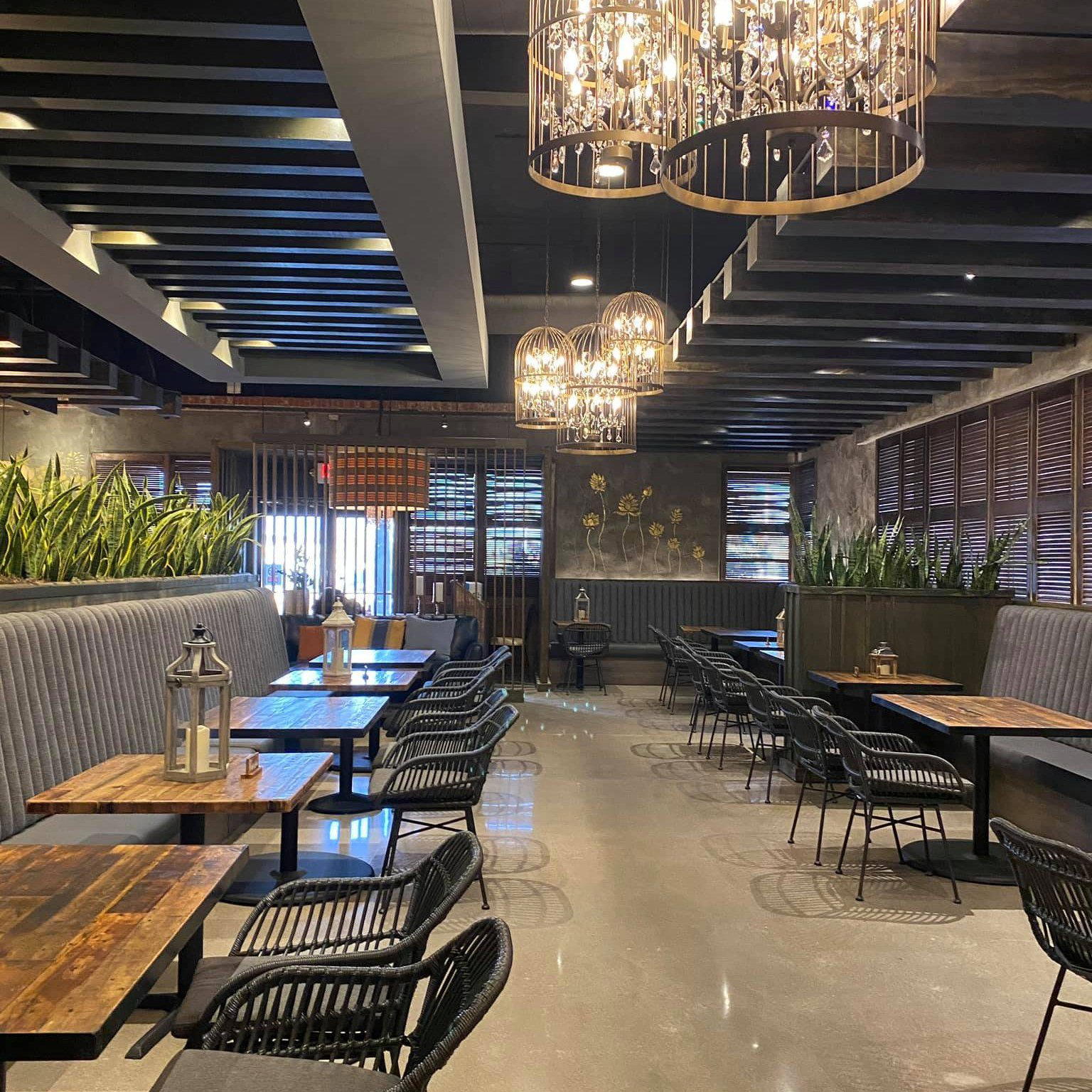
Off the Boulevard, Into the Neighborhood
West Lake Mead Boulevard runs through a part of Las Vegas that most visitors never reach. The 89128 zip code is residential, practical, and entirely unconcerned with the performance of hospitality that defines the Strip corridor a few miles south. In that context, a restaurant with the word "secret" in its name is less a marketing gesture than an accurate geographic description. Nittaya's Secret Kitchen sits at 8427 W Lake Mead Blvd, embedded in the kind of commercial strip that anchors a neighborhood rather than attracts a crowd, and that positioning tells you something important about who it is cooking for.
Las Vegas has a more layered restaurant culture than its casino-district reputation suggests. Alongside the celebrity-chef outposts and hotel dining rooms, there is a parallel city of neighborhood restaurants serving the people who actually live here, staffed by cooks who trained in culinary traditions far from Nevada's desert floor. Thai cooking in particular has a significant presence in this residential tier, where the gap between the food served to tourists and the food served to the local Southeast Asian community can be substantial. Nittaya's occupies a position in that landscape that locals associate with the latter.
The Technique-and-Ingredient Argument
The broader story of Thai cooking in American cities is, in part, a story about what happens when a cuisine with deep regional specificity meets a supply chain built around different priorities. The leading practitioners work at the intersection of imported technique and whatever the local market makes available, sometimes substituting, sometimes sourcing directly, sometimes growing their own. That negotiation between fidelity and adaptation is where interesting cooking tends to happen.
Las Vegas, for all its excess, has a functional wholesale food market infrastructure that serves both its casino operations and its residential neighborhoods. The city's position as a distribution hub for the southwestern United States means that ingredients move through it that don't necessarily appear on tourist-facing menus. Neighborhood Thai kitchens with the right supplier relationships can access lemongrass, galangal, kaffir lime, and bird's eye chilies at a quality that would be unremarkable in Bangkok but is genuinely difficult to achieve in many American mid-tier cities. The cooking at places like Nittaya's reflects that infrastructure even when the dining room itself gives no indication of the supply chain behind it.
For context on how technique transfers across geography, consider how American restaurants with serious culinary ambitions have handled the import-and-adapt model. Le Bernardin in New York City built its identity on French seafood technique applied to American waters. Alinea in Chicago pushed the question further, using scientific method to interrogate culinary tradition itself. At a neighborhood scale, the same tension between inherited method and local material plays out in quieter rooms, with less fanfare and often more honest results.
Where Nittaya's Sits in the Las Vegas Dining Picture
The Las Vegas restaurant market stratifies sharply. At the leading end, properties like Craftsteak operate within the hotel ecosystem, where pricing, format, and presentation are calibrated to a visitor demographic. Further from the Strip, restaurants like 108 Eats, 18bin, 777 Korean Restaurant, and A Different Beast represent the residential tier where Las Vegas's actual food culture develops, often independently of the celebrity-kitchen circuit.
Nittaya's belongs to this second category. Its address on West Lake Mead puts it in the northwest quadrant of the city, where the population is dense, diverse, and largely indifferent to the conventions of tourist dining. Restaurants that succeed here do so through cooking quality and community reputation, not through proximity to casino foot traffic. That is a different kind of discipline than what drives a Strip restaurant, and it produces a different kind of cooking.
The comparison set for a restaurant like Nittaya's is not the hotel dining room or the tasting-menu format. It is the neighborhood specialist, the kind of place that appears in conversations between locals rather than in hotel concierge recommendations. For equivalent seriousness in other American cities, you might look at how Lazy Bear in San Francisco developed its reputation through a specific community before formal recognition caught up, or how Providence in Los Angeles built credibility in a city where dining culture runs deep across multiple neighborhoods. The mechanism is different at every price point, but the underlying principle, that cooking quality eventually finds its audience, holds.
Thai Cooking in the American Desert
Thai cuisine's regional diversity is substantial and frequently flattened in American contexts. The distinction between northern, northeastern (Isan), central, and southern Thai cooking involves not just different ingredients but different flavor architectures: the fermented funk and fresh herb brightness of Isan cooking sits at some distance from the coconut-based curries of the south or the rice-noodle dishes of Bangkok's street culture. American Thai restaurants have historically converged on a hybrid menu that satisfies the broadest possible customer base, which means the regional specificity often disappears.
The more interesting neighborhood Thai kitchens in American cities resist that convergence, at least partially. They may still carry the expected pad thai and green curry, but alongside those dishes sit preparations that require more knowledge to order and more familiarity to appreciate. Whether Nittaya's Secret Kitchen operates in that mode is something that regular customers and local food writers have addressed in their own coverage, making it worth researching through current review sources before visiting. Our full Las Vegas restaurants guide covers the broader context of the city's dining scene across neighborhoods and price tiers.
For reference points on how technique-driven cooking intersects with regional specificity at the high end, Atomix in New York City demonstrates what happens when Korean culinary tradition meets formal fine-dining structure. Single Thread Farm in Healdsburg applies Japanese kaiseki principles to Northern California ingredients. Blue Hill at Stone Barns in Tarrytown makes the sourcing question central to the entire dining proposition. These are different price brackets and different culinary traditions, but they all engage the same fundamental argument that Nittaya's, at its neighborhood scale, is also part of: what does a cuisine become when its practitioners work seriously with the ingredients available to them in a specific place?
Know Before You Go
Address: 8427 W Lake Mead Blvd, Las Vegas, NV 89128
Neighborhood: Northwest Las Vegas (residential, non-Strip)
Website: Not currently available, verify current hours and booking via third-party review platforms
Reservations: Booking status not confirmed; walk-in availability common at neighborhood-tier restaurants in this zip code, but calling ahead is advisable given limited seat counts typical of this format
Price range: Not confirmed; comparable northwest Las Vegas neighborhood Thai restaurants operate in the \$15–\$35 per person range before drinks
Getting there: West Lake Mead Boulevard is accessible by car; limited public transit options from the Strip corridor make driving or rideshare the practical choice
Timing: Neighborhood restaurants in this part of Las Vegas tend to be busier on weekends; weekday visits typically offer a quieter room and faster service
- Spinach Salad
- Crying Tiger Steak
- Kao Soi
- Drunken Noodles
- Cashew Shrimp
- Green Curry Eggrolls
A Pricing-First Comparison
Comparable venues nearby, for context on price, style, and recognition.
| Venue | Cuisine | Price | Notes |
|---|---|---|---|
| Nittaya's Secret KitchenThis venue — the venue you are viewing | Desert Shores, Modern Thai Tapas | $$$ | Not listed |
| Main St. Provisions | Not listed | $$$ | Arts District, Modern American Steakhouse |
| CHĪ Asian Kitchen | Northern Strip, Chinese-Asian Fusion | $$$ | Not listed |
| Burnt Offerings | Not listed | $$$ | Las Verdes Heights, Contemporary American Kosher (New Yiddish Cuisine) |
| Backyard Grill | Not listed | $$$ | Rhodes Ranch, New American Poolside Grill |
| Pampas Las Vegas | Not listed | $$$ | The Strip, Brazilian Churrascaria Rodizio |
Continue exploring
More in Las Vegas
Restaurants in Las Vegas
Browse all →
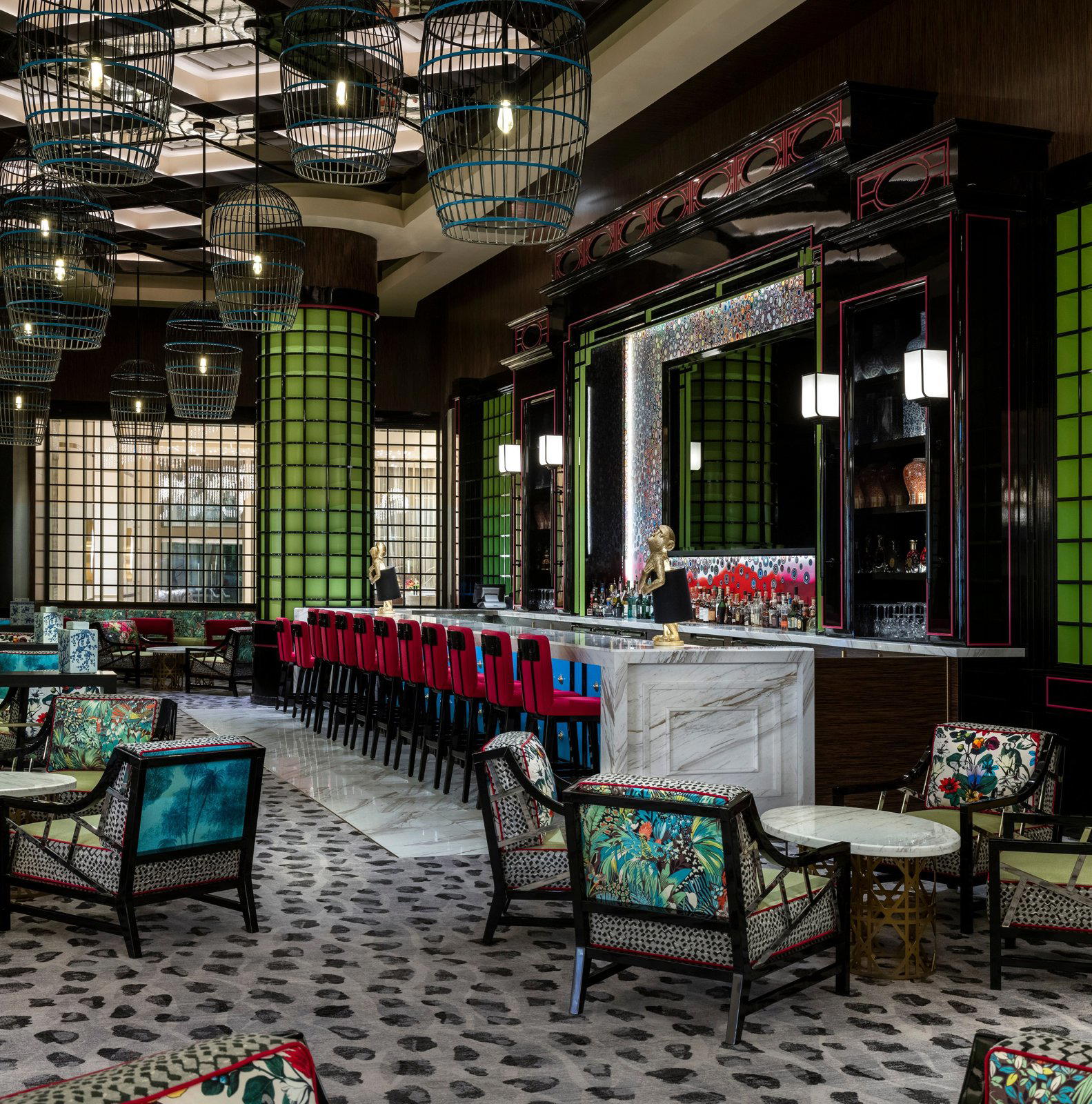
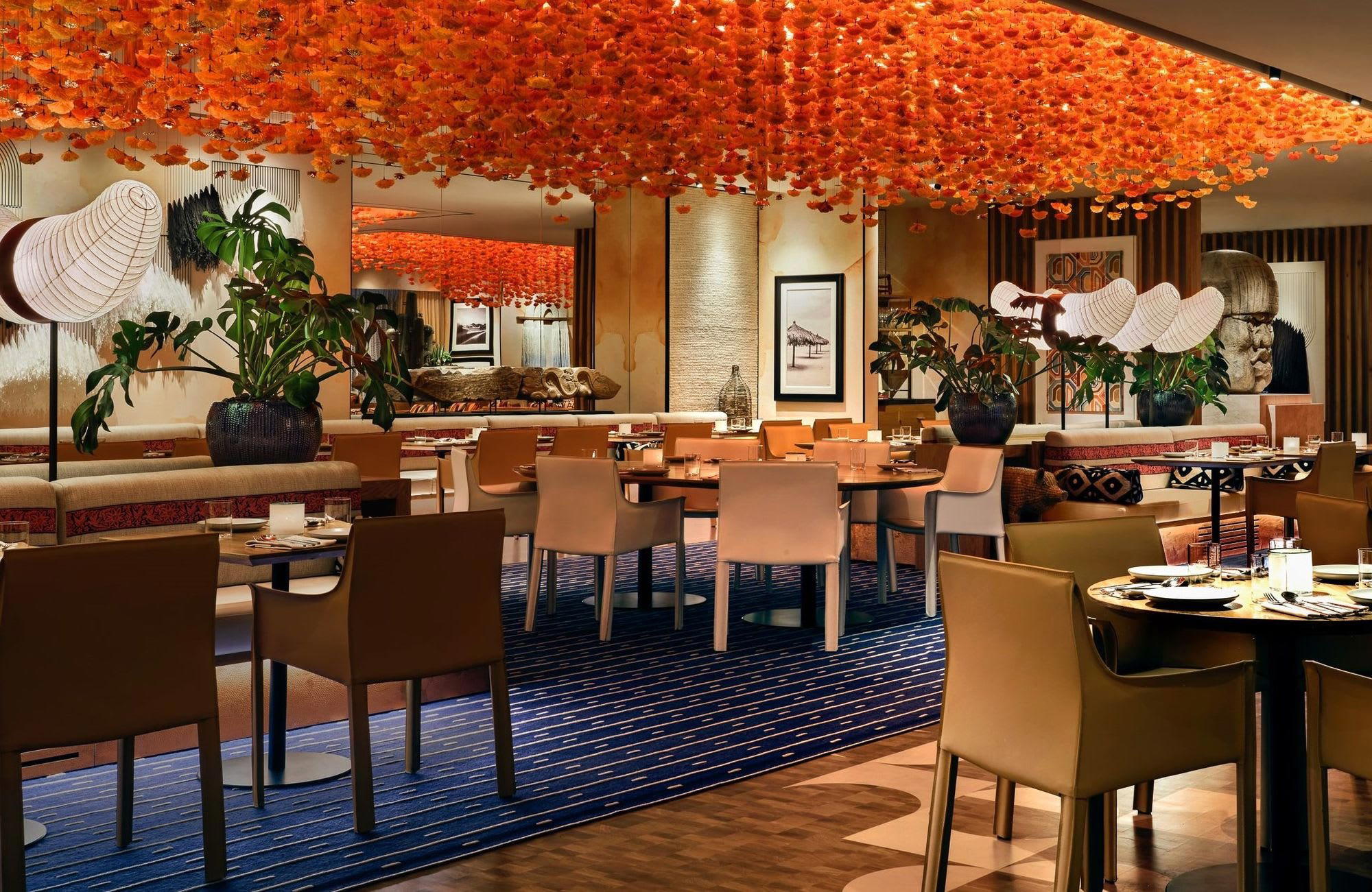
Bars in Las Vegas
Browse all →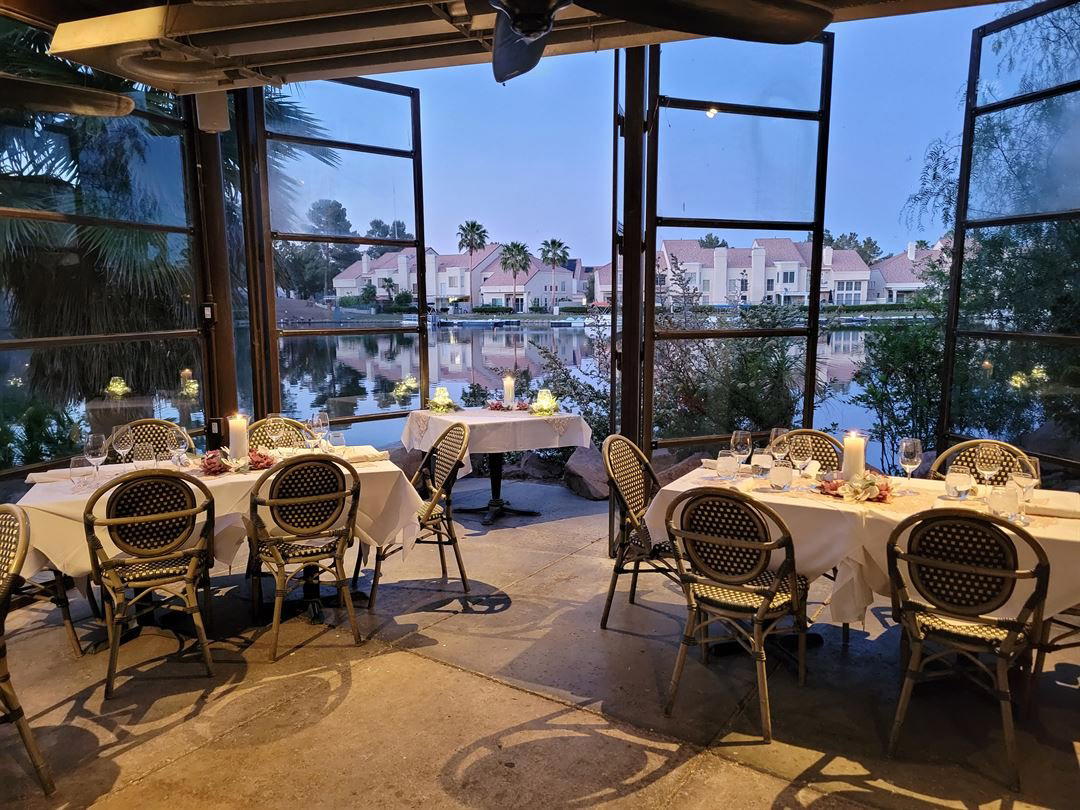
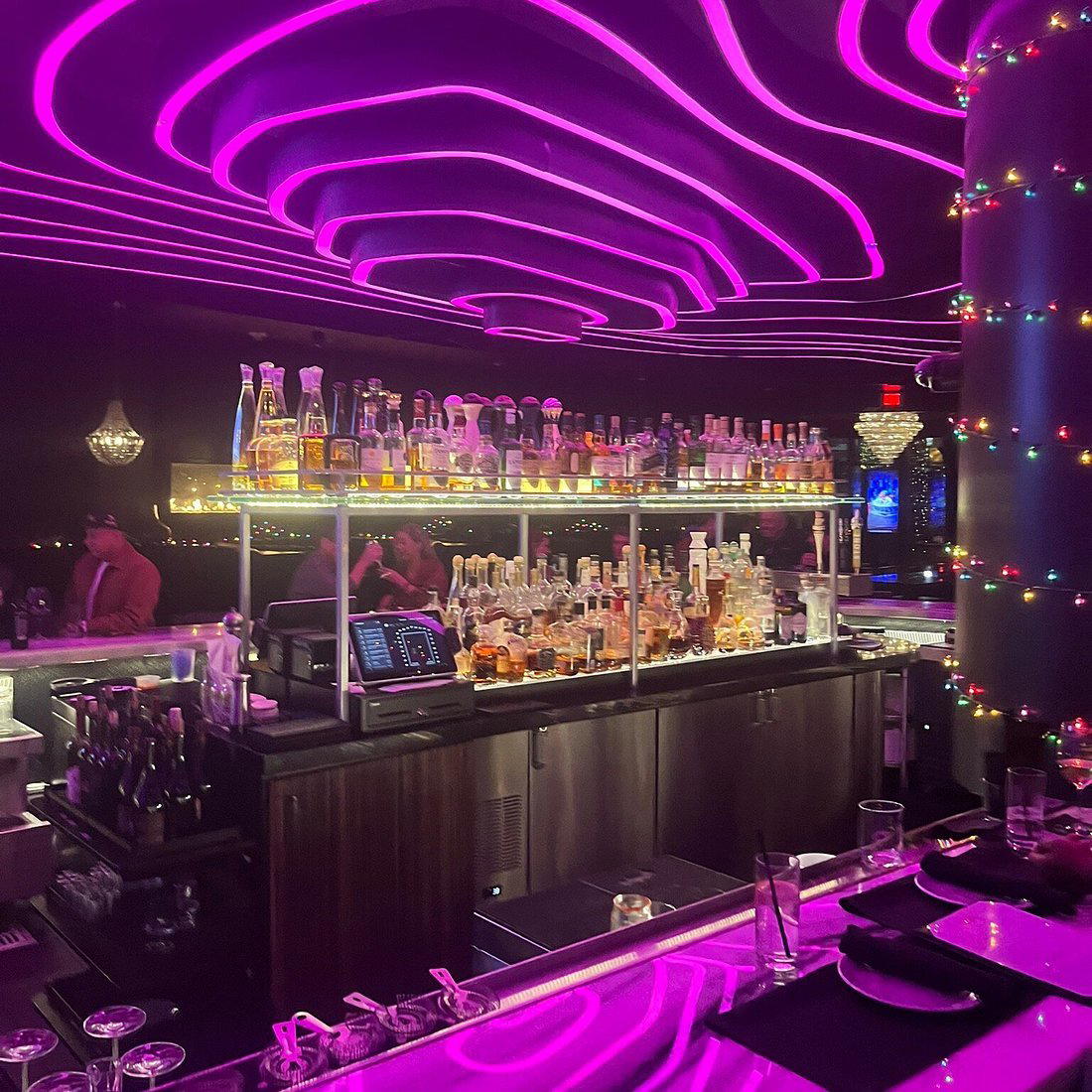
At a Glance
- Intimate
- Romantic
- Elegant
- Date Night
- Group Dining
- Special Occasion
- Casual Hangout
- Open Kitchen
- Terrace
- Standalone
- Farm To Table
- Local Sourcing
Current opening hours
- Monday
- 11 AM–10 PM
- Tuesday
- 11 AM–10 PM
- Wednesday
- 11 AM–10 PM
- Thursday
- 11 AM–10 PM
- Friday
- 11 AM–10 PM
- Saturday
- 11 AM–10 PM
- Sunday
- 11 AM–9:30 PM
Hours can change for holidays and private events. Last verified .
Small, intimate, and romantic atmosphere with warm and welcoming decor that feels personal rather than pretentious; described as a neighborhood gem with chic and distinctive design.