Downtown Grand Hotel & Casino

Downtown Grand Hotel & Casino occupies a distinctive position on North 3rd Street in Fremont Street's orbit, sitting well outside the Strip's mega-resort corridor. With 1,124 rooms, it operates at a scale that places it among the larger independent properties in the downtown Las Vegas market, offering an alternative to the concentrated luxury of the south end for travelers who prefer the neighbourhood's older, less manufactured energy.
Pearl is the En Primeur Club membership app — saves, bookings, and concierge access live there. Same editors, same standards.
- Address
- 206 N 3rd St, Las Vegas, NV 89101
- Phone
- +1 702-719-5100
- Website
- downtowngrand.com
- Directions
- Get directions
 Saves & bookings on Pearl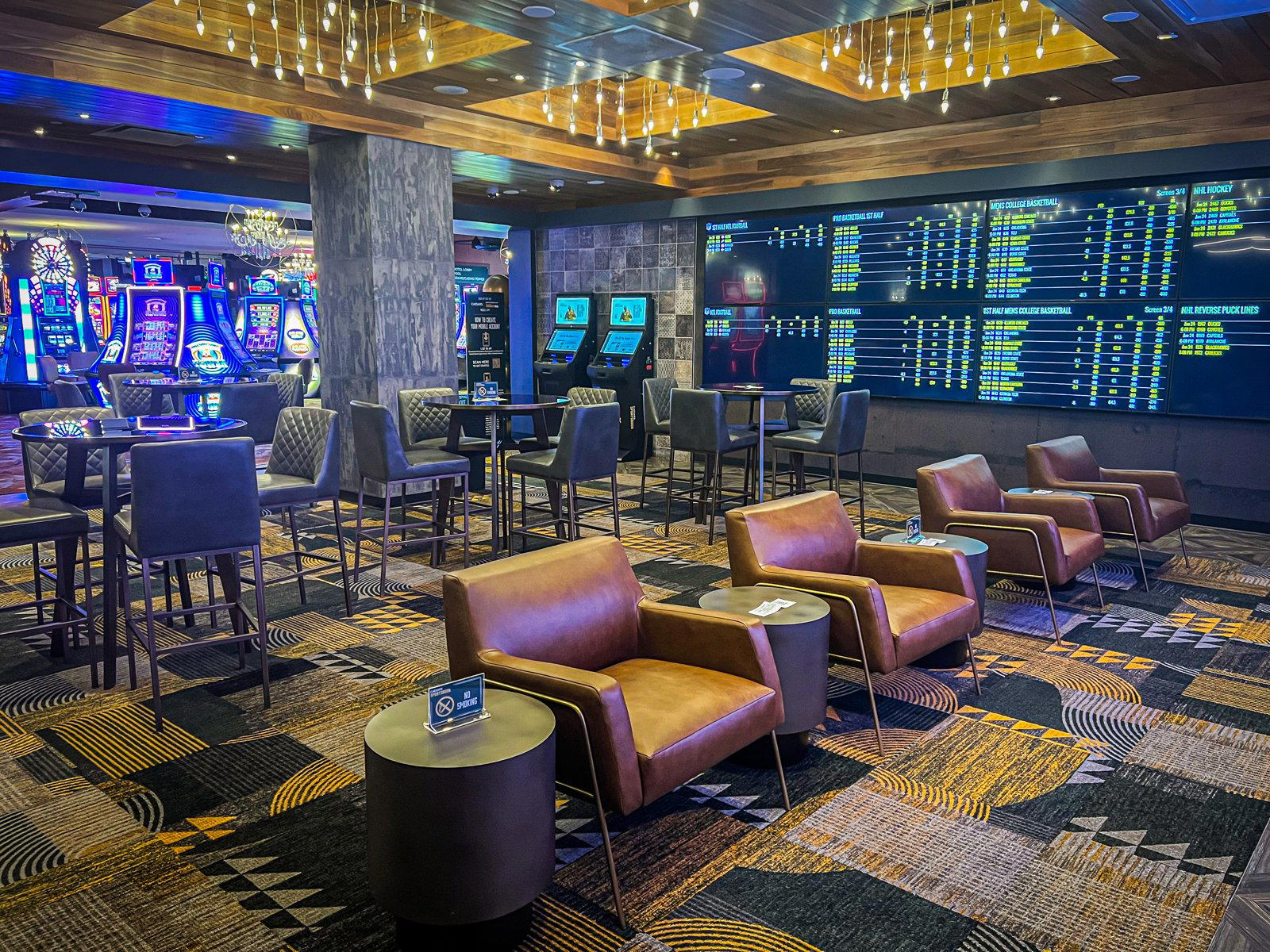
Downtown Las Vegas and the Case for Going North of the Strip
Las Vegas hospitality has long organised itself around two gravitational pulls: the Strip's polished mega-resorts, where properties like the Bellagio Hotel & Casino and ARIA Resort & Casino compete on spectacle and square footage, and the older downtown corridor around Fremont Street, which operates on a different logic entirely. The Downtown Grand Hotel & Casino, at 206 N 3rd St, belongs firmly to the second camp. Its 1,124-room footprint is large enough to function as a genuine anchor in the neighbourhood, yet the property sits in a district where the atmosphere is shaped less by choreographed fountains and more by the accumulated texture of decades of Vegas history.
For travelers who have already done the Strip — or who specifically want to avoid it — downtown Las Vegas offers a different register. The streets here are walkable in a way that Las Vegas Boulevard rarely is, and the mix of visitors skews toward people with a specific reason to be there, whether that is the Fremont Street Experience, the arts district a few blocks further west, or simply the pricing differential that downtown properties have traditionally offered against their southern counterparts.
Scale, Position, and the Downtown Hotel Market
At 1,124 rooms, Downtown Grand operates at a scale that few properties in the Fremont corridor match. This puts it in an interesting competitive position: large enough to absorb convention and group business that smaller boutique properties cannot accommodate, yet located in a neighbourhood where the ambient energy is more eclectic than the controlled environments of Caesars Palace Las Vegas or ARIA Sky Suites. Within the downtown market, the closest frame of reference is El Cortez Hotel and Casino, which carries genuine historical weight as one of the oldest continuously operating hotels in Nevada. Downtown Grand plays a different role: it arrived more recently as part of the broader effort to modernise the Fremont corridor and attract a younger, design-aware traveler who might otherwise default to Conrad Las Vegas at Resorts World or Crockfords Las Vegas, LXR Hotels & Resorts on the north end of the Strip.
The distinction matters for how you plan a stay. Strip properties deliver a self-contained world where you may not need to leave the building for three days. Downtown Grand requires and rewards more engagement with the neighbourhood around it. That is a different proposition, not an inferior one.
The Sustainability Dimension in Las Vegas Hospitality
Environmental practice is an increasingly meaningful differentiator in the Las Vegas hotel market, where energy and water consumption at scale are genuine operational challenges. The desert context makes those challenges concrete: Nevada's water supply pressures are well-documented, and a property running more than a thousand rooms in that environment carries an obvious footprint that conscientious operators must address directly.
Across the broader hospitality industry, the conversation has shifted from optional green credentials to baseline expectations, particularly among the younger traveler demographic that downtown Las Vegas is actively trying to attract. Properties that have made verifiable commitments, measurable reductions in water use, responsible sourcing for food and beverage operations, community investment in the surrounding neighbourhood, are increasingly distinguishable from those treating sustainability as a marketing layer rather than an operational reality. For travelers who weigh these considerations alongside location and price, the question worth asking of any downtown Las Vegas property is not whether it claims a commitment but what the specific, auditable practices are.
Downtown Las Vegas as a district has an argument to make here that the Strip does not. The density of the neighbourhood, its walkability, and its reliance on existing infrastructure rather than greenfield construction all carry a lower per-visitor footprint than isolated mega-resort campuses. Choosing a downtown property over a Strip resort is, in aggregate, a different kind of consumption, though individual property practices still vary considerably.
For context on what sustainability leadership looks like at the upper tier of the market, properties like Post Ranch Inn in Big Sur, Amangiri in Canyon Point, and SingleThread Farm Inn in Healdsburg have built environmental practice into their core identities, with documented sourcing programs, water recapture systems, and measurable community partnerships. The Las Vegas context is different, urban, high-volume, casino-anchored, but the standard of transparency is worth applying regardless of category.
Placing Downtown Grand in a Wider Travel Conversation
Las Vegas hotels exist in a national conversation about what hospitality actually delivers at different price points and in different neighbourhood contexts. The Strip's premium tier, represented by properties such as Durango Casino & Resort further from the centre, or the controlled luxury of ARIA's tower suites, competes on a very different basis from a downtown property of this size. The value comparison is not simply about nightly rate. It is about what surrounds you when you walk out the door.
For travelers who have been to more remote or design-led properties, Sage Lodge in Pray, Canyon Ranch Tucson, or Troutbeck in Amenia, Downtown Grand represents a completely different end of the hotel spectrum. It is urban, casino-anchored, and volume-oriented in ways that nature retreats are not. That is simply a different use case, and the choice between them comes down to what a given trip requires.
Within the Las Vegas market specifically, the downtown option suits a traveler who wants lower ambient pressure than the Strip delivers, proximity to the arts district and historic Fremont Street, and a sense of a neighbourhood with its own identity rather than a resort campus engineered to keep you spending inside its walls. See our full Las Vegas restaurants guide for the dining context around this part of the city.
Planning a Stay: What to Know Before You Book
The property's address at 206 N 3rd St places it a short walk from the Fremont Street Experience and within reasonable distance of the Container Park and the emerging Arts District. For visitors arriving by air, Harry Reid International Airport is the standard entry point, with the downtown corridor adding modest time over a Strip destination depending on traffic. The 1,124-room count means availability is generally less constrained than at boutique properties, though peak weekends and major events require the same advance planning as anywhere in Las Vegas. Rate positioning in the downtown market has historically run below comparable room counts on the Strip, though that differential narrows during high-demand periods. If you are comparing across the broader Las Vegas hotel market before committing, El Cortez Hotel and Casino offers the strongest historical contrast within the immediate neighbourhood.
How Downtown Grand Hotel & Casino, Las Vegas compares with similar nearby venues.
| Venue | Awards |
|---|---|
| Downtown Grand Hotel & Casino | Preferred Hotels Member (2025) |
Recognition history
Dated appearances from independent guides and award organizations, with the underlying list record or original source where available.
Preferred Hotels Member
Preferred Hotels
At a Glance
- Lively
- Modern
- Energetic
- Weekend Escape
- Celebration
- Group Retreat
- Rooftop Pool
- Live Music
- Terrace
- Wi Fi
- Pool
- Fitness Center
- Room Service
- Concierge
- Business Center
- Valet Parking
- Restaurant
- Bar
- Skyline
- Wi Fi
- Pool
- Fitness Center
- Room Service
- Concierge
- Business Center
- Valet Parking
- Restaurant
- Bar
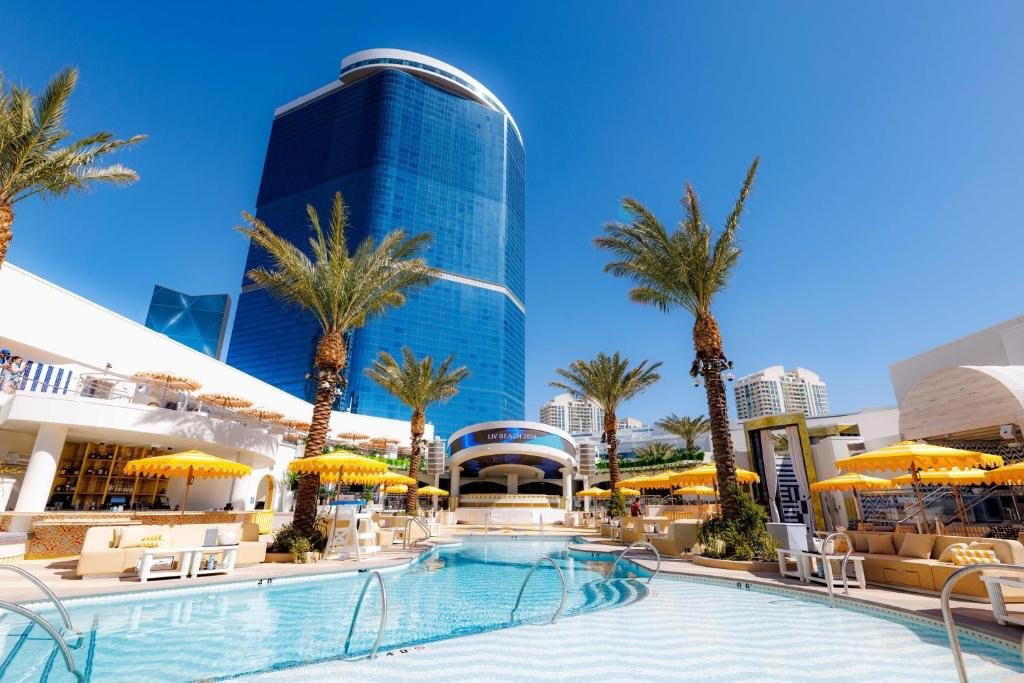
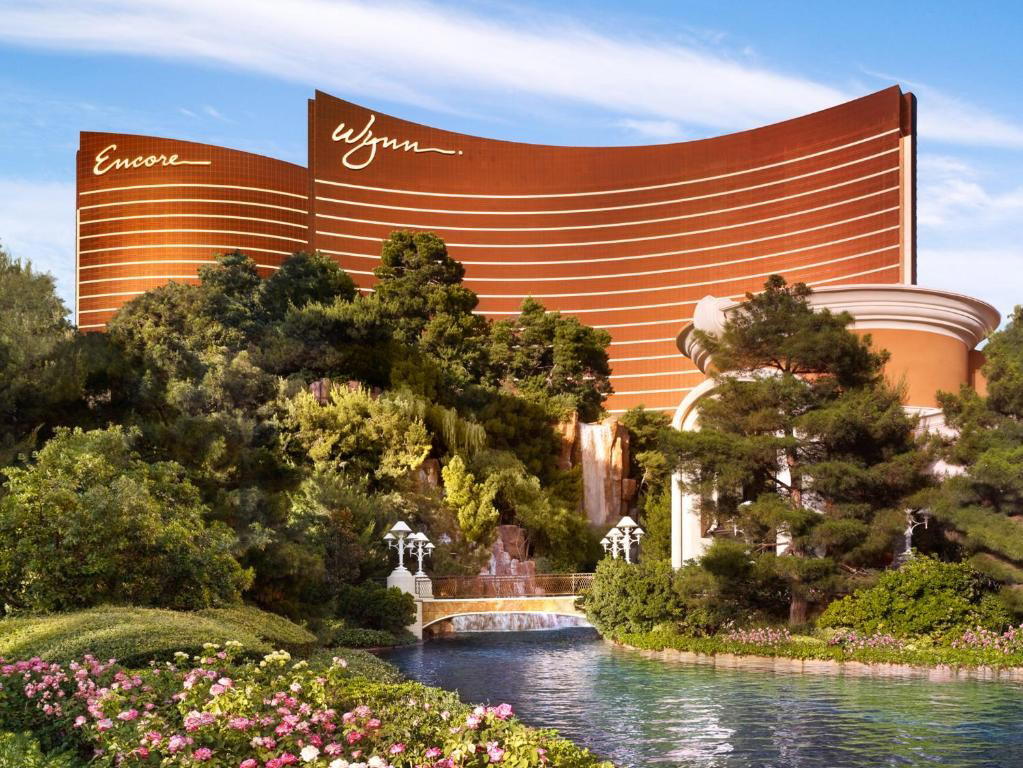
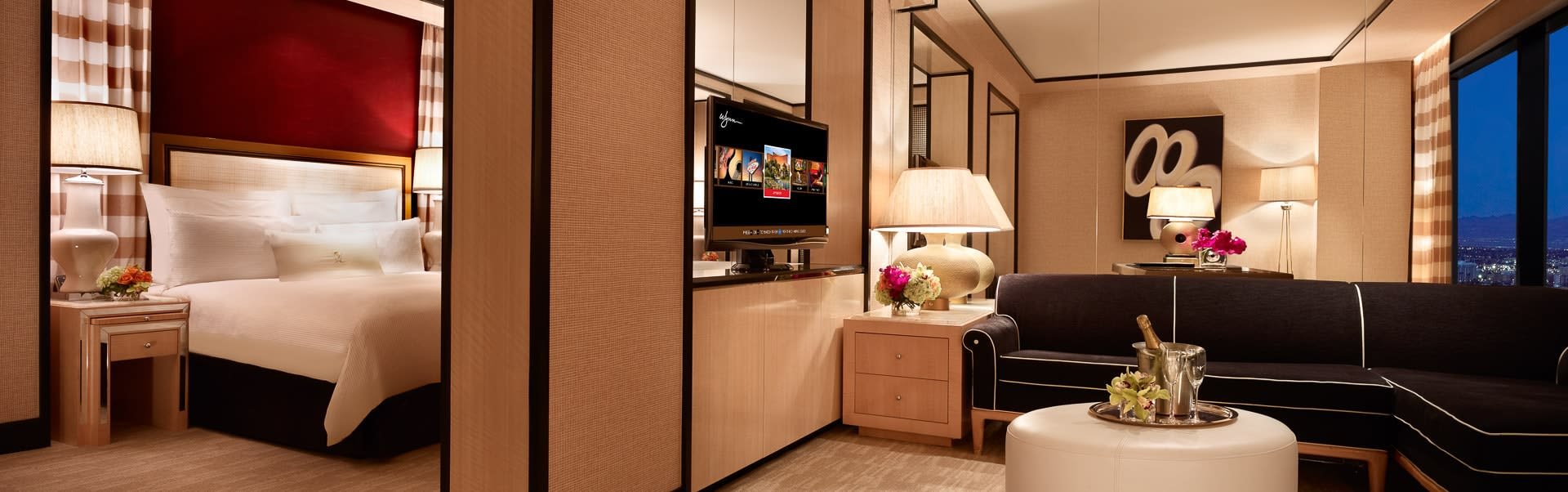
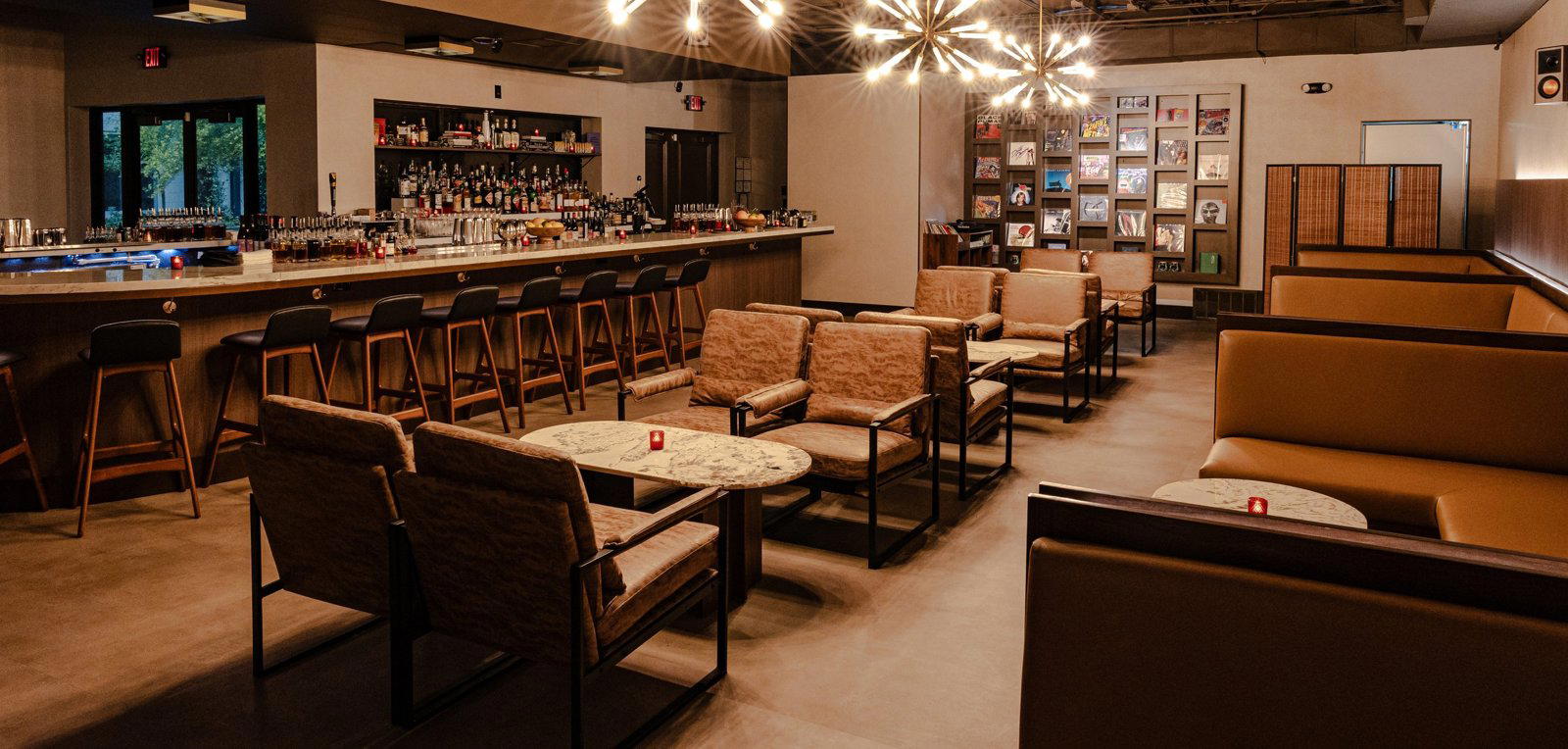
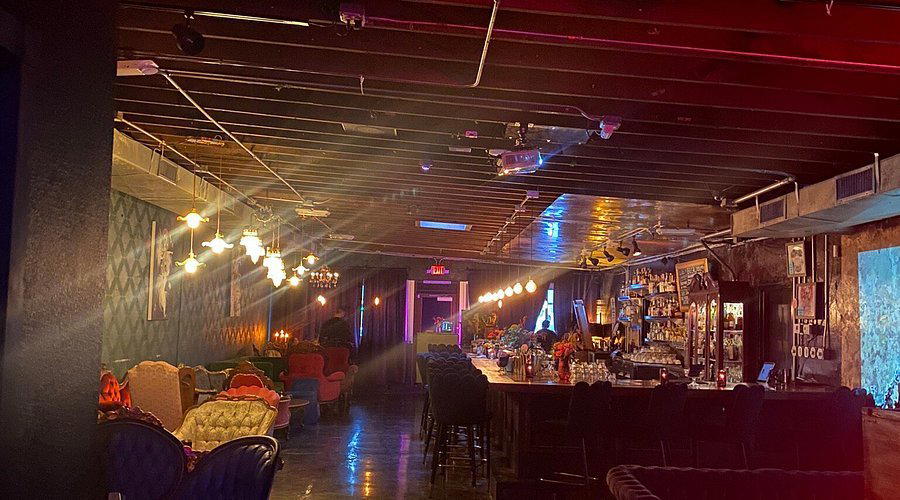
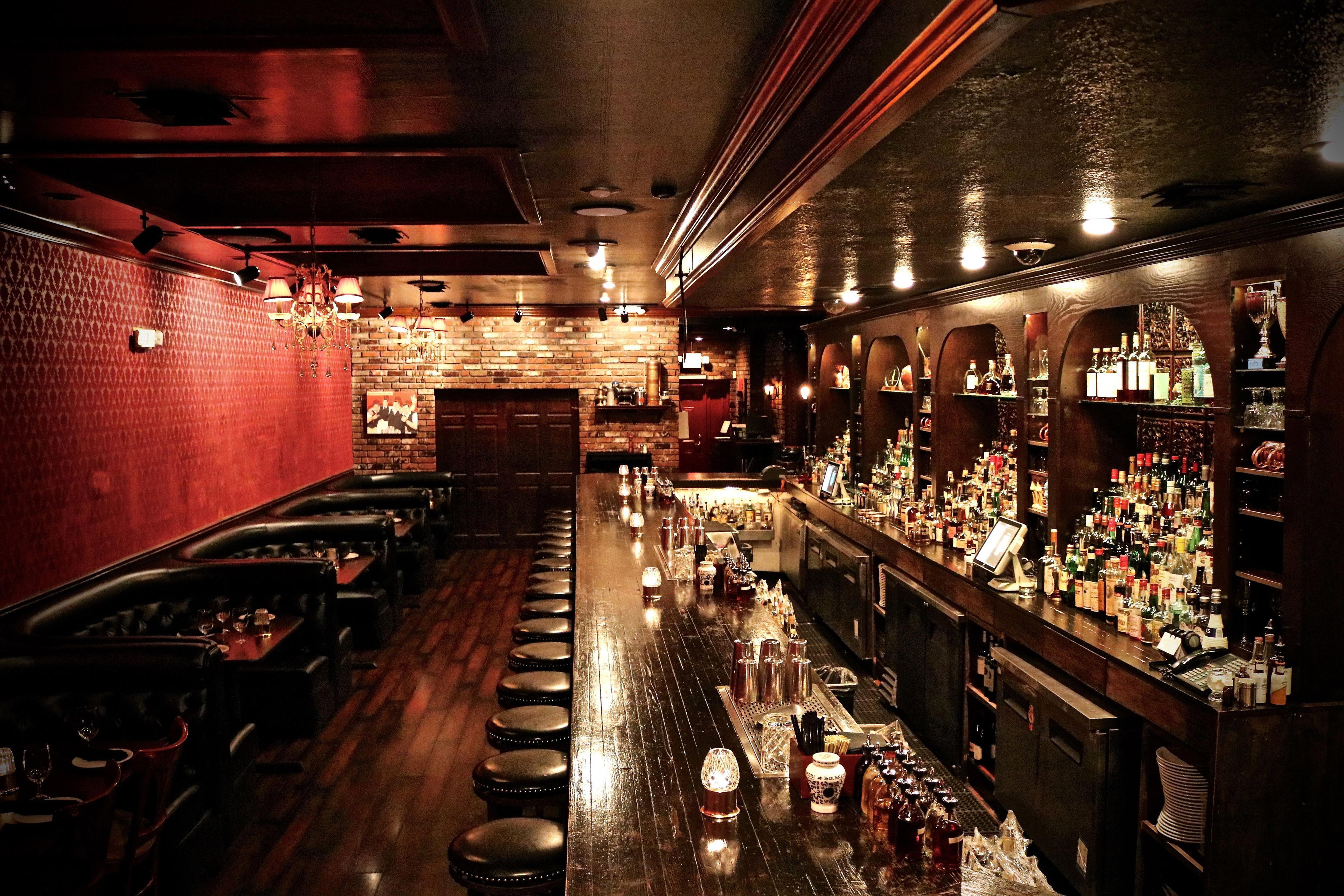
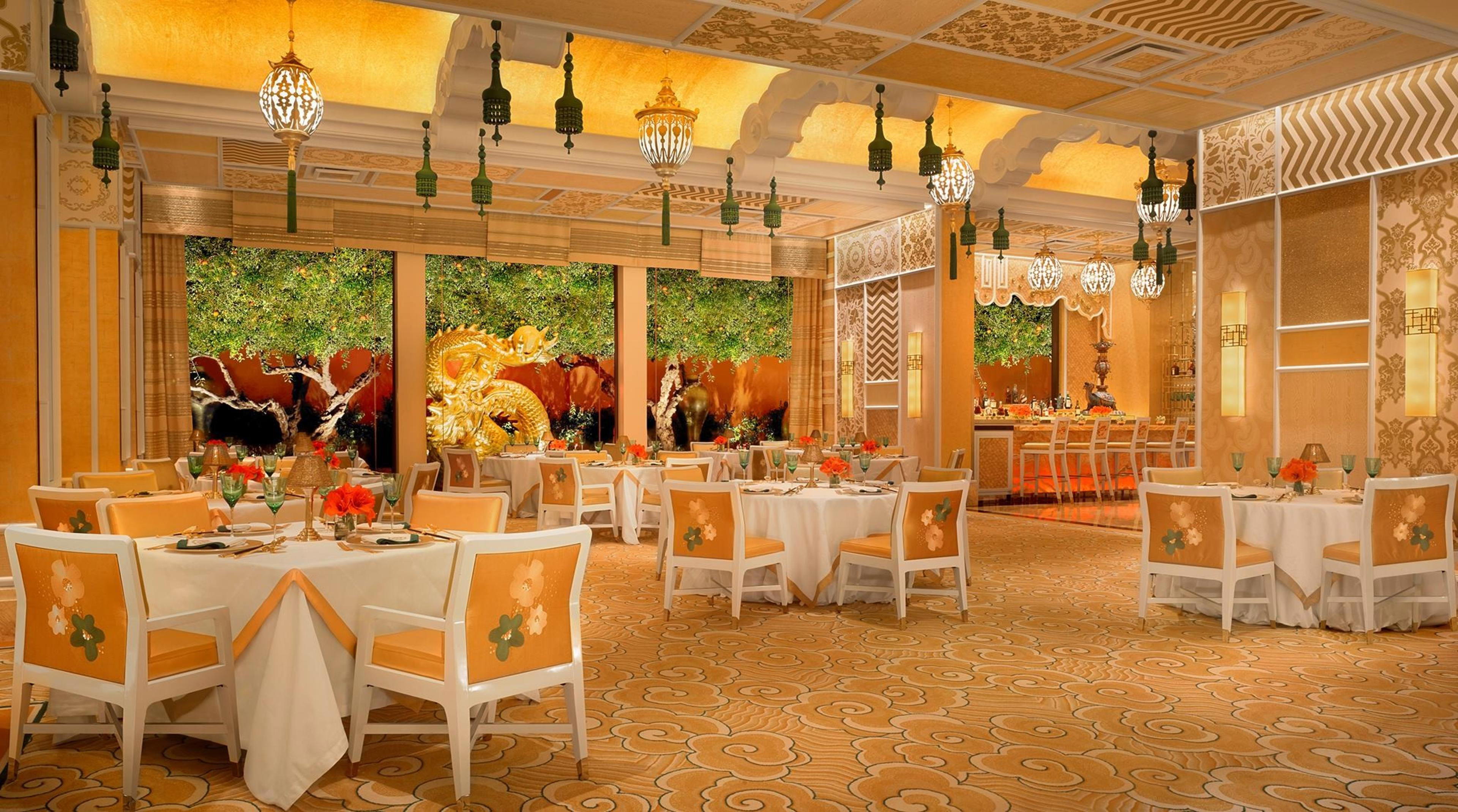
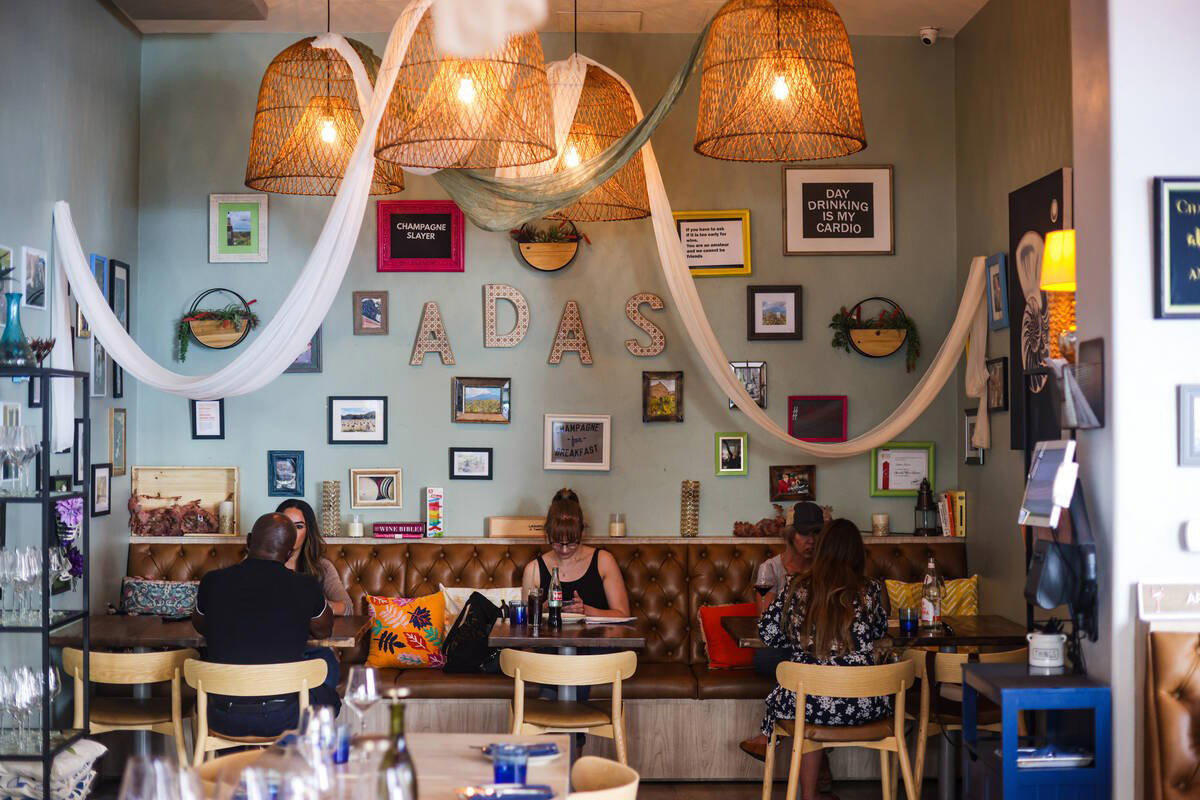
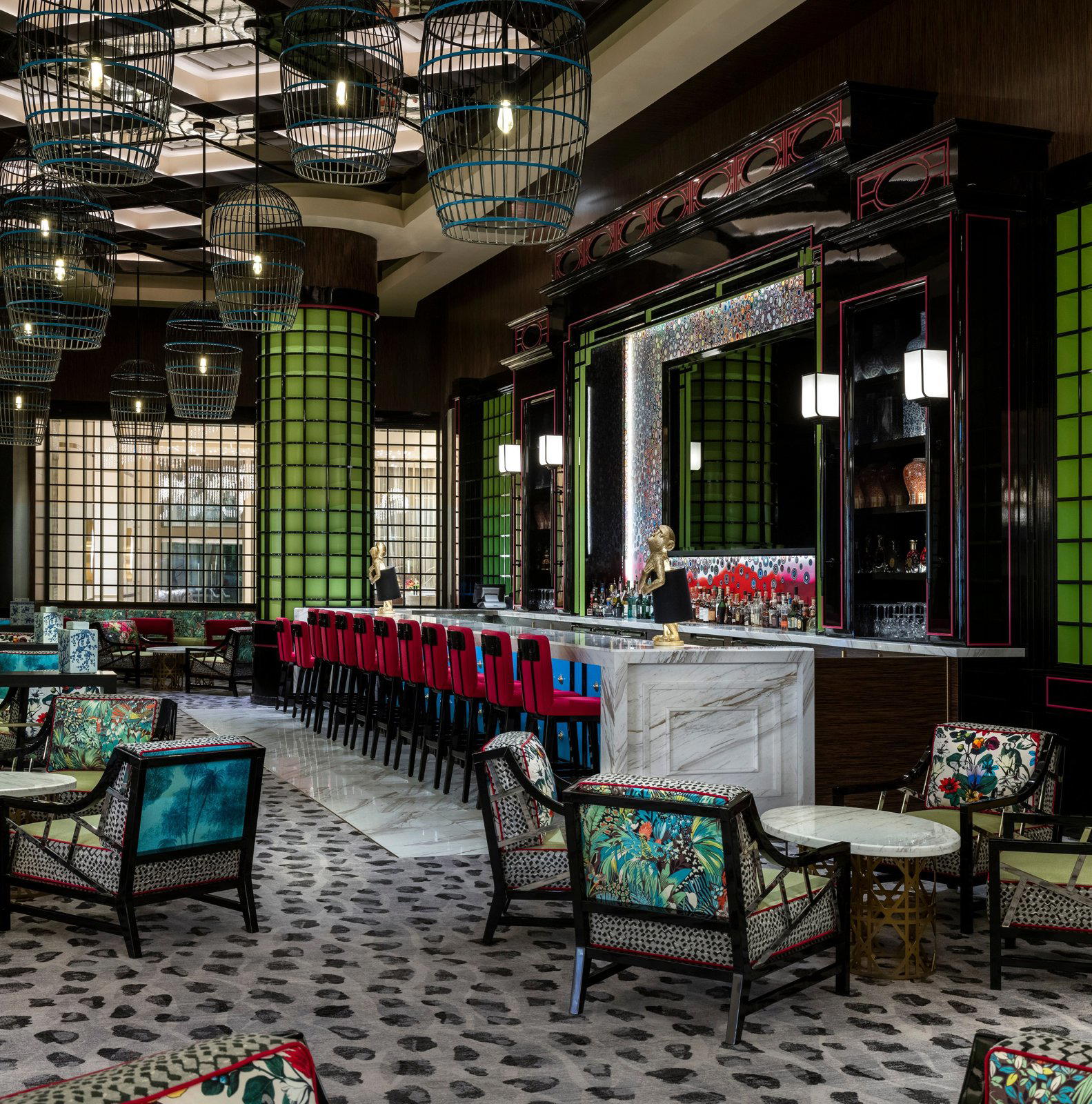
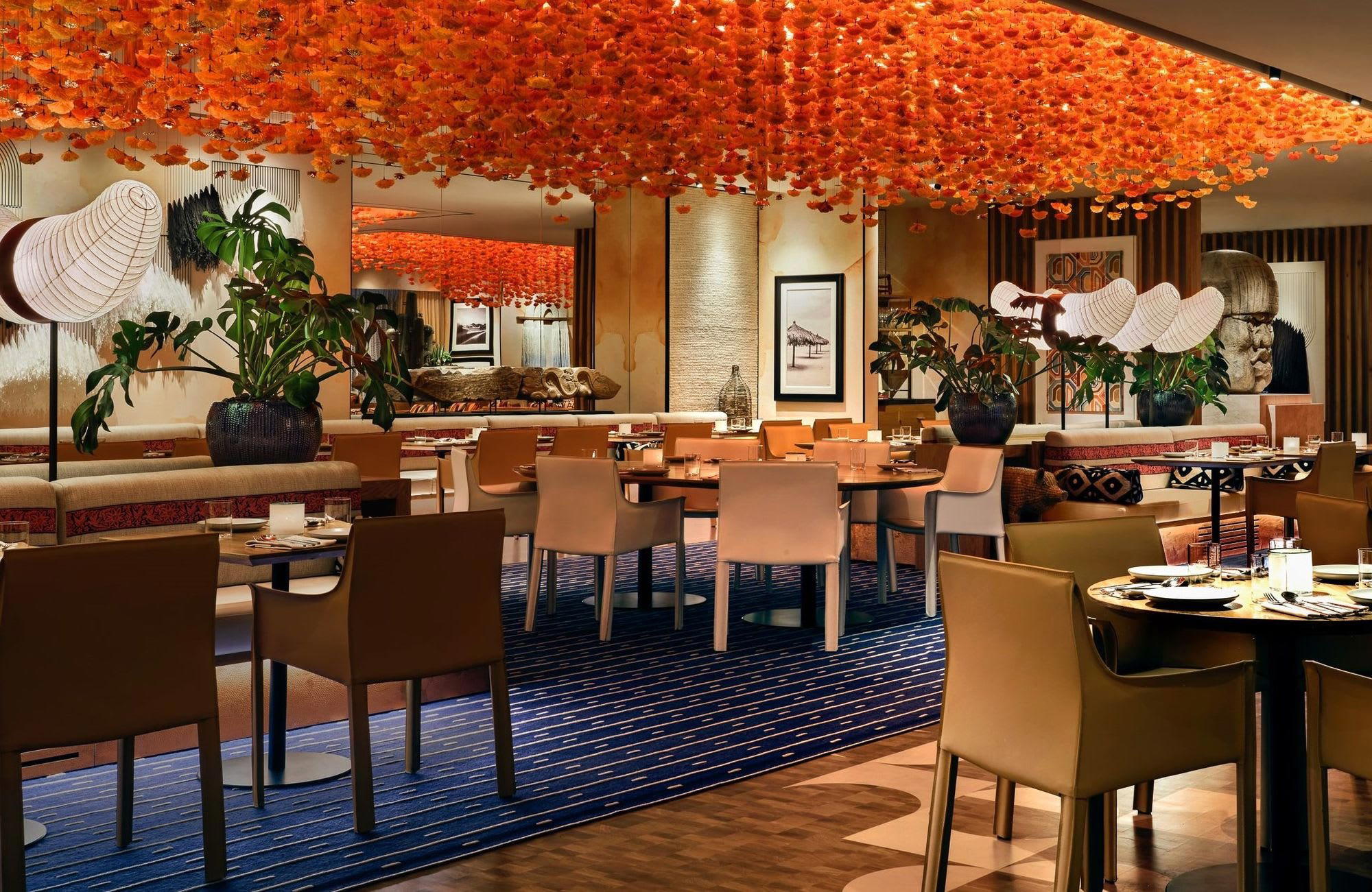
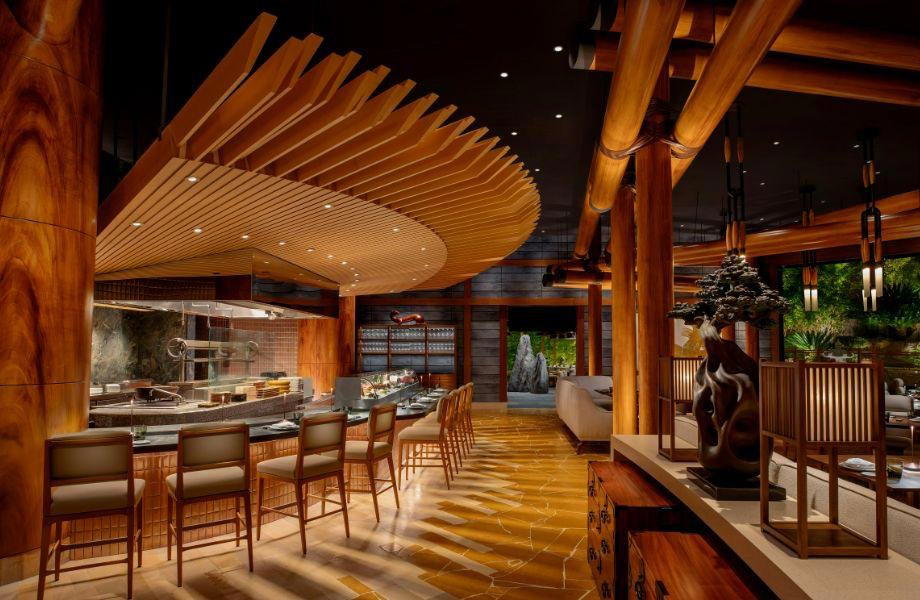
Modern and spacious with contemporary design, featuring lively local artwork throughout, lively casino floor, and a rooftop pool area with energetic bar scene and live music venues.
Know Before You Go
- Getting there
- 206 N 3rd St, Las Vegas, NV 89101