Pampas Las Vegas
Pampas Las Vegas sits on the Strip at 3663 S Las Vegas Blvd, placing it inside among the more competitive dining corridors in the American West. The name signals South American roots, and the address places it squarely in the mid-Strip zone where Brazilian churrascaria traditions and steakhouse formats compete directly for the same clientele. For Strip dining, the relevant question is always how a restaurant earns its seat at the table.
Pearl is the En Primeur Club membership app — saves, bookings, and concierge access live there. Same editors, same standards.
- Address
- 3663 S Las Vegas Blvd #610, Las Vegas, NV 89109
- Phone
- +17027374748
- Website
- pampasusa.com
- Directions
- Get directions
 Saves & bookings on Pearl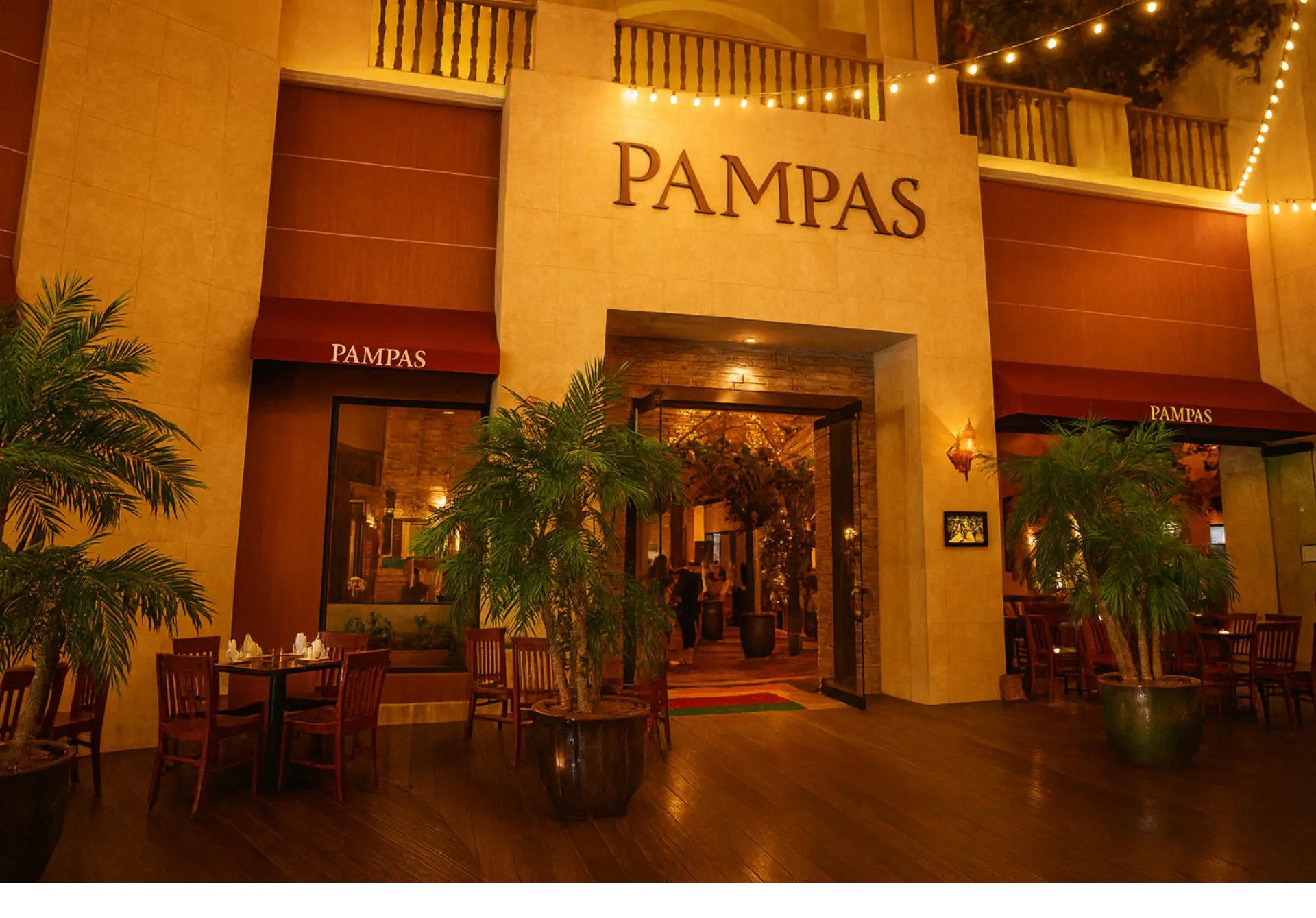
Where Strip Steakhouse Culture Meets South American Grill Tradition
The mid-Strip corridor around the 3600 block of Las Vegas Boulevard operates at a level of dining density that few American cities can match. Within a few hundred meters, guests choose between French brasseries, Japanese omakase counters, and multiple steakhouse formats, each competing on spectacle, format, and pedigree. Pampas Las Vegas is a Brazilian churrascaria at 3663 S Las Vegas Blvd #610 in Las Vegas, with a smart casual dress code and recommended reservations. It brings the structural logic of the Brazilian churrascaria: a rotational, protein-forward format built around tableside service and continuous progression rather than the fixed-menu architecture that dominates fine dining in cities like New York or Chicago.
That structural distinction matters more than it might first appear. Where a tasting-menu counter like Alinea in Chicago or Atomix in New York City exercises total curatorial control, sequencing every course with compositional precision, the churrascaria model inverts the hierarchy. The guest, not the kitchen, determines pace and portion. Servers circulate with skewers; diners signal with double-sided tokens or gestures. The menu is not a fixed document so much as a rotating inventory, and the architecture of the meal emerges from repeated small choices rather than a single, pre-committed selection at booking.
Menu Architecture: Rotation Over Sequence
The rotational churrascaria format is among the oldest mass-service meat traditions in Brazil's southern states, where the gaucho cattle culture of Rio Grande do Sul translated into a hospitality ritual that spread globally through the twentieth century. In Las Vegas, the format competes against a specific comparable set. Craftsteak, for instance, operates on the conventional steakhouse model, single cuts ordered from a menu, served with sides, priced per item, which gives the diner total control over spend and selection but offers no sense of ceremony beyond plate presentation. The churrascaria model at Pampas inverts this: the drama is in the movement, the tableside theatre, the accumulation of proteins that arrive in sequence without a fixed endpoint.
This is not a format optimized for restraint or minimalism. It rewards appetite and engagement. A guest who orders selectively and pushes back on most skewers will find the value proposition thin. A guest who leans into the format, sampling broadly, asking for secondary cuts, working through the salad bar components alongside the meat rotation, gets something closer to what the format was designed to deliver. Understanding that dynamic before arrival shapes the entire experience.
On the Strip, where dining tourism skews toward theater and occasion, the churrascaria format has competitive advantages. It is inherently social: the round-table, communal pacing suits groups more naturally than prix-fixe tasting menus, which demand collective agreement on a single progression. It also offers a legible value signal, a single all-inclusive price covering unlimited meat service, that plays well against à la carte Strip steakhouses where a comparable spread of proteins can accumulate to a significantly higher total. Comparable Strip venues like Bazaar Meat by Jose Andres operate on a share-plate, à la carte model that tilts toward higher per-head spend for equivalent protein volume.
The Strip Context: Where Pampas Sits in the Hierarchy
Las Vegas dining has split into two broad tiers over the past two decades. The upper tier, tasting menus and chef-driven destination restaurants, has imported serious culinary talent and format discipline from cities like those represented by Le Bernardin in New York City, The French Laundry in Napa, and Providence in Los Angeles. The second tier, which is not a lesser tier so much as a different one, covers format-driven, occasion-suitable restaurants where the experience architecture is the draw rather than a single chef's culinary point of view. Pampas operates in this second category, which on the Strip is a commercially rational and often more satisfying choice for groups traveling together.
The mid-Strip address places it near properties that attract high visitor volume, which means the restaurant operates at a scale and pace that differs considerably from reservation-only format restaurants like Single Thread Farm in Healdsburg or Blue Hill at Stone Barns in Tarrytown. Those venues build experience around scarcity and curation. Pampas builds it around abundance and circulation, a fundamentally different proposition for a fundamentally different travel occasion.
For travelers building a broader Las Vegas dining itinerary, it is worth mapping Pampas against the range of formats available on and off the Strip. Off-Strip, venues like A Different Beast and 108 Eats represent the local, chef-driven end of the market, smaller rooms, shorter menus, more focused culinary arguments. On the Strip, the choice is more often between formats than between culinary philosophies, and the churrascaria format that Pampas brings to that environment is one of the more spatially and socially distinctive options available.
Venues like 18bin and 777 Korean Restaurant serve as useful reference points for the breadth of non-Western protein traditions available in Las Vegas beyond the American steakhouse default. Korean barbecue shares structural DNA with the churrascaria in one key way: both formats center the act of cooking and service as ongoing, participatory ritual rather than a completed event delivered to the table. The social logic is similar even when the flavors diverge sharply.
Planning Your Visit
The table below positions Pampas within the Strip's dining environment across a few practical dimensions.
| Venue | Format | Booking Lead Time | Group Suitability | Strip Location |
|---|---|---|---|---|
| Pampas Las Vegas | Brazilian churrascaria | Moderate (walk-ins possible) | High, suits groups | Mid-Strip, Suite 610 |
| Craftsteak | American steakhouse, à la carte | Moderate | Medium | MGM Grand |
| Bazaar Meat by Jose Andres | Share-plate steakhouse | Moderate to high | High | Sahara Las Vegas |
| Bardot Brasserie | French brasserie | Moderate | Medium | ARIA |
The churrascaria format generally runs better with advance reservations on weekend evenings, when Strip foot traffic peaks and walk-in waits extend considerably. Midweek visits tend to offer more relaxed pacing and shorter waits, which suits the rotational format better, rushed tableside service undercuts the central logic of the meal.
The Quick Read
Comparable venues nearby, for context on price, style, and recognition.
| Venue | Cuisine | Price | Notes |
|---|---|---|---|
| Pampas Las VegasThis venue — the venue you are viewing | Not listed | $$$ | Not listed |
| Bouchon | Not listed | $$$ | The Venetian Resort / Las Vegas Strip, Modern French Bistro |
| Café Americano | Not listed | $$$ | South Las Vegas, American with Latin Twist |
| China Mama | Not listed | $$$ | Rancho Sereno, Contemporary Chinese Fusion |
| Backyard Grill | Not listed | $$$ | Rhodes Ranch, New American Poolside Grill |
| Mijo Modern Mexican | Rhodes Ranch, Modern Coastal Mexican | $$$ | Not listed |
Continue exploring
More in Las Vegas
Restaurants in Las Vegas
Browse all →
Bars in Las Vegas
Browse all →
At a Glance
- Lively
- Energetic
- Group Dining
- Celebration
- Special Occasion
- Open Kitchen
Current opening hours
- Monday
- 4–9 PM
- Tuesday
- 4–9 PM
- Wednesday
- 4–9 PM
- Thursday
- 4–9 PM
- Friday
- 4–9 PM
- Saturday
- 4–9 PM
- Sunday
- 4–9 PM
Hours can change for holidays and private events. Last verified .
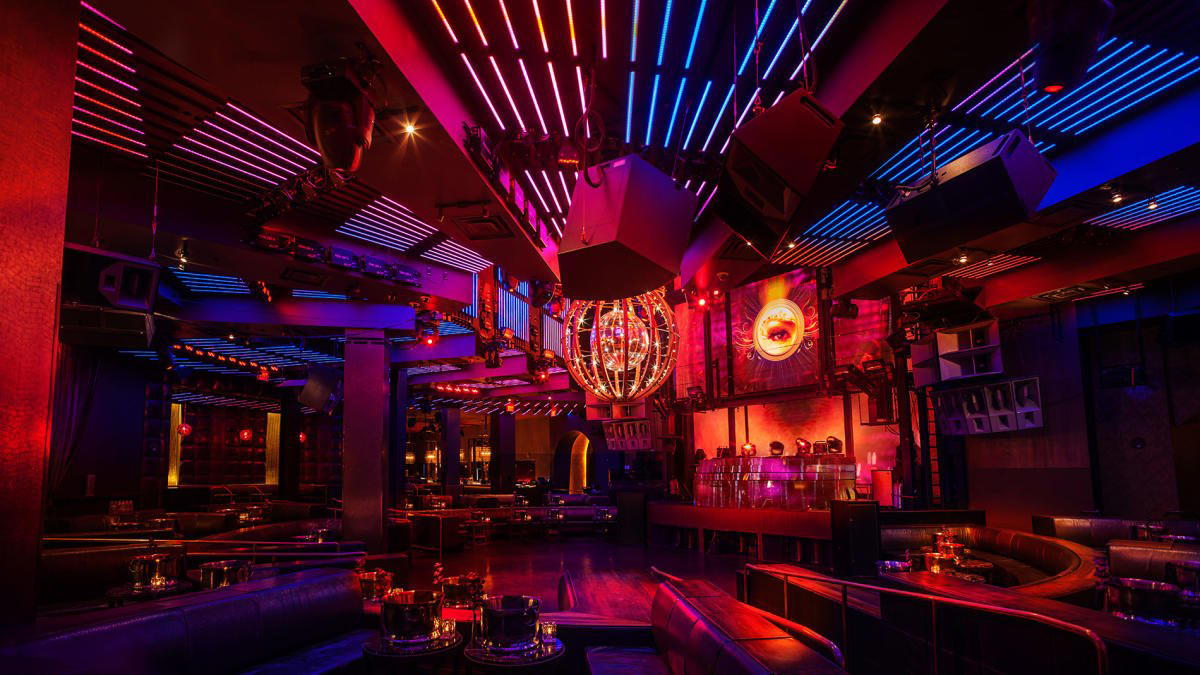
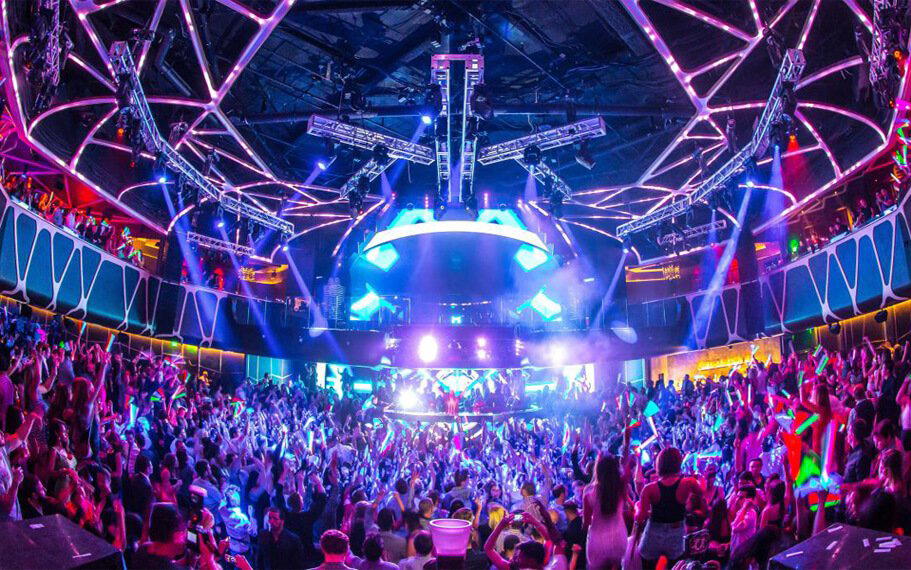
Festive and lively atmosphere with loud music, showing some wear on furniture but maintaining a bold, Vegas-style energy.