Our verdict
Nira Sushi brings Japanese fish-focused cooking to Vindingevej in Roskilde, a city better known for Viking history than omakase counters. In a regional dining scene where sushi typically means supermarket rolls or chain conveyor belts, the address signals something more deliberate. Roskilde's compact size makes it a different proposition from Copenhagen's denser Japanese dining tier.

Pearl is the En Primeur Club membership app — saves, bookings, and concierge access live there. Same editors, same standards.
- Address
- Vindingevej 3, 4000 Roskilde, Denmark
- Phone
- +4532507272
- Hours
- Mon ClosedTue–Thu 4–9 PMFri–Sat 12–9 PMSun 4–9 PM
- Website
- nirasushi.dk
- Directions
- Get directions
- Booking
- Book on the venue's website
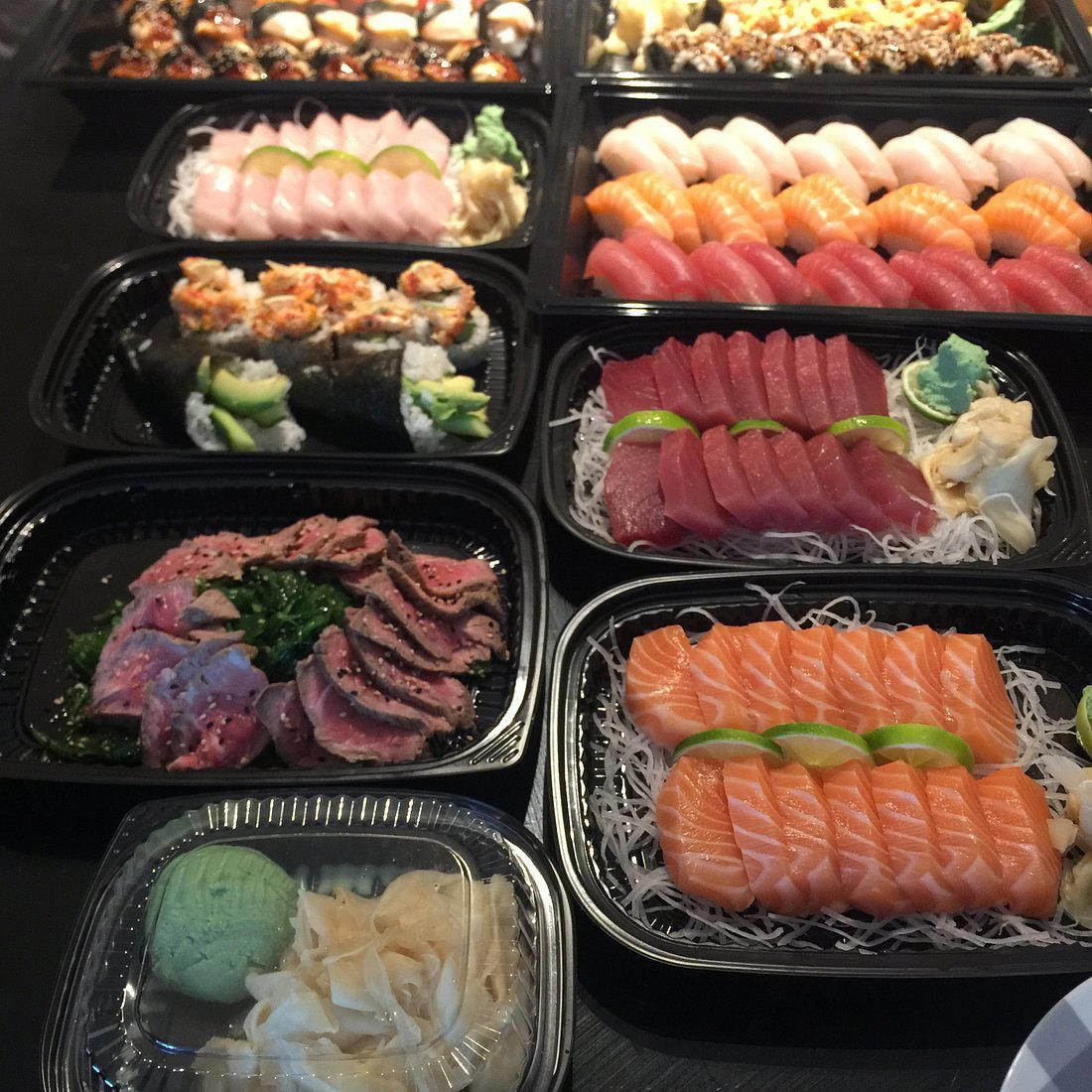
Sushi in a City That Doesn't Expect It
Roskilde is not a city that announces itself through its restaurants. The cathedral dominates the skyline, the Viking Ship Museum draws the crowds, and the dining conversation tends to circle back to smørrebrød and herring rather than anything Japanese. That makes the presence of a dedicated sushi address on Vindingevej more interesting than it might first appear. In Denmark's regional cities, Japanese cooking occupies a narrow band: you'll find soy-sauced conveyor rolls at shopping-centre chains and occasional fusion menus, but the counter-led, sourcing-conscious approach that defines serious sushi in Tokyo or, closer to home, Copenhagen, rarely reaches beyond the capital. Nira Sushi sits in a tier of provincial Japanese restaurants across Scandinavia that are asking a different question from their Copenhagen counterparts: what does considered Japanese cooking look like when you're not competing in a Michelin-dense city?
For context on how the Danish fine-dining ecosystem works at the leading end, Geranium in Copenhagen and Jordnær in Gentofte define what the country's most recognised tables look like. Further afield, Frederikshøj in Aarhus, Alimentum in Aalborg, and ARO in Odense show how regional cities are building serious culinary identities beyond the capital. Roskilde's dining scene is smaller and less documented, but it is not inert. An No and Aji Sushi each represent different approaches to Asian cooking in the city, and the broader restaurant mix, which runs from Basilico to Bella Capri and Bash Burger & Grill, reflects a compact city building a varied dining offer on a modest footprint. See the full Roskilde restaurants guide for a broader picture of where the city eats.
The Sourcing Question in Scandinavian Sushi
Where sushi in Denmark draws its fish matters considerably more than in Japan, where the proximity of fish markets like Toyosu makes sourcing architecture almost invisible to the diner. Danish sushi kitchens operate in a different supply reality. The North Sea and surrounding waters produce cod, herring, mackerel, and flatfish of genuine quality, but the species list for traditional nigiri, tuna, yellowtail, sea urchin, and the various fatty cuts, requires imports from Japan, Norway, Spain, or further afield. How a kitchen manages that tension, between local Scandinavian produce and the imported species that define the form, is often what separates a committed sushi operation from a menu that simply uses the word.
Across Scandinavia, the most interesting sushi restaurants have moved toward a hybrid sourcing model: Nordic-caught fish prepared with Japanese technique, alongside carefully imported product for species unavailable locally. This approach has been visible in Stockholm and Oslo for over a decade, and Copenhagen's Japanese dining tier has absorbed the same logic. In regional Danish cities, the picture is patchier. The supply chains that allow a Copenhagen counter to receive same-day deliveries from Japanese wholesale agents don't always extend to Roskilde, which means a kitchen here either works harder to build those relationships or defaults to the commodity imports that stock most European fish counters. Which path Nira Sushi takes is the central sourcing question this address raises.
What Roskilde's Dining Geography Tells You
Vindingevej 3 is not a high-footfall central address. Roskilde's city centre clusters near the cathedral and the pedestrian shopping street, and an address further out signals a restaurant that expects its guests to seek it out rather than stumble in. In smaller European cities, restaurants in off-centre positions tend to fall into two categories: neighbourhood staples with loyal local regulars, or destination-minded kitchens that have chosen lower rents over prime visibility. For a sushi restaurant in a city of Roskilde's scale, roughly 55,000 residents, the economics of a destination model are tighter than in Copenhagen. The customer base is smaller, repeat visits matter more, and the kitchen can't rely on the tourist volume that sustains some Copenhagen Japanese restaurants.
That dynamic shapes what the experience is likely to feel like. Smaller-city Japanese restaurants across Northern Europe that have survived and built a following tend to do so through consistency and relationship rather than novelty. The regulars know the menu, the kitchen knows the regulars, and the room operates at a pace that reflects a less transactional dining culture than you'd find at a busy urban counter. For a diner arriving from outside Roskilde, that's worth knowing: the register here is likely closer to a neighbourhood Japanese restaurant than to the performance-oriented omakase format that defines Tokyo's upper tier or the ambitious counter cooking visible at places like Atomix in New York City or Le Bernardin in New York City.
Roskilde in the Wider Danish Regional Context
Denmark's regional dining scene has developed unevenly. Jutland has produced some of the country's most committed regional kitchens, from Henne Kirkeby Kro in Henne to LYST in Vejle and Domæne in Herning. Zealand, the island Roskilde sits on, has its own strong entries: Dragsholm Slot Gourmet in Hørve and Frederiksminde in Præstø both represent the kind of destination cooking that draws diners from Copenhagen for a specific reason. Roskilde's position, roughly 30 minutes from Copenhagen by train, creates a different dynamic from more isolated regional cities. It sits close enough to Copenhagen that direct competition with the capital is real, but far enough that it has its own dining identity rather than functioning as a suburb.
For Japanese food specifically, that proximity works in two directions. It means Roskilde diners have easy access to Copenhagen's broader Japanese offer, which raises the bar for what a local sushi address needs to deliver. It also means a sushi restaurant here doesn't need to be everything a city further from Copenhagen might require: there's no expectation that Nira Sushi covers every format from casual maki to full omakase progression, because Copenhagen is accessible for the occasions that demand more.
Planning a Visit
Nira Sushi is located at Vindingevej 3 in Roskilde, a 30-minute train ride from Copenhagen Central Station. The address is not in the immediate city centre, so arriving by car or checking local bus connections to the Vindingevej area is worth doing in advance. Roskilde's dining scene is compact enough that a meal here fits naturally alongside the Viking Ship Museum or a visit to the cathedral, both of which sit within the wider city area. For a fuller picture of where to eat and drink across Roskilde, the EP Club Roskilde guide maps the city's restaurant options across cuisines and price points.
Frequently asked questions
Is Nira Sushi child-friendly?
Sushi restaurants in Denmark generally accommodate children, though counter-format venues tend to suit older diners who can engage with a quieter, more focused setting. Nira Sushi is located at Vindingevej 3 in Roskilde, a city with enough family infrastructure that a meal here fits naturally into a day that might also include the Viking Ship Museum. check the venue's official channels to confirm seating arrangements before arriving with young children.
What should I expect atmosphere-wise at Nira Sushi?
Nira Sushi sits on Vindingevej 3, away from Roskilde's cathedral-adjacent centre, which already signals something about its register: this is not a venue built around passing trade or tourist footfall. Roskilde's dining culture is quieter and more locally anchored than Copenhagen's, so expect a room where the food does the talking rather than the room design. The address rewards the deliberate visitor rather than the spontaneous one.
Is Nira Sushi worth visiting as a day trip from Copenhagen?
Roskilde is 30 minutes from Copenhagen Central Station by train, making Nira Sushi a viable destination for anyone combining the Viking Ship Museum or Roskilde Cathedral with a meal that sits outside the capital's increasingly crowded Japanese dining scene. The address at Vindingevej 3 puts it in a quieter part of the city, so pairing it with other Roskilde stops makes the most logistical sense. For Japanese dining at this geographic remove from a major city, confirming hours and reservation availability in advance is advisable.
What do regulars order at Nira Sushi?
In Scandinavian sushi contexts, the sourcing of fish — particularly North Sea and Nordic varieties alongside imported Japanese staples — often shapes what the kitchen emphasises. Reaching out directly will give you the clearest picture of what the kitchen is currently running.
Where is Nira Sushi located?
Nira Sushi is located at Vindingevej 3, 4000 Roskilde, Denmark, Roskilde.
Comparable Venues
Comparable venues nearby, for context on price, style, and recognition.
| Venue | Cuisine | Price | Notes |
|---|---|---|---|
| Nira SushiThis venue — the venue you are viewing | Japanese Sushi | Not listed | Not listed |
| Zhiki Sushi | Japanese Sushi | Not listed | Ro's Torv |
| MARTIZZOLI CUCINA E PIZZA ITALIANA | Italian Pizza and Pasta | Not listed | Musicon |
| Ja Dimsum Sushi | Chinese Dim Sum & Japanese Sushi | $20–30 | Roskilde Municipality |
| Herslev Bryghus | Organic Danish Gastropub | $20–30 | Herslev |
| Hua Long | Chinese Buffet | $20–30 | Roskilde |
Continue exploring
More in Roskilde
Restaurants in Roskilde
Browse all →
Bars in Roskilde
Browse all →
Hotels in Roskilde
Browse all →
Wineries in Roskilde
Browse all →
Details
- Modern
- Date Night
- Casual Hangout
- Private Dining
- A La Carte
- Vegetarian Friendly
- Vegan Options
Current opening hours
- Monday
- Closed
- Tuesday
- 4–9 PM
- Wednesday
- 4–9 PM
- Thursday
- 4–9 PM
- Friday
- 12–9 PM
- Saturday
- 12–9 PM
- Sunday
- 4–9 PM
Hours can change for holidays and private events. Last verified .
Casual atmosphere with high-quality sushi focus.