Our verdict
Hua Long sits on Astersvej in central Roskilde, placing it within a compact city whose dining scene spans everything from Nordic tasting menus to neighbourhood Asian kitchens. As one of the few Chinese-leaning options in the city, it occupies a specific slot in Roskilde's everyday restaurant rotation, drawing locals who want something outside the Danish-Italian axis that dominates the centre.

Pearl is the En Primeur Club membership app — saves, bookings, and concierge access live there. Same editors, same standards.
- Address
- Astersvej 5, 4000 Roskilde, Denmark
- Phone
- +4546352266
- Hours
- Mon–Thu 3–10 PMFri–Sun 2–10 PM
- Website
- hualong.dk
- Directions
- Get directions
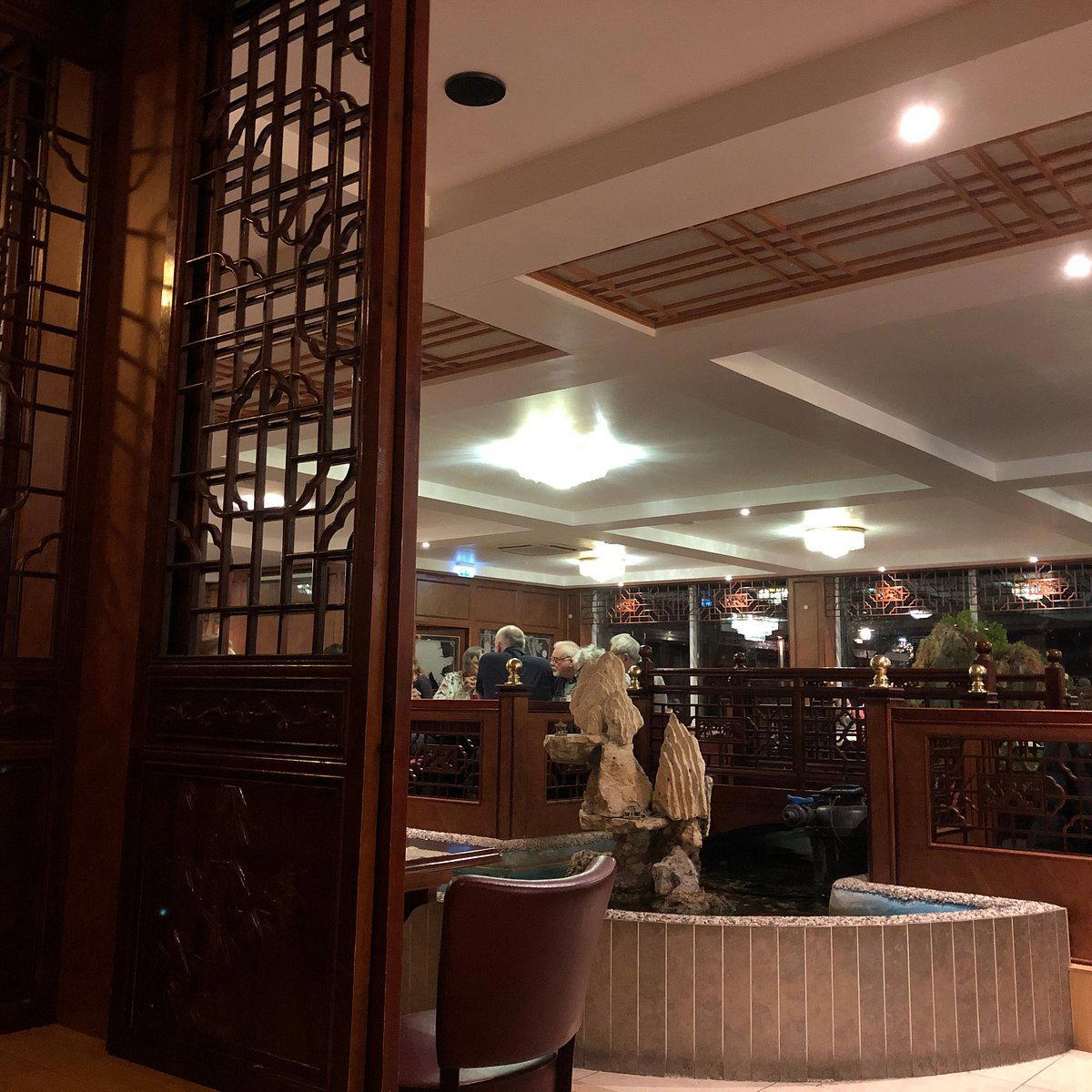
Roskilde's Everyday Asian Dining Circuit
Roskilde is a city of roughly 50,000 people built around a cathedral, a Viking Ship Museum, and a festival site that fills every June. Its restaurant scene reflects that scale: a tight core of Italian and Nordic places, a handful of burger and grill formats like Bash Burger • Grill, and a smaller bracket of Asian kitchens serving the everyday demand that fine dining cannot. Hua Long, addressed at Astersvej 5, sits in that last bracket. In a city where the competition for the Chinese-leaning diner includes wok cafes and dim sum-sushi hybrids, positioning matters less by prestige than by reliability and familiarity.
Denmark's broader dining conversation centres on Copenhagen, where restaurants like Geranium and Jordnær in Gentofte have set a Nordic benchmark that has reshaped how the country thinks about sourcing and seasonality. Further afield, Frederikshøj in Aarhus and Henne Kirkeby Kro in Henne demonstrate that serious kitchens are not confined to the capital. But that conversation belongs to a different tier. Neighbourhood Chinese restaurants in provincial Danish cities operate in a separate economy, where the question is not whether the sourcing meets New Nordic standards, but whether the cooking delivers something honest at an accessible price point.
Where Ingredient Logic Meets the Chinese Kitchen
The ingredient sourcing question in Chinese cooking outside China is worth examining on its own terms. Restaurants in this category across Northern Europe typically navigate a spectrum: at one end, kitchens that import specialty products, fermented pastes, and preserved ingredients directly from Chinese suppliers; at the other, kitchens that adapt their menus to whatever is available from Danish wholesale markets, occasionally substituting local proteins and vegetables for Chinese counterparts. The result in the second case is not a compromise so much as a localised interpretation, and in Denmark that often means pork from Jutland, freshwater fish from Danish suppliers, and seasonal vegetables that shift across the year.
This tension between authenticity and adaptation is not unique to Danish-Chinese cooking. It runs through every immigrant cuisine that has taken root in a country with different agricultural and supply-chain norms. What distinguishes better-run kitchens in this category is a consistent flavour logic: sauces, aromatics, and cooking techniques that hold their identity even when the raw materials are local rather than imported. That consistency is what keeps a neighbourhood restaurant in the regular rotation of its community, regardless of what the tasting menu circuit is doing twenty kilometres away in Copenhagen.
In Roskilde's specific context, the alternative options in the Asian dining bracket include Aji Sushi and An No, both working in the Japanese-leaning space, alongside Italian addresses like Basilico and Bella Capri serving the city's other dominant cuisine category. Hua Long's position as a Chinese-format option means it draws a different kind of diner: those looking for wok cooking, rice dishes, and the flavour register of Cantonese or Sino-European menus rather than Nordic or Italian alternatives.
The Physical Address and What It Implies
Astersvej 5 is not a prestige dining address in Roskilde. It is a functional street in a working part of the city, which places Hua Long in the neighbourhood-restaurant category rather than the destination-dining bracket. In that physical context, the atmosphere is shaped more by the community around it than by any designed hospitality gesture. Restaurants on streets like this tend to be lit for practicality, furnished for turnover, and staffed for the pace of a local clientele that knows what it wants and returns because the experience is consistent rather than theatrical.
That model has its own logic. The dining rooms that sustain themselves in provincial cities over years are rarely the ones chasing trends or redesigning annually. They are the ones where the regulars feel at home, where the menu is familiar enough to order without deliberation, and where the kitchen has calibrated its output to the expectations of its specific neighbourhood. Roskilde diners who want the high-concept end of the Danish table drive to Copenhagen or make reservations at Dragsholm Slot Gourmet in Hørve or Frederiksminde in Præstø. The everyday diner in the city needs something else entirely.
Planning a Visit
Hua Long is located at Astersvej 5 in central Roskilde, accessible by train from Copenhagen in approximately 25 minutes on the main westbound line. For visitors arriving specifically to eat, Roskilde's compact centre means the restaurant is within walking distance of the cathedral and the Viking Ship Museum, making it a practical option before or after an afternoon at either site. Roskilde sits within the broader Zealand dining circuit, and those building an itinerary across the region can find additional context in our full Roskilde restaurants guide, which also covers options at Alimentum in Aalborg, ARO in Odense, LYST in Vejle, and Domæne in Herning for those extending their Danish travels. For international reference points on what serious Chinese-adjacent and Asian fine dining looks like at the upper end of the scale, Atomix in New York City and Le Bernardin in New York City represent the global benchmark for technically rigorous Asian-influenced and seafood-centred cooking, though they operate in an entirely different category and price tier.
Frequently asked questions
What kind of setting is Hua Long?
Hua Long occupies a working-area address at Astersvej 5 in Roskilde, a city of around 50,000 people in eastern Denmark. The location signals a neighbourhood dining room rather than a destination restaurant — practical, accessible, and oriented toward regular local custom rather than occasion dining.
Where is Hua Long located?
Hua Long is located at Astersvej 5, 4000 Roskilde, Denmark, Roskilde.
Is Hua Long a good option for dining in Roskilde before or after the Viking Ship Museum?
Hua Long sits at Astersvej 5, which is in a functional part of Roskilde away from the museum waterfront — so it is not a convenient stop for visitors moving between the cathedral quarter and the harbour. That said, Roskilde is a compact city of around 50,000, and the restaurant is reachable for anyone already in town.
What do people recommend at Hua Long?
Chinese restaurants at this tier in Northern Europe typically anchor their menus around Cantonese and pan-Chinese staples adapted to local supply chains, but specifics for Hua Long should be checked directly at the Astersvej 5 address or through current local reviews.
Do they take walk-ins at Hua Long?
Given the venue's neighbourhood positioning on Astersvej 5 in Roskilde, walk-ins are the practical approach — though confirming current hours before visiting is advisable.
What is Hua Long known for?
Hua Long is a Chinese restaurant in Roskilde, Denmark, positioned in the everyday dining tier that serves the city's working districts. Its address on Astersvej 5 places it outside the tourist-facing centre near the cathedral and Viking Ship Museum, making it part of the local rather than visitor circuit.
A Quick Peer Check
Comparable venues nearby, for context on price, style, and recognition.
| Venue | Cuisine | Price | Notes |
|---|---|---|---|
| Hua LongThis venue — the venue you are viewing | Chinese Buffet | $20–30 | Not listed |
| Ja Dimsum Sushi | Chinese Dim Sum & Japanese Sushi | $20–30 | Roskilde Municipality |
| Sushi2500 Roskilde | Contemporary Sushi | $20–30 | central Roskilde |
| LA RUSTICA - ROSKILDE | Italian Pizza and Pasta | $20–30 | Ros Torv |
| Zhiki Sushi | Japanese Sushi | Not listed | Ro's Torv |
| Flavours Of India | Authentic Indian Curry House | $10–20 | old town |
Continue exploring
More in Roskilde
Restaurants in Roskilde
Browse all →
Bars in Roskilde
Browse all →
Hotels in Roskilde
Browse all →
Wineries in Roskilde
Browse all →
Details
- Cozy
- Family
- Group Dining
- Buffet
Current opening hours
- Monday
- 3–10 PM
- Tuesday
- 3–10 PM
- Wednesday
- 3–10 PM
- Thursday
- 3–10 PM
- Friday
- 2–10 PM
- Saturday
- 2–10 PM
- Sunday
- 2–10 PM
Hours can change for holidays and private events. Last verified .
Cozy with separate seating areas but lively and noisy due to families and children.