
Koji Koji gives Mito a serious Sri Lankan-curry address with a vegetable-forward brief rather than the heavier curry-house template. Its Tabelog 100 selections across curry and Asian/ethnic categories place it in a tighter national conversation, while the small room and no-frills service style keep the focus on spice structure, sourcing choices, and value.
Pearl is the En Primeur Club membership app — saves, bookings, and concierge access live there. Same editors, same standards.
- Address
- Japan, 〒310-0902 Ibaraki, Mito, Watarichō, 2305-6 小沢ビル 2F
- Phone
- +81 29-353-8620
- Website
- instagram.com
- Directions
- Get directions
 Saves & bookings on Pearl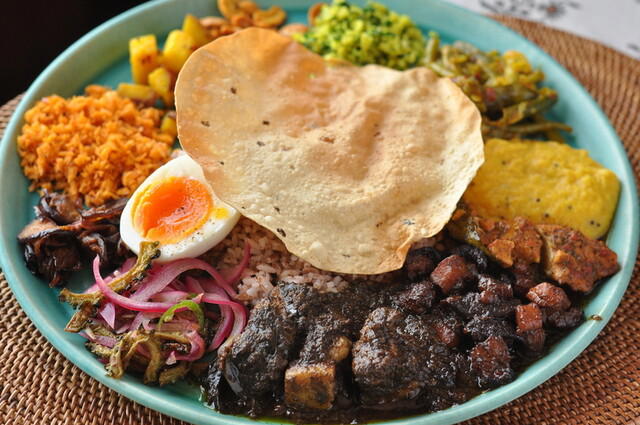
Approaching Koji Koji in Mito, the signal is modest rather than theatrical: a curry-focused format, an everyday price point, and a style of eating that rewards attention over spectacle. Koji Koji belongs to the strand of Japanese curry dining where spice and daily rhythm matter more than décor, and where Sri Lankan cooking can sit naturally inside a local lunch economy while keeping its own sharper edges.
Mito is better known to many travellers for established local food culture and civic order than for destination ethnic dining, which makes Koji Koji useful as a reading of the city’s restaurant range. The local spectrum runs from accessible casual rooms such as Ninomae to higher-spend Japanese dining such as Nuriya Izumichou oodoori and Shirakawa; in that spread, Sri Lankan curry at this level occupies a different lane. It offers seriousness without ceremony, and it does so in a format that suits diners who want precision rather than a long-form tasting format.
Sri Lankan curry in a city built on Japanese lunch habits
Japan’s curry culture is broad enough to hold familiar roux, spice-curry formats, South Asian set meals, and regional hybrids, but Sri Lankan cooking brings a different grammar of seasoning and balance. Koji Koji matters here because it gives Mito a curry address with a clearly defined Sri Lankan identity. That choice is not a lifestyle footnote; it changes the centre of gravity of the meal, pushing spice and category focus into the foreground.
The appeal also separates it from many Japanese curry rooms where the format is built around familiar roux, cutlet, or set-meal expectations. For travellers looking for curry in Mito, that distinction has practical value. For everyone else, it explains why this kind of meal can feel more pointed than a default sauce-heavy plate: the interest comes from the restaurant’s Sri Lankan-curry focus rather than richness alone.
Recognition helps frame the seriousness. Koji Koji appears in the 2024 Tabelog Hyakumeiten context, with Tabelog listing it in the Sri Lankan and curry categories and showing a score of 3.81. In Japan, Tabelog’s Hyakumeiten lists are not casual popularity badges; they tend to identify category specialists with enough consistency to draw diners beyond their immediate neighbourhood. A Mito Sri Lankan-curry shop appearing in that conversation says something about the national appetite for regional spice restaurants outside Tokyo’s central wards.
A casual format that suits solo diners, families, and focused eating
The restaurant’s format shapes the experience. This is neither a sprawling family restaurant nor a hushed chef’s counter. It sits in the useful middle: direct enough that the kitchen’s style remains legible, but approachable enough for solo diners, friends, and small groups. That matters in Mito, where a memorable lunch often has to work around trains, driving routes, or a half-day city itinerary rather than a full evening built around one reservation.
The format gives the place a solo-dining logic common to Japan’s curry and ramen cultures, while the casual setting keeps it from feeling exclusionary. The point is not luxury, but focus: a meal built around curry, spice, and a concise sense of purpose. For visitors who want something more distinctive than a default set meal, Koji Koji offers a clear alternative without asking them to commit to a formal dining schedule.
Service details should be read through the lens of a specialist restaurant rather than a free-flowing café model. Tabelog’s listed budget places both lunch and dinner in the JPY 1,000 - JPY 1,999 range, which helps explain the restaurant’s appeal as an everyday destination rather than an occasion-only stop. The better reading is simple: arrive with a plan, expect a meal built around curry, and do not treat the place like an all-afternoon lounge.
Where it fits among Mito restaurants
Koji Koji is useful because it broadens the way Mito can be eaten. Visitors often default to Japanese set meals, izakaya cooking, or regional specialities, but the city’s stronger casual dining also includes curry, ethnic cooking, and specialist rooms. marcador, for example, occupies another accessible Mito slot at a different price and cuisine register; the comparison is less about similarity than about how a regional city supports serious everyday restaurants outside luxury dining.
For a longer Mito dining map, start with Our full Mito restaurants guide, then use city-specific planning pages for Our full Mito hotels guide, Our full Mito bars guide, Our full Mito wineries guide, and Our full Mito experiences guide. Nearby editorial references can also be kept within Mito by comparing Koji Koji with Ninomae, Nuriya Izumichou oodoori, Sessonan, Shirakawa, and marcador.
For readers comparing Japanese dining formats beyond Mito, the safer contrast is generic rather than name-led: regional curry counters, casual ethnic rooms, Japanese set-meal restaurants, and small bars all show how compact formats can carry serious intent without luxury trappings. Koji Koji belongs in that conversation as a Mito example of a specialist room whose appeal comes from category focus rather than ceremony.
The editorial case for Koji Koji is not rarity for its own sake. It is the combination of Tabelog Hyakumeiten recognition, Sri Lankan curry, and a Mito setting that keeps the meal grounded. In a city where visitors can easily stay within familiar Japanese formats, this is the address that argues for making space for spice at lunch.
Comparable Spots, Quickly
Comparable venues by cuisine and price in the same metro.
| Venue | Cuisine | Price | Notes |
|---|---|---|---|
| Koji Koji | Sri Lankan | $ | Akatsuka |
| Ninomae | Handmade Hitachi Aki soba | $ | / Suehirocho, Mito |
| Taverna Hamburg | Italian-inflected hamburg steak & meat house | $$ | Mito |
| Shirakawa | Teppanyaki & Hitachi Beef Steakhouse | $$$ | Minami-machi |
| Kimura Ya Honten | Traditional Japanese wagashi shop | $ | Minamimachi |
| Bansen Store | Casual Thai & Curry House | $ | Hiratocho |
Recognition history
Dated appearances from independent guides and award organizations, with the underlying list record or original source where available.
Tabelog 100 #47 · No. 47
Tabelog · Tabelog 100 - Asian cuisine / Ethnic cuisine - EAST - 2024
Continue exploring
More in Mito
At a Glance
- Cozy
- Trendy
- Casual Hangout
- Solo
- Standalone
Current opening hours
- Monday
- Closed
- Tuesday
- 11:45 AM–3 PM
- Wednesday
- 11:45 AM–3 PM
- Thursday
- 11:45 AM–3 PM
- Friday
- 11:45 AM–3 PM
- Saturday
- 11:45 AM–3 PM
- Sunday
- 11:45 AM–3 PM
Hours can change for holidays and private events. Last verified .
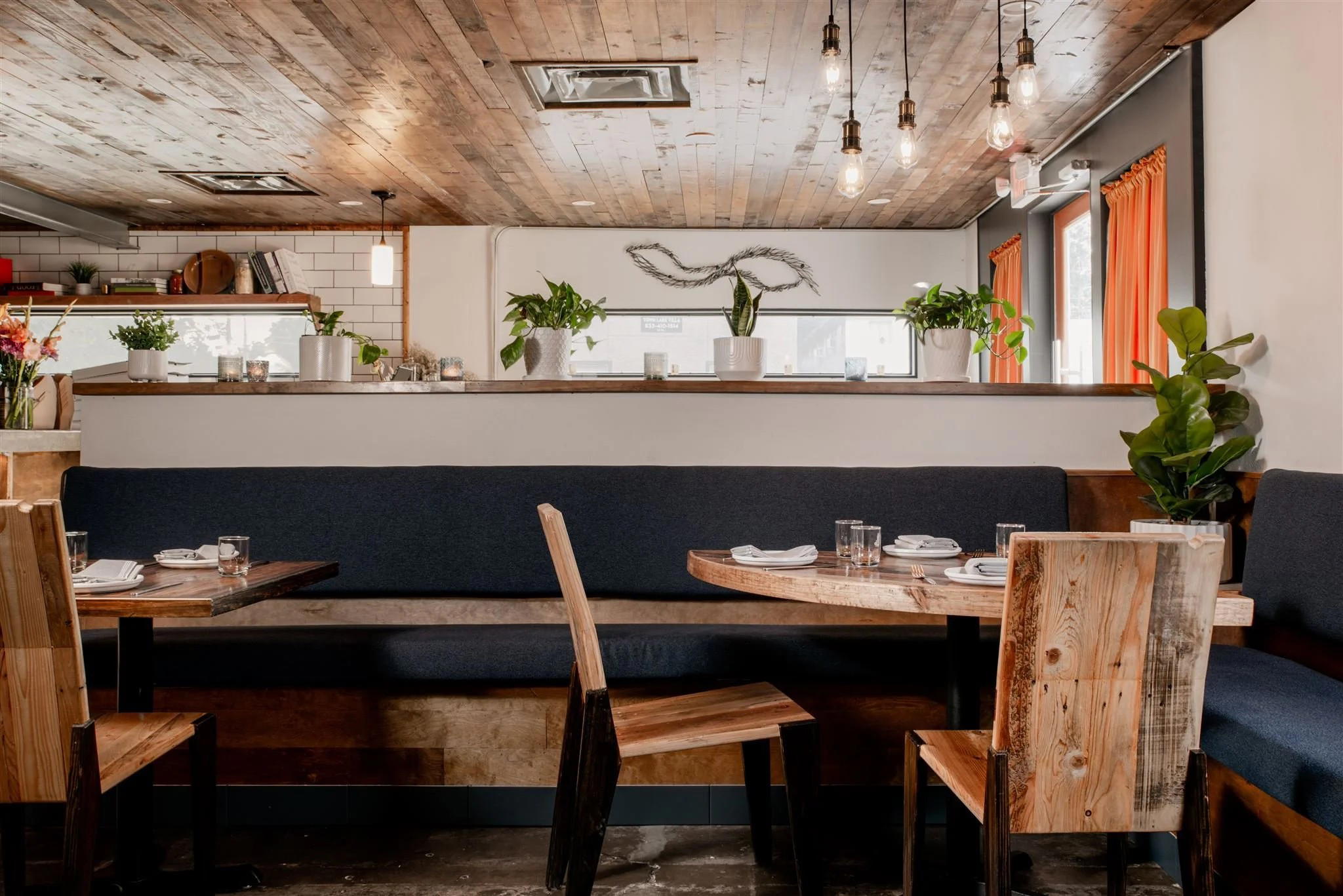
Likely intimate and casual, with a neighborhood-restaurant feel rather than a formal dining room.
Know Before You Go
- Reservations
- Walk in friendly
- Dress code
- Casual
- Getting there
- Japan, 〒310-0902 Ibaraki, Mito, Watarichō, 2305-6 小沢ビル 2F