
Tabelog 100 #72
Our verdict
Kimura Ya Honten places Mito’s wagashi culture in a compact, takeaway-led format rather than a seated dessert course. Its selection for Tabelog 100 Japanese traditional sweets / Japanese sweets cafe EAST 2023 gives it a clear signal in a category where craft is often judged by restraint, seasonality, and daily usefulness rather than ceremony.

Pearl is the En Primeur Club membership app — saves, bookings, and concierge access live there. Same editors, same standards.
- Address
- 1 Chome-2-21 Minamimachi, Mito, Ibaraki 310-0021, Japan
- Phone
- +81 29-221-3418
- Hours
- Mon–Wed 9:30 AM–5:45 PMThu ClosedFri 9:30 AM–5:45 PMSat 9:30 AM–5:30 PMSun Closed
- Website
- x.com
- Directions
- Get directions
The menu
What to order
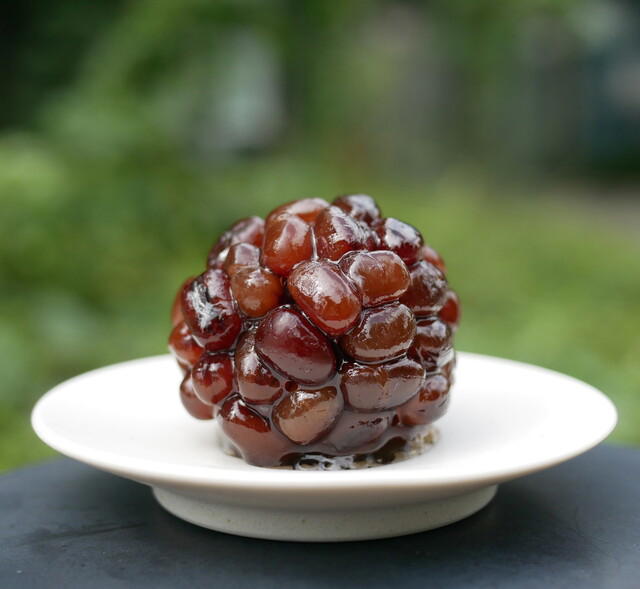
- Mito no Ume
- Seasonal namagashi (fresh sweets)
- Warabi mochi
- Shirataka zenzai (sweet red bean soup with shiratama)
- Monaka
- Kashiwa mochi / sakura mochi / kusa mochi (seasonal rice cakes)
Mito is not only the Japan of tasting counters and hotel dining rooms. It is a working city, where errands, station traffic, and old retail rhythms shape the way people eat. In that setting, Japanese traditional sweets have a different role from restaurant dessert: they are bought to carry away, shared at home or the office, and tied to tea, gifting, and the calendar. Kimura Ya Honten belongs to that practical tradition, where the counter matters less as theatre than as a point of exchange between craft and daily life.
Mito’s food culture is often discussed through natto, regional produce, and Ibaraki’s agricultural identity, but its sweets shops tell another part of the story. Traditional sweets shops outside Tokyo rarely compete through spectacle. They compete through consistency, recognisable forms, and a sense of season that regular customers can read without explanation. Selection for Tabelog 100 Japanese traditional sweets / Japanese sweets cafe EAST 2023 places this shop inside a wider eastern-Japan conversation about traditional sweets, not simply as a local errand stop.
Takeaway wagashi keeps the focus on craft, not ceremony
Japan’s premium dining vocabulary often leans on reservation systems, chef counters, and long menus. Wagashi uses a quieter grammar. The format is practical by design: choose, wrap, carry, present. That makes the craft less performative but no less exacting. Texture, shelf life, wrapping, gifting suitability, and seasonal timing all matter, especially in cities where sweets are part of social etiquette rather than only a dessert craving.
Kimura Ya Honten operates in that register. Its appeal sits closer to a specialist craft purchase than to a staged cafe experience. That distinction matters for travellers. This is not best understood as another full restaurant stop; it is a place to understand how Japanese traditional sweets function in everyday life, particularly outside the larger tourism circuits. The price band is listed at - JPY 999 - JPY 999, reinforcing the category’s civic character: refined confectionery can be part of ordinary purchasing, not only a luxury dining add-on.
The Tabelog 100 selection is the key trust signal here because it recognises the category directly. A score of 3.63 in this field is also meaningful in context, since Japanese review culture tends to rate conservatively, and traditional sweets shops often draw from local repeat use rather than destination dining traffic. In the Mito dining mix, that creates a different competitive position from places such as Agni, Karma, marcador, and other Mito dining rooms, where the meal itself is the main event.
Mito's sweets culture rewards restraint over spectacle
Wagashi is inseparable from Japanese ideas of season and occasion. Sakura, chestnut, yomogi, azuki, mochi, rice flour, and agar all carry cultural associations, but a serious shop does not need to announce them loudly. The form is often modest because the reference points are already understood by regular customers: the turn of a season, a visit to someone’s house, a tea gathering, a small office gift, or a sweet taken home after a Mito errand.
That is why regional wagashi can be more revealing than a luxury meal. A restaurant may translate a city for visitors; a sweets shop often serves the city without translation. In Mito, a purchase from a specialist like Kimura Ya Honten sits within a broader pattern of compact, purpose-led food stops. It also gives a traveller a way into local rhythm without committing to a full meal. For broader planning, our full Mito restaurants guide maps the city’s dining range, while our full Mito hotels guide, our full Mito bars guide, our full Mito wineries guide, and our full Mito experiences guide place it in a wider itinerary.
The useful comparison is not with a formal restaurant, but with other specialist Japanese formats where repetition and narrow focus carry authority. Some focused dining rooms build meaning around a single technique, ingredient, or service rhythm rather than a sprawling menu. Traditional sweets do the same through confectionery rather than savoury cooking, asking the visitor to pay attention to form, occasion, and the way a small purchase can carry cultural weight.
How to read the visit in a wider Japan itinerary
For travellers moving through Japan, Kimura Ya Honten is valuable because it slows the pace of food discovery. Tokyo and Kyoto tend to frame Japanese sweets through department-store counters, tea rooms, and high-design gift boxes. Mito offers a more grounded version: local rhythm, everyday purchase, and a category recognised by a national dining platform for eastern Japan. That combination says more about regional food culture than another polished tasting menu.
The decision is also practical in a critical sense. If the trip’s Mito meals are already anchored by seated restaurants, a wagashi stop adds contrast without consuming a full dining slot. Compared with Mito peers such as Agni, Karma, marcador, or Shirakawa, this is a low-cost way to read the city’s food habits. The shop’s sweets focus makes it especially suited to travellers who value local craft but do not need every food experience to become a seated production.
That same logic connects it to other focused addresses beyond Mito in a general sense: places that reward a diner who understands format before judging ambition. A narrow category can still be serious when it is handled with consistency and cultural memory. In Mito, the format is clear: Japanese traditional sweets, bought as part of daily life, with recognition that places Kimura Ya Honten well above a casual convenience stop.
Frequently asked questions
What are the opening hours for Kimura Ya Honten?
The available venue data does not provide confirmed opening hours for Kimura Ya Honten. Check directly before visiting, especially if planning around a Mito itinerary.
What price level is Kimura Ya Honten?
Pricing at Kimura Ya Honten is listed as - JPY 999 - JPY 999.
Where is Kimura Ya Honten located?
Mito.
What's Kimura Ya Honten best at?
Kimura Ya Honten is known for Japanese traditional sweets, and Tabelog selected it for its EAST 2023 "Tabelog 100" list. The appeal is the focus of a wagashi stop in Mito.
Is Kimura Ya Honten allergy-friendly?
The available venue data does not list an allergy menu or ingredient-by-ingredient guidance. Visitors with allergies should confirm details directly with Kimura Ya Honten before purchasing in Mito.
Price and Recognition
Comparable venues by cuisine and price in the same metro.
| Venue | Cuisine | Price | Awards | Notes |
|---|---|---|---|---|
| Kimura Ya HontenThis venue — the venue you are viewing | Traditional Japanese wagashi shop | $1–10 | Tabelog 100 #72 | Not listed |
| Nuriya Izumichou oodoori | Traditional Unagi (Eel) Restaurant | $30–50 | Tabelog 100 #24 | Izumicho, Mito, Traditional Unagi (Eel) Restaurant |
| Ninomae | Handmade Hitachi Aki soba | $50–100 | Tabelog 100 #45 | / Suehirocho, Mito, Handmade Hitachi Aki soba |
| marcador | Casual Spanish Bar & Restaurant | $30–50 | Tabelog 100 #13 | Minamimachi, Casual Spanish Bar & Restaurant |
| Shirakawa | Teppanyaki & Hitachi Beef Steakhouse | $100–150 | Tabelog 100 #91 | Minami-machi, Teppanyaki & Hitachi Beef Steakhouse |
| Taverna Hamburg | Italian-inflected hamburg steak & meat house | Not listed | Tabelog 100 #43 | Not listed |
Recognition history
Dated appearances from independent guides and award organizations, with the underlying list record or original source where available.
Tabelog 100 #72 · No. 72
Tabelog · Tabelog 100 - Japanese traditional sweets / Japanese sweets cafe - EAST - 2023
Continue exploring
More in Mito
Details
- Classic
- Cozy
- Solo
- Family
- Casual Hangout
- After Work
- Standalone
- Local Sourcing
- A La Carte
- Counter Dining
Current opening hours
- Monday
- 9:30 AM–5:45 PM
- Tuesday
- 9:30 AM–5:45 PM
- Wednesday
- 9:30 AM–5:45 PM
- Thursday
- Closed
- Friday
- 9:30 AM–5:45 PM
- Saturday
- 9:30 AM–5:30 PM
- Sunday
- Closed
Hours can change for holidays and private events. Last verified .
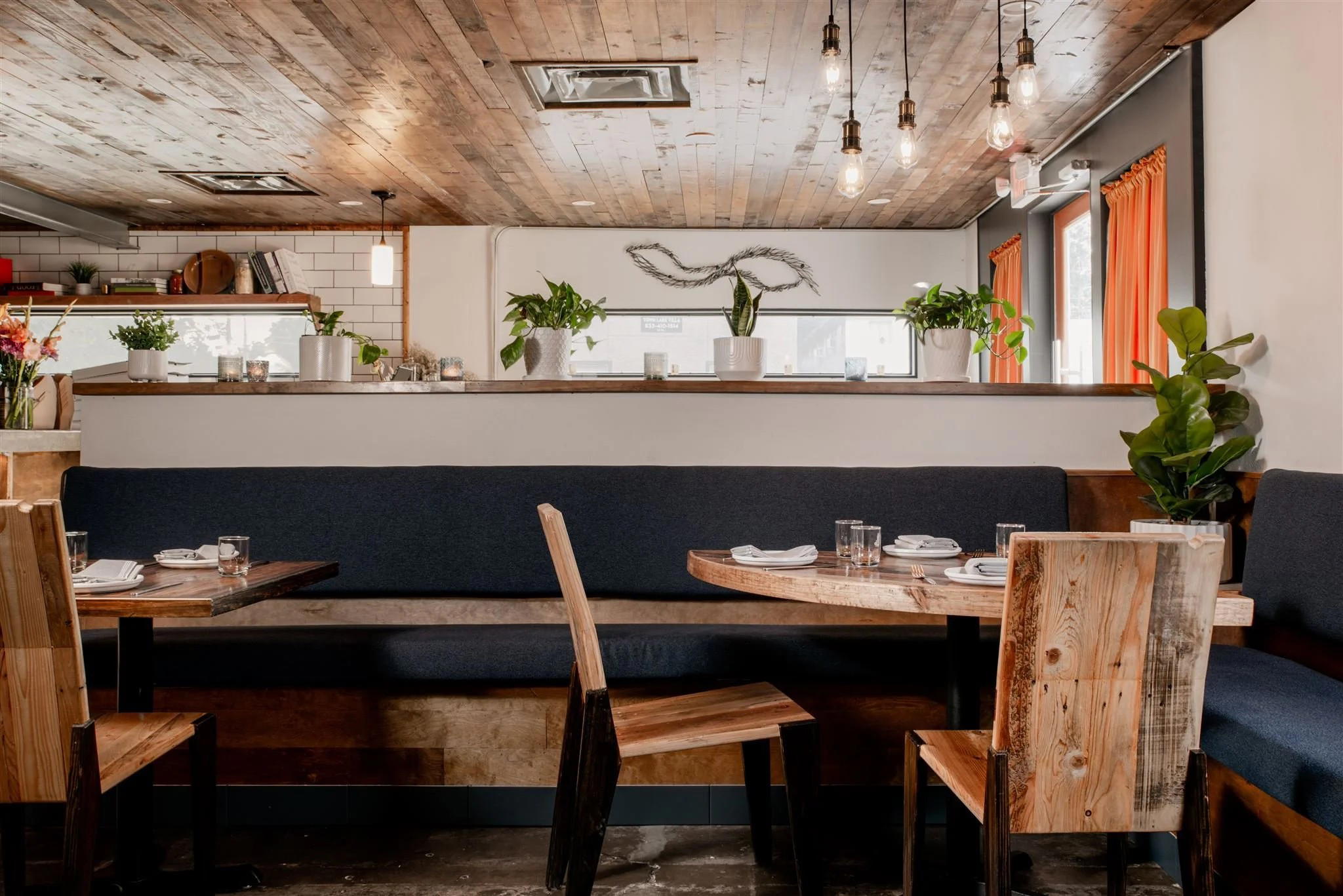
Traditional neighborhood wagashi shop with a modest storefront, calm atmosphere, and displays of seasonal sweets that reflect local festivals and the changing seasons rather than any flashy design.