
Shirakawa puts Mito’s teppanyaki scene in a narrower, ingredient-led frame: Ibaraki beef and seafood cooked at a 12-seat counter rather than treated as generic luxury theatre. Its Tabelog 100 Steak / Teppanyaki EAST selections in 2022, 2024, and 2025 place it among the region’s more serious grill counters, with a format built for close attention rather than scale.
Pearl is the En Primeur Club membership app — saves, bookings, and concierge access live there. Same editors, same standards.
- Address
- 茨城県水戸市南町2-3-32 西洋倶楽部ビル 2F
- Phone
- +81292321773
- Website
- tabelog.com
 Saves & bookings on Pearl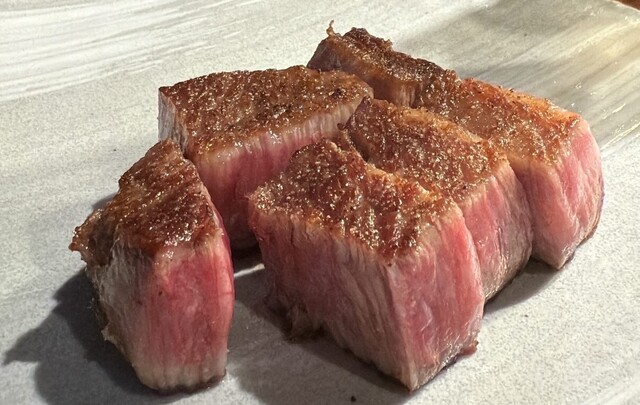
Minamimachi is not Ginza, and that matters. Mito’s central dining streets work at a different tempo: fewer grand dining rooms, more compact counters, and a closer relationship between regional produce and the person cooking it. In that setting, Shirakawa reads less like imported steakhouse glamour and more like a local argument for teppanyaki as Ibaraki food culture, where beef, seafood, heat, and timing are the point.
Japanese teppanyaki can drift into performance when the counter becomes theatre first and kitchen second. The more serious version is quieter. It depends on sourcing, heat control, and the discipline of serving food in front of the guest without turning the meal into a show reel. Shirakawa’s selection for Tabelog 100 Steak / Teppanyaki EAST in 2022, 2024, and 2025 gives it a useful credential in that category. The signal is not mass fame; it is repeated recognition in a field where regional specialists compete against better-funded urban rooms.
Ibaraki beef gives Mito teppanyaki its reason to exist
Ibaraki’s food identity is often discussed through agriculture, natto, seafood access, and the inland-coastal mix that defines much of the prefecture. Hitachi beef gives the prefecture a more precise claim in the steak and teppanyaki conversation. At a counter like this, the ingredient is not just an expensive centrepiece. It is the local evidence that Mito can support a premium grill tradition without copying Tokyo’s dining codes wholesale.
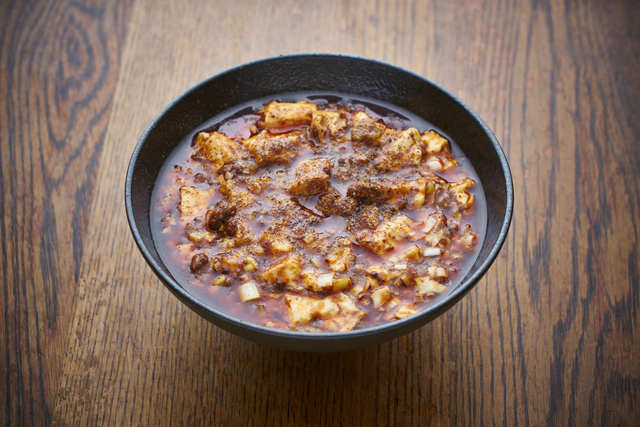
That distinction is useful for travellers building a Mito itinerary. A meal at Our full Mito restaurants guide can be mapped around regional contrast rather than a simple ladder of price. Agni sits in a different Mito bracket, with a lower dinner range and a broader neighbourhood-restaurant profile. Kimura Ya Honten occupies another end of the local spectrum, closer to everyday dining. Shirakawa belongs to the small-format counter tier, where the value calculation depends on product quality and live cooking rather than breadth.
The seafood component matters as much as the beef. Teppanyaki in Japan is often strongest when it resists the steak-only template and uses the iron plate as a flexible surface for land and sea. Mito’s position gives that format a local logic: inland enough to read as a prefectural capital table, close enough to the Pacific food economy for seafood to remain part of the conversation. The better comparison is not with international luxury steakhouses, but with Japanese counters that treat the plate as a controlled cooking stage.
The 12-seat counter keeps the room in the serious category
Scale changes teppanyaki. A large room can turn the format into banqueting; a 12-counter-seat setup keeps attention closer to the ingredient and the cooking sequence. That size also changes the social rhythm. Solo diners and small groups make sense here because the counter is the room, not a consolation prize. Family dining is possible, but the format rewards guests who are comfortable with a slower, watched-from-close-range meal.
The drinks list reflects the hybrid nature of this category. Sake and shochu keep the meal grounded in Japanese dining habits, while wine and cocktails acknowledge the steakhouse side of the format. That breadth is practical rather than decorative: beef, seafood, and iron-plate cooking pull in different directions, and a narrow drinks program would make the room feel less flexible than the food.
Recognition also needs context. A Tabelog score of 3.61 and repeated Hyakumeiten selection point to a restaurant with traction among Japanese diners, but not to a global trophy-table posture. That is part of the appeal. Mito’s premium dining scene is not built on international checklist restaurants; it is built on smaller addresses that make more sense when read against local habits. Travellers pairing dinner with Our full Mito hotels guide, Our full Mito bars guide, or Our full Mito experiences guide should treat this as a focused dinner anchor rather than a long multi-stop food crawl.
How Shirakawa fits a wider Japan dining map
For visitors coming from larger cities, the point is not to measure Mito against Tokyo on volume. The better move is to use Mito for regional specificity. In Tokyo, formats multiply quickly, from charcoal seafood rooms such as. 鮪と炭火焼き うお炭 秋葉原店 in Tokyo to specialist counters across every price band. Mito’s advantage is concentration: fewer choices, clearer signals, and a stronger link between premium dining and prefectural ingredients.
That is why Shirakawa makes more editorial sense beside Mito peers than as a detached luxury listing. Bansen Store, Karma, and Koji Koji broaden the local map, but the teppanyaki counter occupies a different decision point: choose it when the meal’s centre of gravity should be Ibaraki product and direct cooking, not menu sprawl.
Across Japan, regional dining is increasingly easier to read through format. Kamakura’s beef-focused addresses, such as -Grilled beef Sukiyaki- KAMAKURA TANUKIAN 鎌倉 たぬき庵 in Kamakura, frame beef through sukiyaki tradition. Osaka cafés such as.cafe in Osaka and Kumamoto rooms such as.know in Kumamoto speak to different urban appetites. Kawasaki’s (Shoku) Vietnam in Kawasaki and Sapporo’s [Curry Senmon Ten] Maruyama Kyoju. in Sapporo show how imported or specialist formats localise city by city. Even outside Japan, places such as Jōdo Saké Bar in Los Angeles and Onigiri Time in Pasadena prove how Japanese dining categories change when removed from their source context.
Shirakawa’s case is more grounded. It works because the format, city, and ingredients point in the same direction. The counter is small, the recognition is category-specific, and the sourcing story belongs to Ibaraki rather than to a borrowed metropolitan script. For Mito, that makes it a clear premium choice when teppanyaki should feel regional, not generic. Travellers extending the trip beyond restaurants can also scan Our full Mito wineries guide for a broader view of the area’s drinking and food culture.
Quick Comparison
Nearby venues at a similar price tier for orientation.
| Venue | Cuisine | Price | Notes |
|---|---|---|---|
| ShirakawaThis venue — the venue you are viewing | Teppanyaki & Hitachi Beef Steakhouse | $$$ | Not listed |
| Taverna Hamburg | Italian-inflected hamburg steak & meat house | $$ | Mito |
| Ninomae | Handmade Hitachi Aki soba | $ | / Suehirocho, Mito |
| RESTAURANT Ohtsu | French Fine Dining | $$$ | Shiraume |
| Nuriya Izumichou oodoori | Traditional Unagi (Eel) Restaurant | $$$ | Izumicho, Mito |
| Agni | Sichuan & Chinese Dining Bar with Japanese-Western Influences | $$ | Mito |
Recognition history
Dated appearances from independent guides and award organizations, with the underlying list record or original source where available.
Tabelog 100 #91 · No. 91
Tabelog · Tabelog 100 - Steak / Teppanyaki - EAST - 2025
Continue exploring
More in Mito
At a Glance
- Lively
- Elegant
- Intimate
- Cozy
- Date Night
- Business Dinner
- Group Dining
- Solo
- Celebration
- Special Occasion
- Chefs Counter
- Open Kitchen
- Standalone
- Sake Program
- Extensive Wine List
- Craft Cocktails
- Local Sourcing
- Farm To Table
- Street Scene
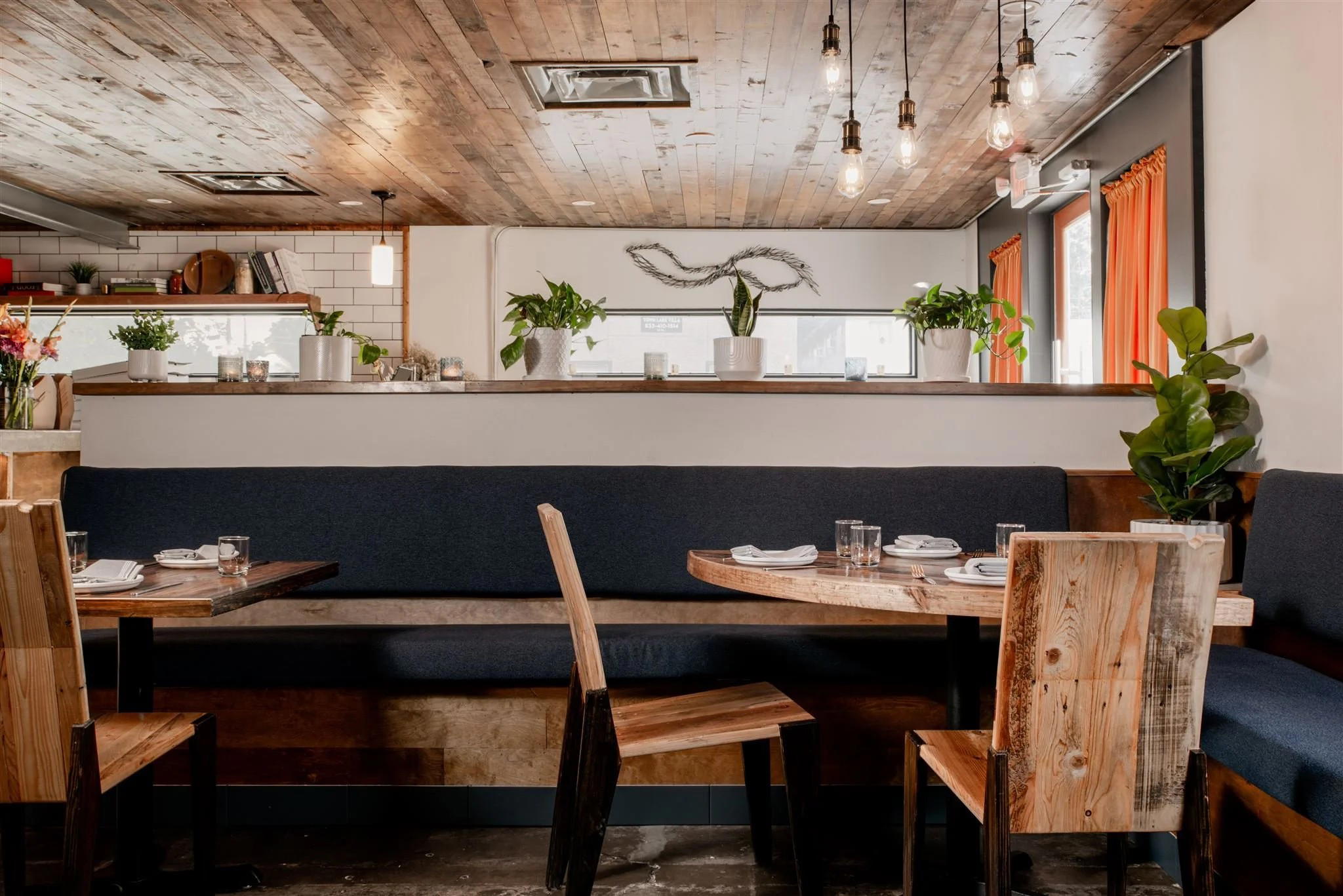
A small, stylish second-floor counter with only 12 seats, non-smoking and softly lit, where guests sit close to the teppan and enjoy an intimate yet lively atmosphere focused on the sights, sounds, and aromas of live cooking.