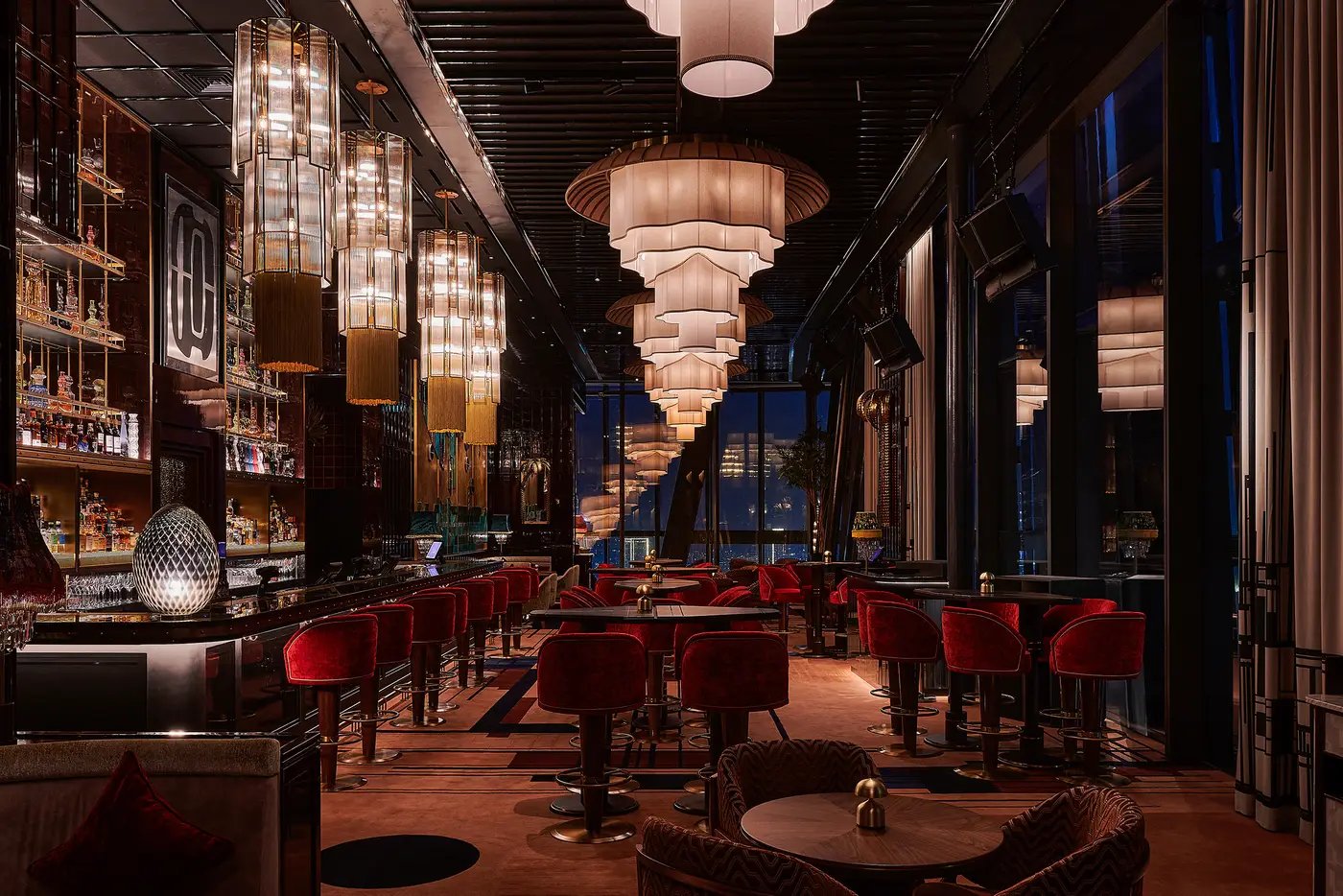


Zuma at DIFC has held a place inside the World's 50 Best Bars global ranking across multiple years, peaking at #17 in 2021, with consecutive Star Wine List recognitions through 2026. The bar program sits above the restaurant floor in Gate Village and operates at the serious end of Dubai's cocktail and spirits market. Regulars come for Japanese-inspired drinking as much as dining.
 Discover on Pearl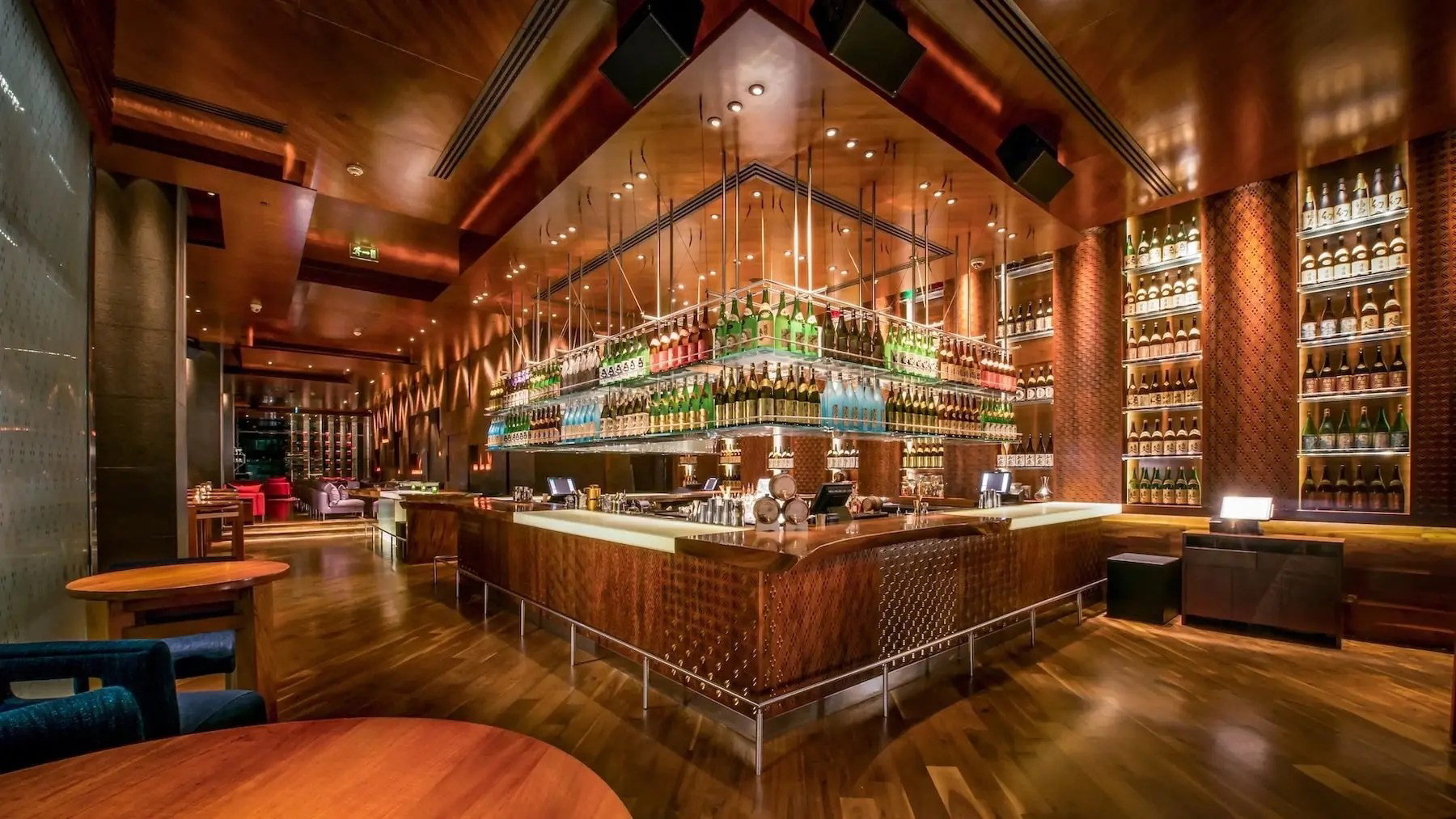
The Back Bar as Argument
In Dubai's Financial Centre, the bar program rarely leads. Most venues at this end of the market position spirits and cocktails as support infrastructure for dining revenue, the thing you order while you wait for a table. Zuma at DIFC inverts that hierarchy. The bar floor, set on the podium level of Gate Village Building 3, has accumulated enough independent recognition — World's 50 Best Bars rankings across eleven separate years, peaking at #17 globally in 2021 — to function as a destination in its own right, decoupled from whether you intend to eat.
That kind of sustained awards presence matters in the context of Dubai's drinking scene. The city has dozens of high-spending bars, many with premium Japanese whisky lists assembled to signal quality. Fewer have the kind of programme consistency that produces back-to-back global rankings across more than a decade. Zuma's trajectory on the 50 Best list , entering in 2011 at #49, climbing through the Asia's Leading Bars rankings in 2016, 2017, and 2018, then re-entering the global ranking at #44 in 2015 before the 2021 peak , is a record built through multiple programme iterations and bar team changes, not a single moment of acclaim.
The Physical Context at Gate Village
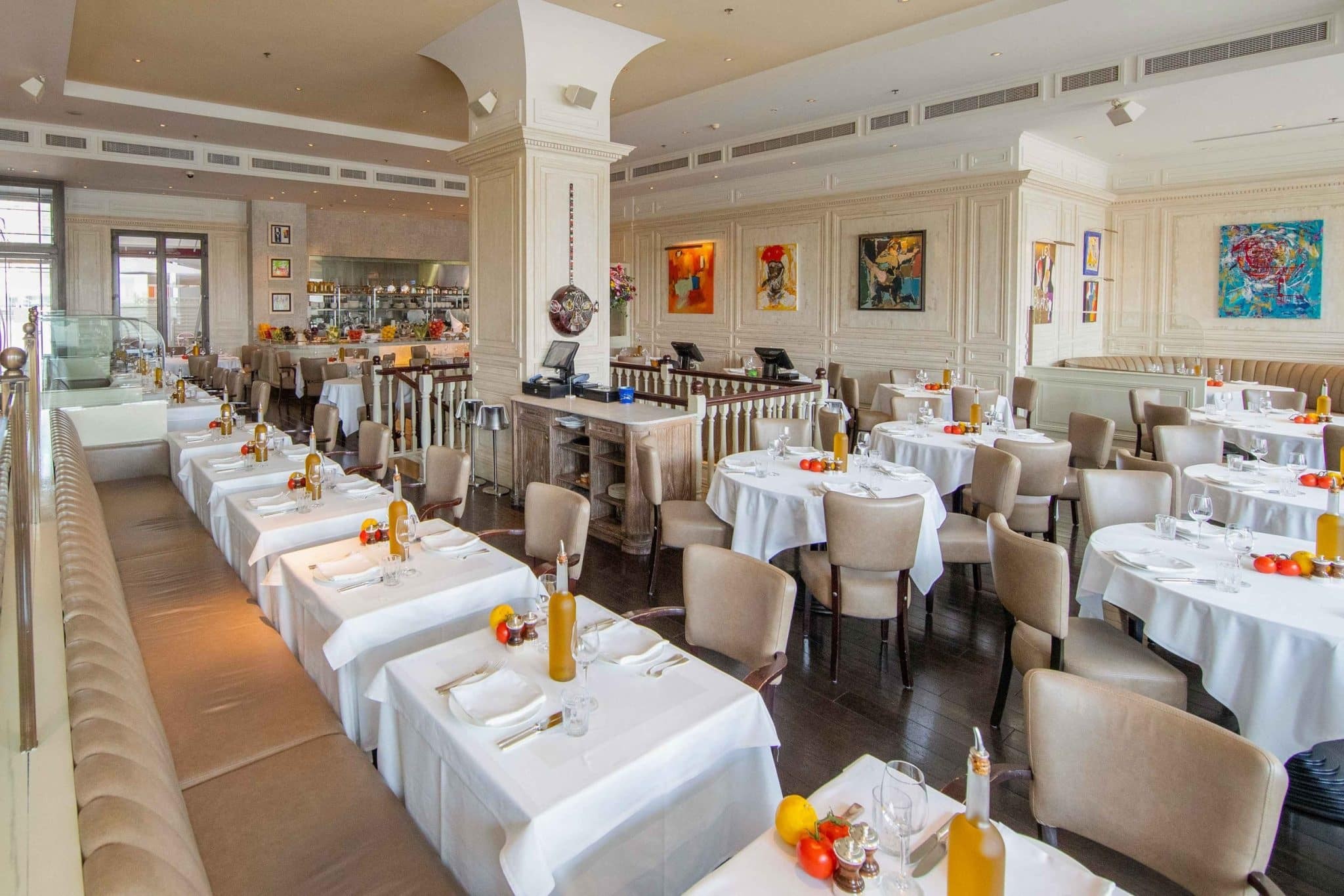
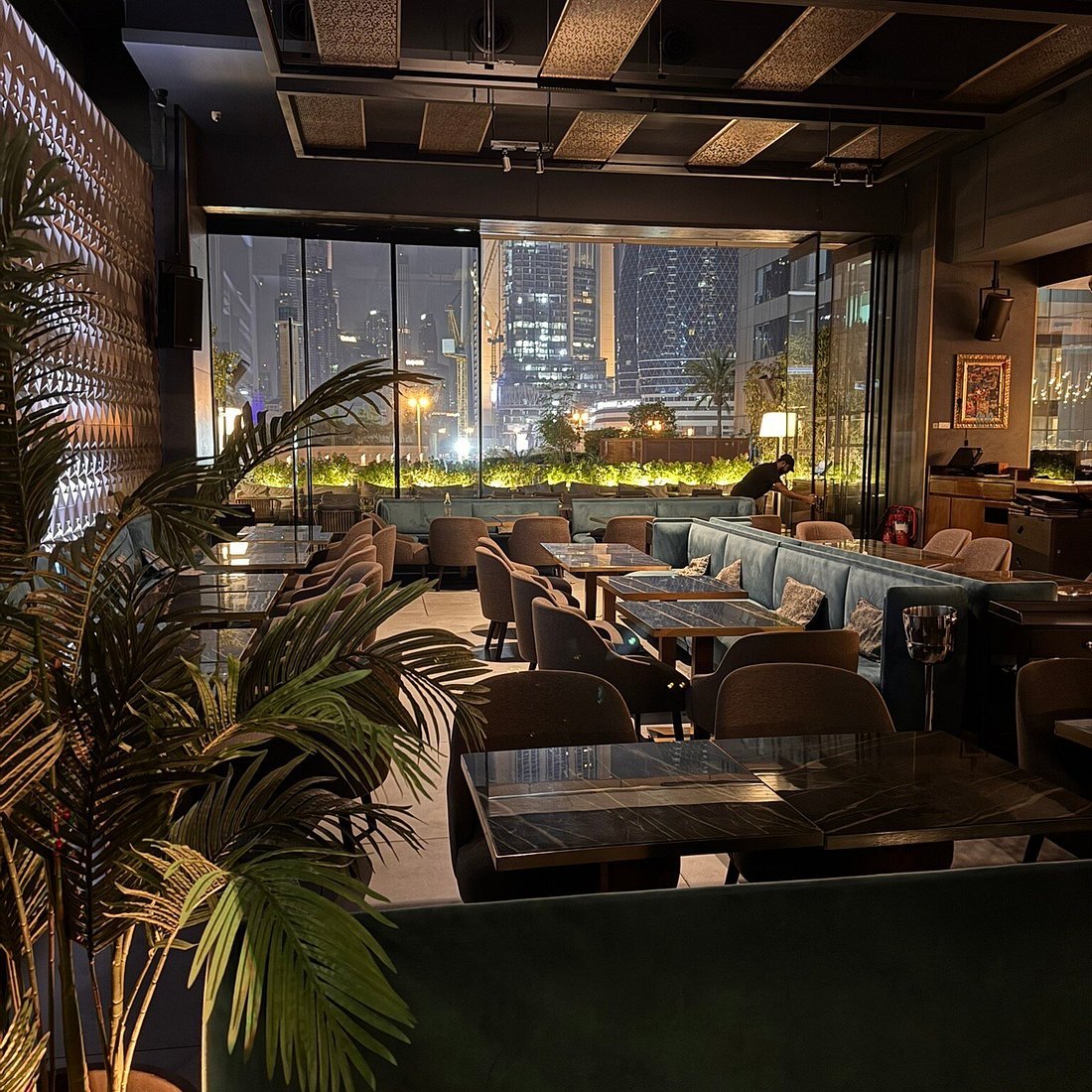
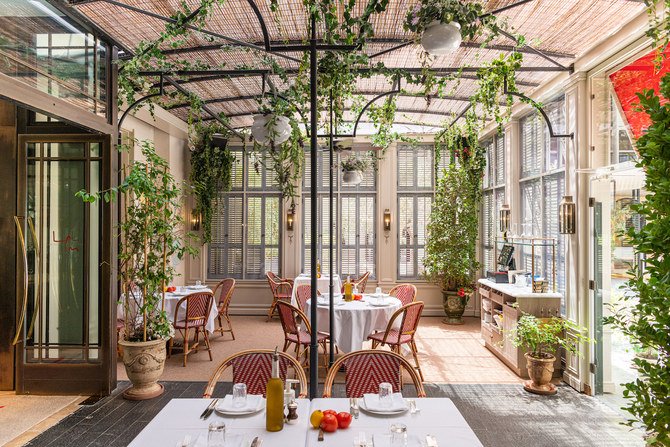
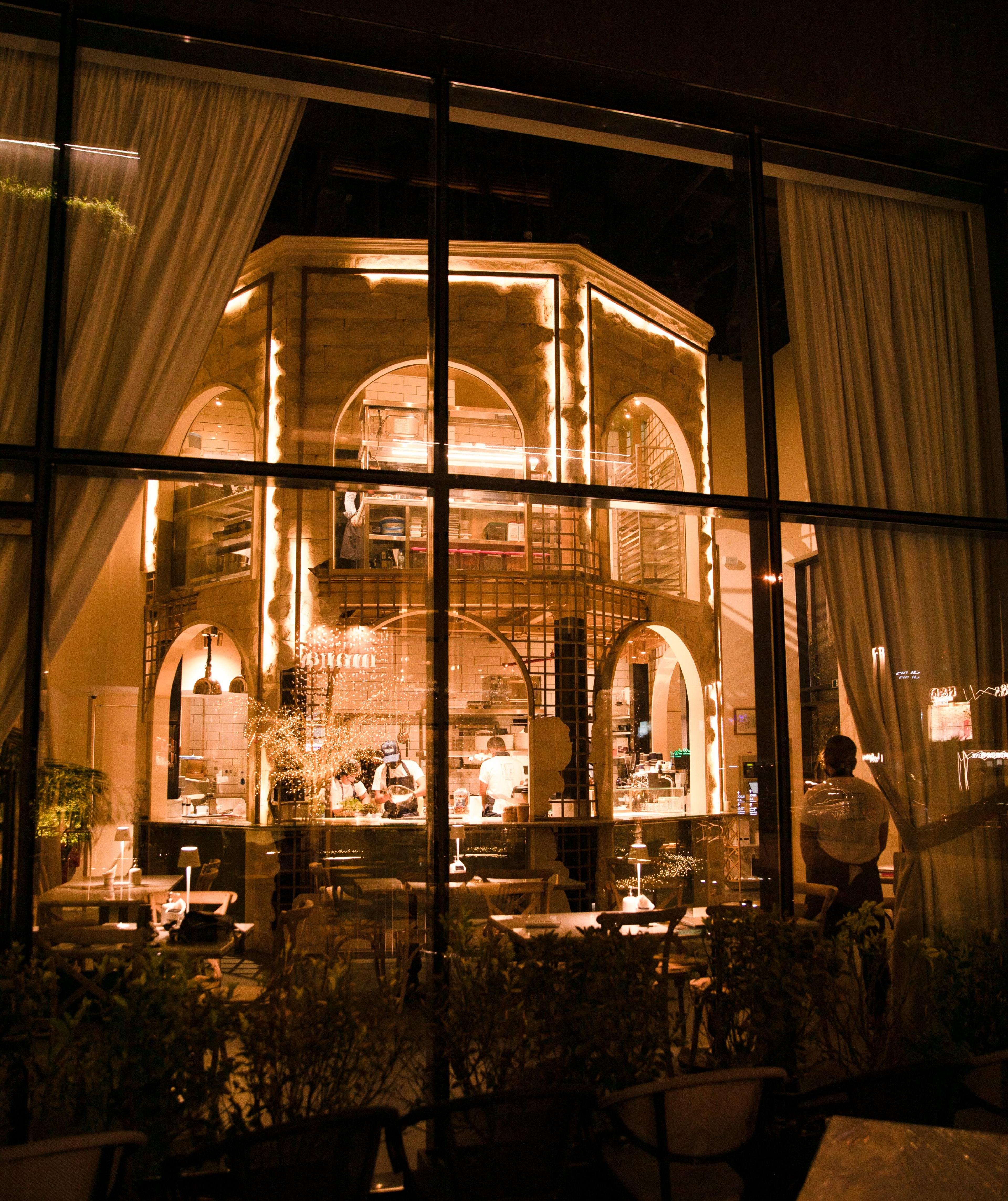
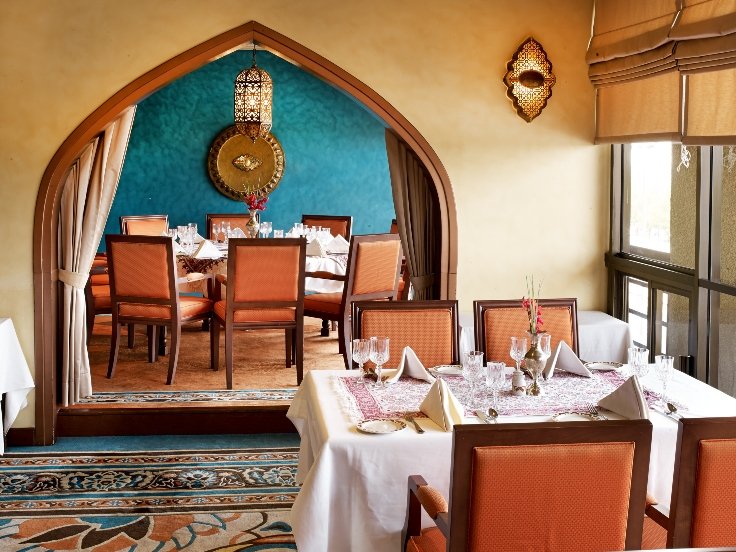
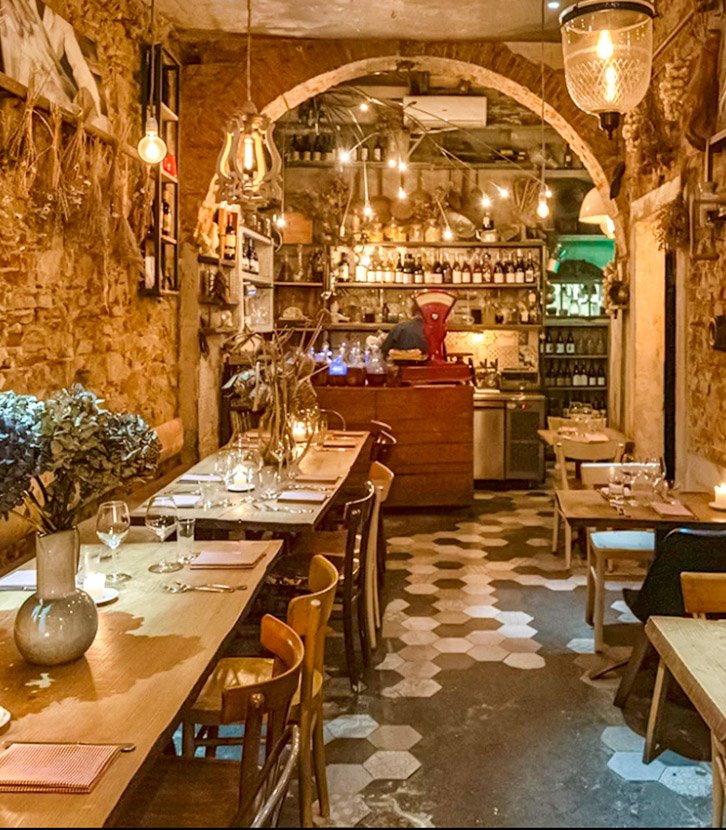
Gate Village occupies the pedestrian spine beneath the DIFC towers, a configuration that gives the district an unusual density for Dubai: walkable, shaded, and concentrated. Arriving at Zuma from the gate, the space opens in layers , the ground-floor restaurant gives way upward to the bar, and the architecture does most of the atmospheric work before service begins. The material palette draws from the same Japanese industrial-rustic register that defines Zuma properties globally: raw stone, dark timber, an open kitchen visible from the counter positions. The bar itself is long enough to anchor a proper back bar display, which is where the spirits argument is made most directly.
The back bar at Zuma Dubai is not assembled to cover categories. It is weighted toward Japanese whisky in a way that reflects both the brand's culinary identity and the DIFC clientele's specific preferences. At this tier of the market, a well-structured Japanese whisky selection typically means not just standard age statements from the major distilleries, but access to allocated expressions and older bottlings that move off secondary market lists rather than retail shelves. For visitors arriving from markets where Japanese whisky allocation is tight , which is most markets , Zuma's position in the DIFC hospitality ecosystem gives it access that neighbourhood bars cannot match.
Spirits Curation at This Tier
The category logic behind premium Japanese bar programmes in Dubai is worth understanding before you sit down. Japanese whisky operates differently from Scotch in terms of scarcity architecture. The leading houses release limited annual allocations of their premium expressions, and regional hospitality groups with multi-site relationships typically receive preferential access. Zuma's parent group operates across London, Miami, Rome, Istanbul, and several other major cities, which gives each individual site use in allocation conversations that a standalone bar in the same building could not replicate.
This structural advantage is what separates the back bars of internationally branded restaurants from independent cocktail bars in cities like Dubai. Ergo at Alserkal, for example, operates in a completely different register , craft-led, independent, neighbourhood-scaled , while Zuma sits in the corporate hospitality tier where brand relationships determine what's behind the glass. Neither approach is wrong; they address different audiences with different expectations. Zuma's answer to the question of depth is access, and the back bar displays that access in the most direct way possible.
Star Wine List has recognised the programme three consecutive years through 2026, which speaks specifically to the wine and spirits curation rather than the cocktail programme. At a venue like this, those are distinct conversations. The cocktail menu draws from the Japanese-accented framework , yuzu, matcha, shiso, umeshu , applied to contemporary formats, while the back bar addresses the collector and connoisseur segment directly.
Where Zuma Sits in Dubai's Bar Hierarchy
Dubai's premium bar scene has fractured into at least three distinct tiers in recent years. At the volume end sit the hotel beach clubs and waterfront venues , Barasti Bar being the most visible example , where capacity and atmosphere dominate over programme depth. In the middle sits the restaurant bar tier, where venues like Buddha Bar Dubai use concept and music programming to sustain a premium positioning. And at the leading, a smaller number of programme-led destinations prioritise what's in the glass above entertainment infrastructure.
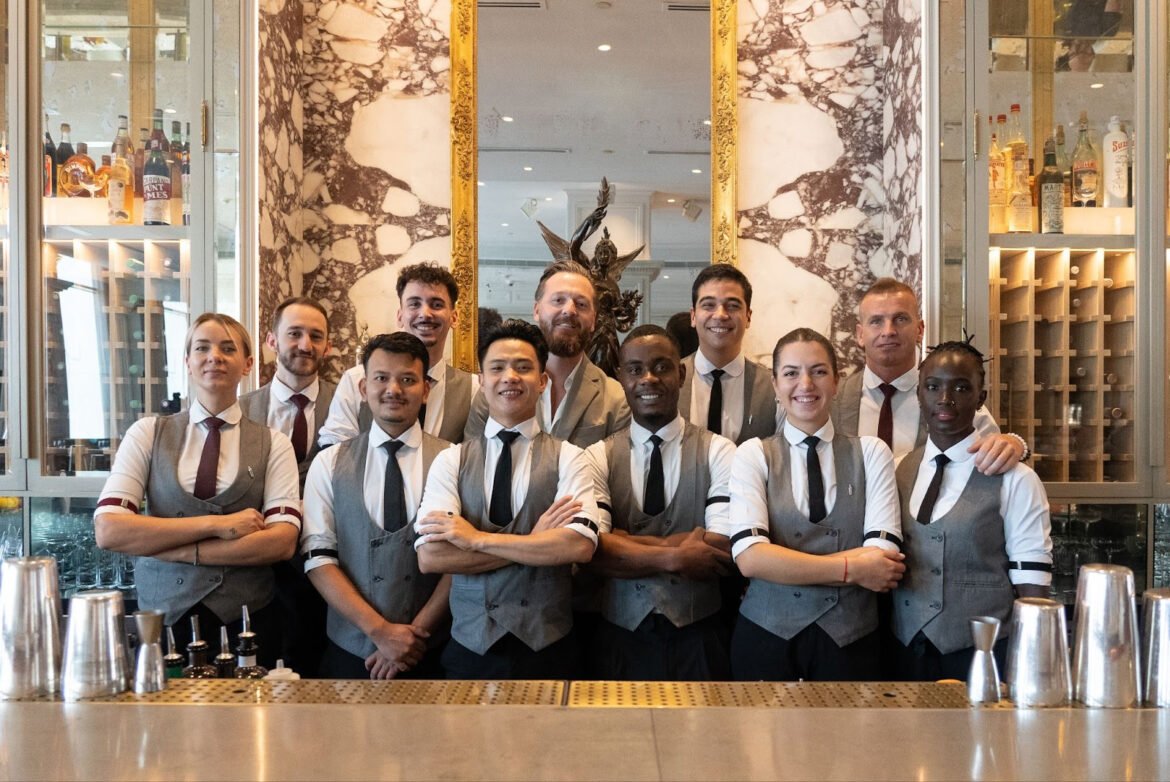
Zuma operates in that upper tier, though its scale is larger than most programme-led bars globally. The combination of restaurant volume , which keeps the kitchen running at the kind of pace that produces consistent food to sit alongside the drinks , and a bar team with international recognition produces something the purely drinks-focused independents cannot easily replicate: a complete evening format where the spirits collection and the kitchen are in genuine dialogue. That dialogue is most visible in the pairing options, where Japanese whisky selections are framed against the robata and sashimi output in a way that is more considered than typical restaurant wine-by-glass service.
For context beyond Dubai, the international frame matters. Bars like Kumiko in Chicago or Bar Leather Apron in Honolulu pursue a similar Japanese-inflected programme discipline in very different market contexts. Jewel of the South in New Orleans and Julep in Houston represent the American craft-spirits end of serious bar programming, while Superbueno in New York City shows how a distinct cultural identity can anchor a cocktail programme at the competitive end of one of the world's densest bar markets. Against these peers, Zuma Dubai's differentiator is operational scale married to programme seriousness , a combination that is genuinely rare at the global level.
For the UAE more broadly, the comparison set extends beyond Dubai itself. Hidden Bar in Abu Dhabi works a specialist gin format in a completely different register, while Lexington Grill and Bar in Ras al Khaimah serves a resort market where programme depth matters less than setting. And Boudoir in Dubai itself addresses a different evening format entirely. Zuma holds its own category.
Planning a Visit
Zuma DIFC sits at Podium Level, Gate Village, Building 3 on Al Mustaqbal Street in Zaabeel Second. The DIFC location means weekday evenings draw a finance and professional crowd, with weekend nights shifting toward a more international leisure mix. For bar-focused visits, midweek evenings from around 7pm allow you to access the counter without the full-service pressure of a weekend dining floor. The venue books ahead for dining; bar seating can be more accessible on a walk-in basis during the week, though this varies with events and corporate buyouts in the Gate Village area.
The Top 500 Bars ranking of #432 in 2025 represents a drop from the 2021 peak of #17, which is worth contextualising honestly. Bar rankings fluctuate significantly based on voting methodology changes and the emergence of new competitors globally , a venue holding any position in the Top 500 across 2025 represents continued recognition in an increasingly crowded field. The Star Wine List recognition running consecutively through 2024, 2025, and 2026 is the more consistent signal here: it reflects the depth of the cellar and back bar as an ongoing programme commitment rather than a single panel's vote in a given year. See our full Dubai restaurants and bars guide for broader context on how Zuma fits within the city's current hospitality map.
Budget and Context
Comparable options at a glance, pulled from our tracked venues.
| Venue | Price | Awards | Notes |
|---|---|---|---|
| Zuma | World's 50 Best | This venue | |
| Barasti Bar | World's 50 Best | ||
| Boudoir | World's 50 Best | ||
| Buddha Bar Dubai | World's 50 Best | ||
| Galaxy Bar | World's 50 Best | ||
| LPM Dubai | World's 50 Best |