
Tabelog 100 #81
Our verdict
A six-seat yakiniku and tripe counter in Kato with Tabelog 100 Yakiniku WEST recognition for 2023, 2024, and 2025. Niku Ryori Nigatsu Kokonoka belongs to the small-format side of Japanese beef dining, where sourcing, cut selection, and pacing matter more than spectacle.

Pearl is the En Primeur Club membership app, where members save venues, book tables and use the concierge.
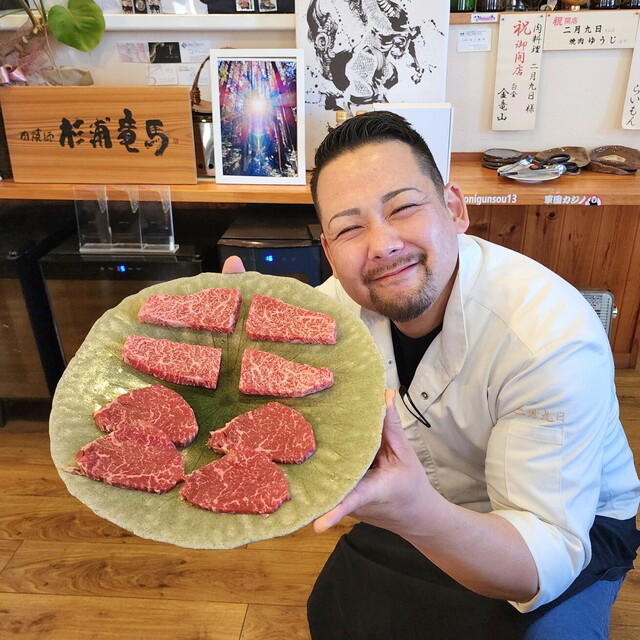
Approaching Kato for dinner changes the expectations around yakiniku. The genre is often associated with neon, group tables, and quick rounds of grilled meat, but Kato’s stronger dining argument can be quieter: focused rooms, planned meals, and a sharper focus on meat as a sourced ingredient rather than a commodity. Niku Ryori Nigatsu Kokonoka sits in that category, a yakiniku and tripe address whose appeal rests on selection, trimming, and sequence.
In Japan, yakiniku covers a wide range, from casual grill houses to specialist counters where the distinction between cuts becomes the meal’s structure. The serious end of the format depends on procurement and butchery as much as fire. Tripe is not a side note in this tradition; it tests freshness, cleaning, texture control, and confidence with parts of the animal that less disciplined kitchens avoid. That is the useful frame here: meat dining in Kato read through sourcing discipline, not through luxury shorthand.
Kato yakiniku dining at a focused scale
Kato is not Osaka or Kobe, and that matters. Outside the major city grid, a restaurant has fewer chances to survive on passing traffic or hotel concierges. Recognition has to come from diners willing to travel, repeat, and compare. Niku Ryori Nigatsu Kokonoka is listed in the Tabelog Hyakumeiten recognition data for 2025, with a score of 3.83 and a dinner price band of JPY 20,000 - JPY 29,999.
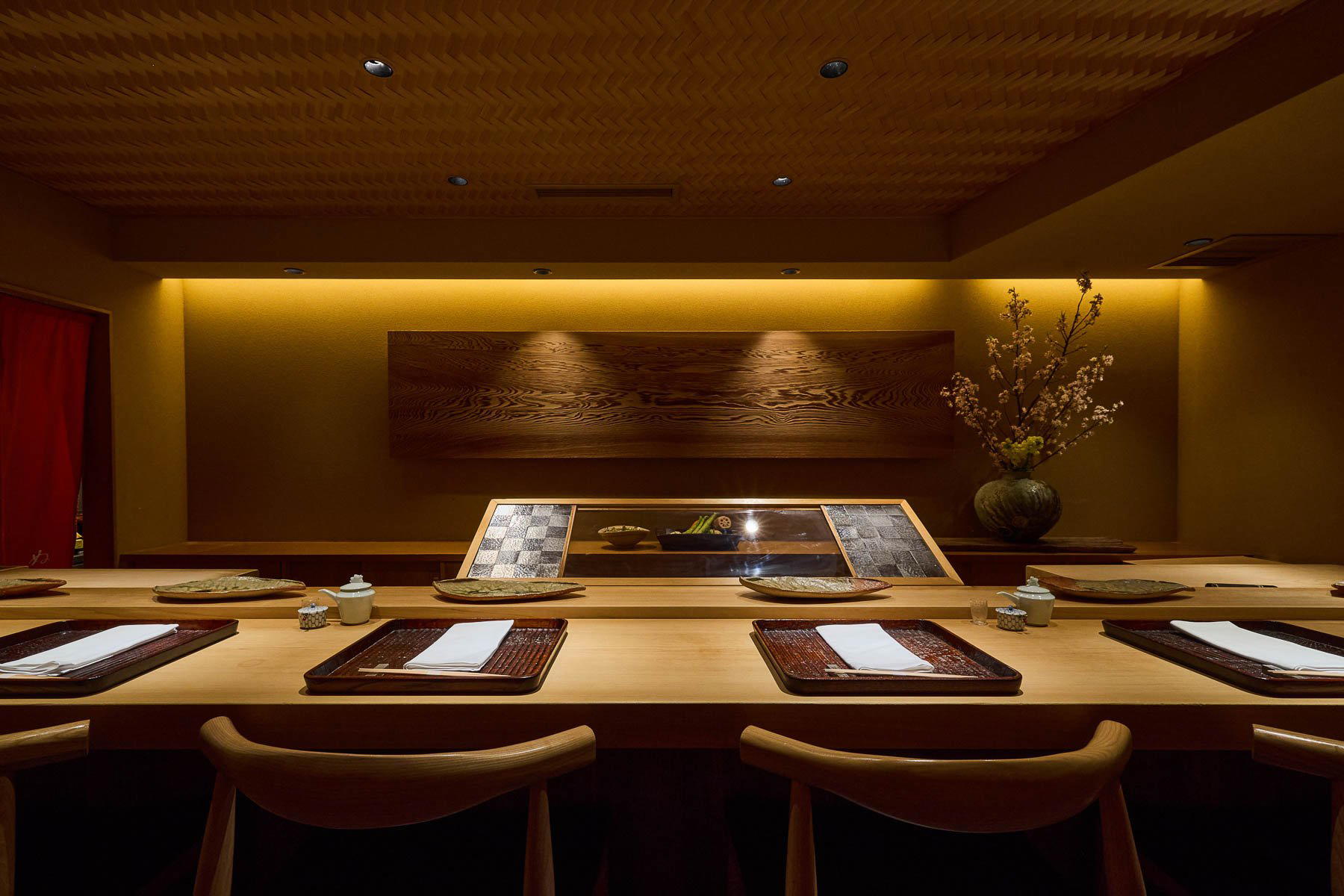
The focused-room format changes the social contract. This is not the kind of meal to treat as a sprawling party or a loud post-work rotation of orders. It points toward a more controlled dinner, where the kitchen can manage the pace and the diner pays attention to progression. In this tier of yakiniku, the meaningful differences are rarely decorative. They sit in how the meat is portioned, how tripe is handled, and how much trust the restaurant asks from guests who are not simply ordering familiar cuts by habit.
The inclusion of tripe in the listed category is a useful signal. Premium Japanese meat dining can drift toward easy markers of status, but tripe complicates that story. It rewards texture, cleaning, and timing; it also widens the meal beyond the usual hierarchy of familiar grilled-meat orders. For travellers who already know polished yakiniku rooms in larger cities, this is the more interesting comparison: a narrower, Kato-based, ingredient-led version of yakiniku rather than a metropolitan showpiece.
Why the Tabelog Hyakumeiten signal matters here
Tabelog’s Hyakumeiten lists are not Michelin-style star systems, but in Japan they function as a serious discovery mechanism for genre specialists. A 2025 Hyakumeiten listing gives this Kato address a clearer identity than a broad restaurant ranking would. It says the place is being read within the language of grilled meat, where diners judge sourcing, cut handling, seasoning restraint, and consistency across repeat visits.
That framing is especially relevant in Kato. The local dining map is not limited to one kind of restaurant, and smaller cities can support places that work with lower volume and higher control, particularly when the format does not require a large brigade or elaborate dining room. The result is a style of destination meal that asks for planning but avoids the theatre often attached to premium meat dining in tourist centres.
Among the comparison venues around the wider area, the price spread also clarifies the point. Chocolaterie Rojira, eS Boulangerie, eS LIVING hanare, Pâtissier Es Koyama, and Luna Parpados Konda occupy dessert, bakery, café, and casual dining lanes at different spend levels. This is a different decision entirely: a dinner built around meat procurement and a controlled room, not an add-on stop during a day of shopping or sightseeing.
How to place it in a Kato itinerary
Kato rewards a slower, planned approach to dining. This is not a neighbourhood where visitors should assume they can drift between bars, restaurants, and late-night counters on foot. The better plan is to treat dinner as the anchor of the evening and build the rest of the day around the region’s quieter rhythm. For broader planning, start with Our full Kato restaurants guide, then use Our full Kato hotels guide, Our full Kato bars guide, Our full Kato wineries guide, and Our full Kato experiences guide to decide whether to stay locally or fold the meal into a wider route.
Travellers mapping Japanese yakiniku meals across the country should compare formats rather than chase a single category label. Other meat-led dining rooms can speak to different traditions, service rhythms, and price points, while Niku Ryori Nigatsu Kokonoka is best understood through its own listed categories: yakiniku and tripe. The broader Japanese table can be traced through many kinds of specialist restaurants, each showing how tightly a meal can define its purpose around one clear idea.
The same planning logic applies beyond Kato. A focused Japanese meal in another city is not equivalent to Kato yakiniku, but it can help frame how different formats shape different urban habits. For contrast, other dining in Kato and elsewhere may be built around café culture, regional casual dining, sweets, bakeries, or a single comfort-food premise. Niku Ryori Nigatsu Kokonoka is narrower, more controlled, and more dependent on the diner’s interest in yakiniku and tripe as craft.
Frequently asked questions
Can I bring kids to Niku Ryori Nigatsu Kokonoka?
Those details are not published. For a focused yakiniku room like this, children usually depend on the booking setup and the party size. Check the venue's official channels for the latest details.
Is Niku Ryori Nigatsu Kokonoka formal or casual?
It reads as a focused yakiniku and tripe restaurant in Kato rather than a formal fine-dining room. The Tabelog Hyakumeiten 2025 listing signals serious recognition, but current service details should be confirmed directly before booking.
What should I budget for a meal at Niku Ryori Nigatsu Kokonoka?
Pricing at Niku Ryori Nigatsu Kokonoka is listed as JPY 20,000 - JPY 29,999 for dinner.
What time does Niku Ryori Nigatsu Kokonoka open and close?
Published hours are not provided here. Check the venue's official channels for the latest opening times before making the trip to Kato.
Quick Comparison
Comparable venues by cuisine and price in the same metro.
| Venue | Cuisine | Price | Awards | Notes |
|---|---|---|---|---|
| Niku Ryori Nigatsu KokonokaThis venue (the venue you are viewing) | Yakiniku (Japanese BBQ) & offal | Not listed | Tabelog 100 #81 | Not listed |
| Yamaki (弥満喜) | Traditional Japanese chicken restaurant featuring Okukuji Shamo | $10–20 | Tabelog 100 #49 | 大子町 |
| Grill The Butcher Nagano (グリル ザ ブッチャー 長野) | Shinshu Beef Steakhouse | $20–30 | Not listed | Nagano Station |
| Nagano Meijitei (明治亭) | Nagano Sauce Katsudon | $10–20 | Not listed | Nagano Station |
| Tsumugi (つむぎ) | Japanese Tonkatsu Specialty | $10–20 | Not listed | Hakuba-mura |
| あまご茶屋 | Amago Trout Specialist | Not listed | Not listed | 修善寺 |
Recognition history
Dated appearances from independent guides and award organizations, with the underlying list record or original source where available.
Tabelog 100 #81 · No. 81
Tabelog · Tabelog 100 - Yakiniku - WEST - 2025
Continue exploring
More in Kato
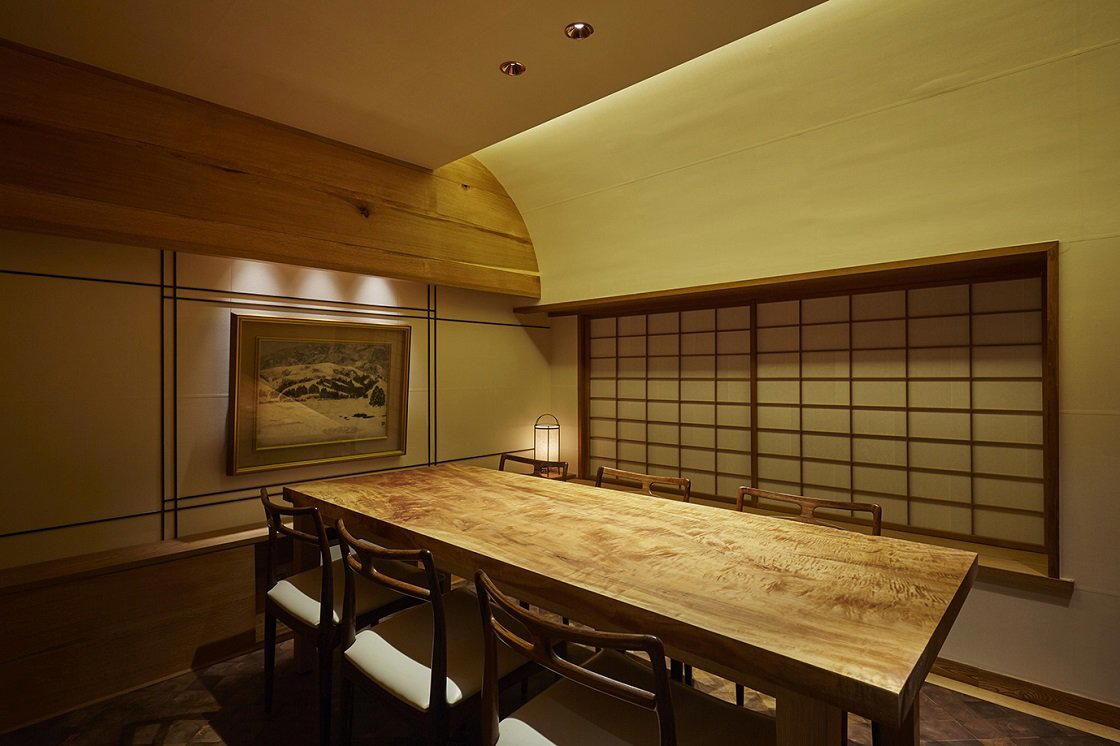
Restaurants in Kato
All restaurants in Kato →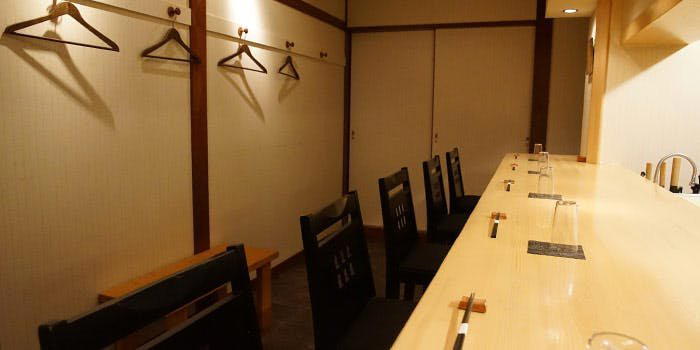
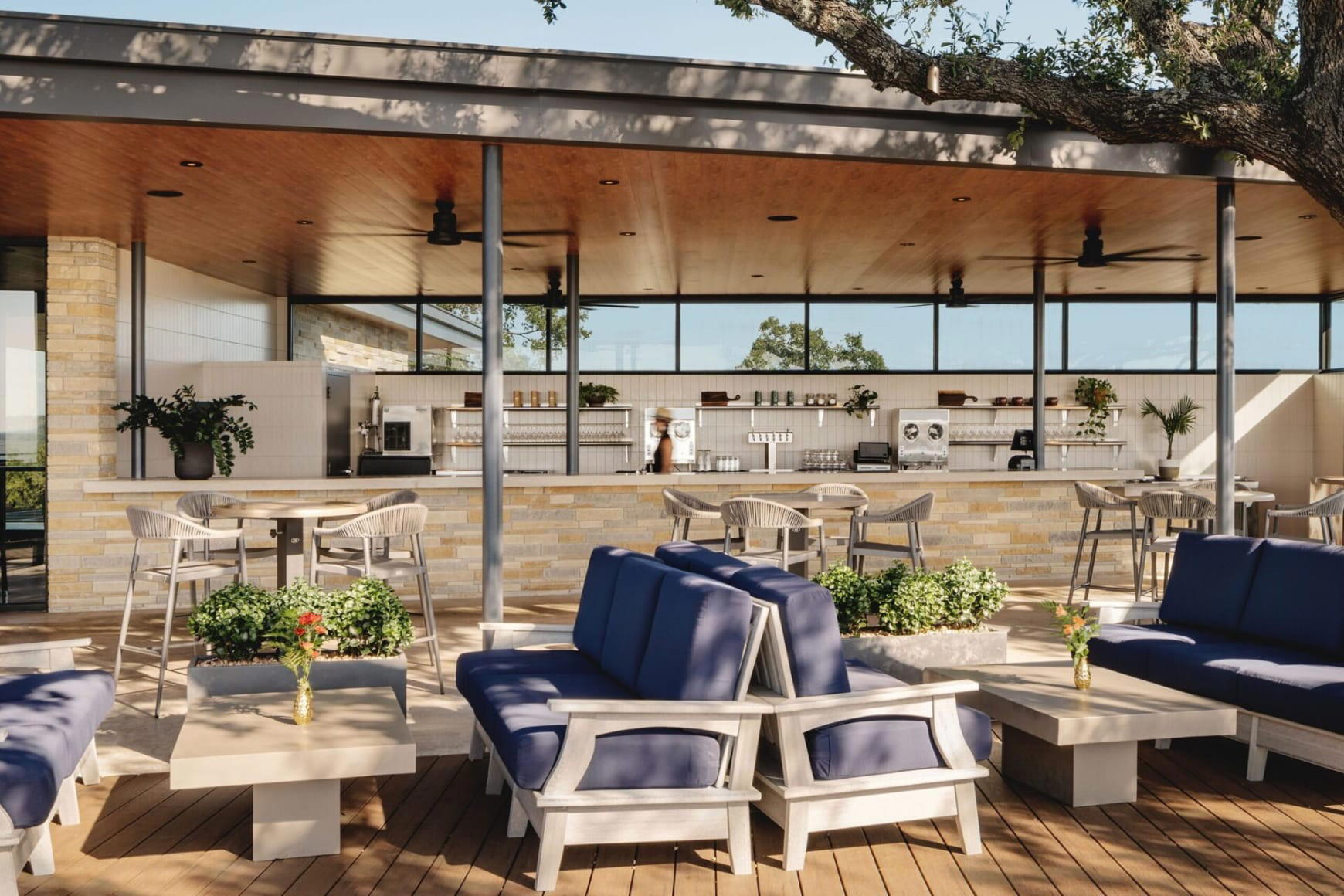
Bars in Kato
Browse all →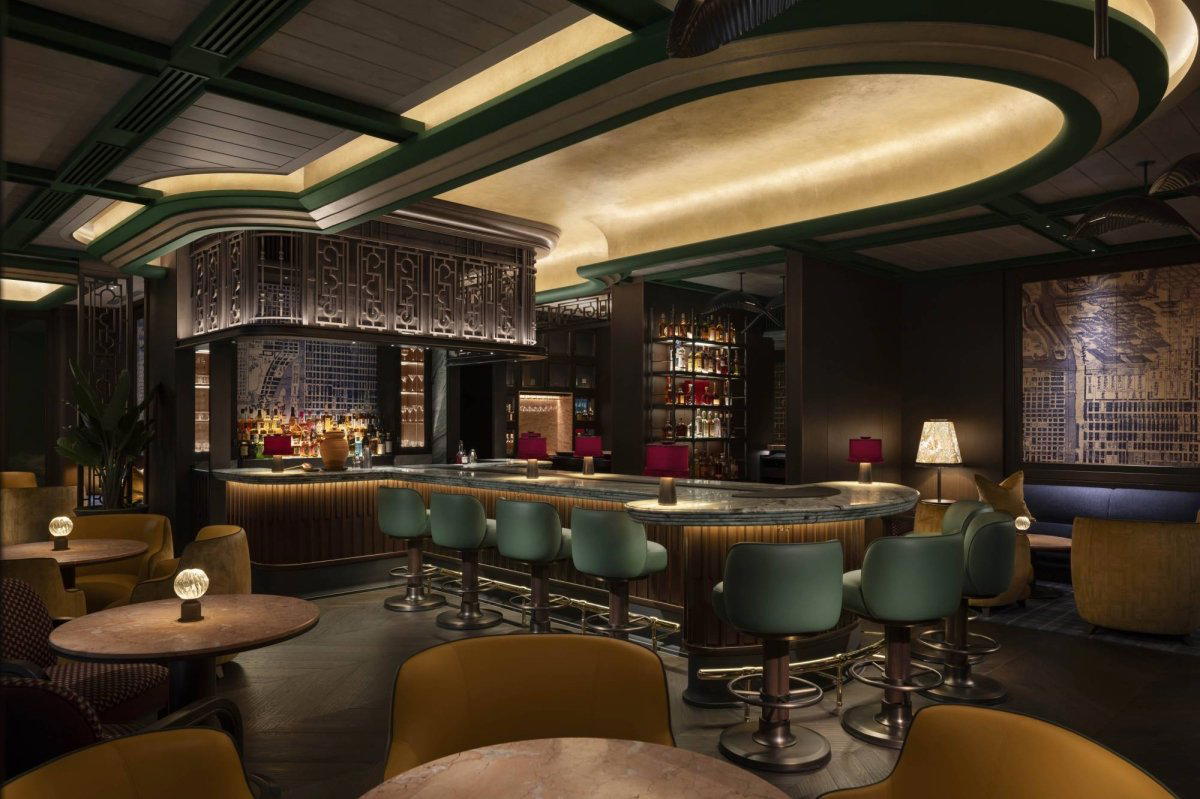

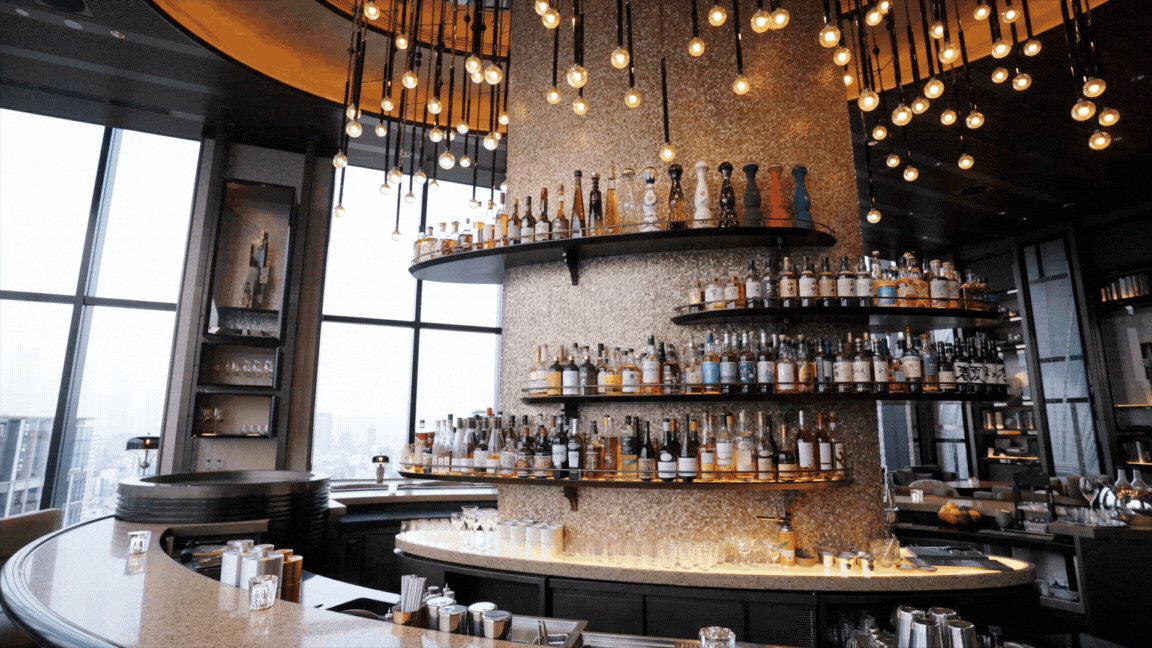


Hotels in Kato
Browse all →

Wineries in Kato
Browse all →
Details
- Group Dining
- Casual Hangout
- After Work
- Standalone
- A La Carte
Current opening hours
- Monday
- 5–9 PM
- Tuesday
- 5–9 PM
- Wednesday
- 5–9 PM
- Thursday
- 5–9 PM
- Friday
- 5–9 PM
- Saturday
- 5–9 PM
- Sunday
- 5–9 PM
Hours can change for holidays and private events. Hours as of .
Casual local yakiniku spot with a compact dining room and the relaxed, smoky atmosphere typical of Japanese BBQ restaurants.