
Nihonbashi Nagato belongs to Tokyo’s old-school wagashi circuit rather than its dessert-cafe boom: take-out only, modestly priced, and selected for Tabelog’s Japanese traditional sweets / Japanese sweets cafe Tokyo 100 in 2023, with earlier Sweets Tokyo 100 selections in 2020 and 2022. Its value is clearest for travellers planning a tightly routed Tokyo food day around Nihonbashi and Yaesu.
Pearl is the En Primeur Club membership app — saves, bookings, and concierge access live there. Same editors, same standards.
- Address
- 東京都中央区日本橋3-1-3 日本橋長門ビル 1F
- Phone
- +81332718966
- Website
- nagato.ne.jp
 Saves & bookings on Pearl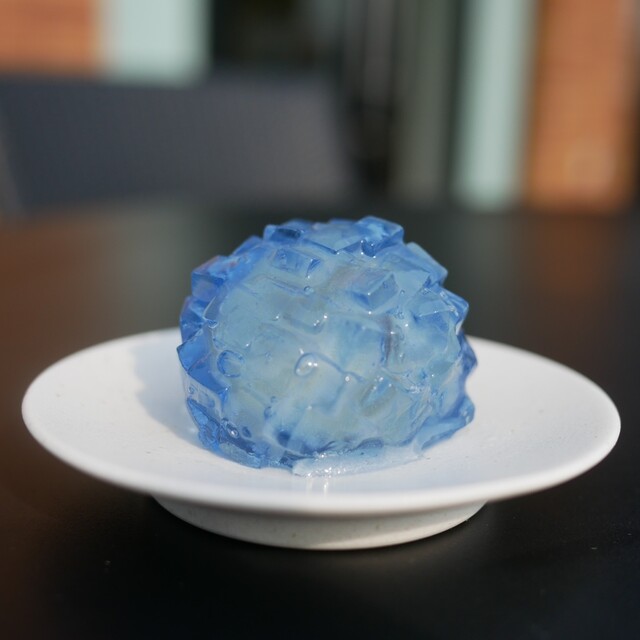
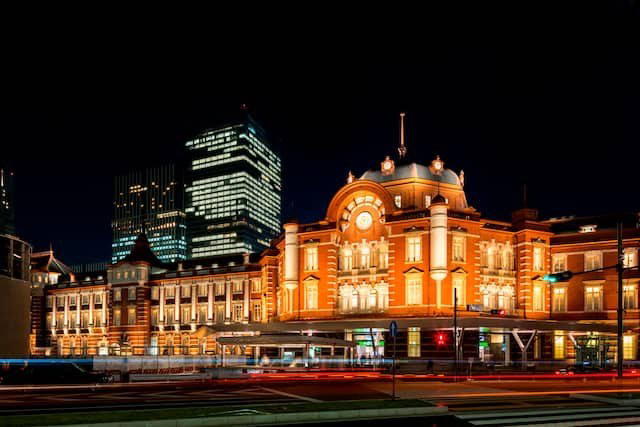
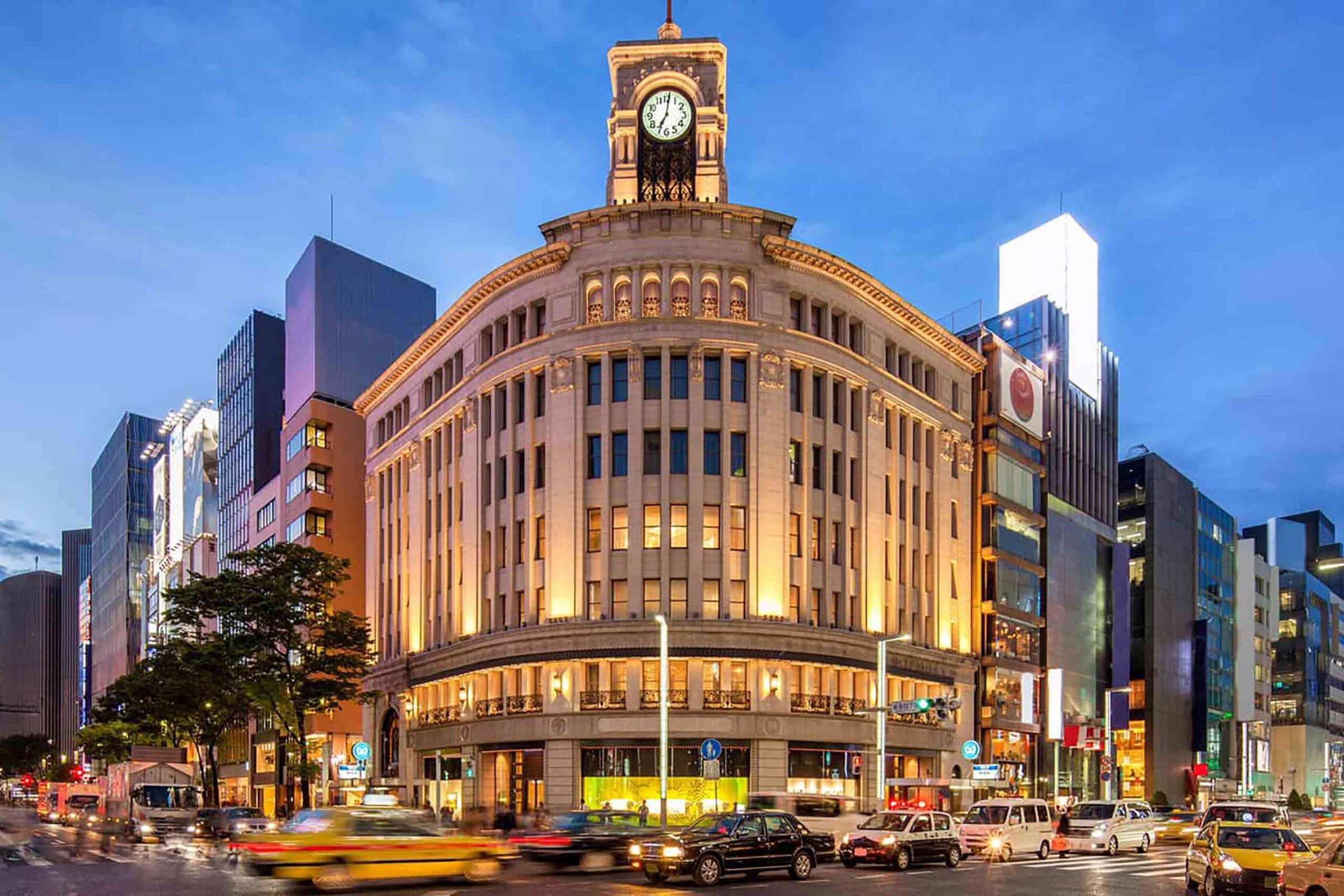
Approaching the Nihonbashi side of Tokyo Station, the city shifts from platform urgency to mercantile order: department stores, office towers, old shop names, and the steady foot traffic of people buying something precise before moving on. In that setting, wagashi makes more sense as a planned stop than a lingering dessert course. Nihonbashi Nagato operates in the compact, take-out tradition of Japanese sweets, where the transaction is brief and the judgment sits in craft, continuity, and timing rather than room design.
Tokyo’s dessert scene now splits into several tracks. There are camera-led cafes, European patisserie counters, department-store sweets floors, and older wagashi specialists built around gifting, tea service, and seasonal etiquette. The Nihonbashi address matters because this district has long connected commerce and ceremony: a place where a small box of sweets can function as hospitality, apology, celebration, or office courtesy. That social role explains why a serious wagashi shop can be more logistically useful to a traveller than another sit-down restaurant.
A take-out wagashi stop in a district built for precision buying
The format is the point. A take-out-only sweets counter asks for a different kind of planning from Tokyo’s reservation-heavy restaurants: arrive with a purpose, know that selection and timing can matter, and treat the stop as part of a wider day rather than the day’s anchor. This is not the same decision as booking a full meal at 日本橋ゆかり, sitting down for eel at Yaesu Unagi Hashimoto, or committing to higher-spend beef at Yakiniku Yazawa Toukyou. Wagashi belongs to a smaller, more portable grammar of Tokyo eating.
That grammar has its own hierarchy. Tabelog selected Nihonbashi Nagato for its Japanese traditional sweets / Japanese sweets cafe Tokyo 100 list in 2023, after Sweets Tokyo 100 selections in 2020 and 2022. In a city where sweets are often treated as either department-store convenience or social-media theatre, that recognition places the shop inside a narrower peer group: specialists judged by consistency and category authority, not by dining-room theatre.
The founding note, in the Kyoho era, gives the shop a longer historical frame than most Tokyo food stops can claim. That should not be read as nostalgia on its own. In wagashi, longevity matters because recipes, packaging habits, gift expectations, and seasonal rhythms are part of the category’s public language. A shop with that degree of continuity is not selling novelty; it is participating in a form that Tokyo customers already understand.
Why the planning matters more than the ceremony
For travellers, the smarter comparison is not only with other sweets counters. It is with how a Tokyo day is assembled. A wagashi stop near a major rail hub can sit before a train, after a department-store visit, or between meals when a full cafe pause would slow the route. That makes it more flexible than a multi-course lunch, but less casual than grabbing a convenience-store snack. The decision works when the itinerary has room for a short, purposeful detour.
The price tier keeps the stakes low while the recognition keeps the stop editorially interesting. Tokyo has many inexpensive sweets counters; fewer combine old-line identity, central geography, and Tabelog category selection. That combination is the reason to plan ahead rather than rely on whatever is closest when dessert becomes an afterthought.
Within the immediate area, the contrast is useful. Kisetsu Ryori Ishii represents a more meal-oriented Japanese format, AU BON VIEUX TEMPS Nihonbashi takashimaya ten brings a French patisserie reference into the department-store orbit, and the target here sits on the wagashi side of the divide. None of those roles cancels the others. They show how Nihonbashi compresses multiple Tokyo food traditions into a few blocks: formal Japanese cooking, eel, beef, French sweets, and old Japanese confectionery.
How to place it in a Tokyo food itinerary
The strongest use case is a traveller already moving through Nihonbashi, Yaesu, or Tokyo Station, especially on a day built around multiple small stops rather than one long meal. For a broader restaurant map, Our full Tokyo restaurants guide helps frame the city beyond central wards; hotel planning sits separately in Our full Tokyo hotels guide, while drinking routes belong in Our full Tokyo bars guide. Travellers building a wider Japan itinerary can compare the Tokyo rhythm with [ki:] in Kyoto, .cafe in Osaka.know in Kumamoto, [Curry Senmon Ten] Maruyama Kyoju. in Sapporo, (Shoku) Vietnam in Kawasaki, and -Grilled beef Sukiyaki- KAMAKURA TANUKIAN 鎌倉 たぬき庵 in Kamakura.
Tokyo’s range is better understood through contrasts than through a single category.. 鮪と炭火焼き うお炭 秋葉原店, 12/10 Shinjuku ten, 124. KAGURAZAKA (Yakitori), 2D Cafe, and 3 Chome no Curry Ya San point to different versions of the city: grilled fish, Shinjuku dining, yakitori, graphic cafe culture, and curry-counter specificity. For category completists, Our full Tokyo wineries guide and Our full Tokyo experiences guide broaden the planning lens beyond restaurants. Japanese food culture also travels outward: Jōdo Saké Bar in Los Angeles and Onigiri Time in Pasadena show how specific formats read once removed from their home context.
The editorial verdict is simple: this is a precision stop for people who understand that Tokyo eating is not only about long reservations and counters with fixed menus. It is about knowing when a small purchase carries more cultural information than another full meal. In Nihonbashi, wagashi still has that power.
A Minimal
Comparable venues by category and price.
| Venue | Cuisine | Price | Notes |
|---|---|---|---|
| Nihonbashi NagatoThis venue — the venue you are viewing | Not listed | $ | Not listed |
| Kitchen Nankai (キッチン南海) | Jimbocho, Classic Yoshoku Katsu Curry | $ | Not listed |
| Sakadachi | Chūō, Standing Japanese izakaya bar | $ | Not listed |
| American | Not listed | $ | Chūō, Classic Ginza kissaten & sandwich café |
| 御料理 心馬 | Chūō, Japanese Asian Restaurant | $ | Not listed |
| Okashi Dokoro Sasama | Not listed | $ | Chiyoda, Traditional Japanese Wagashi Shop |
Recognition history
Dated appearances from independent guides and award organizations, with the underlying list record or original source where available.
Tabelog 100 #30 · No. 30
Tabelog · Tabelog 100 - Japanese traditional sweets / Japanese sweets cafe - TOKYO - 2023






At a Glance
- Classic
- Well Known
- Quiet
- Cozy
- Solo
- Family
- Casual Hangout
- Historic Building
- Standalone
- Local Sourcing
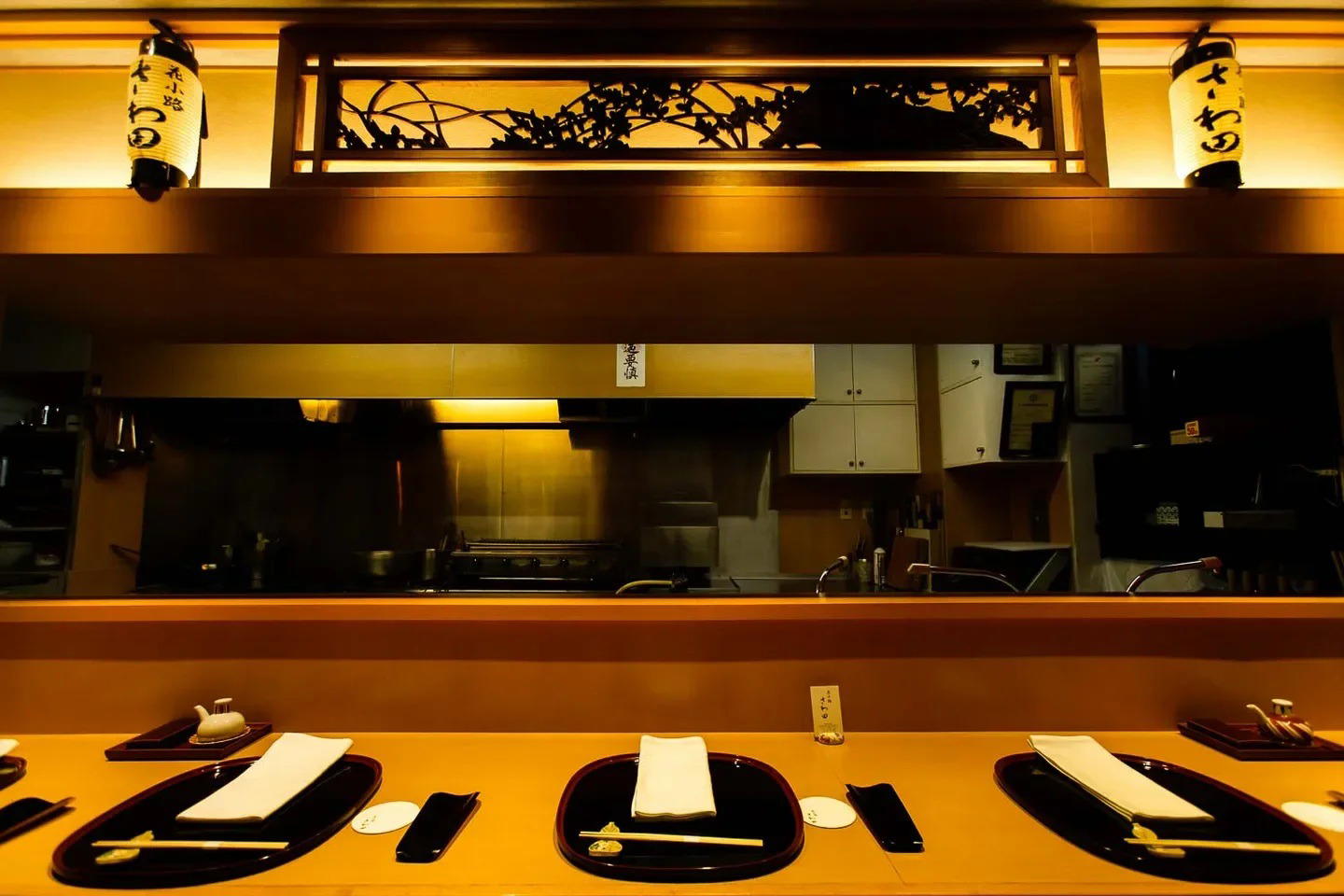
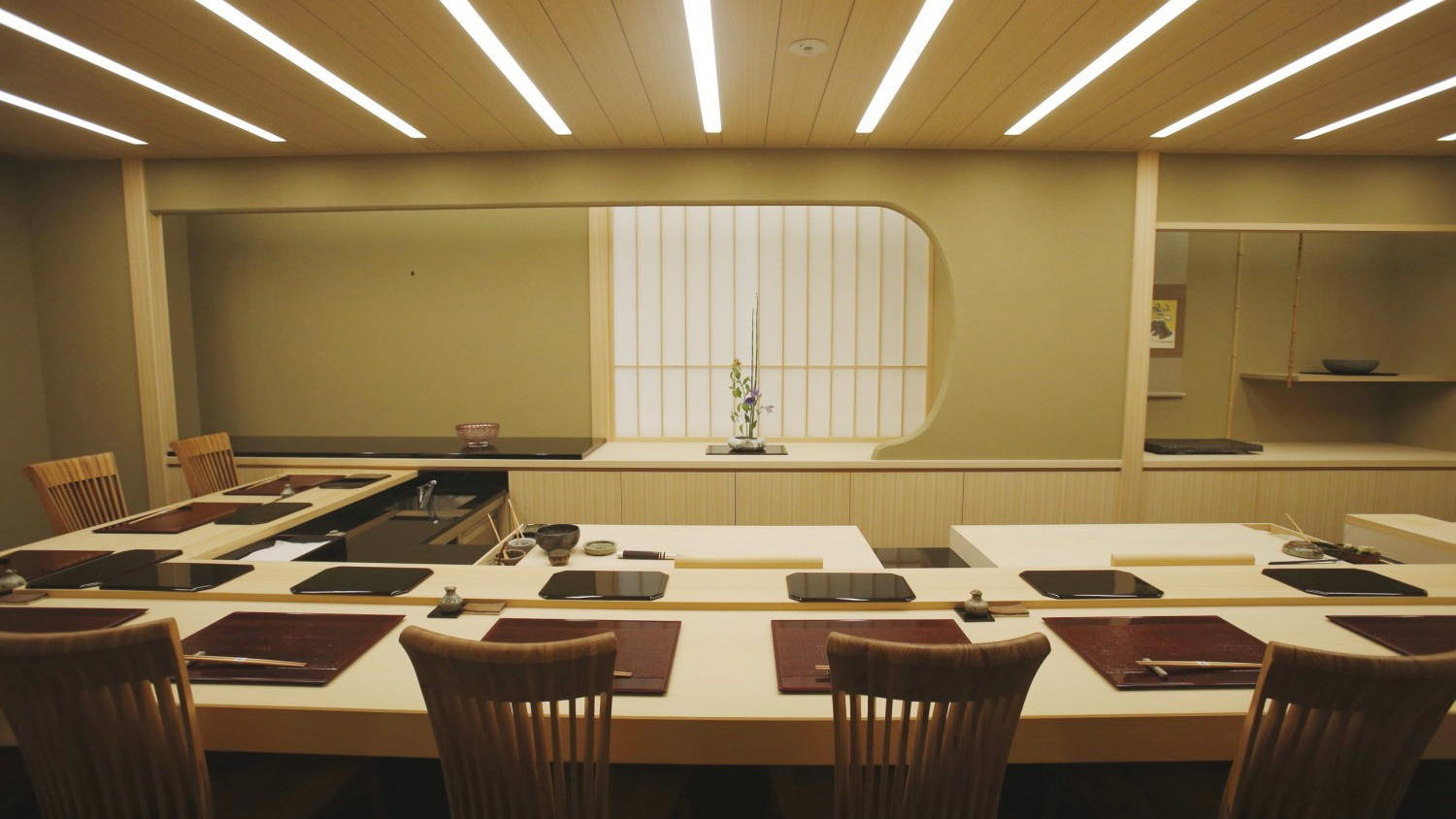
A small, quiet, traditional wagashi shop evoking Edo-period Nihonbashi, with a classic feel focused on takeaway sweets rather than sit-down dining.