Our verdict
Ông Côi 1935 brings Vietnamese dining to Hermannstraße 8 in central Chemnitz, operating in a city whose restaurant scene has quietly diversified well beyond its industrial past. The name's date reference signals a historical anchor point — a common framing device in Vietnamese restaurant culture that speaks to heritage and continuity. Visitors should confirm current hours and booking arrangements directly before visiting.

Pearl is the En Primeur Club membership app — saves, bookings, and concierge access live there. Same editors, same standards.
- Address
- Hermannstraße 8, 09111 Chemnitz, Germany
- Phone
- +491781721118
- Hours
- Mon 11 AM–2:30 PM, 5–10 PMTue ClosedWed–Fri 11 AM–2:30 PM, 5–10 PMSat–Sun 5–10 PM
- Directions
- Get directions
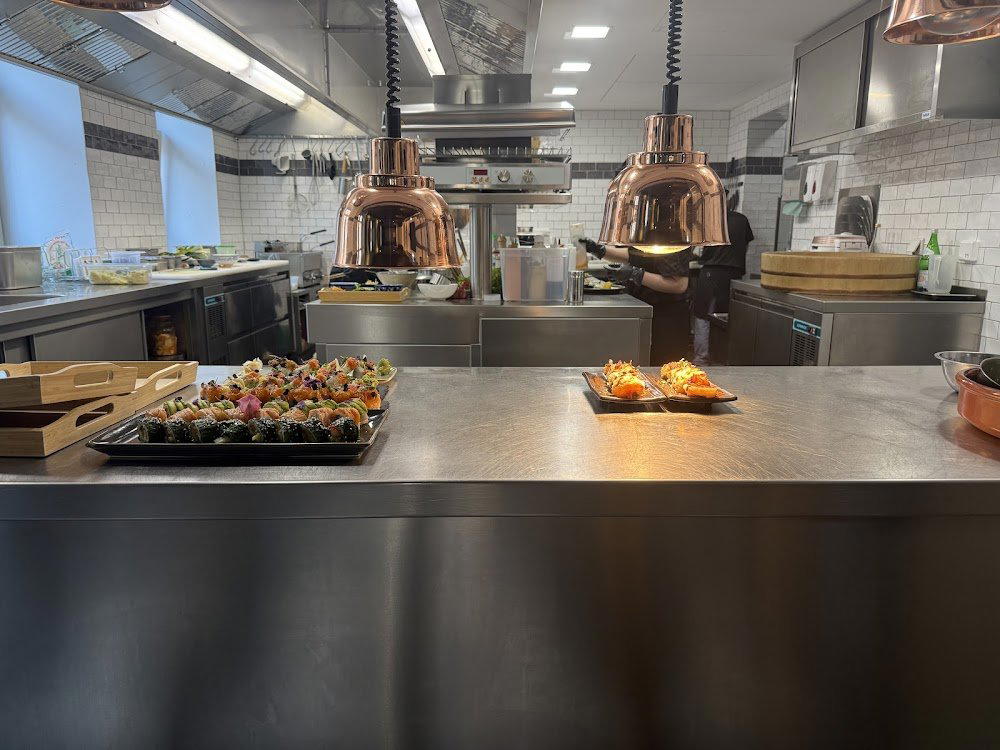
The menu
What to order
- Wagyū-Rind A5
- SALMON ON FIRE
- SPICY TUNA-LISA
- HAMACHI JALAPENO
Vietnamese Dining in an Unlikely German City
Chemnitz does not appear in most German dining itineraries. The city's culinary profile sits closer to Saxon tradition and mid-range international fare than to the Michelin-tracked restaurant corridors of Munich, Hamburg, or Berlin — where venues like JAN in Munich and Restaurant Haerlin in Hamburg anchor Germany's fine-dining conversation. Yet cities like Chemnitz, precisely because they sit outside that circuit, often develop informal dining cultures that reward attention. Vietnamese restaurants are part of that story in East German cities, where Vietnamese communities established roots decades ago and built some of the most consistent Southeast Asian cooking in the country.
Ông Côi 1935, at Hermannstraße 8 in central Chemnitz, positions itself within that tradition through its name alone. The year 1935 functions as a heritage marker — a gesture toward continuity and historical depth that Vietnamese restaurant culture frequently employs to anchor a menu's identity. Whether that reference points to a founding date, a family lineage, or a culinary era, the framing communicates something deliberate: this is a kitchen that wants to be read as rooted rather than trend-driven.
What the Name Tells You About the Menu
Menu architecture in Vietnamese restaurants often follows one of two broad approaches. The first is the wide-net format: long laminated menus covering pho, bun bo Hue, banh mi, stir-fries, rice dishes, and a dessert page. The second is the edited approach: a shorter list organized around a specific regional identity or family repertoire, where the kitchen's choices signal confidence rather than comprehensiveness. The year in Ông Côi 1935's name suggests an inclination toward the latter, a menu that traces back to something specific rather than attempting to represent Vietnamese cuisine in its entirety.
Vietnamese cooking across Germany has grown considerably more sophisticated in its presentation over the past decade. Early-generation Vietnamese restaurants in East German cities prioritized accessibility and volume; newer establishments, including many in smaller cities, have moved toward more considered menus that foreground broth clarity, herb freshness, and the kind of textural contrast that defines the cuisine at its most precise. Where a restaurant positions itself within that evolution is usually readable from its menu structure before a dish even arrives at the table.
For context on what focused menu architecture can look like at the far end of the spectrum, CODA Dessert Dining in Berlin and Atomix in New York City both demonstrate how a tightly constrained format can function as a statement of intent. The comparison is not one of price tier or cuisine type, but of philosophy: the willingness to narrow scope in order to deepen execution.
Chemnitz's Dining Scene as Context
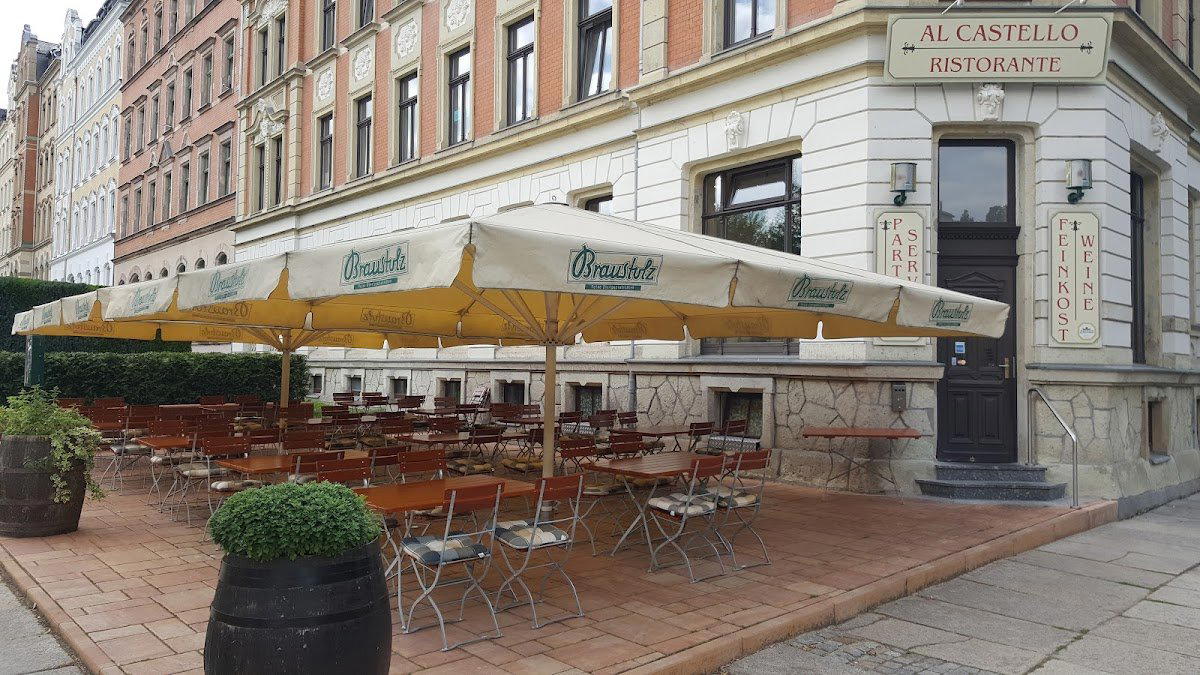
Chemnitz became the European Capital of Culture for 2025, a designation that has accelerated investment in the city's cultural infrastructure and drawn attention to its restaurants, bars, and public spaces in a way that was not true even three years ago. That context matters for visitors planning a dining itinerary. The city's restaurant offering spans Saxon pub cooking at places like Gaststätte Hilbersdorfer Höhe, Turkish grill traditions at A&F; Restaurant Ocakbasi, Italian at Al Castello, Middle Eastern at Bab Scharqi, and international formats at alexxanders. The full picture is mapped in our full Chemnitz restaurants guide.
Vietnamese dining fits naturally within this pattern of internationalized mid-market eating that characterizes many mid-sized German cities. It tends to occupy a price point that makes it accessible for regular dining rather than occasion-driven visits, and in cities without a deep fine-dining infrastructure, it often represents some of the most technically demanding cooking available, broth-based dishes in particular require time and attention that many Western kitchen formats do not.
Germany's most acclaimed kitchens, Aqua in Wolfsburg, Schwarzwaldstube in Baiersbronn, Vendôme in Bergisch Gladbach, Victor's Fine Dining by christian bau in Perl, Waldhotel Sonnora in Dreis, Schanz in Piesport, and ES:SENZ in Grassau, operate in a different tier entirely, oriented around tasting menus, destination travel, and Michelin recognition. Ông Côi 1935 belongs to a separate and equally valid category: neighbourhood-anchored cooking that serves a city's residents rather than its tourism circuit. Those are not competing ambitions; they describe different functions.
Planning Your Visit
Hermannstraße 8 places Ông Côi 1935 in central Chemnitz, accessible on foot from the city's main shopping and transport corridors. The 2025 European Capital of Culture programming has increased visitor footfall across the city centre, which may affect availability at popular neighbourhood restaurants during event periods.
Price expectations for Vietnamese dining at this type of establishment in Germany generally sit in the accessible mid-range, though exact current pricing should be verified on arrival or through direct contact.
Frequently asked questions
How do I find Ông Côi 1935?
Ông Côi 1935 is located at Hermannstraße 8, 09111 Chemnitz, Germany, Chemnitz.
Is Ông Côi 1935 a good choice for dining in Chemnitz during the 2025 European Capital of Culture events?
Chemnitz's Capital of Culture status in 2025 has brought a significant rise in cultural visitors to the city, and restaurants in the central Hermannstraße area are well-placed to absorb that footfall. Ông Côi 1935 offers a Vietnamese option in a dining scene dominated by Saxon and generic European formats, which makes it a practical and distinct choice for visitors exploring the city beyond its festival programme. Availability during peak cultural event weekends is likely to be tighter than usual, so confirming your visit with the restaurant directly is advisable.
What should I eat at Ông Côi 1935?
The name Ông Côi 1935 signals a reference point tied to a specific era of Vietnamese culinary tradition, which typically means the menu leans toward northern or central Vietnamese staples rather than a sprawling pan-Asian list. Dishes to prioritise are those anchored to broth-based or street-food formats — the categories where restaurants with this kind of named identity tend to concentrate. Specific current menu items are best confirmed directly at Hermannstraße 8 or via the venue ahead of your visit.
Should I book Ông Côi 1935 in advance?
Chemnitz holds the European Capital of Culture designation for 2025, which has measurably increased visitor traffic across the city centre — including the Hermannstraße corridor where Ông Côi 1935 is located. For weekend evenings in particular, contacting the venue ahead of your visit is a reasonable precaution. Current booking policies and contact details are not published online, so a direct approach to the restaurant is the most reliable route.
What's Ông Côi 1935 best at?
Restaurants that carry a founding year in their name — in this case 1935 — typically use that reference to signal continuity with a source tradition rather than a fusion or contemporary adaptation. That positions Ông Côi 1935 within the category of Vietnamese restaurants that prioritise depth in a narrower range of dishes over breadth. In Chemnitz, where Vietnamese cuisine sits outside the mainstream dining scene, that kind of specificity tends to be the defining strength.
Is Ông Côi 1935 good for vegetarians?
Vietnamese cooking has a broader vegetarian range than many European diners expect — rice-based dishes, tofu preparations, and vegetable-forward soups are standard across the tradition. Checking directly with the restaurant at Hermannstraße 8, Chemnitz before visiting is the practical step for anyone with dietary requirements.
Is Ông Côi 1935 worth the price?
Current pricing is not published, but the broader context is relevant: Vietnamese restaurants in mid-sized German cities like Chemnitz typically sit in the €10–€20 per main course range, well below equivalent Asian dining in Frankfurt or Munich. Chemnitz's cost base generally keeps restaurant pricing accessible by German urban standards. The 1935 reference in the name suggests the food is the draw rather than a high-spend atmosphere, which shifts the value calculation toward the plate.
Awards and Standing
Comparable venues nearby, for context on price, style, and recognition.
| Venue | Cuisine | Price | Notes |
|---|---|---|---|
| Ông Côi 1935This venue — the venue you are viewing | Modern Japanese Sushi Fusion | Not listed | Not listed |
| A&F Restaurant Ocakbasi | Turkish Ocakbasi | $20–30 | Zentrum |
| RESTAURANT SYRTAKI | Authentic Greek | Not listed | Neefestraße |
| Maharadscha Palast | Authentic Indian | $20–30 | Zentrum |
| Restaurant Paradise | Indian | $10–20 | Zentrum |
| KostBar - Chemnitz | Modern German | $20–30 | Zentrum |
Continue exploring
More in Chemnitz
Restaurants in Chemnitz
Browse all →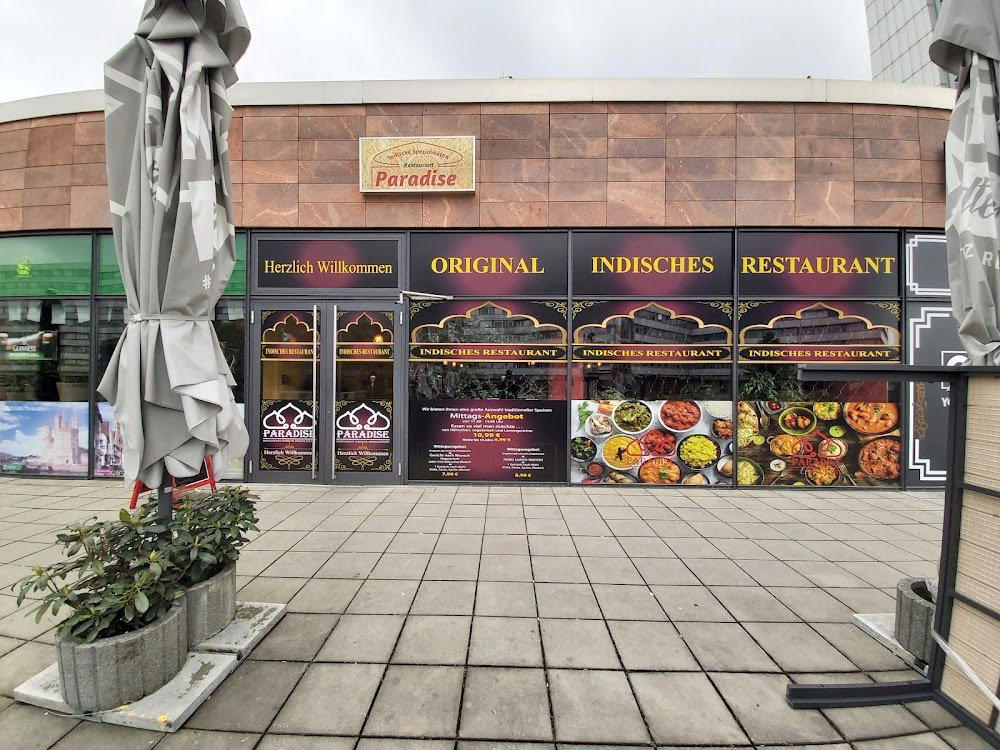
Bars in Chemnitz
Browse all →
Wineries in Chemnitz
Browse all →
Details
- Cozy
- Modern
- Intimate
- Date Night
- Casual Hangout
- Open Kitchen
- Natural Wine
- A La Carte
- Small Plates
- Vegetarian Friendly
Current opening hours
- Monday
- 11 AM–2:30 PM, 5–10 PM
- Tuesday
- Closed
- Wednesday
- 11 AM–2:30 PM, 5–10 PM
- Thursday
- 11 AM–2:30 PM, 5–10 PM
- Friday
- 11 AM–2:30 PM, 5–10 PM
- Saturday
- 5–10 PM
- Sunday
- 5–10 PM
Hours can change for holidays and private events. Last verified .
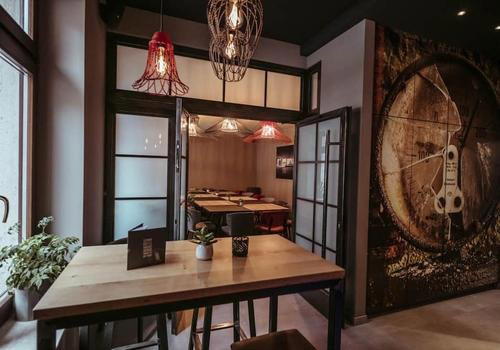
Cozy and inviting with modern decor, well-suited for small groups of up to 12 guests.