A Greek restaurant on Neefestraße in Chemnitz's southwestern quarter, Restaurant Syrtaki occupies a niche that few other addresses in the city cover: Hellenic cooking in a setting that reads less as novelty than as neighbourhood fixture. In a dining scene where international options cluster around the centre, Syrtaki offers a distinct alternative worth knowing about before you go.
Pearl is the En Primeur Club membership app — saves, bookings, and concierge access live there. Same editors, same standards.
- Address
- Neefestraße 42, 09119 Chemnitz, Germany
- Phone
- +491727408081
- Website
- syrtaki-chemnitz.de
- Directions
- Get directions
 Saves & bookings on Pearl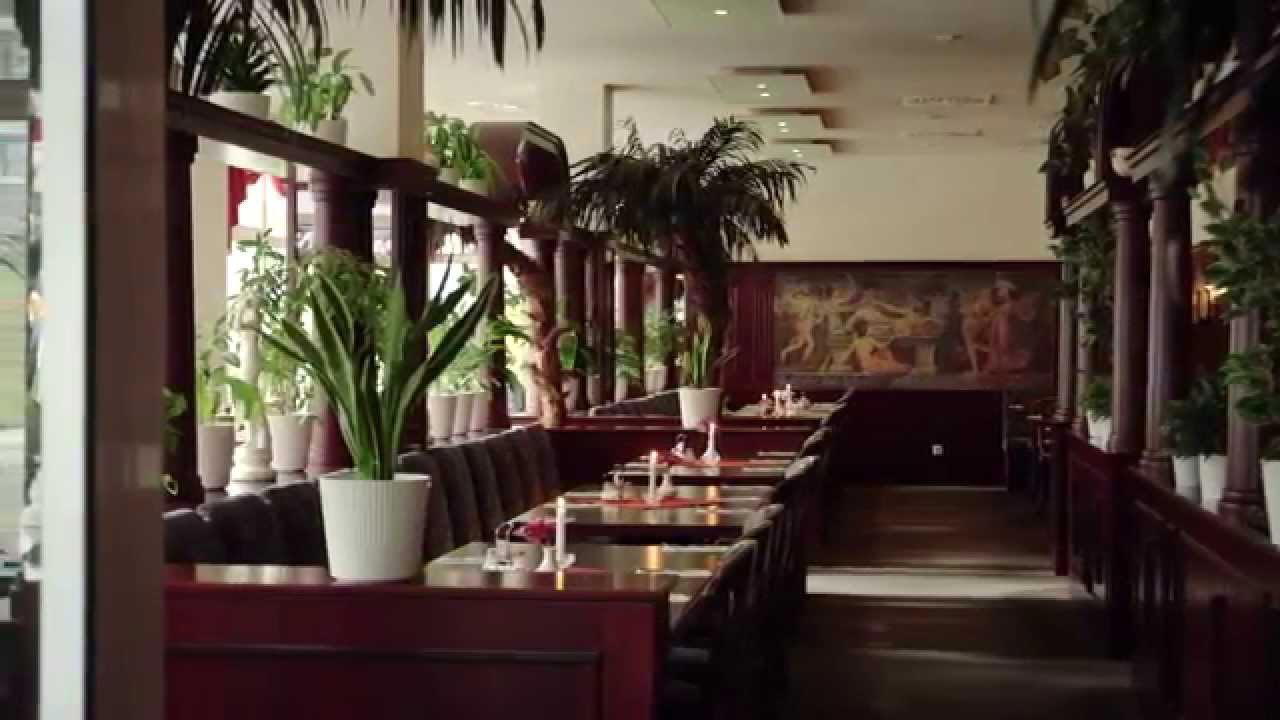
Greek Cooking in a City Still Building Its Dining Map
Chemnitz's restaurant scene is at an interesting inflection point. The city, long defined by its industrial heritage and still recalibrating its cultural identity after decades of post-reunification transition, has developed a dining profile that mixes dependable German staples with a handful of international addresses spread unevenly across its districts. The centre draws the heaviest foot traffic, but the southwestern stretches of the city, where Neefestraße runs through quieter residential blocks, host a different kind of dining: places that function as local anchors rather than destination draws. Restaurant Syrtaki is at Neefestraße 42, 09119 Chemnitz, Germany, serving Authentic Greek cooking at a casual, reservation-recommended address.
Greek restaurants in mid-sized German cities tend to occupy a specific position in the dining hierarchy. They are rarely positioned against fine-dining competitors; instead, they earn loyalty through consistency, generous portions, and a format that accommodates groups without demanding advance ceremony. That positioning matters for planning. In a city like Chemnitz, where restaurants such as Al Castello cover Italian territory and Bab Scharqi represents Middle Eastern cooking, each international address fills a specific gap. Syrtaki fills the Greek one.
What the Address Tells You Before You Walk In
Approaching a restaurant on a secondary arterial road in a German city's outer district sends clear signals. This is not a space designed for theatre or spectacle. The neighbourhood format typical of this kind of address in Chemnitz, comparable to how Gaststätte Hilbersdorfer Höhe operates as a community-facing dining room rather than a curated experience, suggests that Syrtaki's appeal is rooted in familiarity and function. The physical environment at addresses like this in Chemnitz typically reflects the practical character of the surrounding streets: direct, unfussy, built for repeat visits rather than first impressions.
That context is worth holding in mind against the broader German fine-dining frame. Germany's most decorated restaurants, from Aqua in Wolfsburg to Schwarzwaldstube in Baiersbronn and Vendôme in Bergisch Gladbach, operate in a different register entirely. Syrtaki is not competing in that tier, and understanding that clearly is part of setting accurate expectations. What it offers is something that Michelin-starred rooms in Germany do not: a relaxed, accessible entry point into Greek cooking within a city where that option is otherwise absent.
Planning Your Visit: The Booking Question
The editorial angle that matters most here is logistical. Before visiting any restaurant on the outer edge of a German city's residential districts, the reservation question deserves real attention. Restaurants in this format, neighbourhood Greek dining rooms serving a local catchment, often operate without the booking infrastructure of city-centre addresses. That can mean either walk-in availability or, during busy weekend evenings, unexpectedly full rooms. The restaurant is reservation-recommended, so planning ahead is sensible. Addresses in this category in comparable German cities suggest that weekend evenings and Sunday lunches carry the highest demand, while weekday visits typically allow more flexibility.
For visitors coming from outside Chemnitz specifically to explore the city's dining options, it is worth building Syrtaki into a broader itinerary rather than treating it as a standalone destination. Addresses like alexxanders and A&F; Restaurant Ocakbasi cover different cuisine types and price points and are worth considering as part of the same trip.
Greek Cuisine in the German Context
Greek restaurants in Germany have a long, layered history. From the large guest-worker communities that settled in German industrial cities during the 1960s and 1970s through to the current generation of owners running family-operated dining rooms, the format has evolved but retained certain constants: shared-plate formats, lamb and pork preparations, dips and flatbreads as the opening register, and a wine list that leans on Greek appellations alongside German house pours. In that tradition, a restaurant like Syrtaki operates as part of a well-established category rather than a novelty proposition.
The consistency that defines good Greek cooking in this context sits in the execution of fundamentals: correct seasoning on grilled proteins, olive oil quality in the cold preparations, and bread freshness. These are the details that separate reliable neighbourhood Greeks from forgettable ones, and they are the things worth assessing on a first visit. Greek menus in this format often center on grilled meats and cold meze starters.
Chemnitz as a Dining City: The Wider Picture
Chemnitz sits at a remove from Germany's most developed dining cities. The kind of destination-restaurant culture that draws travellers to Hamburg, where Restaurant Haerlin operates at the high end, or the concentrated ambition visible in Munich at places like JAN, has not taken root here in the same way. That is not a criticism of Chemnitz; it reflects the city's economic history and its current moment of cultural redevelopment, particularly as it moves toward its designation as European Capital of Culture in 2025.
That context creates an interesting dynamic for restaurants like Syrtaki. As visitor numbers to Chemnitz increase around cultural programming, neighbourhood addresses that previously served local catchments will encounter a different kind of customer: one with broader comparative experience and higher baseline expectations. Restaurants with strong local followings may have an advantage in that transition.
Germany's most ambitious dining, concentrated at addresses like ES:SENZ in Grassau, Victor's Fine Dining by Christian Bau in Perl, Waldhotel Sonnora in Dreis, and Schanz in Piesport, operates in a separate register from anything Chemnitz currently offers. At the experimental end, CODA Dessert Dining in Berlin and international comparisons like Le Bernardin in New York or Atomix in New York represent a different conversation entirely. Restaurant Syrtaki is not in that conversation, and it does not need to be. Its value is local, specific, and consistent with what the neighbourhood format promises.
Fast Comparison
Comparable venues nearby, for context on price, style, and recognition.
| Venue | Cuisine | Price | Notes |
|---|---|---|---|
| RESTAURANT SYRTAKIThis venue — the venue you are viewing | Authentic Greek | $$ | Not listed |
| KostBar - Chemnitz | Modern German | $$ | Zentrum |
| Restaurant Paradise | Indian | $$ | Zentrum |
| Shahba Rose Café & Restaurant - Chemnitz | Authentic Syrian | $$ | Schloßchemnitz |
| Bab Scharqi | Authentic Syrian | $$ | Schloßchemnitz |
| Gaststätte Hilbersdorfer Höhe | Dining | Not listed | Chemnitz |
Continue exploring
More in Chemnitz
At a Glance
- Cozy
- Classic
- Family
- Casual Hangout
Current opening hours
- Monday
- 5:30–9:30 PM
- Tuesday
- Closed
- Wednesday
- Closed
- Thursday
- 11:30 AM–2 PM, 5:30–10 PM
- Friday
- 11:30 AM–2 PM, 5:30–11 PM
- Saturday
- 11:30 AM–2 PM, 5:30–11 PM
- Sunday
- 11:30 AM–2:30 PM, 5:30–9:30 PM
Hours can change for holidays and private events. Last verified .
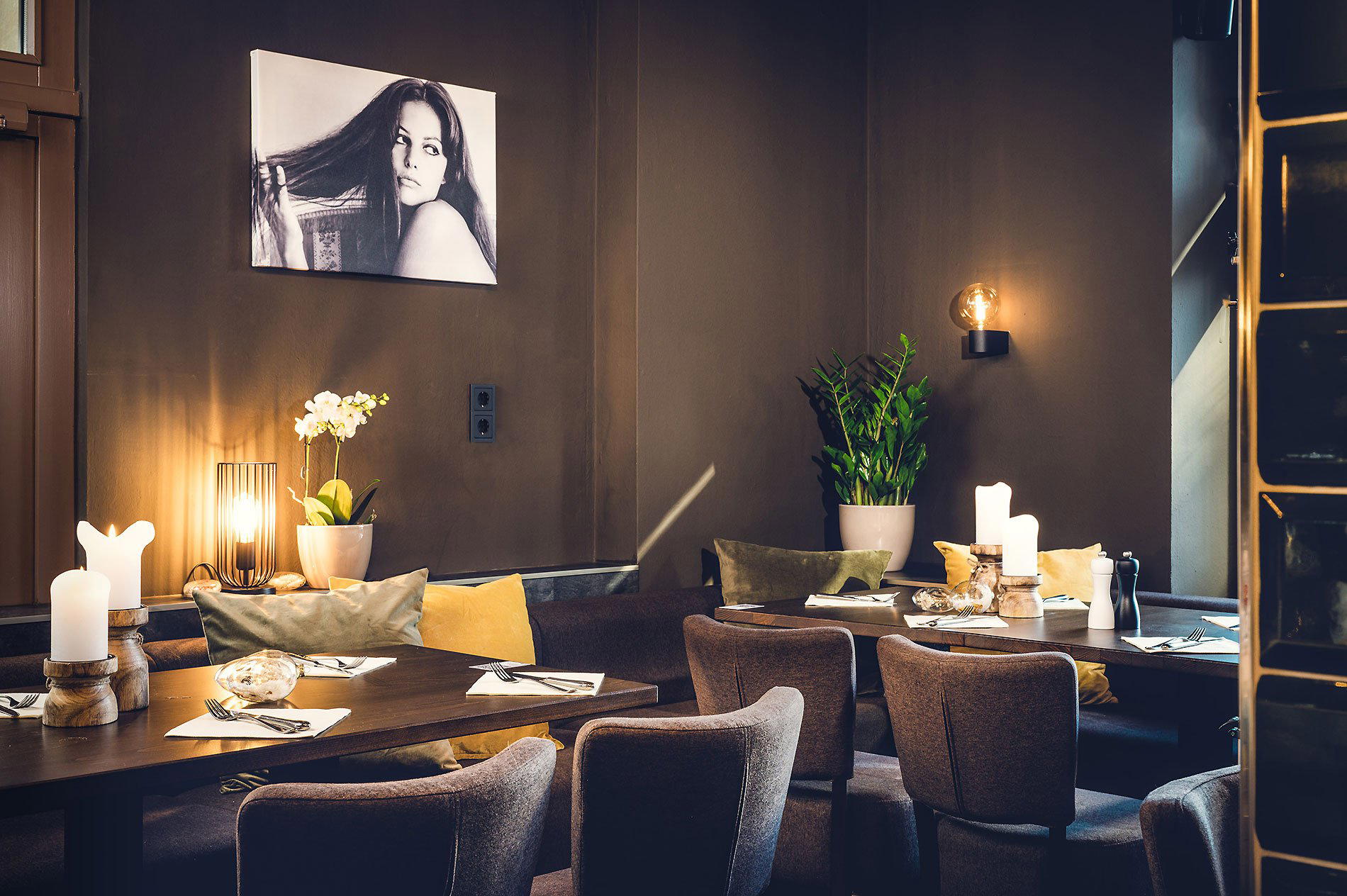
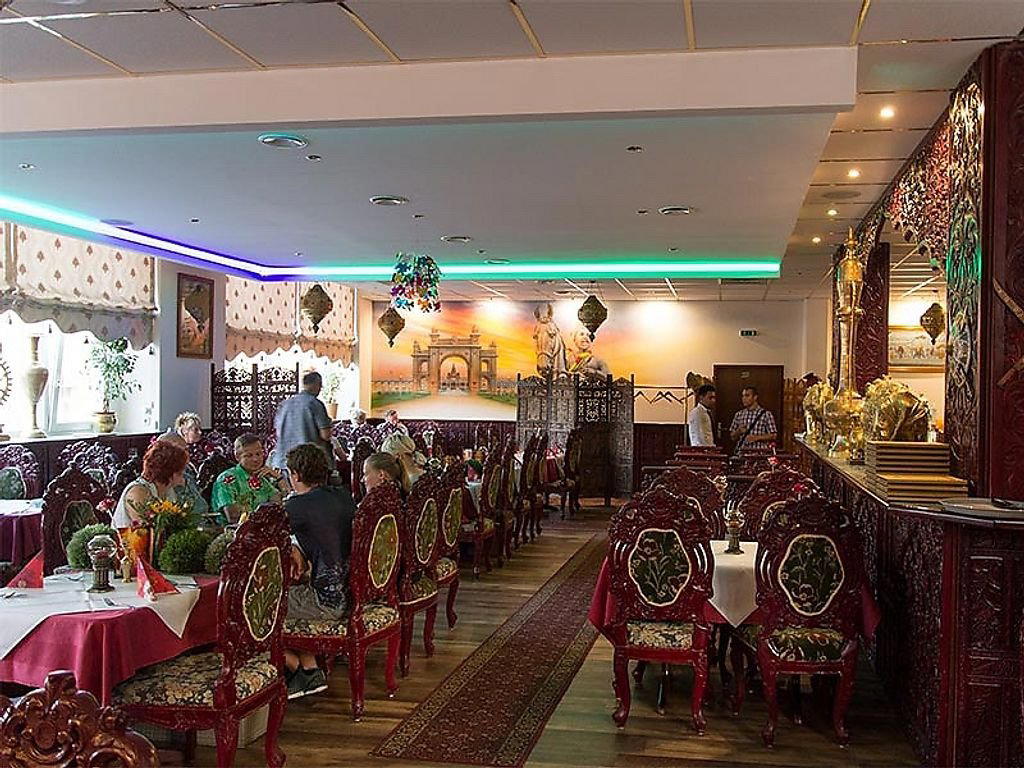
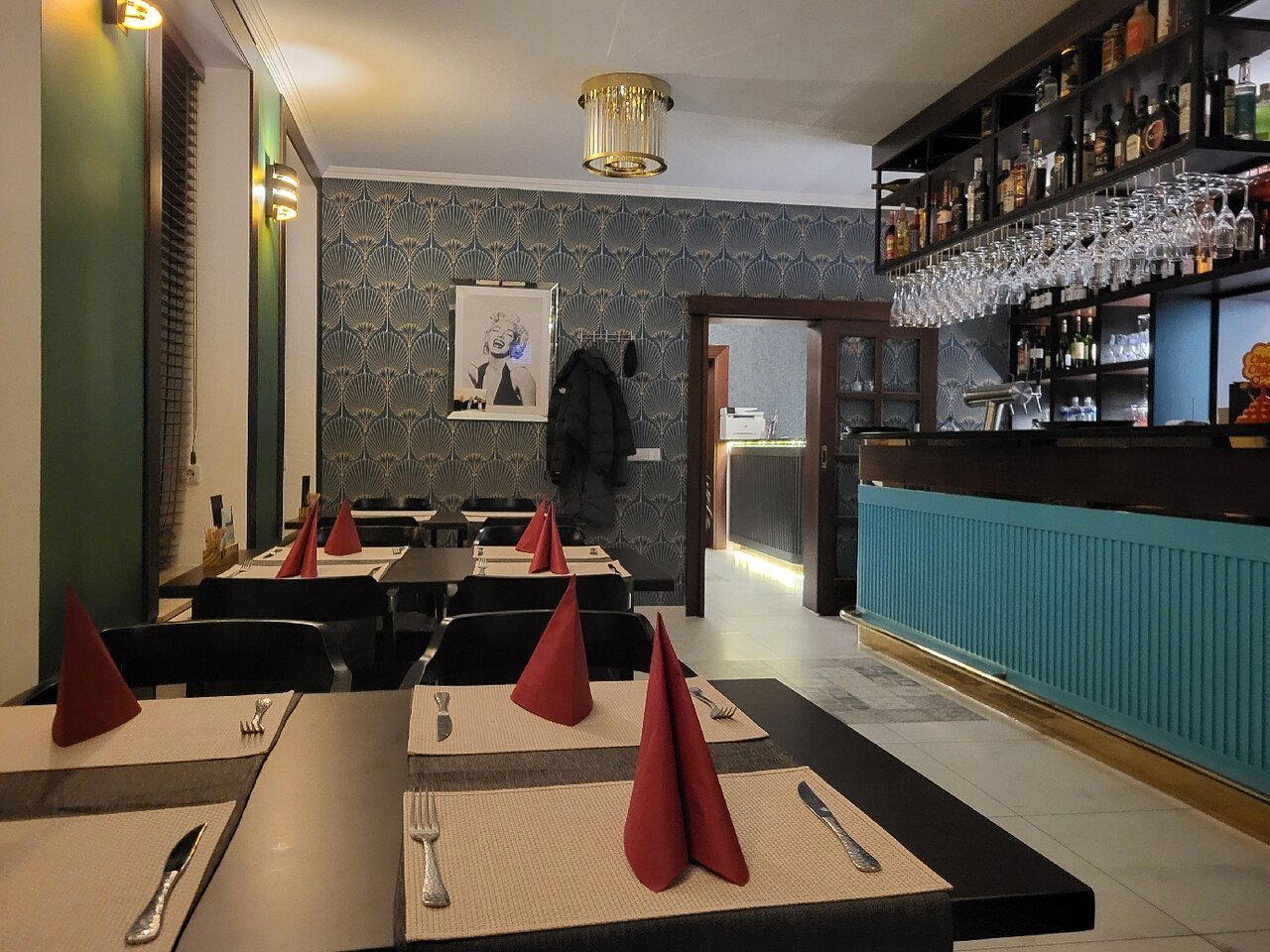
Modern yet warm and cozy atmosphere.