
Okonomiyaki Dan is a late-night Shinsaibashisuji okonomiyaki address in Osaka, selected for Tabelog 100 - Okonomiyaki - 2025. Its appeal sits in the city’s iron-plate tradition rather than luxury dining: a compact 23-seat room, approachable pricing, and a location between Namba and Shinsaibashi that suits an after-hours Osaka itinerary.
Pearl is the En Primeur Club membership app — saves, bookings, and concierge access live there. Same editors, same standards.
- Address
- Japan, 〒542-0085 Osaka, Chuo Ward, Shinsaibashisuji, 2 Chome−3−12 喜八ビル 3階
- Phone
- +81 6-6211-8708
- Website
- twitter.com
 Saves & bookings on Pearl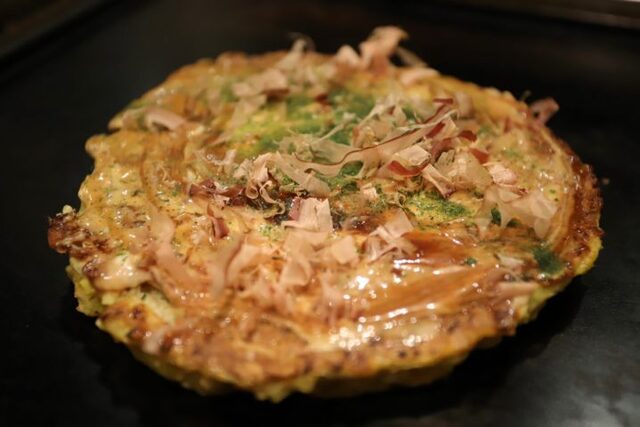
Shinsaibashisuji changes character after dark: retail glare gives way to elevator signs, stairwell restaurants, and the smell of batter hitting hot iron. In Osaka, okonomiyaki is not a side note to the drinking district; it is one of the city’s core formats, built around griddle heat, cabbage structure, sauce, and the timing of a dish that has to hold together without becoming heavy. Okonomiyaki Dan belongs to that late-evening circuit, the kind of room where the meal is measured less by ceremony than by the sequence from first order to final bite.
The distinction here is not luxury. It is category strength. Selection for Tabelog 100 - Okonomiyaki - 2025 puts the restaurant inside a narrow public shortlist for a dish Osaka treats with serious local scrutiny. That matters because okonomiyaki is often flattened for visitors into a casual comfort-food label. The stronger addresses are judged on balance: batter restraint, cabbage cut, griddle control, sauce discipline, and whether the final plate eats cleanly enough to invite another order rather than end the night.
Osaka's griddle culture rewards pacing, not spectacle
Okonomiyaki has a different rhythm from kaiseki, sushi, or counter teppanyaki. The arc is compact but deliberate: a hot plate arrives, the first round sets the table’s direction, and later orders either widen the meal or repeat what worked. The format has the social looseness of izakaya dining, but the cooking is less casual than it looks. A weak version collapses into starch and sauce; a stronger one uses the griddle to create contrast without turning the pancake into a weight.
That is why the tasting progression matters even in an inexpensive, informal setting. A meal can move from okonomiyaki into related iron-plate cooking, with the table using heat and texture as its organizing principle rather than courses in the Western sense. In Osaka, this is a serious way to eat late: focused, flexible, and tied to the city’s appetite for food that can follow shopping, theatre, bars, or the Namba station flow.
The comparison set helps clarify the lane. A place such as Bar in Osaka sits at a higher drinking-budget tier, while Kobe Beef Sakura Osaka Shochikuza Store and Teppan Toyoshimake point toward beef or teppan-led spending decisions. 本湖月 and Kizuna belong to more formal Japanese dining conversations. Okonomiyaki Dan operates in another register: low-ticket, griddle-first, and useful when the evening calls for Osaka specificity rather than a long tasting menu.
Recognition without fine-dining theatre
Tabelog’s okonomiyaki list is a useful signal because it evaluates a category where guidebook shorthand can mislead. The 2025 selection indicates a level of local traction in a field with deep Osaka competition. The restaurant’s Tabelog score is 3.50, a modest-looking number by international rating habits but meaningful in Japan’s compressed scoring culture, where small decimal differences often separate serious specialists from ordinary neighborhood stops.
The room’s scale also shapes the experience. With 23 seats, this is not a banquet address or a polished corporate dining room. The appeal is the intimacy of the griddle restaurant: a practical city meal built around heat, immediacy, and repetition. Private rooms and private use are not part of the format, which suits the broader Osaka tradition. Okonomiyaki is public food, eaten close to other tables, with the room functioning as part of the pace.
There is no chef mythology to decode here, and that is a strength. Osaka has enough restaurants whose value is better understood through craft category than personality narrative. The relevant credential is the dish and the city’s demand for it. In that sense, the restaurant works as a counterpoint to destination dining where a named chef or long menu carries the evening. Here, the measure is simpler: does the griddle cooking justify choosing okonomiyaki over ramen, sushi, yakiniku, or a bar snack crawl in the same district?
Where it fits in a Shinsaibashi and Namba night
The geography is part of the editorial case. Shinsaibashisuji and Namba are dense with casual dining, chain convenience, theatre traffic, and late-night drinking, which makes selectivity harder. A recognized okonomiyaki specialist in this corridor gives the area a grounded option: Osaka food with enough structure to anchor the night, but not the weight of a formal reservation-led dinner. For travelers planning across categories, it pairs naturally with a broader read of Our full Osaka restaurants guide, while the city’s sleep, drink, wine, and activity layers sit in Our full Osaka hotels guide, Our full Osaka bars guide, Our full Osaka wineries guide, and Our full Osaka experiences guide.
Osaka’s range is also visible in smaller contrasts: the cafe-and-bakery side of the city at.cafe and 52CHO-ME BAKERY, the famous takeaway logic of 551 Horai (551蓬莱), and imported or cross-cultural cooking at 99 Pizza Napoletana Gourmet and a canto (Italian). Seen against that spread, okonomiyaki is not merely local color. It is one of the city’s baseline tests for whether a dining plan understands Osaka on its own terms.
For a wider Japan itinerary, the same category thinking applies outside Kansai. Beef-led meals such as -Grilled beef Sukiyaki- KAMAKURA TANUKIAN 鎌倉 たぬき庵 in Kamakura, seafood-and-charcoal formats like. 鮪と炭火焼き うお炭 秋葉原店 in Tokyo, regional counters such as.know in Kumamoto, and focused everyday cooking at (Shoku) Vietnam in Kawasaki, [Curry Senmon Ten] Maruyama Kyoju. in Sapporo, and [ki:] in Kyoto show how Japan rewards specialization. Across the Pacific, Jōdo Saké Bar in Los Angeles and Onigiri Time in Pasadena make a different point: Japanese formats travel, but Osaka’s griddle culture is still read sharply on its home ground.
The editorial recommendation is clear for the right night. Choose this address when the plan calls for recognized Osaka cooking without a formal tasting-menu frame, especially around Shinsaibashi or Namba. It is less suited to diners seeking privacy, ceremony, or chef-led theatre. Its value lies in a concentrated local format: a short, heat-driven meal that makes sense before or after the district’s later hours.
Budget and Context
Comparable venues at the same tier.
| Venue | Cuisine | Price |
|---|---|---|
| Okonomiyaki DanThis venue — the venue you are viewing | Not listed | $ |
| Spice Curry Te | Chūō, Japanese Curry | $ |
| Ghar | Nishi, Japanese curry house | $ |
| Okonomiyaki Kiji Honten | Kita, Osaka okonomiyaki & modan-yaki | $ |
| Chuka Soba Ibuki | Kita, Ramen & Tsukemen | $ |
| Shoyu to Kai to Men Soshite Hito to Yume | Nishiyodogawa, Ramen & Tsukemen | $ |
Recognition history
Dated appearances from independent guides and award organizations, with the underlying list record or original source where available.
Tabelog 100 #8 · No. 8
Tabelog · Tabelog 100 - Okonomiyaki - 2025
Continue exploring
More in Osaka
Restaurants in Osaka
Browse all →




Bars in Osaka
Browse all →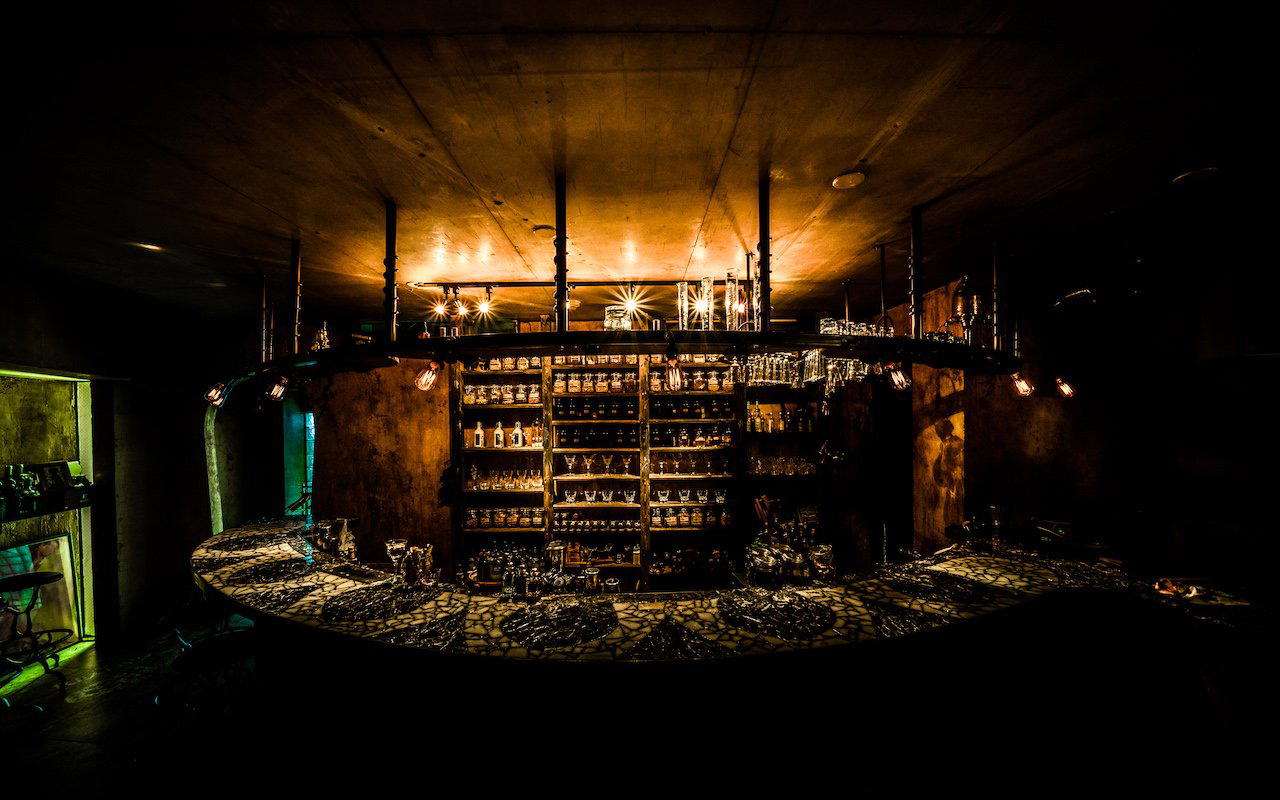
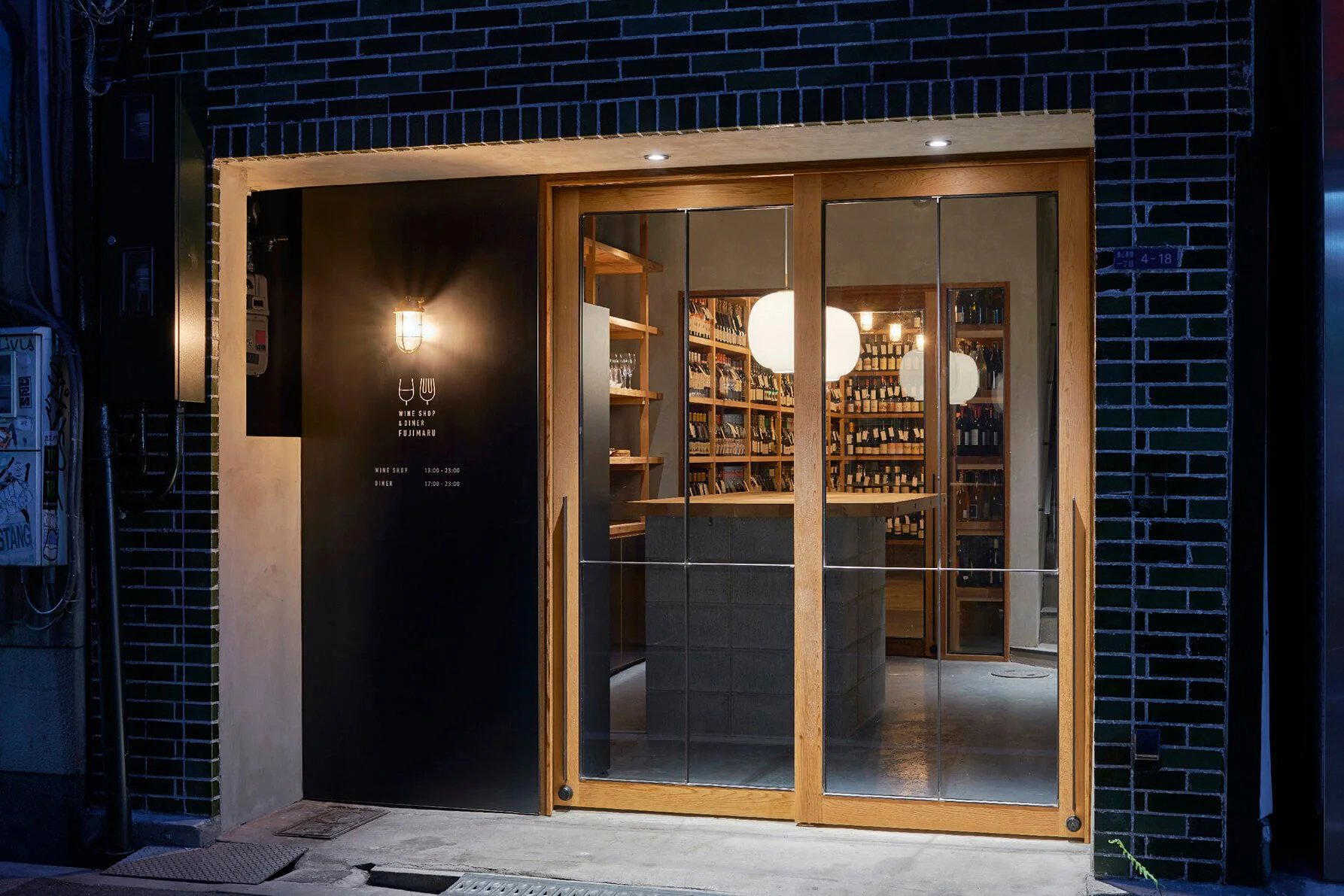


Hotels in Osaka
Browse all →



Wineries in Osaka
Browse all →
At a Glance
- Cozy
- Lively
- Intimate
- Classic
- Late Night
- Casual Hangout
- Group Dining
- Solo
- After Work
- Standalone
Current opening hours
- Monday
- 5 PM–4 AM
- Tuesday
- 5 PM–4 AM
- Wednesday
- 5 PM–4 AM
- Thursday
- 5 PM–4 AM
- Friday
- 5 PM–4 AM
- Saturday
- 5 PM–4 AM
- Sunday
- Closed
Hours can change for holidays and private events. Last verified .
A small, classic Osaka okonomiyaki joint on an upper floor of a building in the busy nightlife district, with a cozy, slightly crowded feel, grills at the counter or tables, and an energetic late-night atmosphere as guests watch their food sizzle on the teppan.